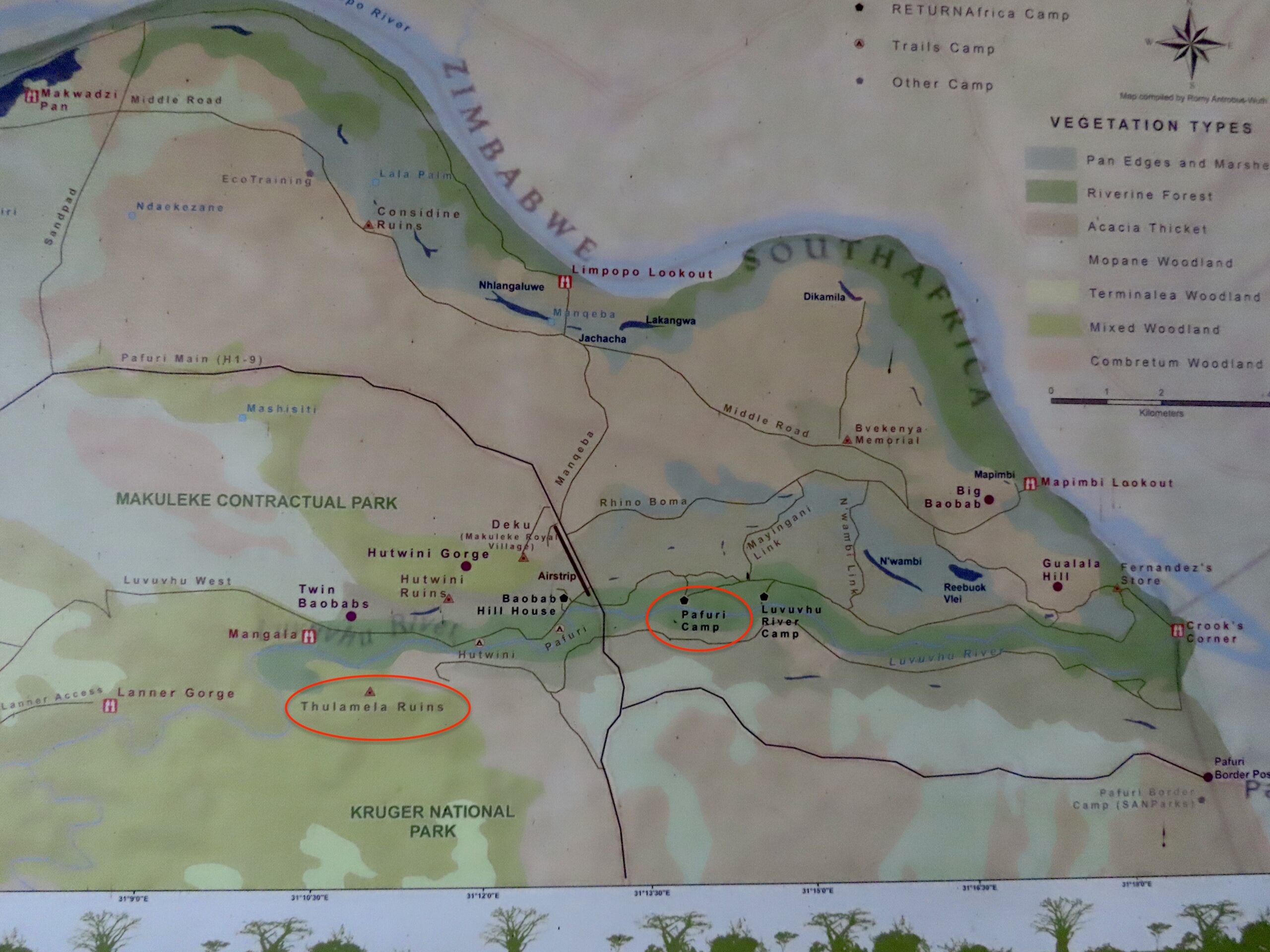
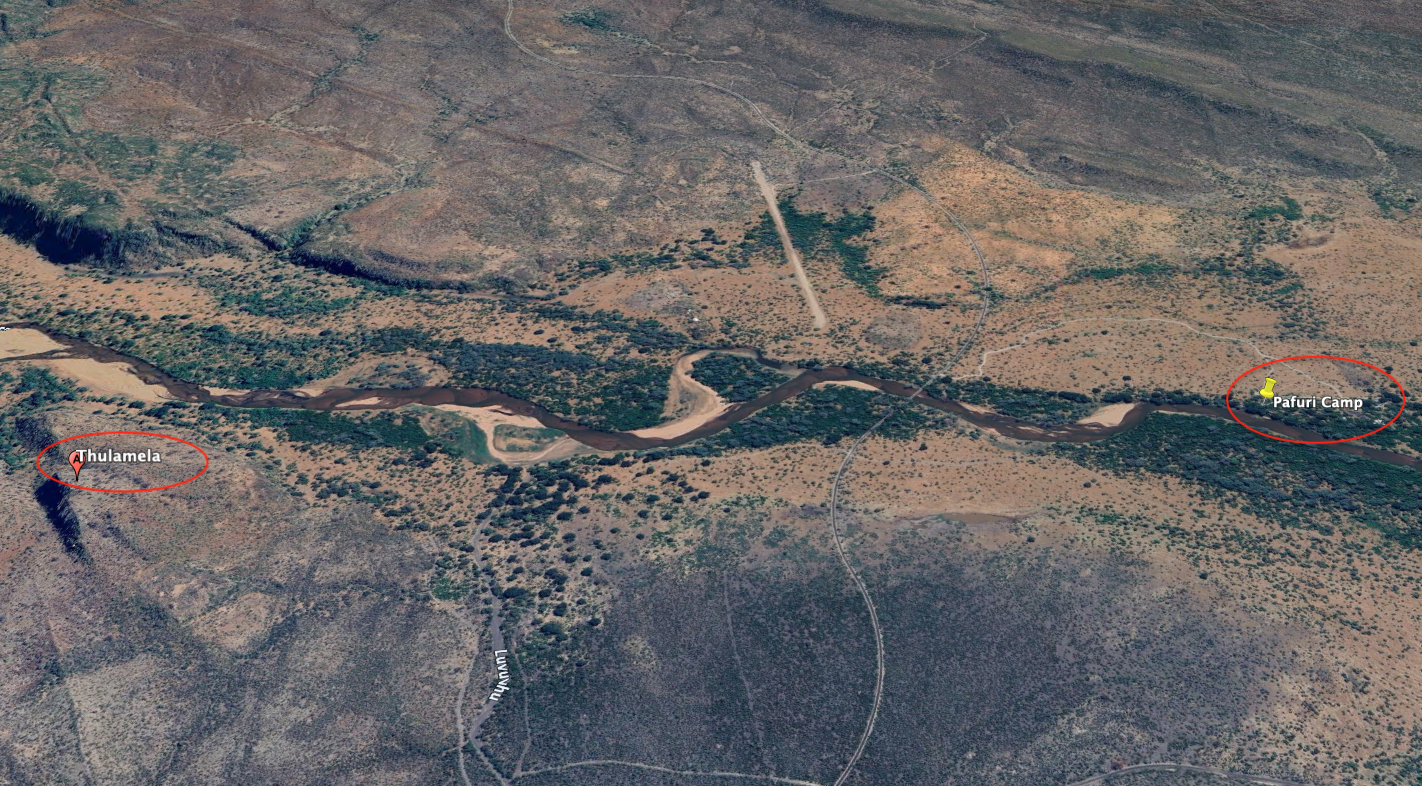
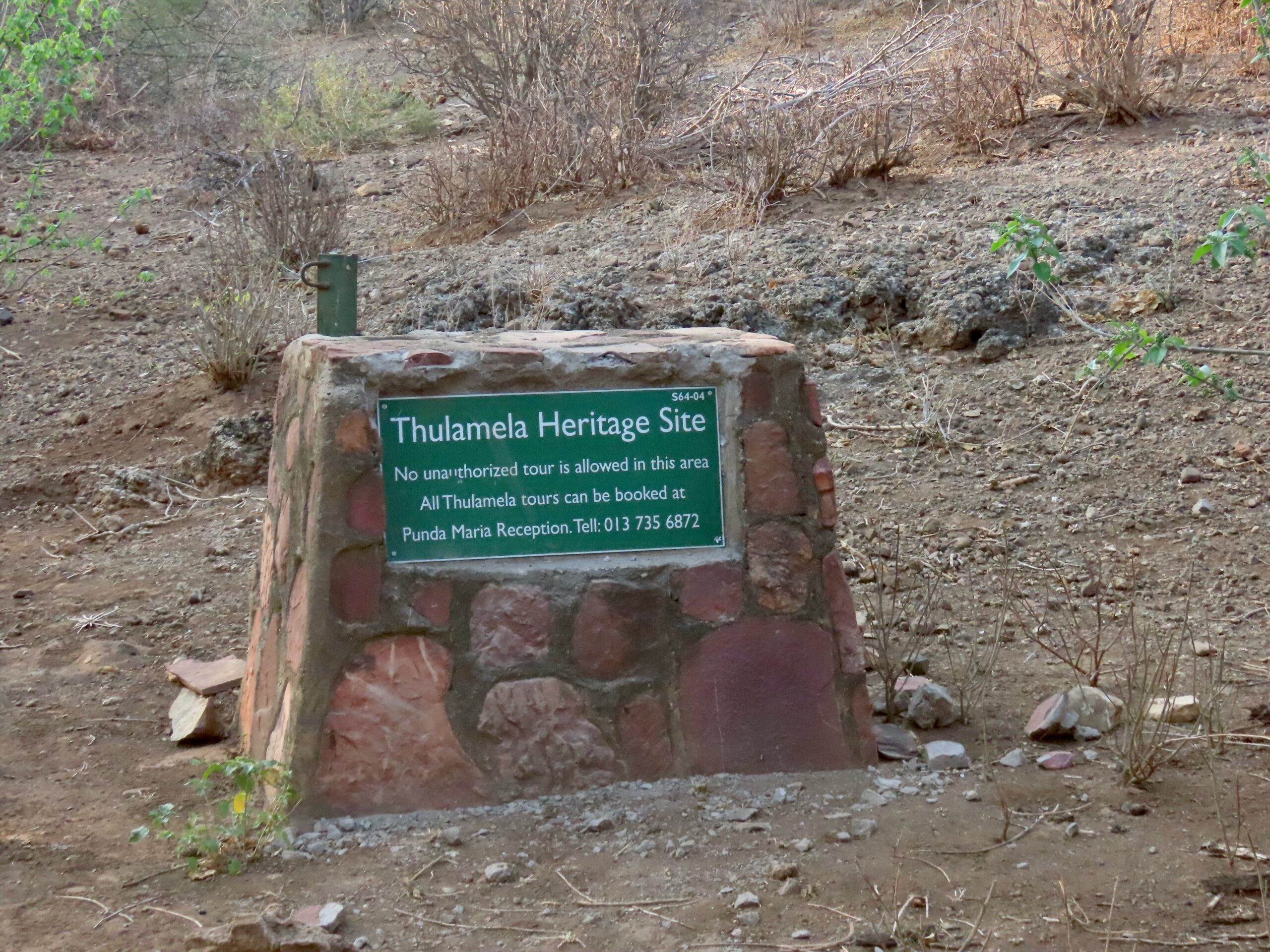
Wednesday morning we took a walk with a difference: we hiked to Thulamela, an archeological site (which made my little ancient-obsessed heart sing).
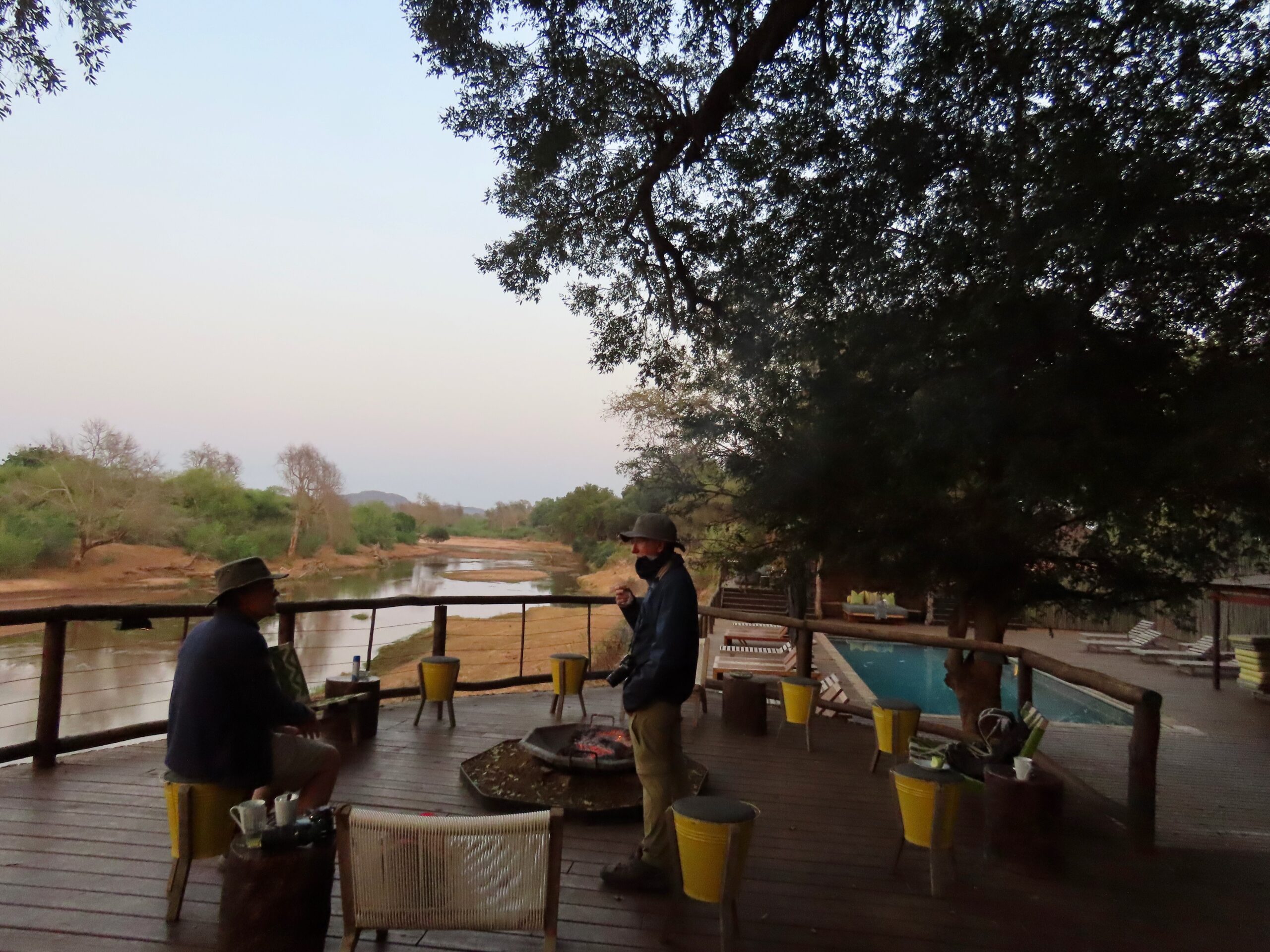
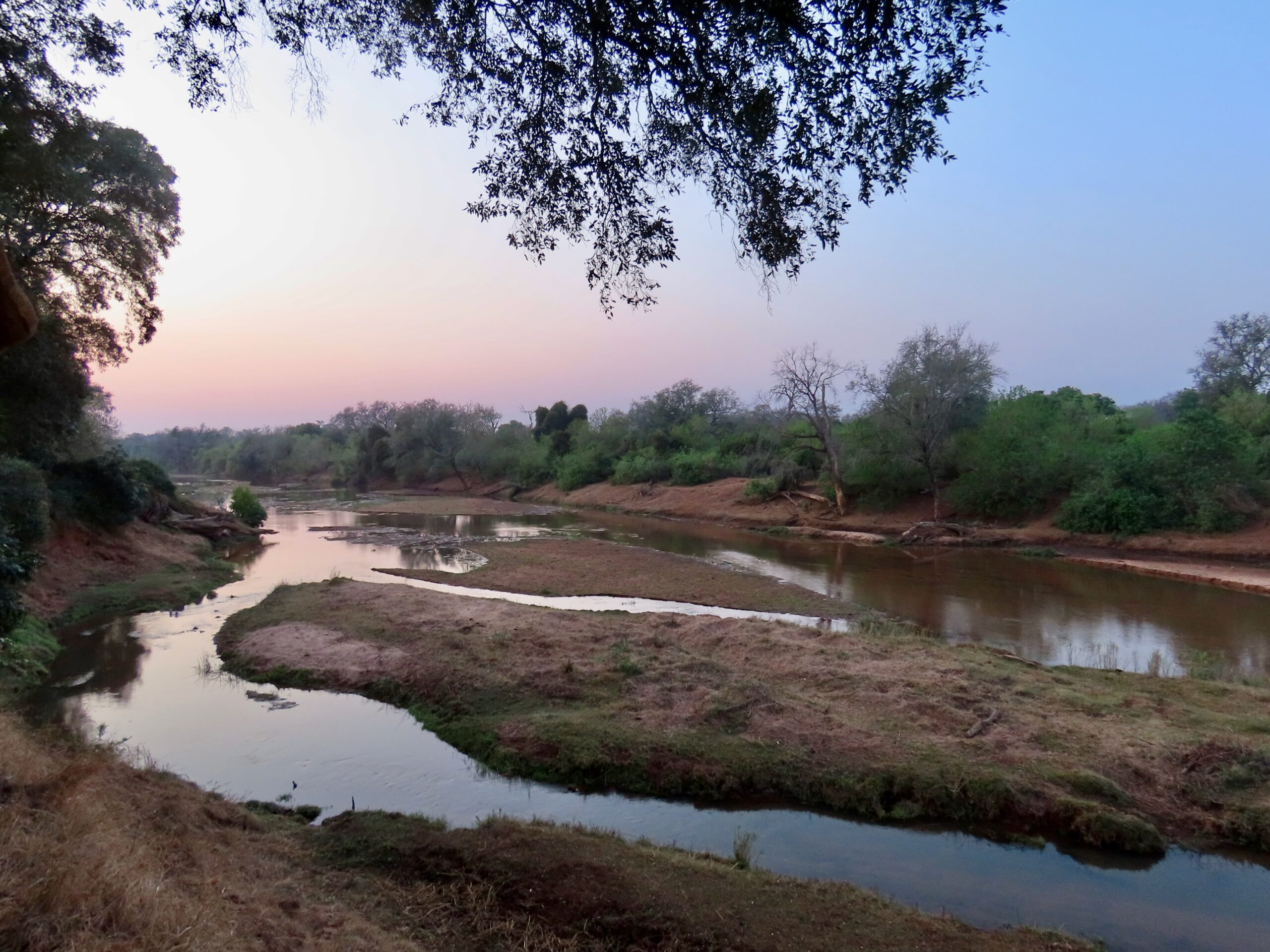
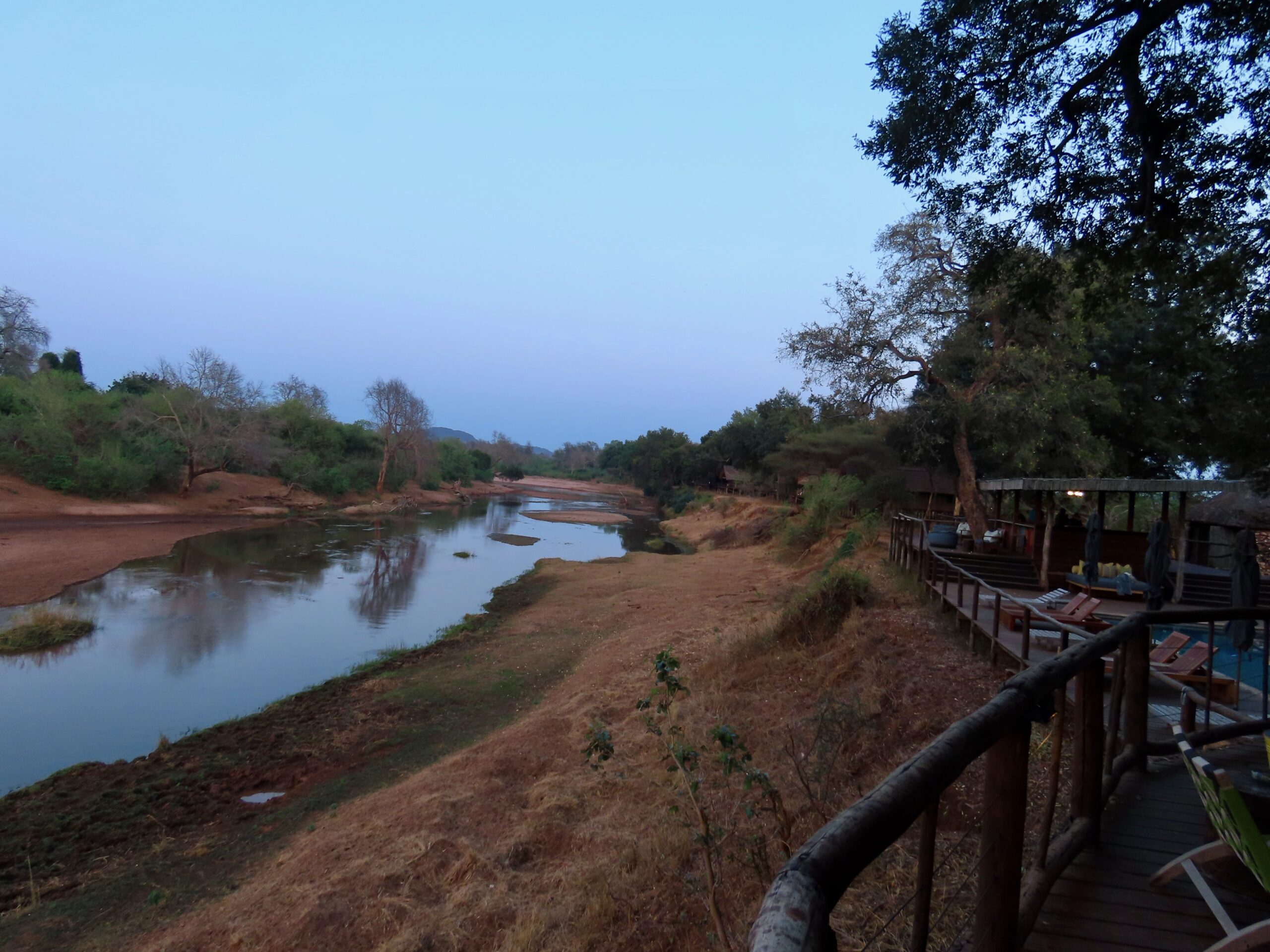
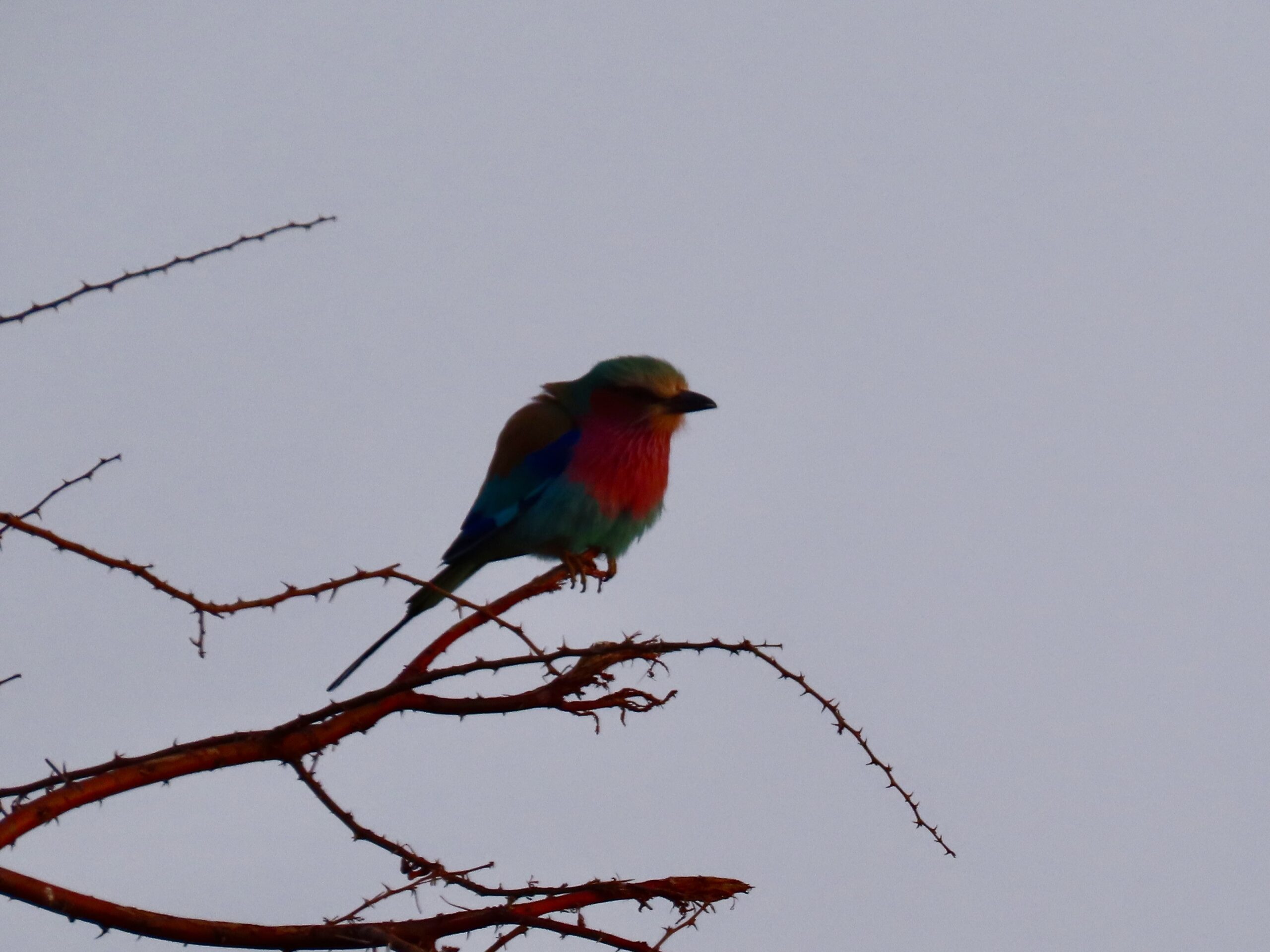
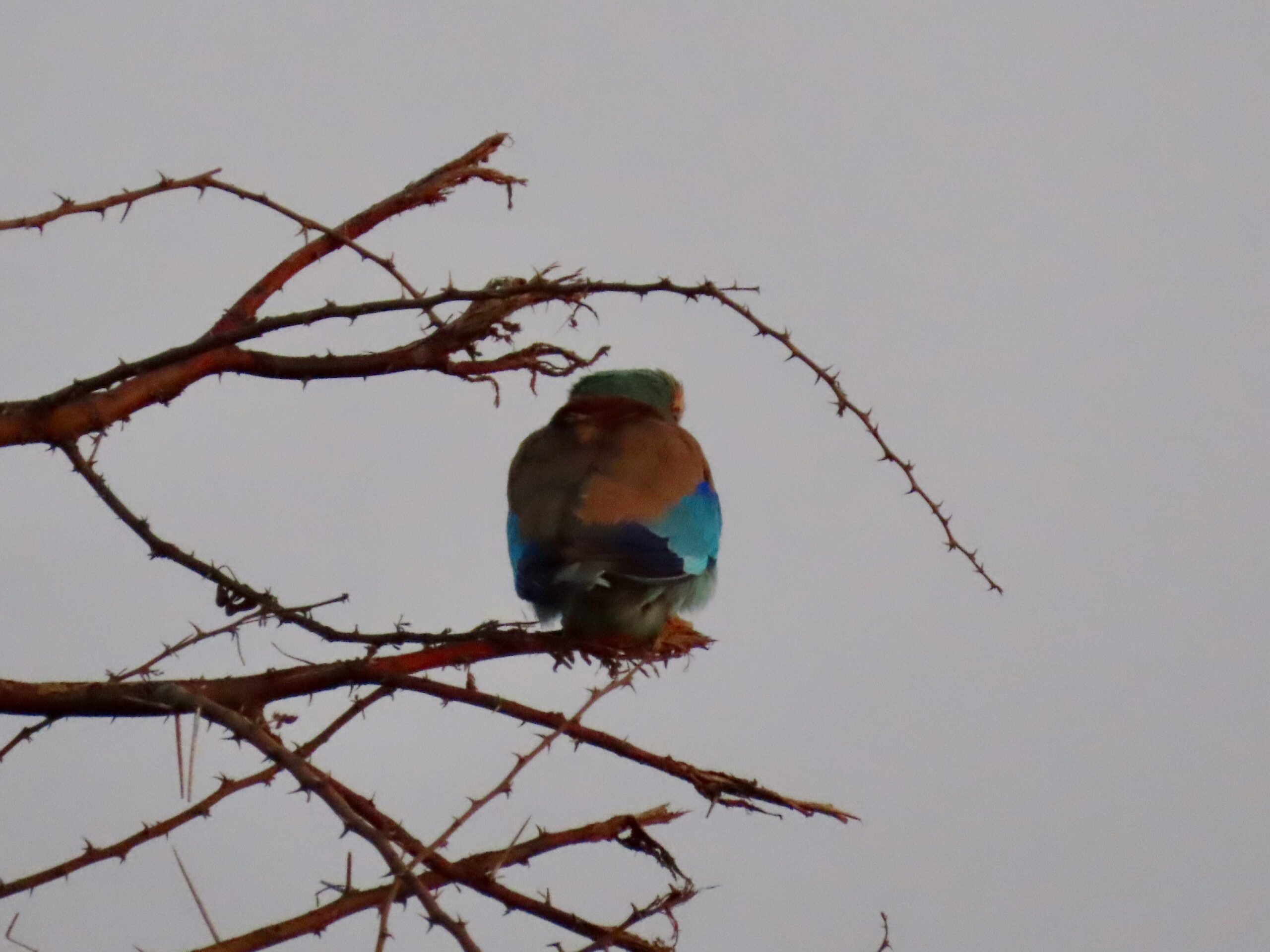
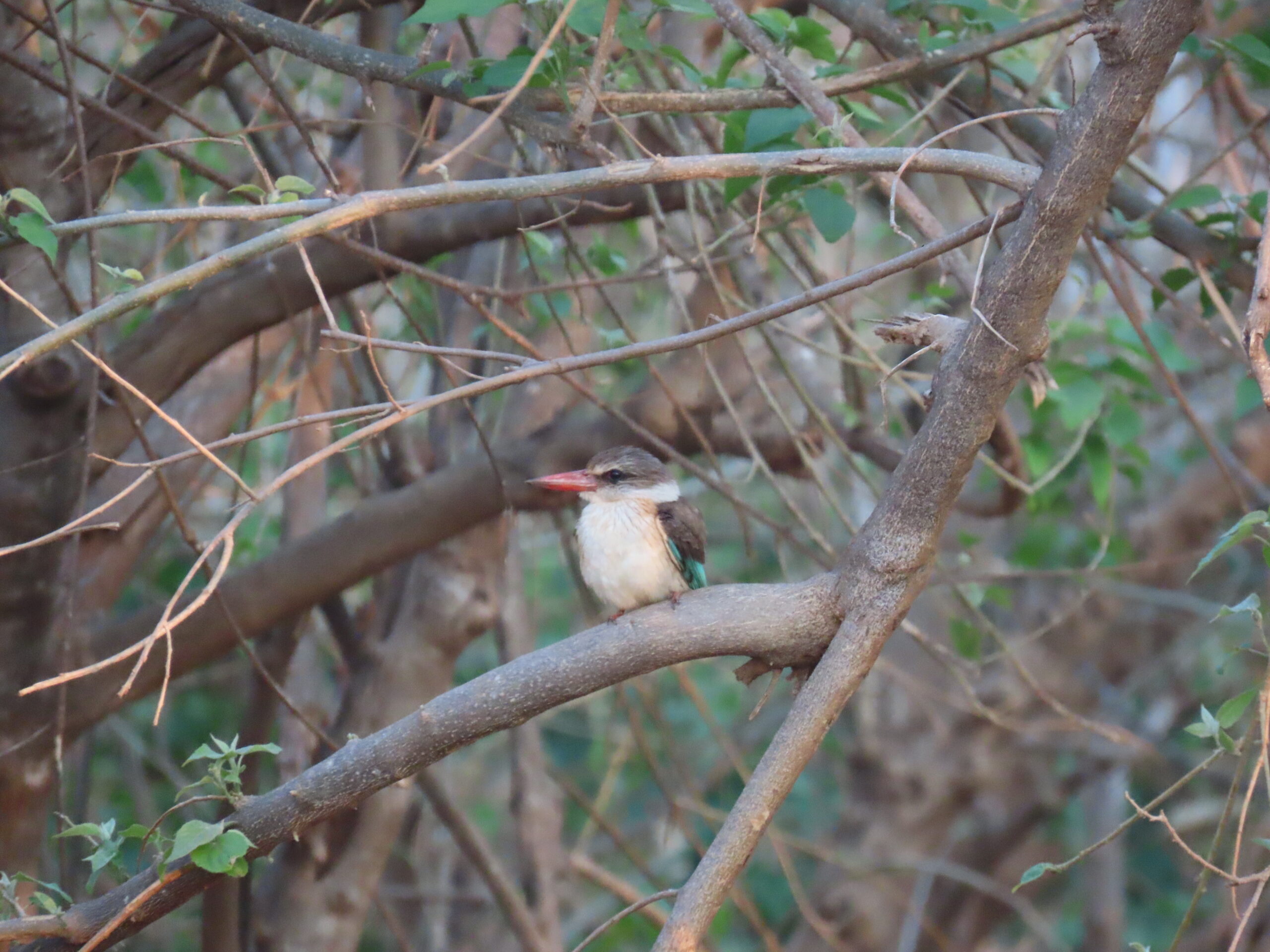
The day began with coffee/tea/juice and breakfast snacks on the central deck beside the river, with many birds in attendance. On Jan’s advice, Dominique decided to skip this walk in favor of a day river-birding from her private deck, so I promised to photo-document our walk.
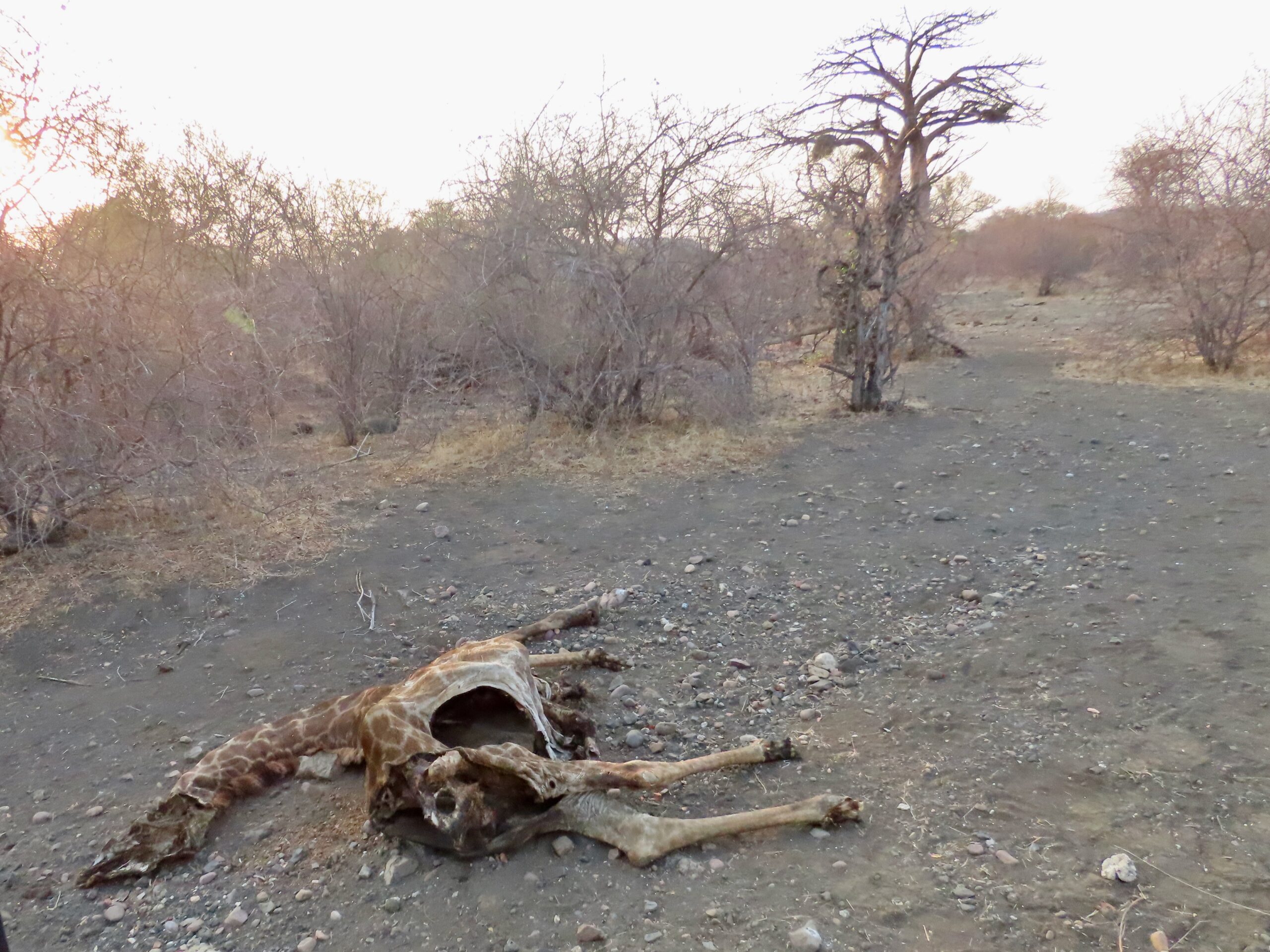
We noticed a very desiccated giraffe carcass on the plain just outside the camp entrance.
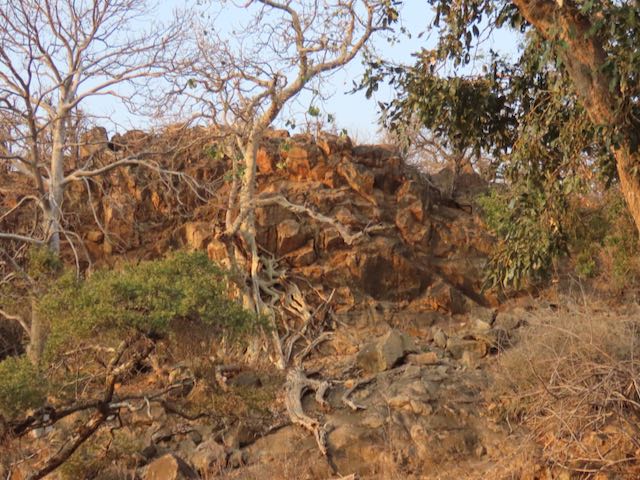
Jan pointed out a Rock Fig Tree clinging to a steep hillside. These tough trees can send roots as deep as 60 meters to find water, splitting rocks along the way
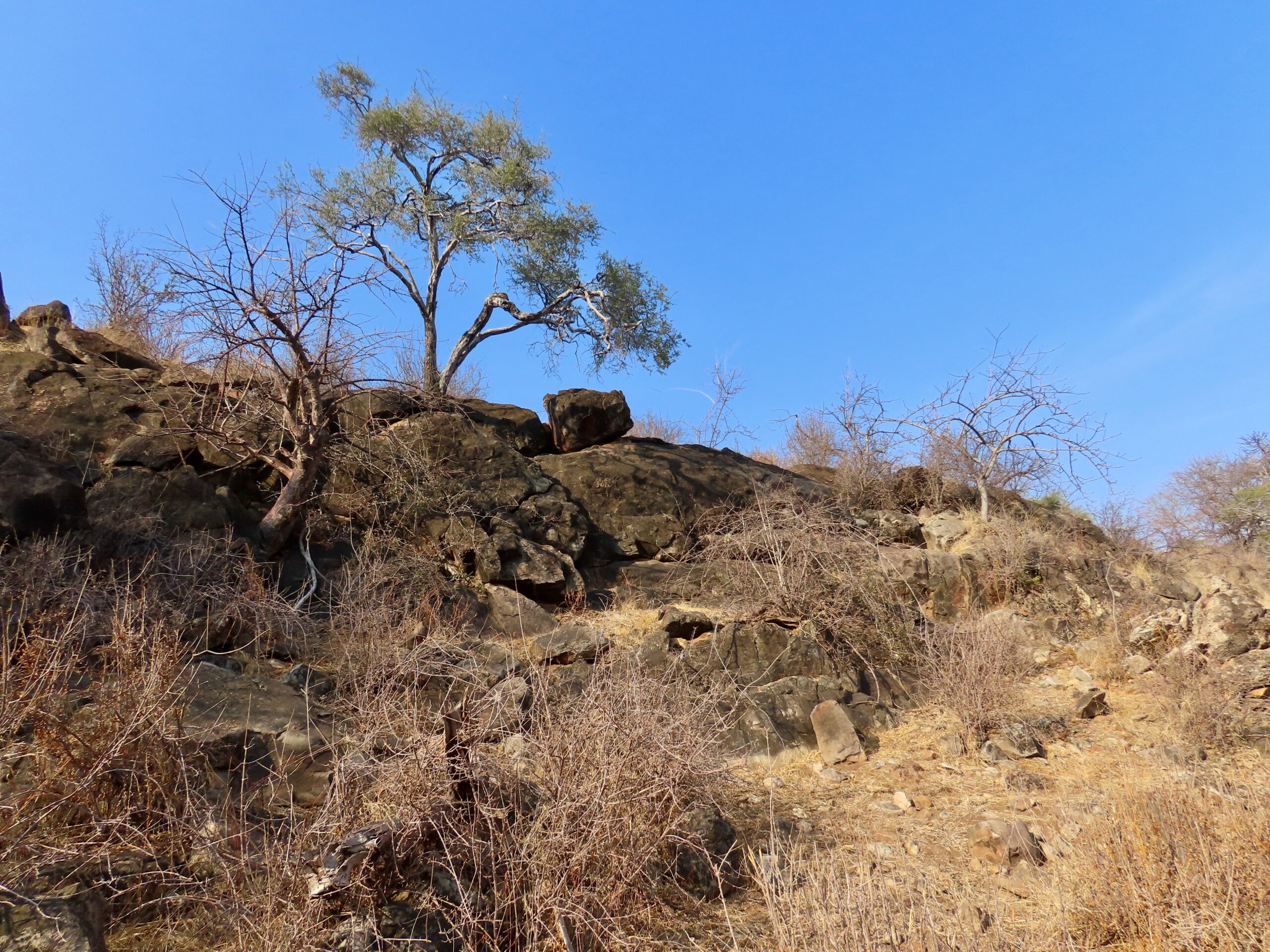
Our destination, Thulamela, is located within Kruger National Park on top of a cliff (one of those granite upthrusts we saw from the air) overlooking the Luvhuvu River.
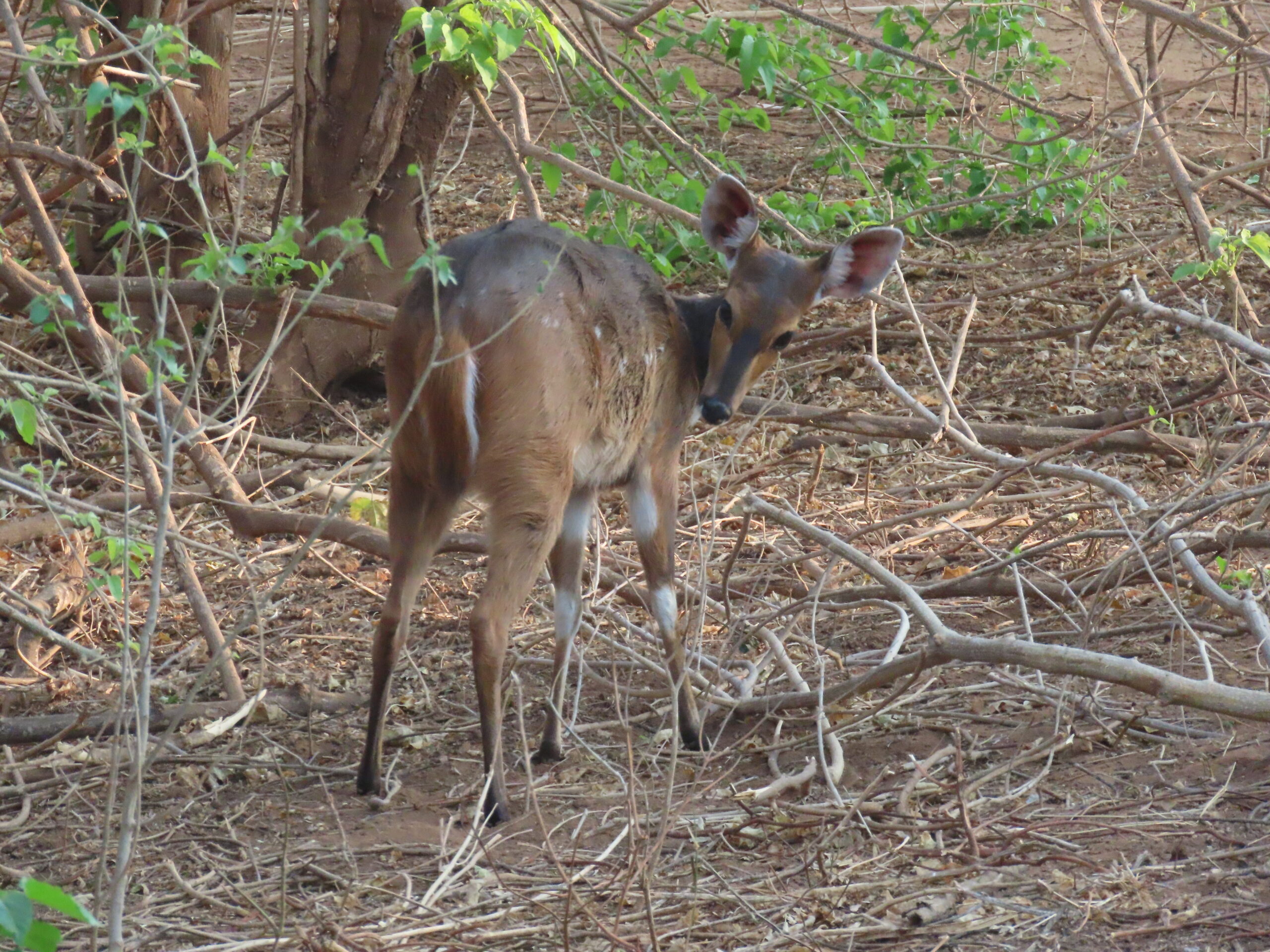
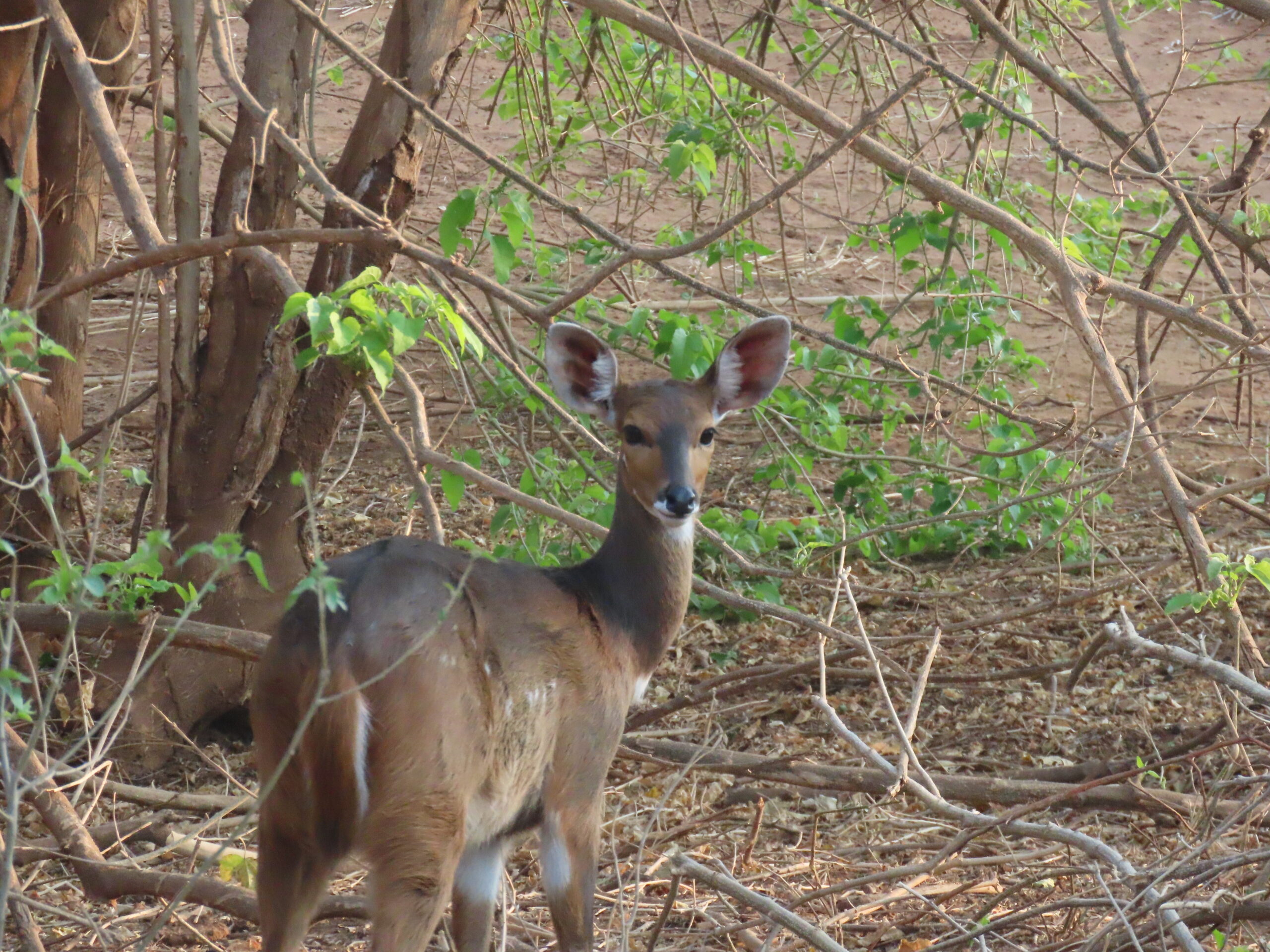
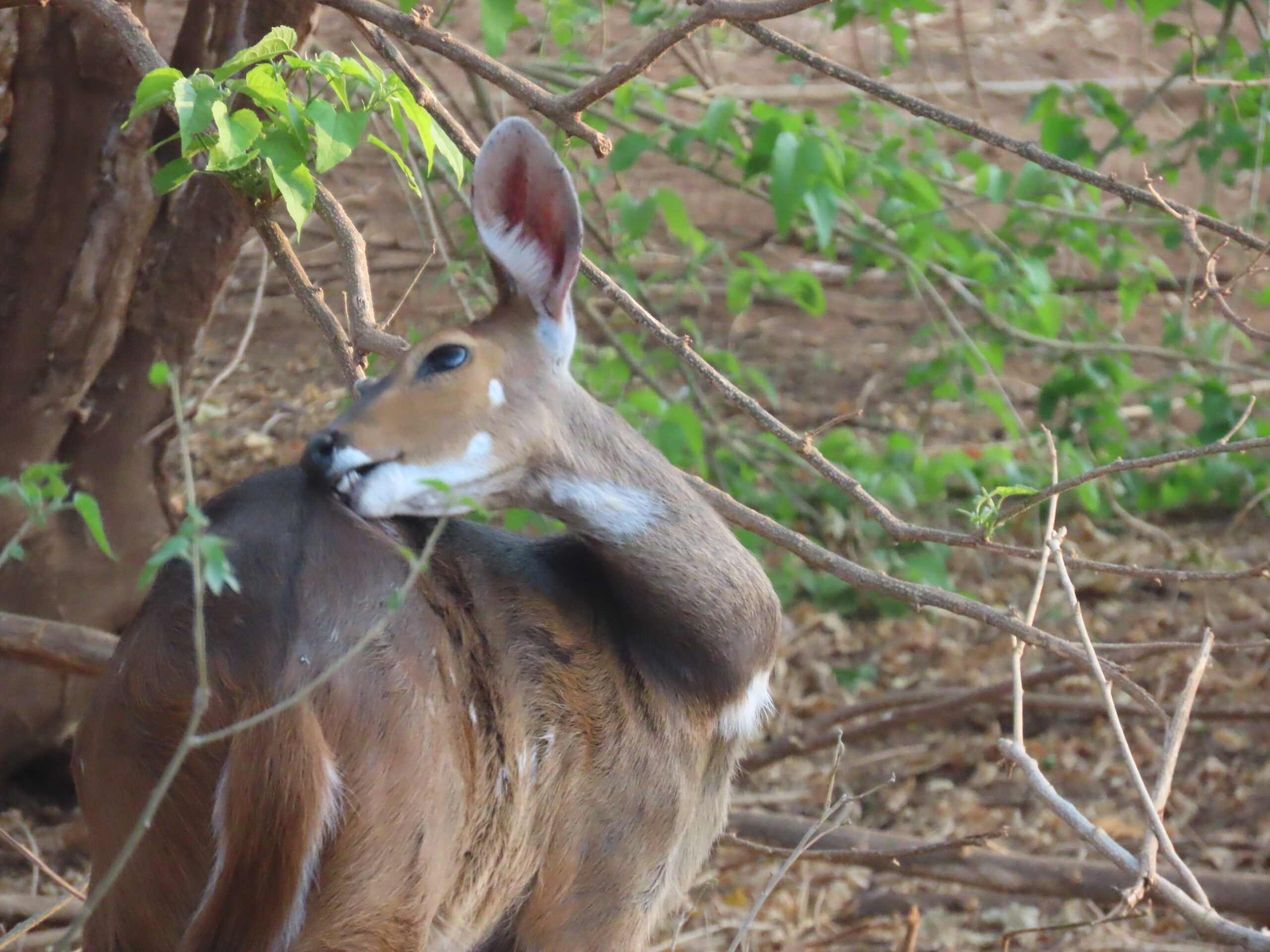
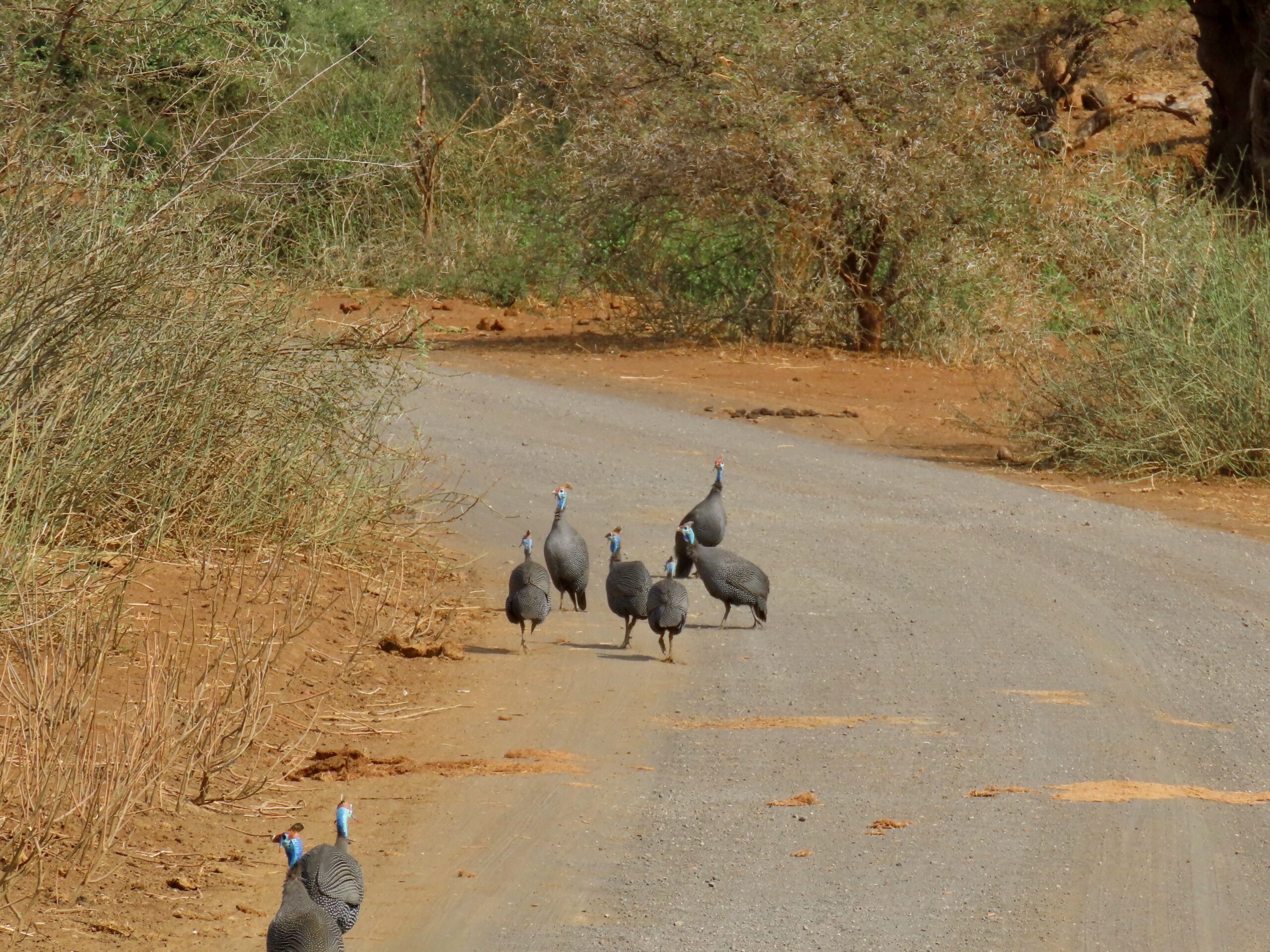
believing that the white marks on their heads and necks
are the fingerprints of the Creator as he blew air into bodies
Now for a brief Southern Africa history lesson…Hominids (precursors to our species, Homo sapiens not-always-sapiens) appear in the fossil record in southern Africa more than 1.5 million years ago. The San People, who are nomadic, lived in this area for more than 100,000 years, until they were mostly pushed out into more remote and inhospitable areas like the Kalahari Desert by people. About 2000 years ago, Bantu-speaking, cattle-raising people from more northern parts of Africa migrated south looking for better grazing, and settled into what is now Zimbabwe/Mozambique and northeastern South Africa.
Over time, these people established a civilization known as the Kingdom of Zimbabwe, named by modern scholars after its largest city, Great Zimbabwe. The city was constructed of stone, with substantial ruins remaining today. For many decades, European colonizers in this area insisted that the city must have been part of a lost, white kingdom, since Black Africans were incapable of creating such sophistication – a theory that has been thoroughly debunked. On obtaining independence, the country of Zimbabwe named itself after this early civilization.
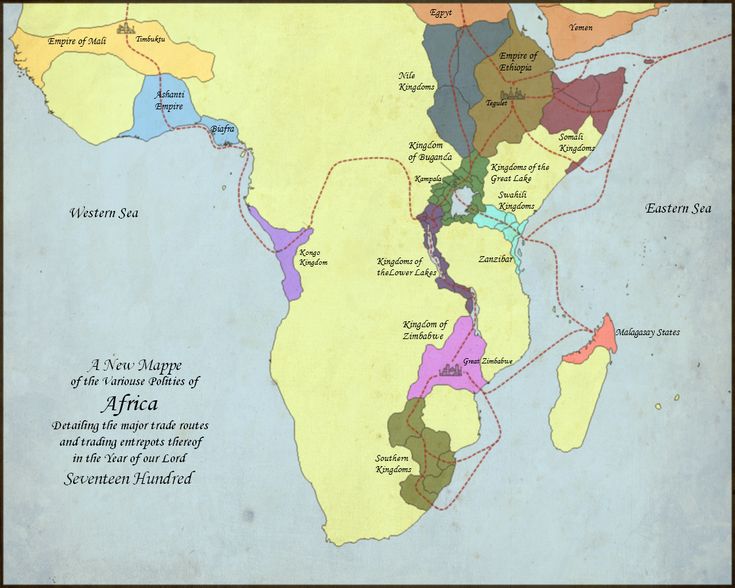
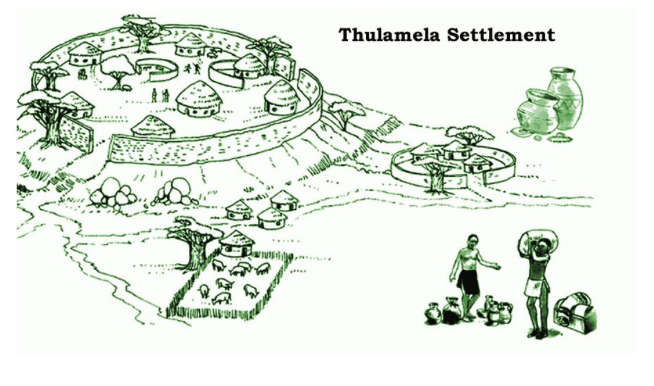
The Kingdom of Zimbabwe was part of an active trading network with Arab and Indian traders; items of trade included African slaves (shipped out of ports in Mozambique) and luxury goods. Thulamela was located in the southern portion of the Kingdom of Zimbabwe, and participated in this extensive trading network. Archeologists have found a variety of exotic trade goods at the site, including gongs/bells from West Africa, Ming dynasty porcelain from China, beads from India, and glass from Venice. In exchange, the people of Thulamela traded items of gold (they were skilled goldsmiths), ivory and iron (which was mined and smelted nearby).
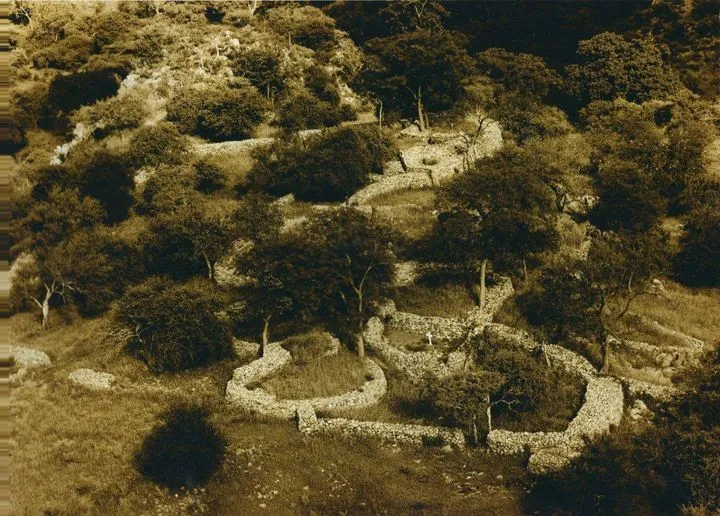
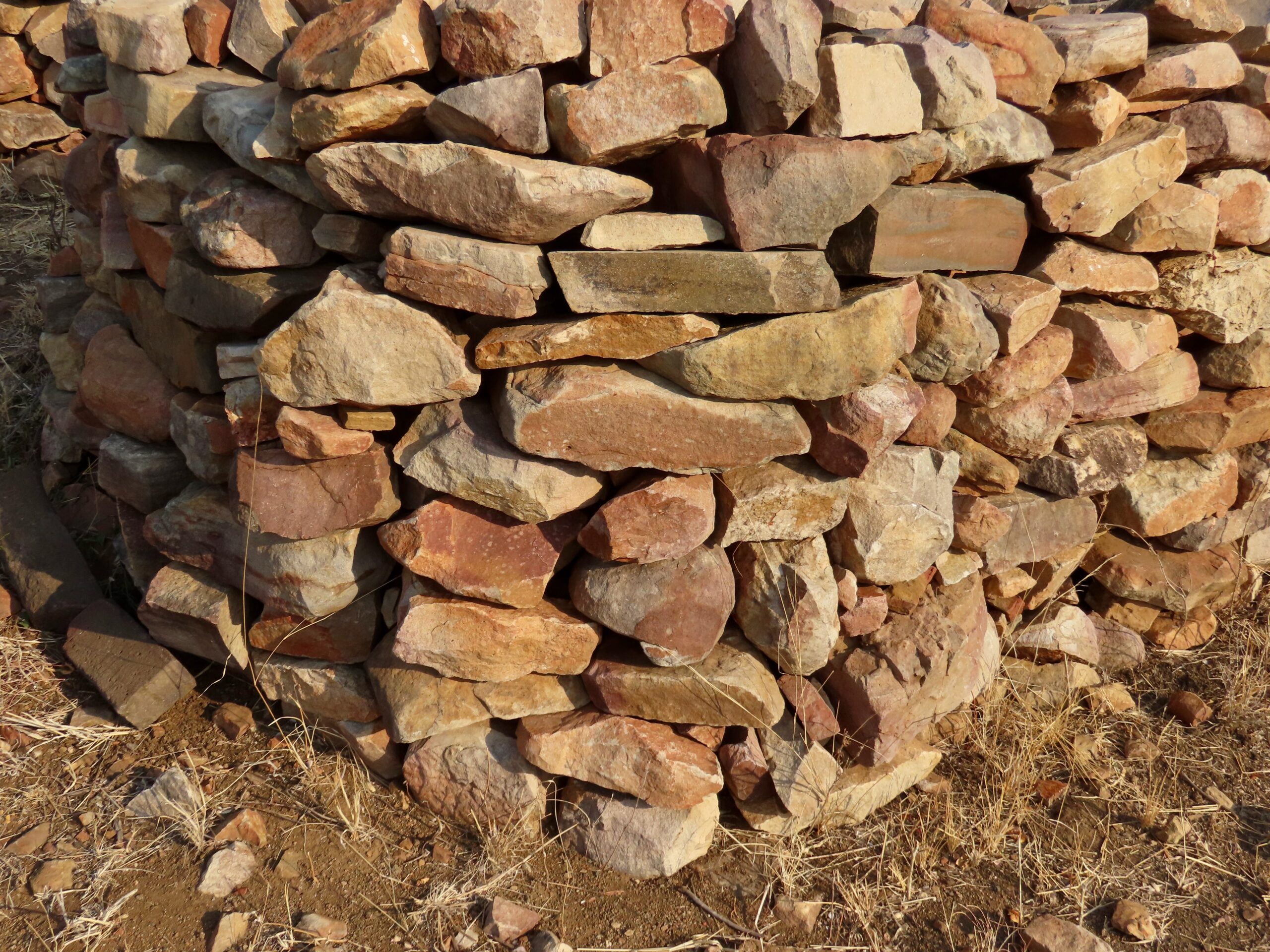
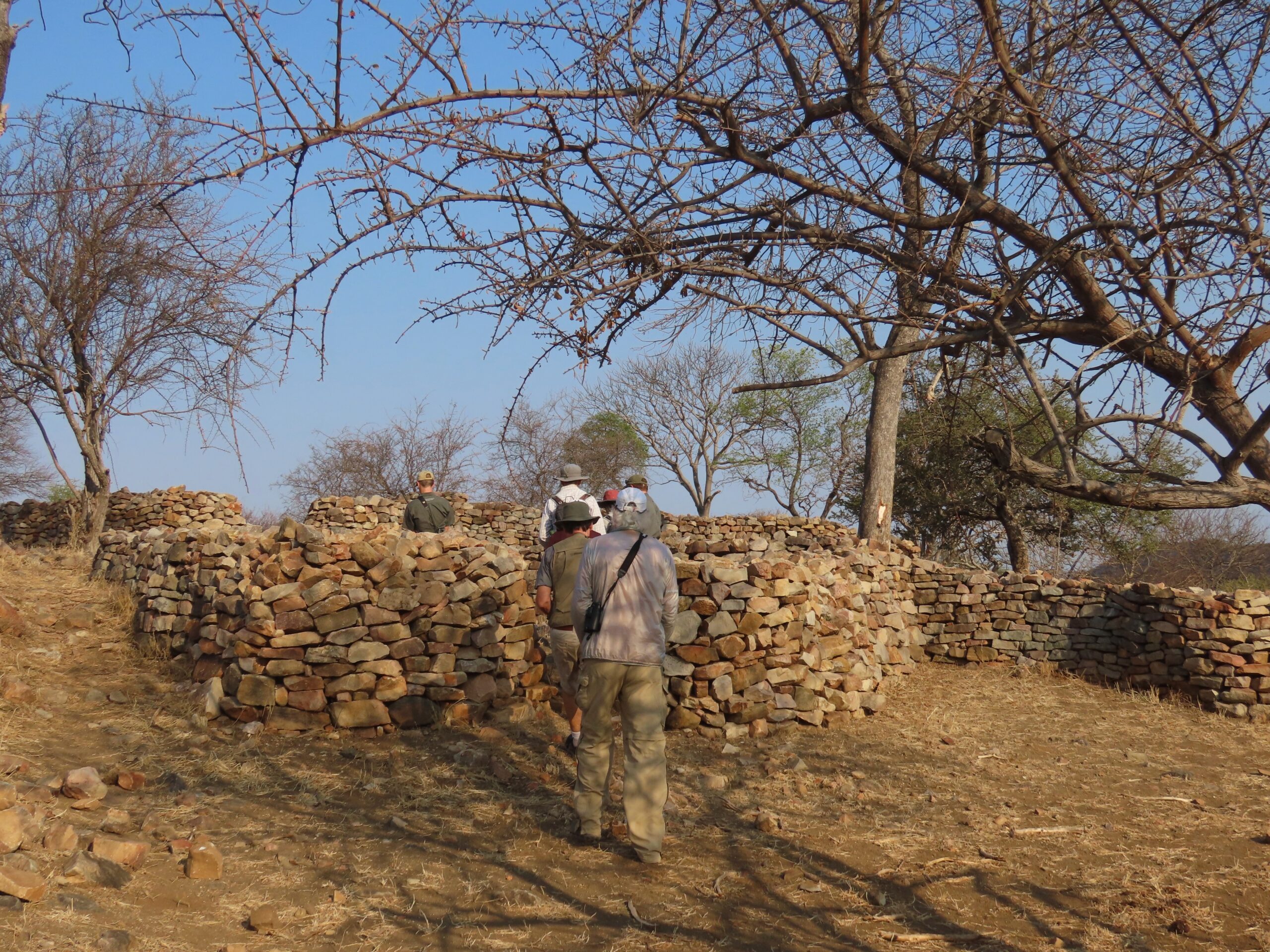
The city was a fortified citadel, home to about 1000 royals/elites and their immediate servants. Another 1000 or so people lived on the lower hillsides and in the river valley below. Thulamela was occupied from ~ 1200-1700 CE, when it (and Great Zimbabwe) were abandoned – n one is sure why. The site was excavated and partially reconstructed in the 1990s.
Brief aside: Back in 1999, a very young Henry Louis Gates Jr. did a documentary series for PBS called “Wonders of the African World.” Episode 6, “Lost Cities of the South,” features the KIngdom of Zimbabwe and Thulamela (along with a very interesting look at life in South Africa under apartheid rule.) It’s an interesting series – I recommend watching it if you can find a copy.
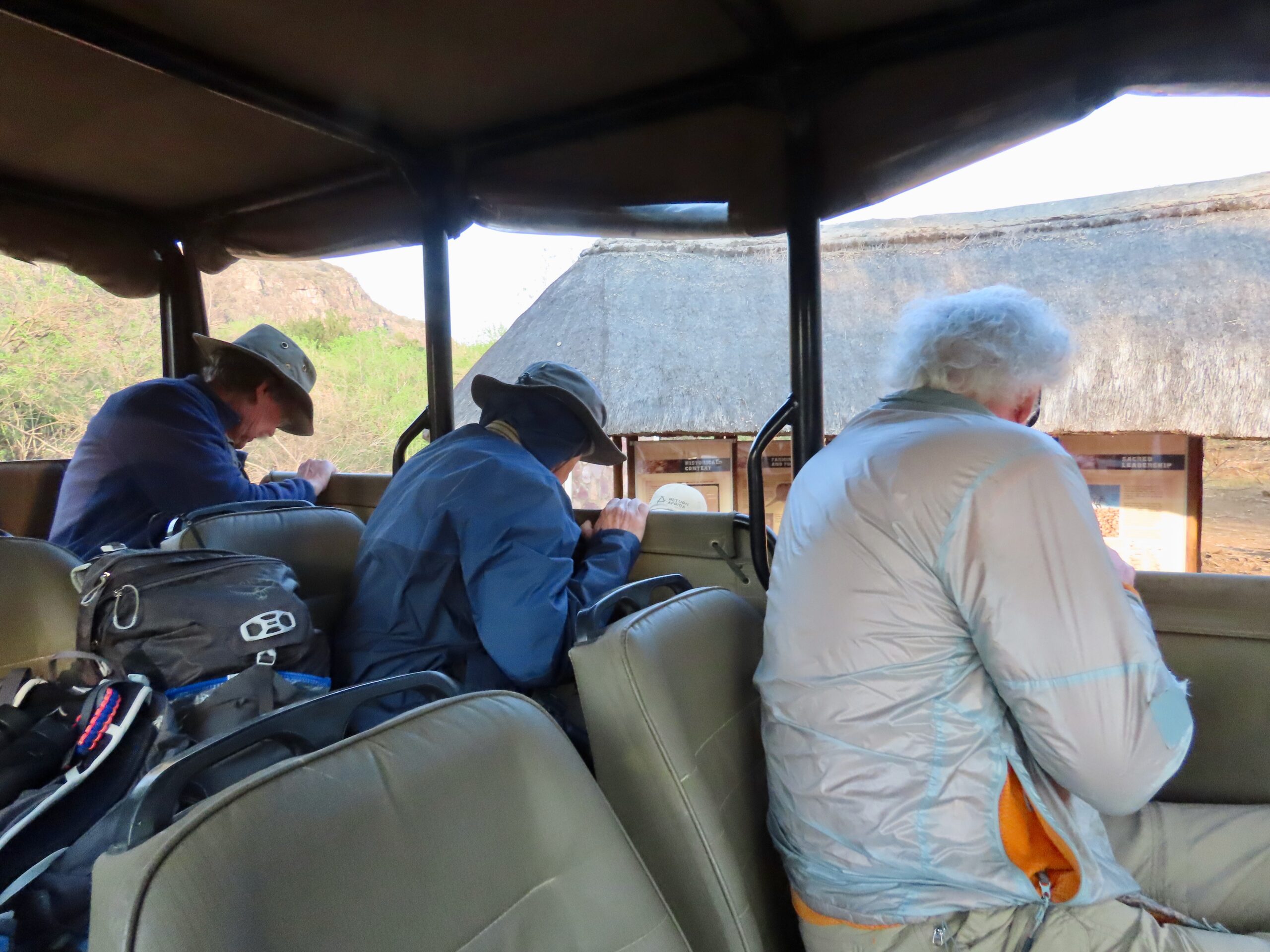
There is another large, ruined ancient African city nearby called Mapungubwe nearby. The site was owned by the University of Pretoria, which started excavating there in the 1930s. South Africa’s apartheid system taught that South Africa was uninhabited until white settlers arrived in the 17th century, so Pretoria University (a conservative epicenter) did not publicize that they had discovered an ancient African city. The treasures found at Mapungubwe were hidden in the University’s basement, kept away from the public for over seventy years. Thulamela suffered a similar fate: public access to the site had just been allowed at the time of Gates’ visit. Today, fortunately, the site is accessible and well interpreted at the kiosk built by the Park at the base of the Thulamela hill.
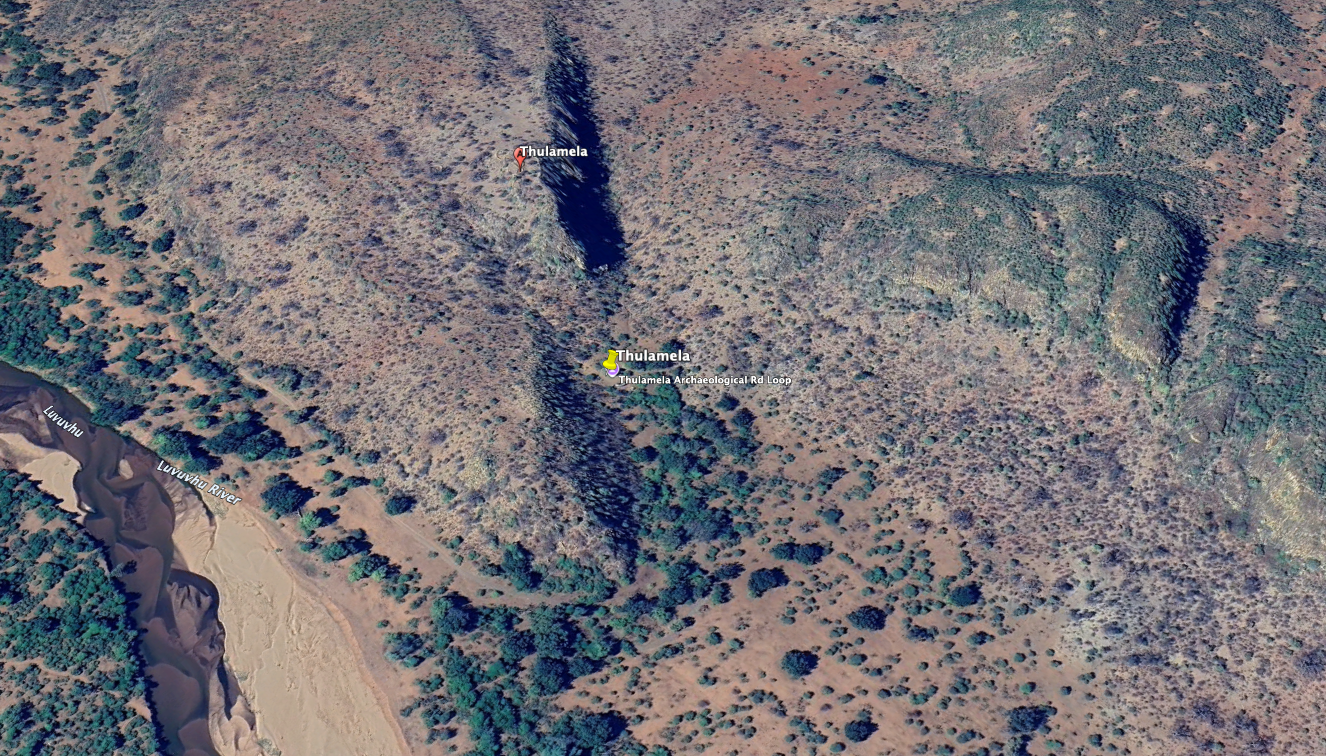
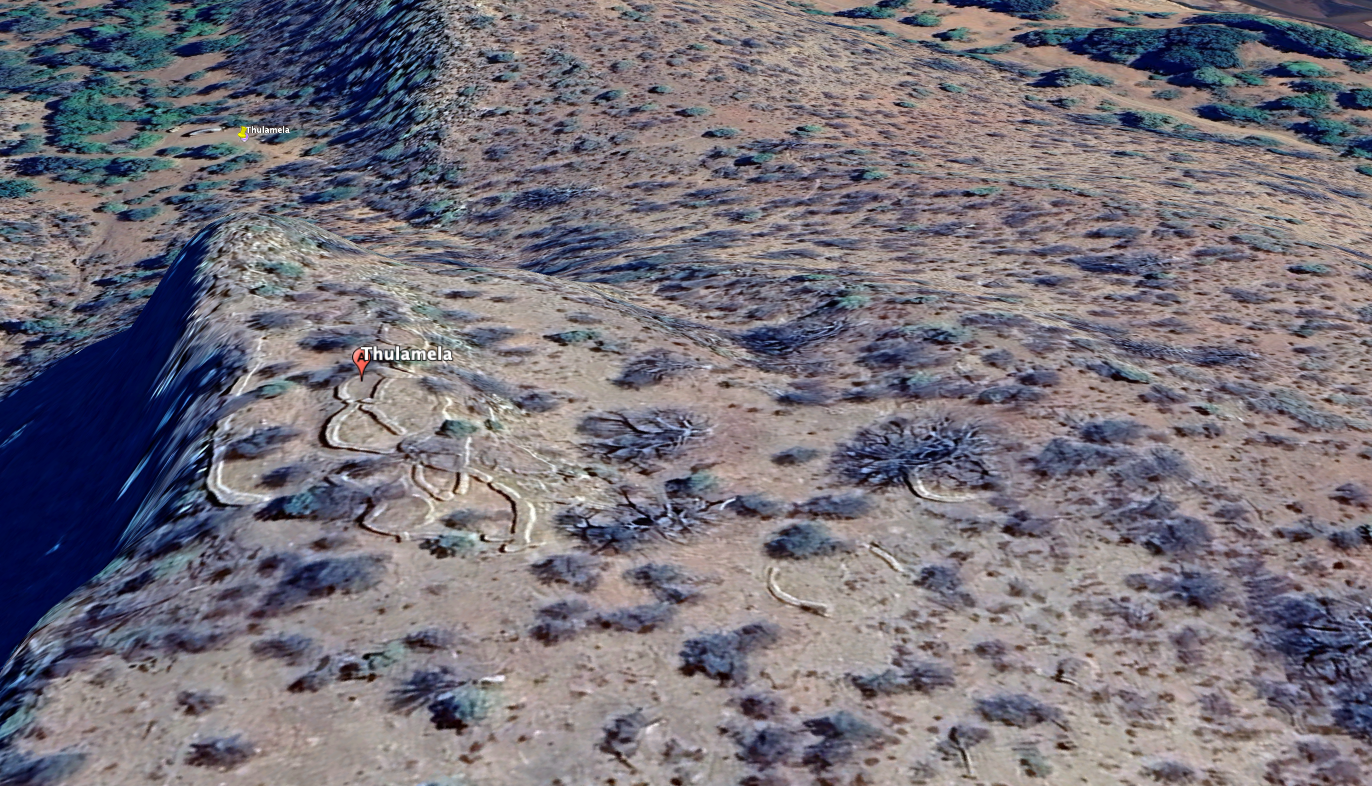

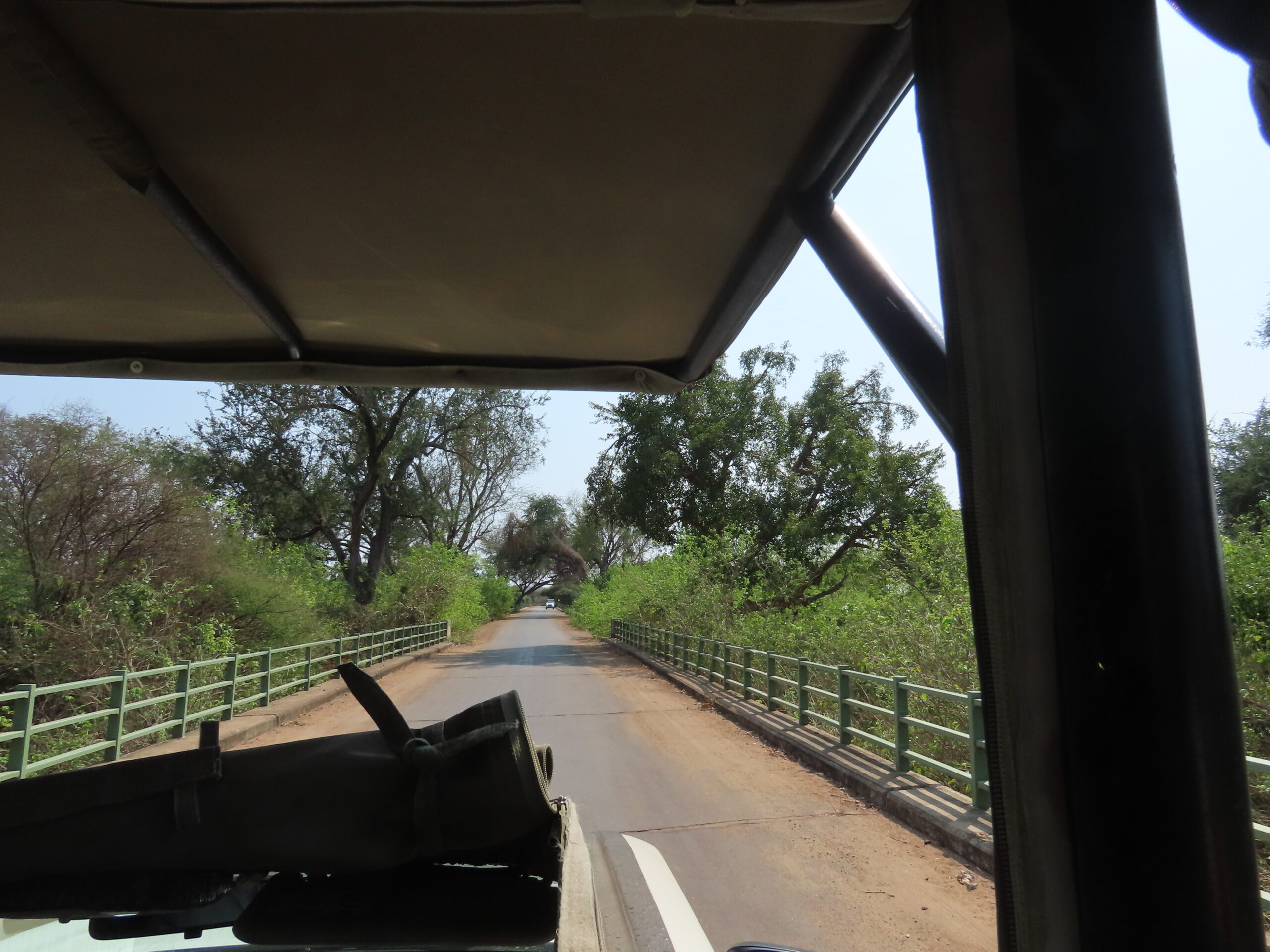
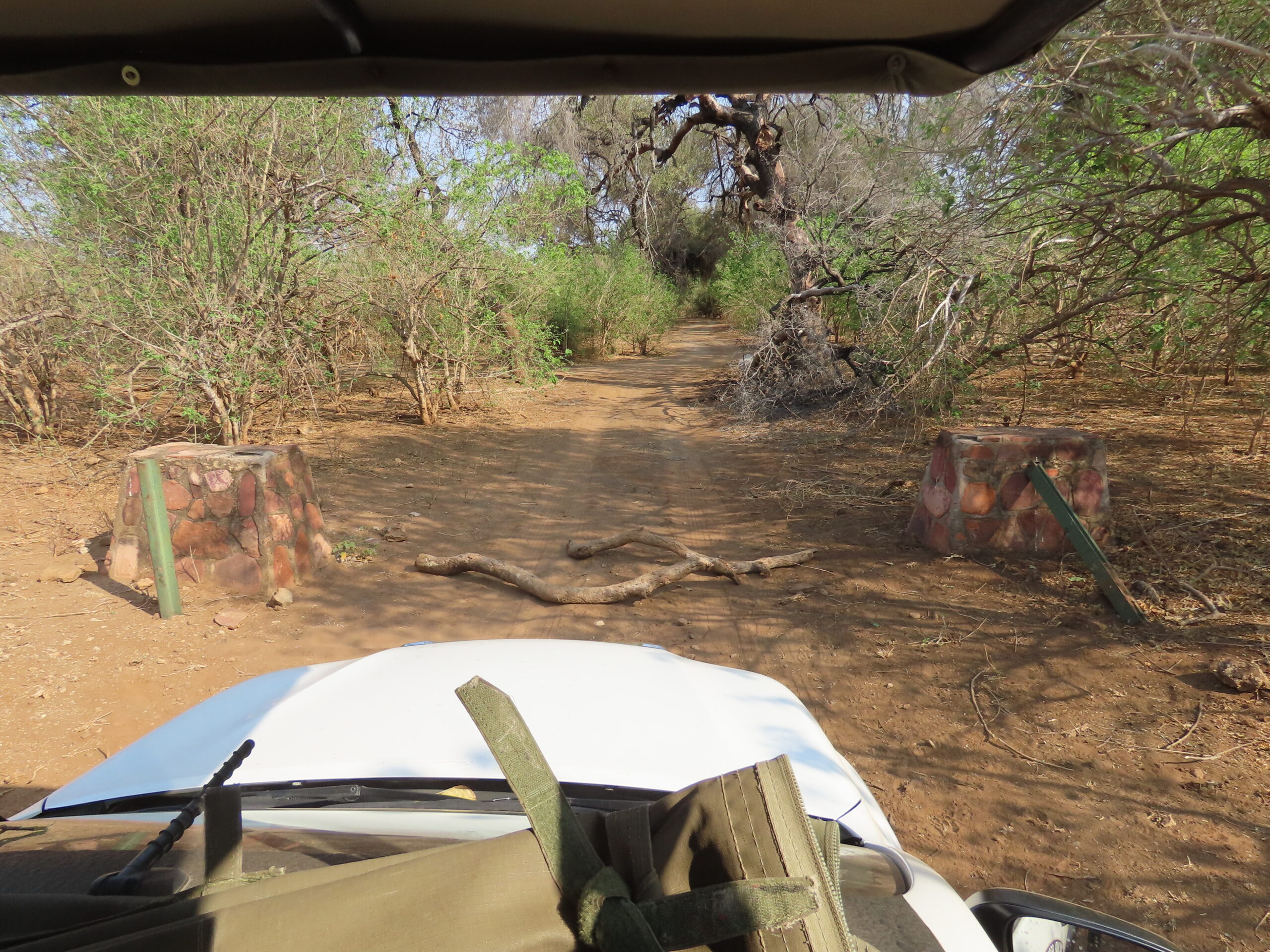
Access to the site is along a narrow dirt track, “gated” by logs blocking access.
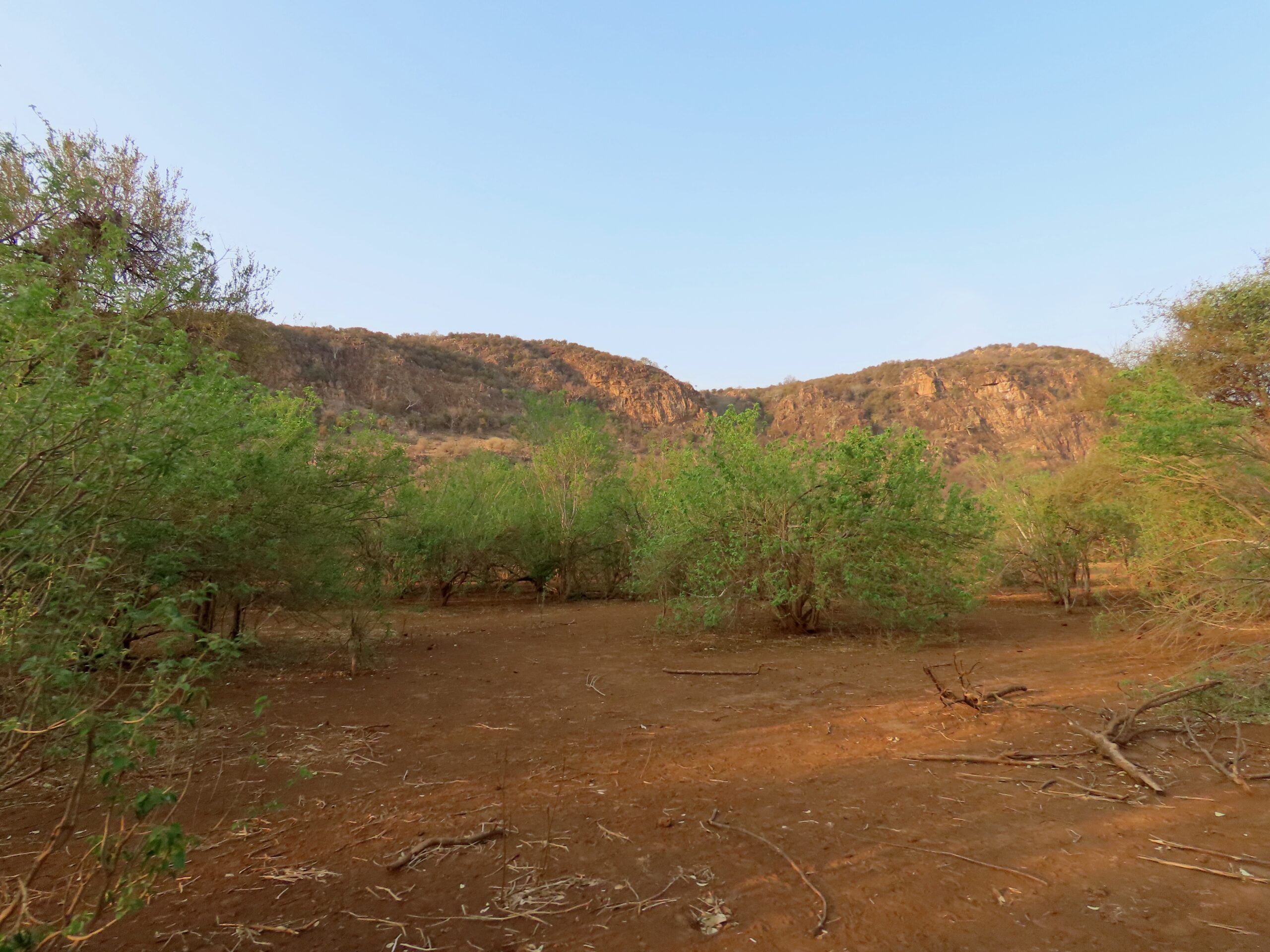
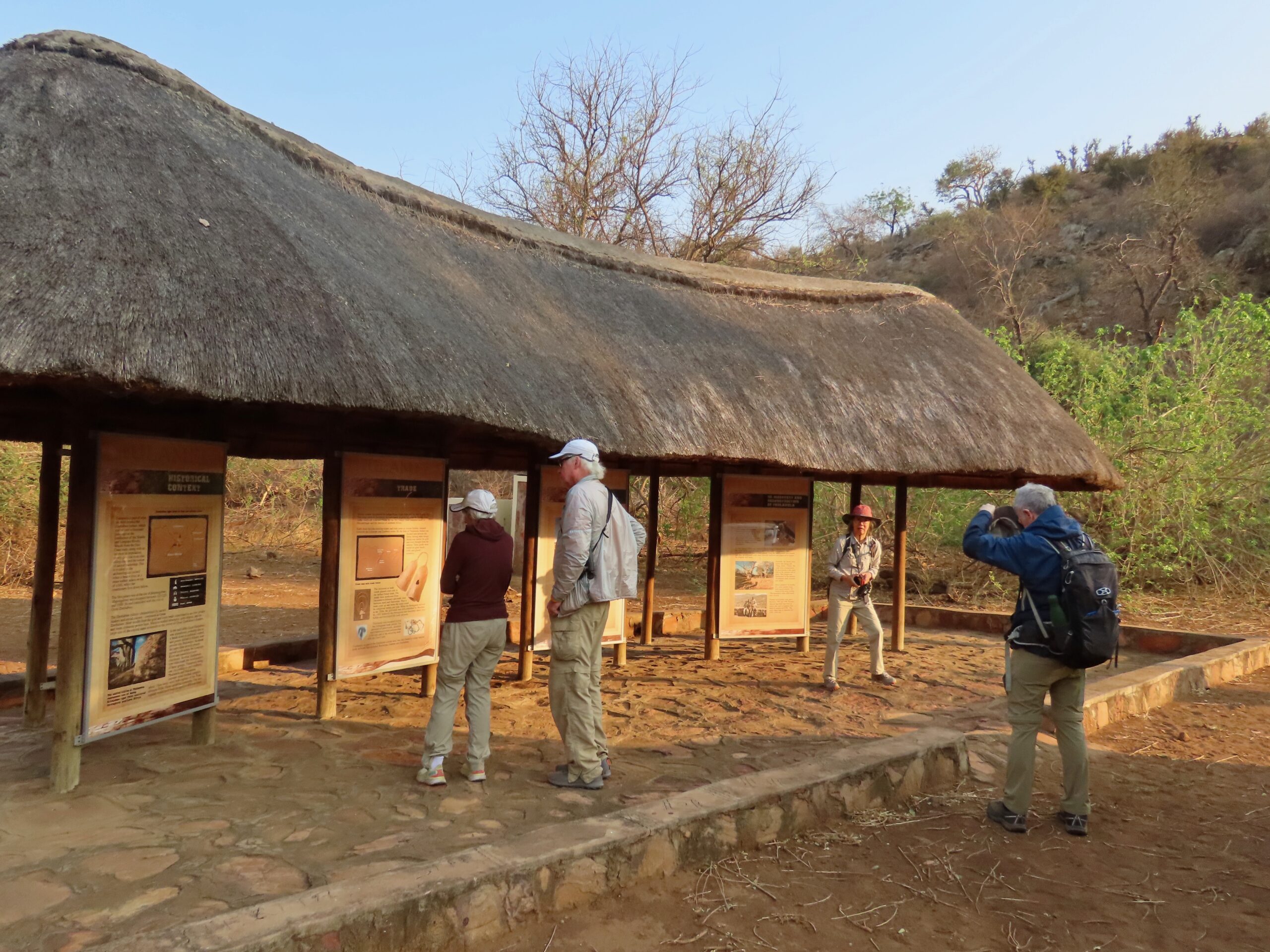
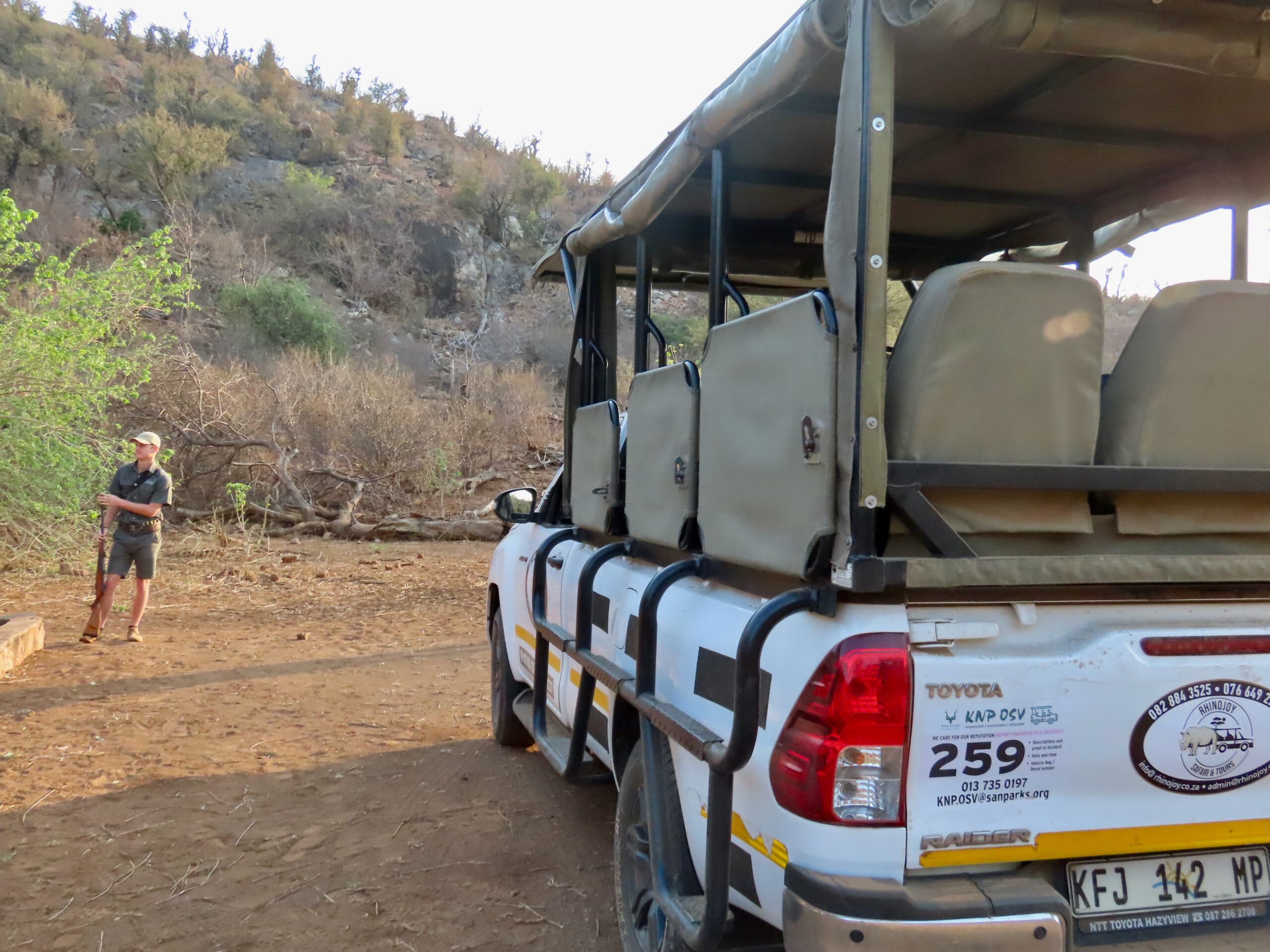
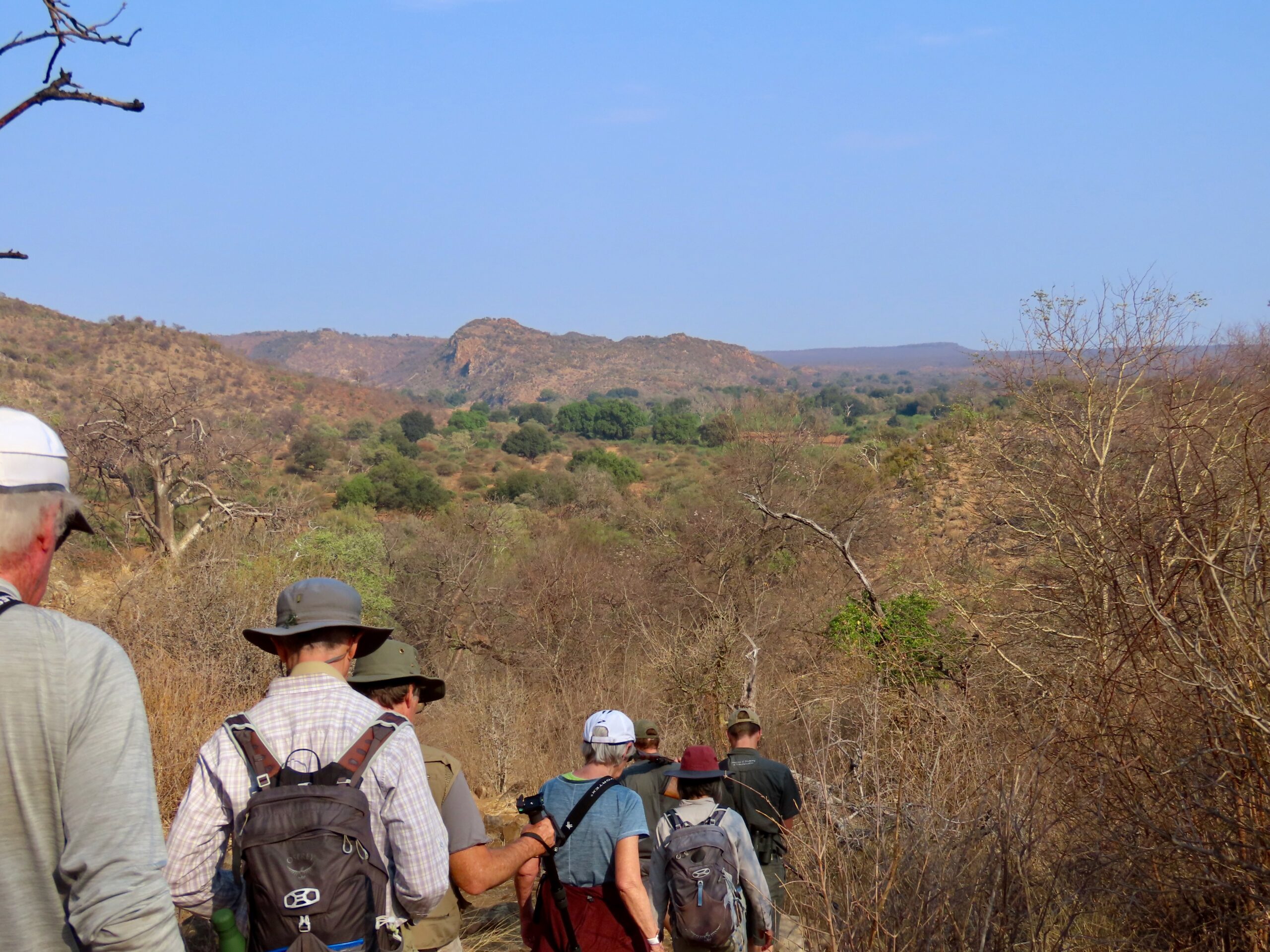
Like everywhere else in Africa’s safari country, walks in the bush require armed accompaniment and the same “single file – don’t talk” rules.

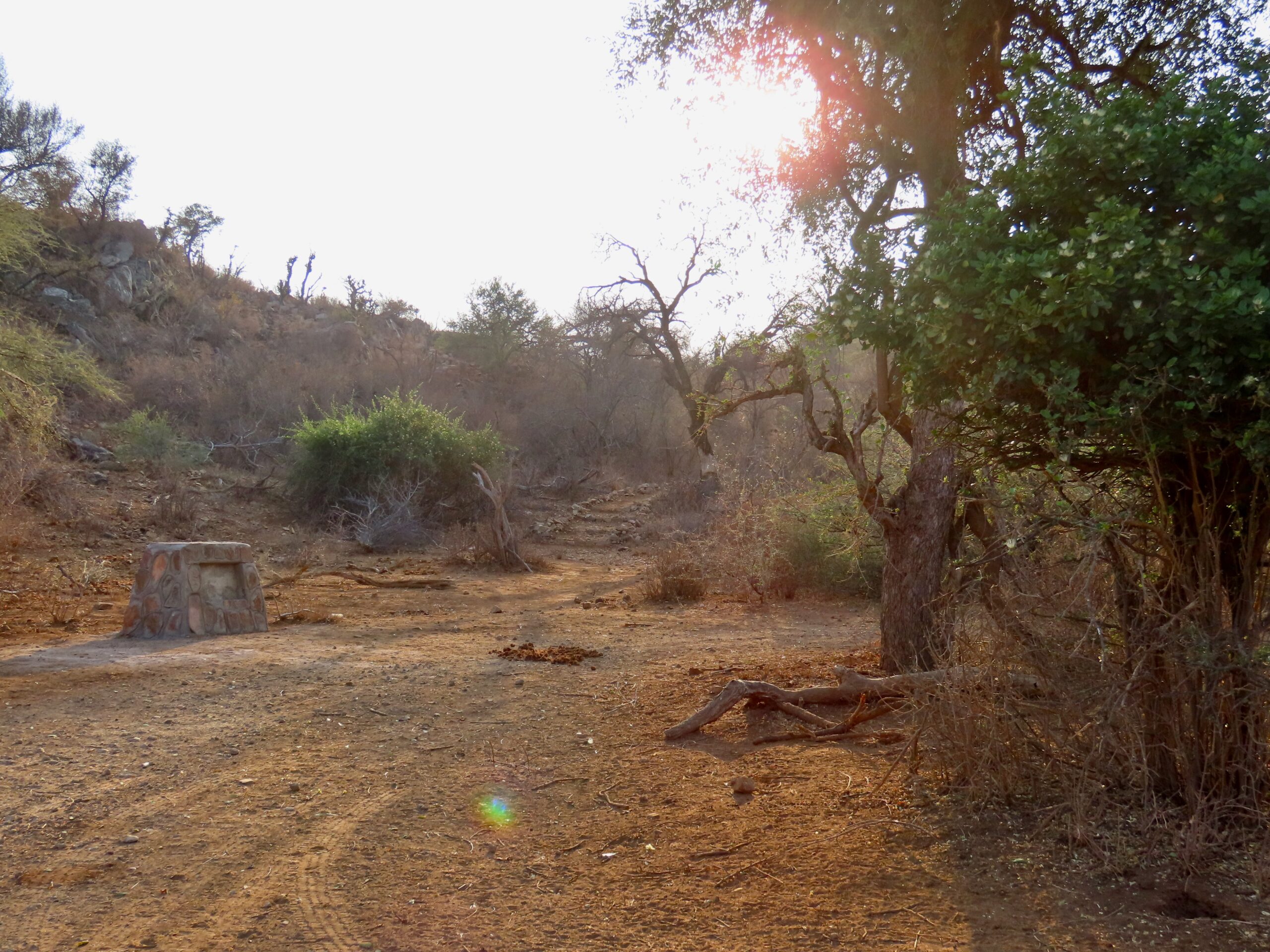
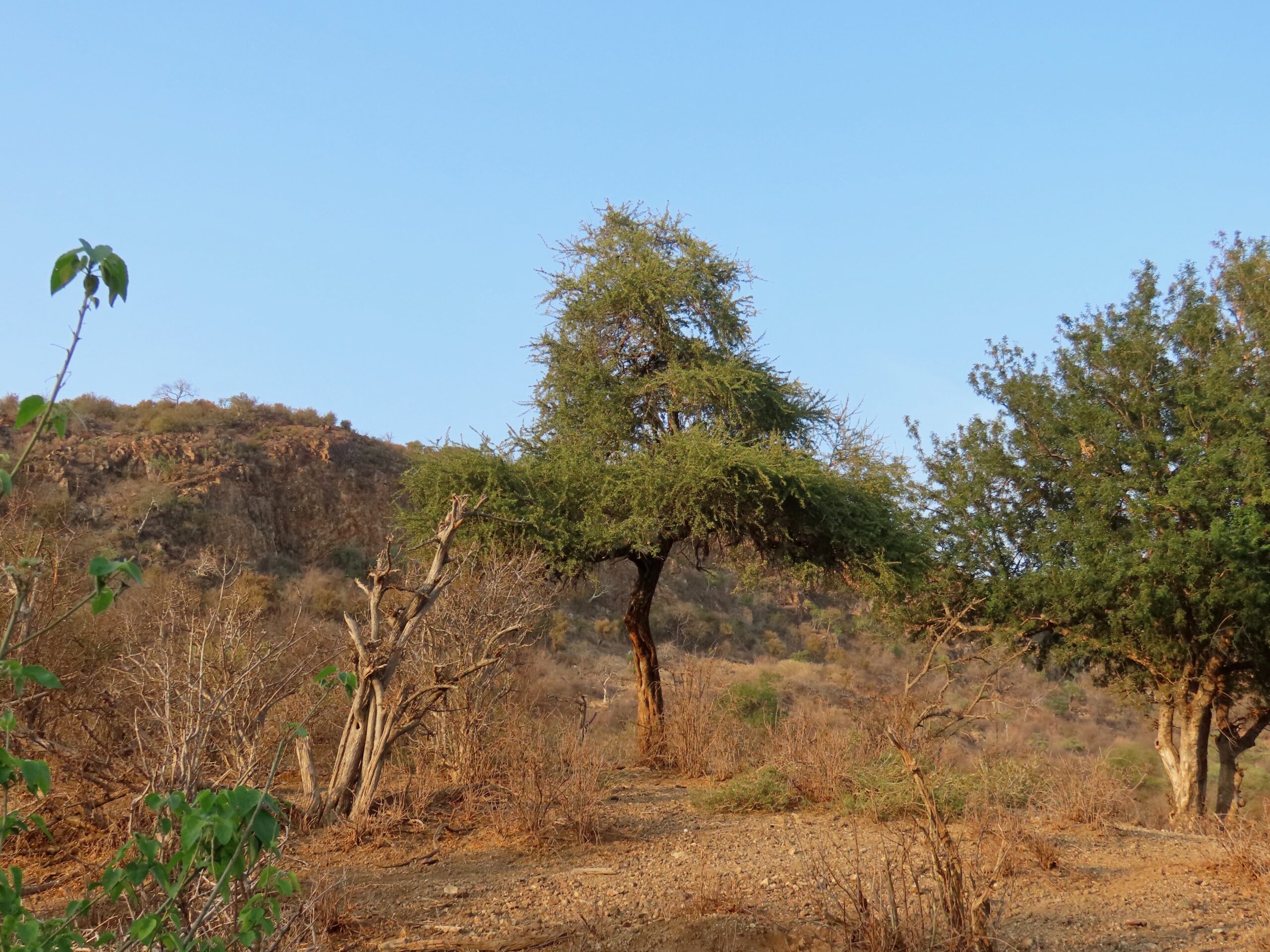
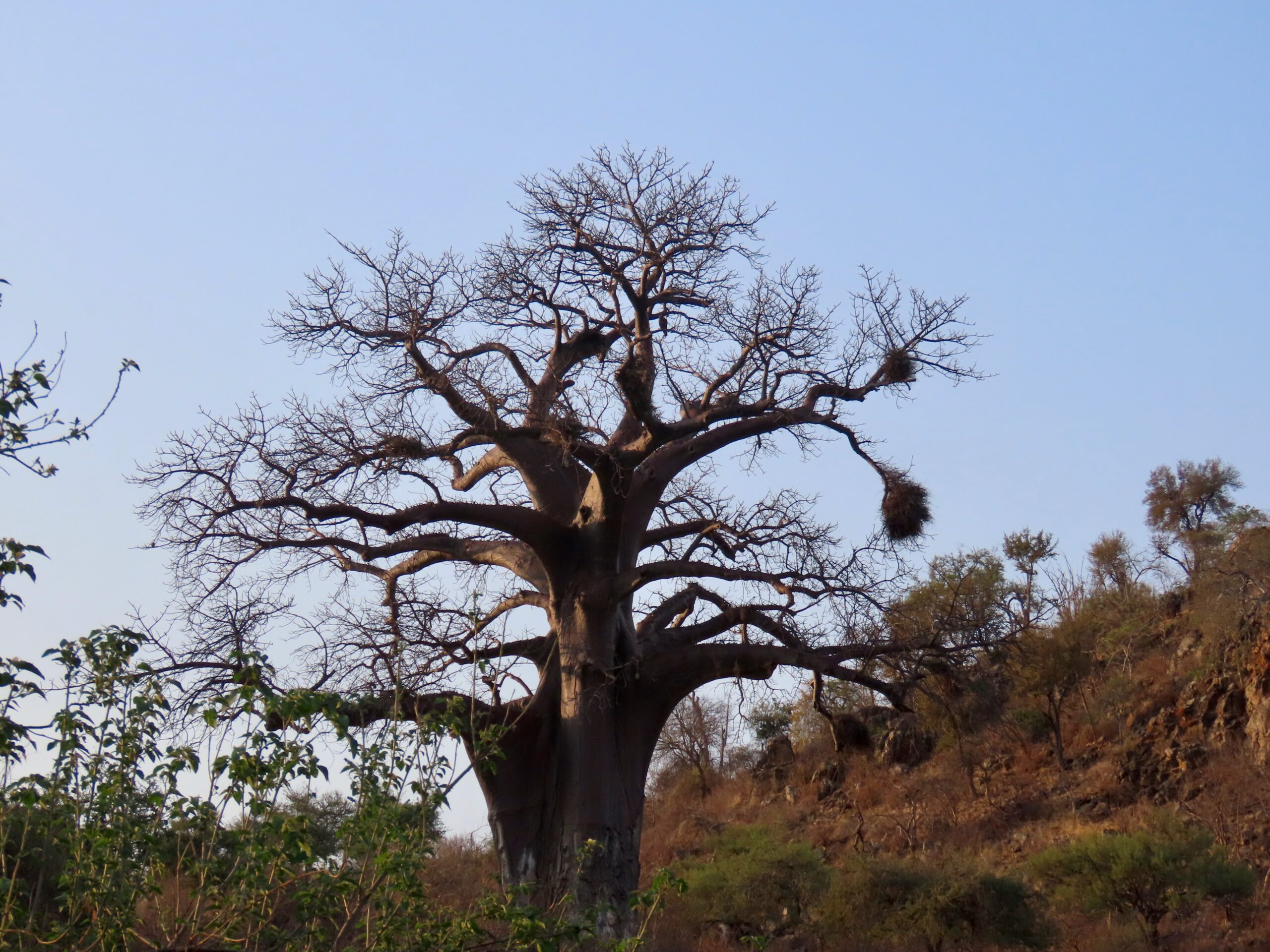
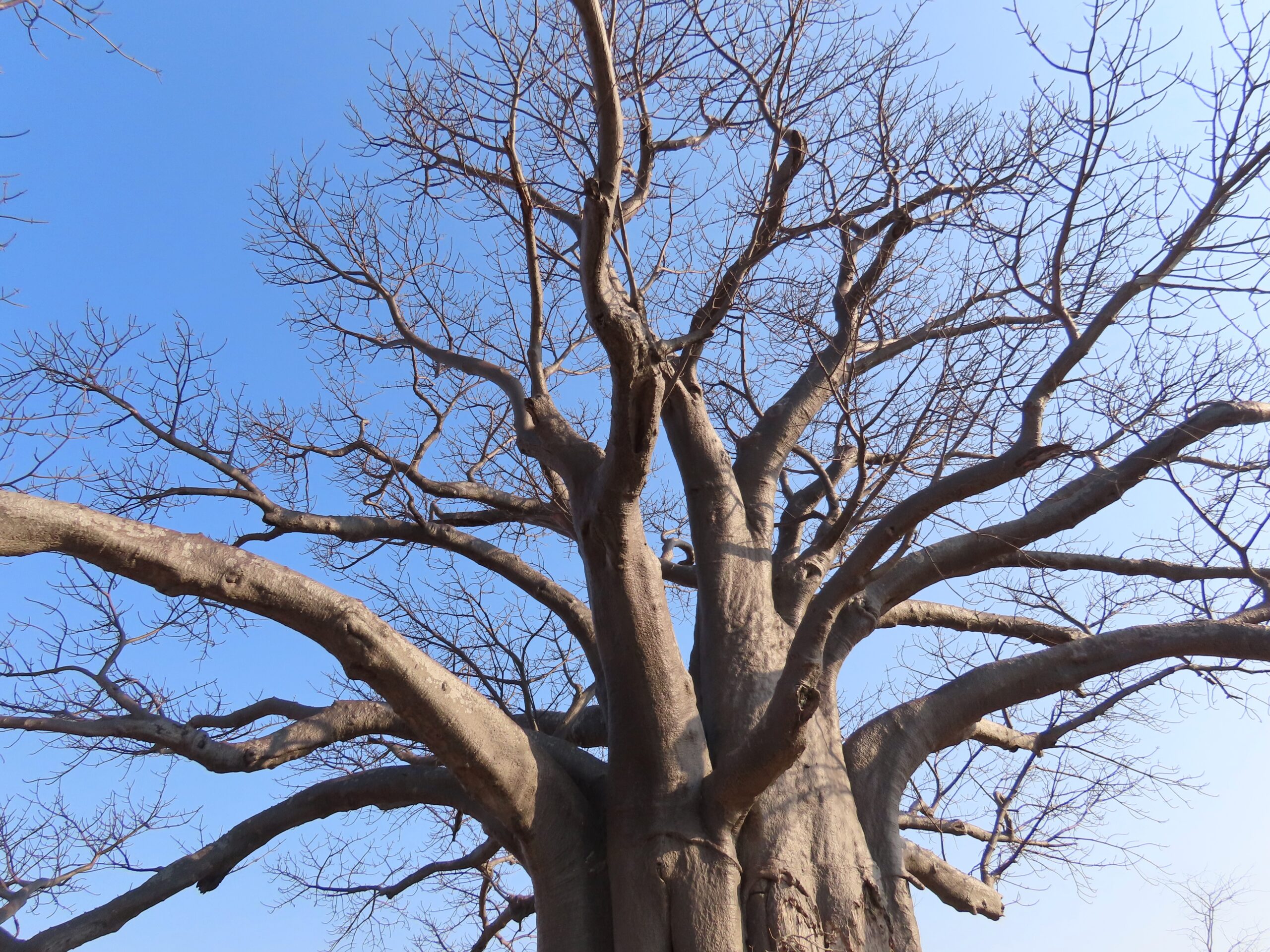
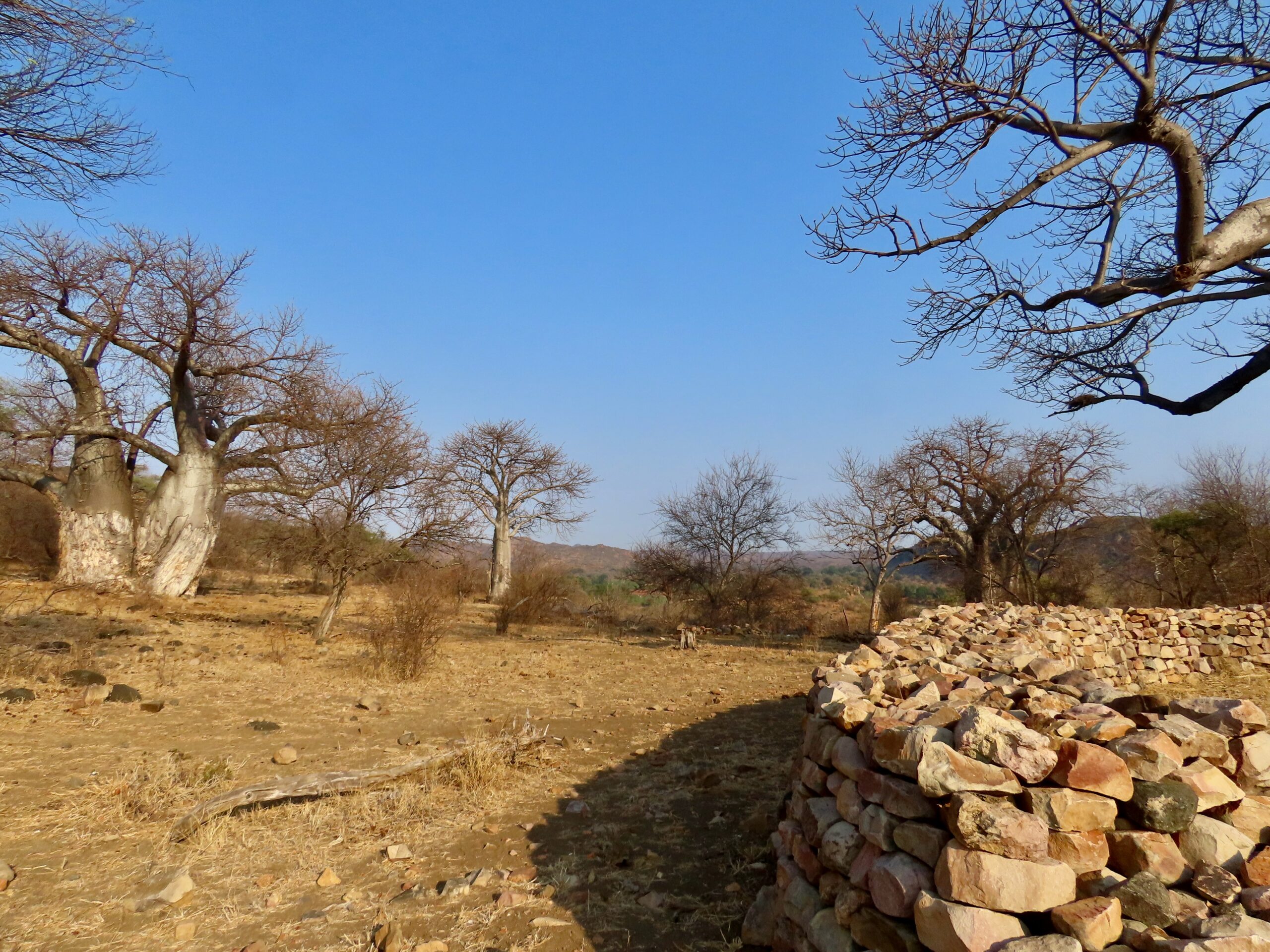
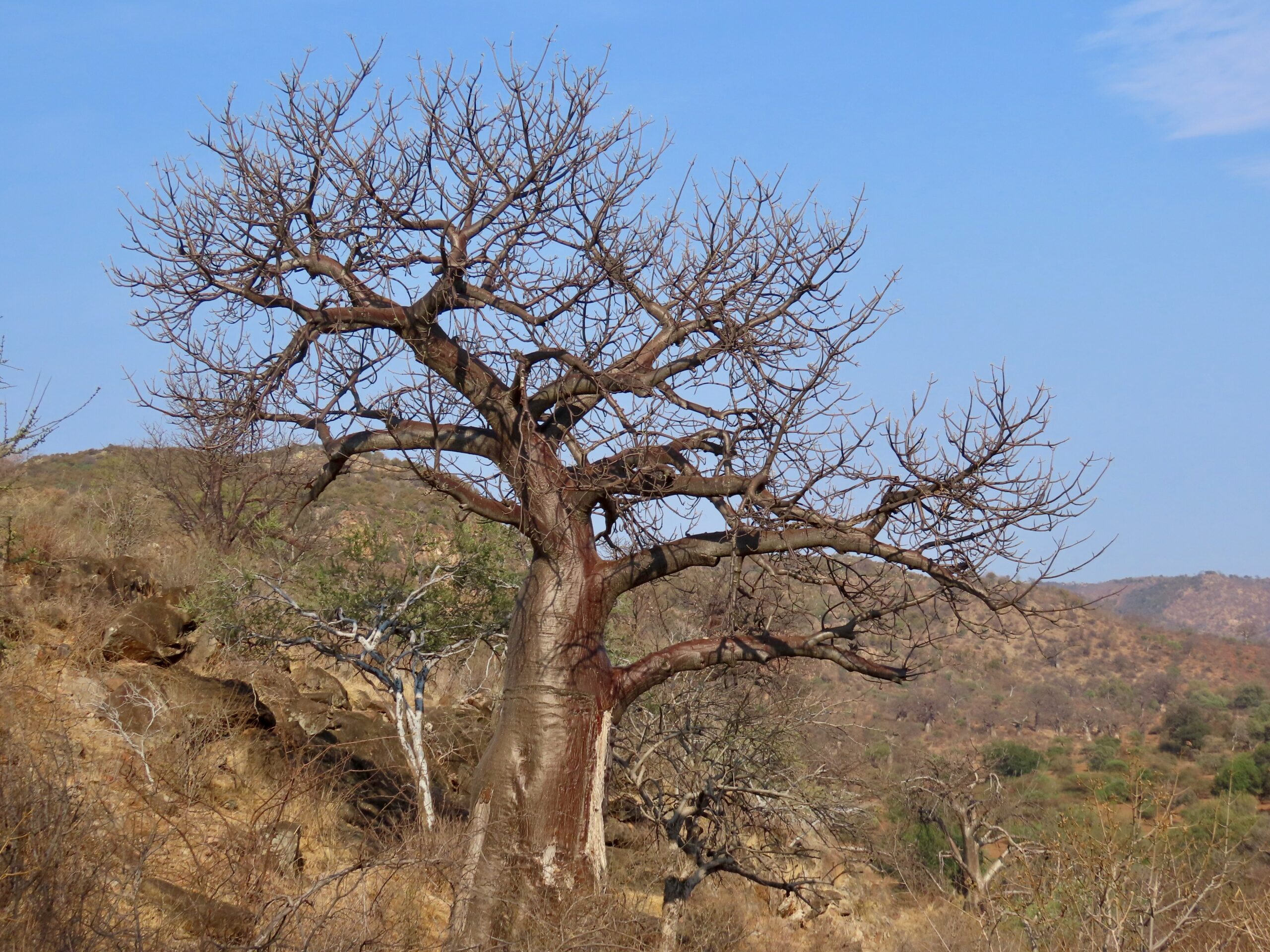
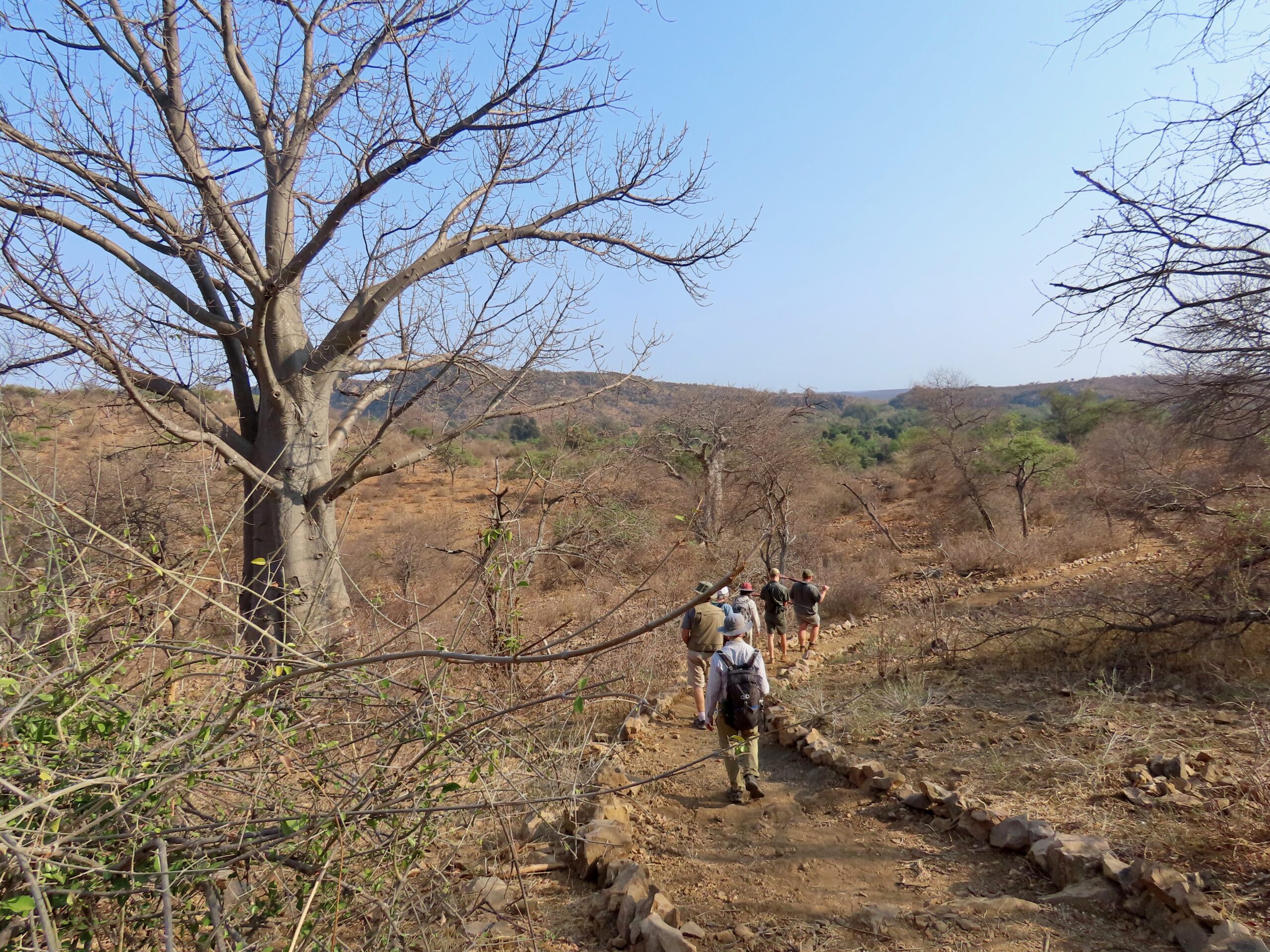
The trail was steep and rocky, punctuated by Baobobs and Shepherd trees.
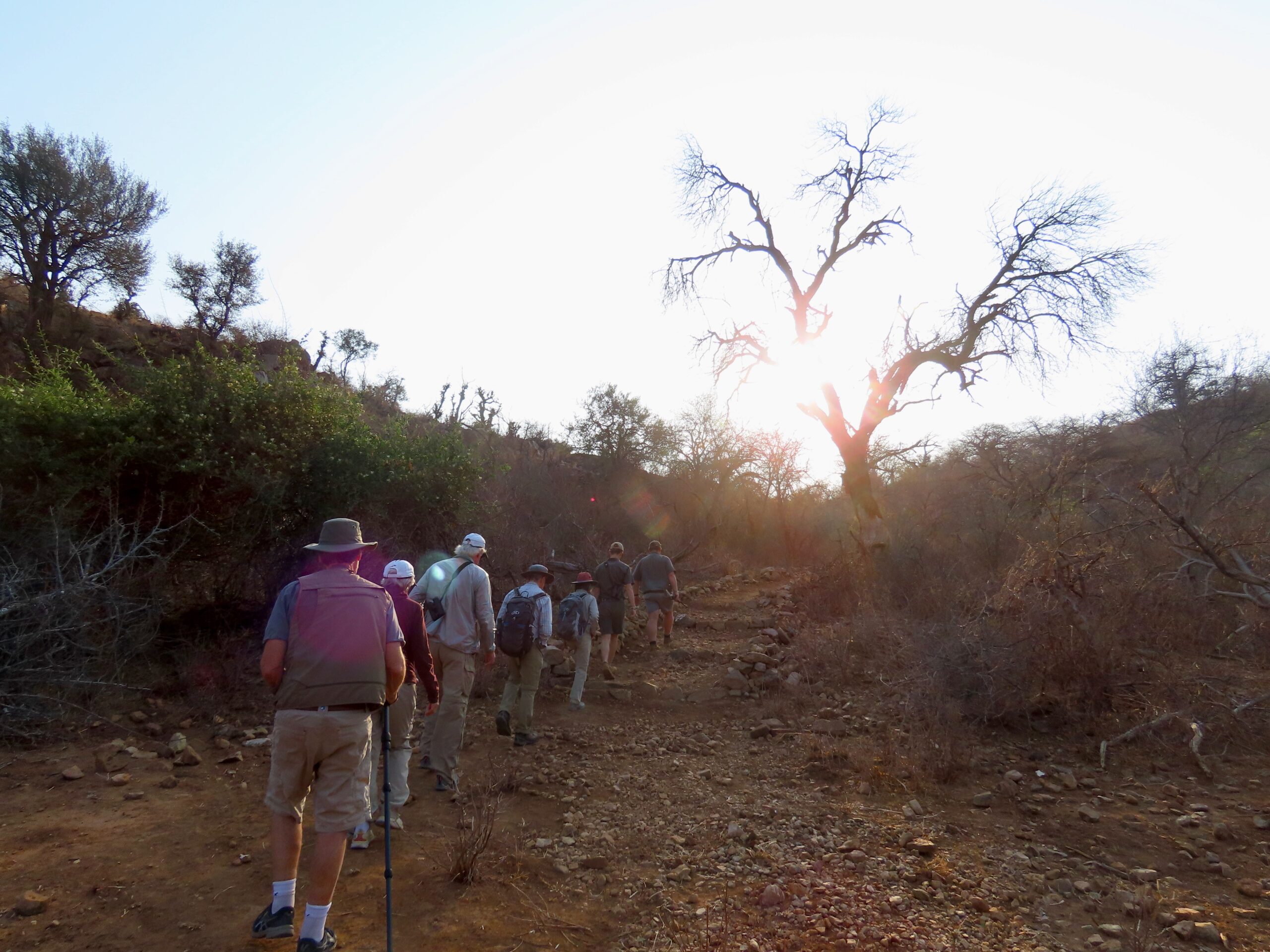
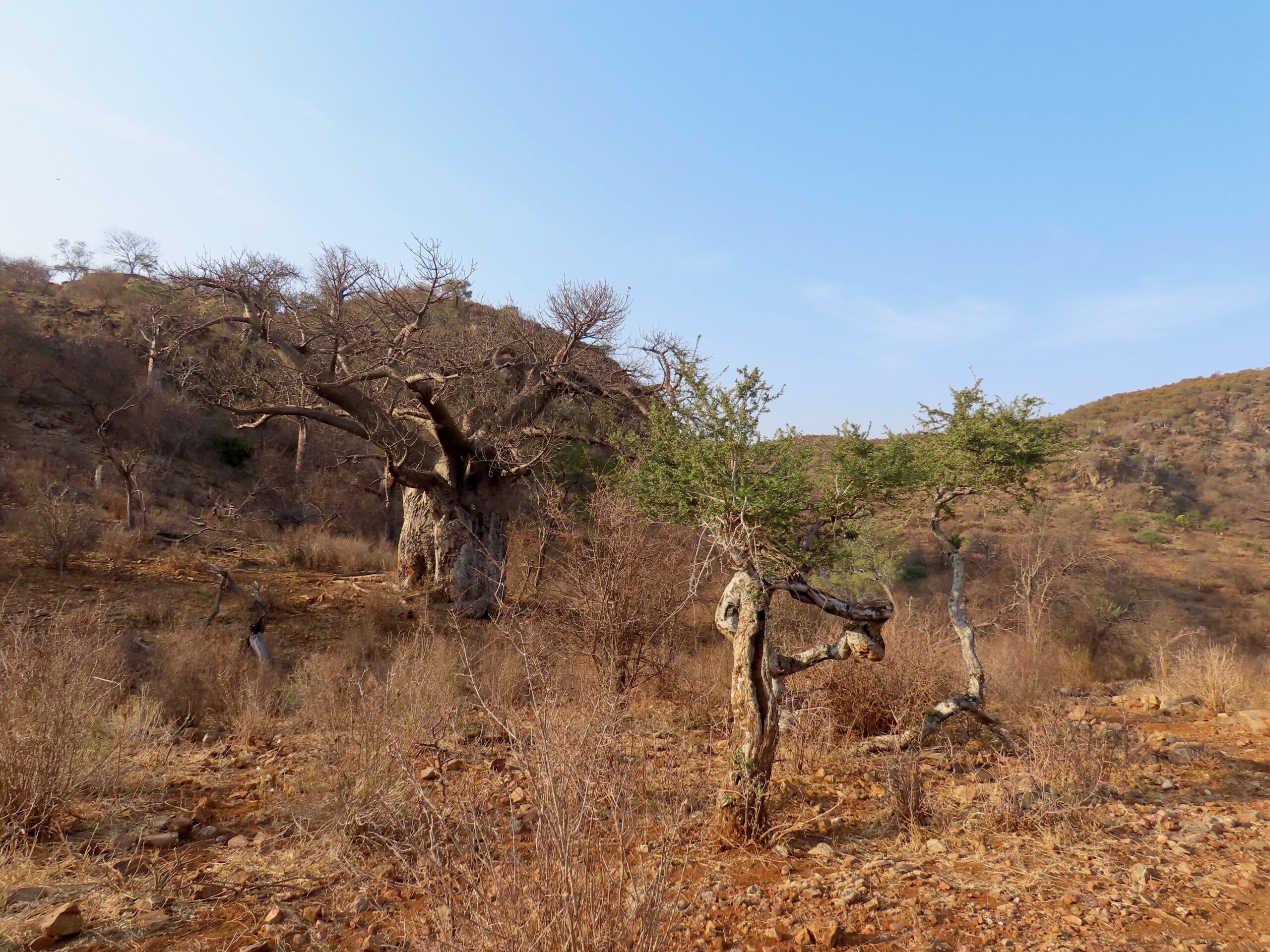
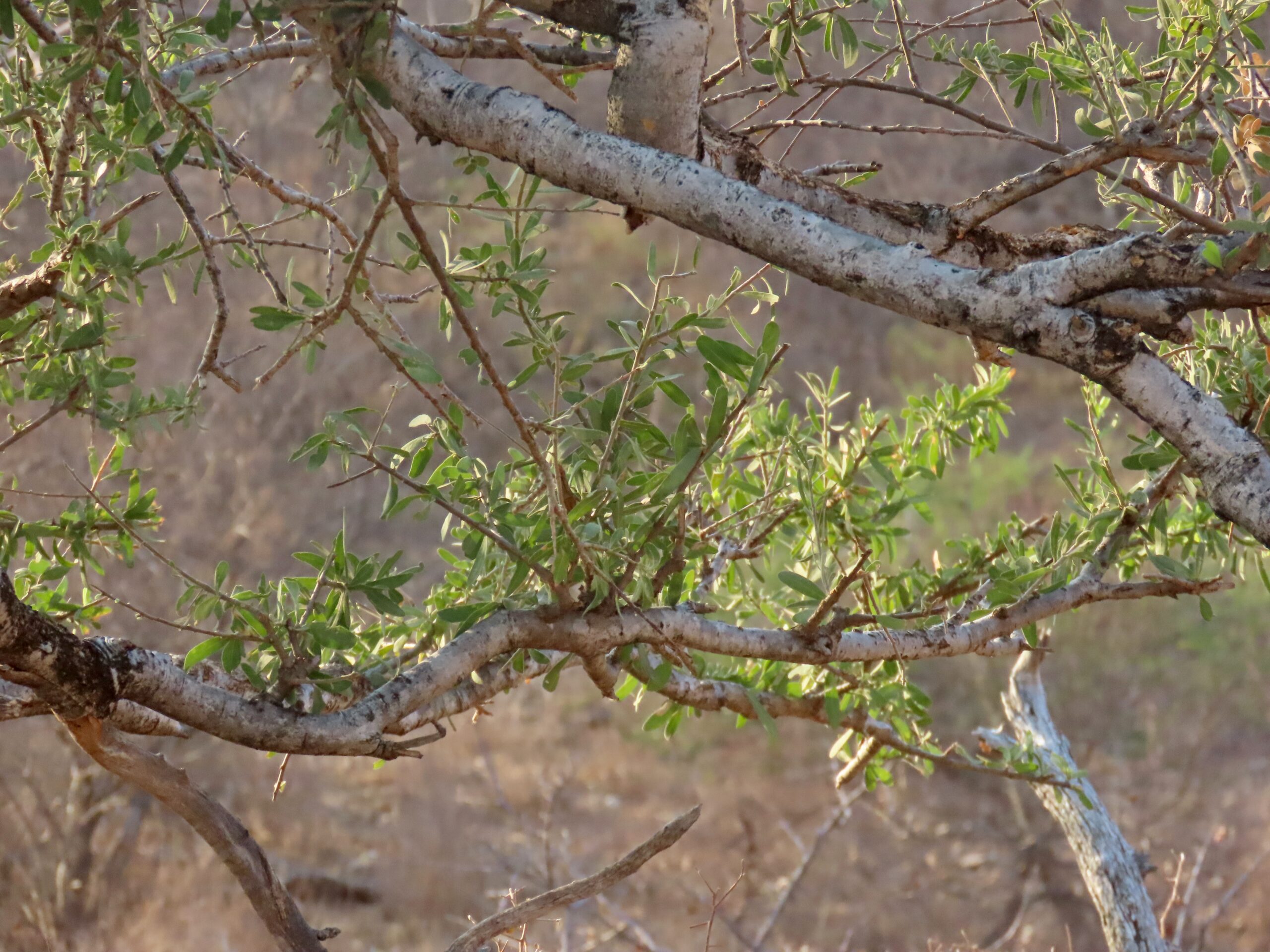
reliably providing shade and forage for browsers all year round
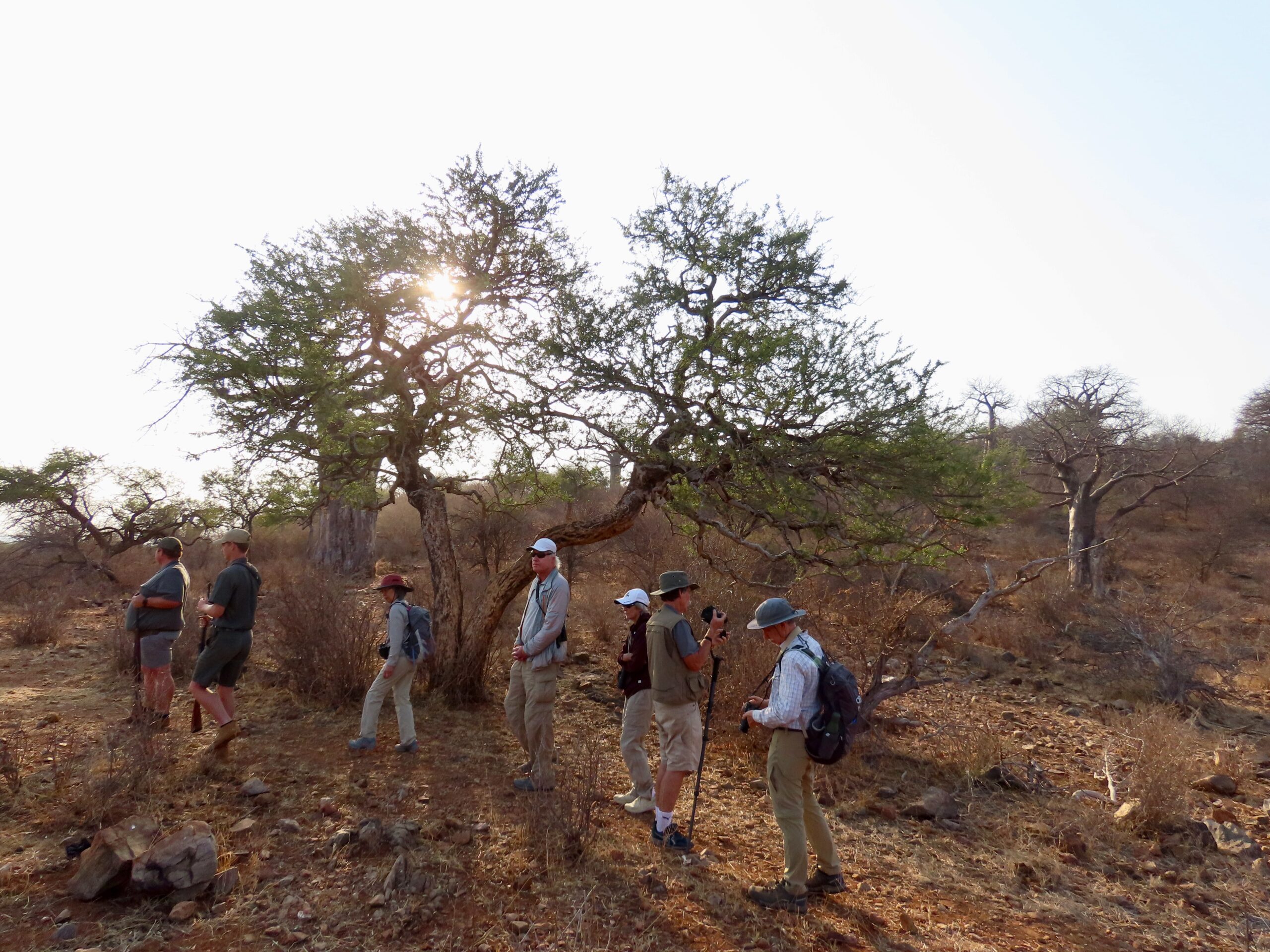
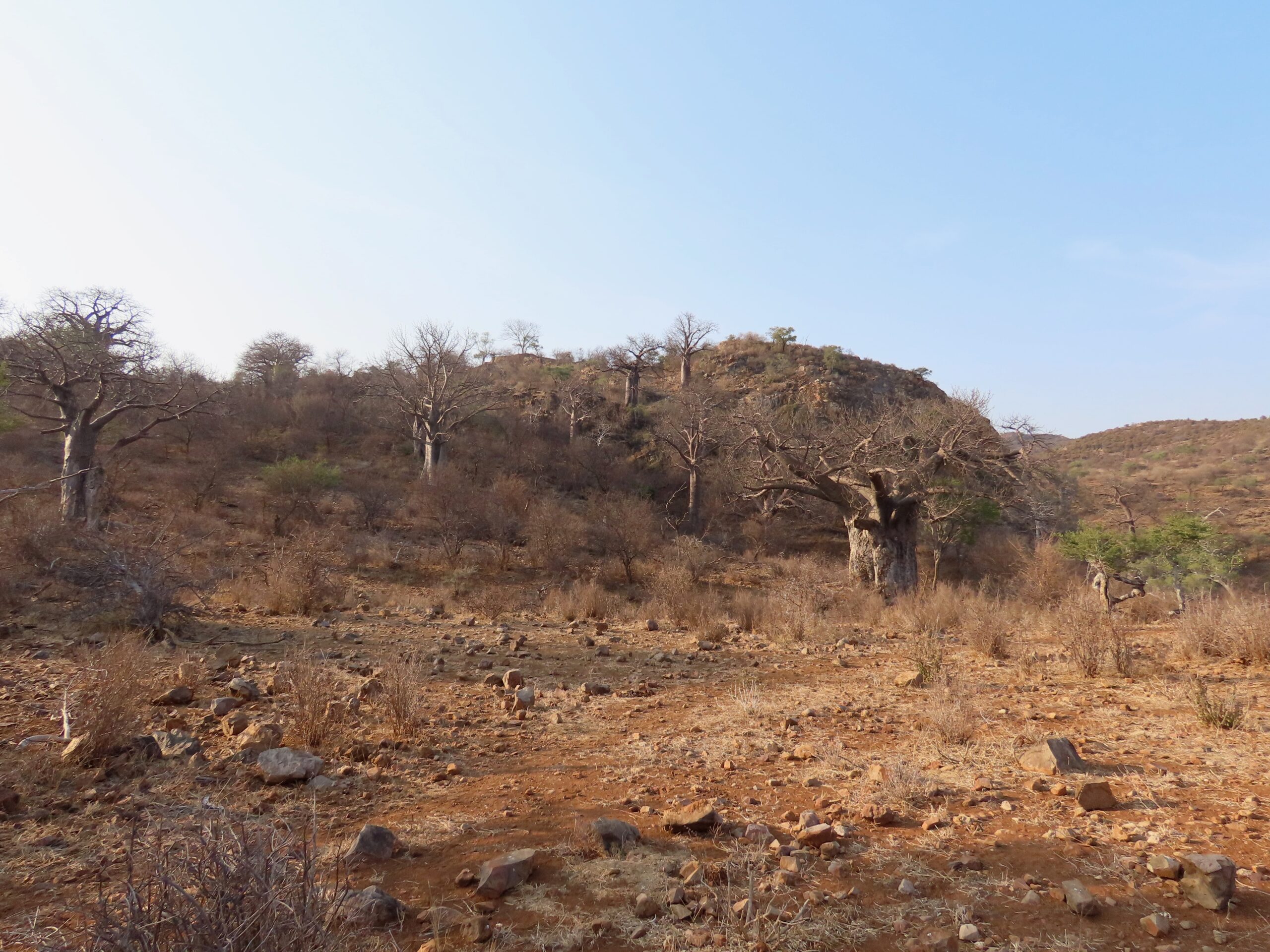
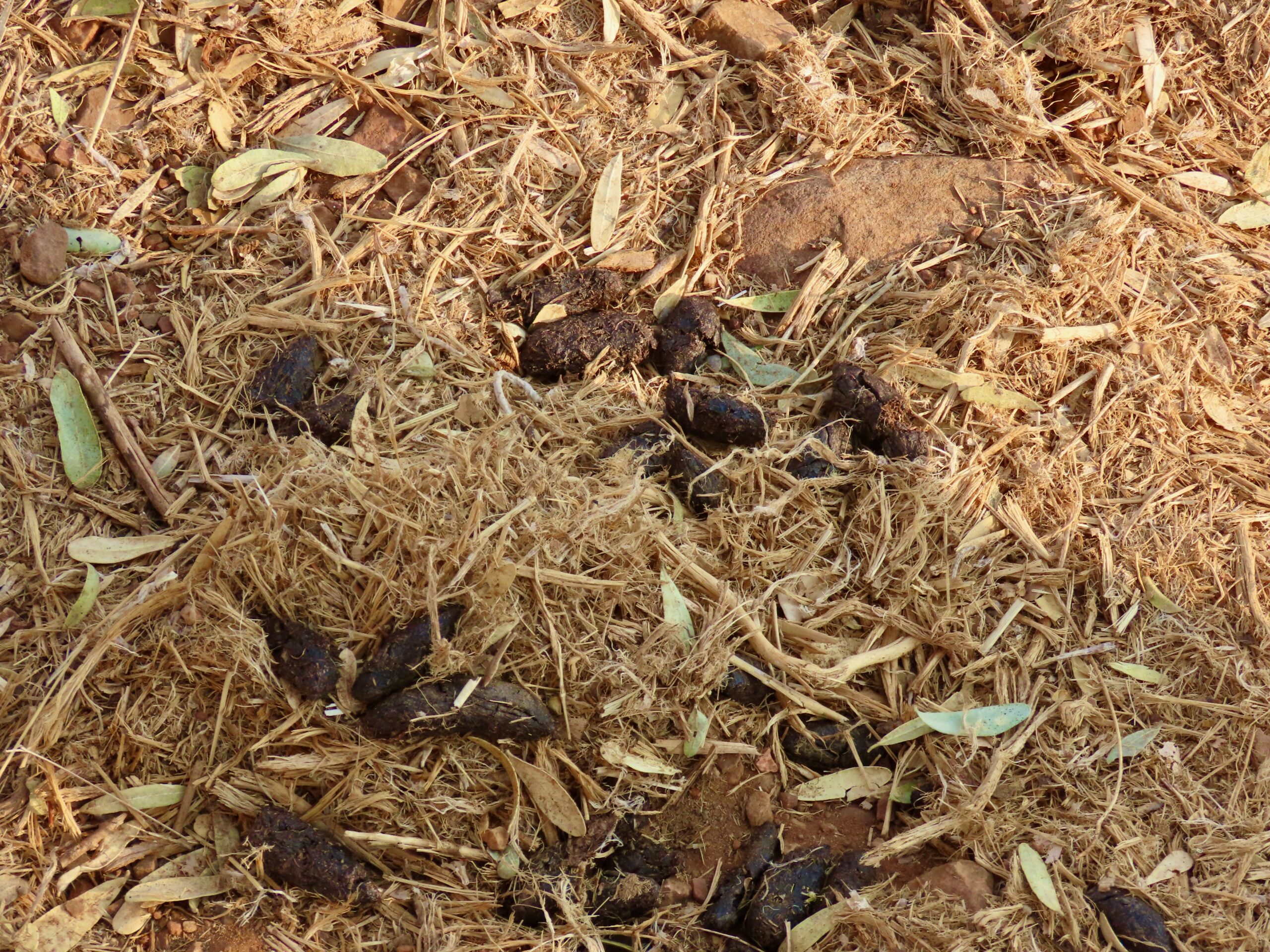
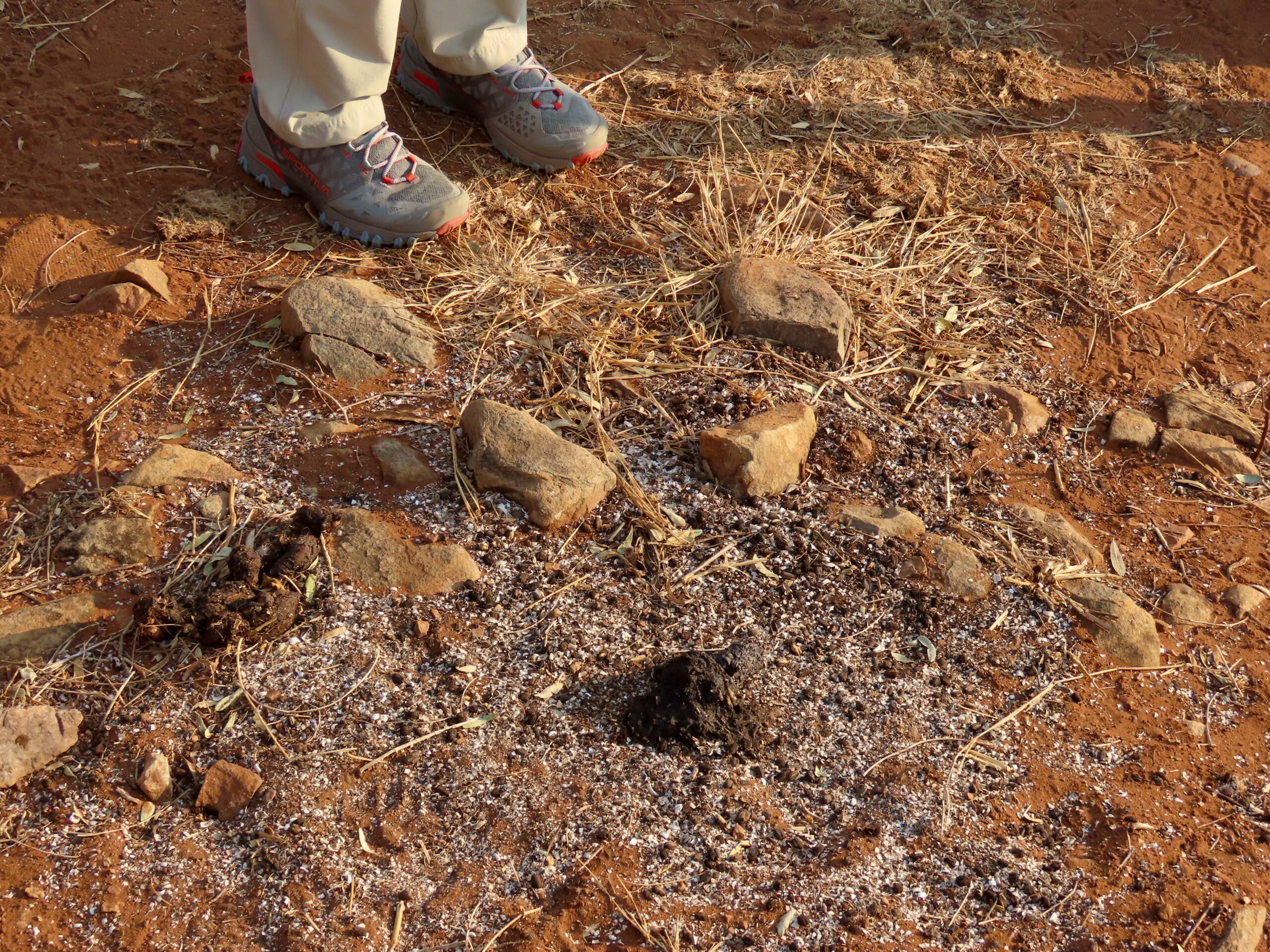
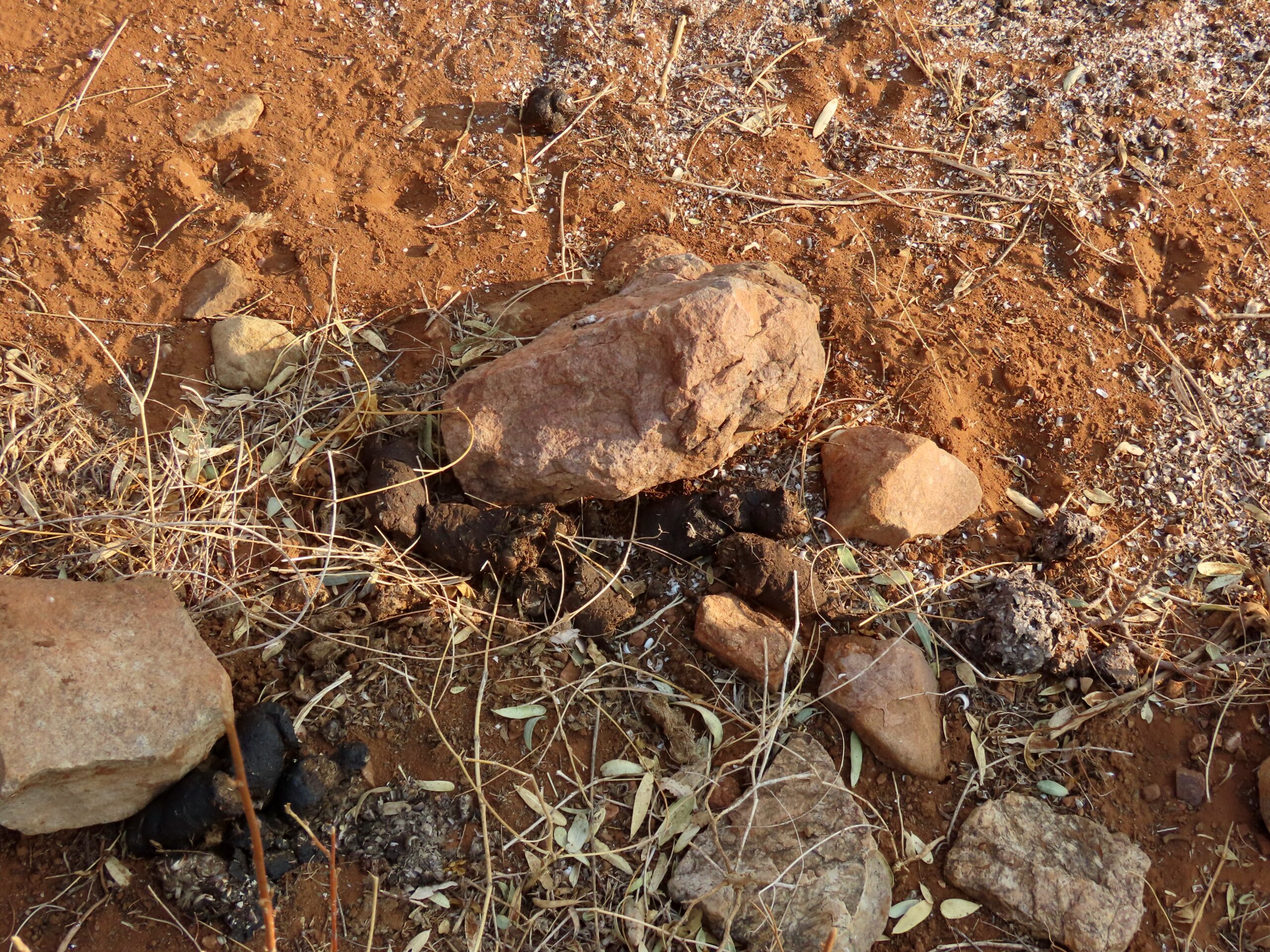
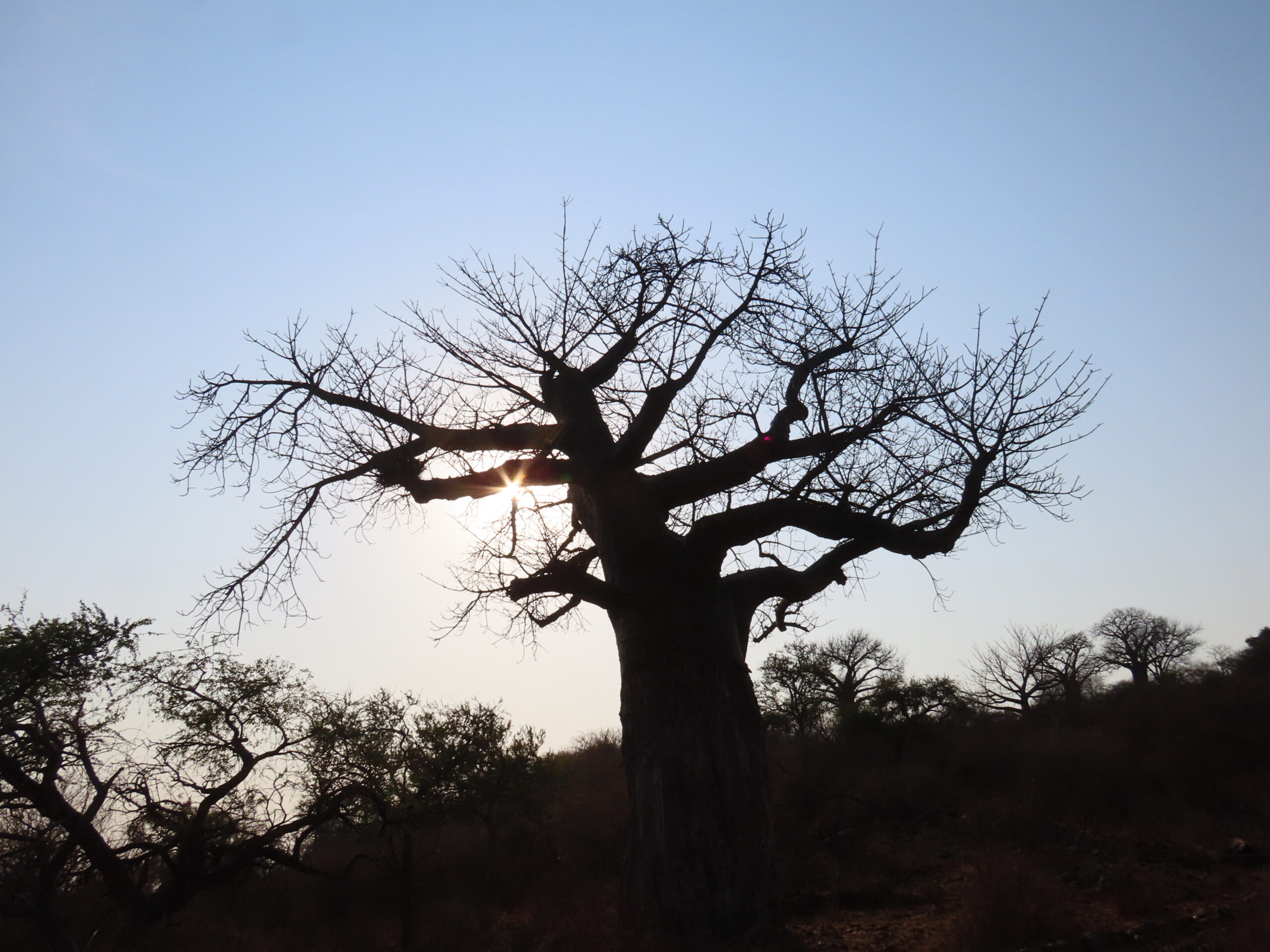
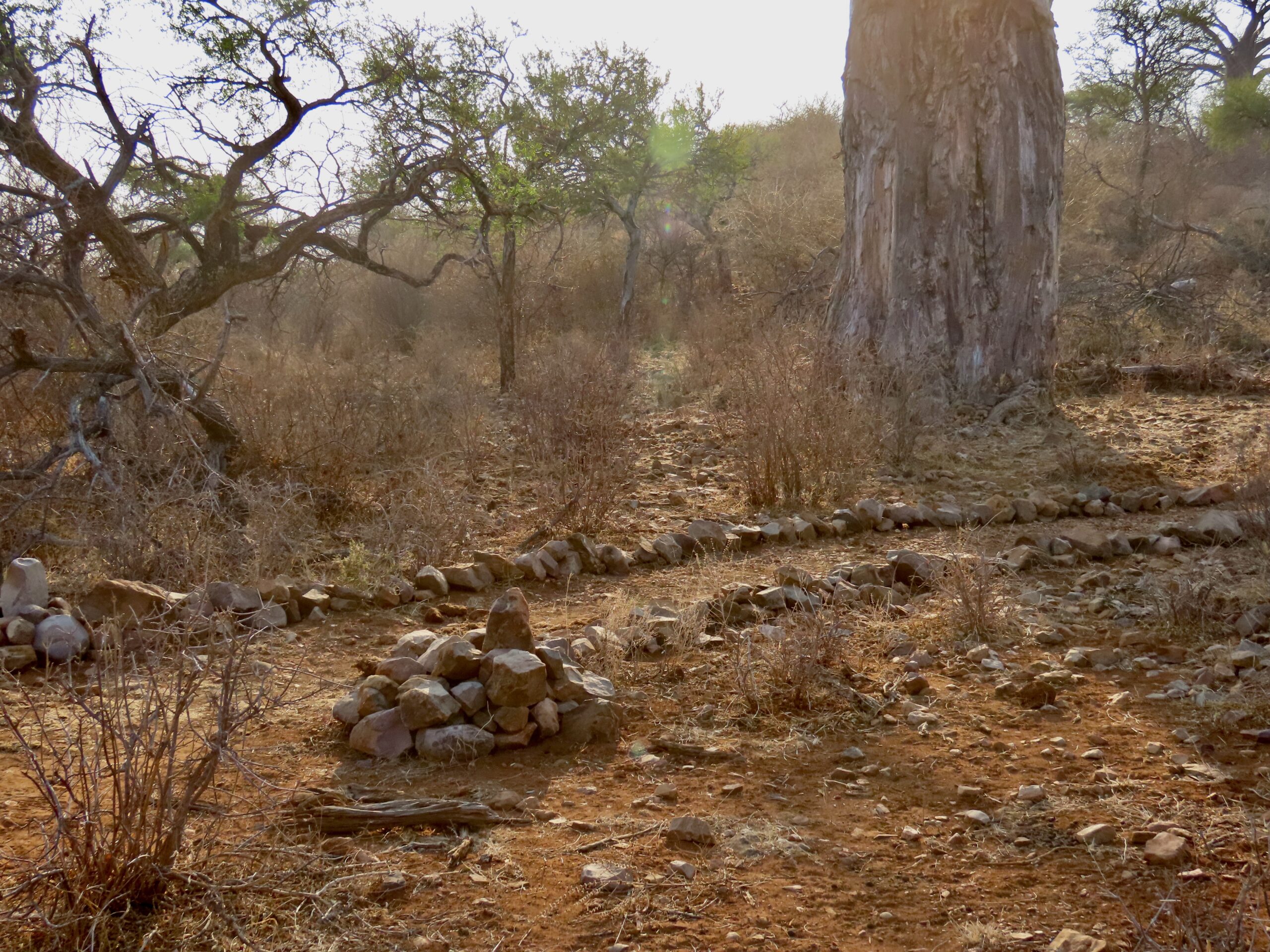
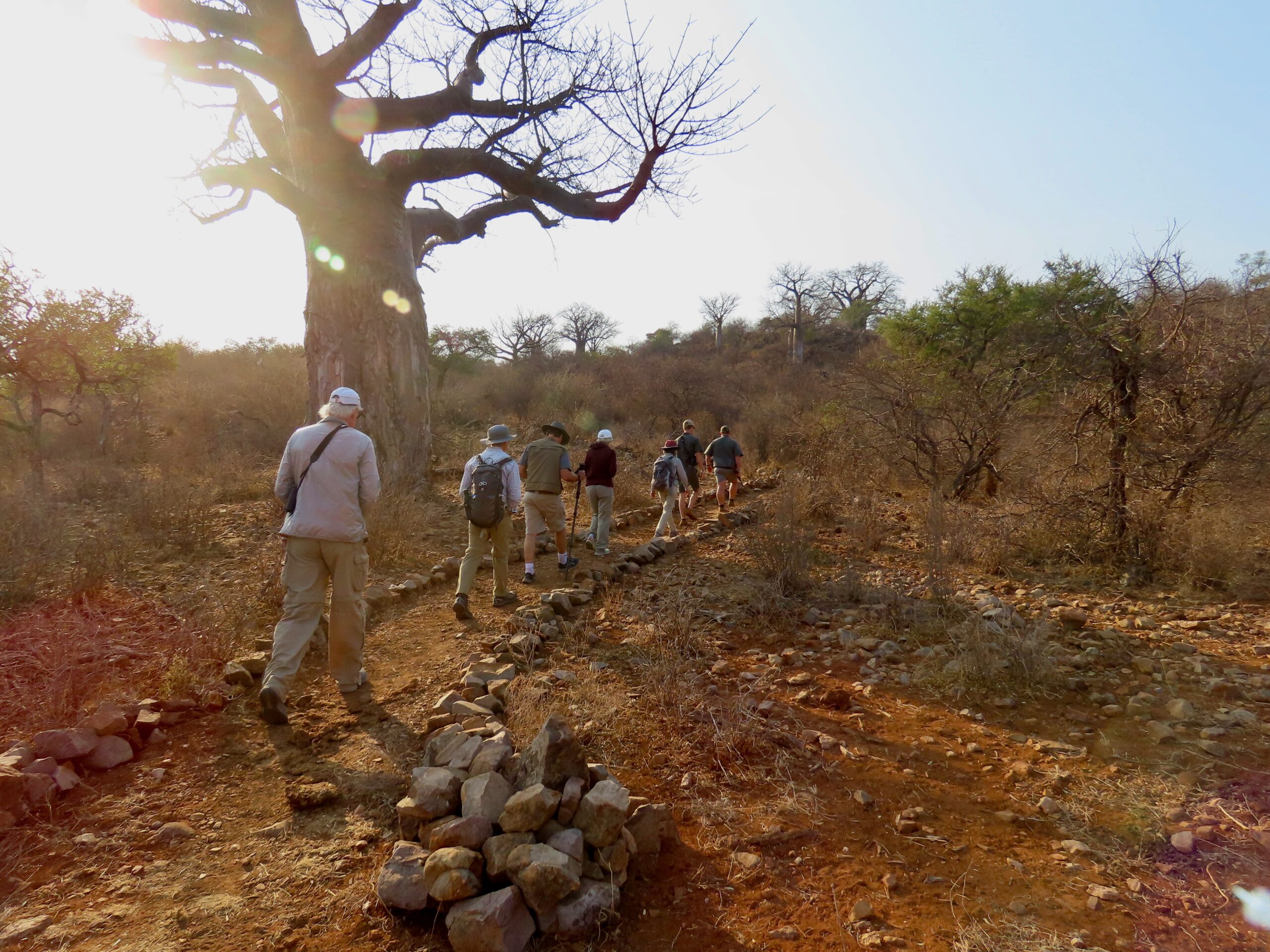
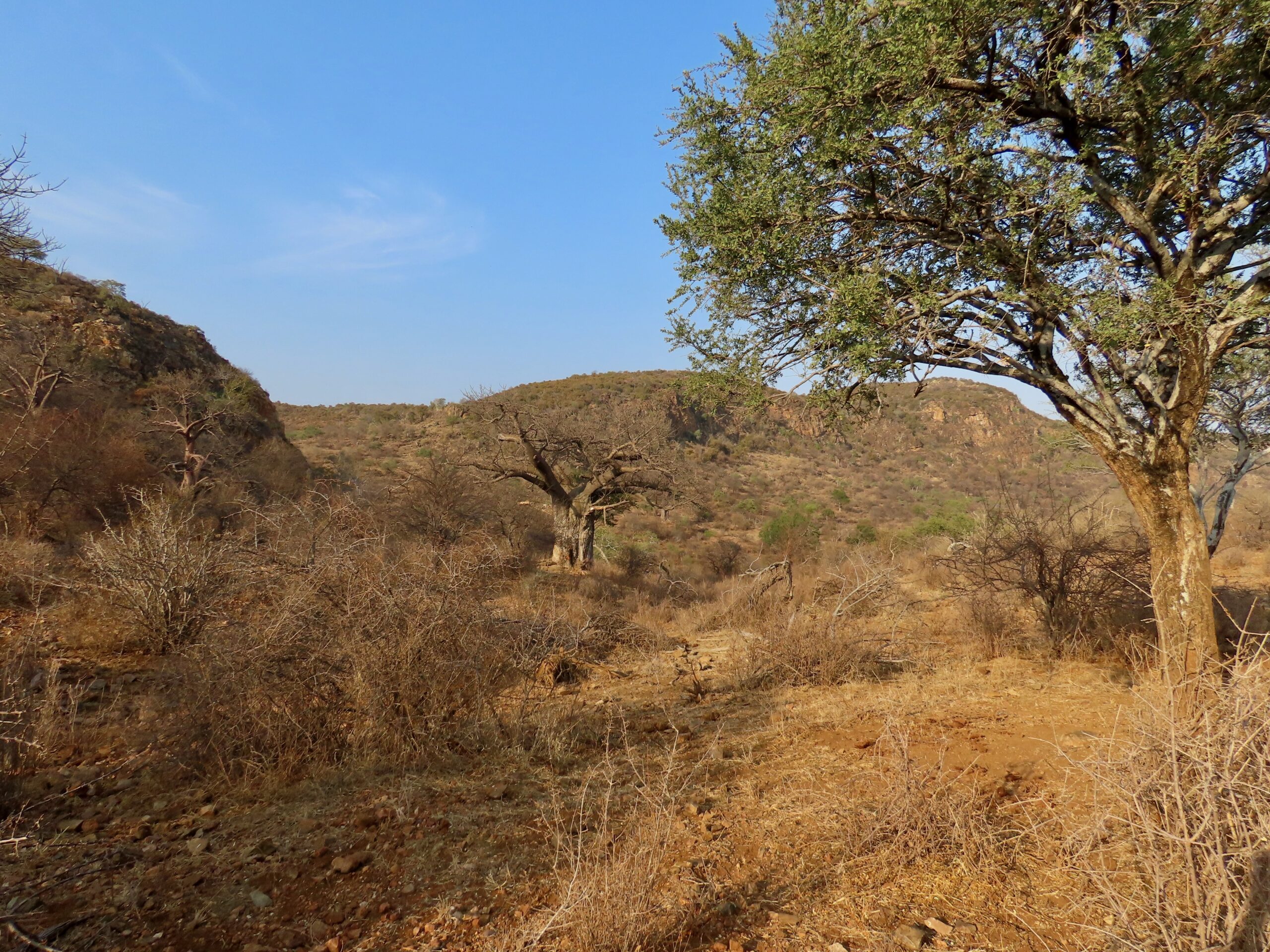
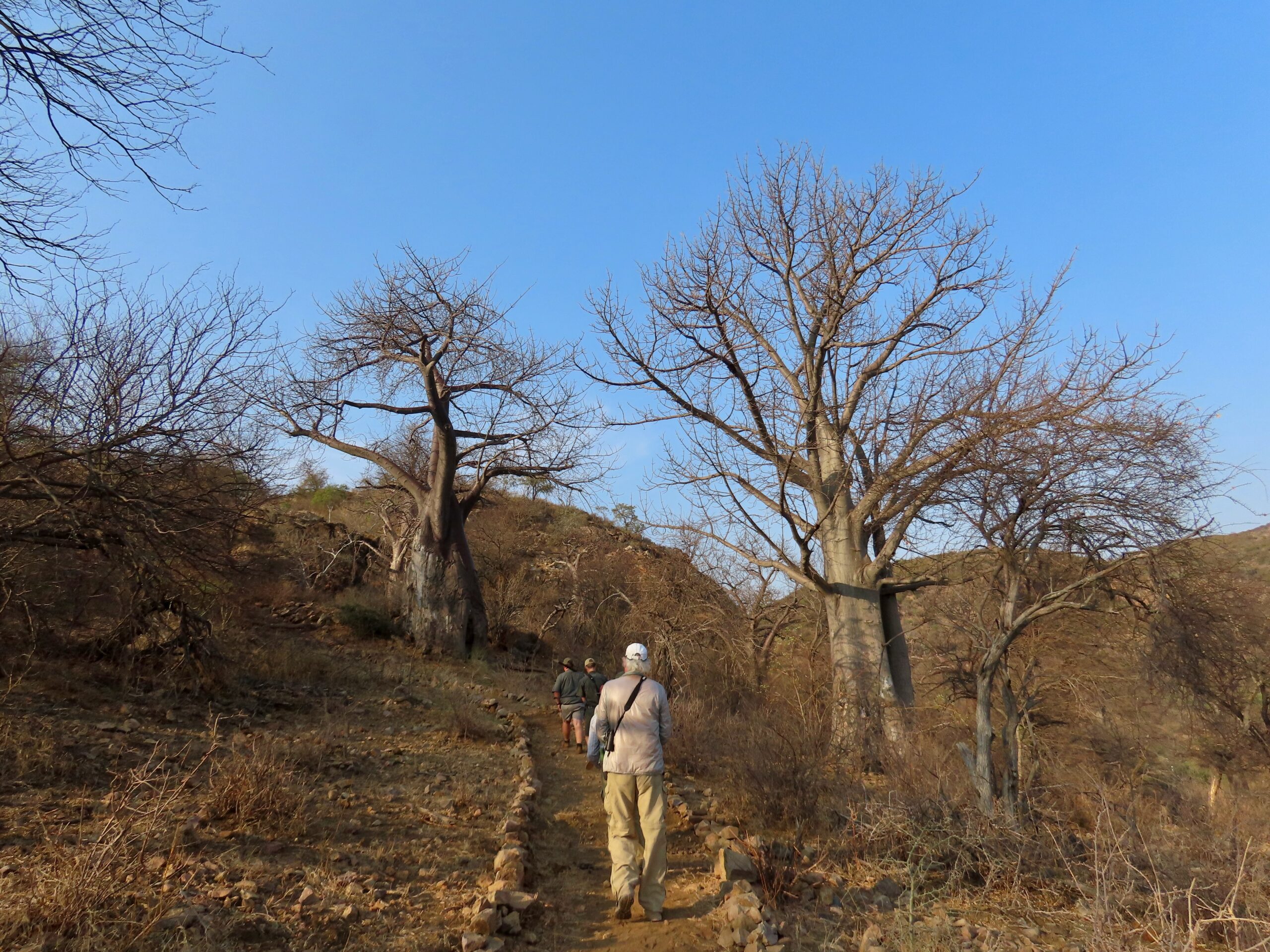
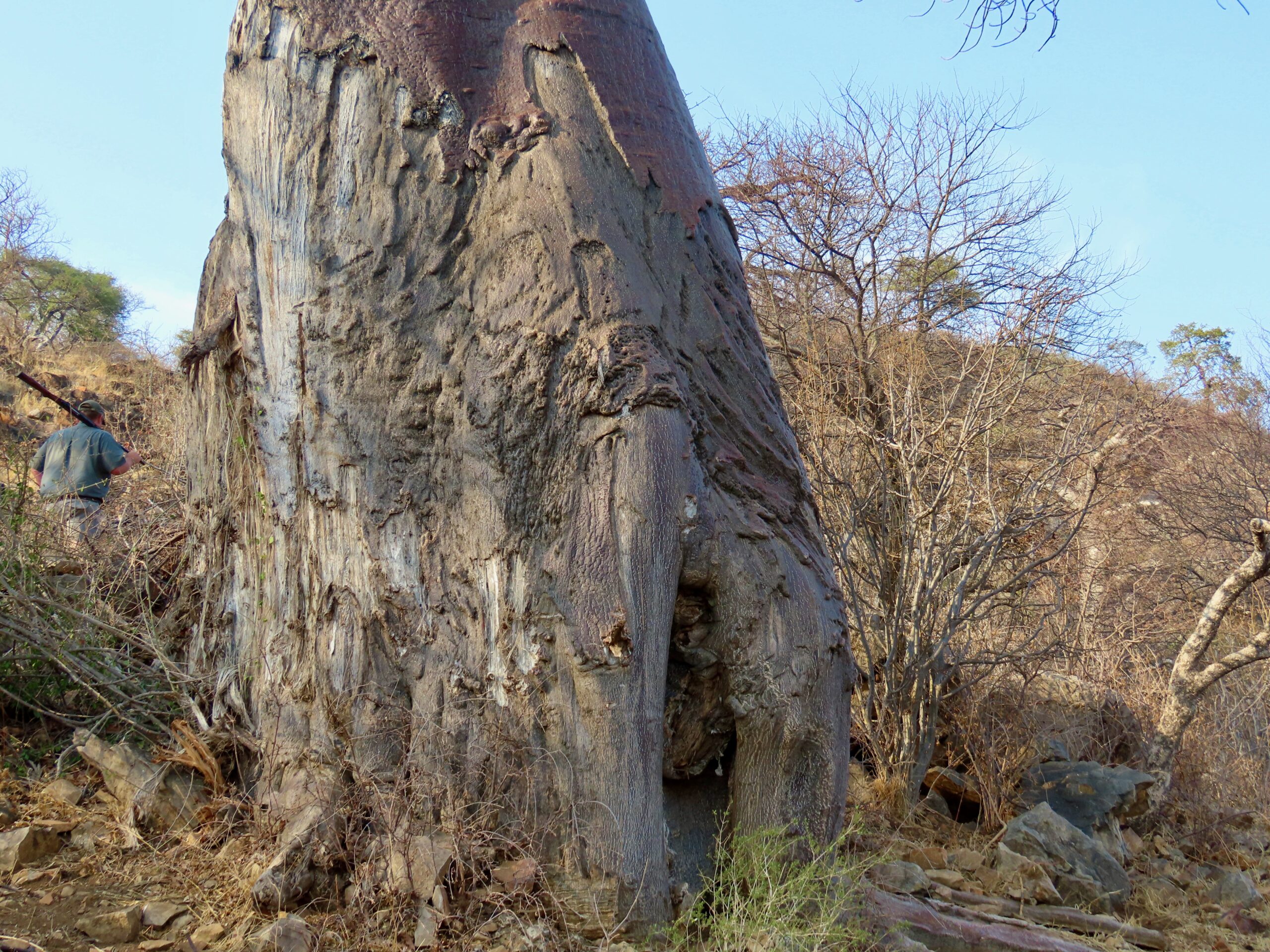
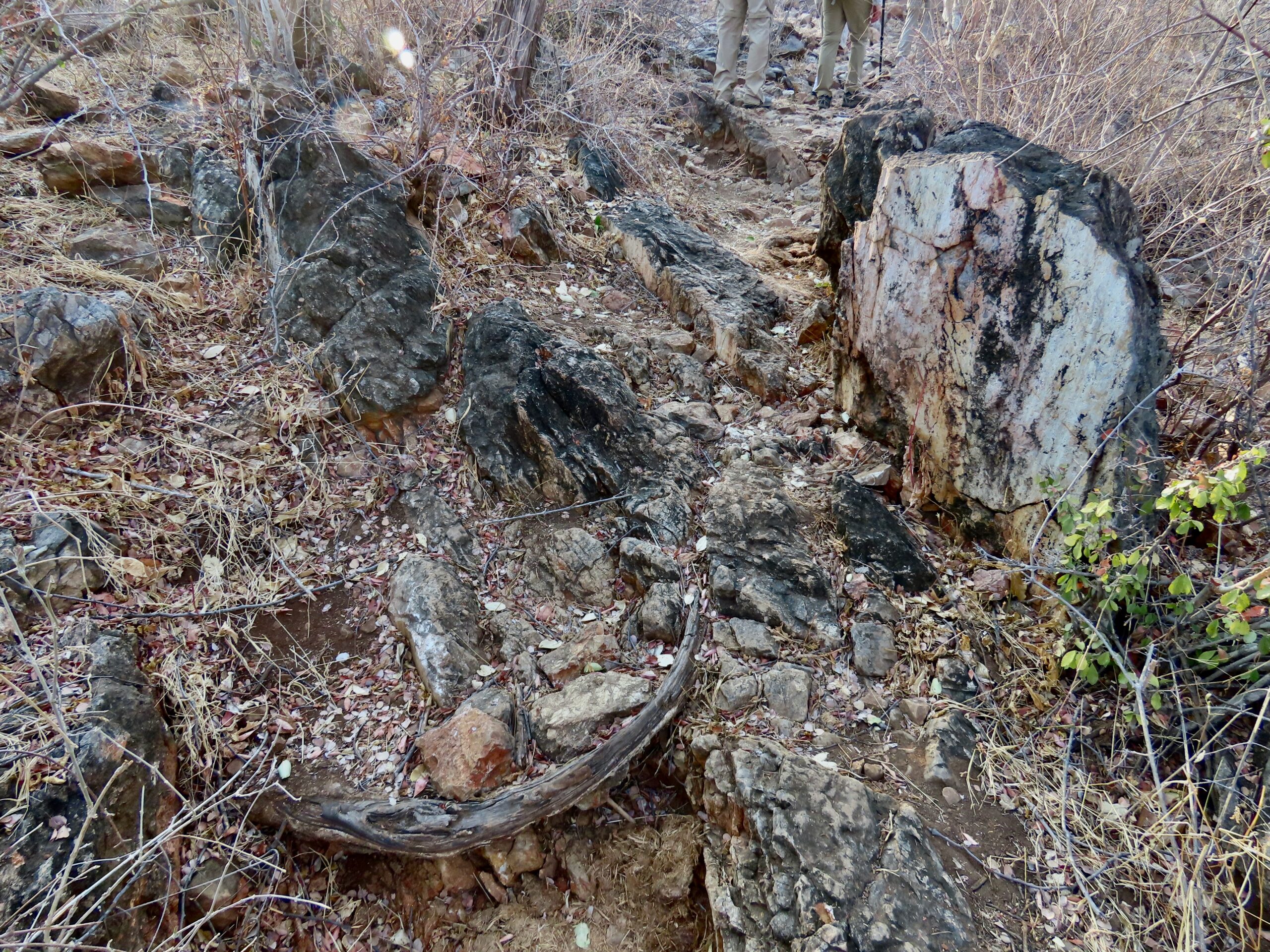
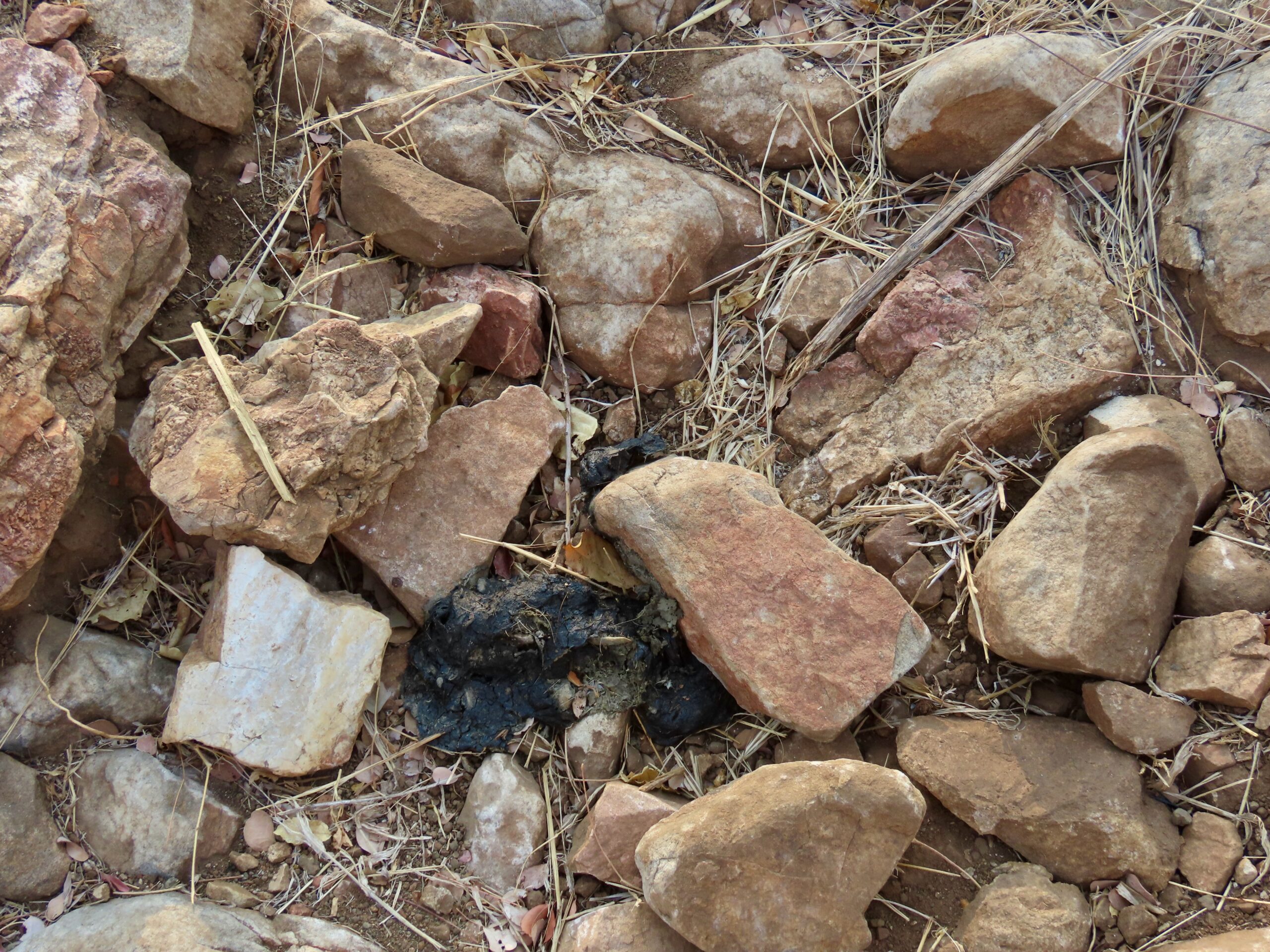
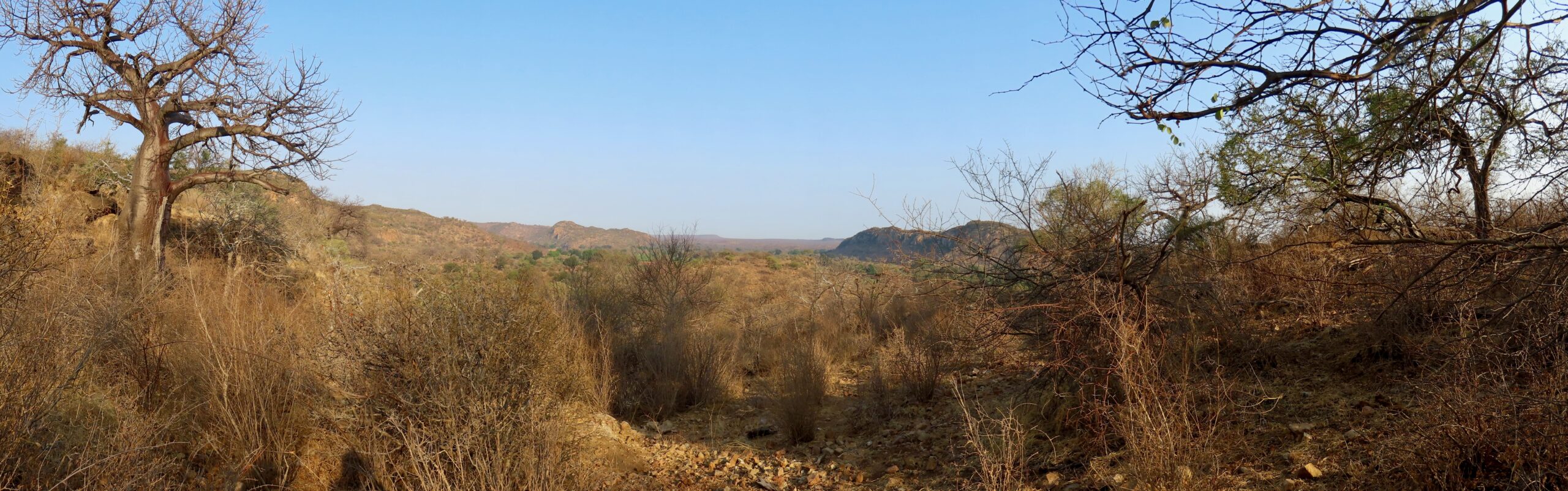
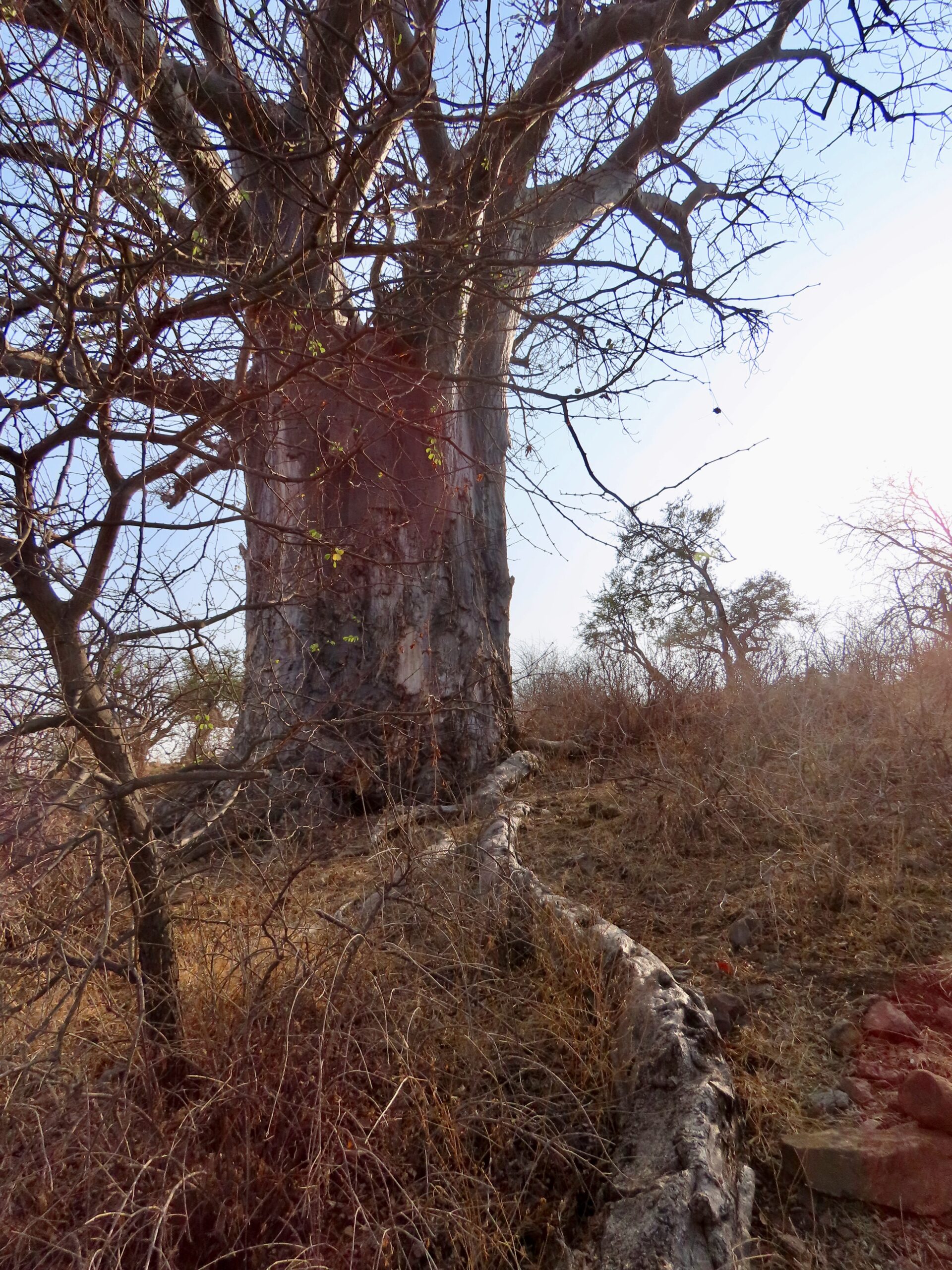
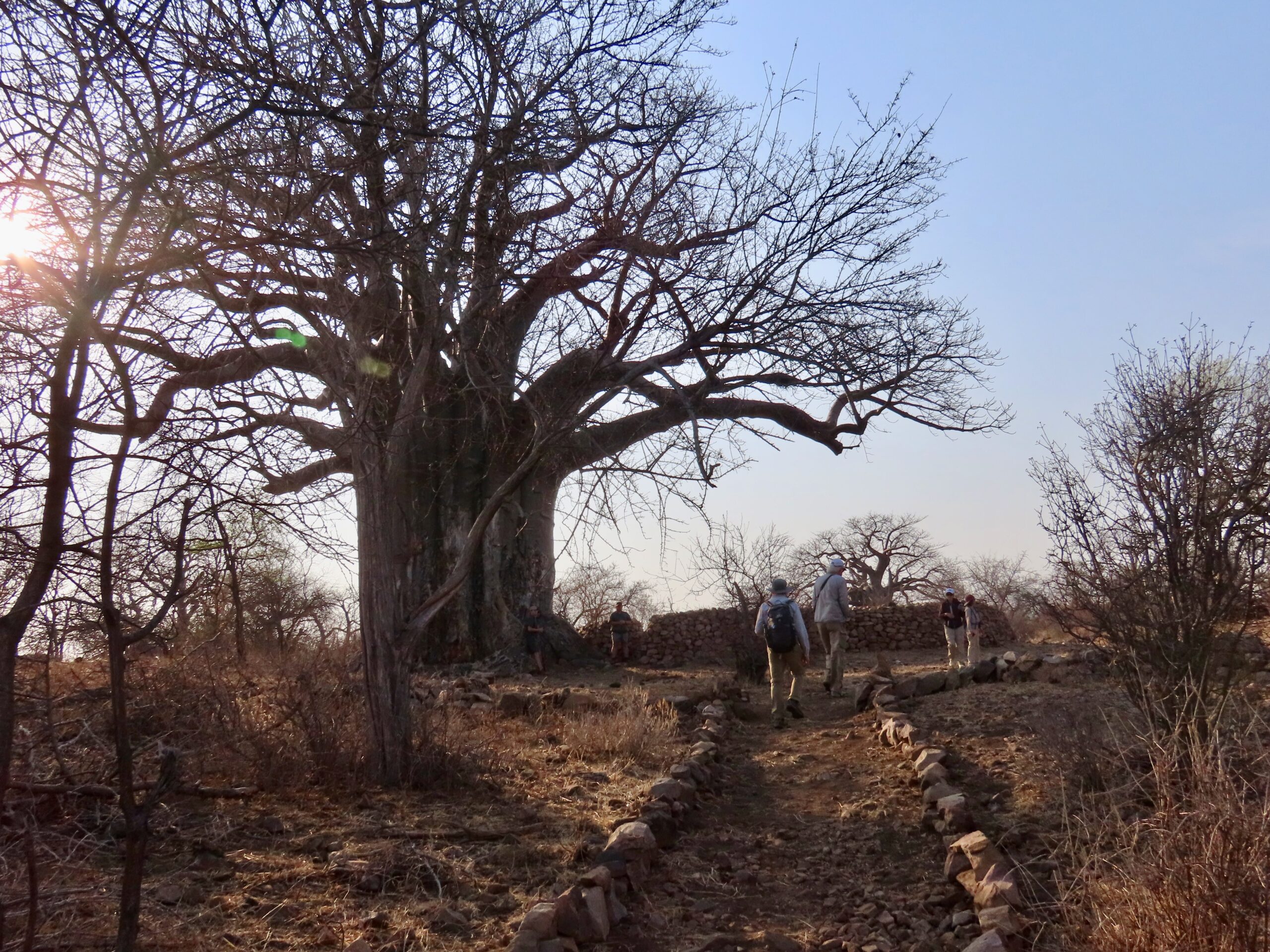
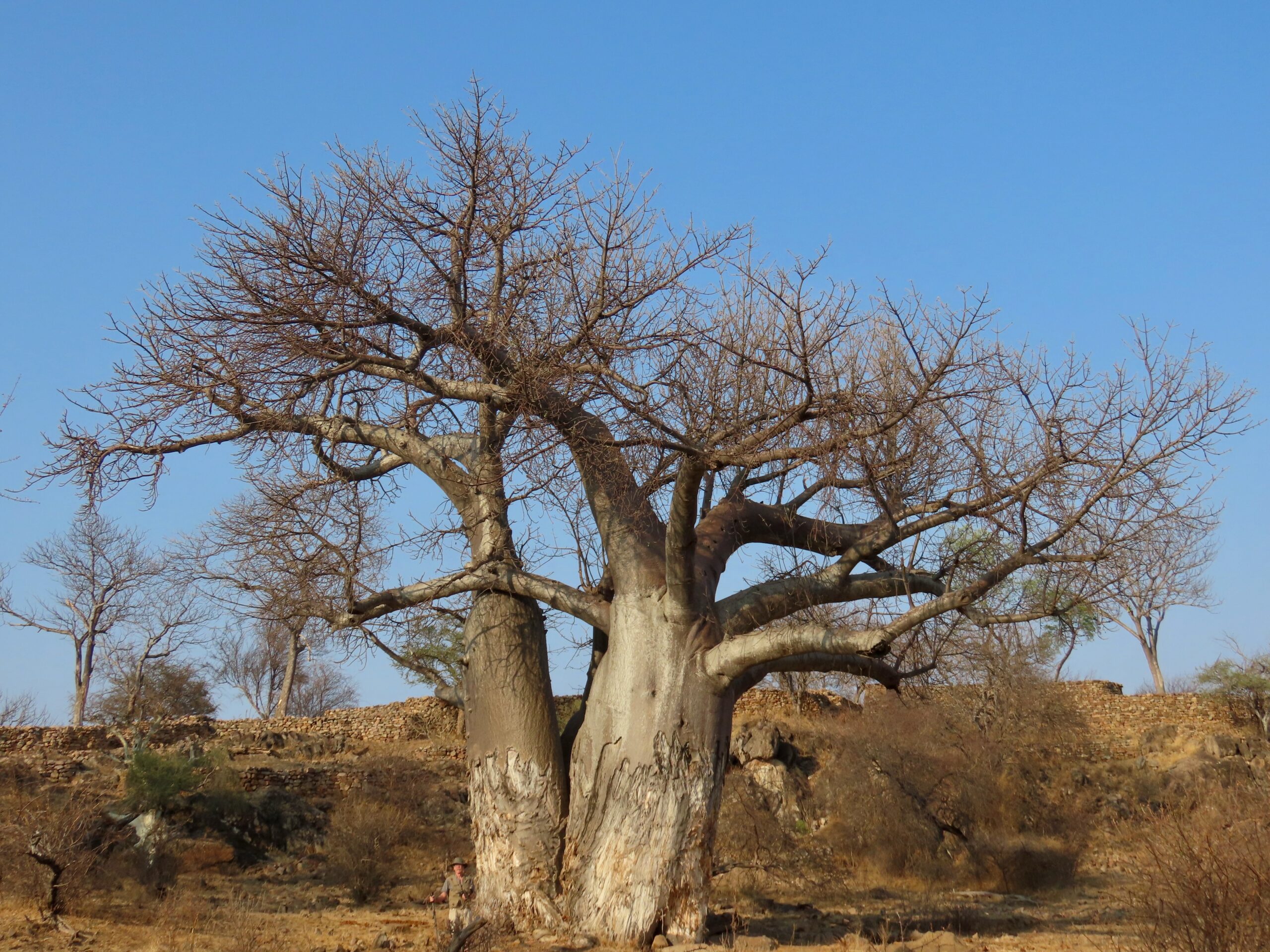
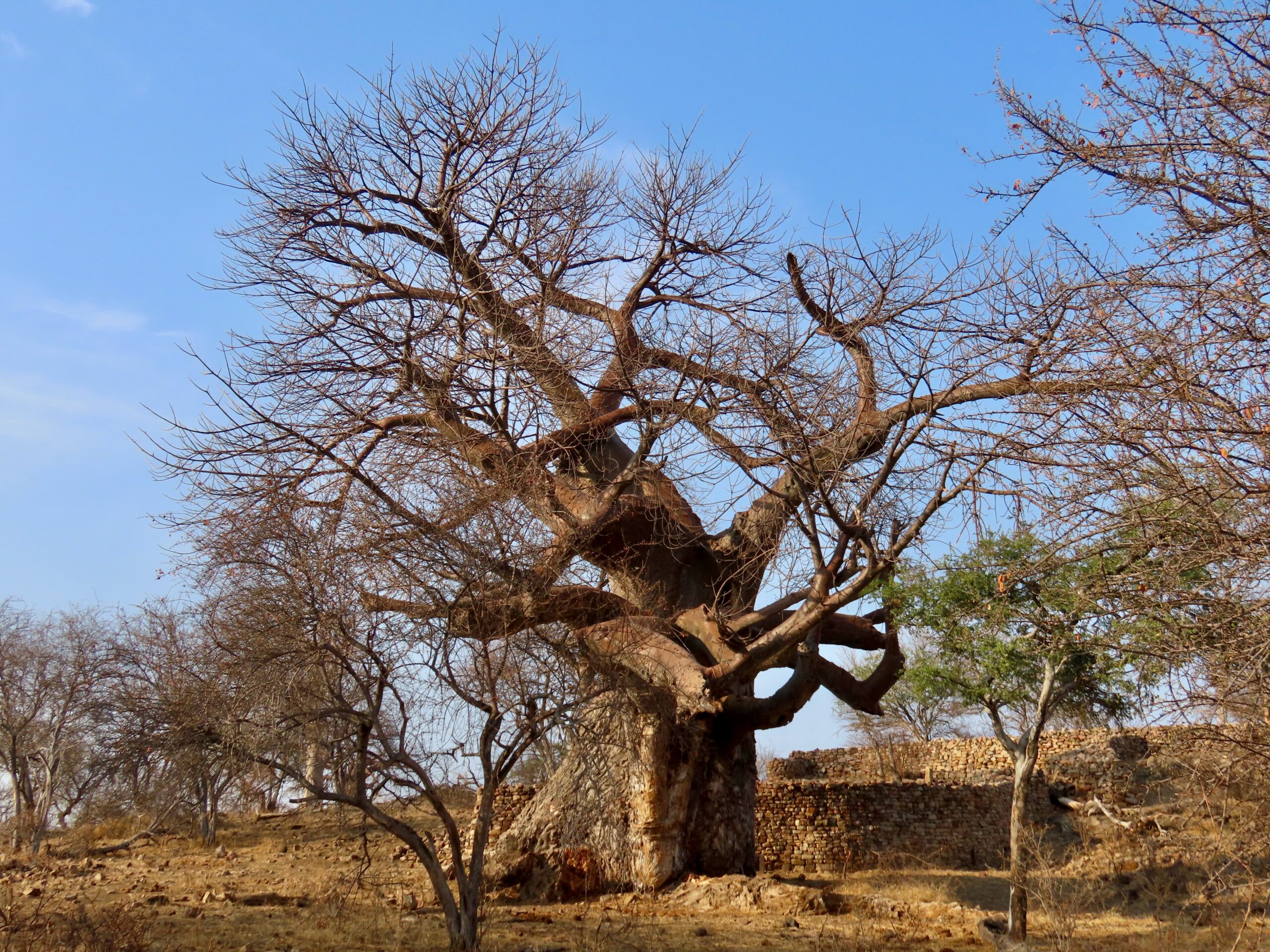
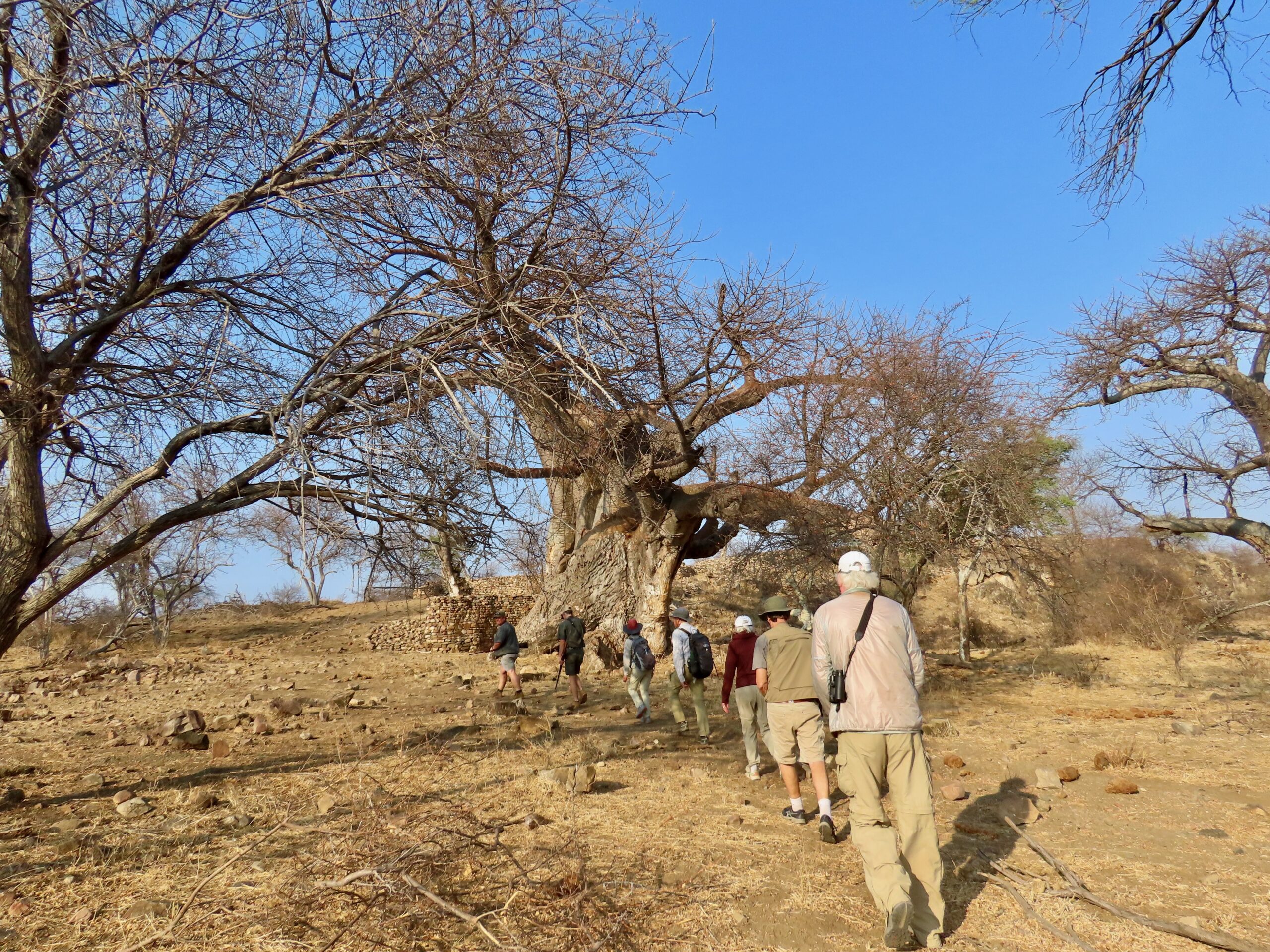
The first Thulamela structure we encountered was the community’s meeting place, centered around several enormous Baobobs.
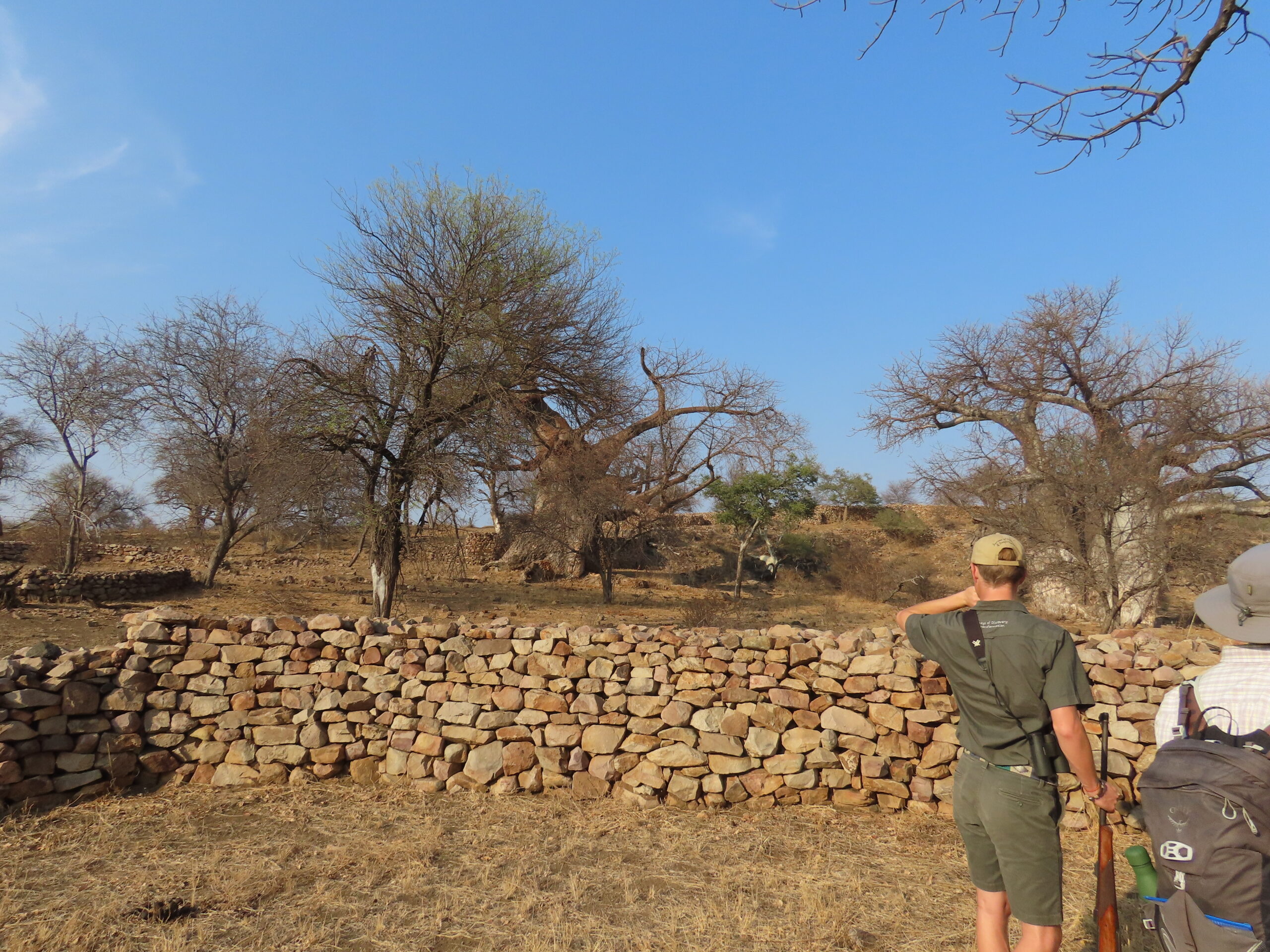
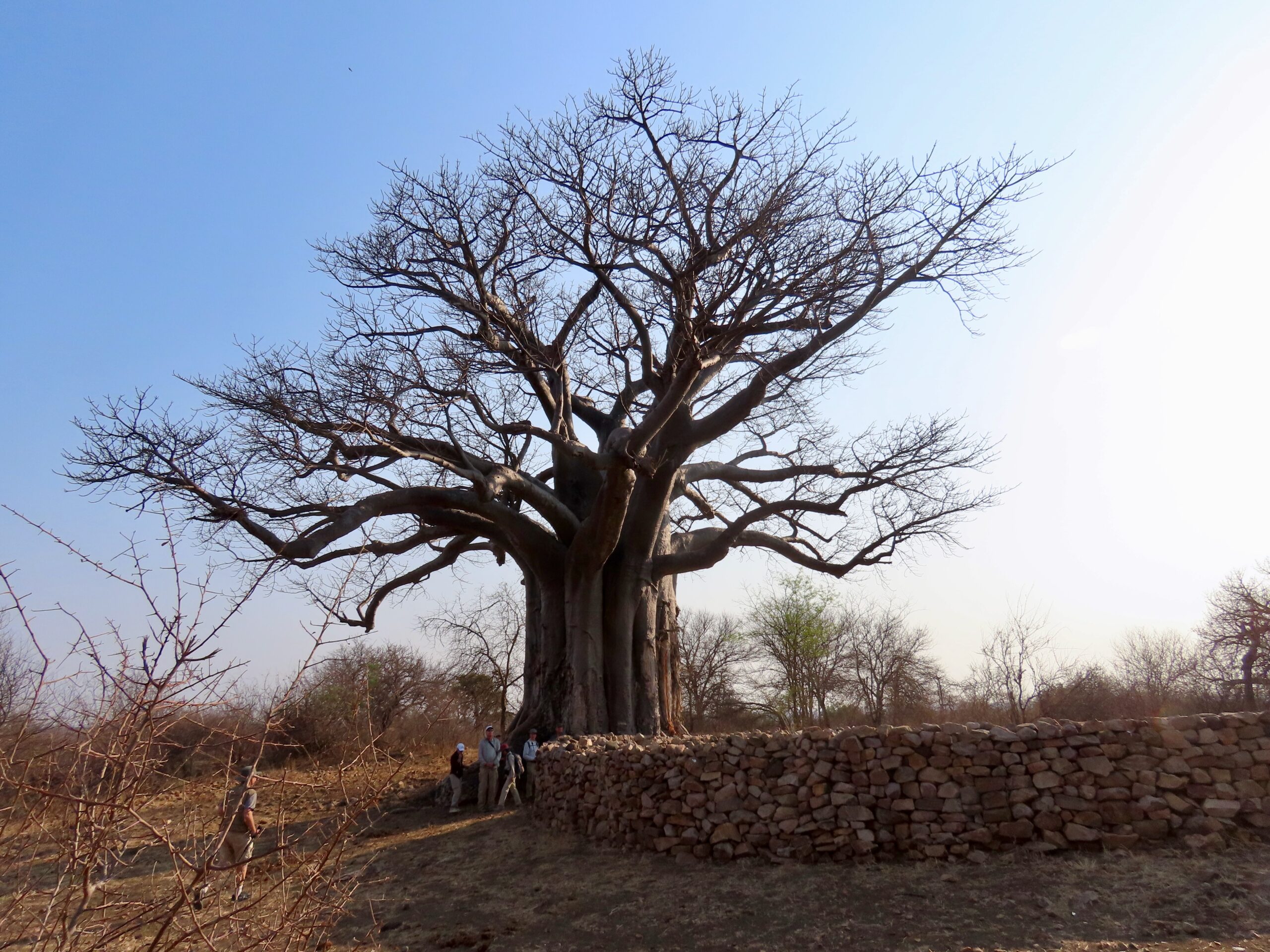
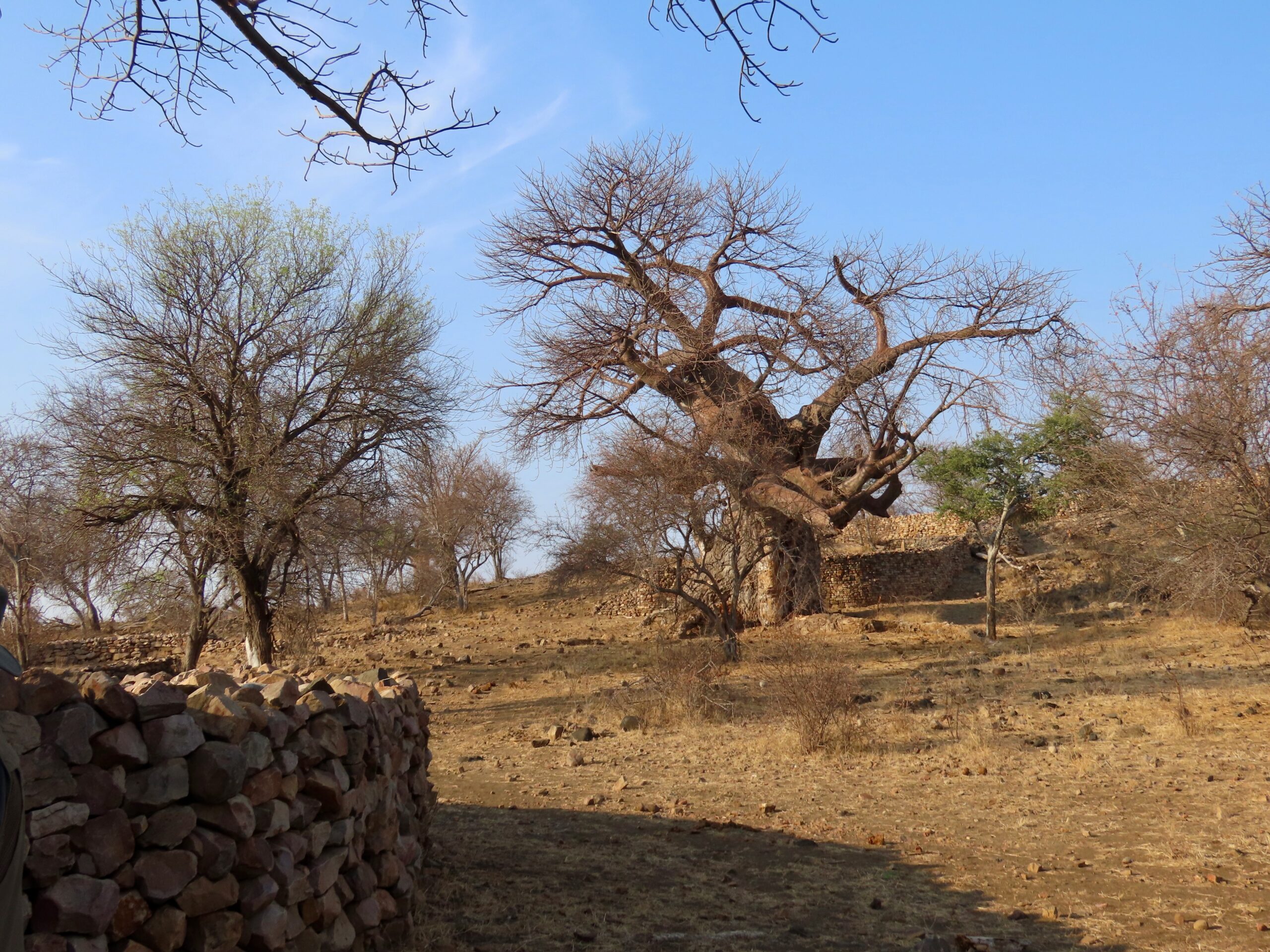
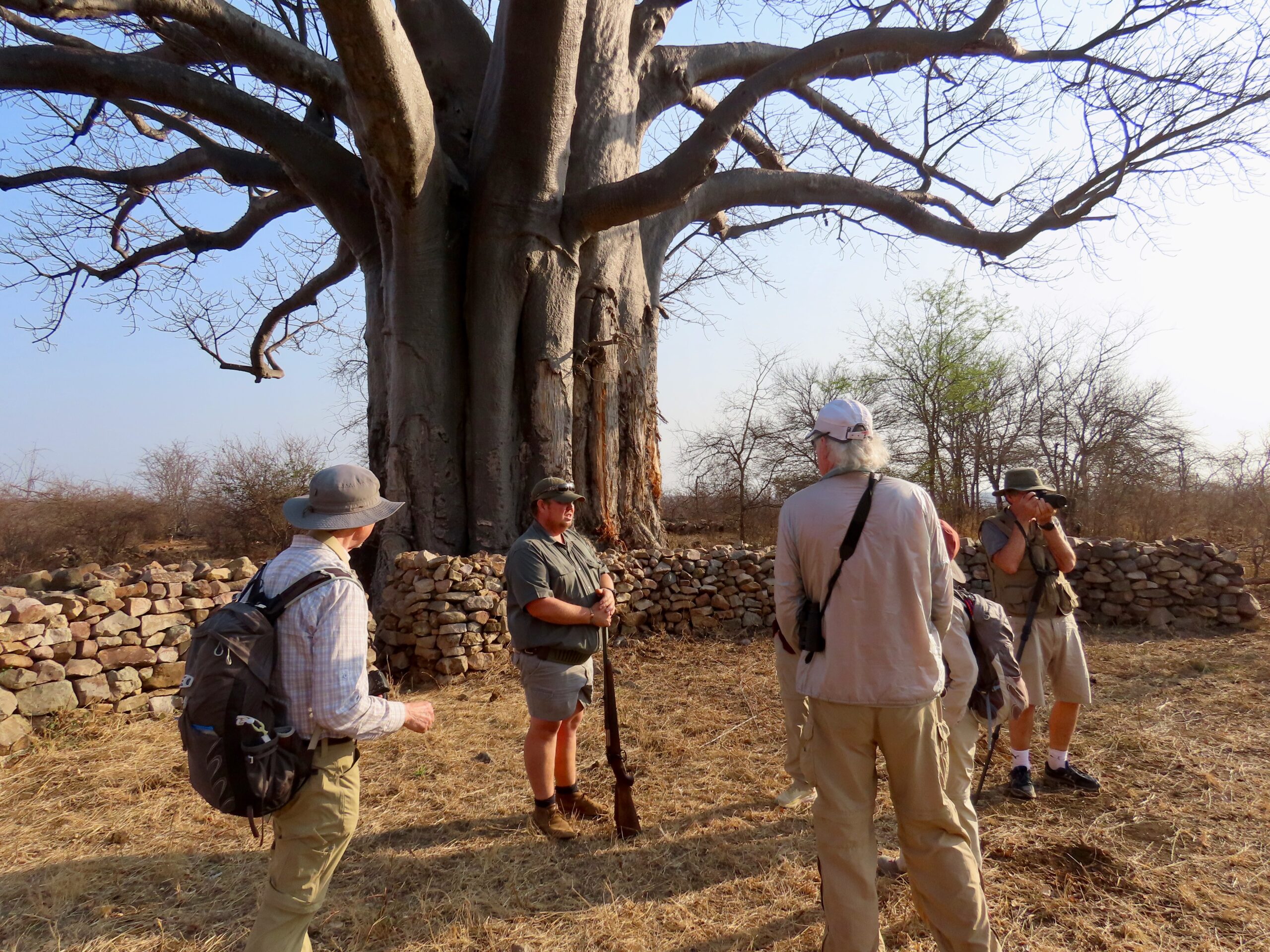
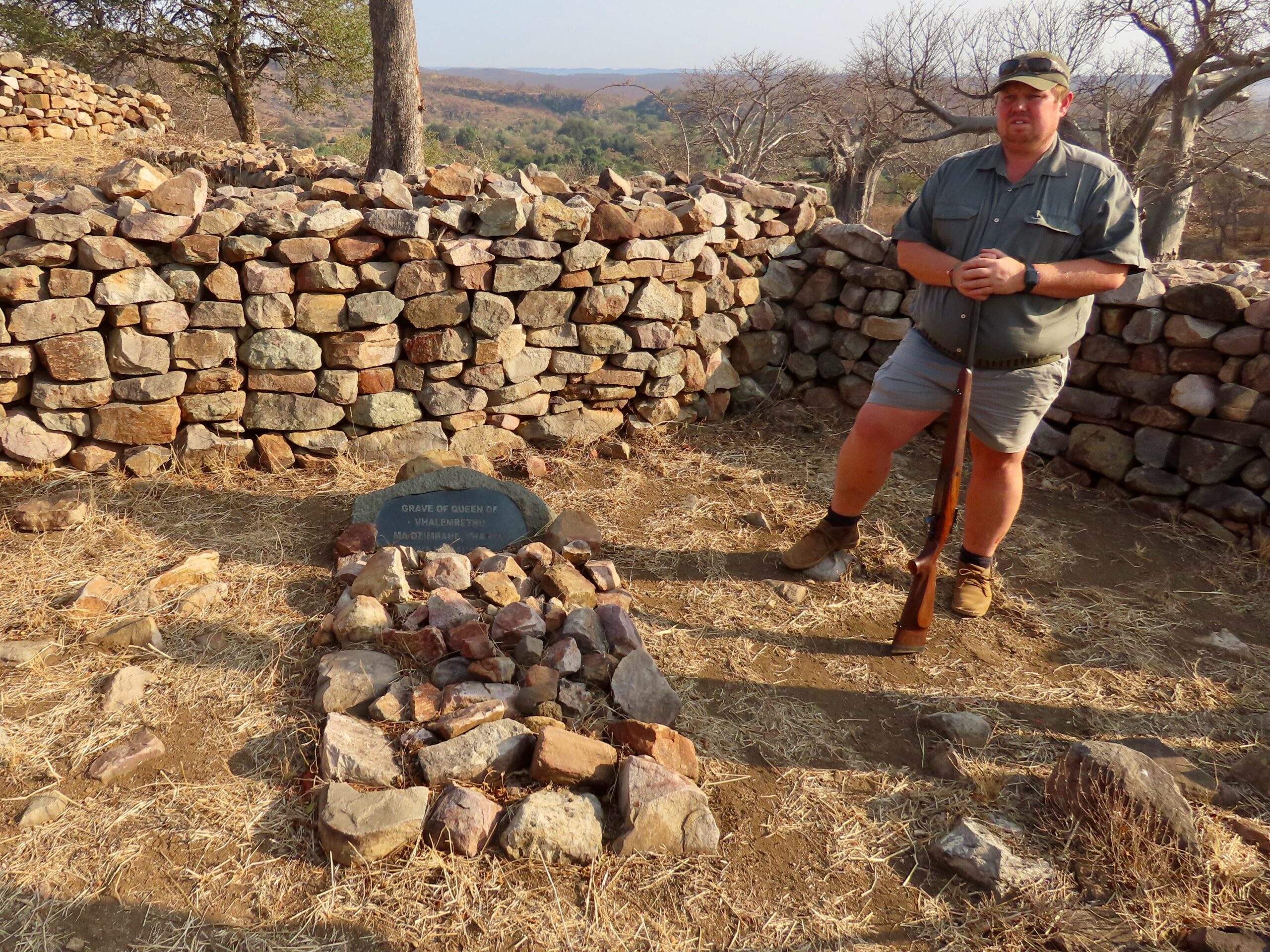
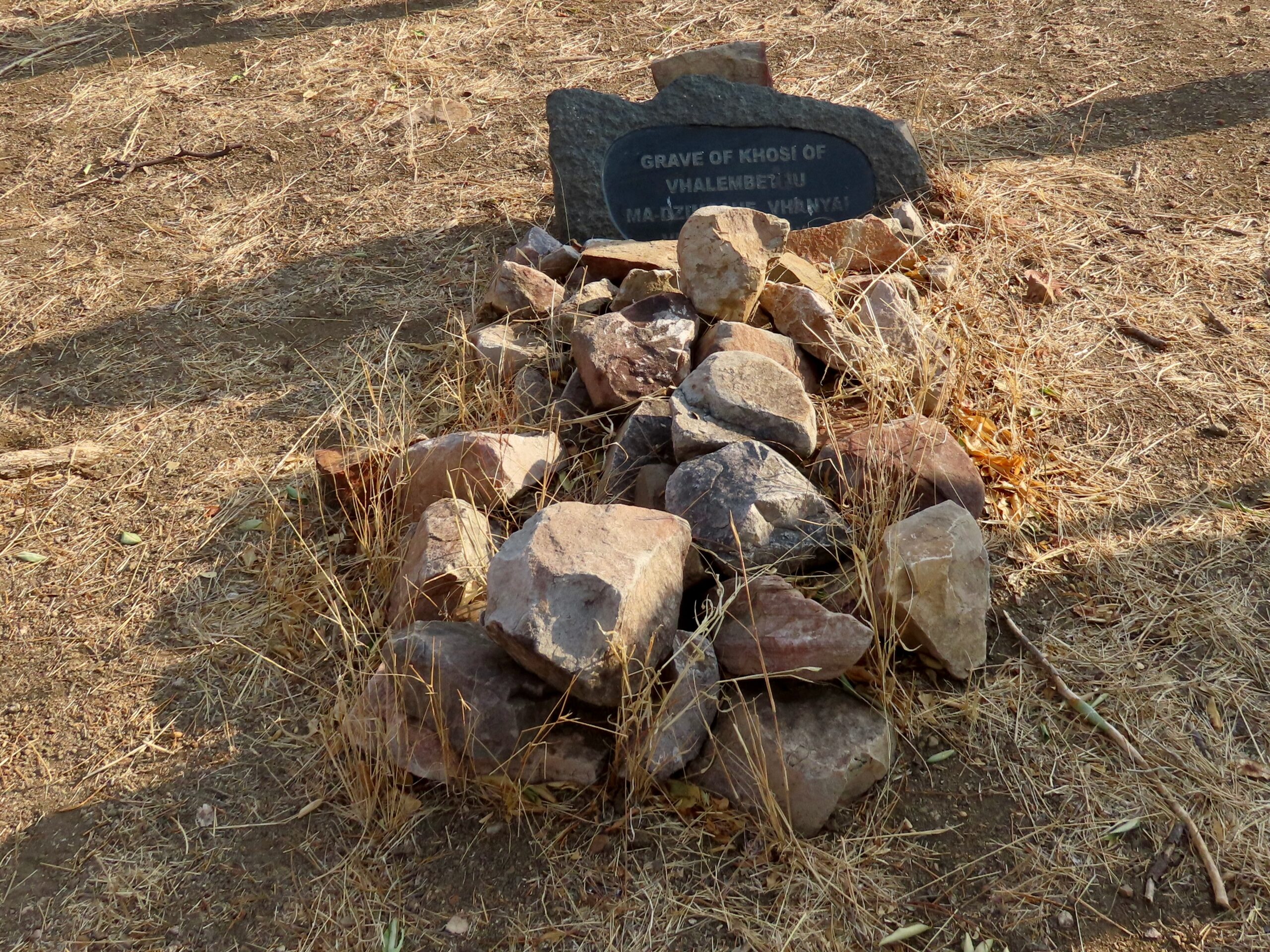
Higher up the hill, two human skeletons were found buried under a hut. The woman, buried with a gold bracelet and 290 gold beads was dated to 1497; the man, buried with gold and iron bracelets and gold beads, was dated to 1434. Based on location and grave goods, archeologists believe they were high-ranking elites. Locals gave them names and re-buried the bones with great ceremony.
“They named her Queen Losha – because she was buried with her hands placed under her cheeks in a position of great respect known as losha, and him, King Ingwe – meaning leopard, because on the day his grave was found, a leopard was waiting as the excavating team returned to their vehicle.”
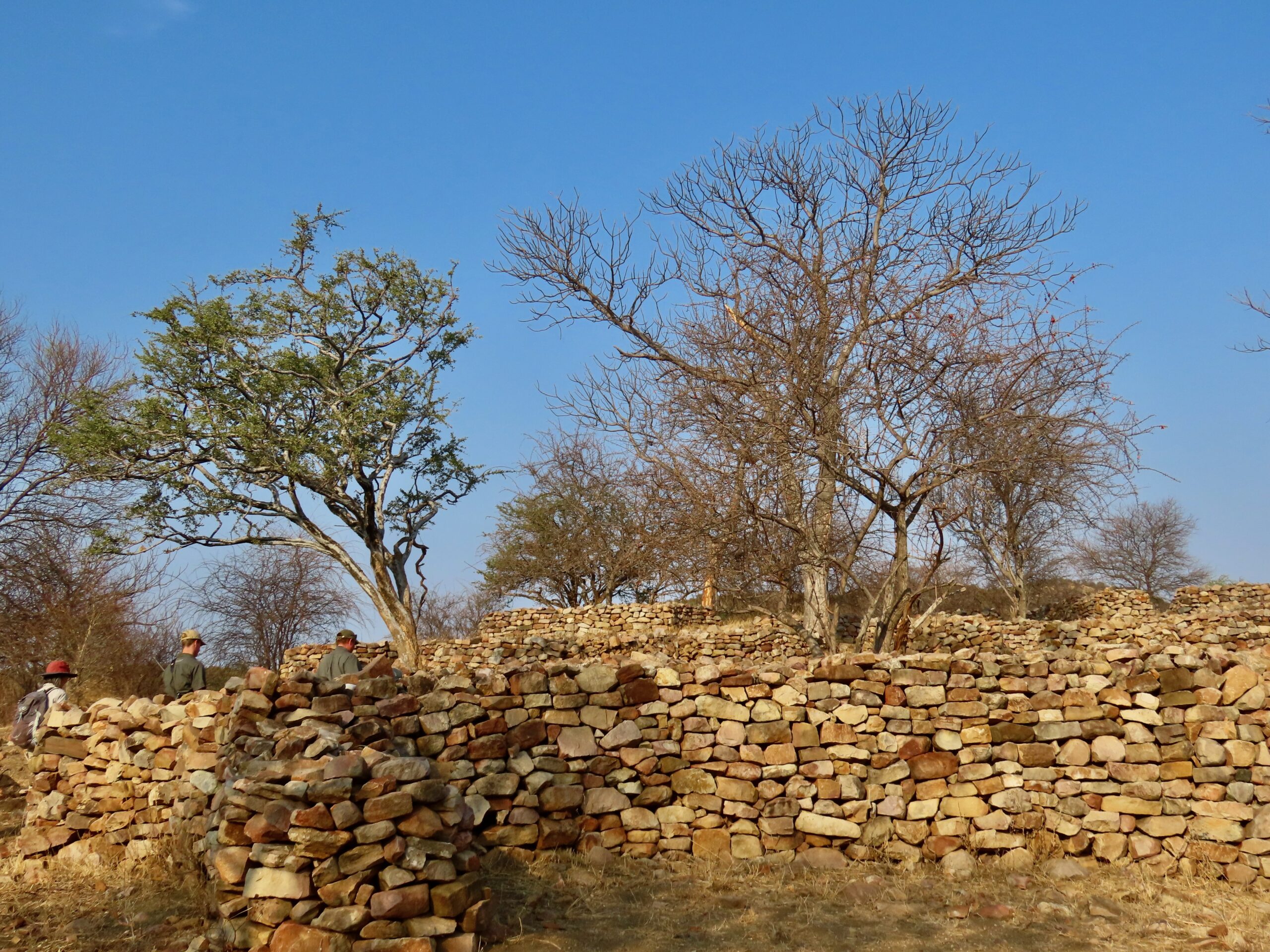
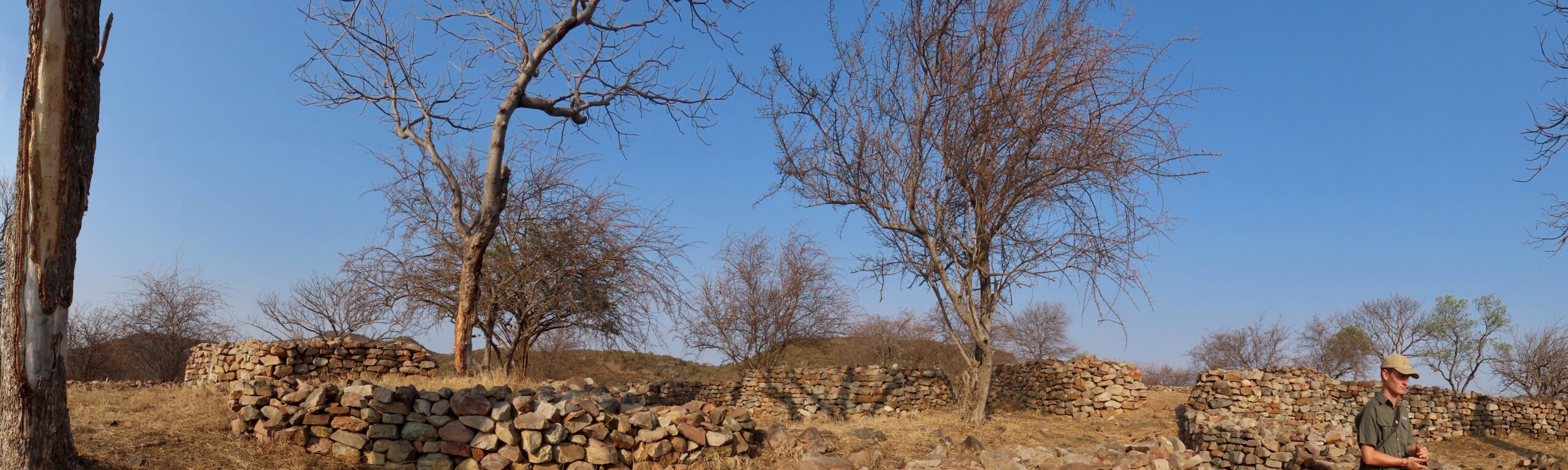
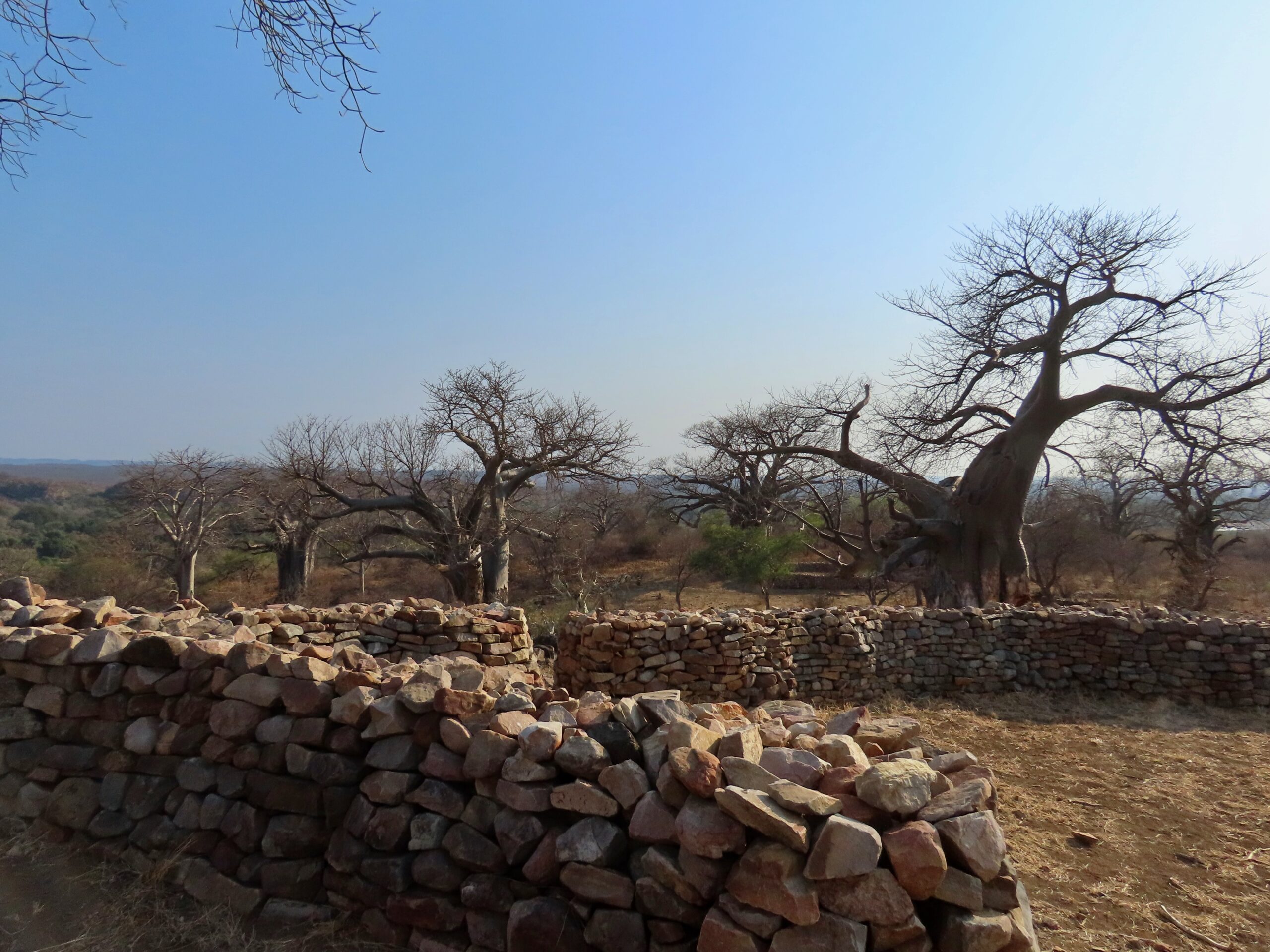
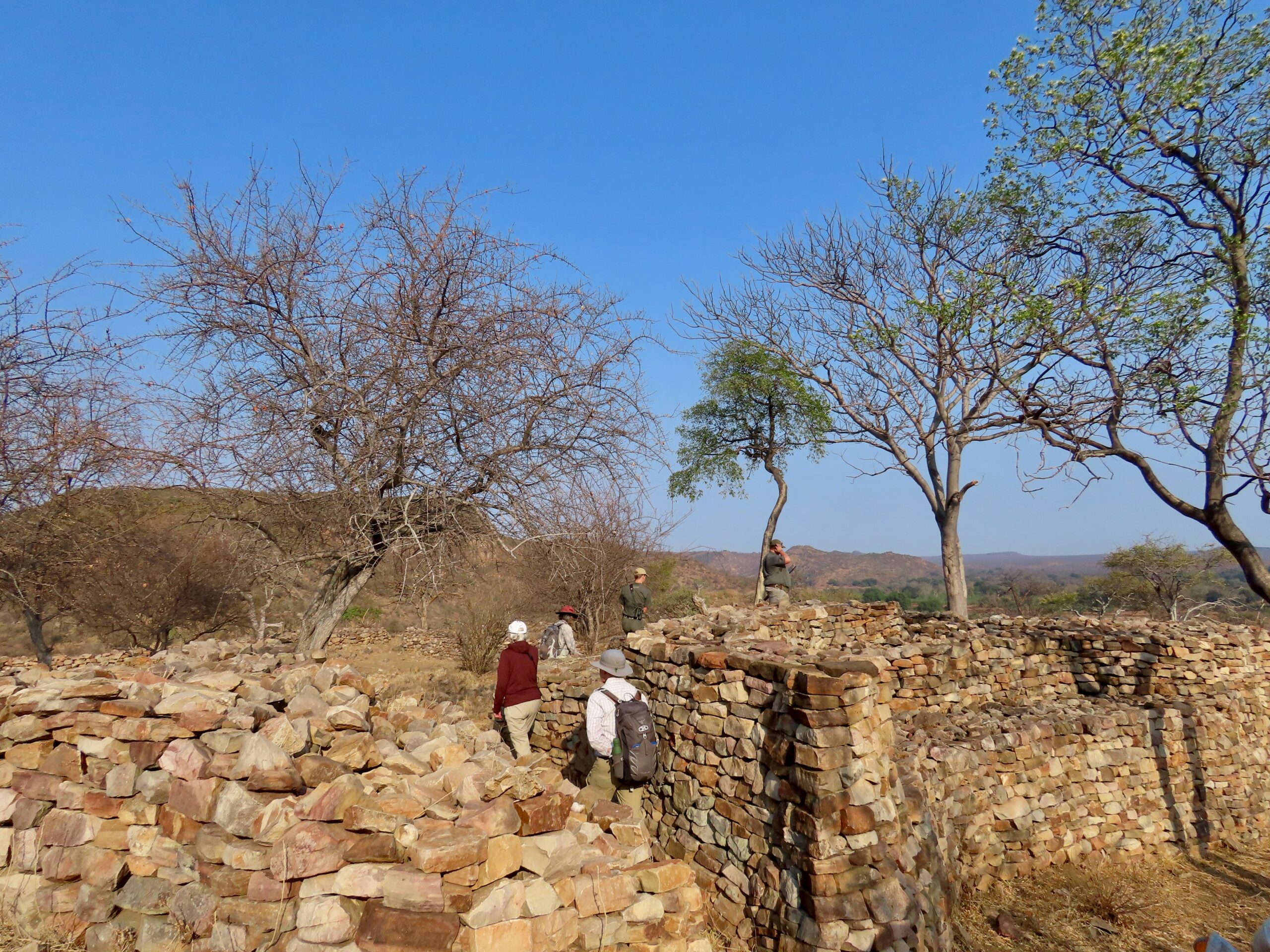
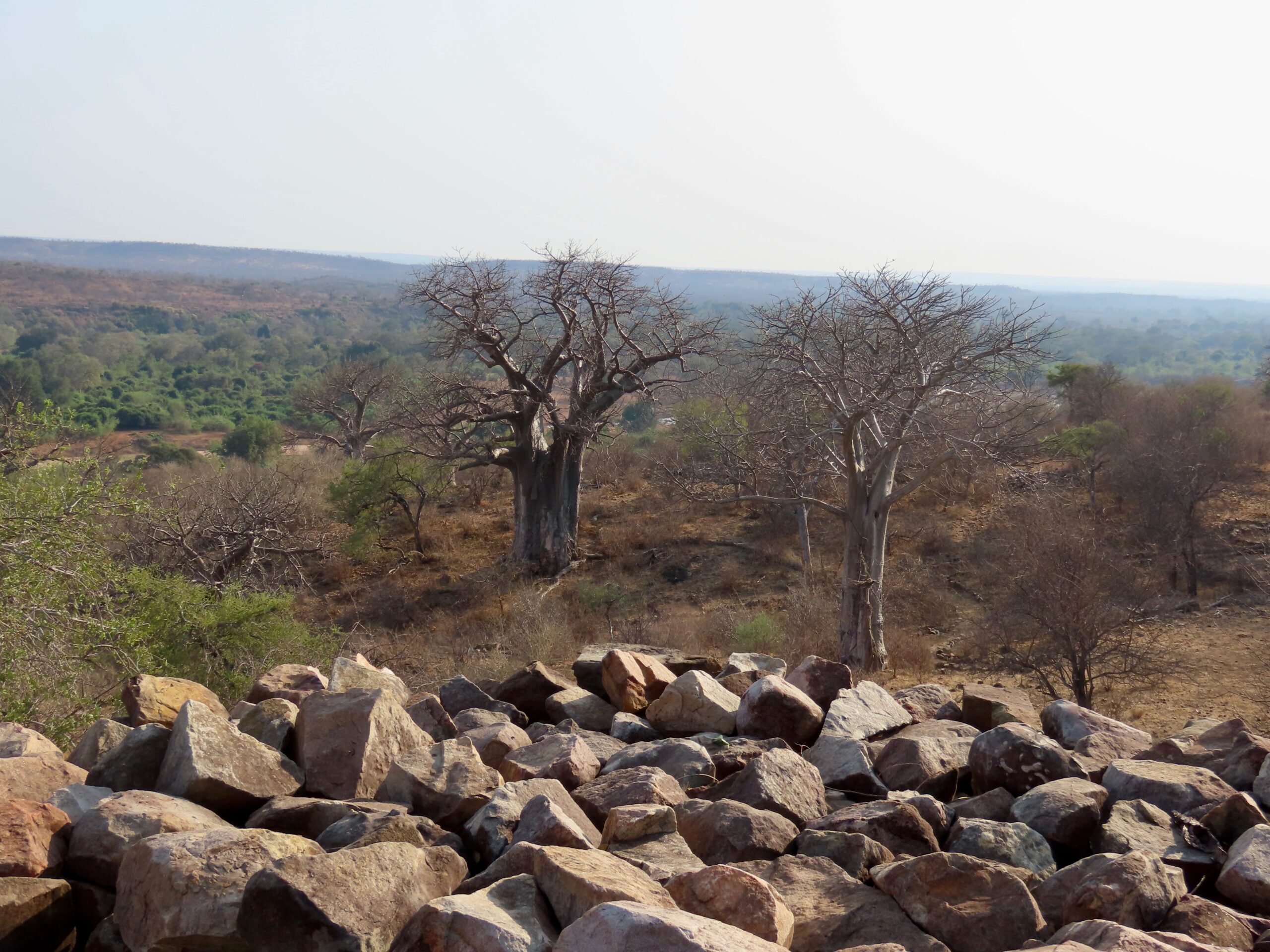
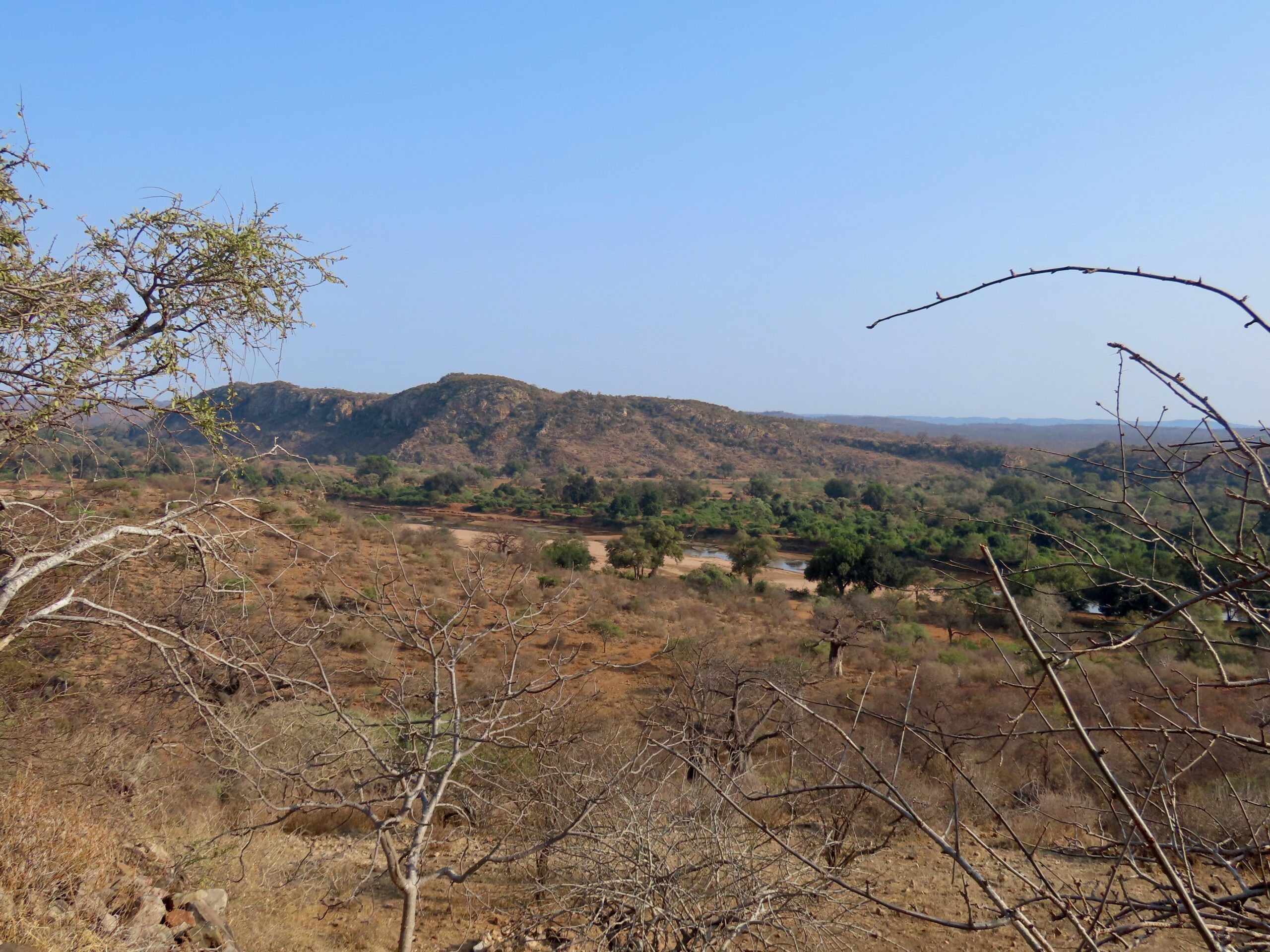
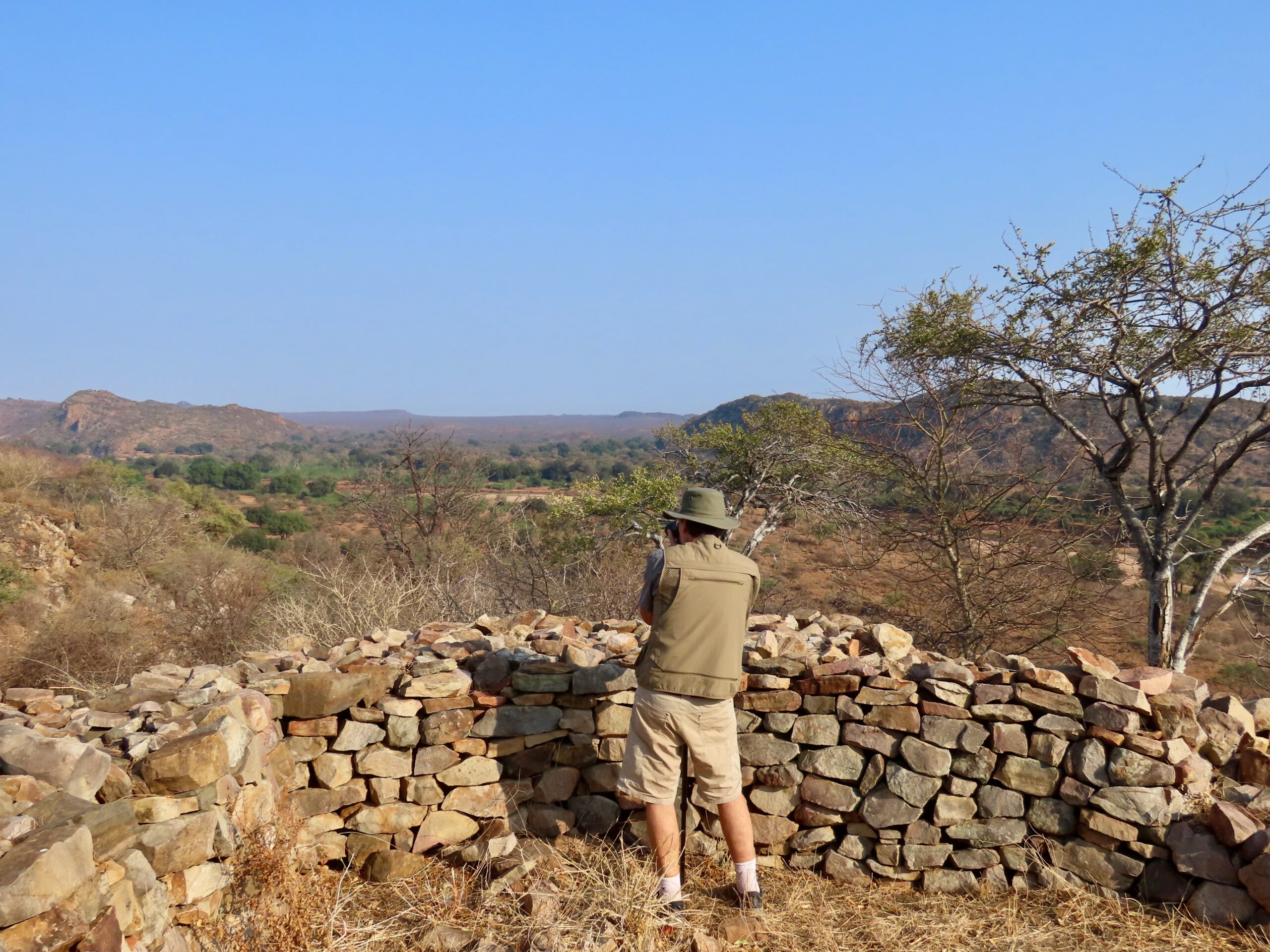
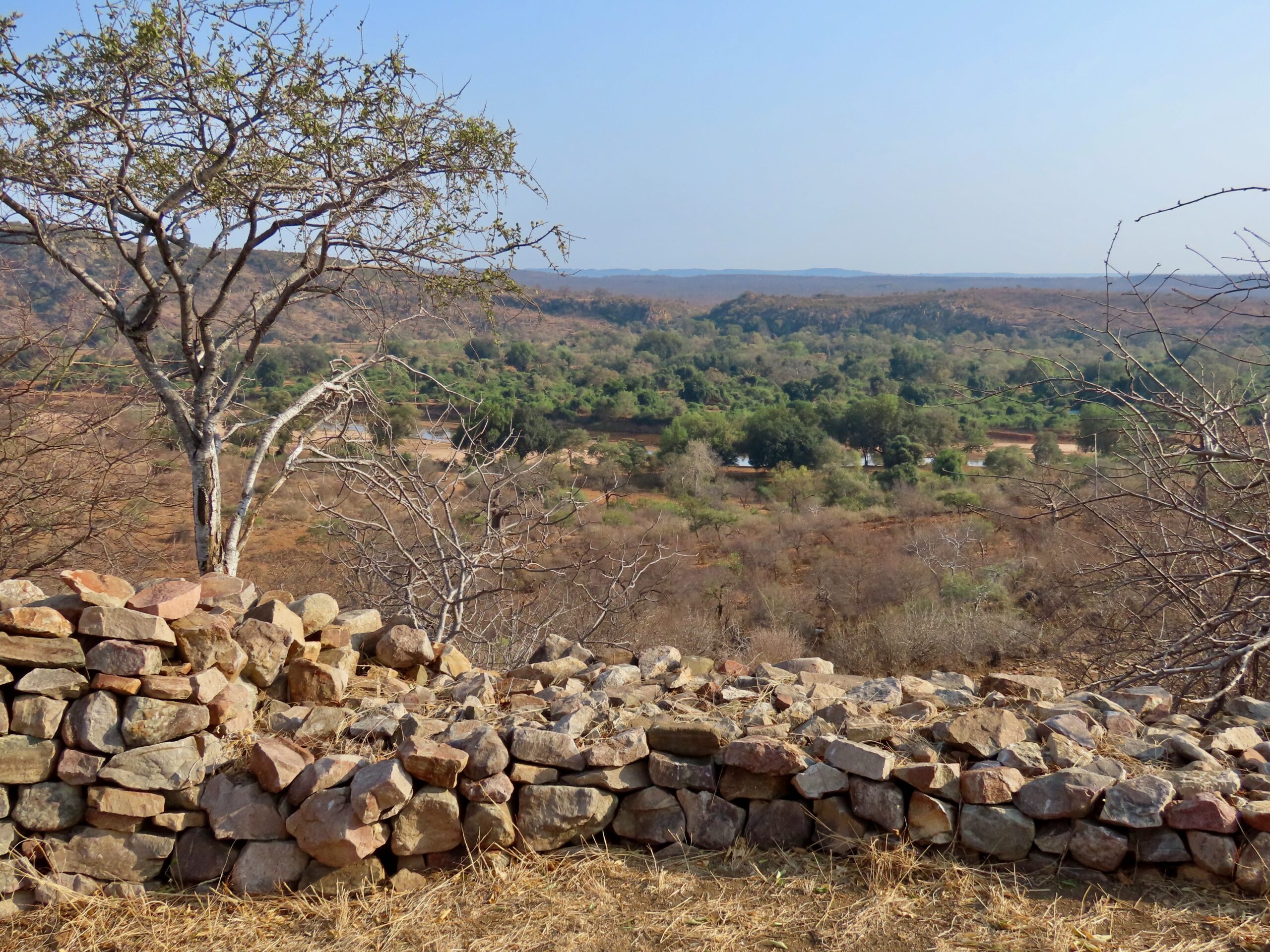
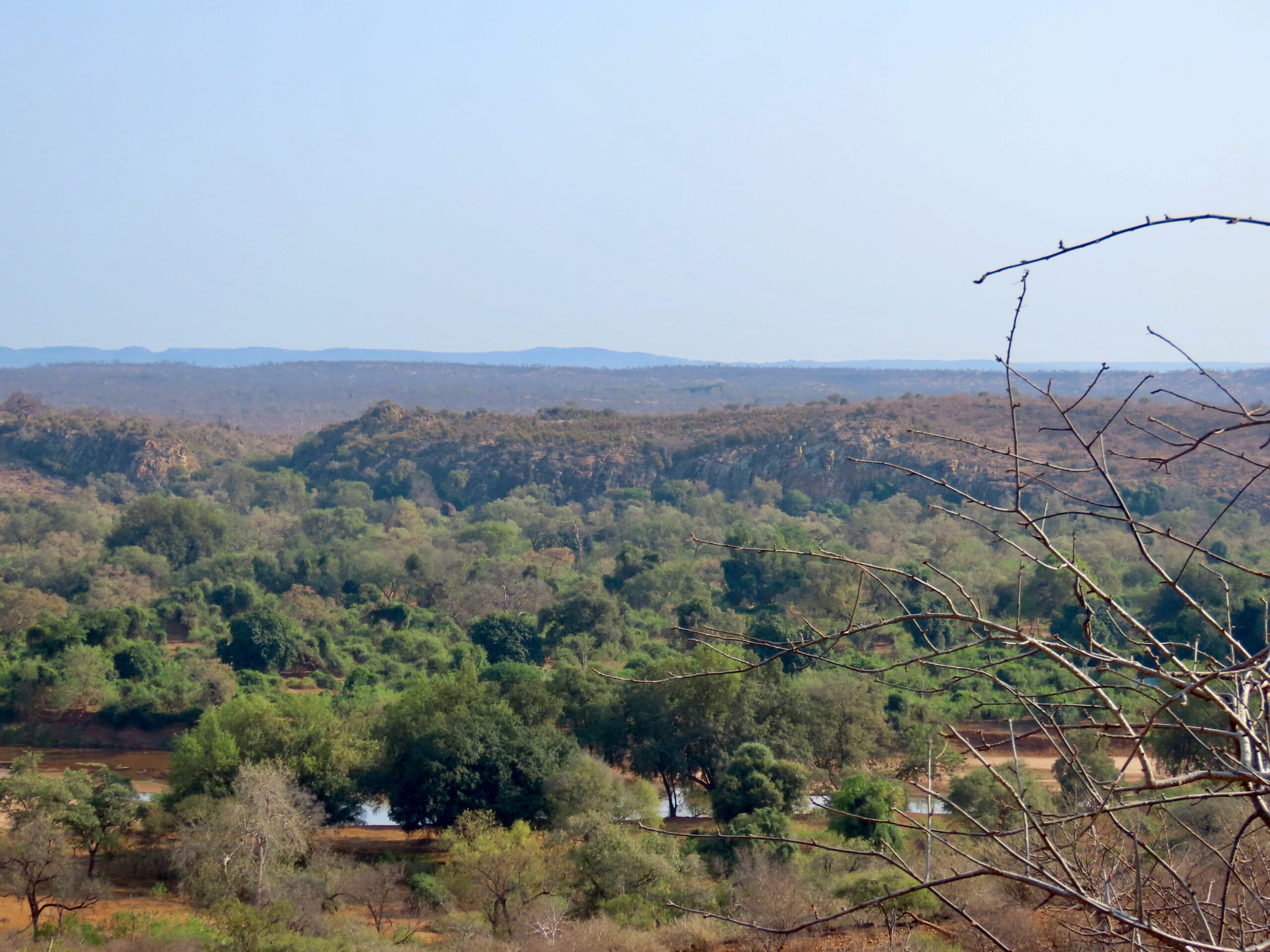
The views up top were spectacular.
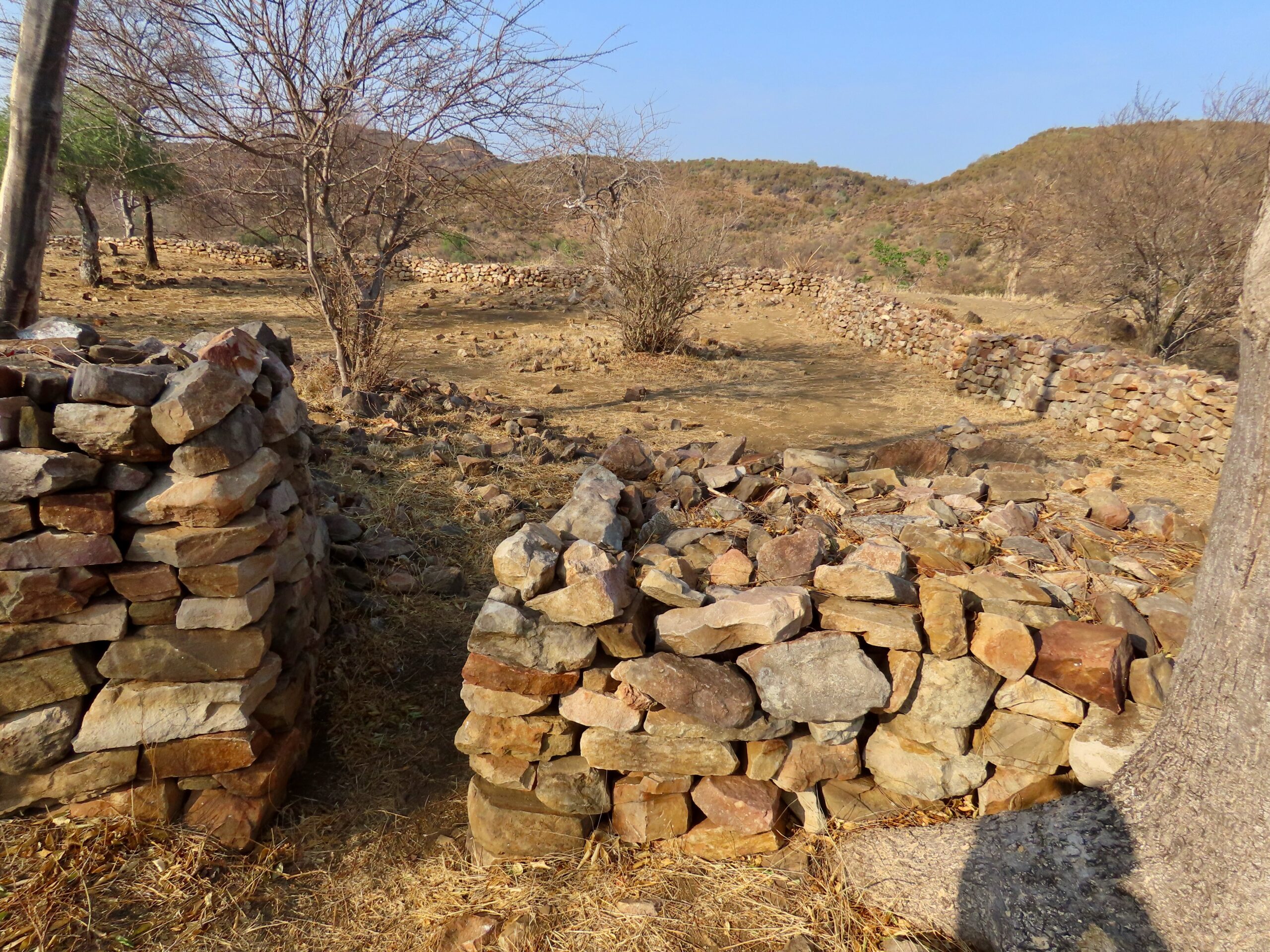
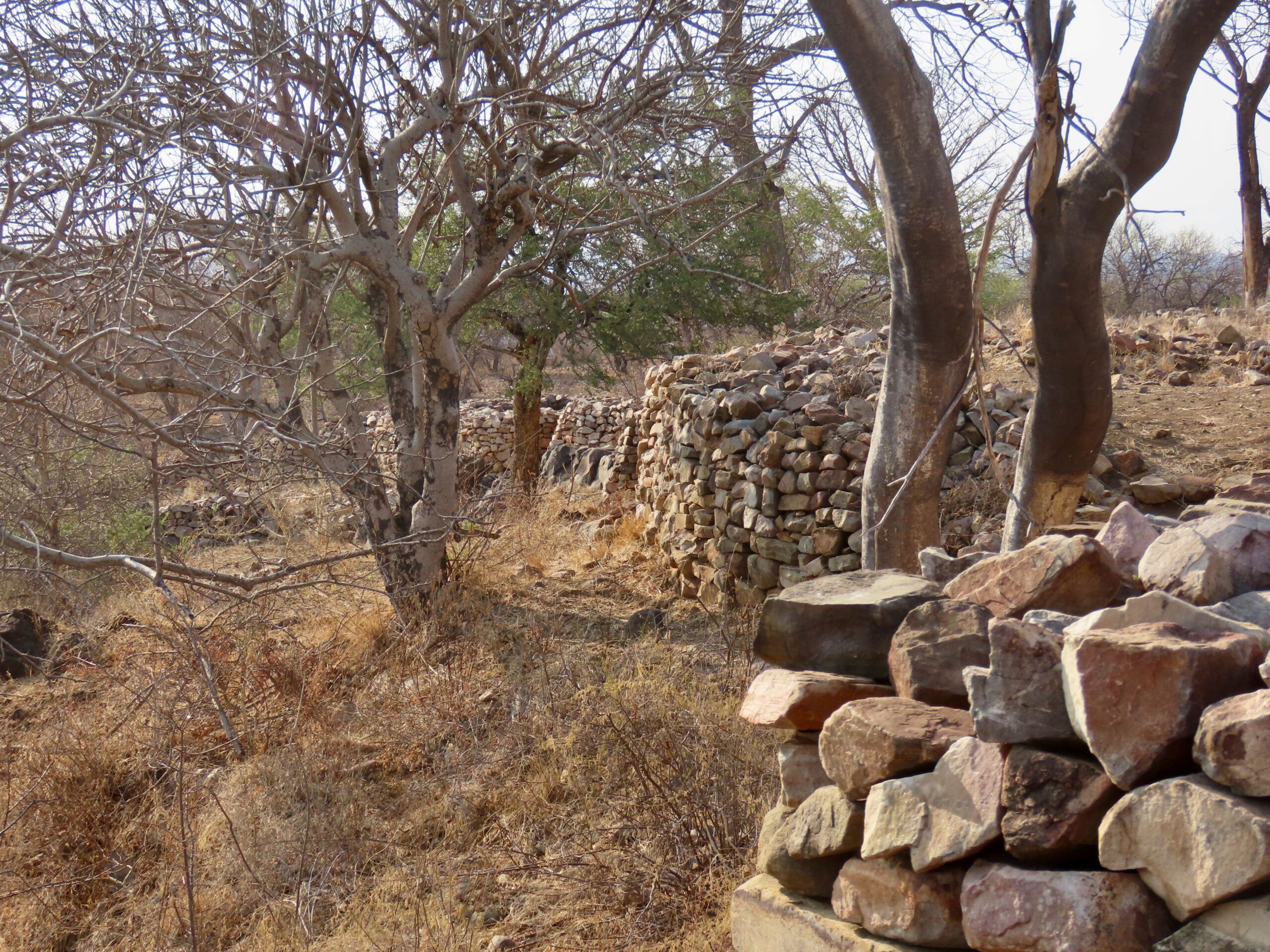
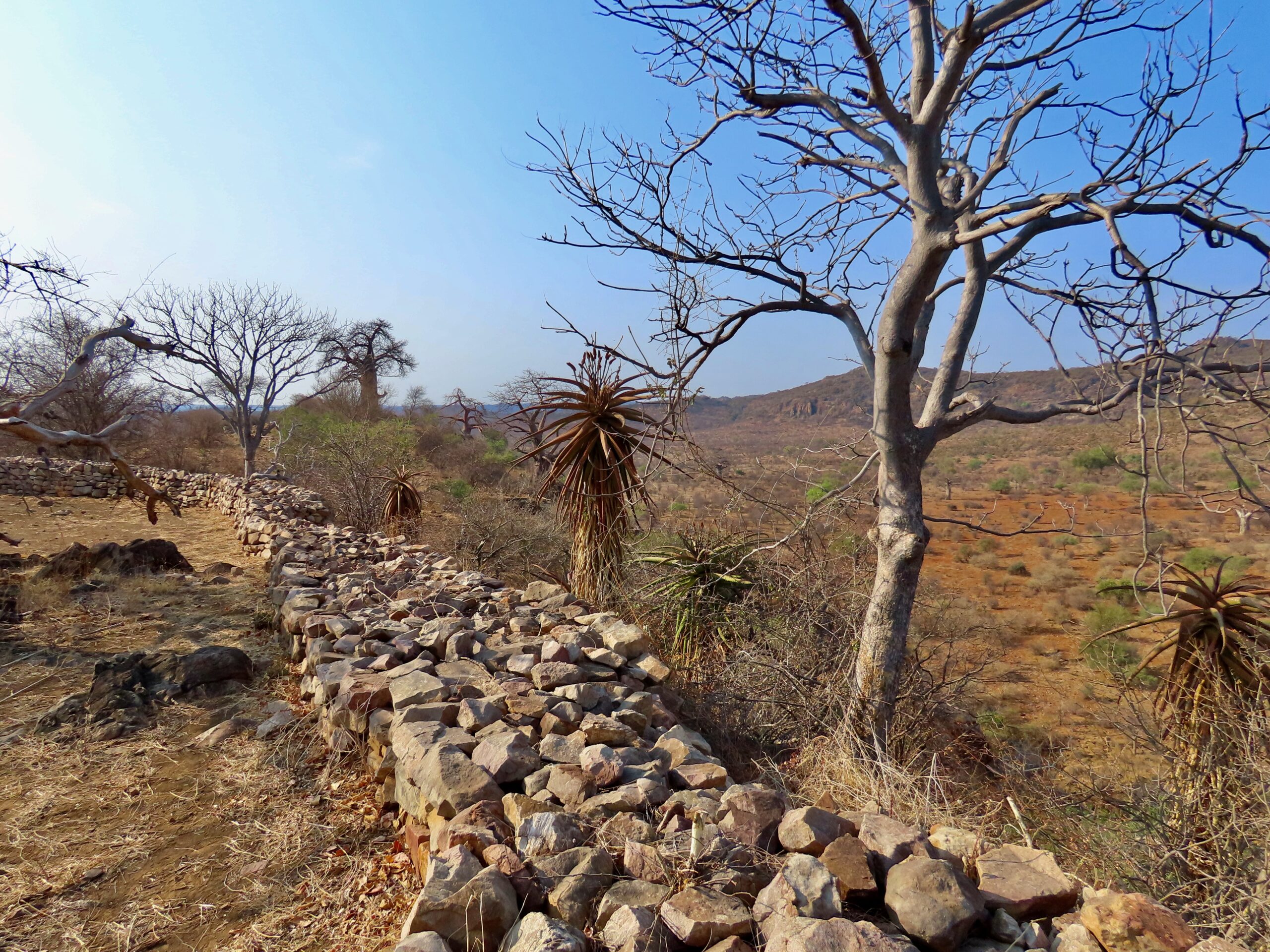
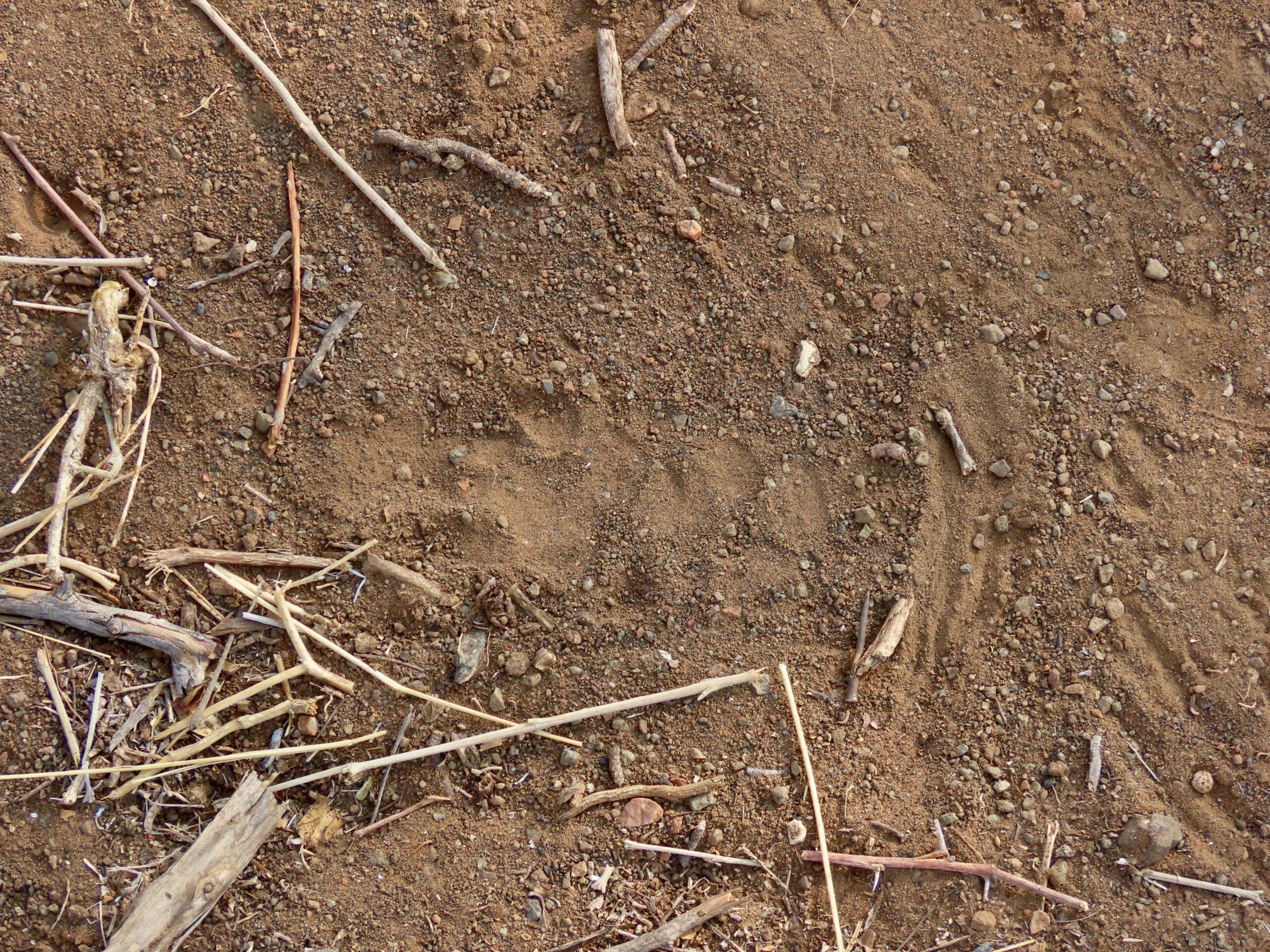
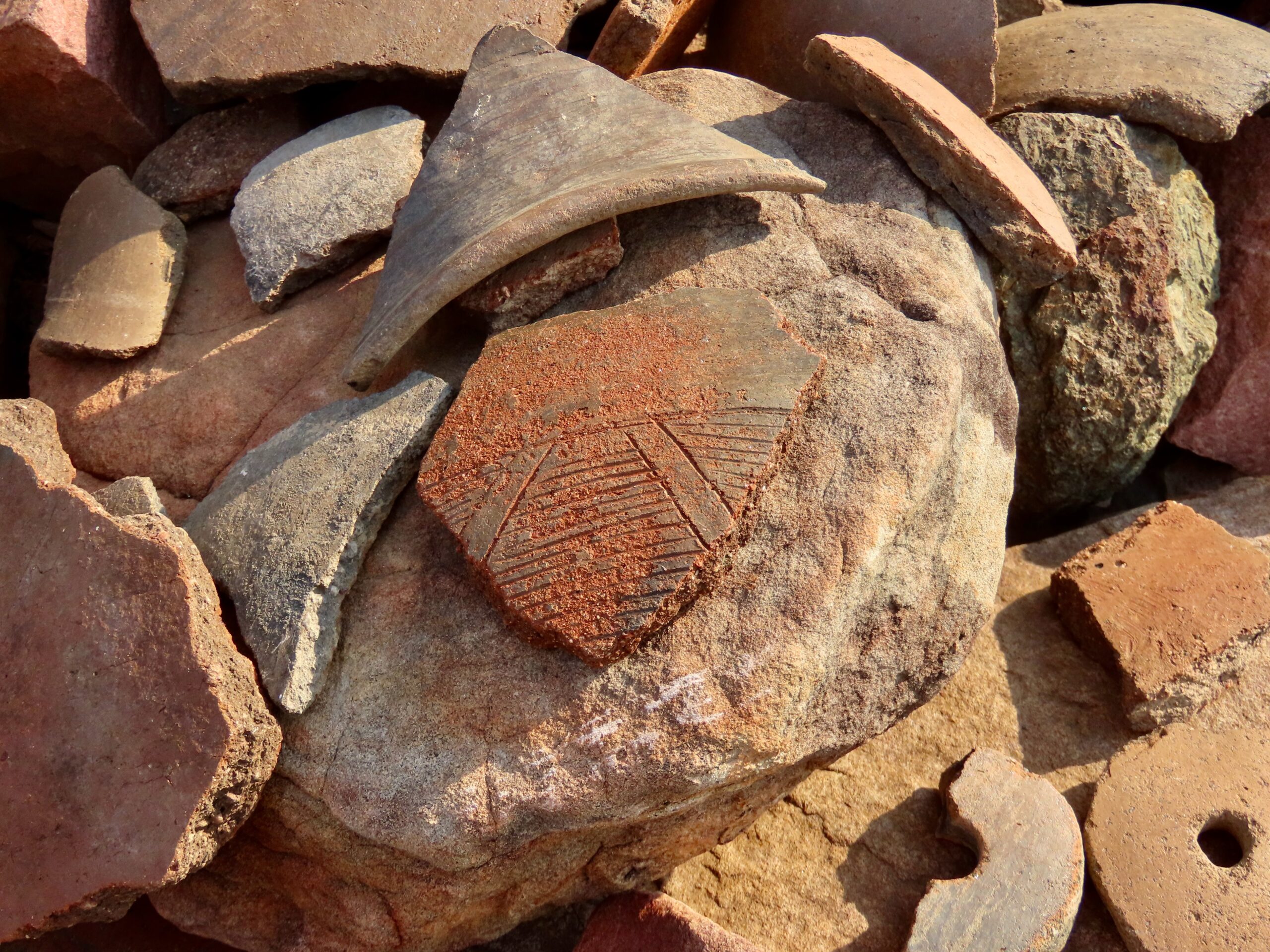
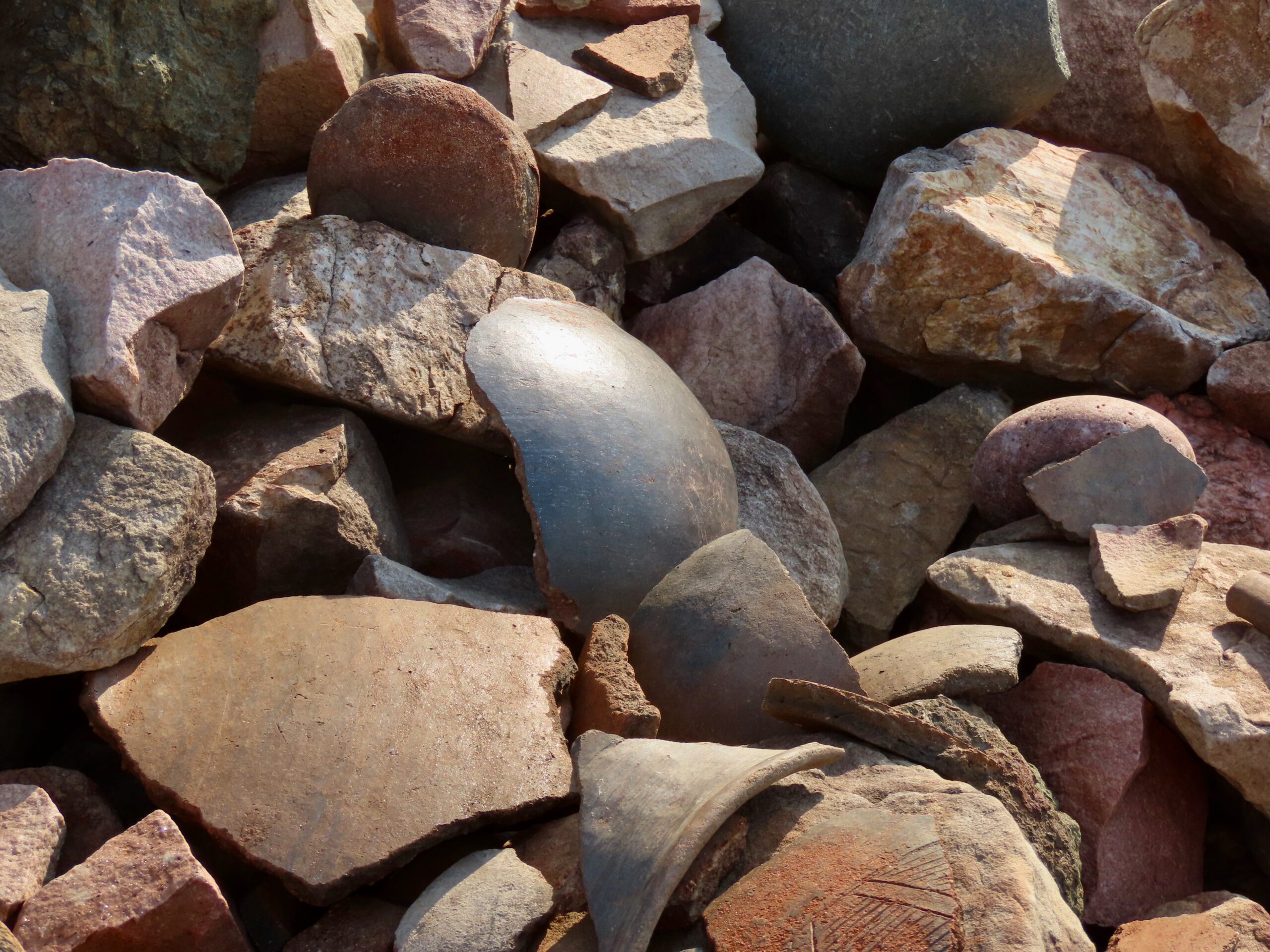
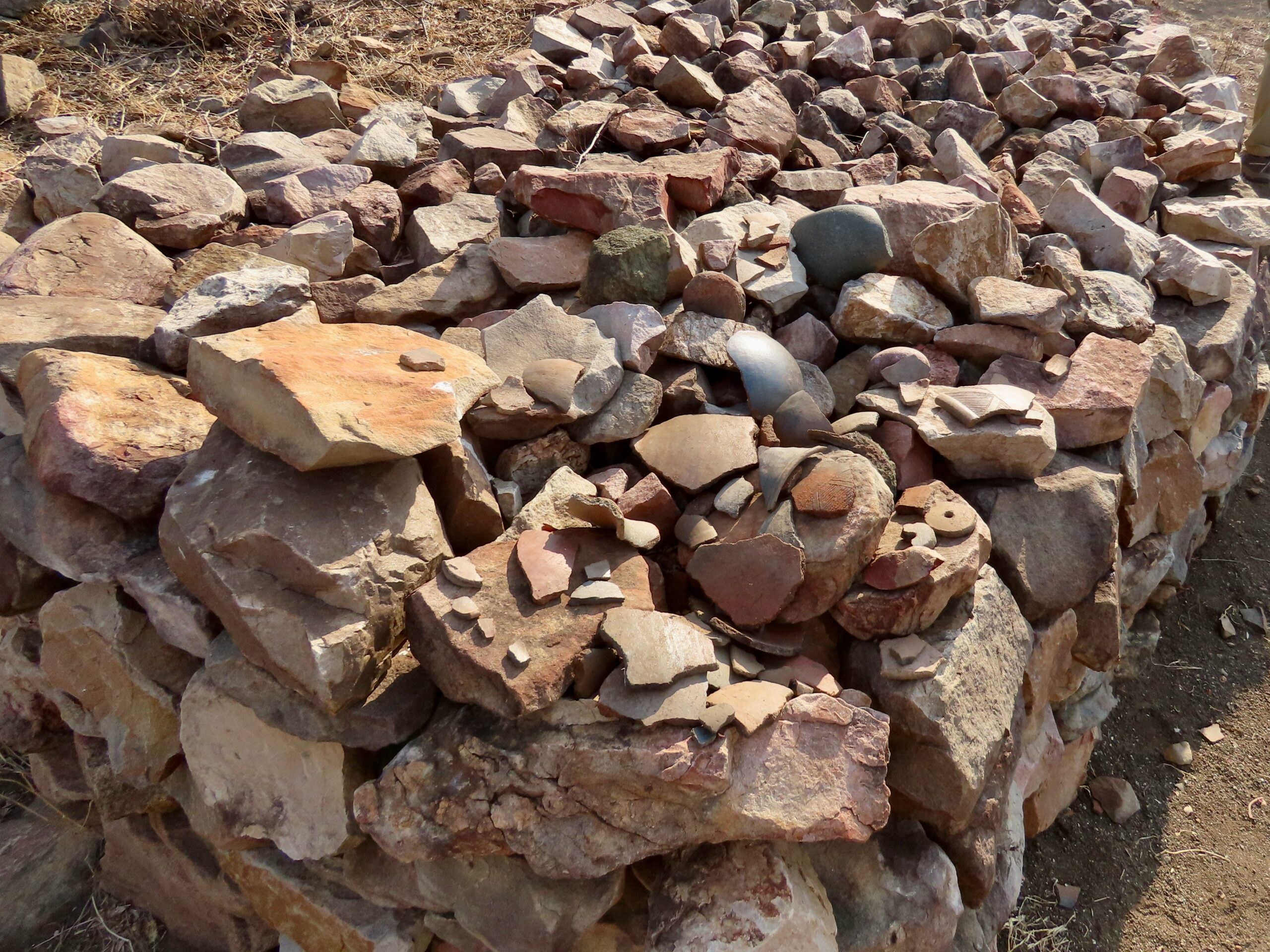
Like all archeological sites, there were lots of potsherds, which visitors had piled on the wall.
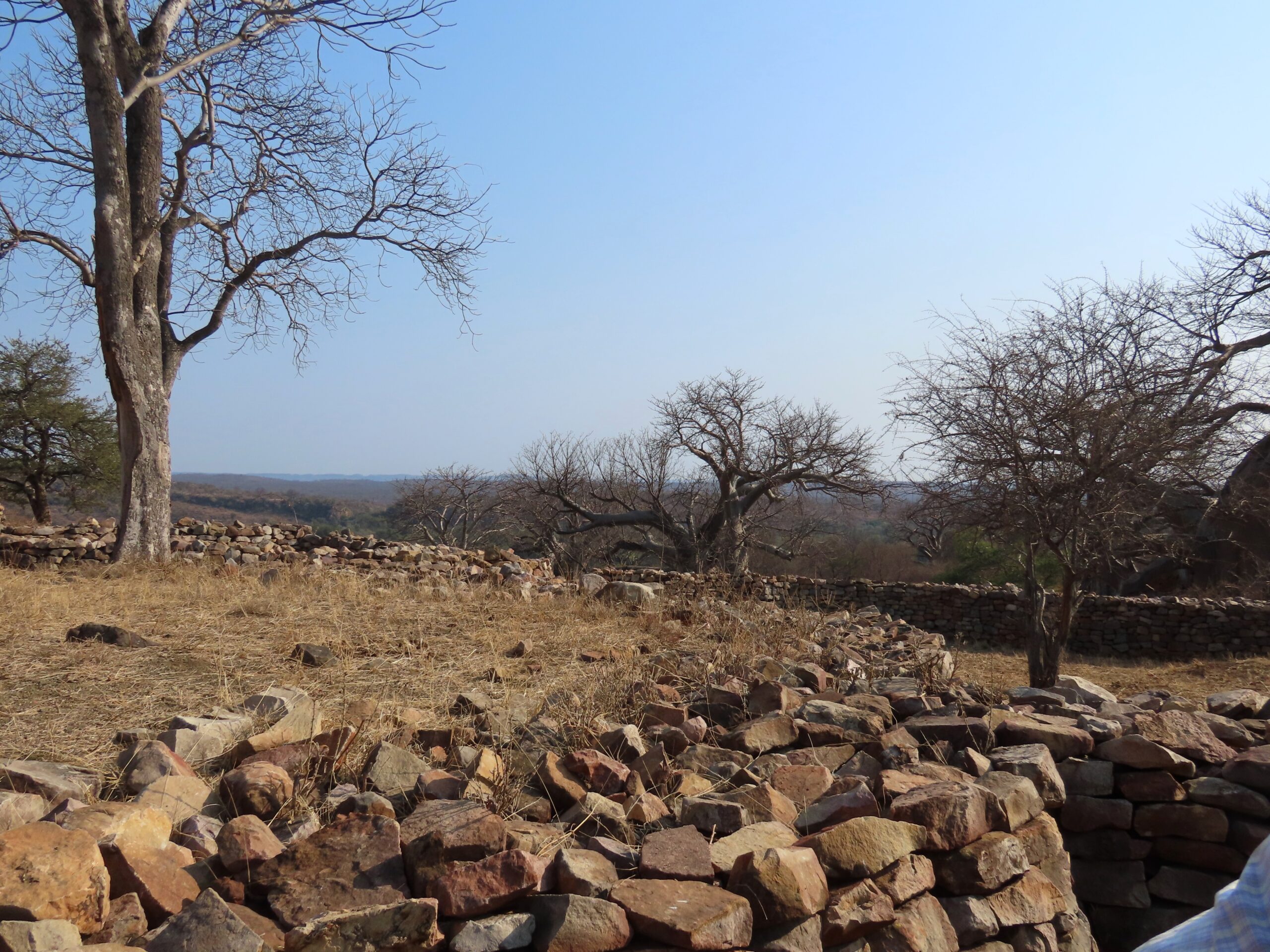
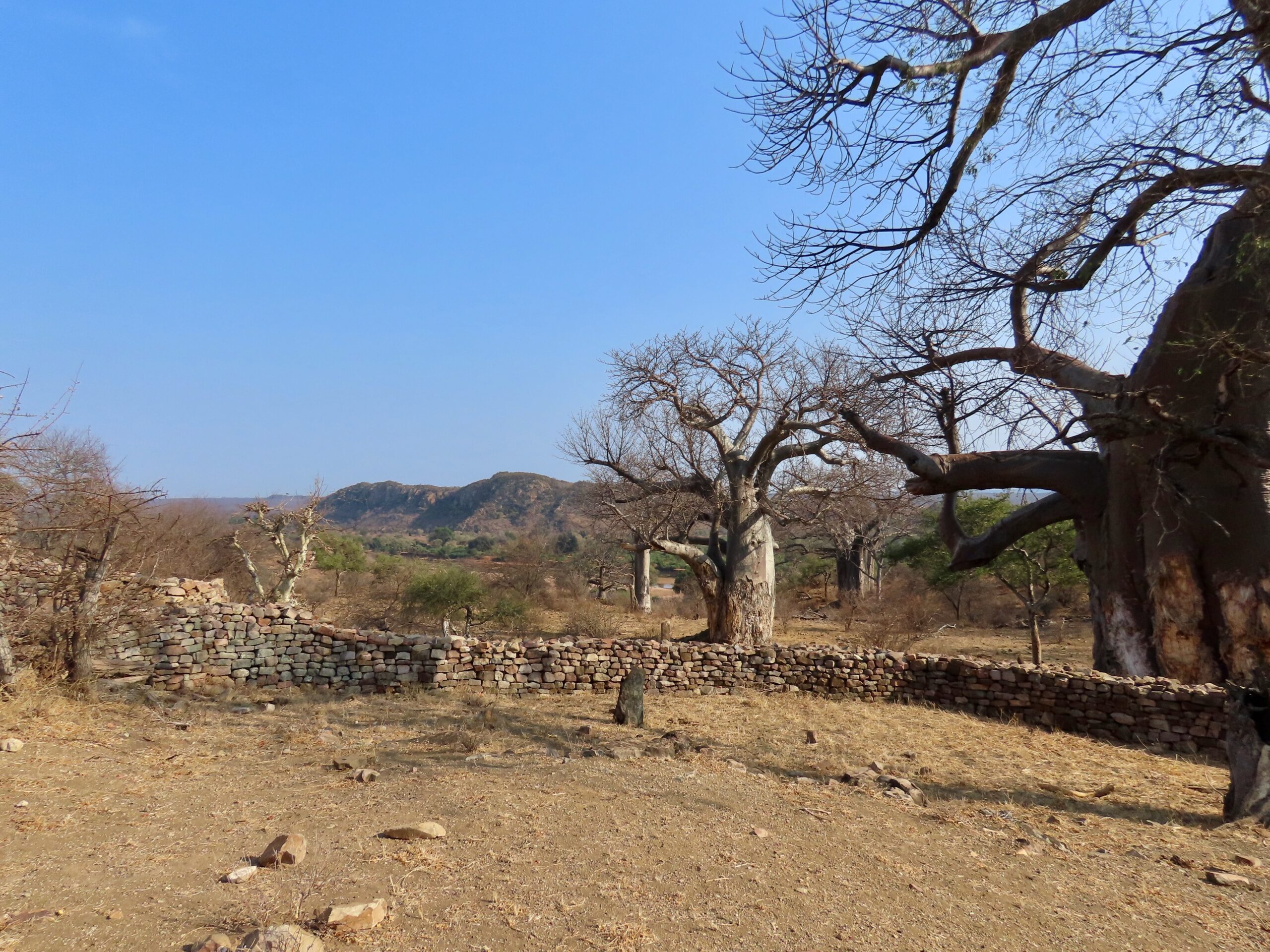
The (uneventful) return journey.
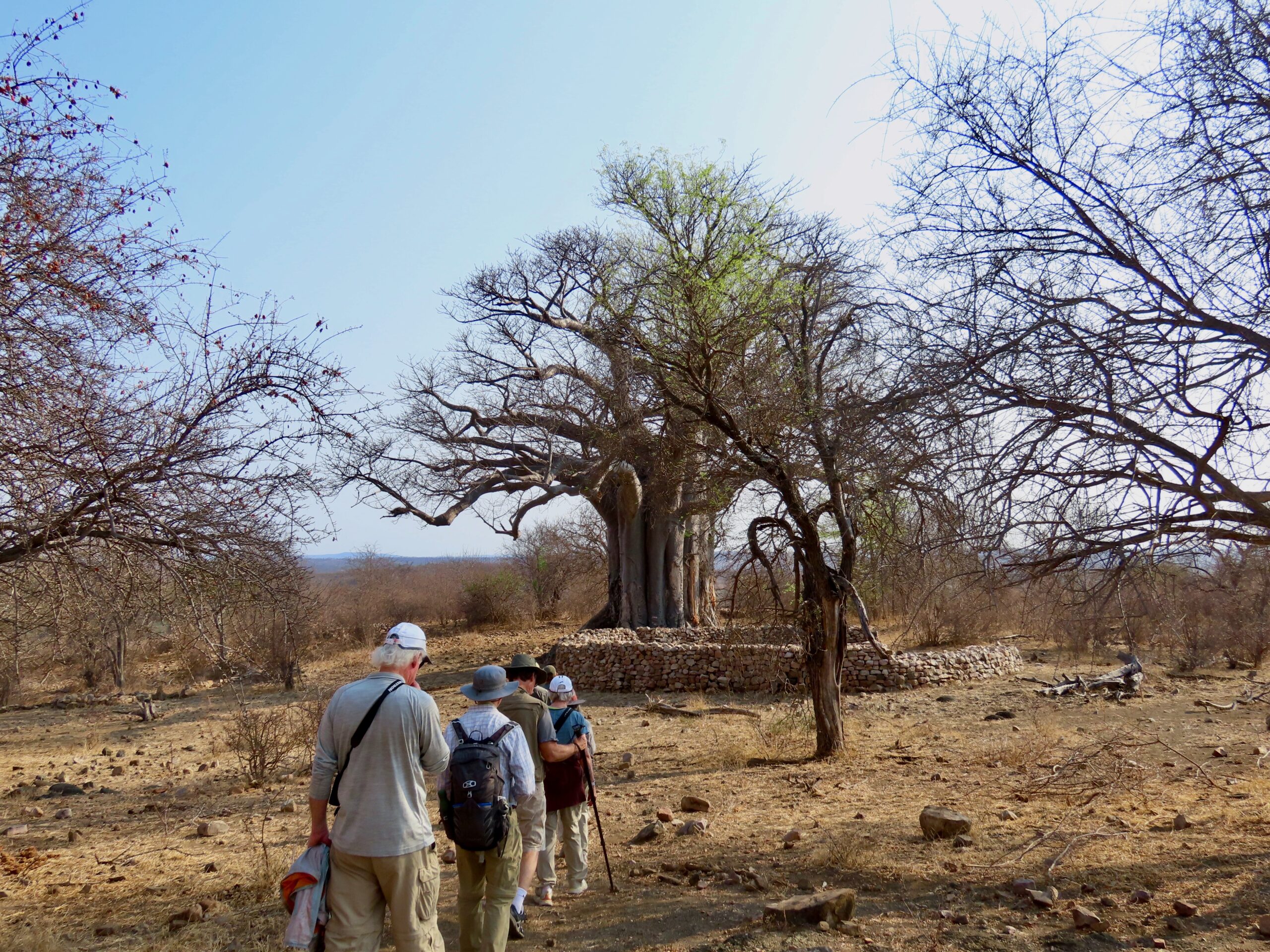
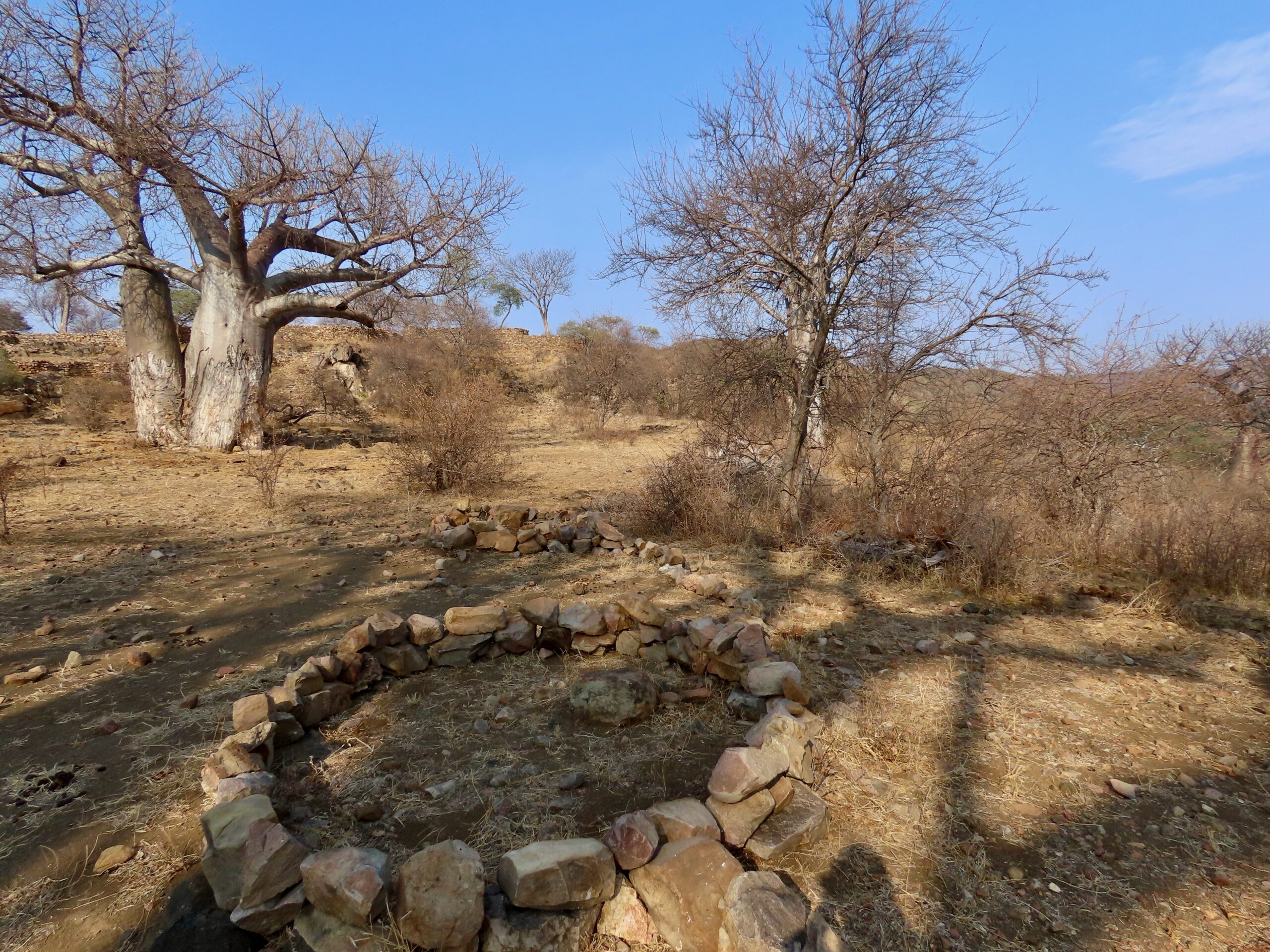
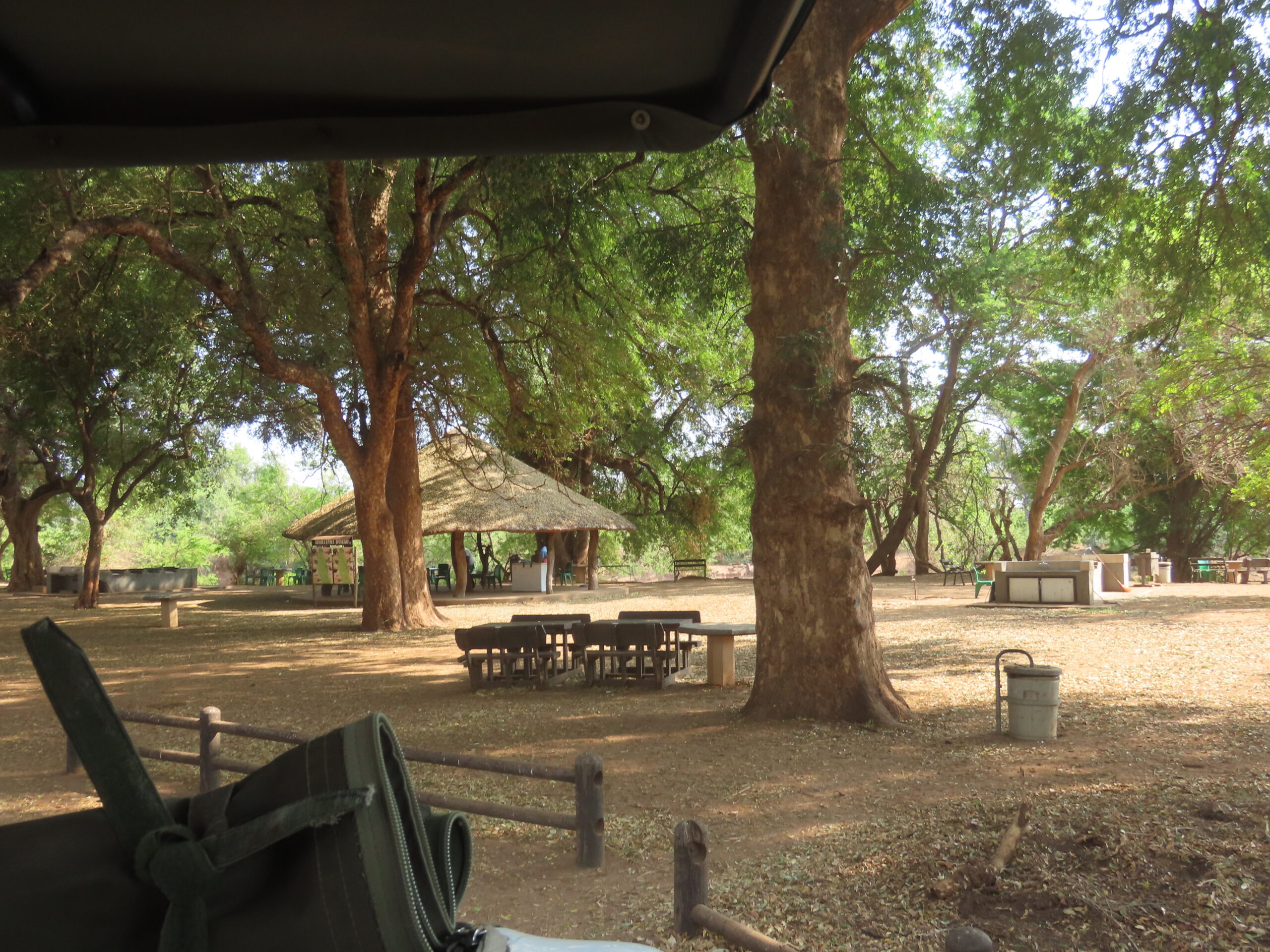
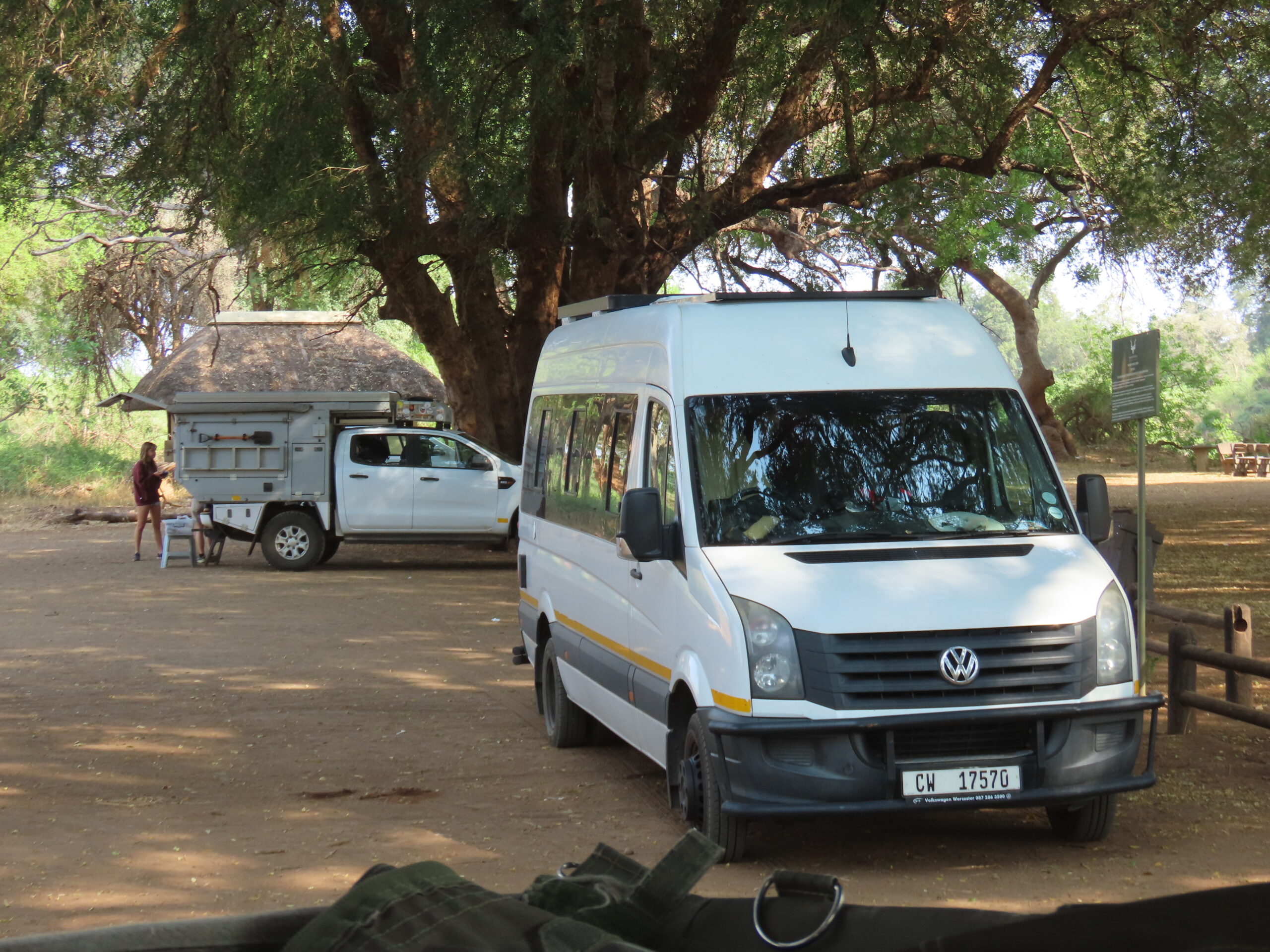
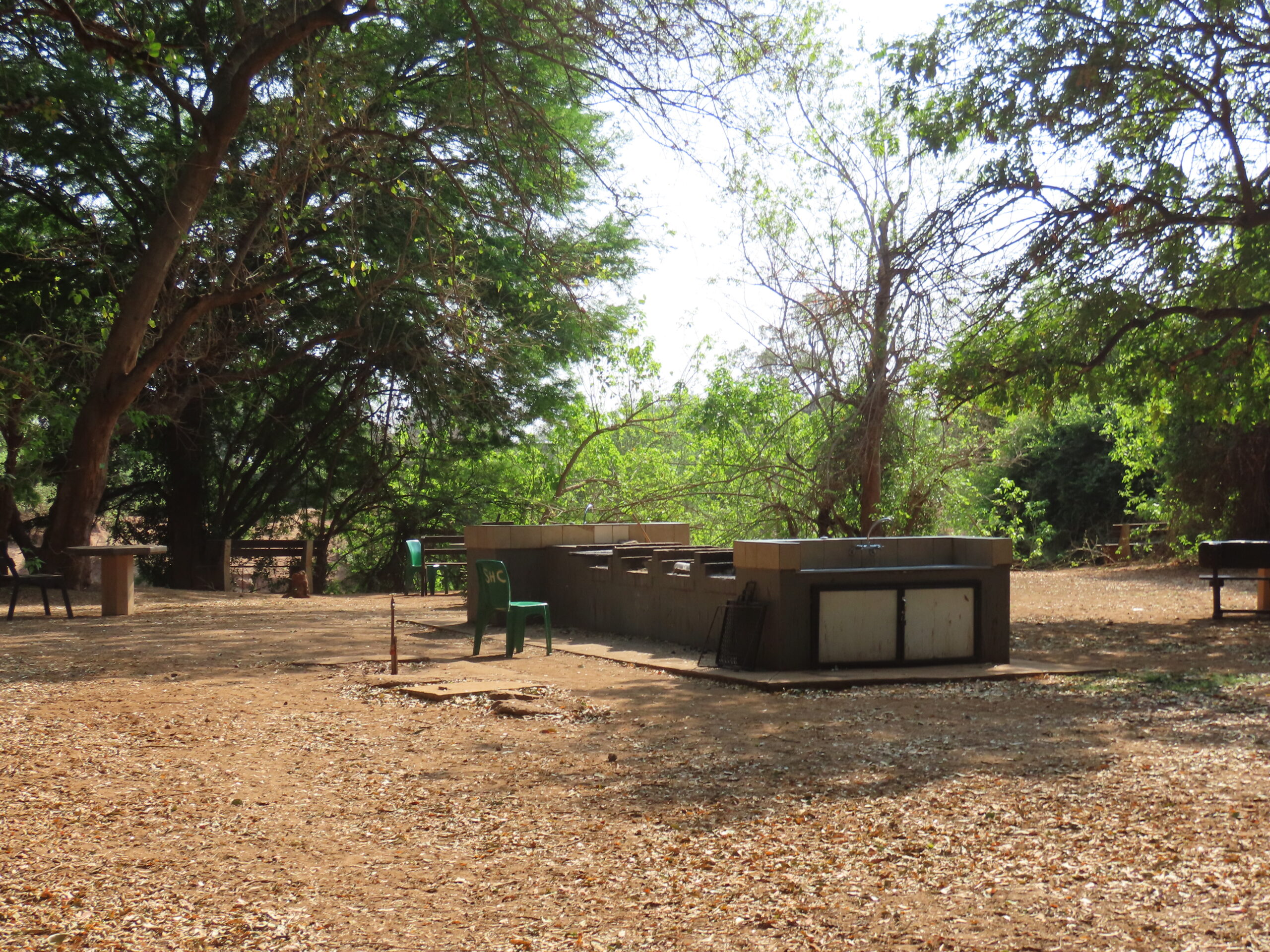
Back in the vehicle, with passengers loaded and rifles unloaded, we headed towards Pafuri and stopped in a nearby national park rest area for our morning coffee stop.
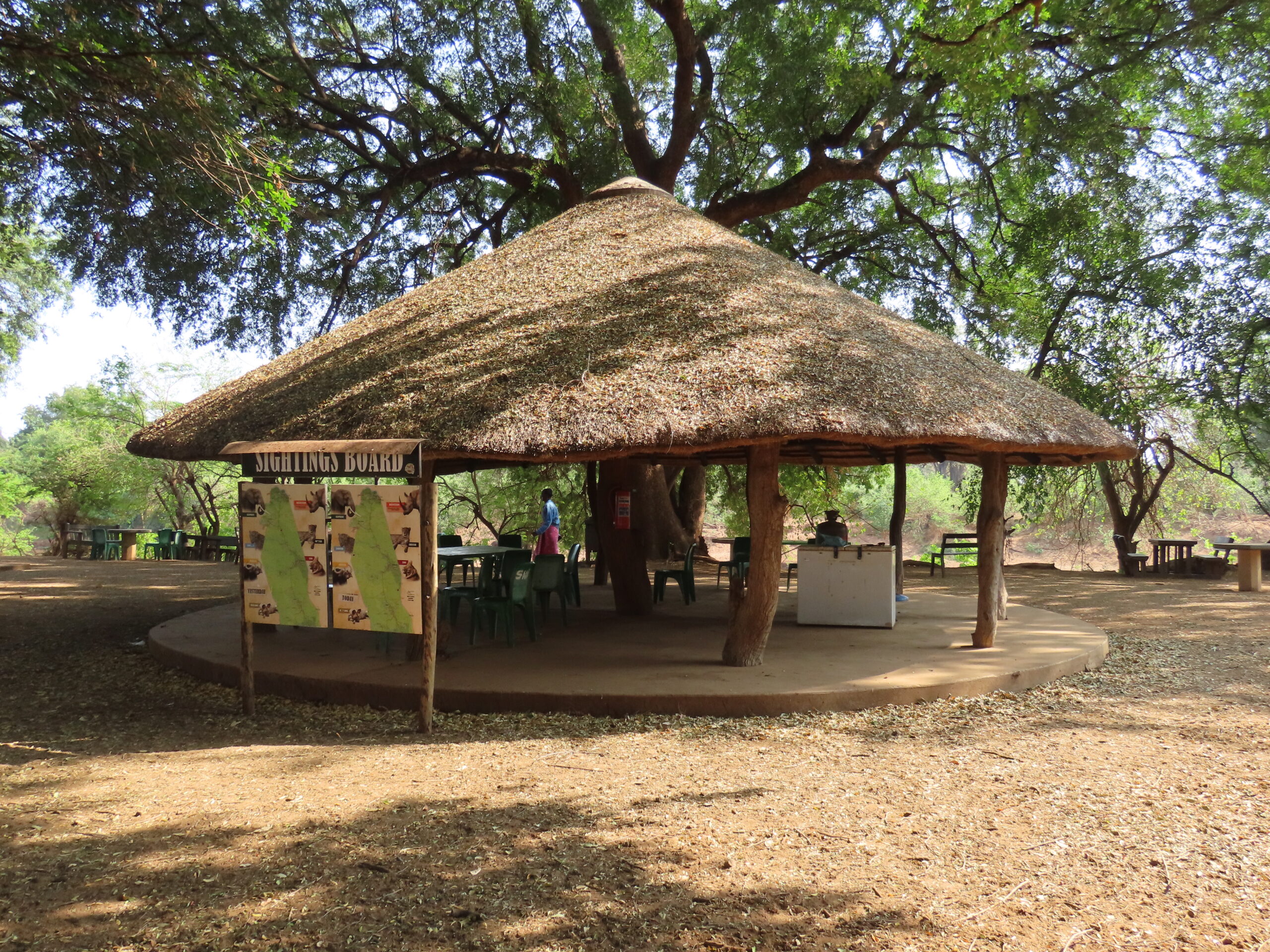
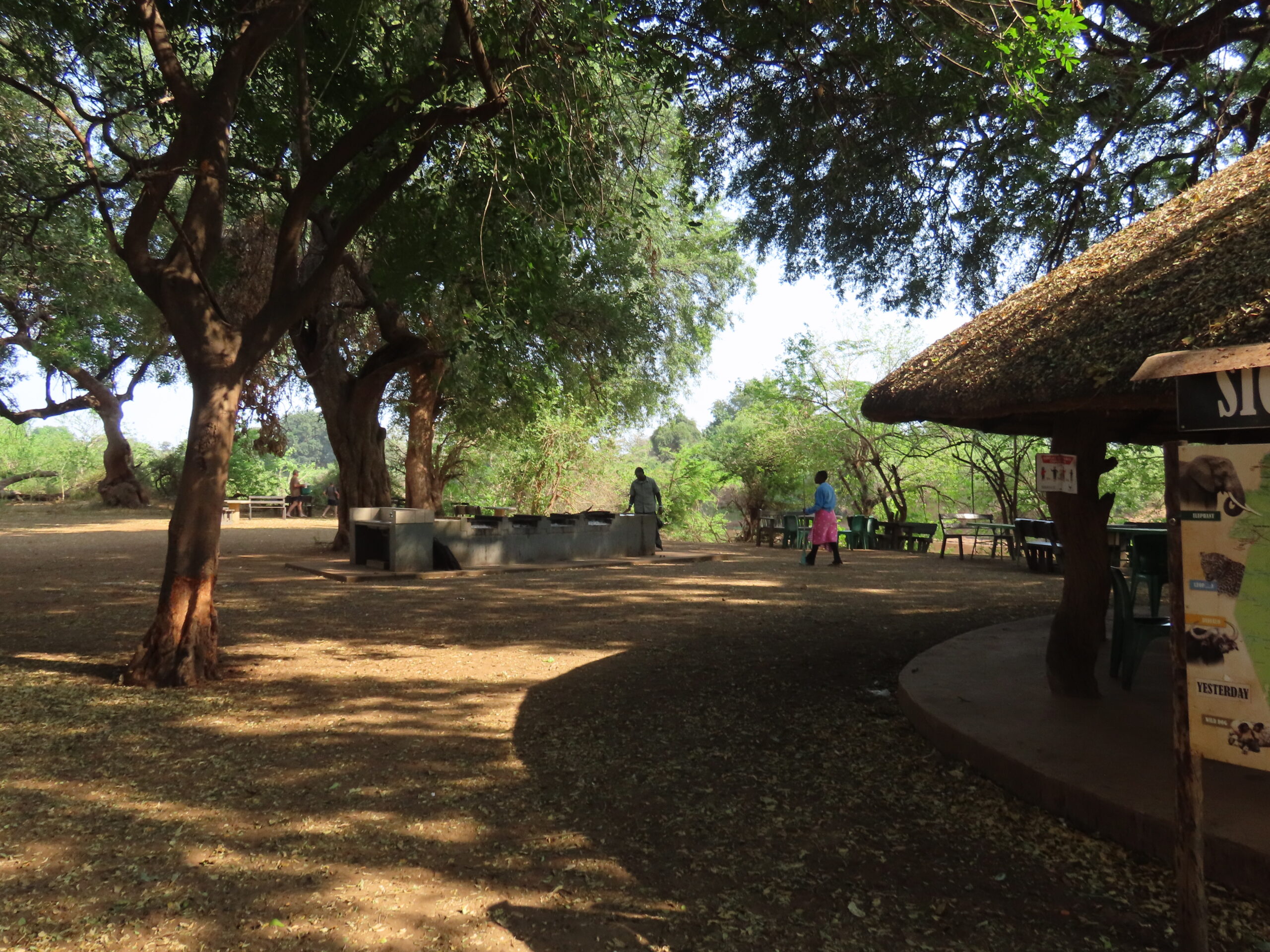
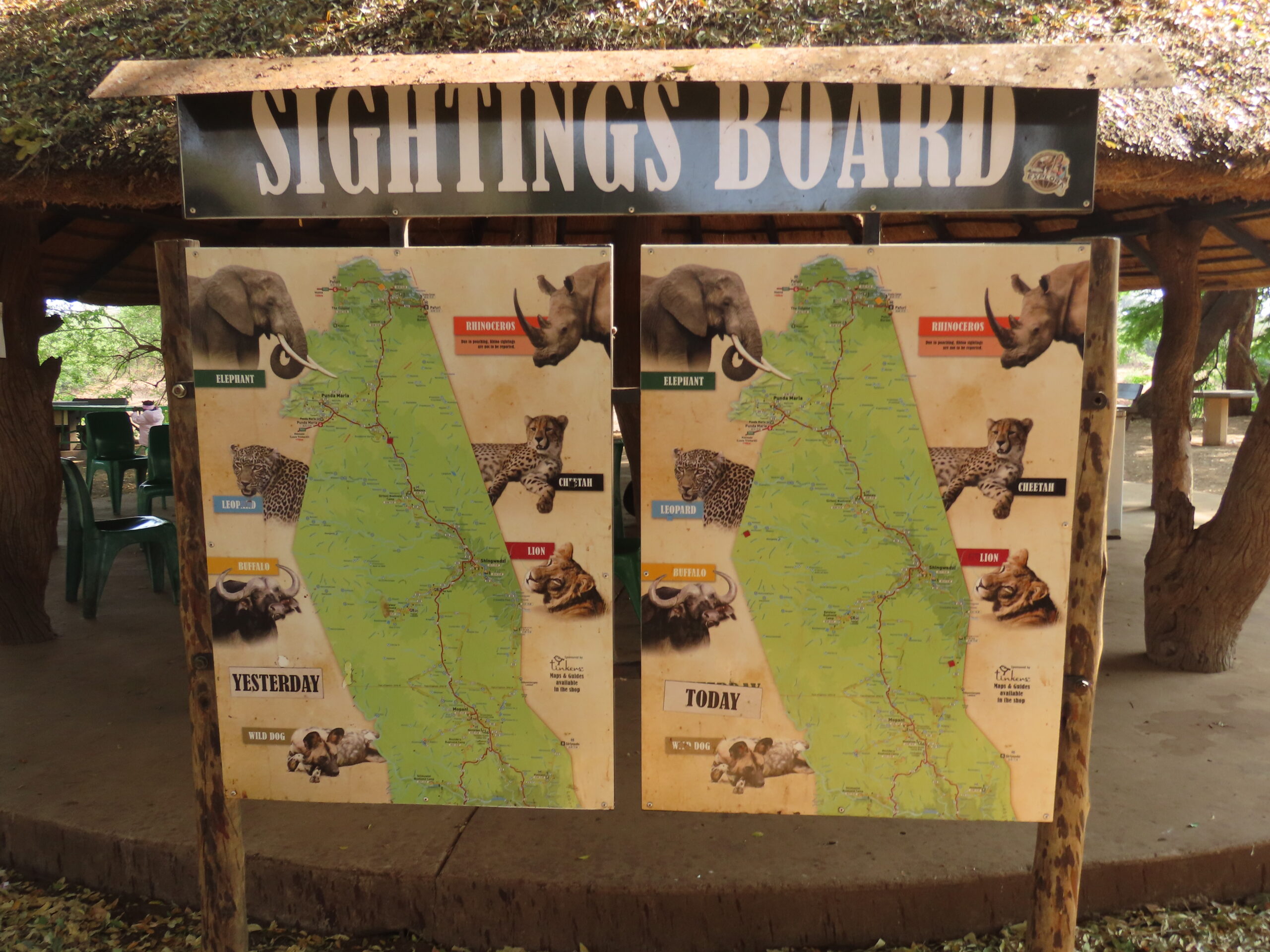
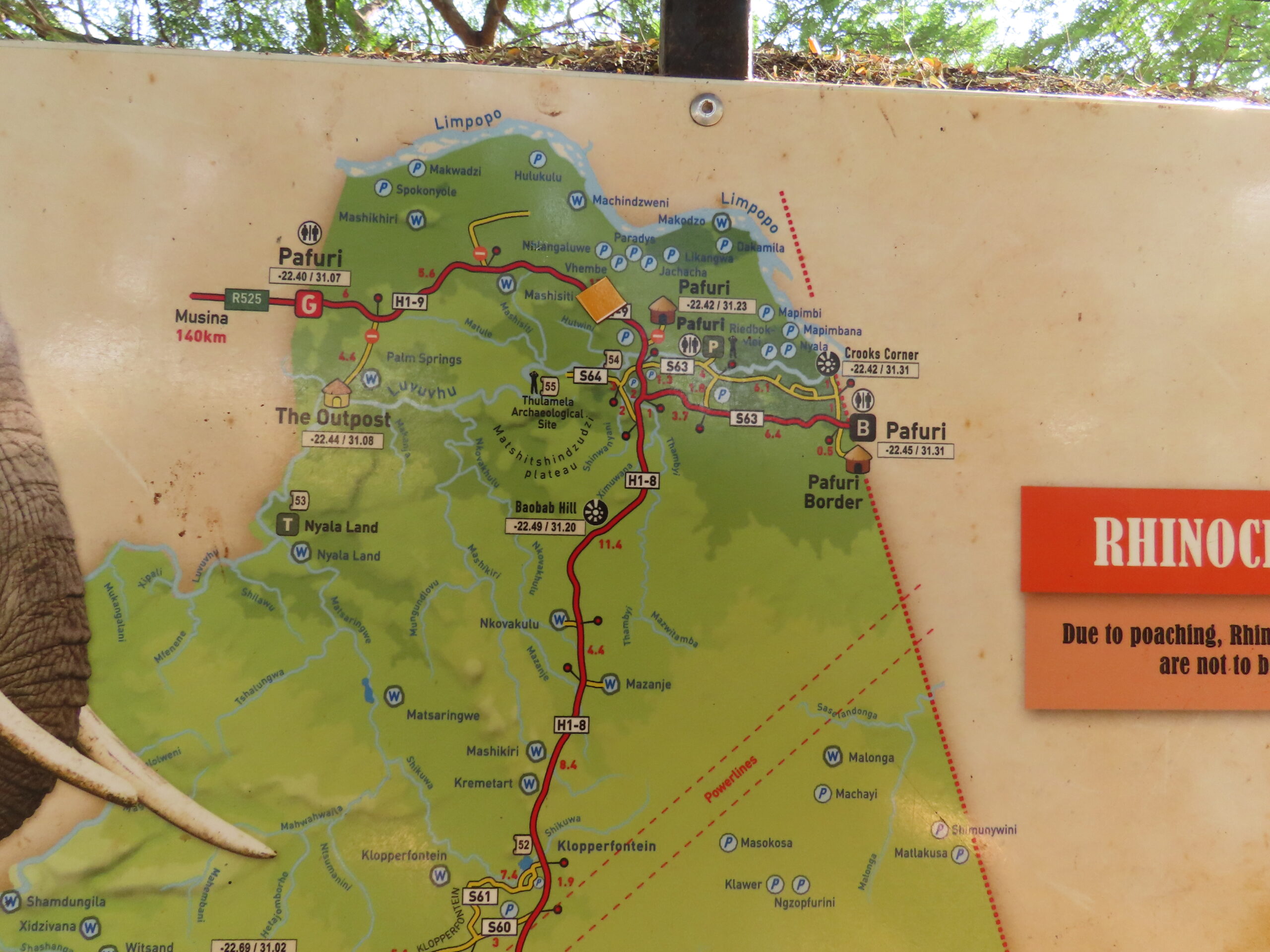
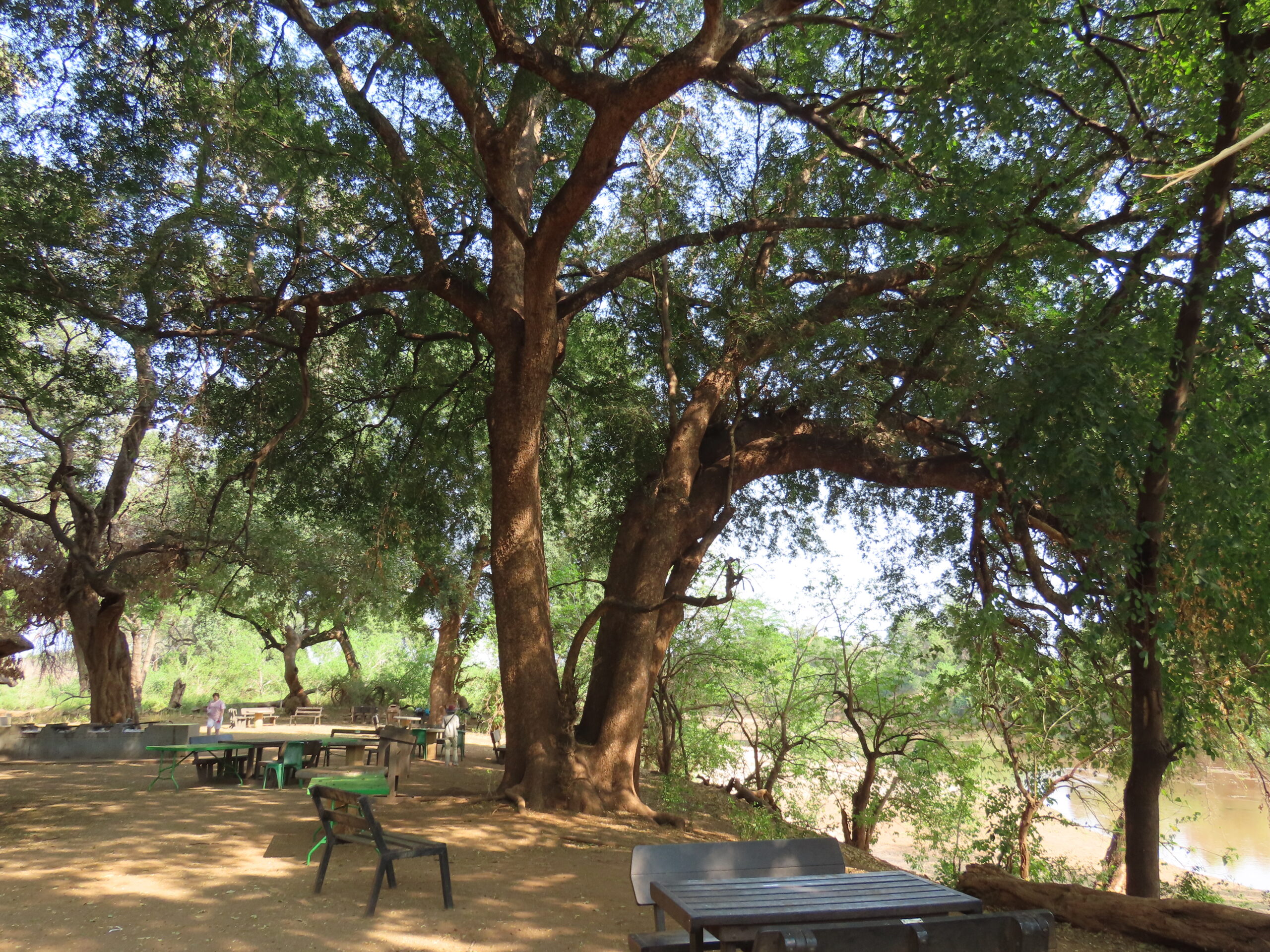

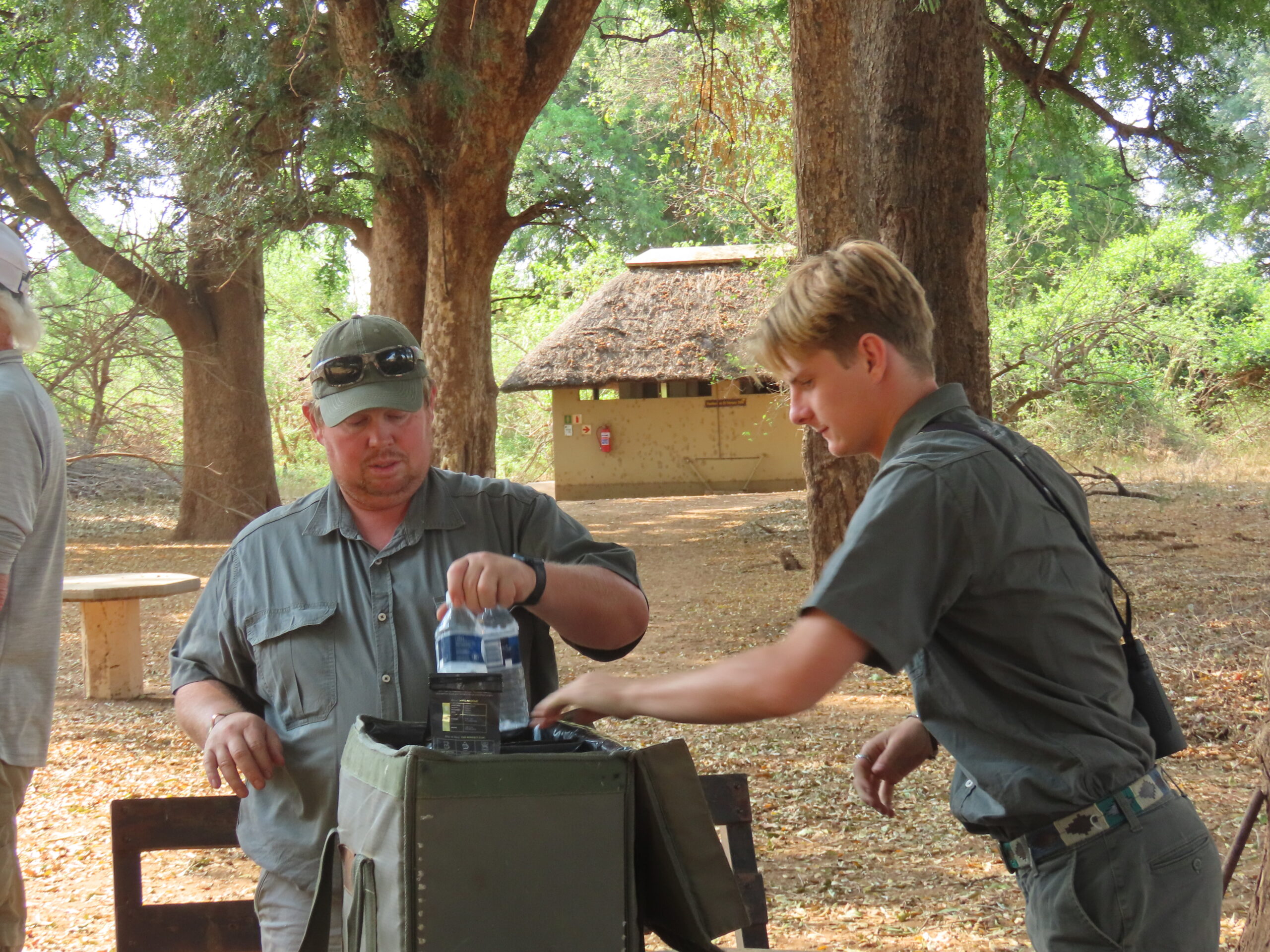
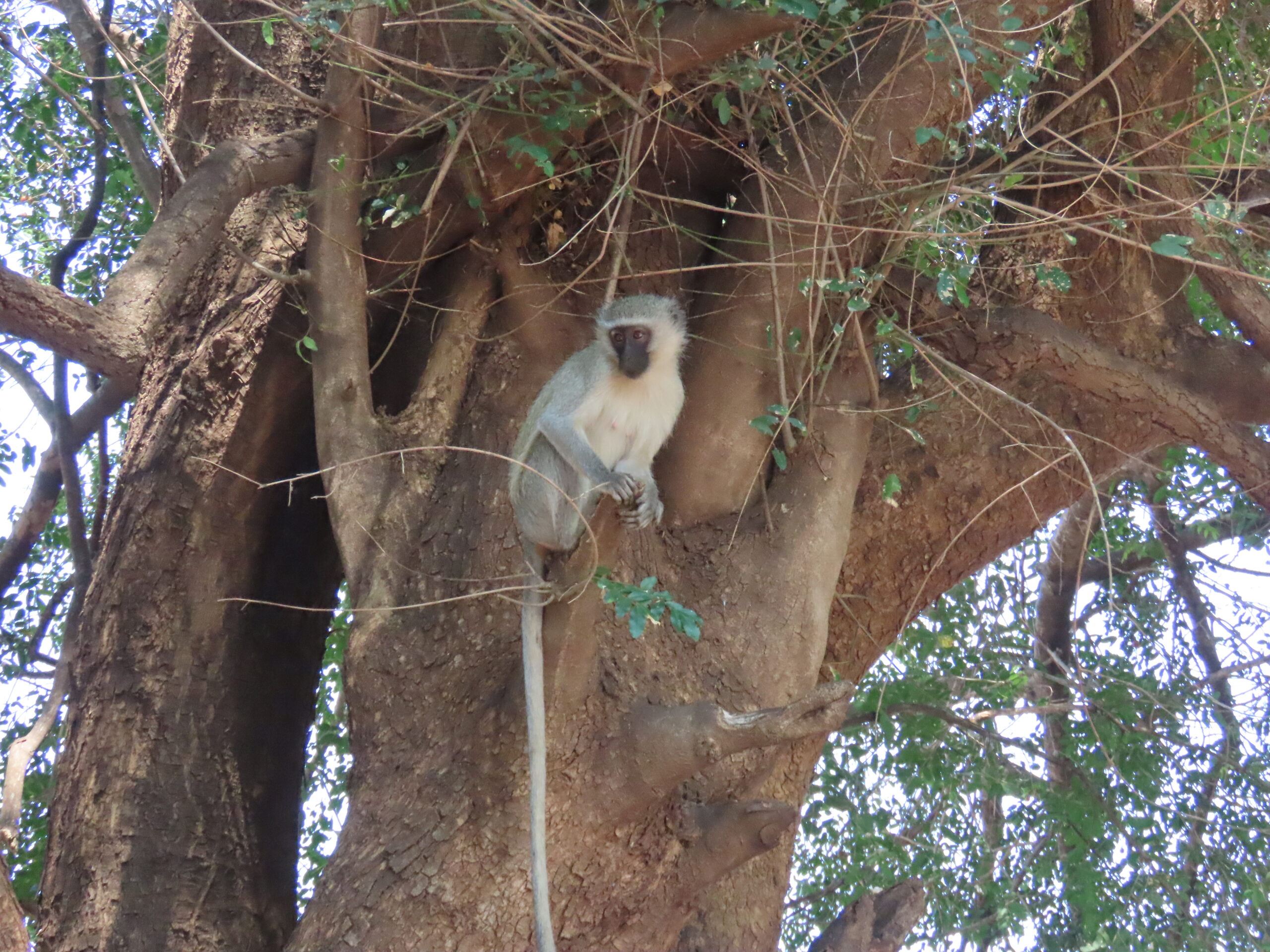
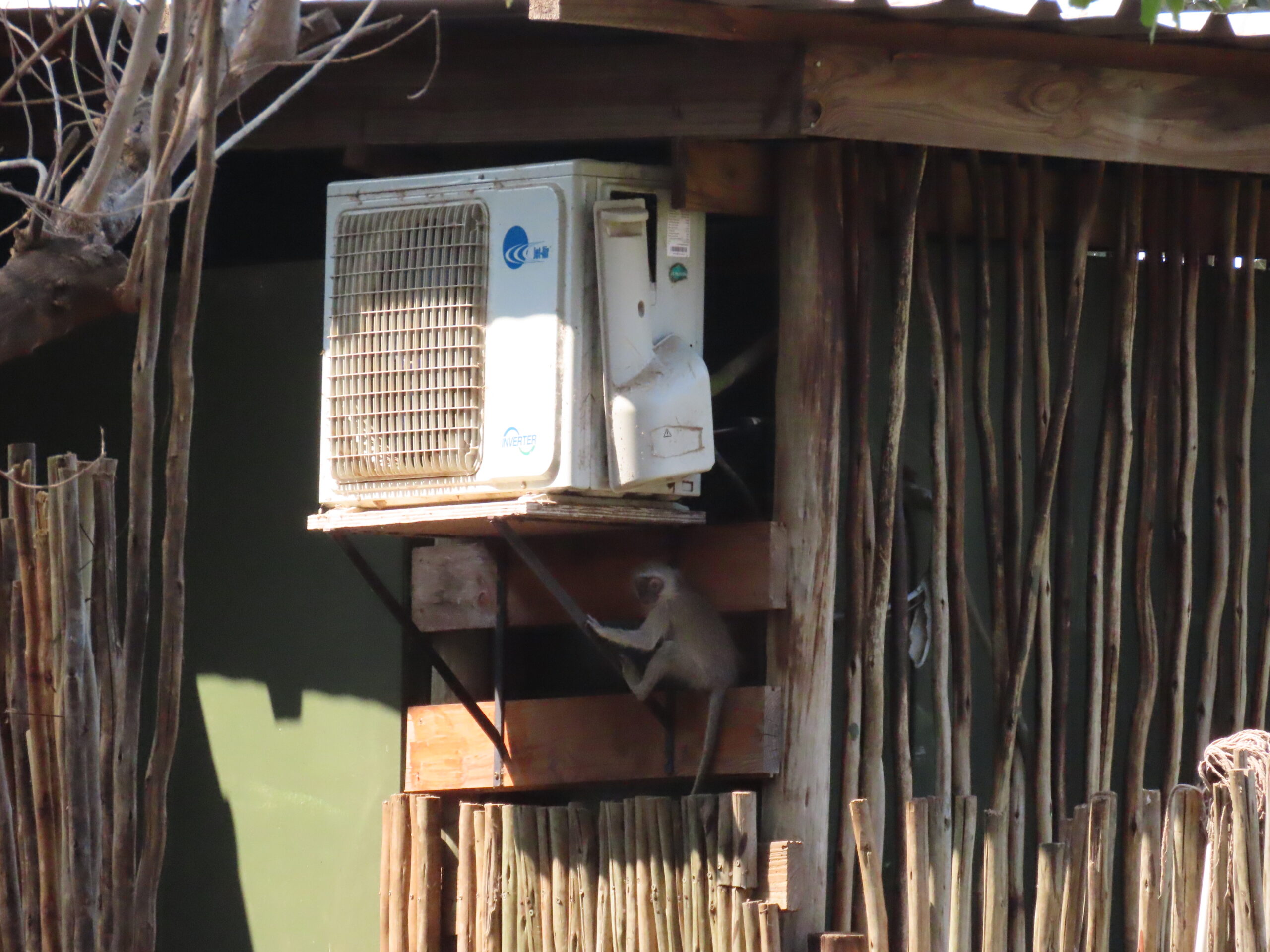
A huge buffet breakfast was waiting for us in camp, enlivened by cheeky Vervet monkeys grabbing anything they could get their little paws around.
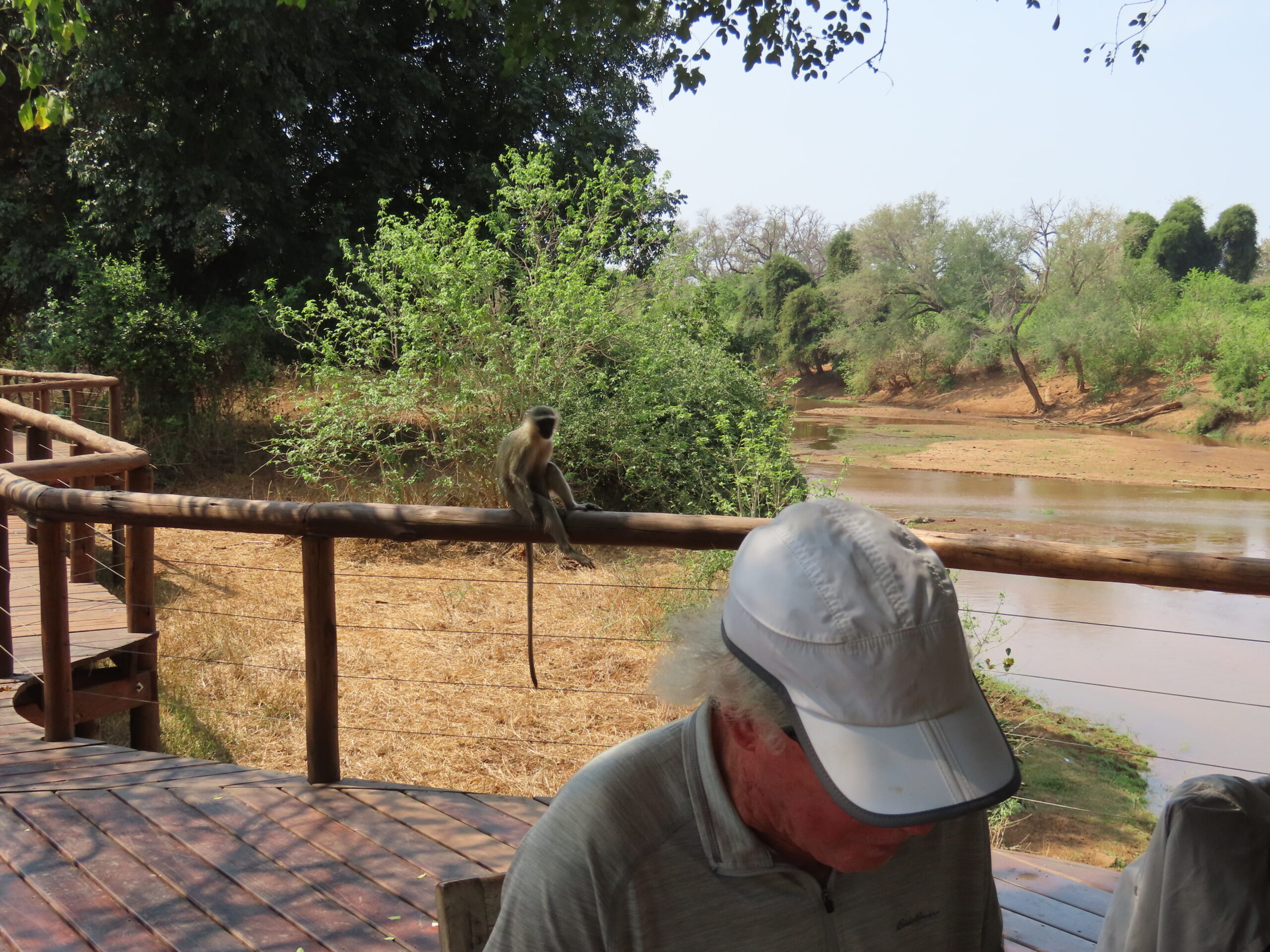
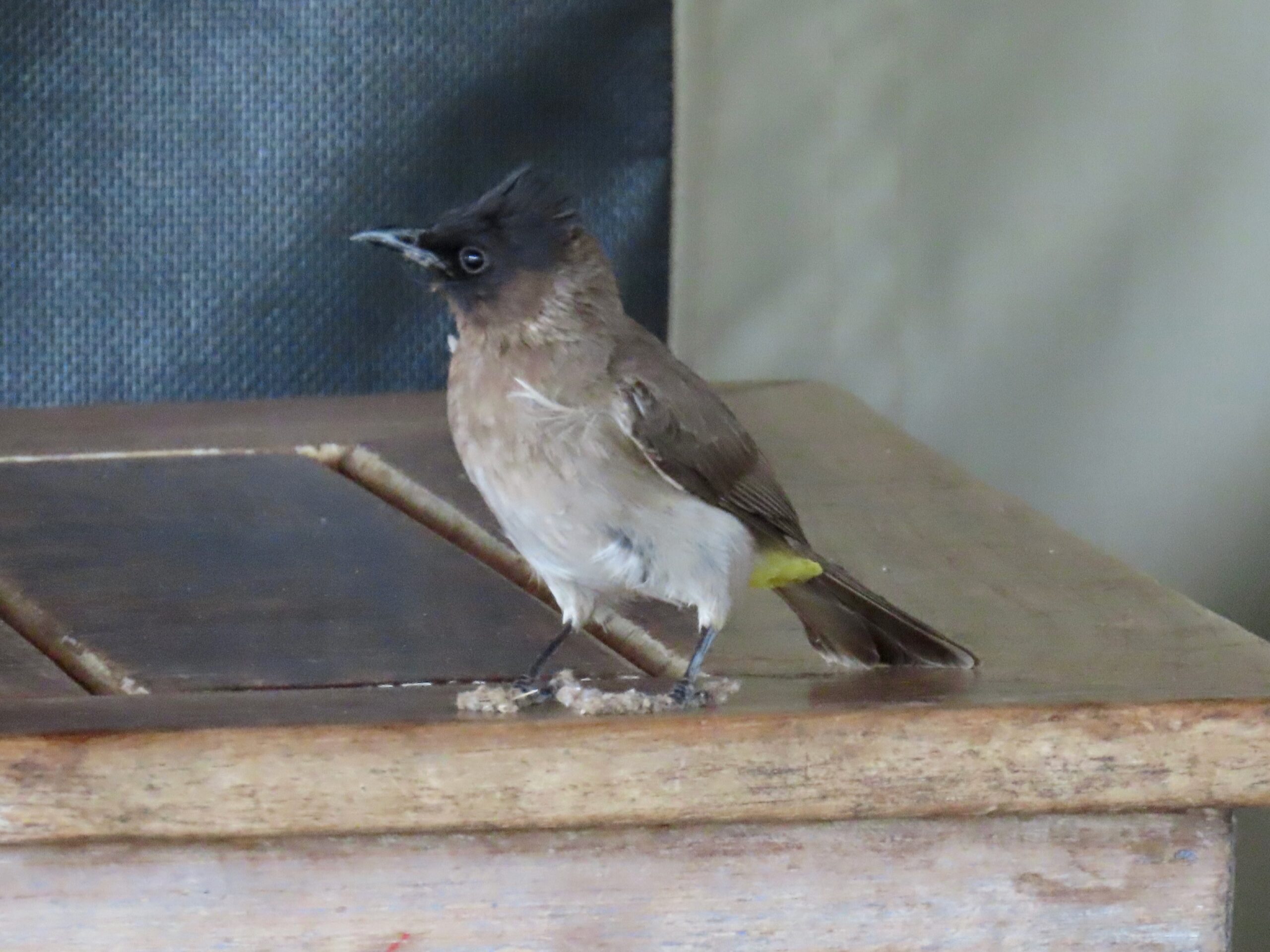
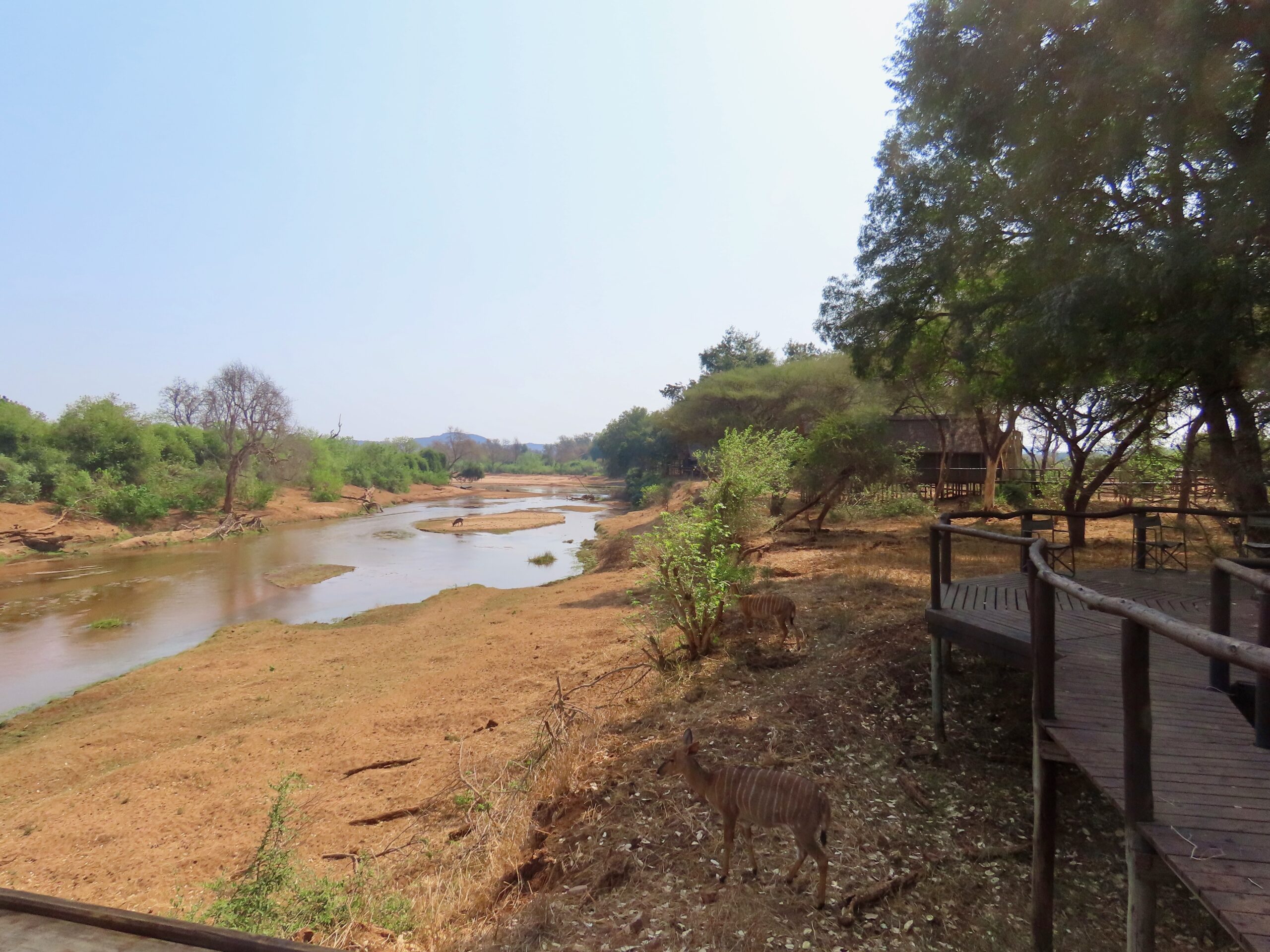
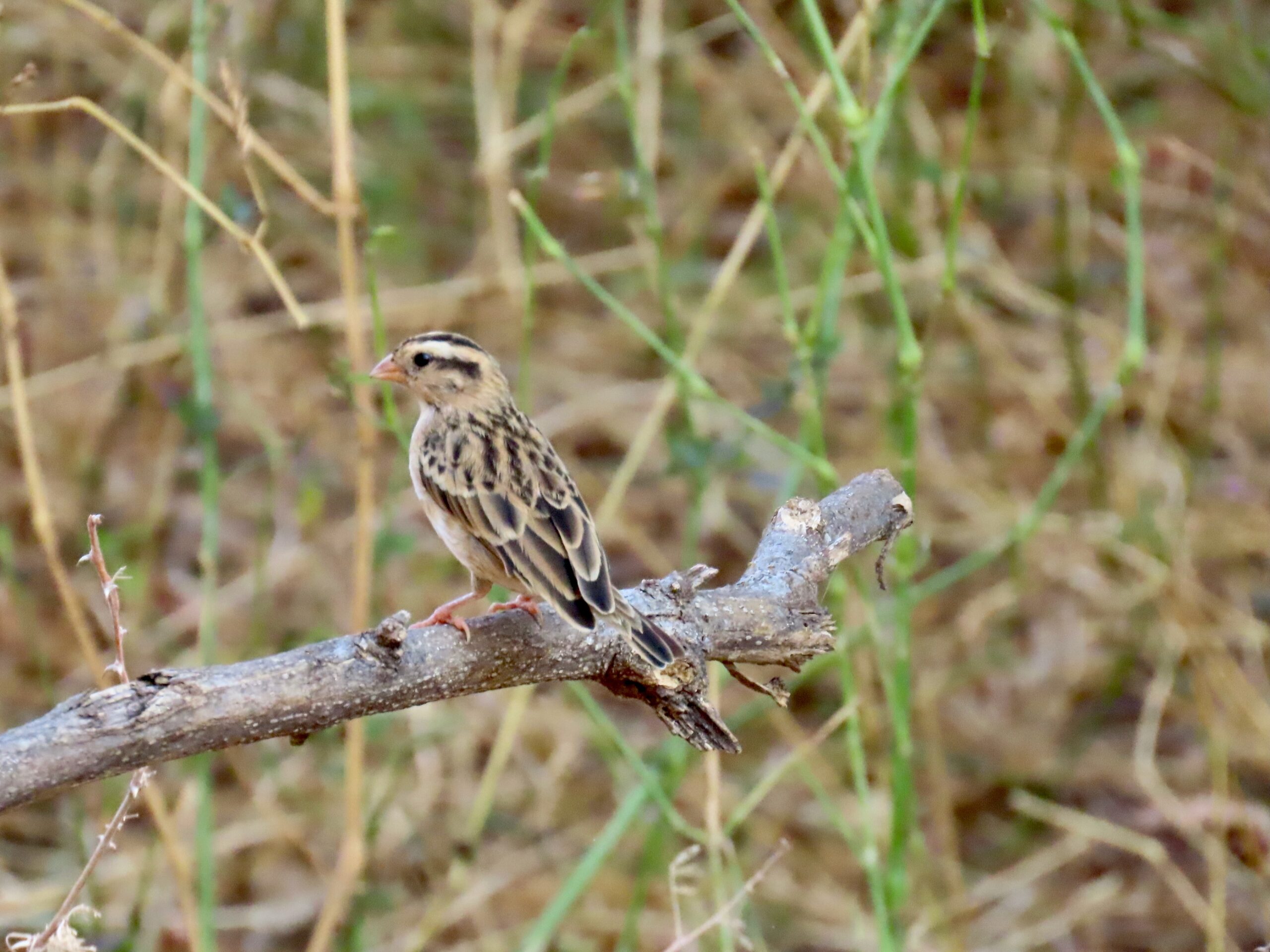
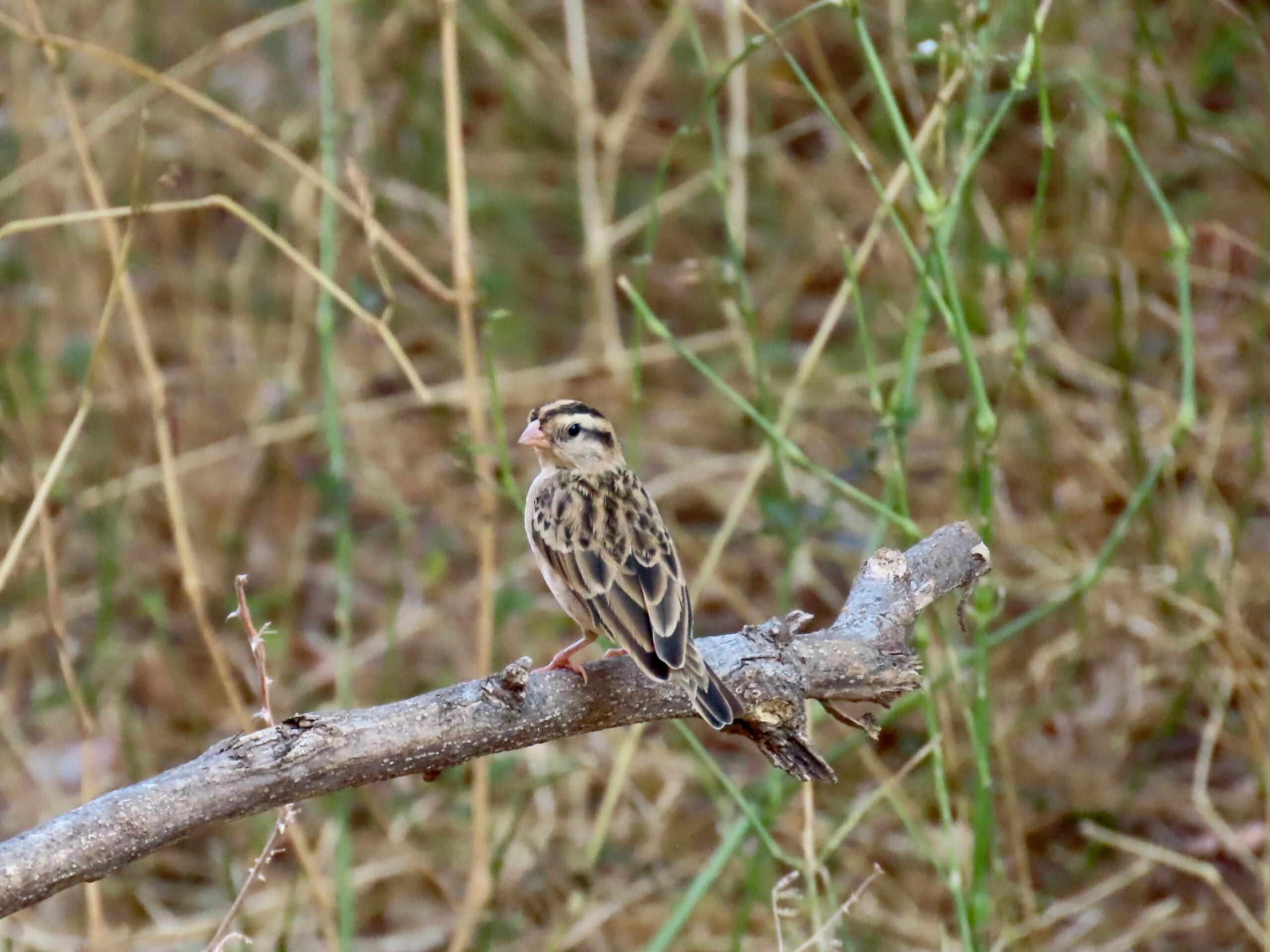
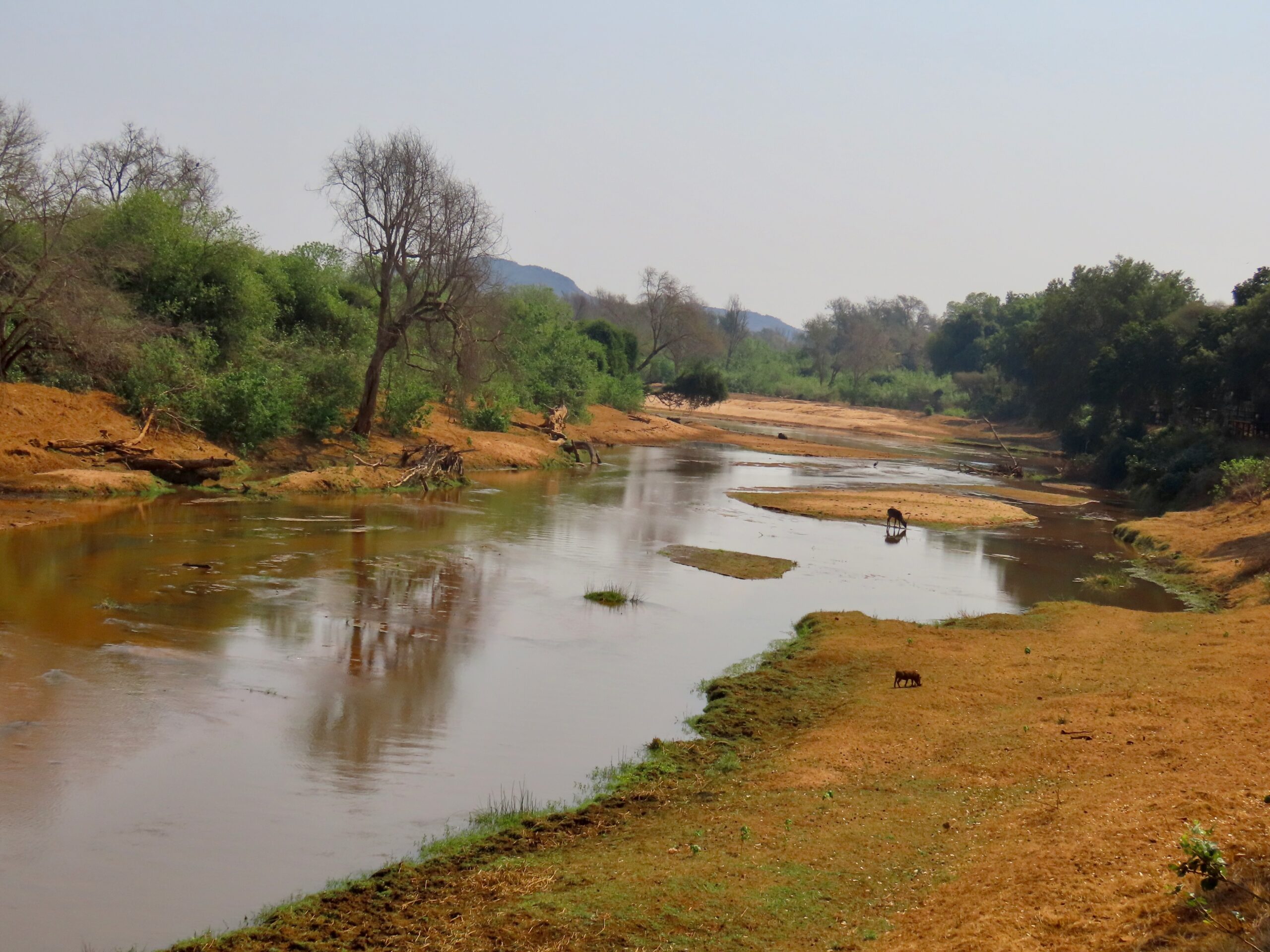
There was also a lot of action on the river during breakfast.
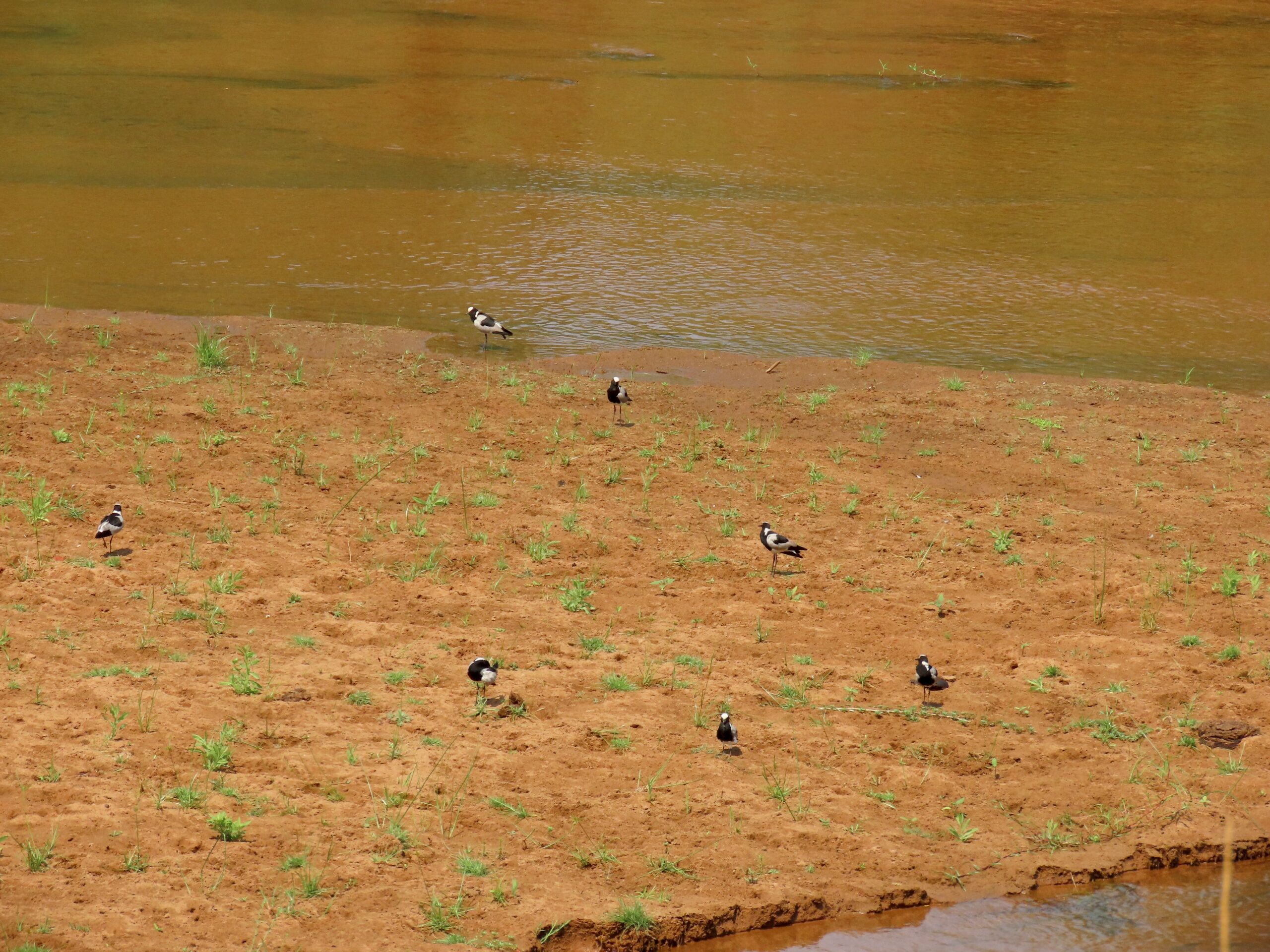
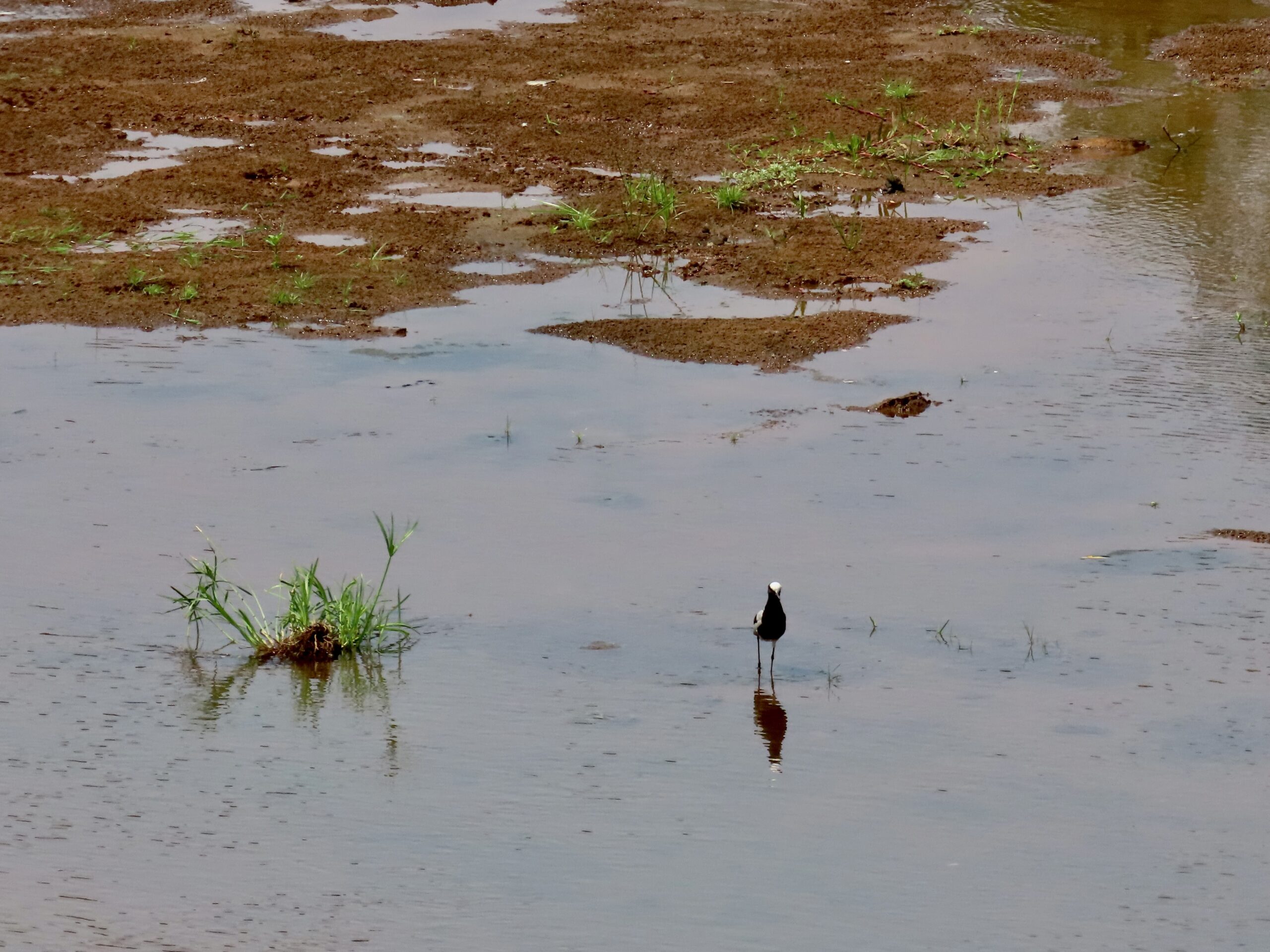
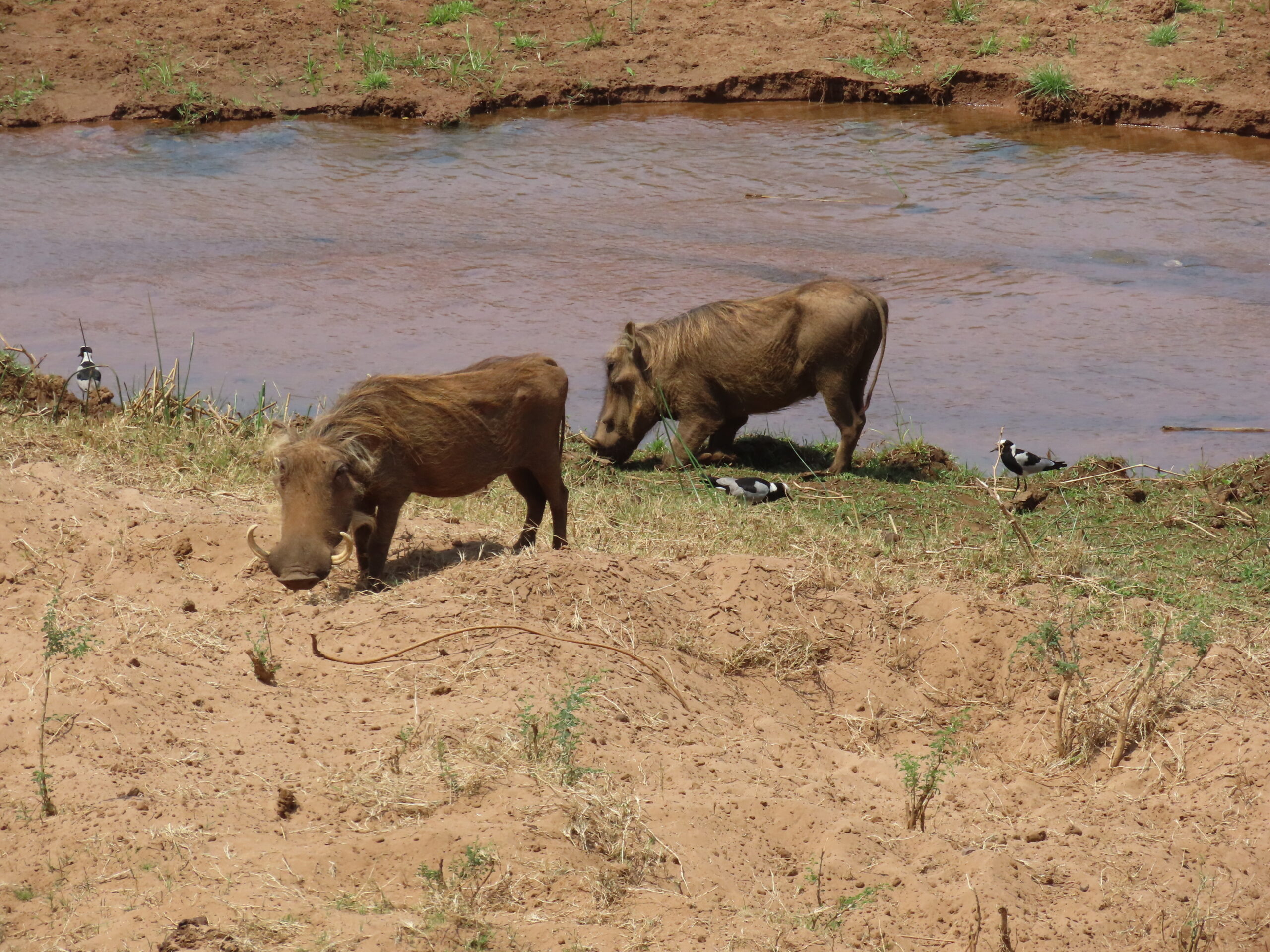
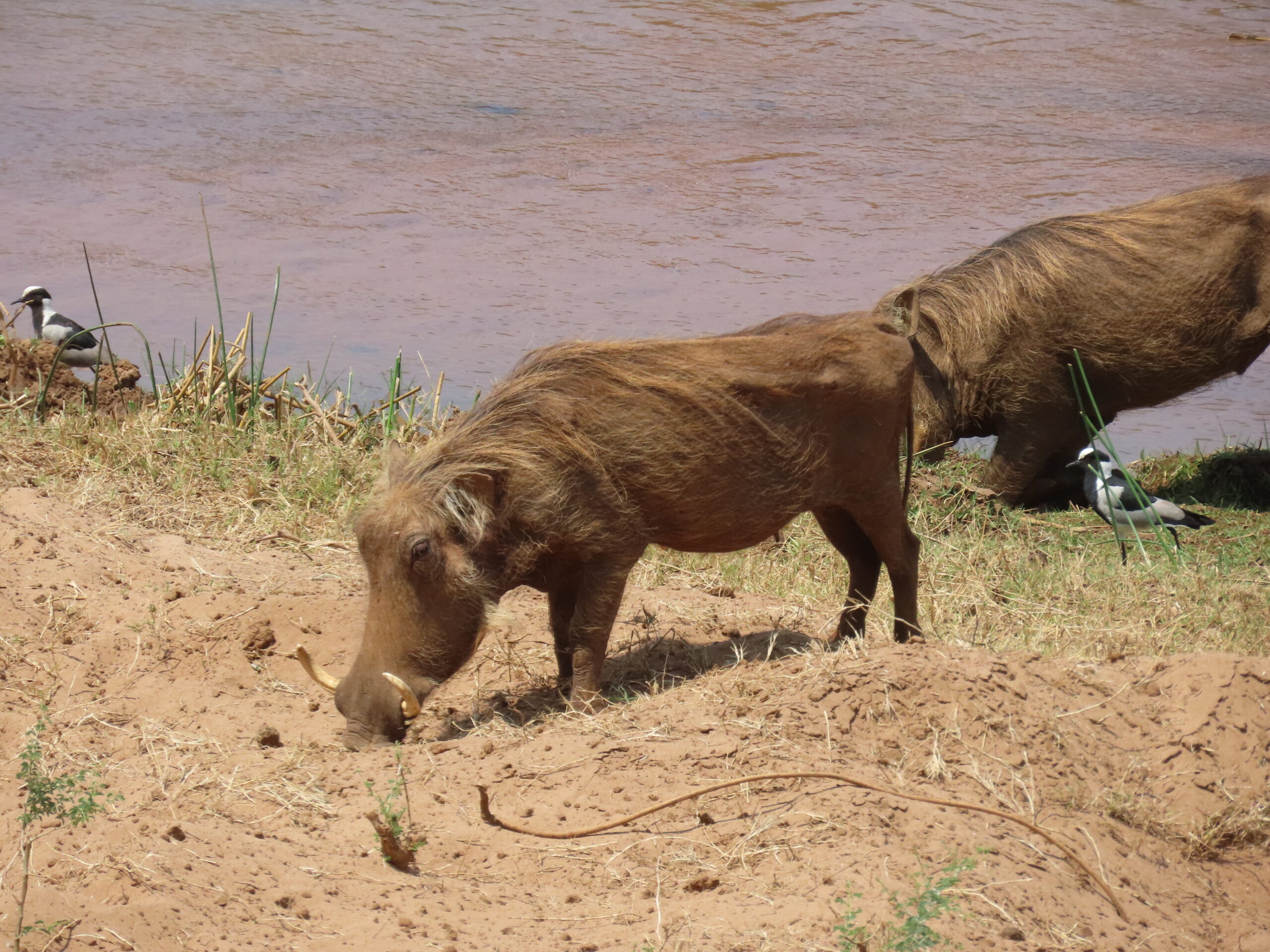
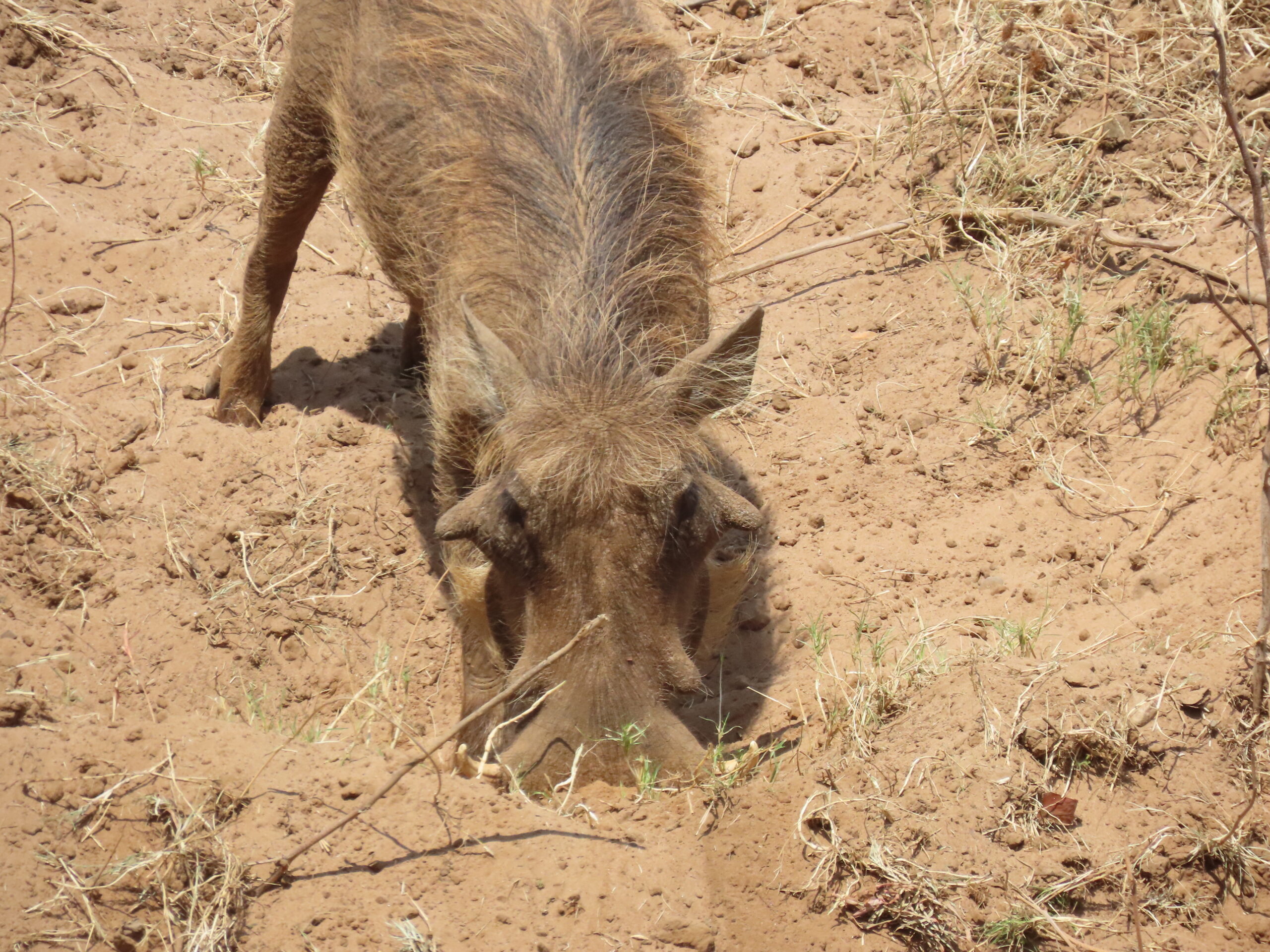
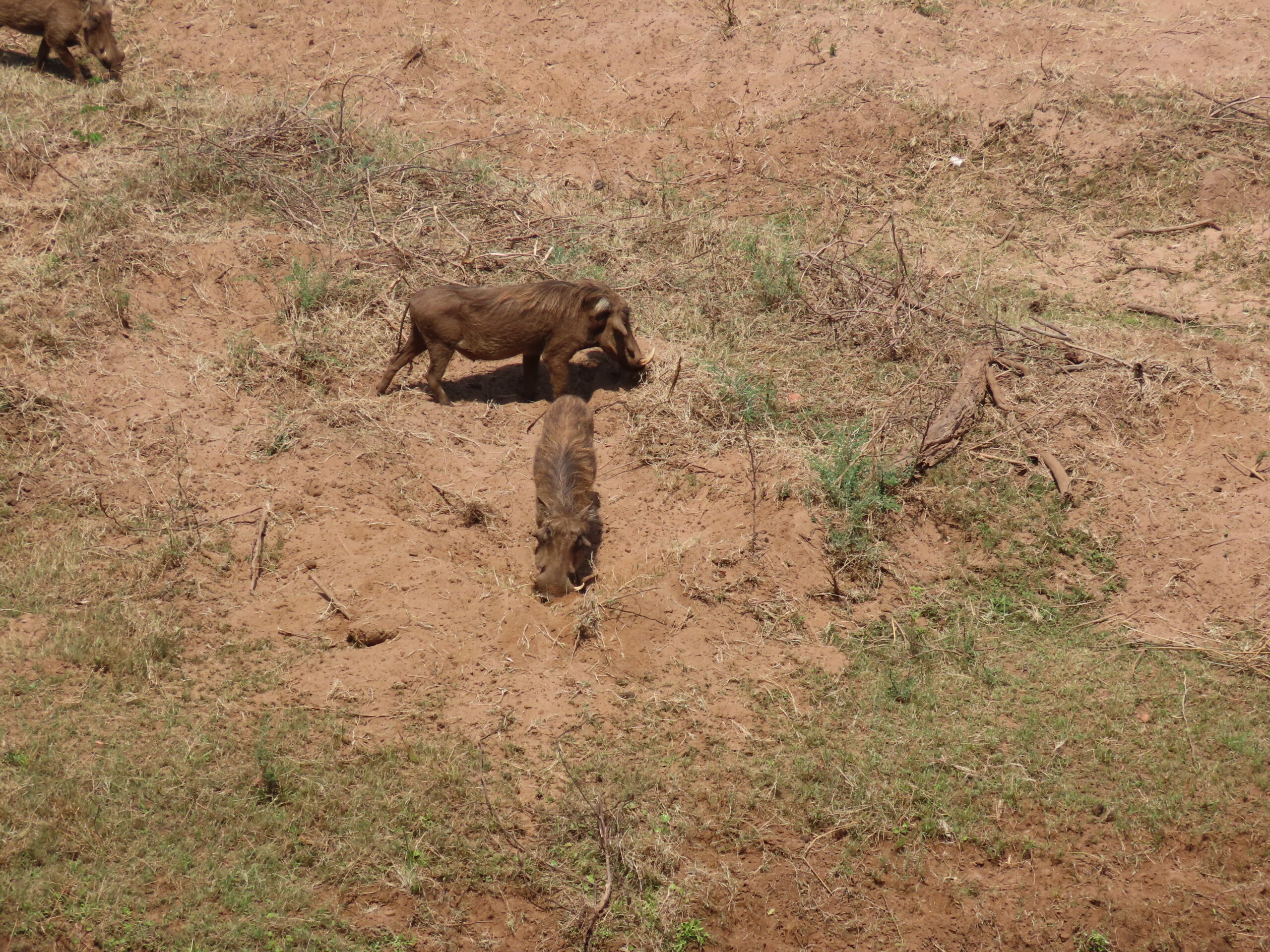
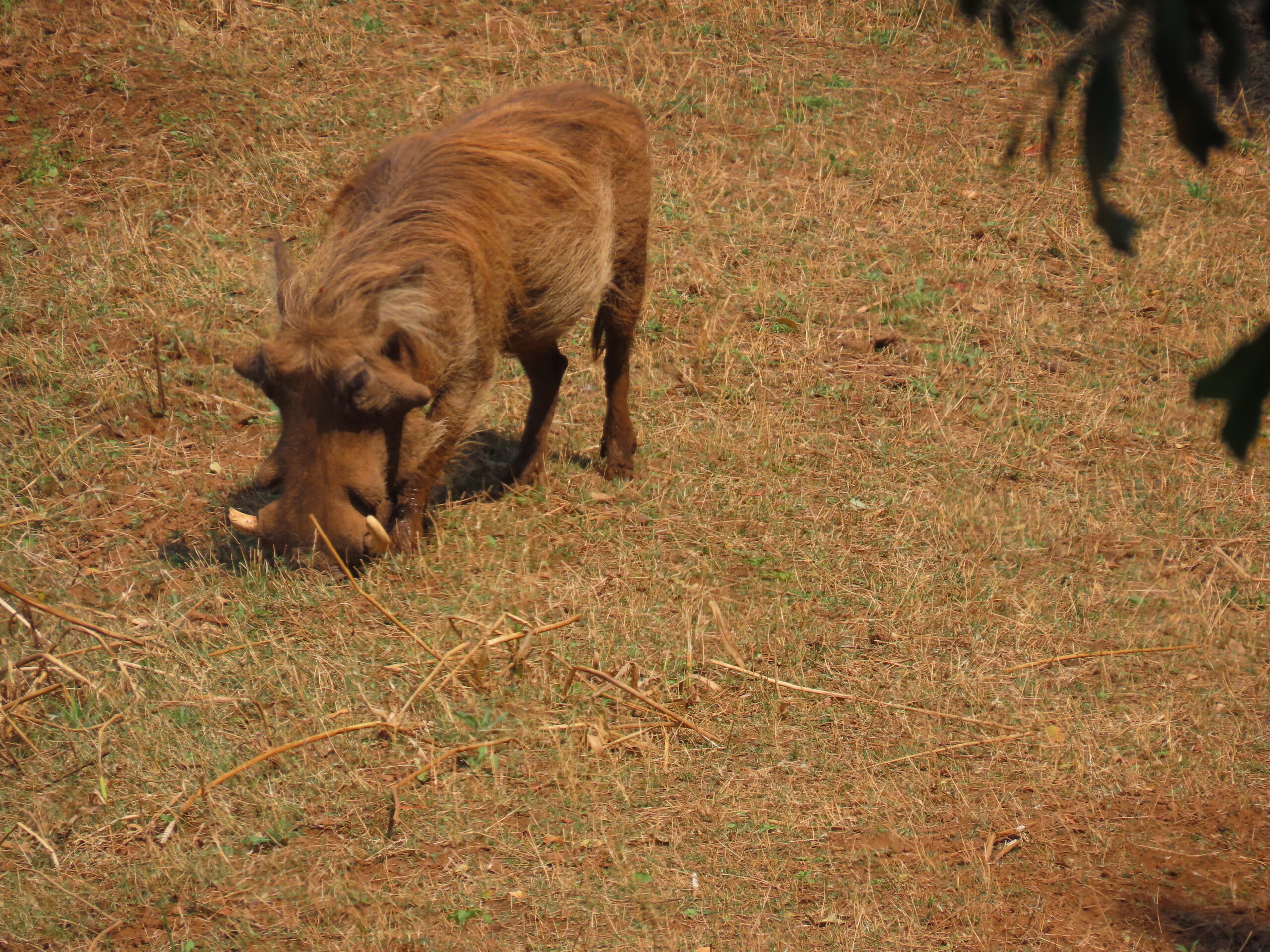
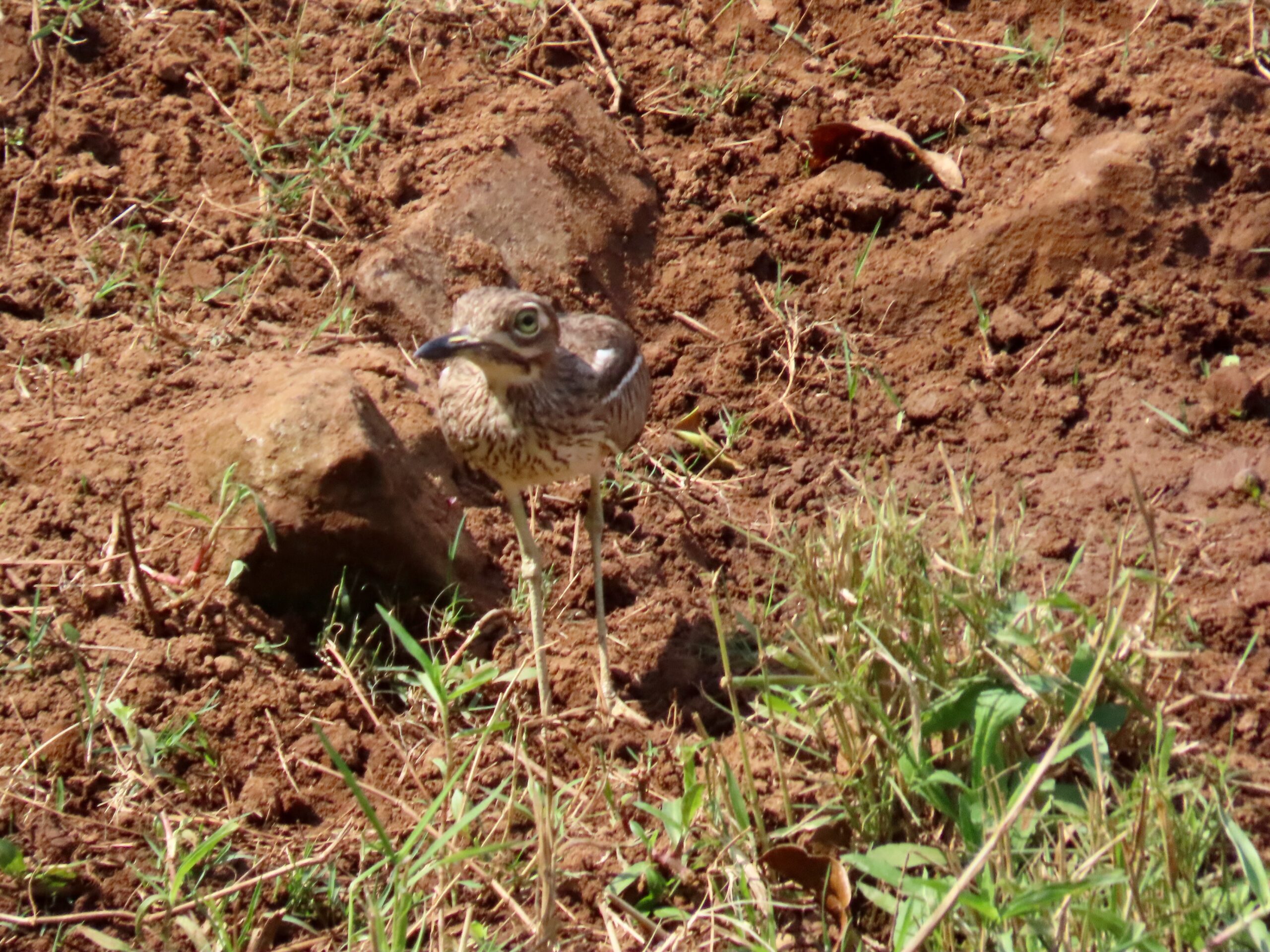
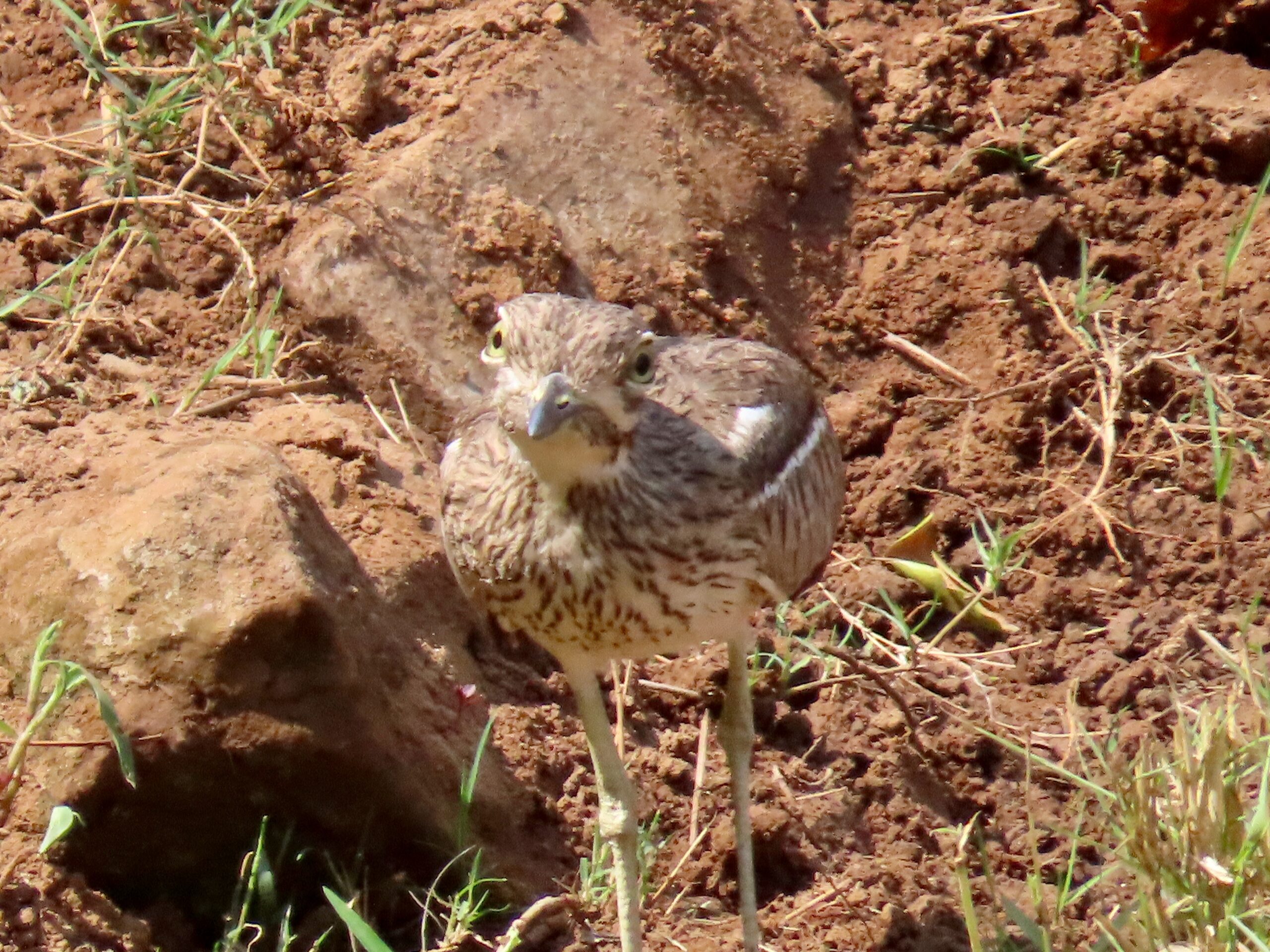
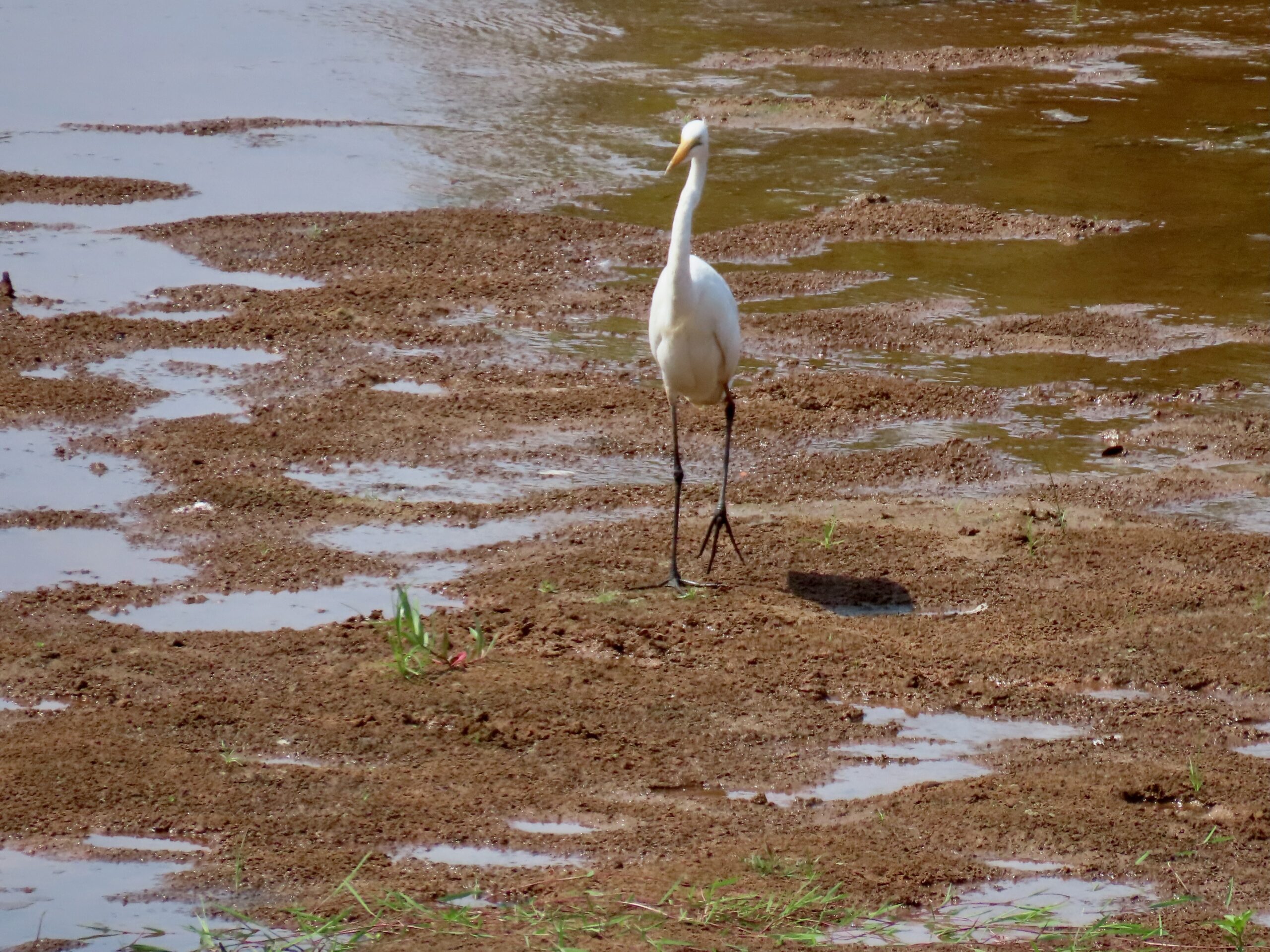
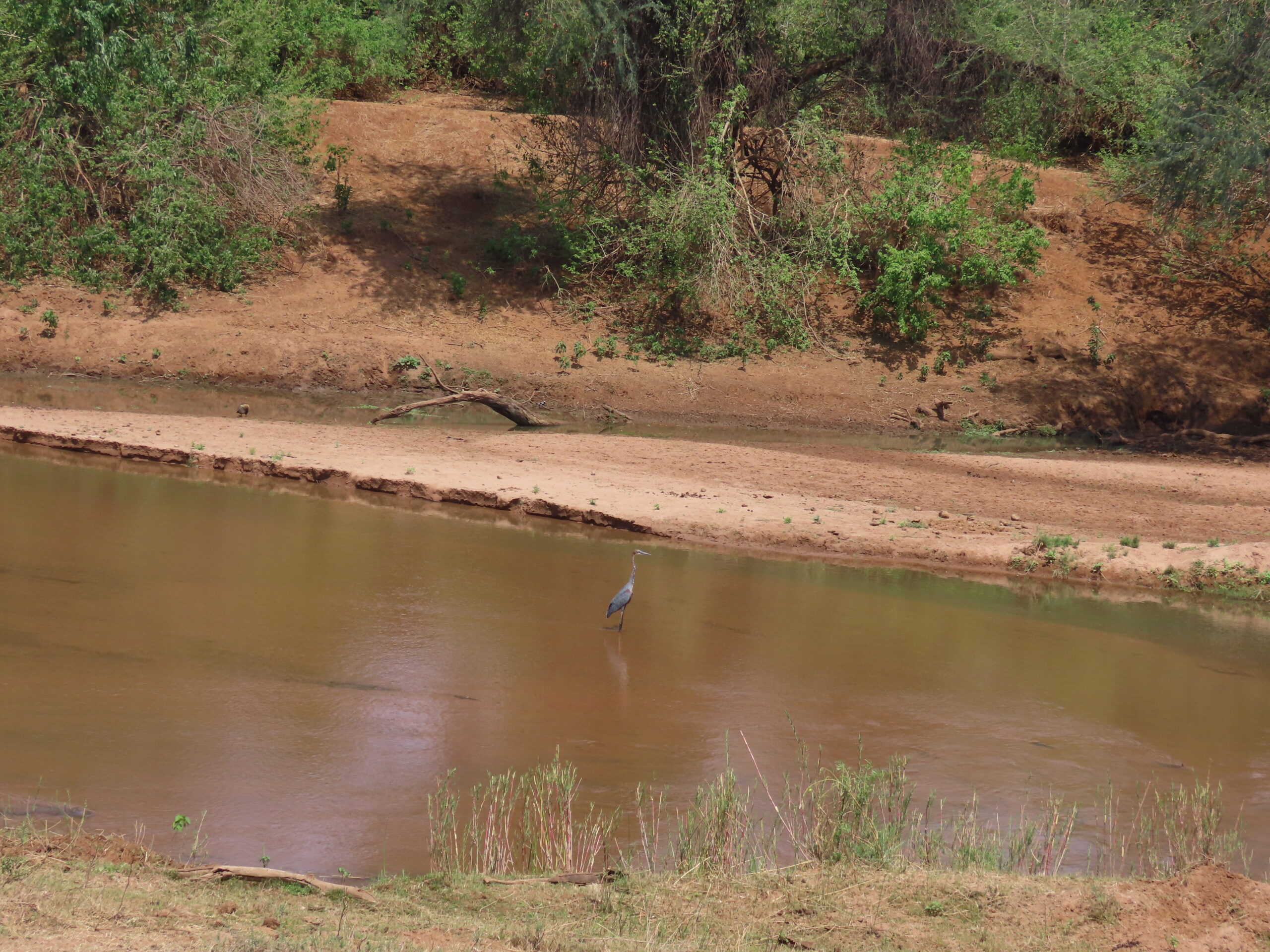
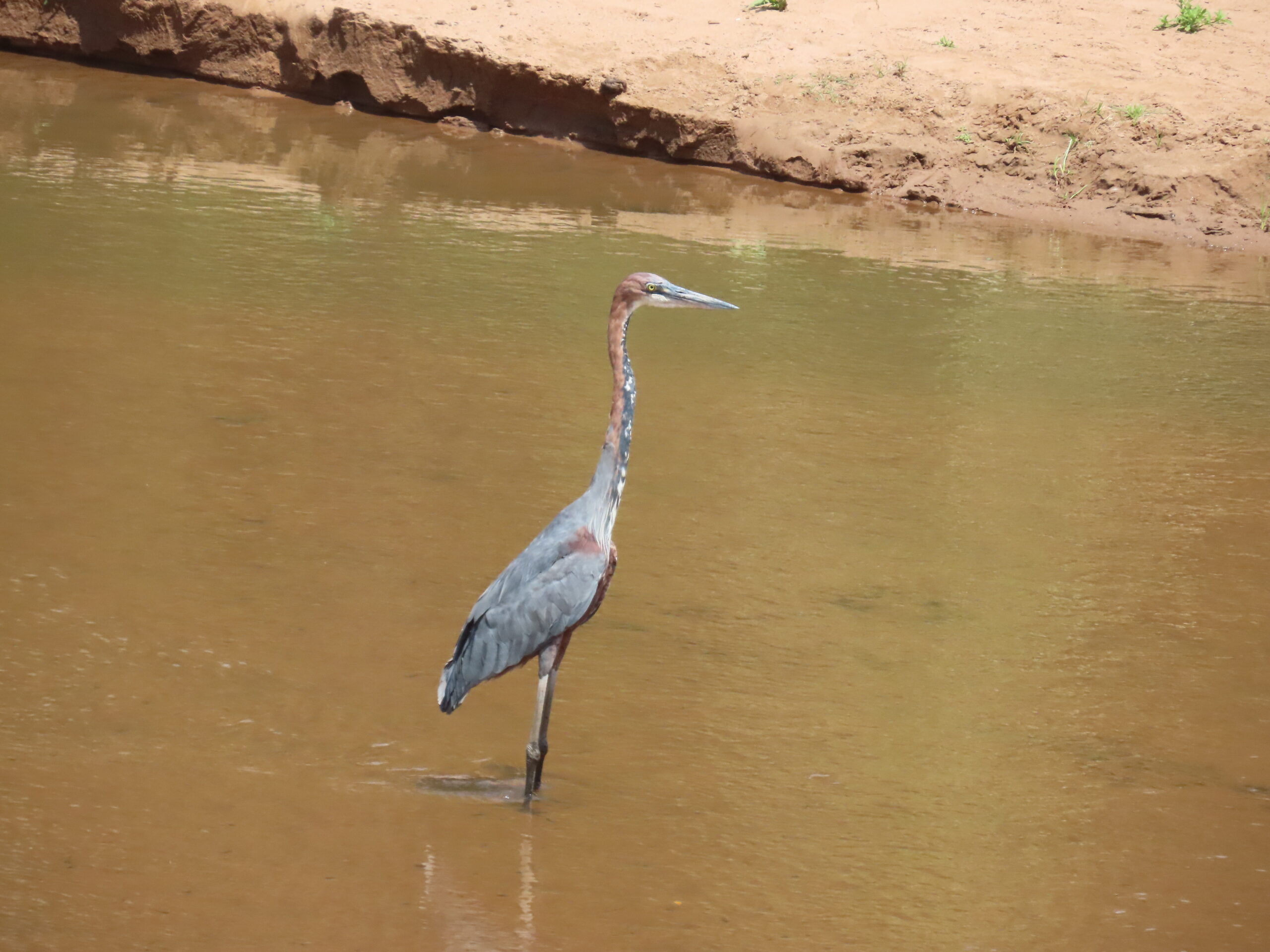
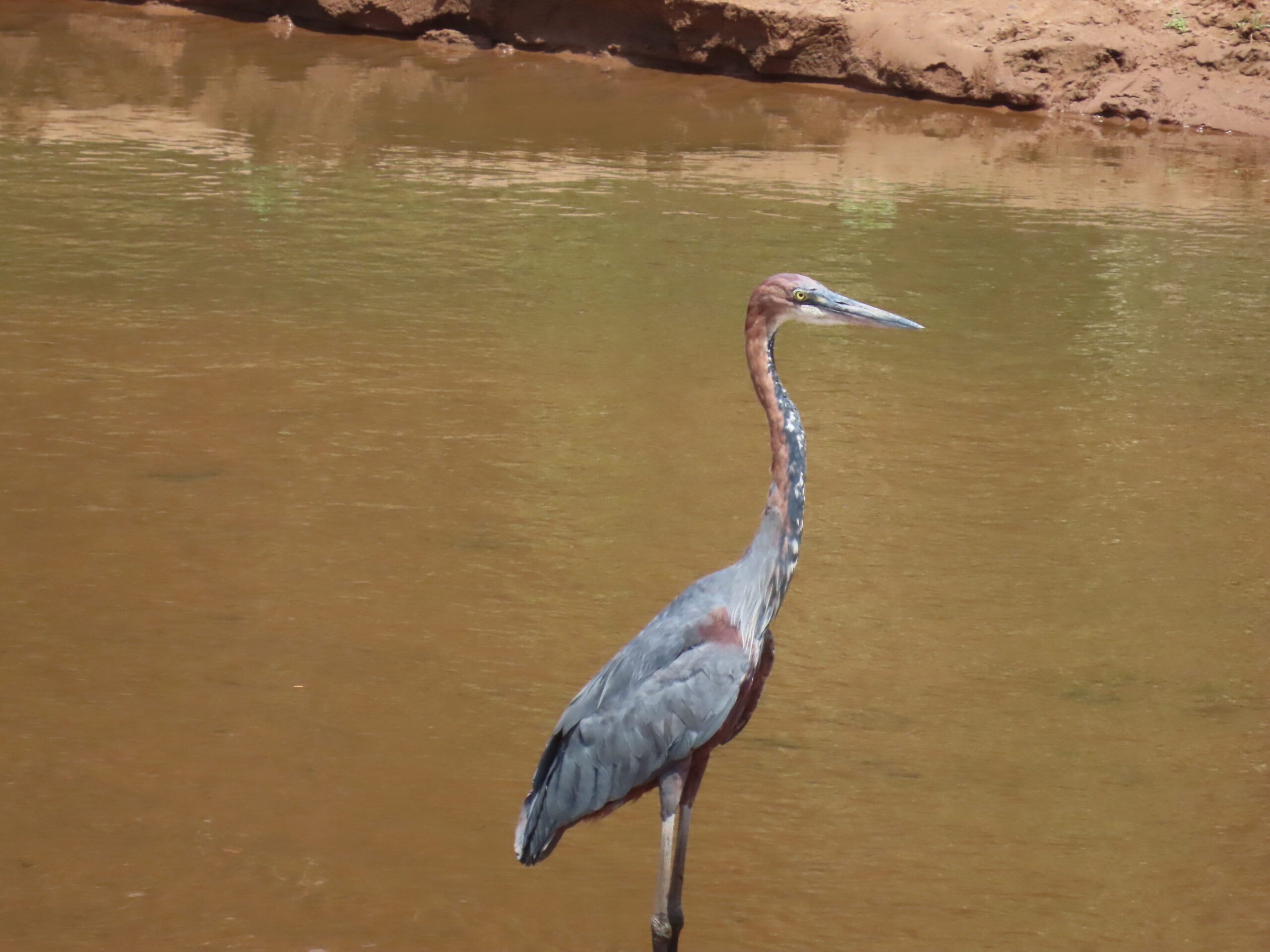
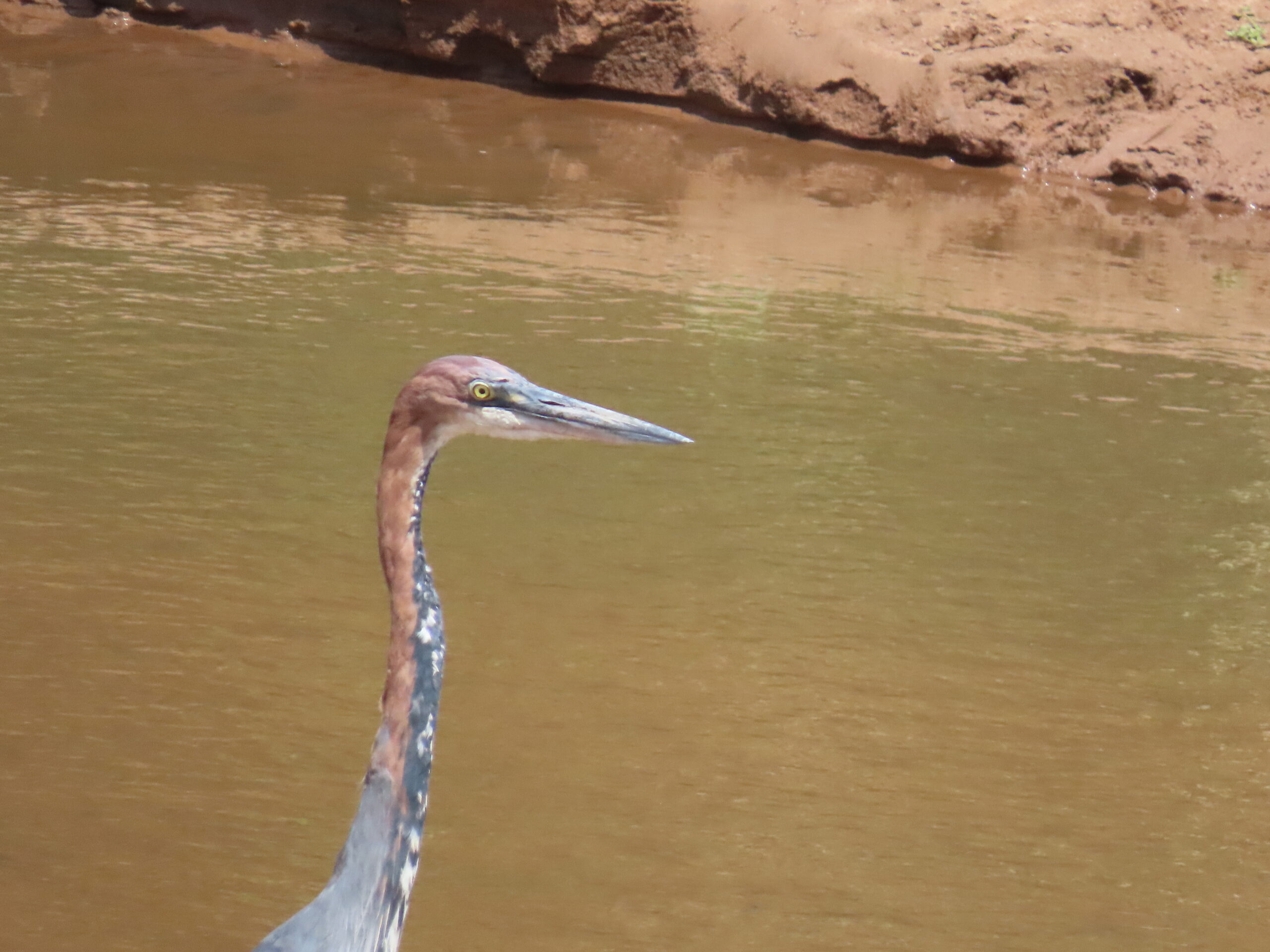
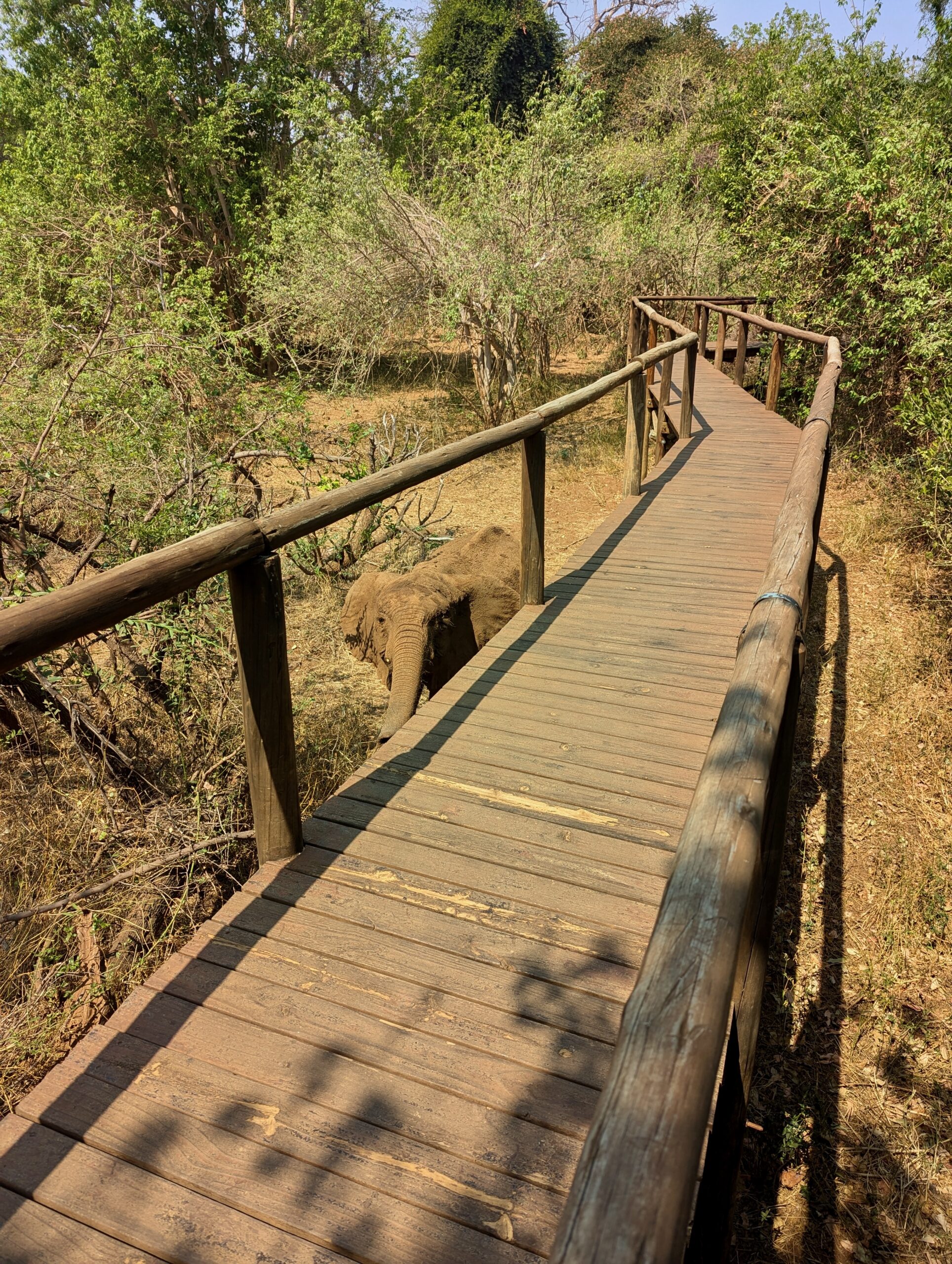
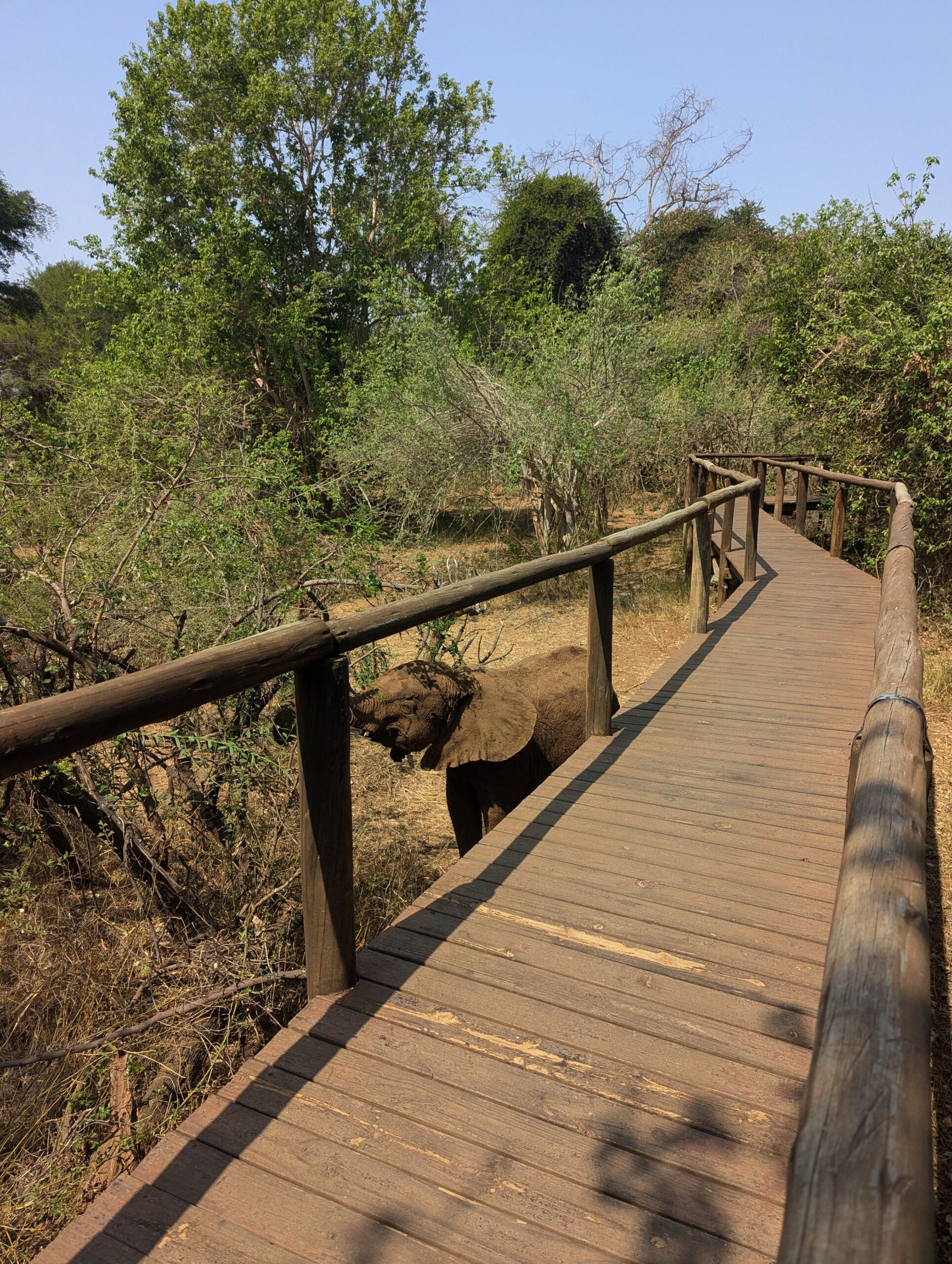
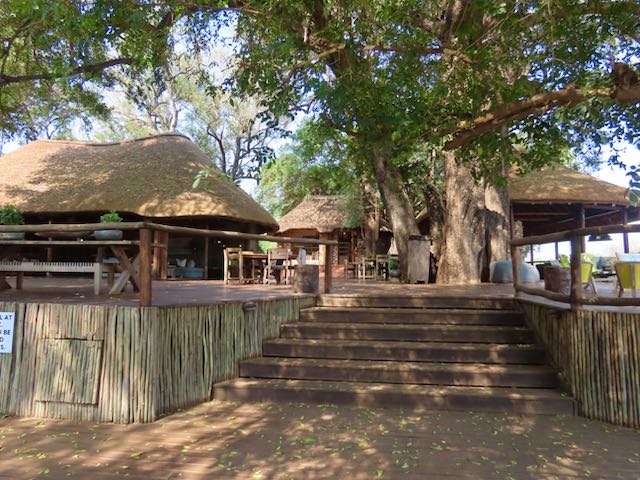
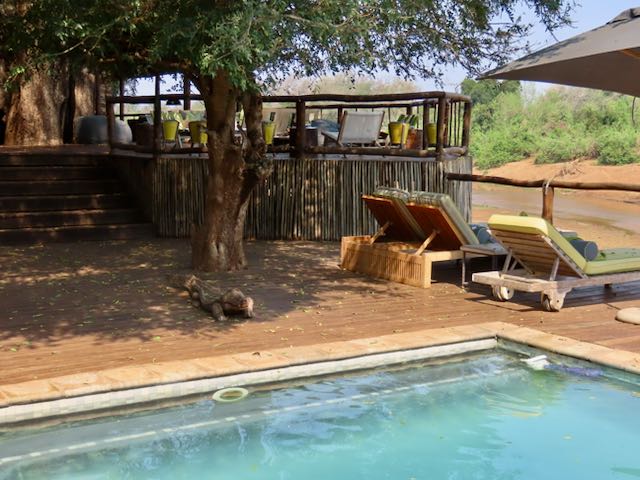
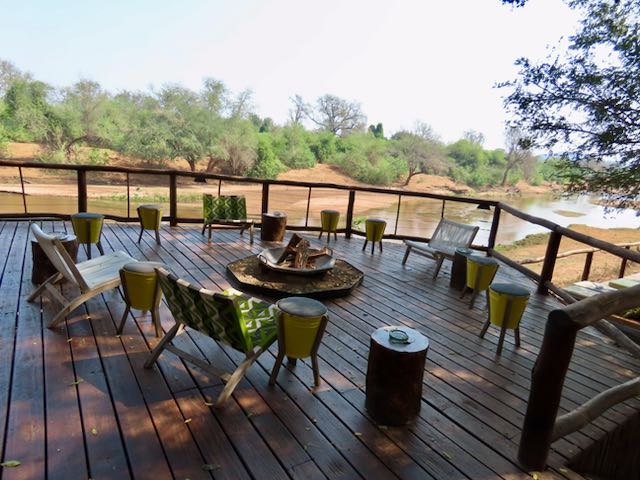
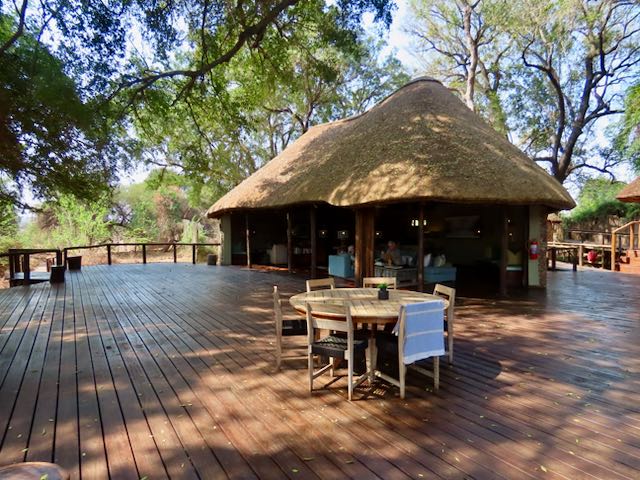
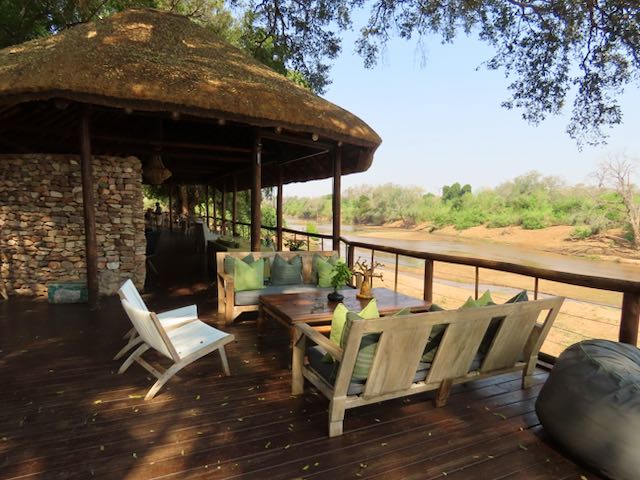
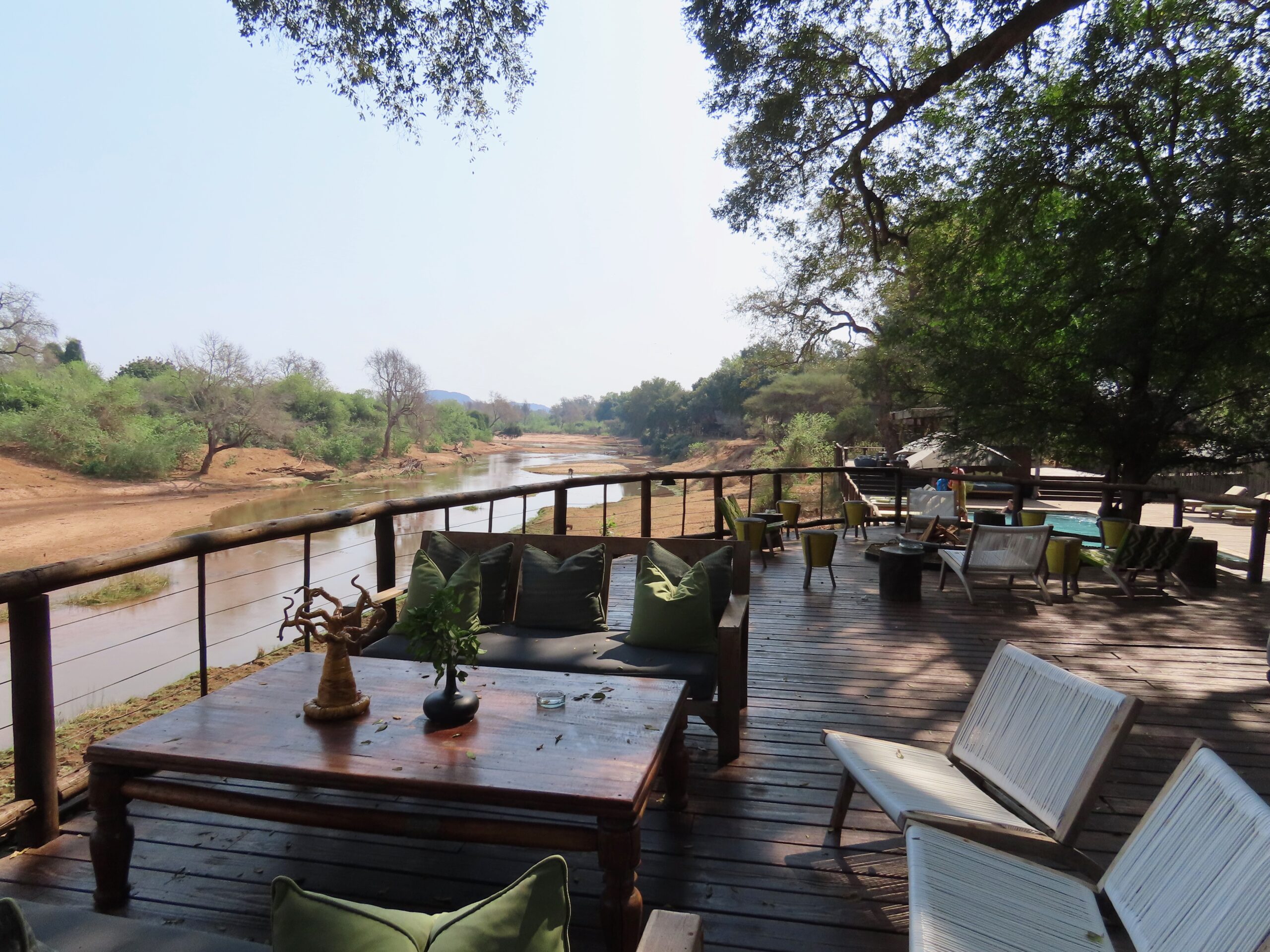
After breakfast, we had several hours of free time. It was a very hot day and, with so many comfortable options to choose from, it was hard to pick a spot. Dominique and I settled down in the relatively cool main lounge to watch visitors to the river, where wildlife viewing was delightful.
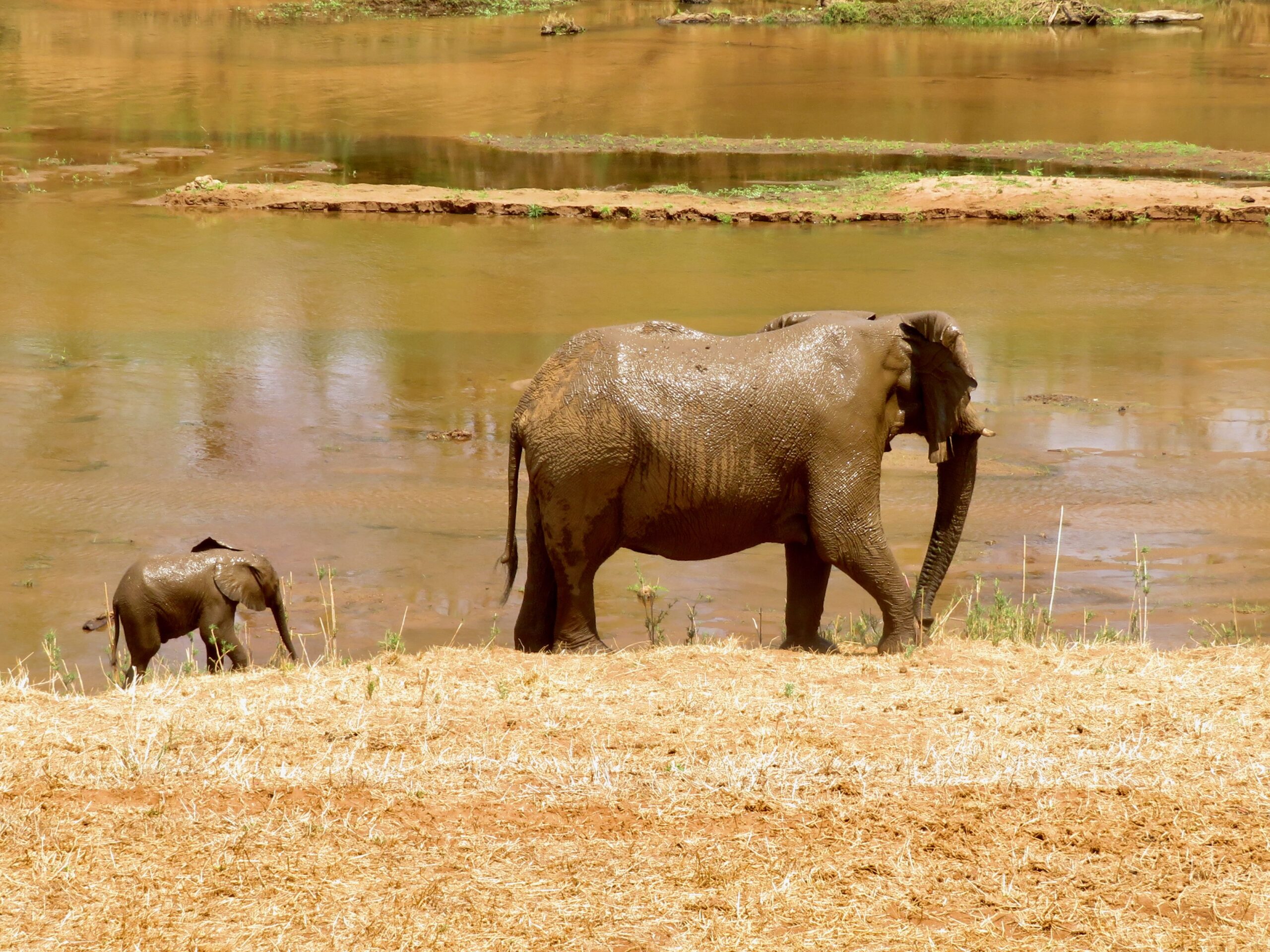
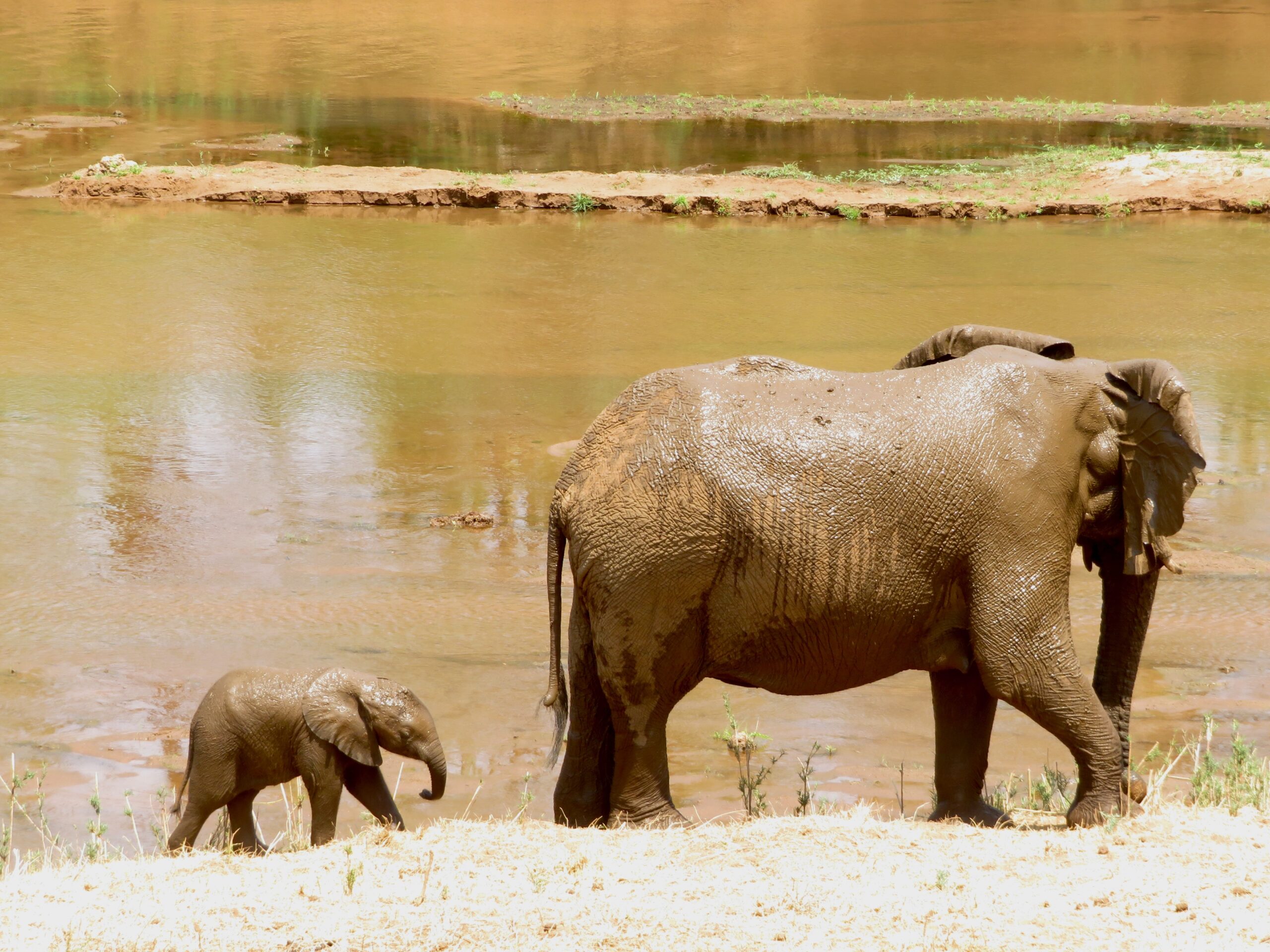
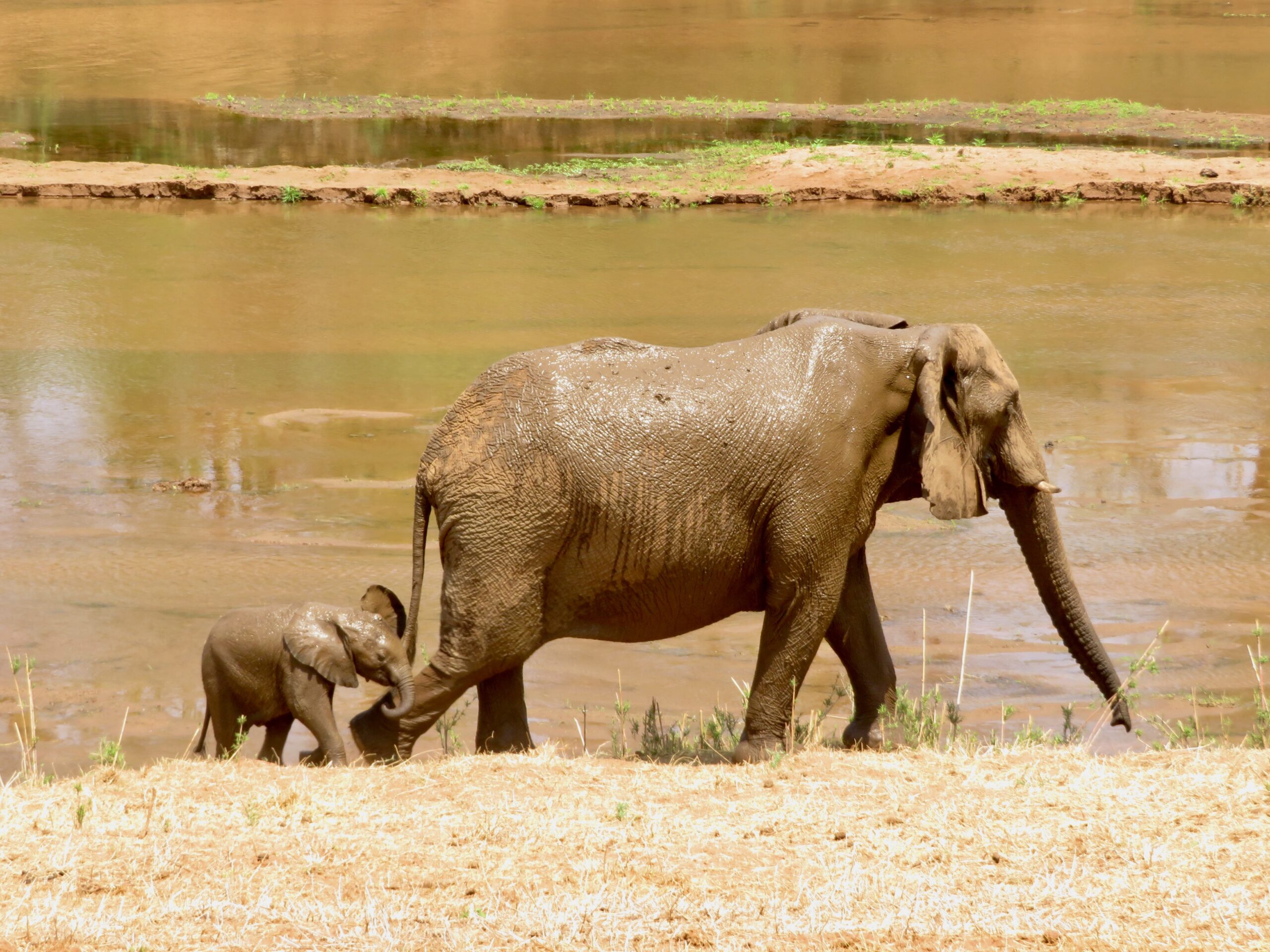
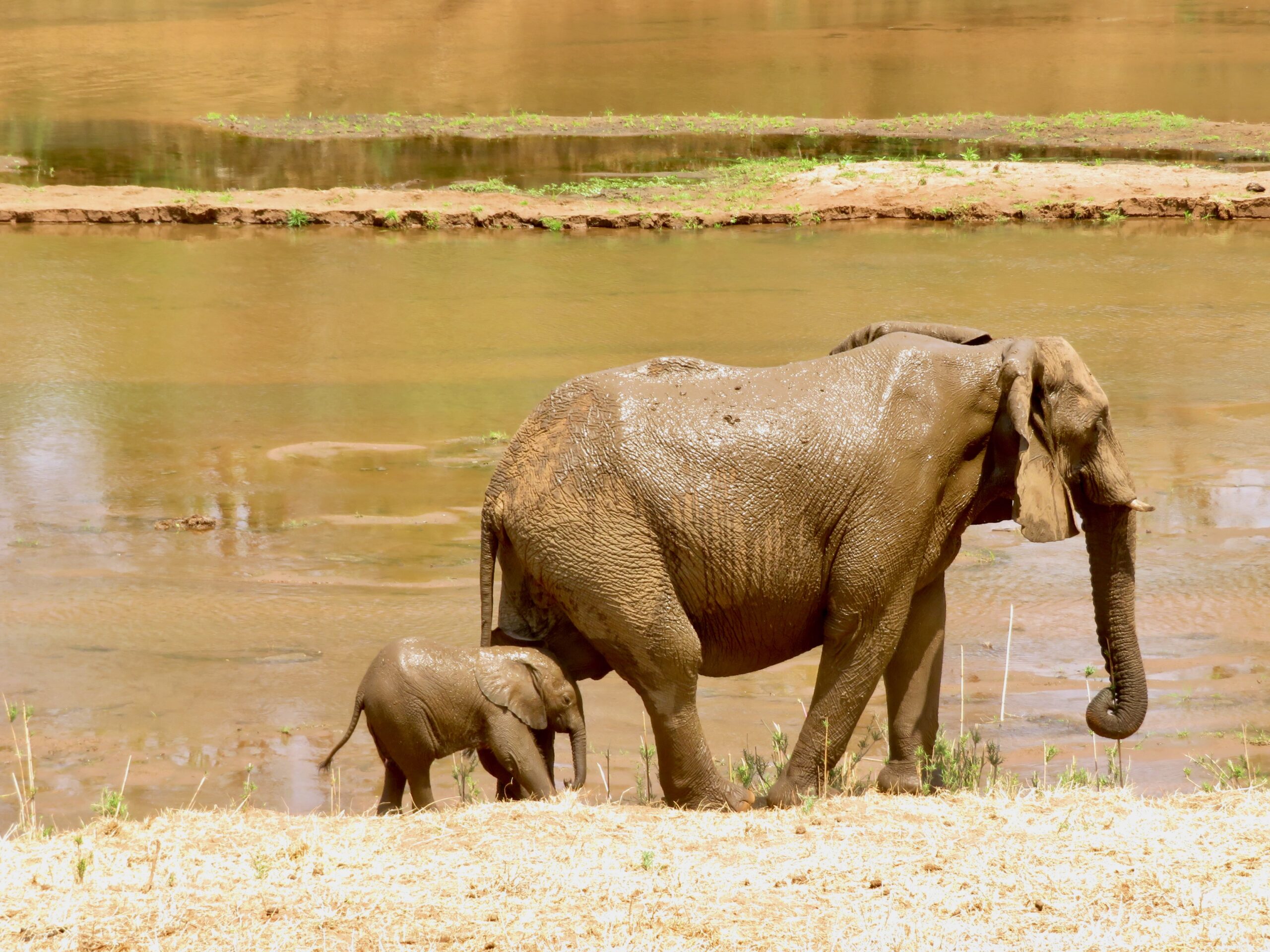
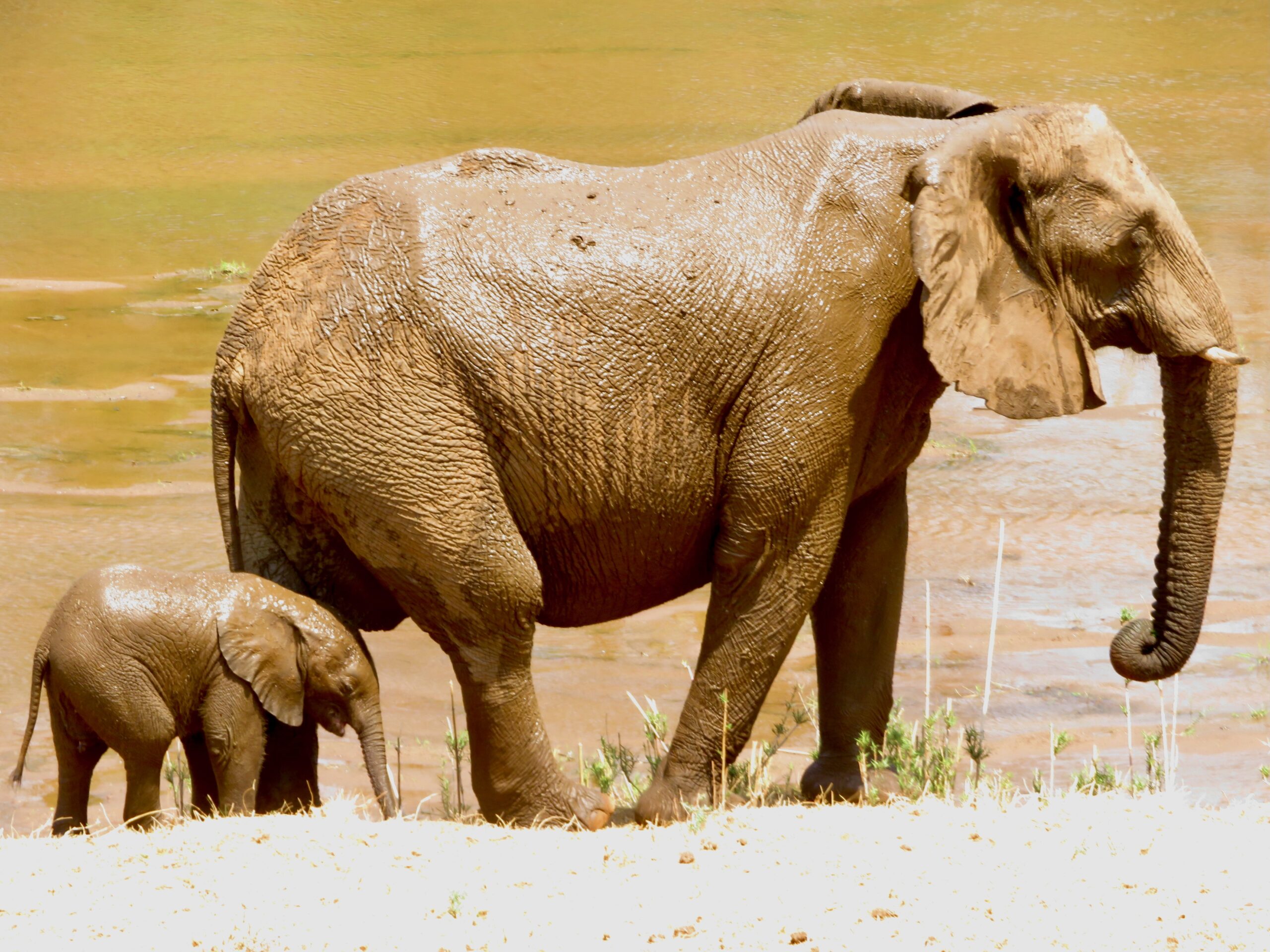
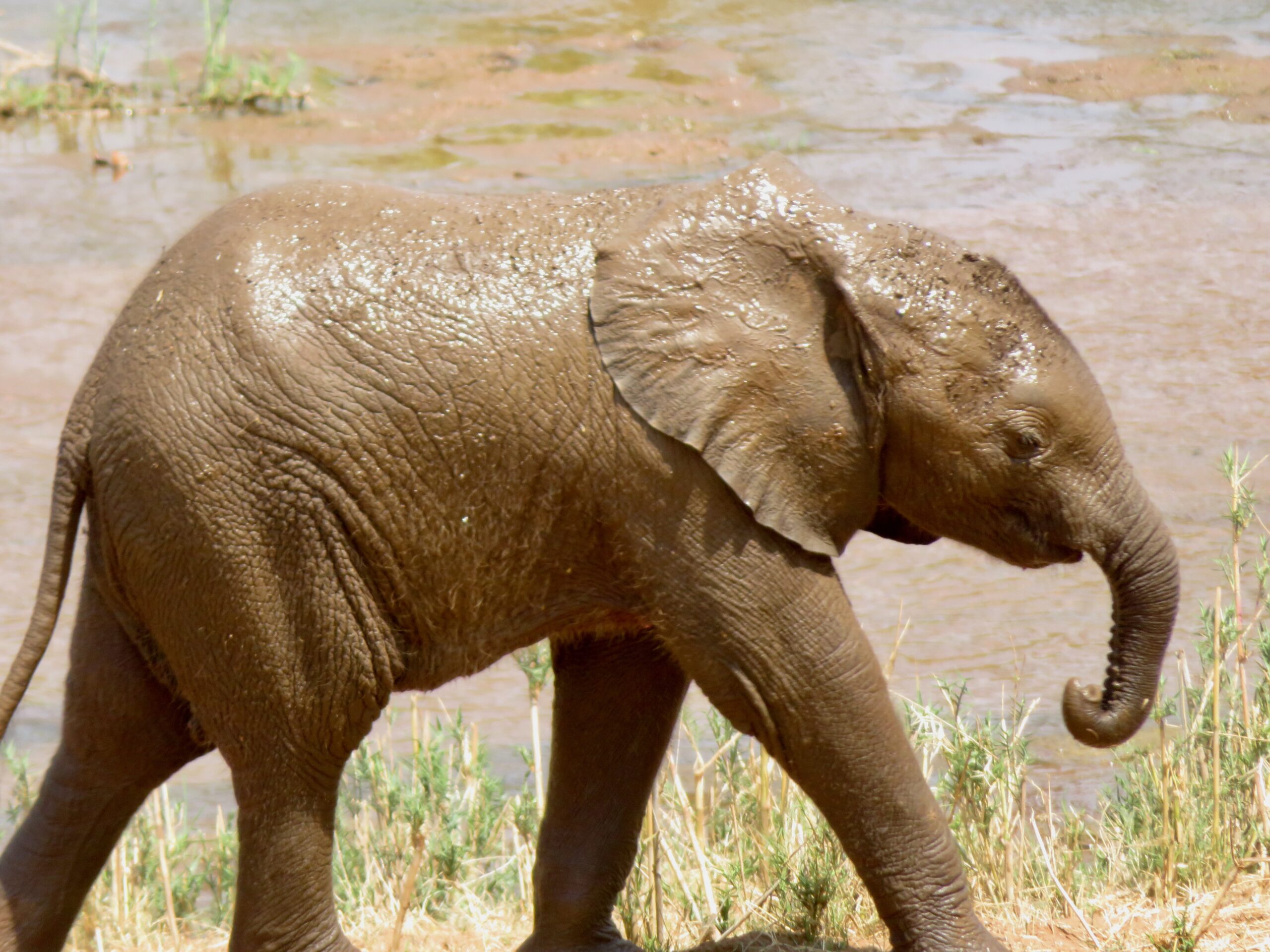
A mama elephant and tiny calf sauntered in for a morning drink and bath.
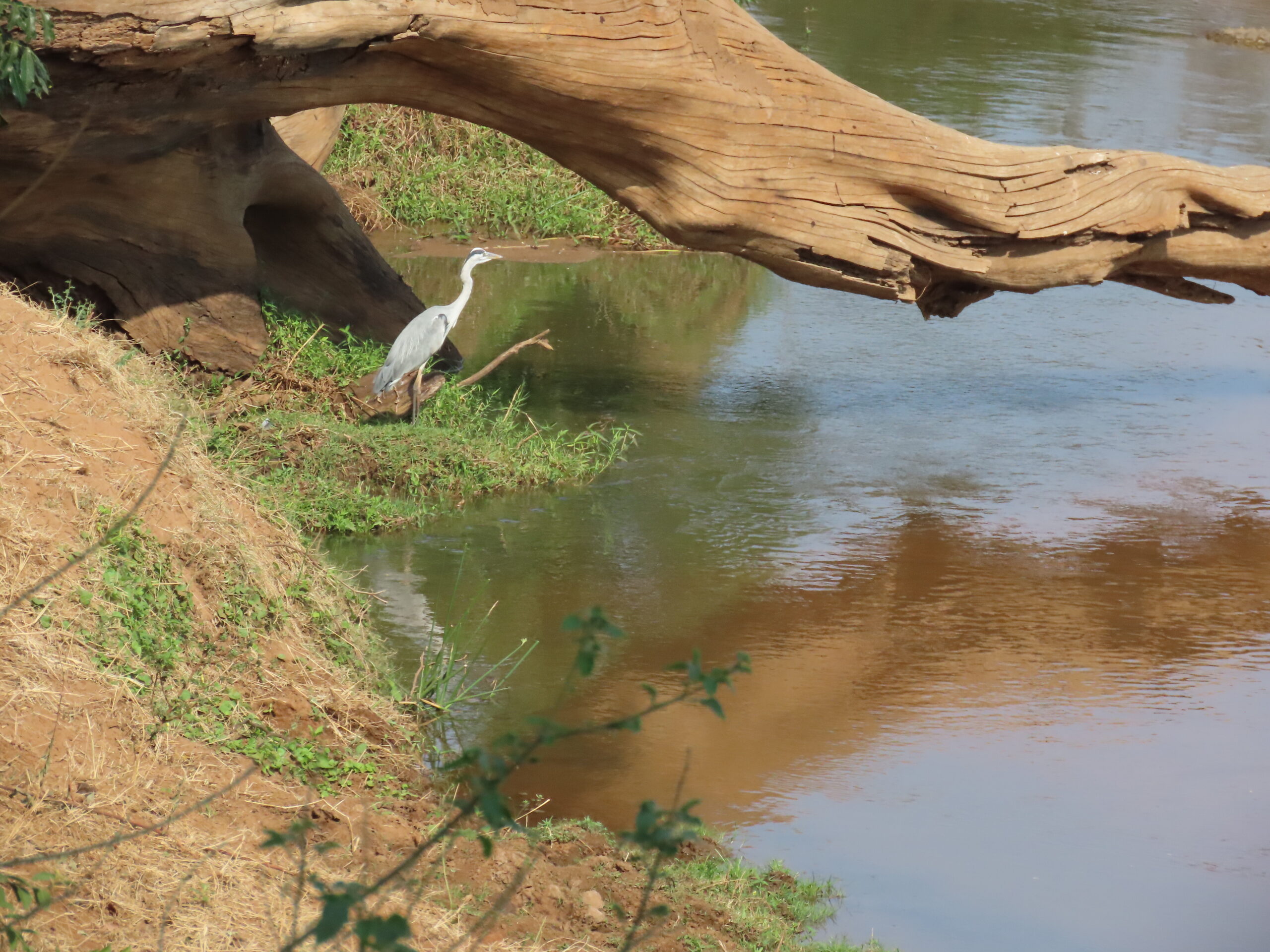
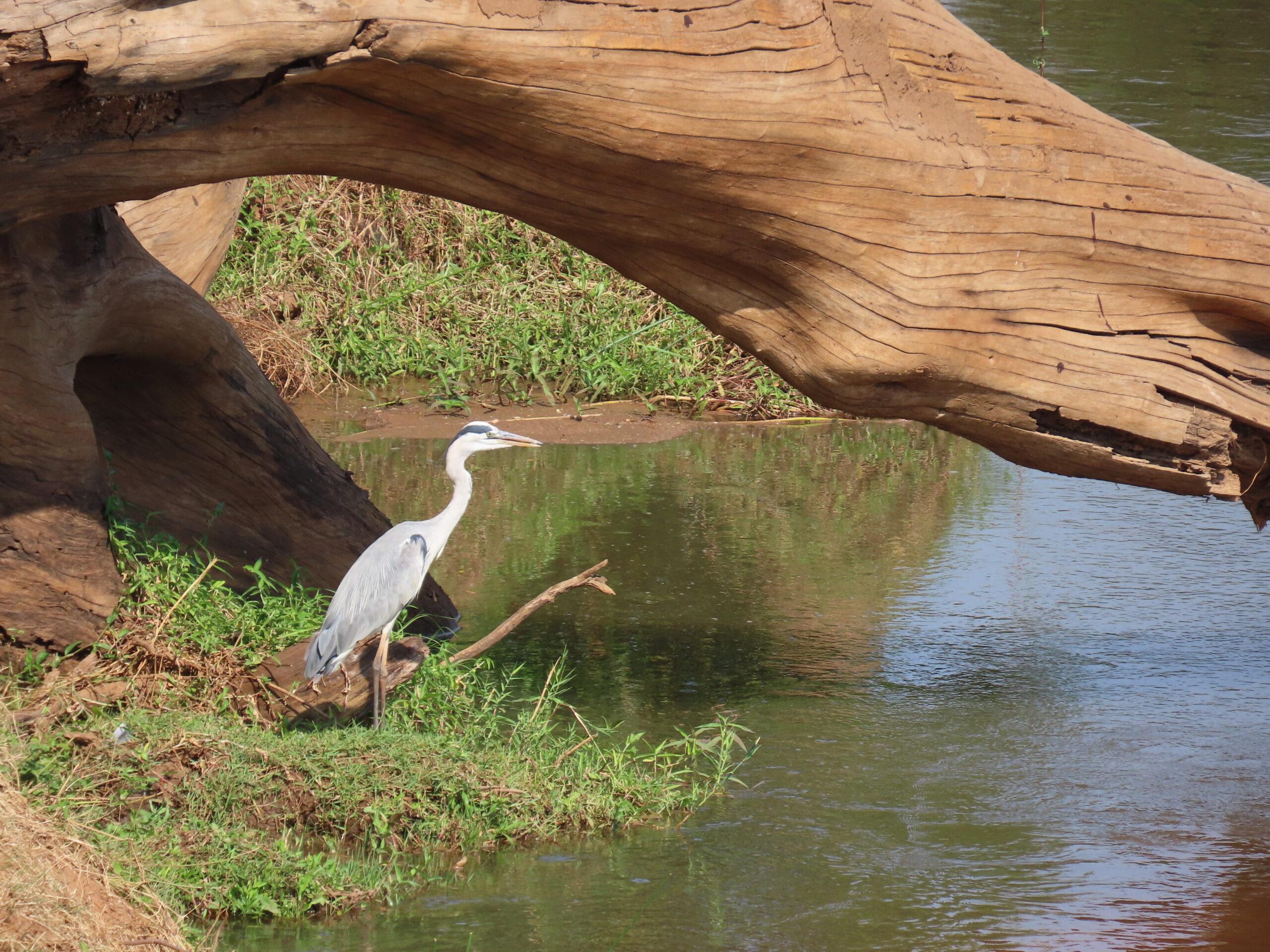
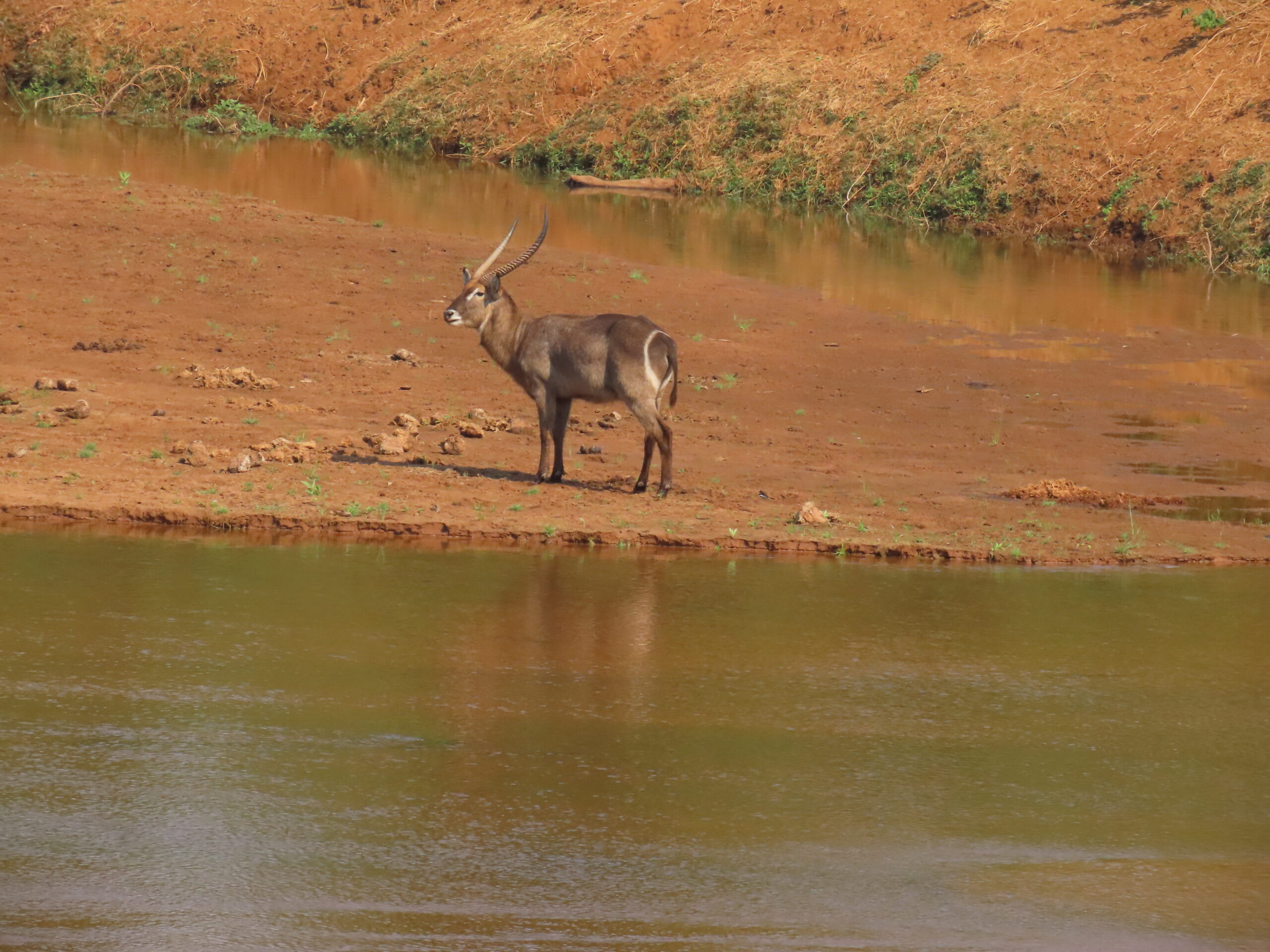
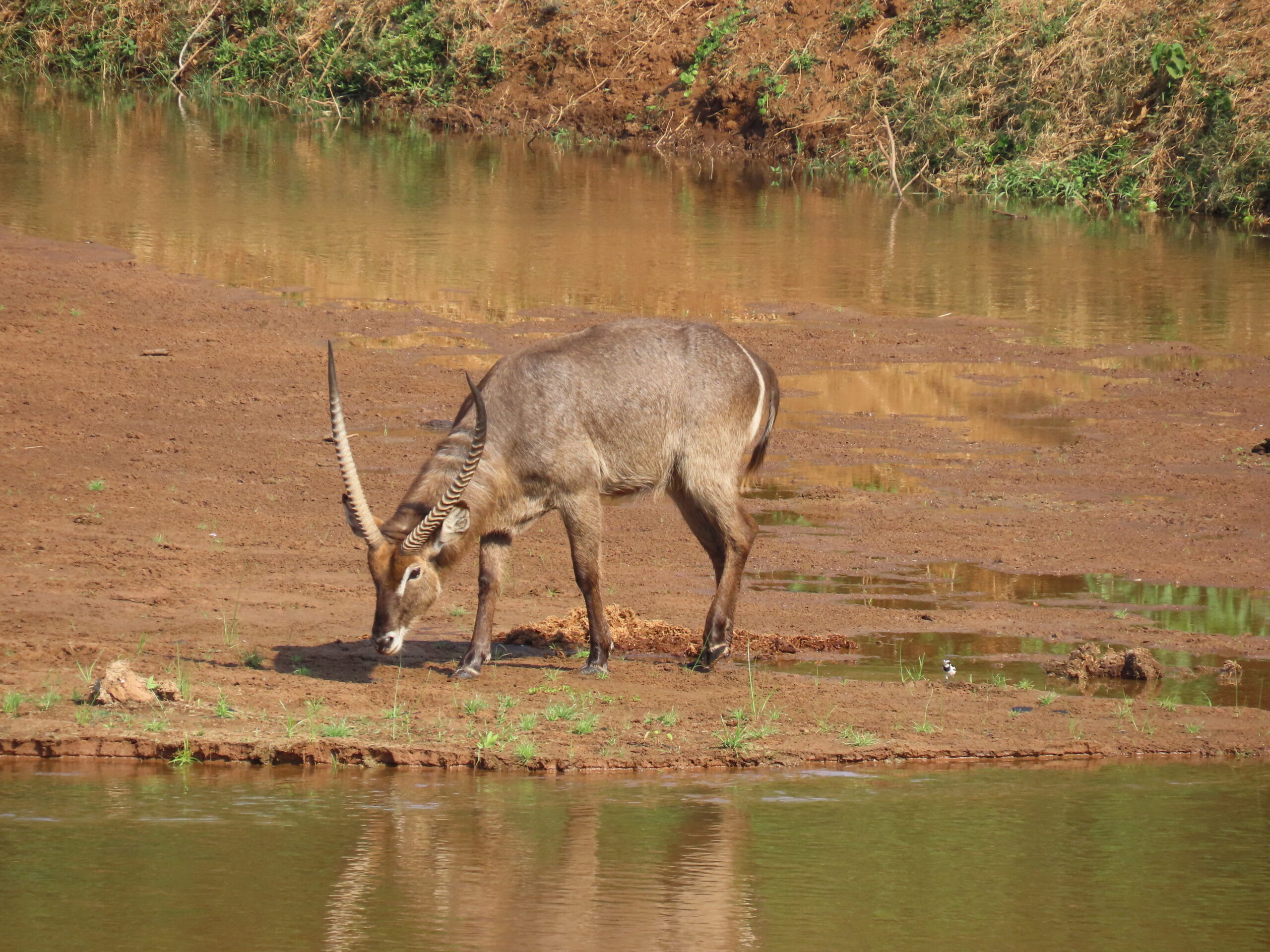
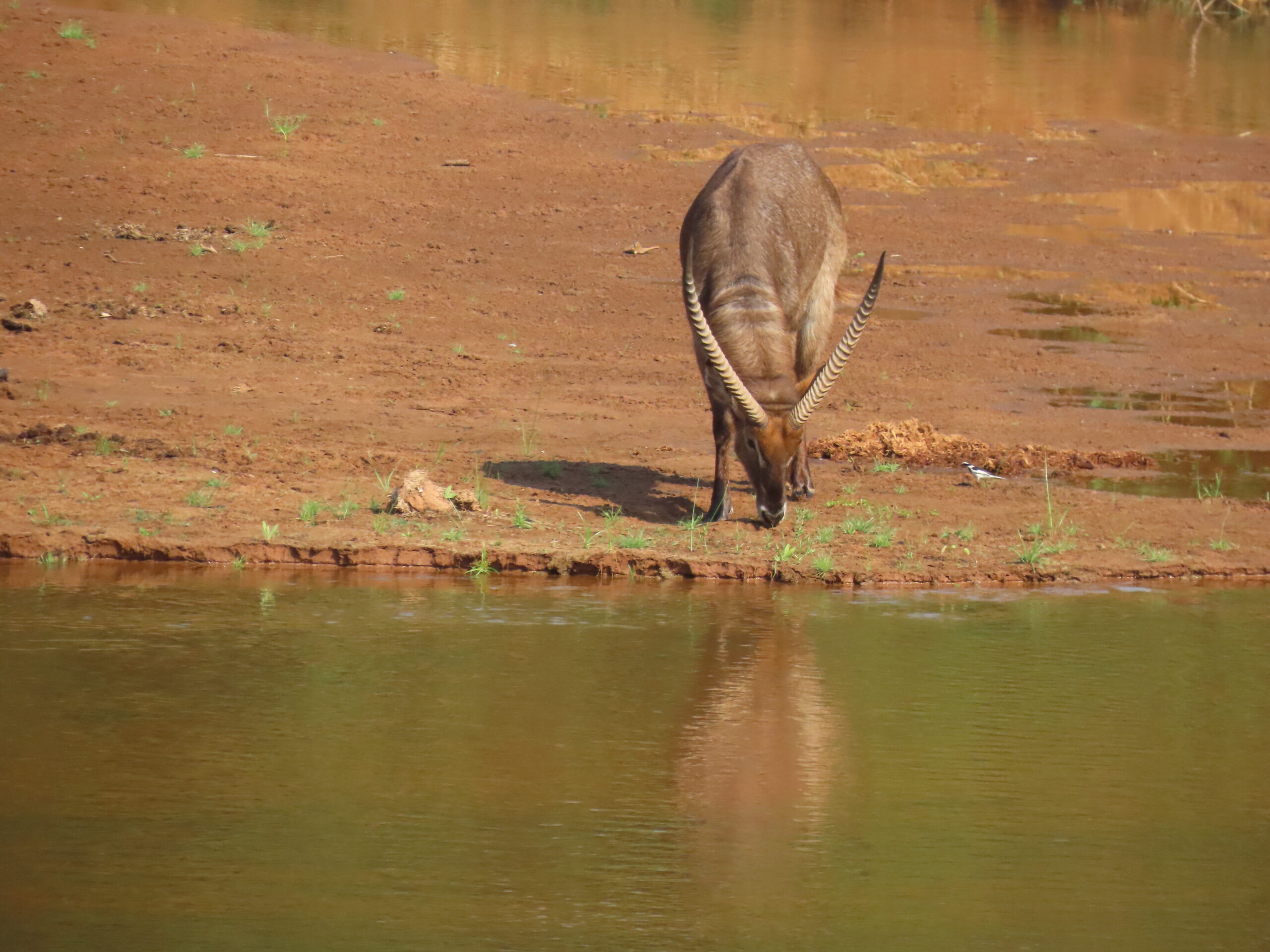
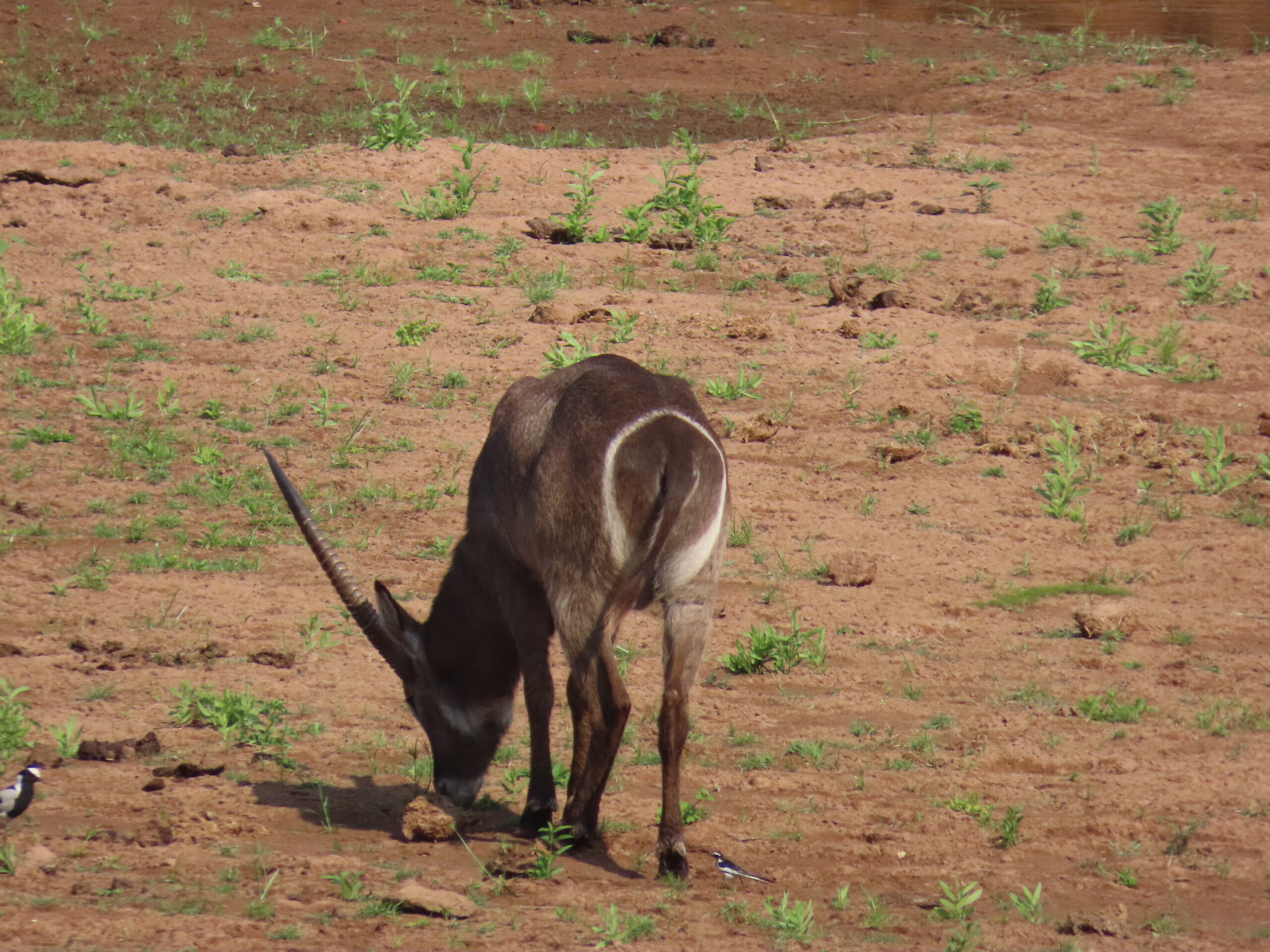
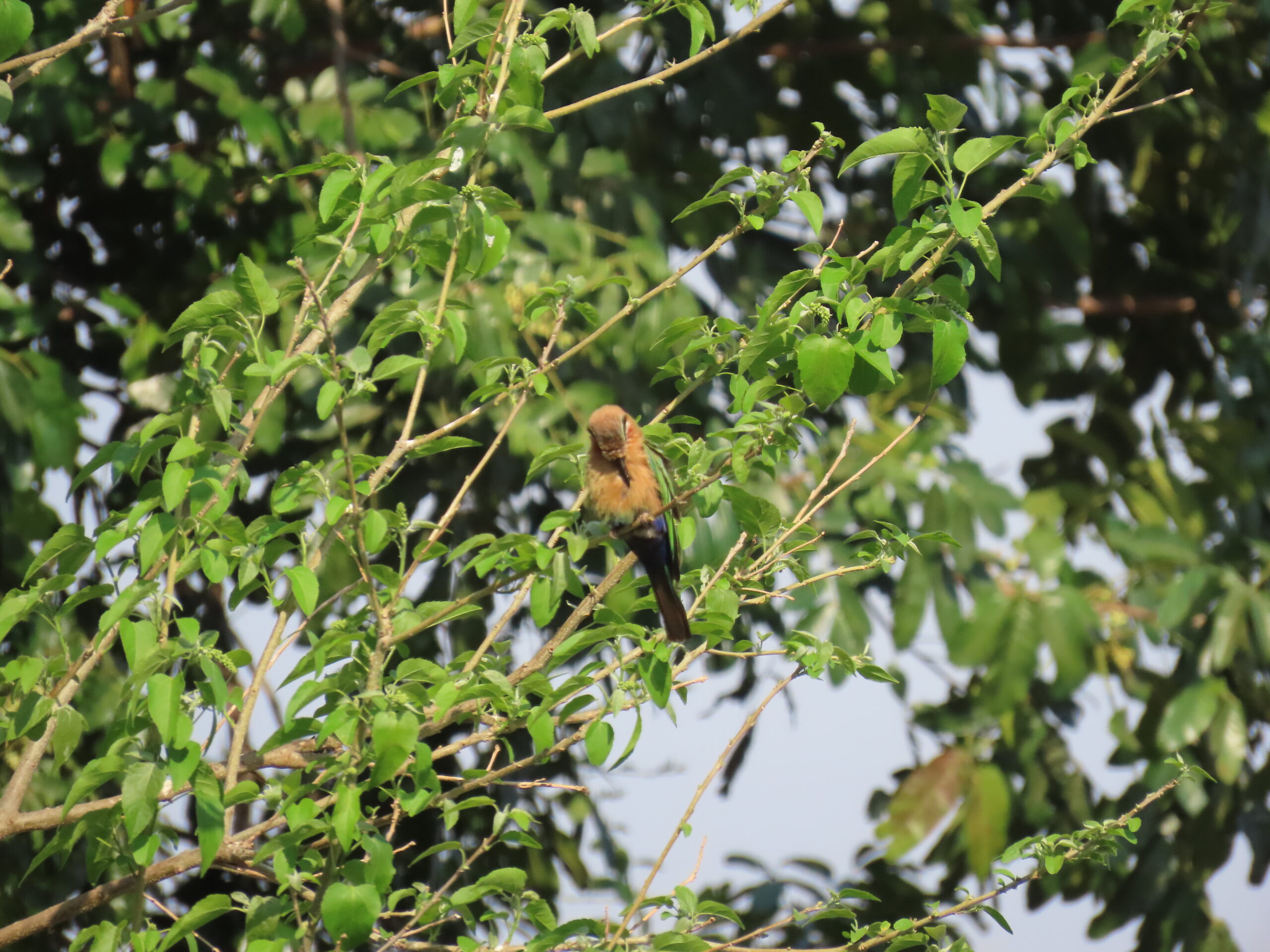
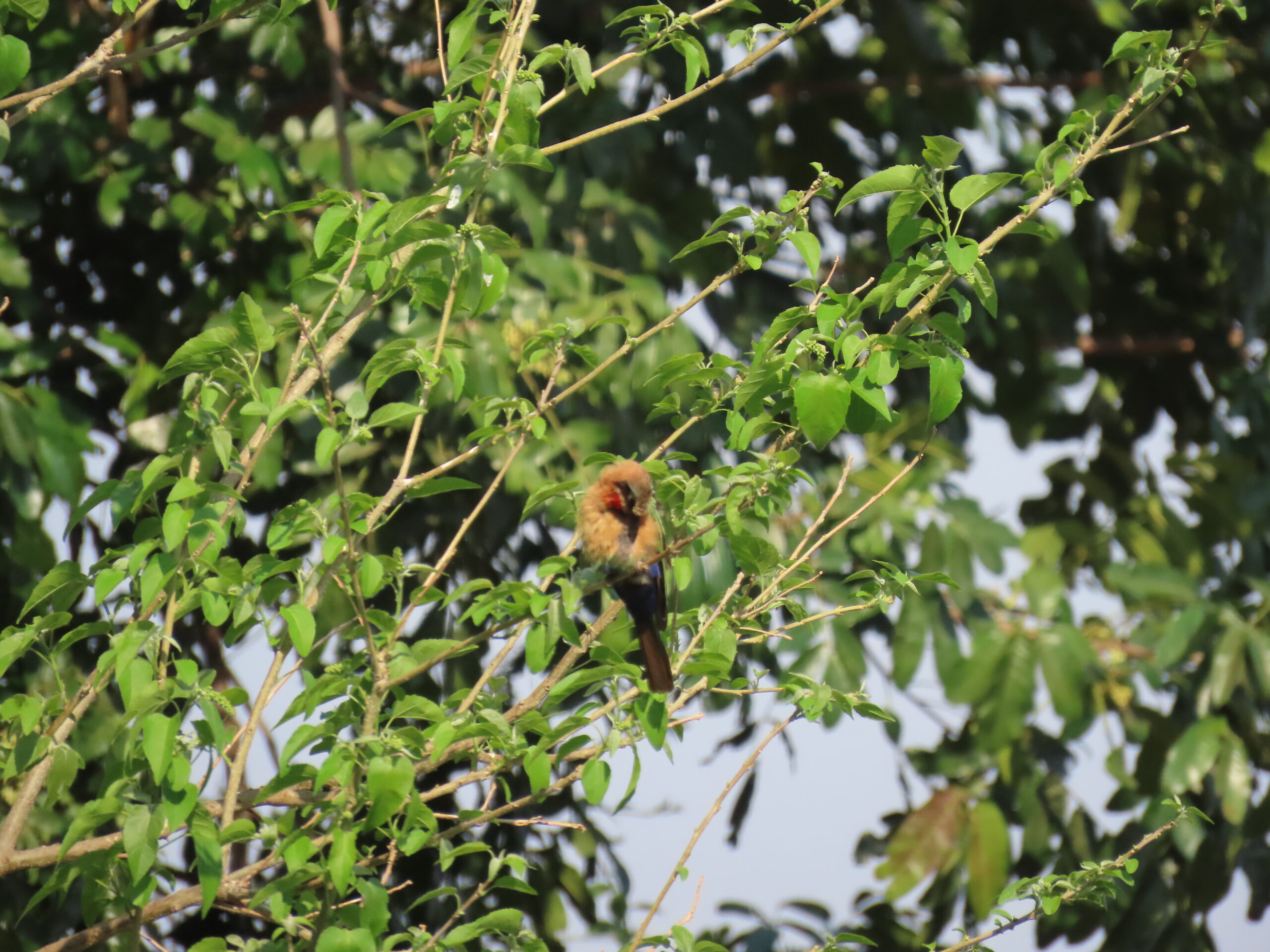
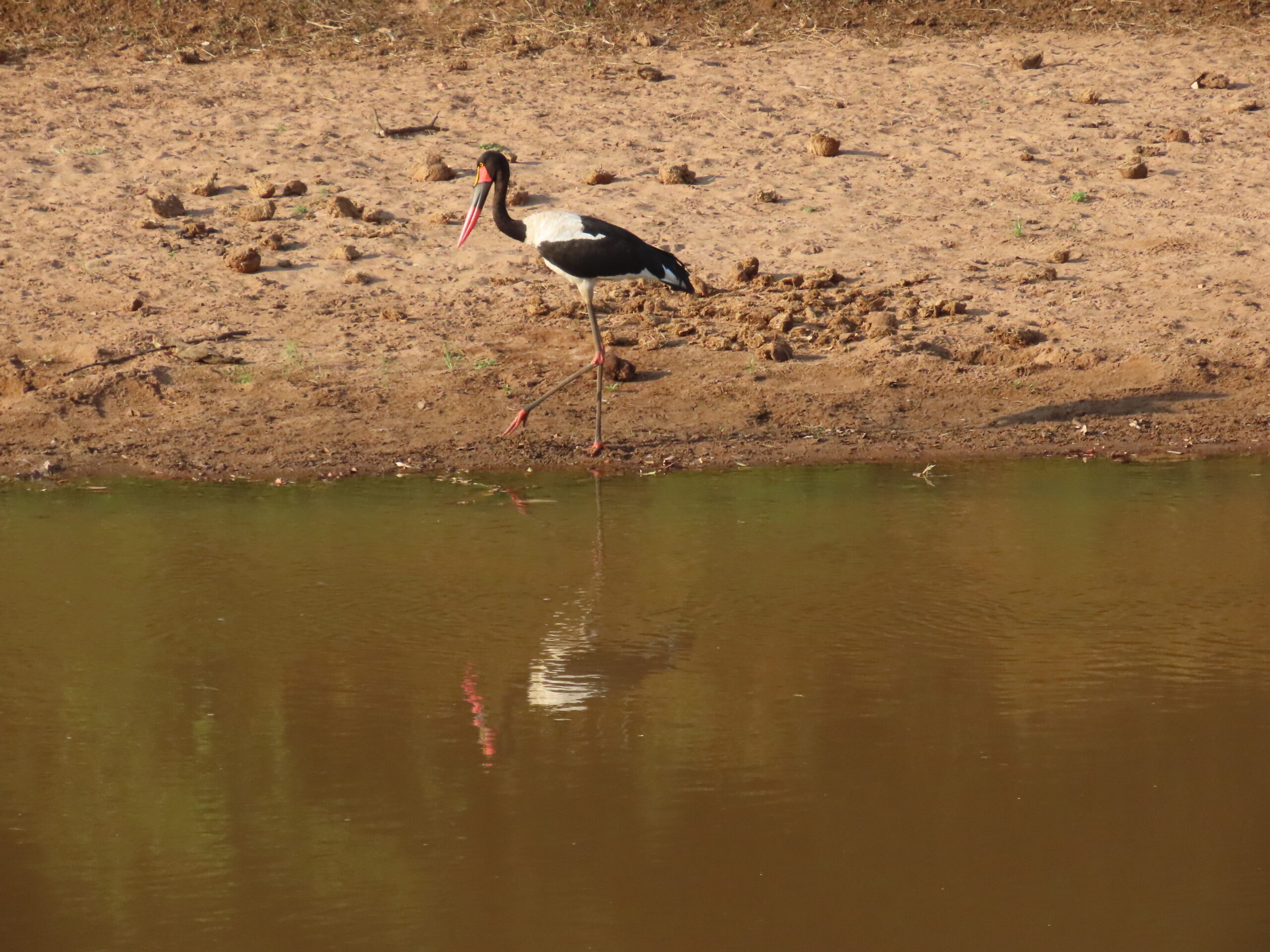
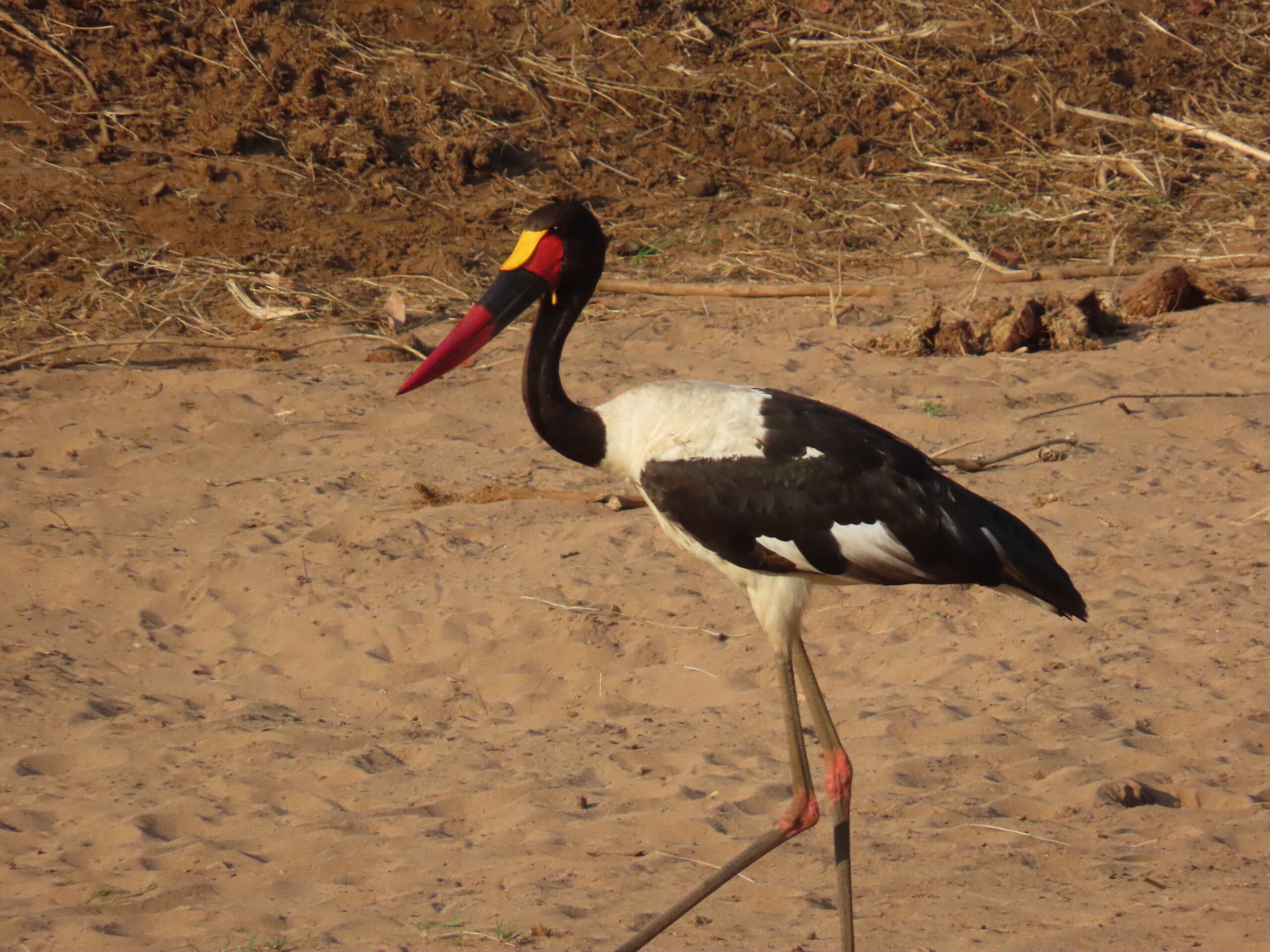
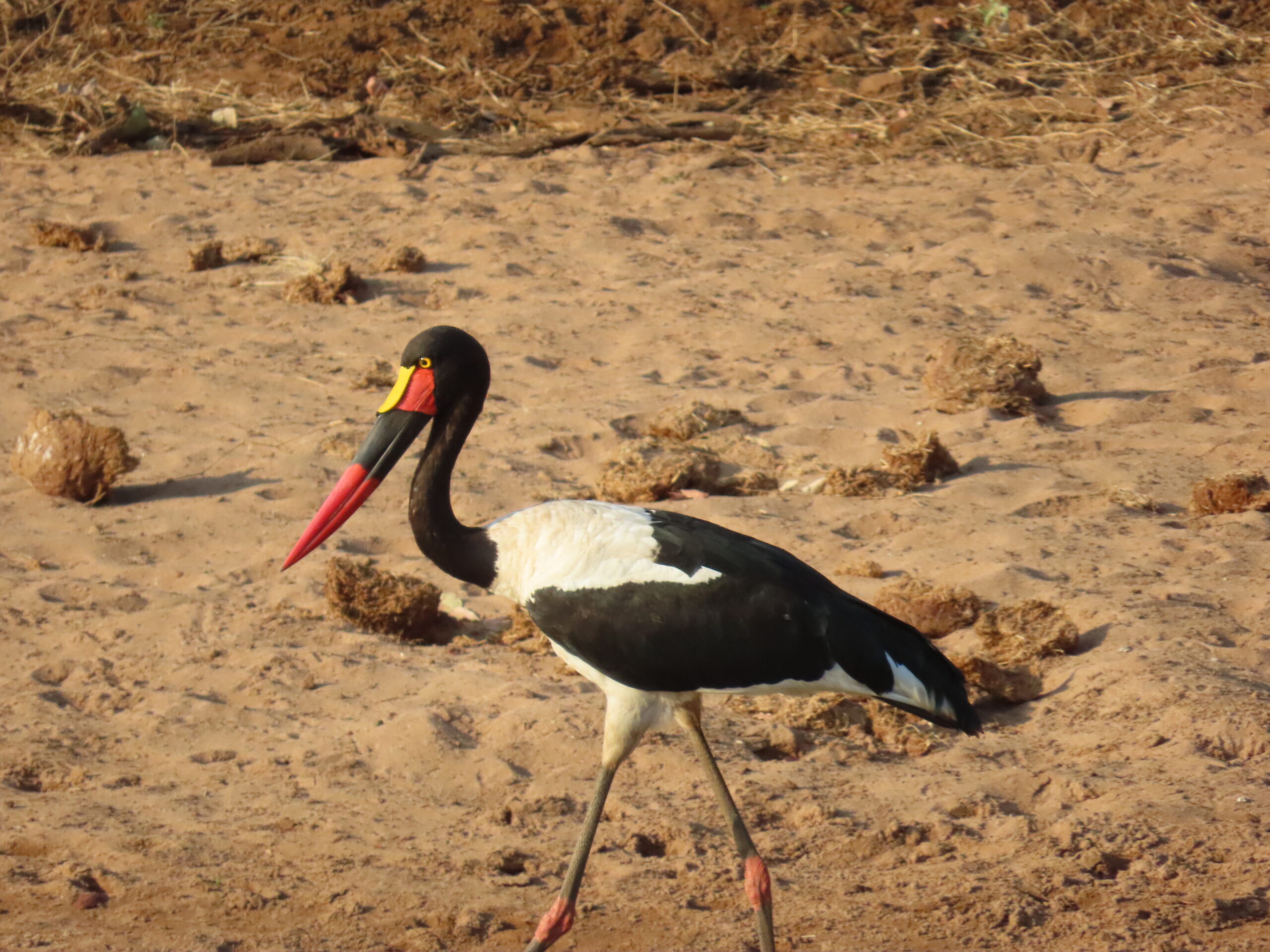
In mid-afternoon, we climbed back in the vehicle for the pm game drive.

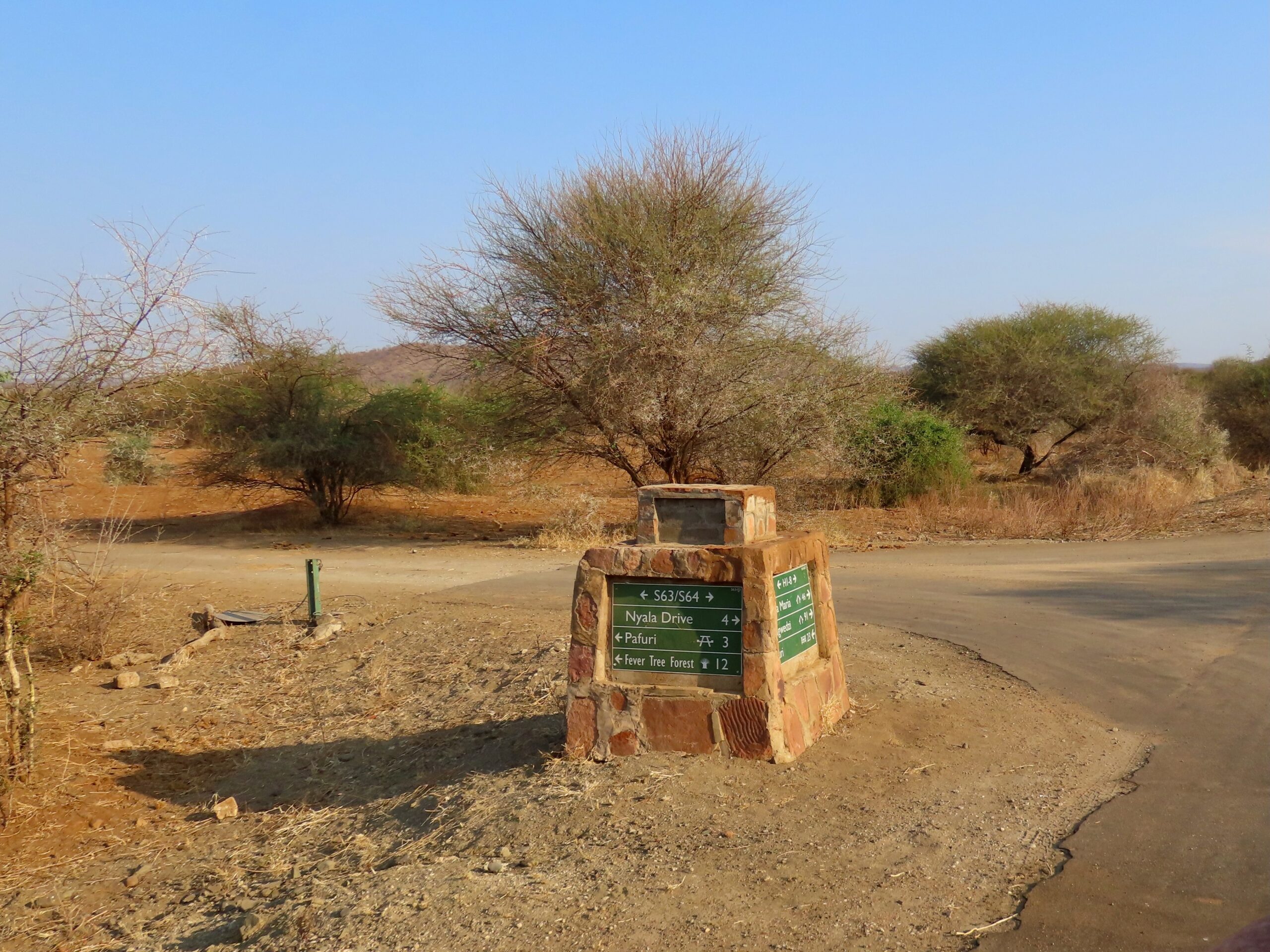
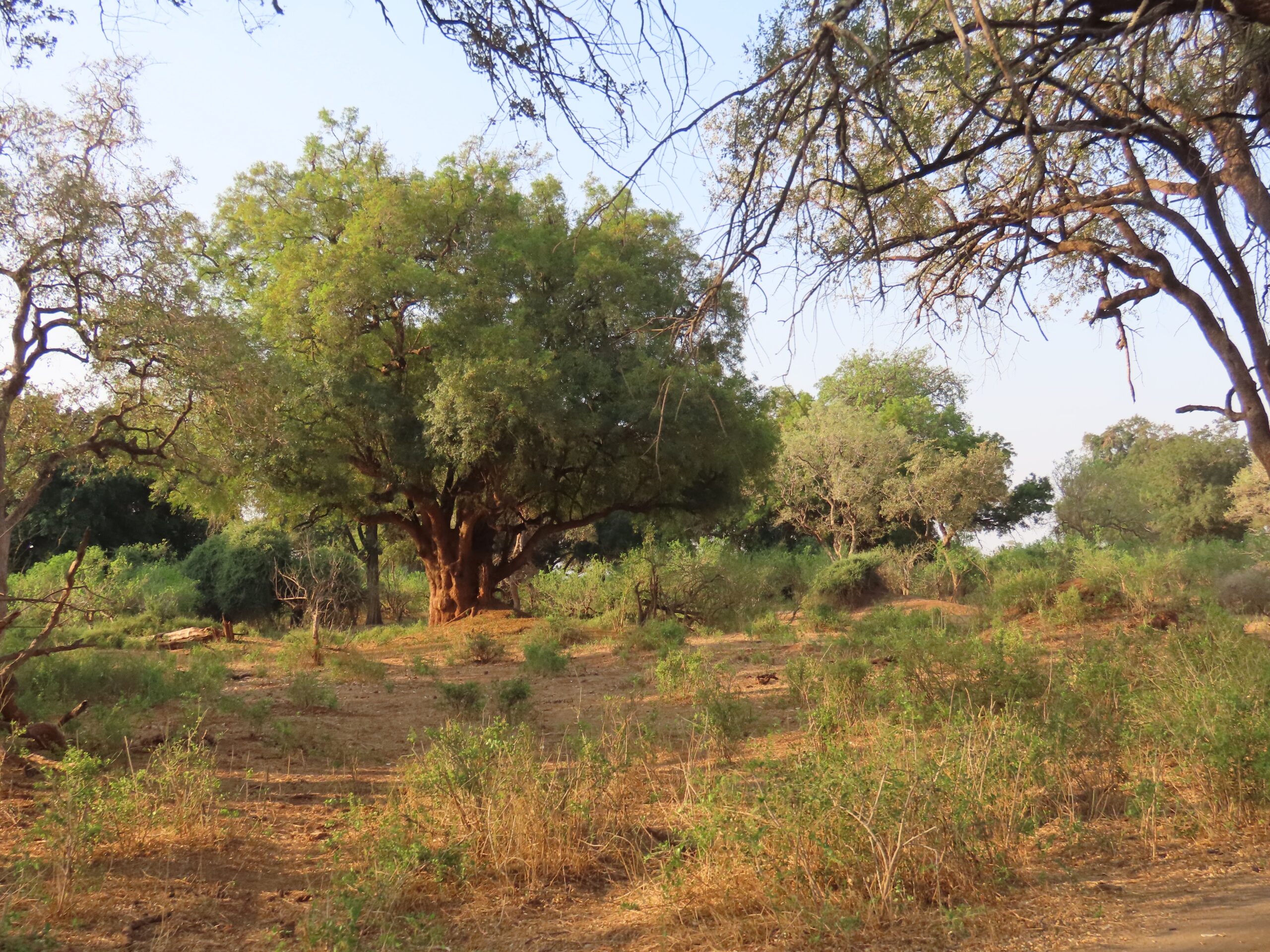
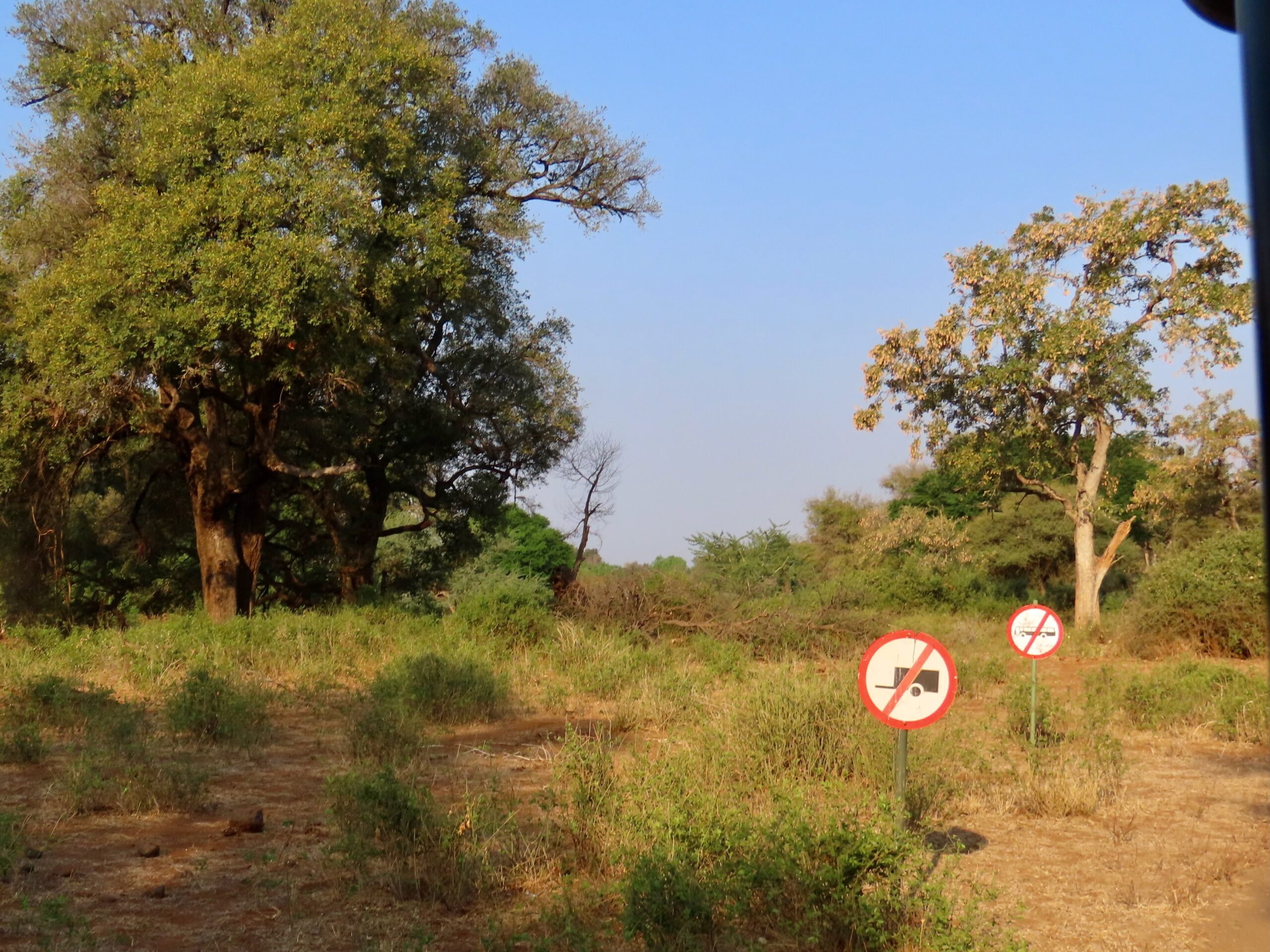
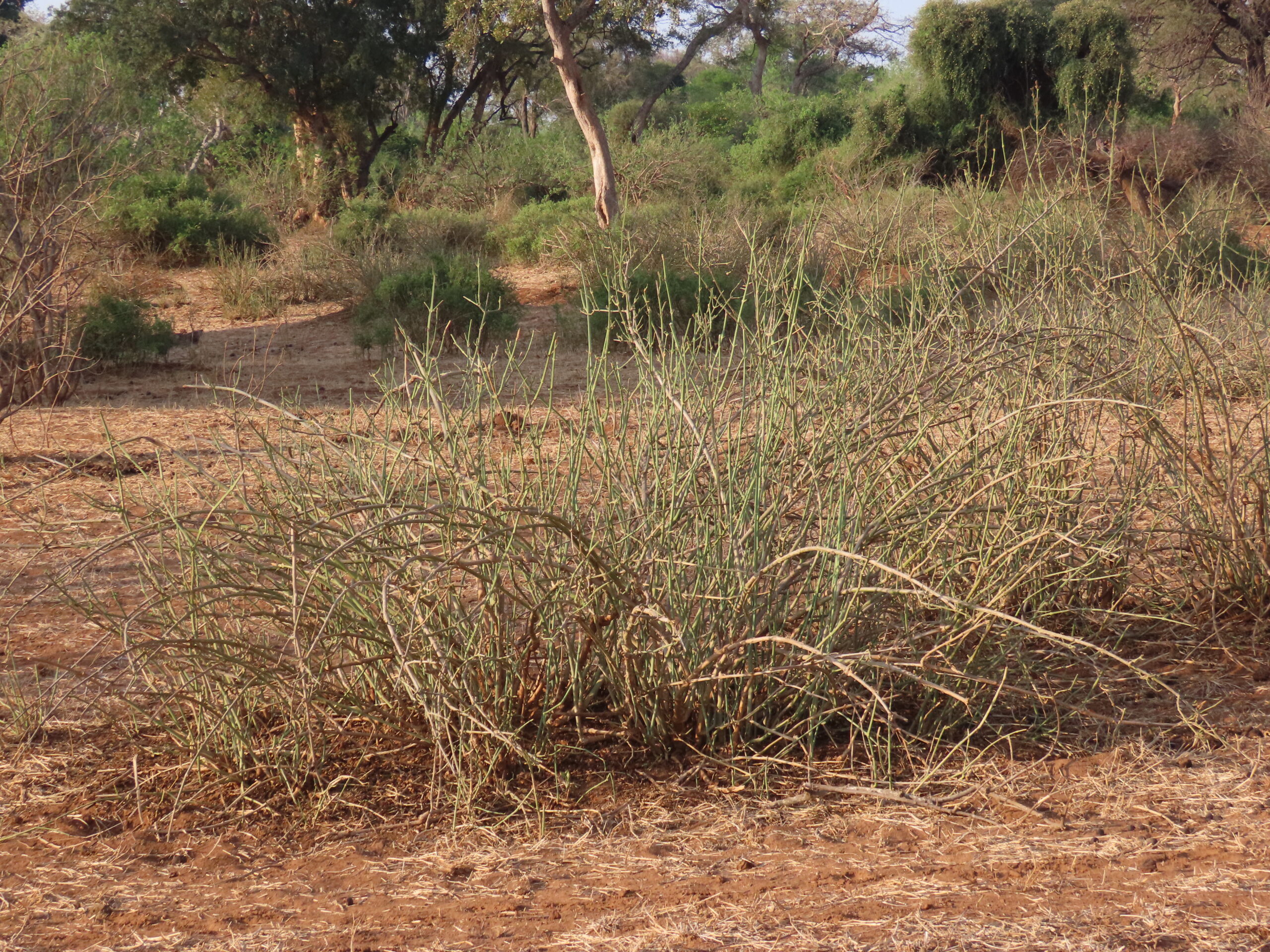
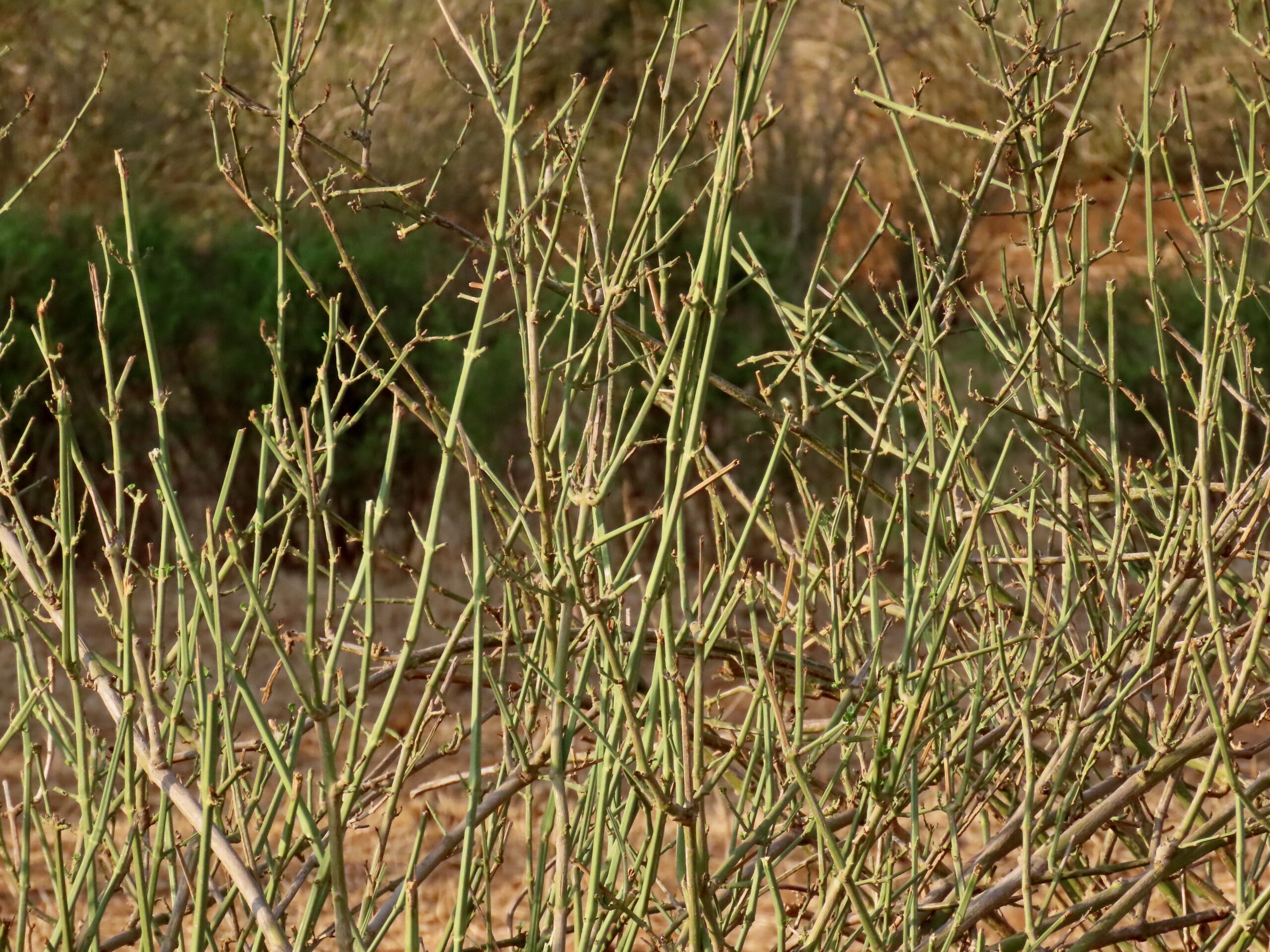
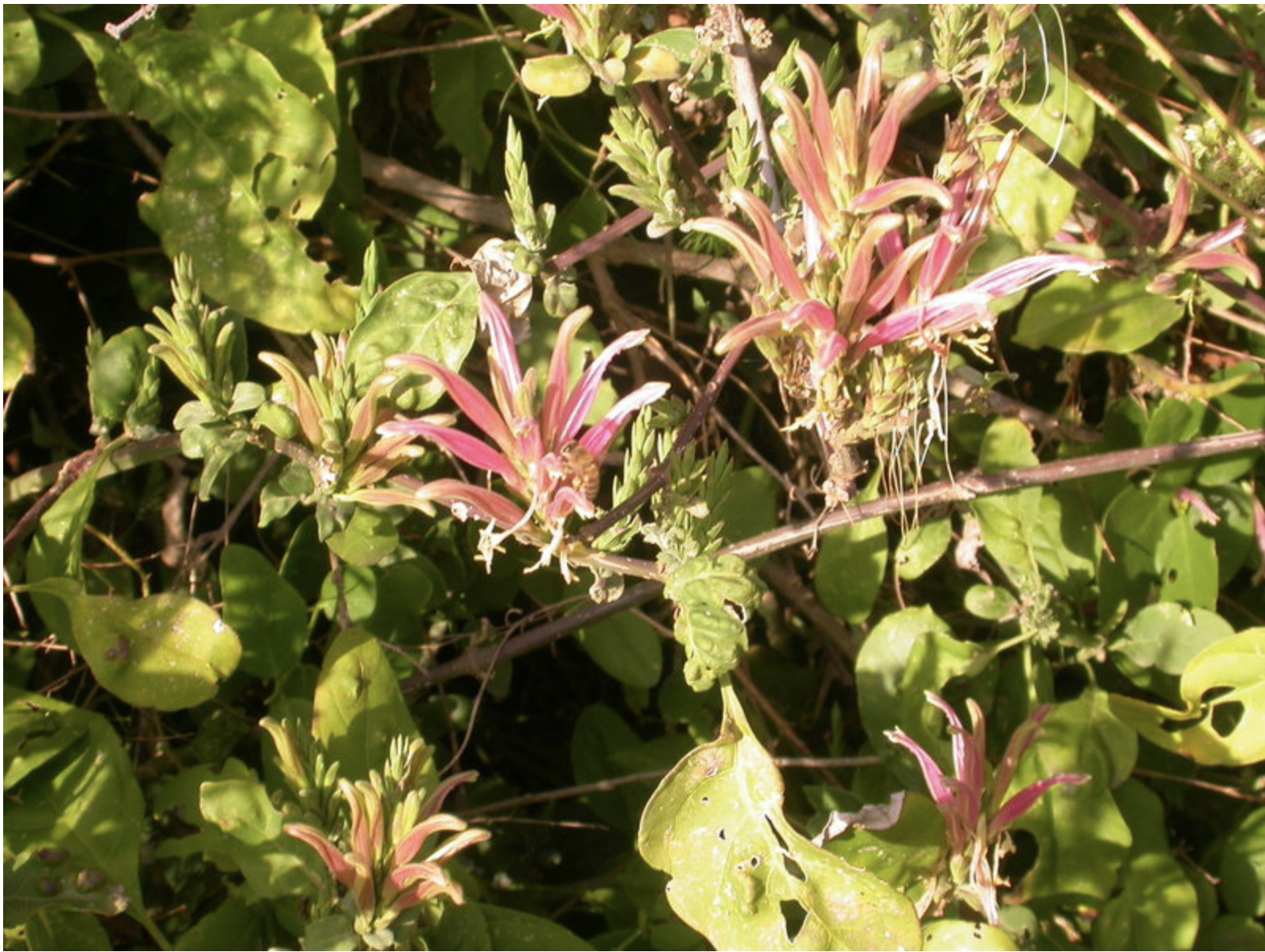
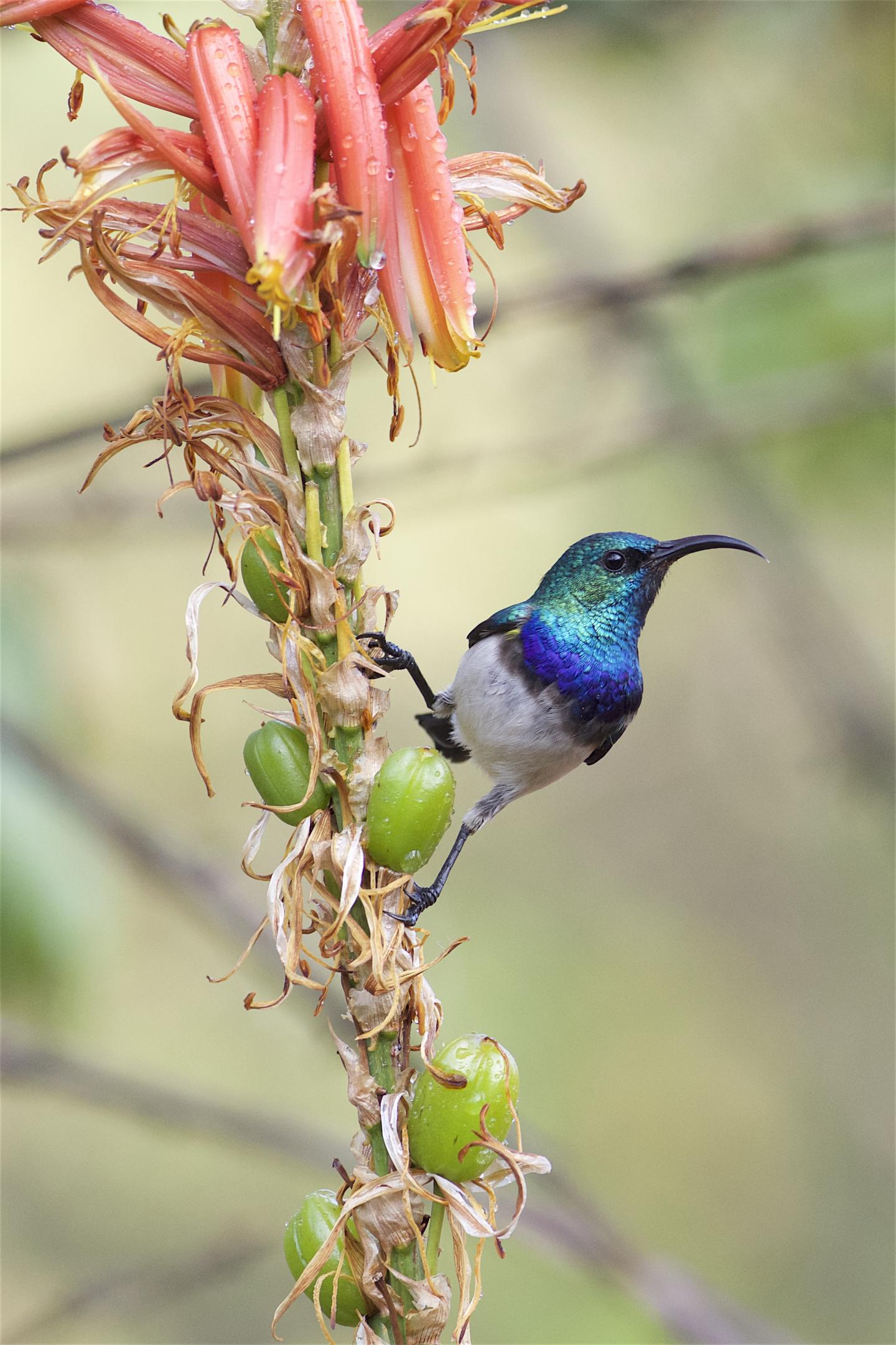
In winter, the bushes’ blooms are covered with sunbirds.
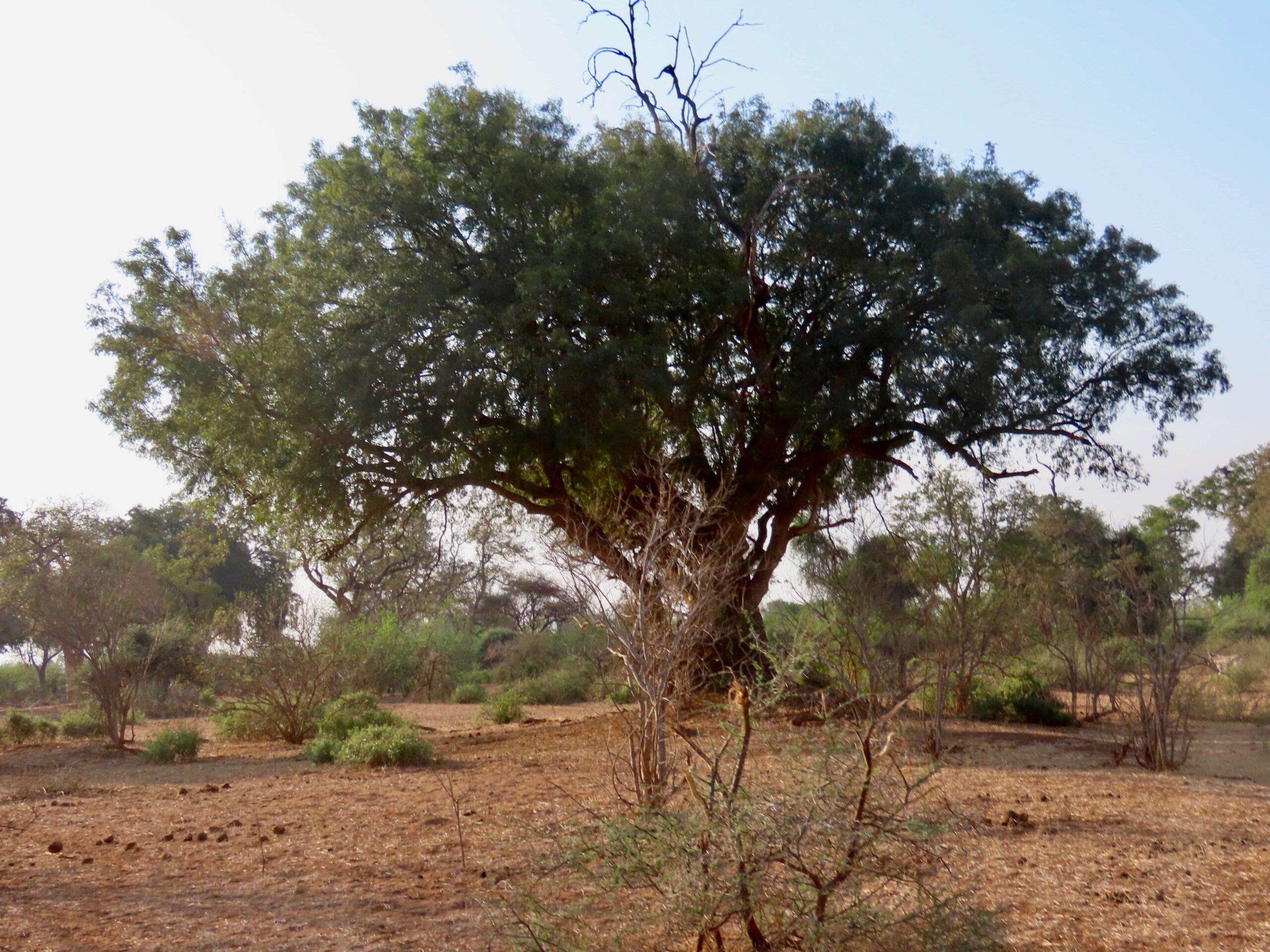
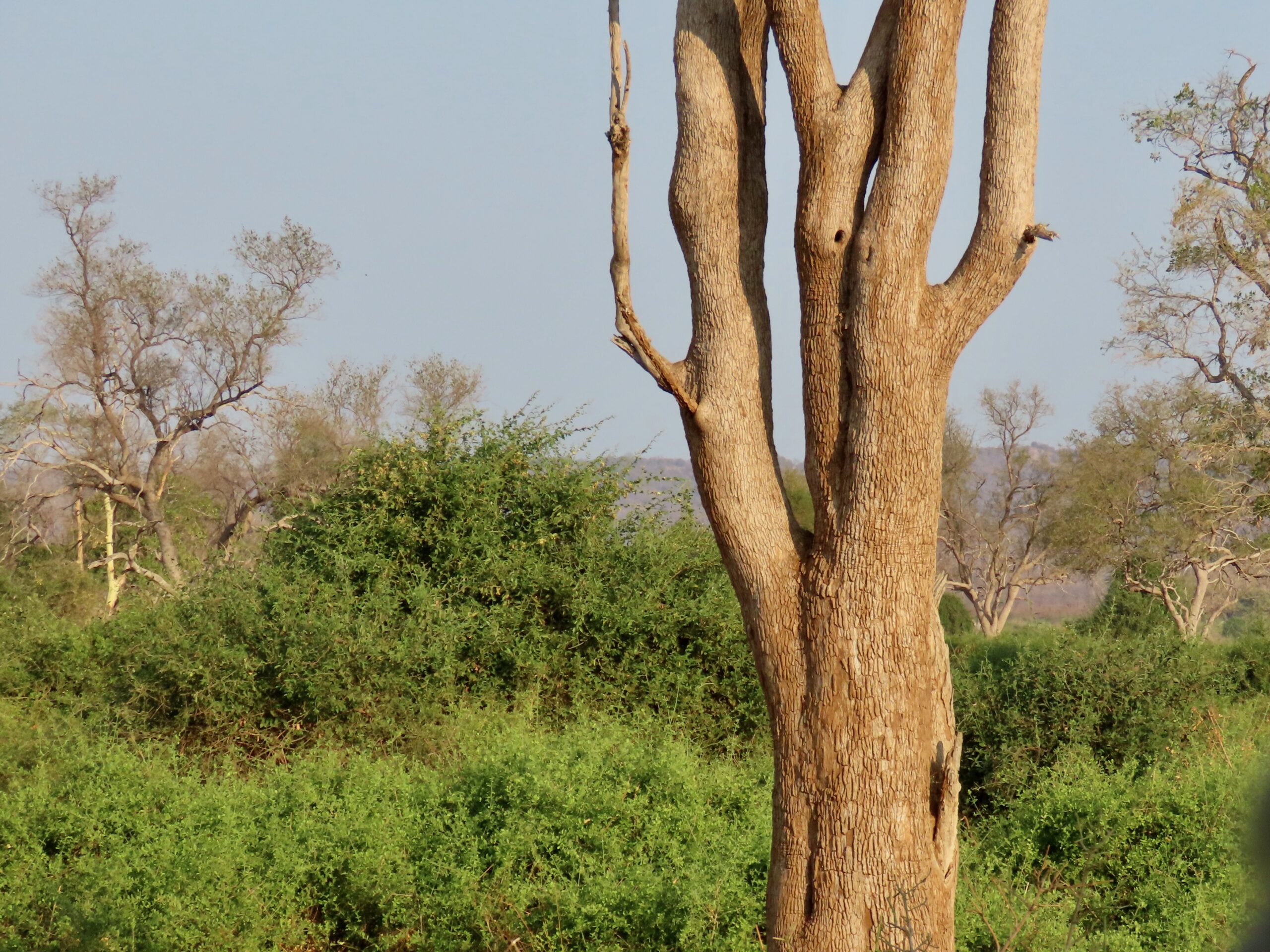
Borers can’t get in, so the trees can stand for 1000 years alive and another 1000 years dead.
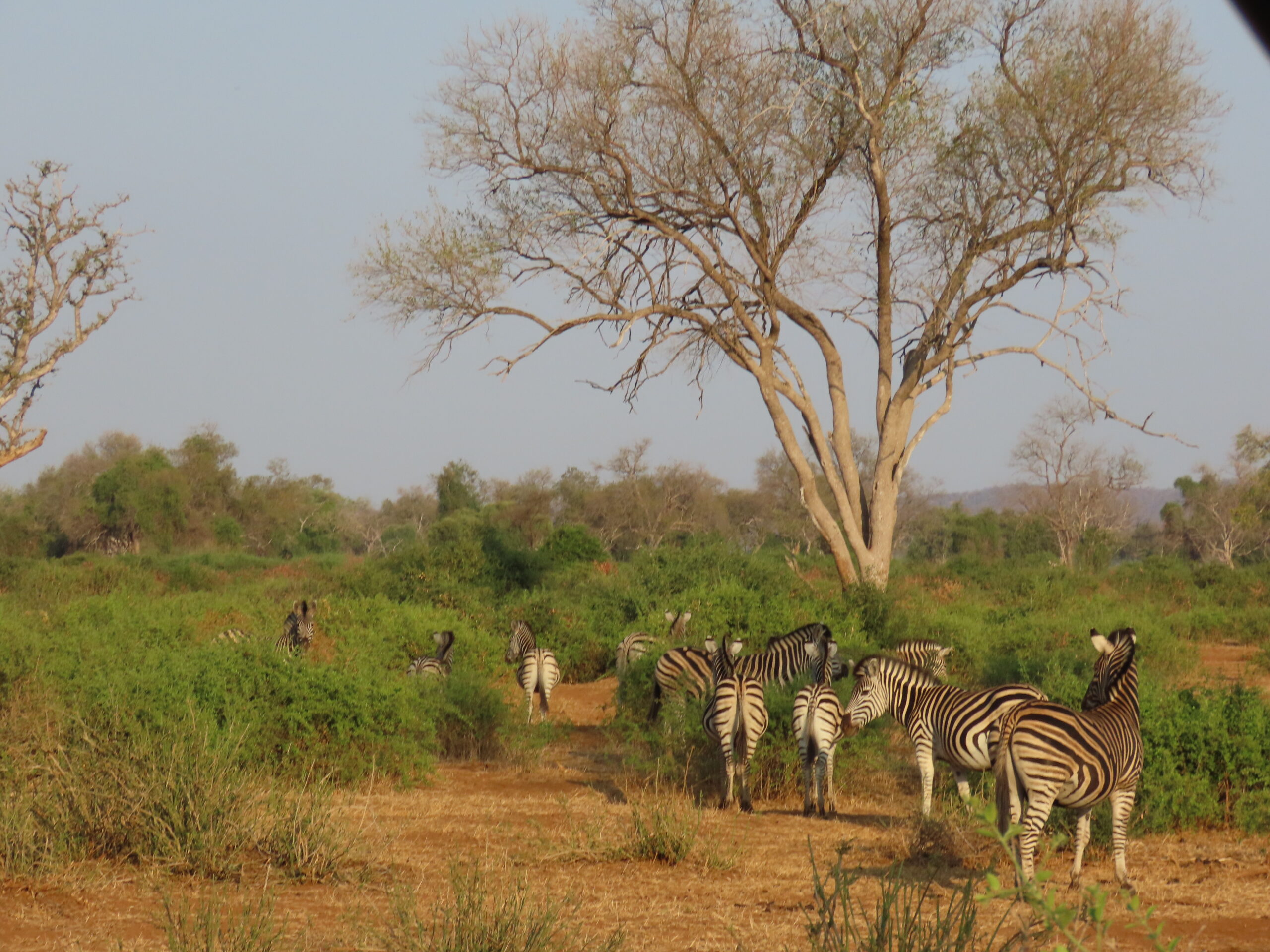
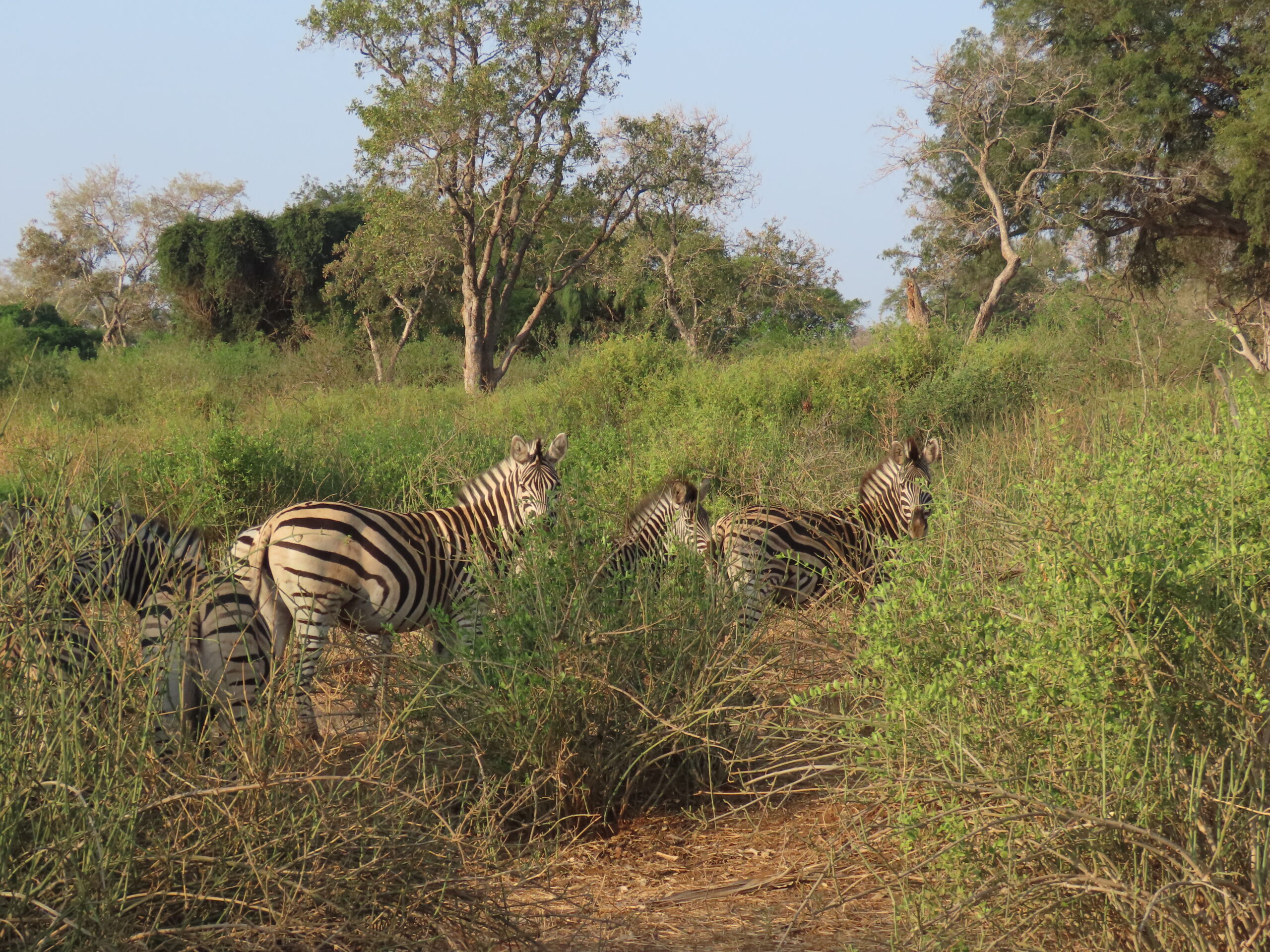
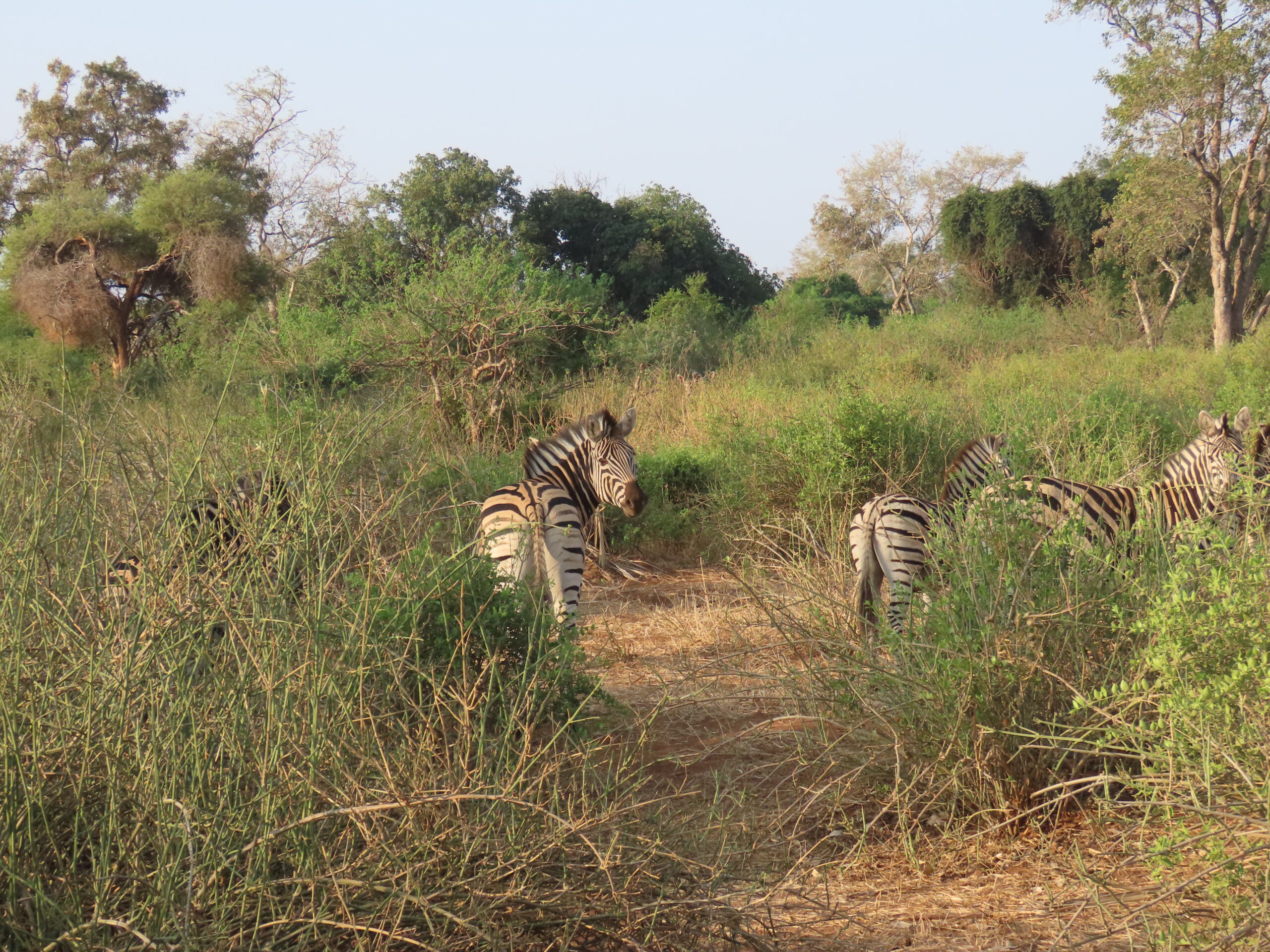
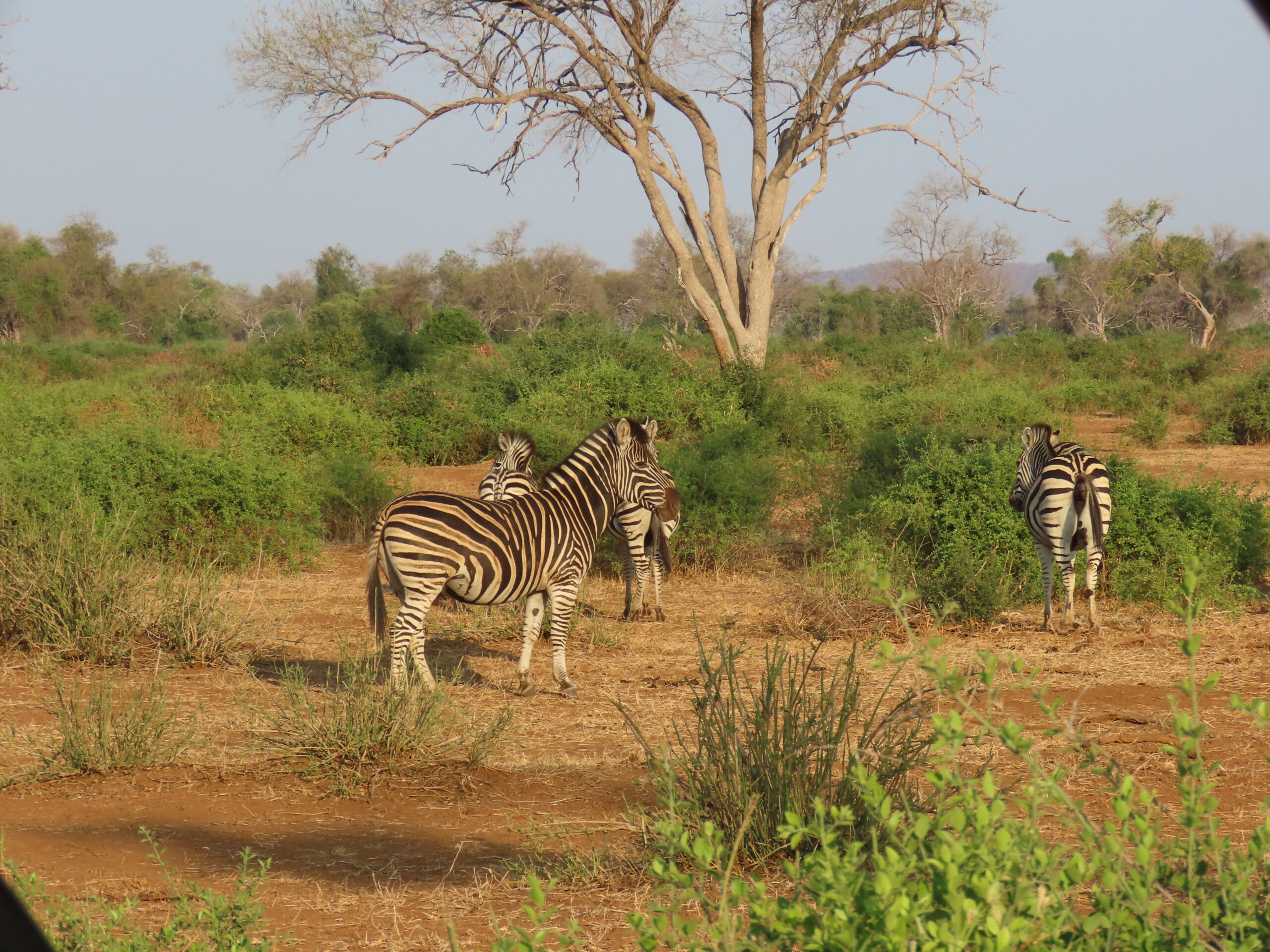
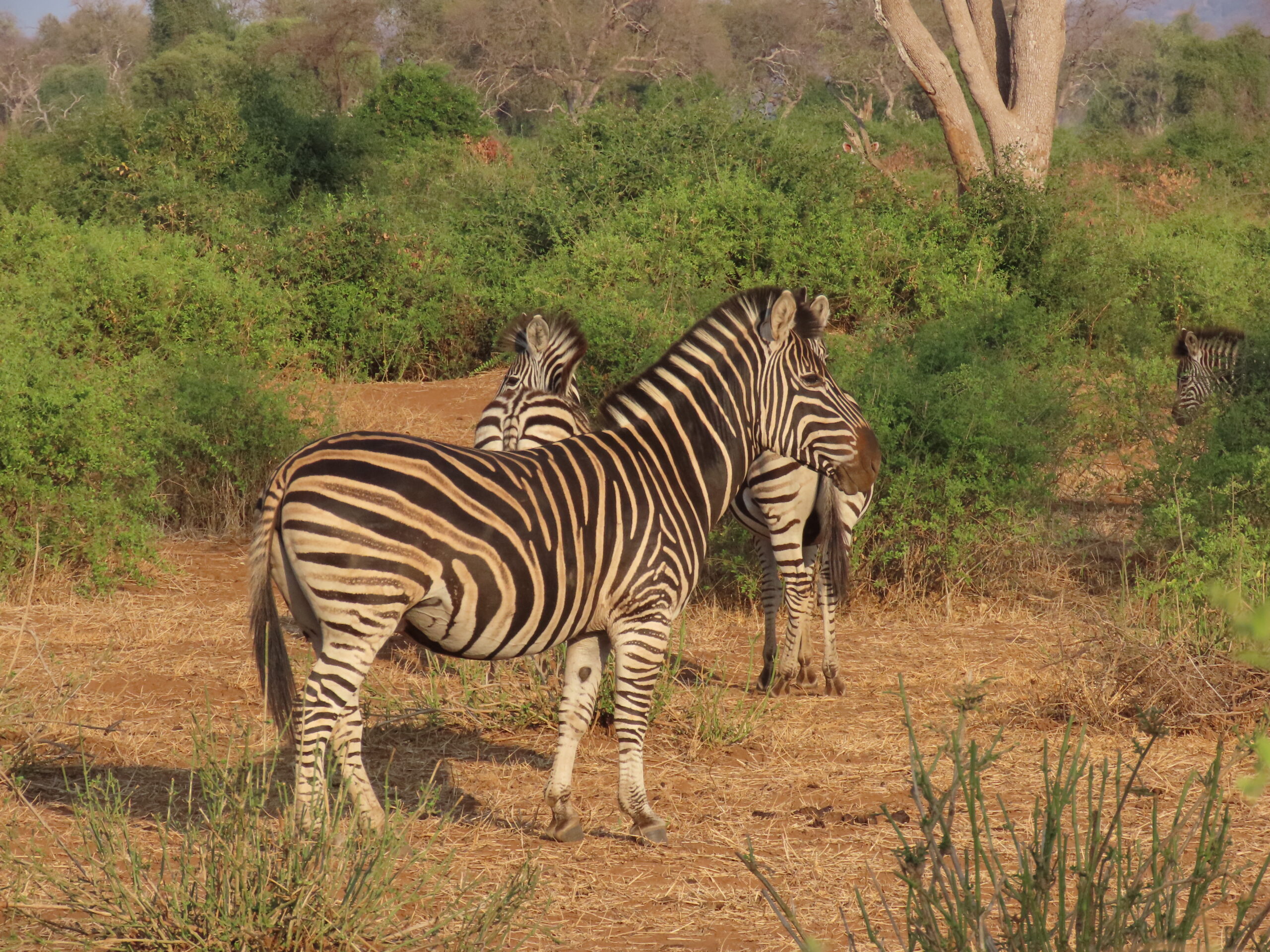
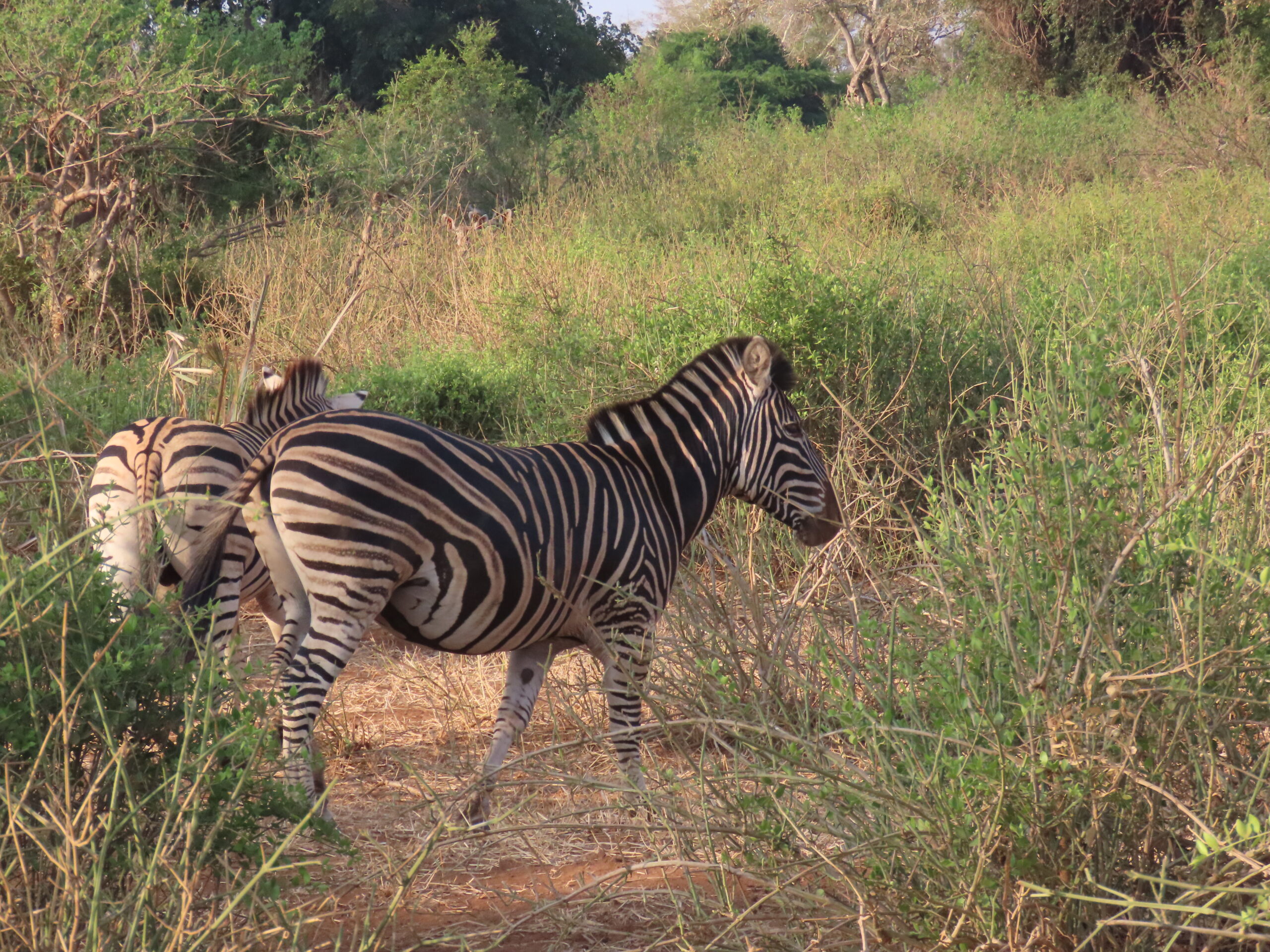

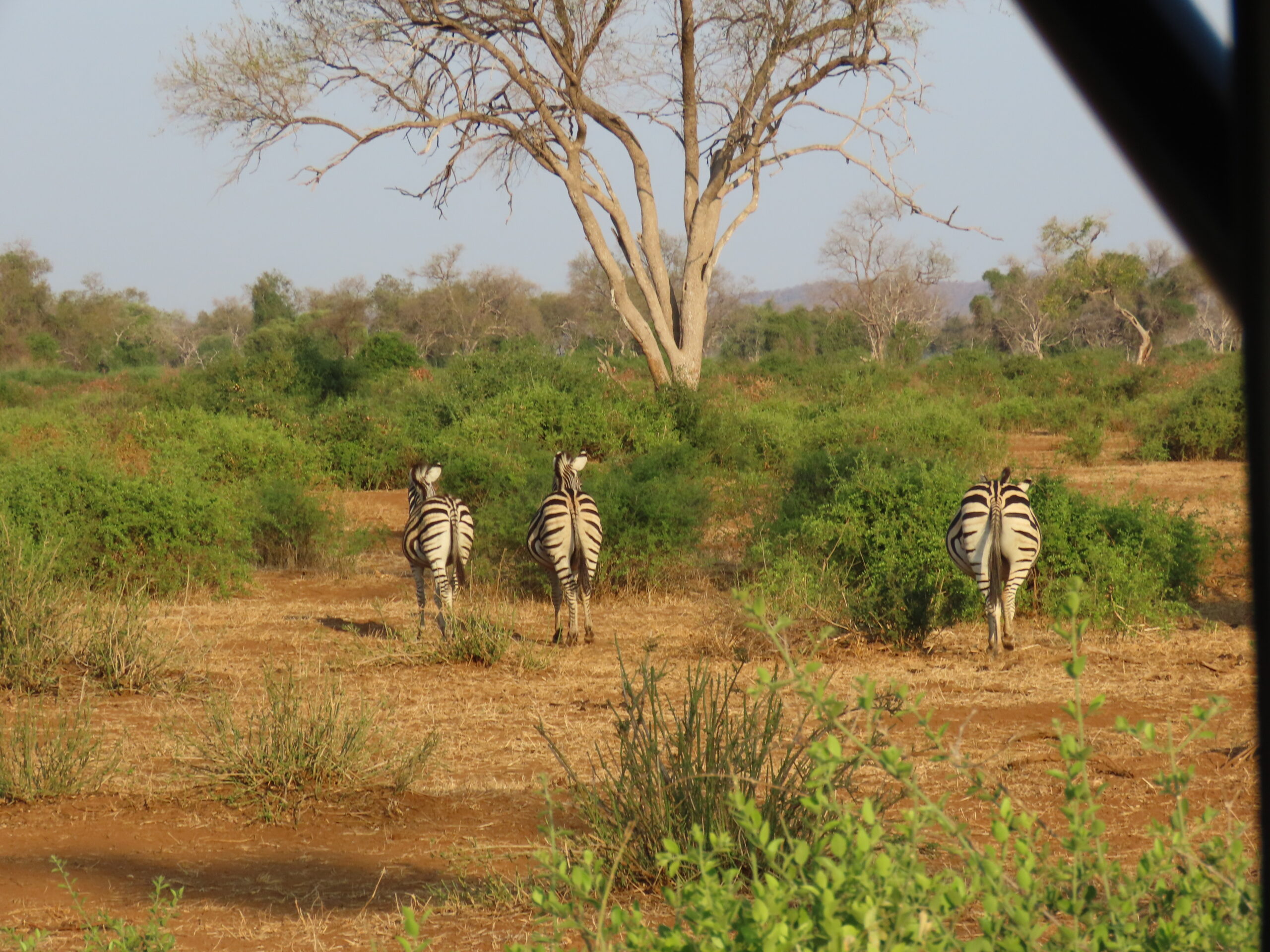
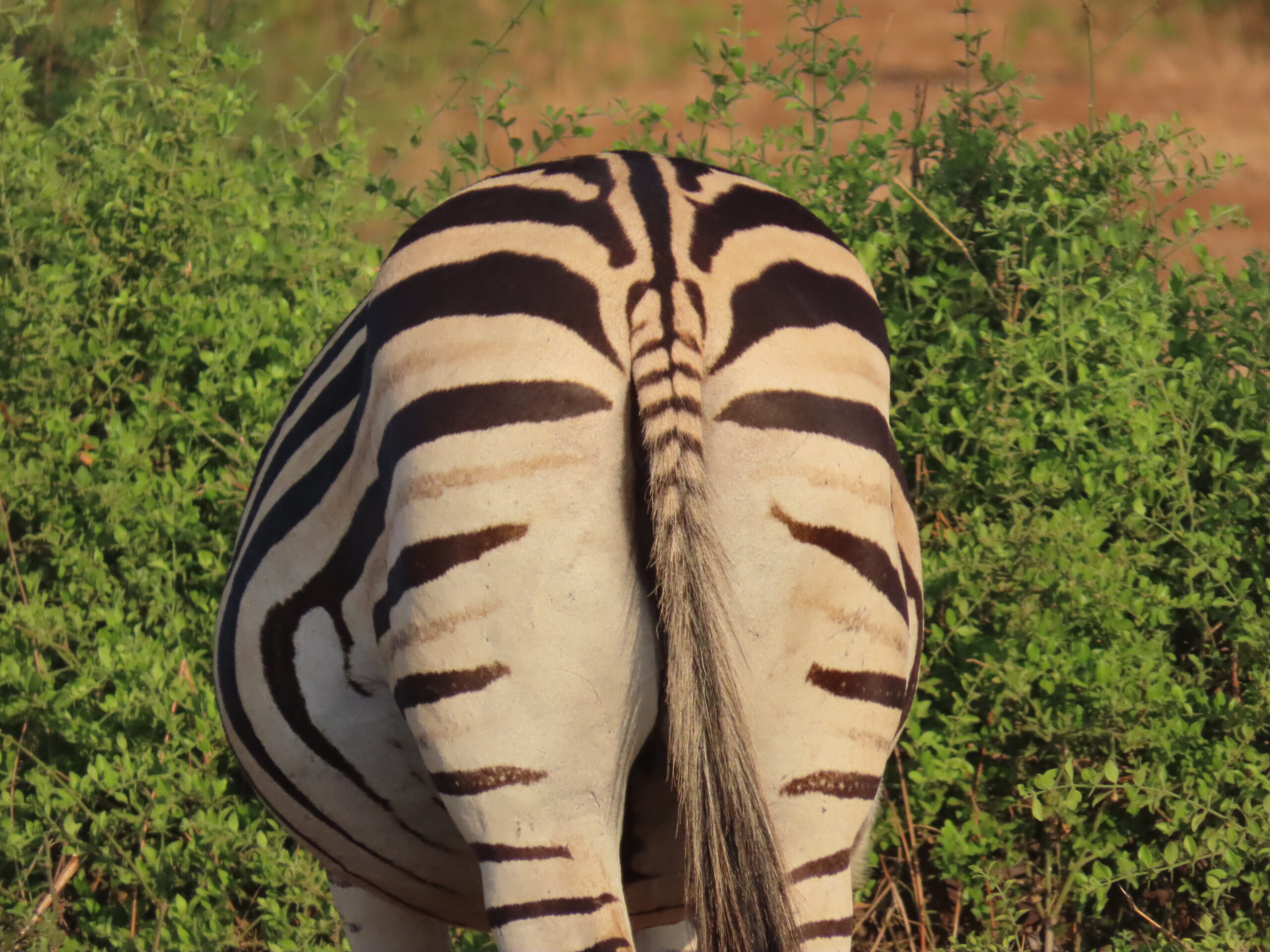
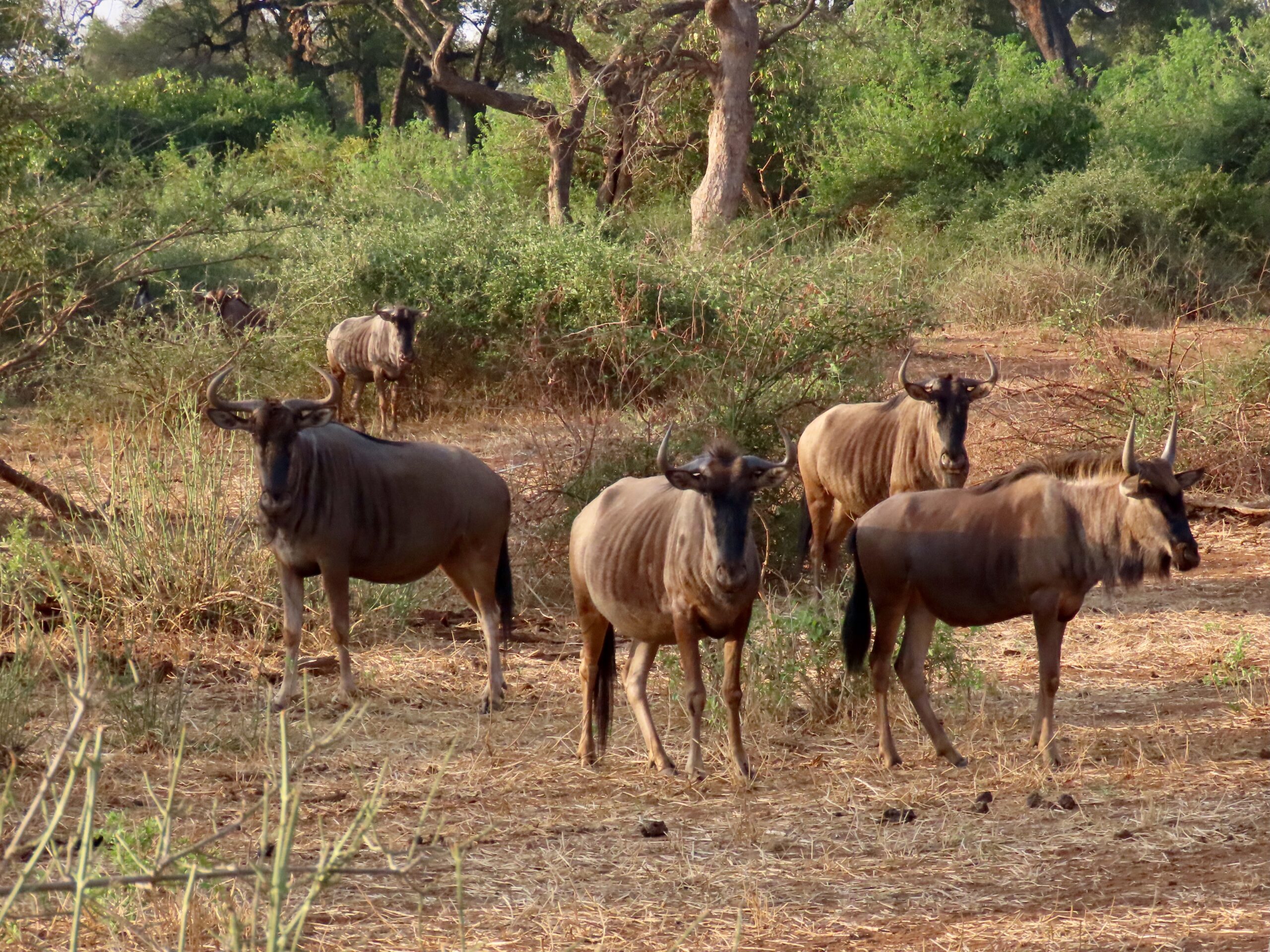
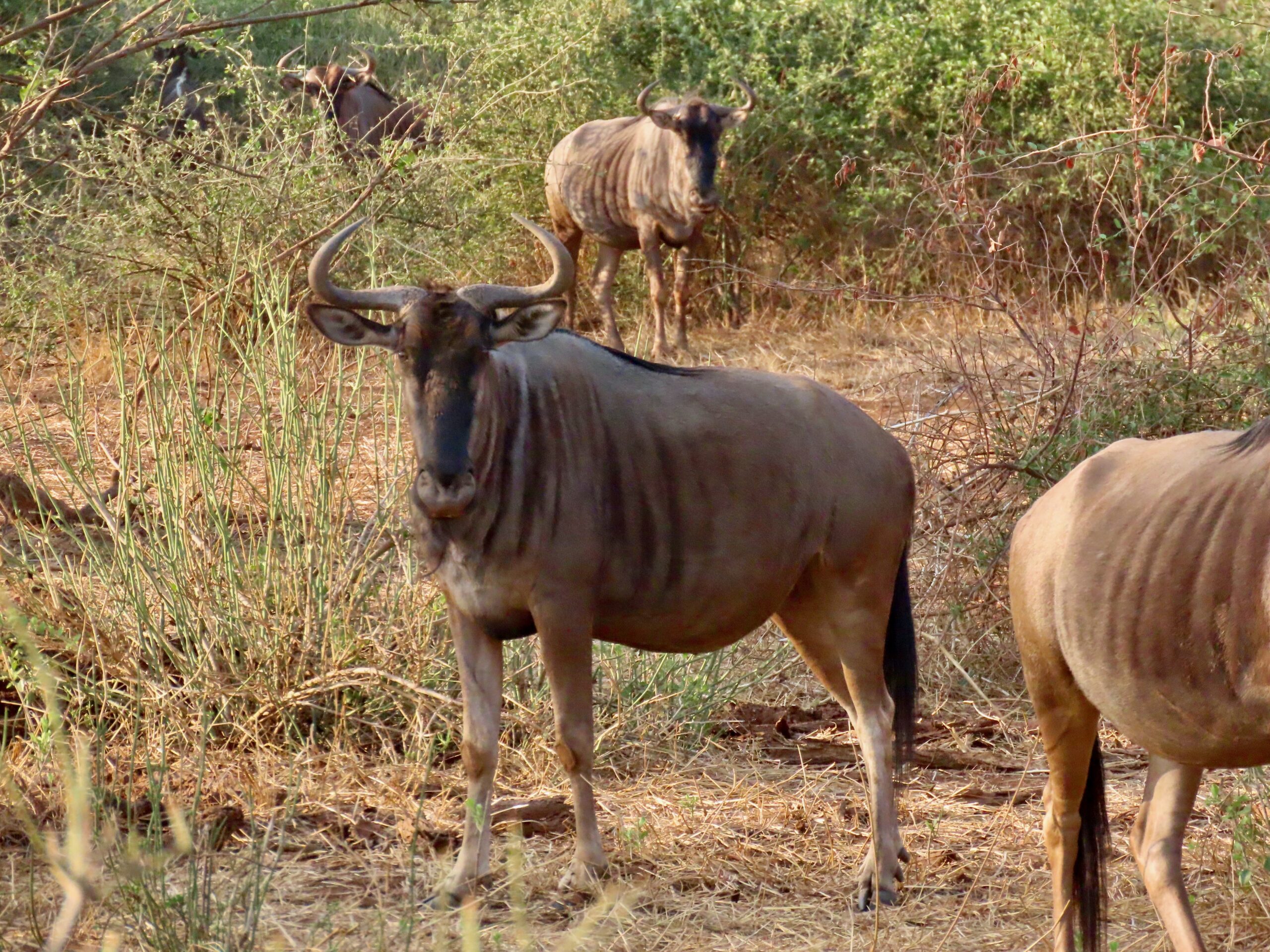
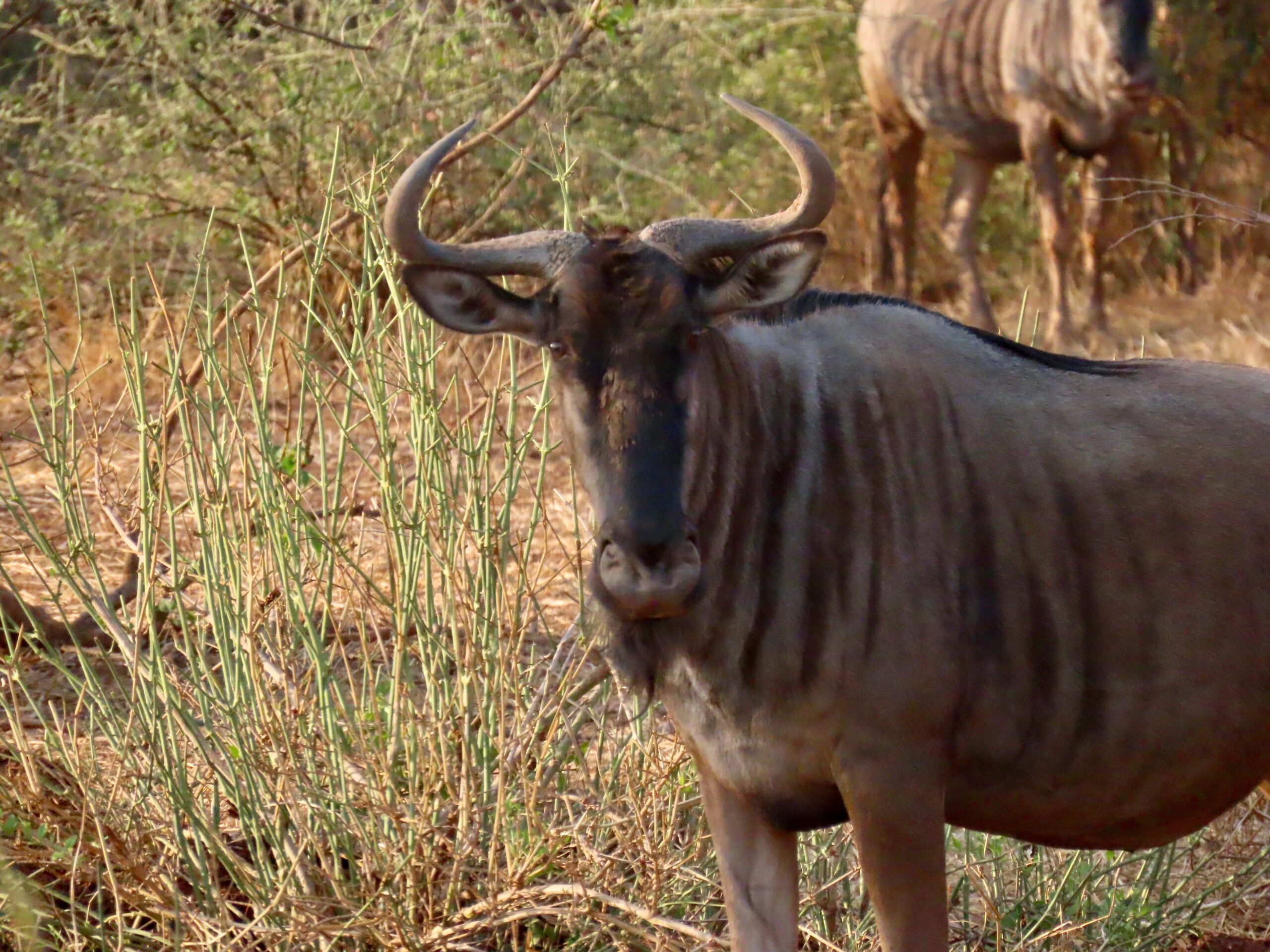
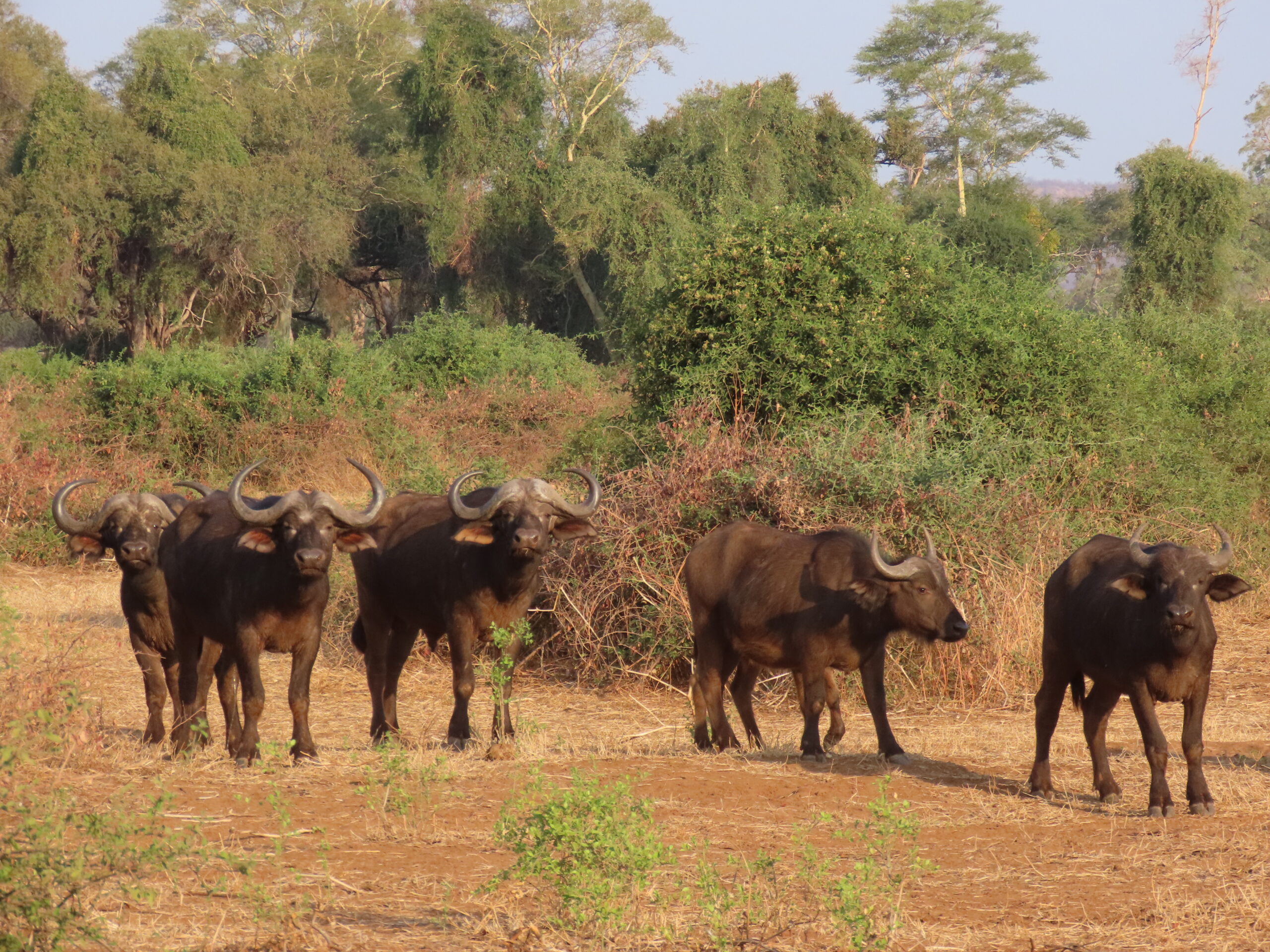
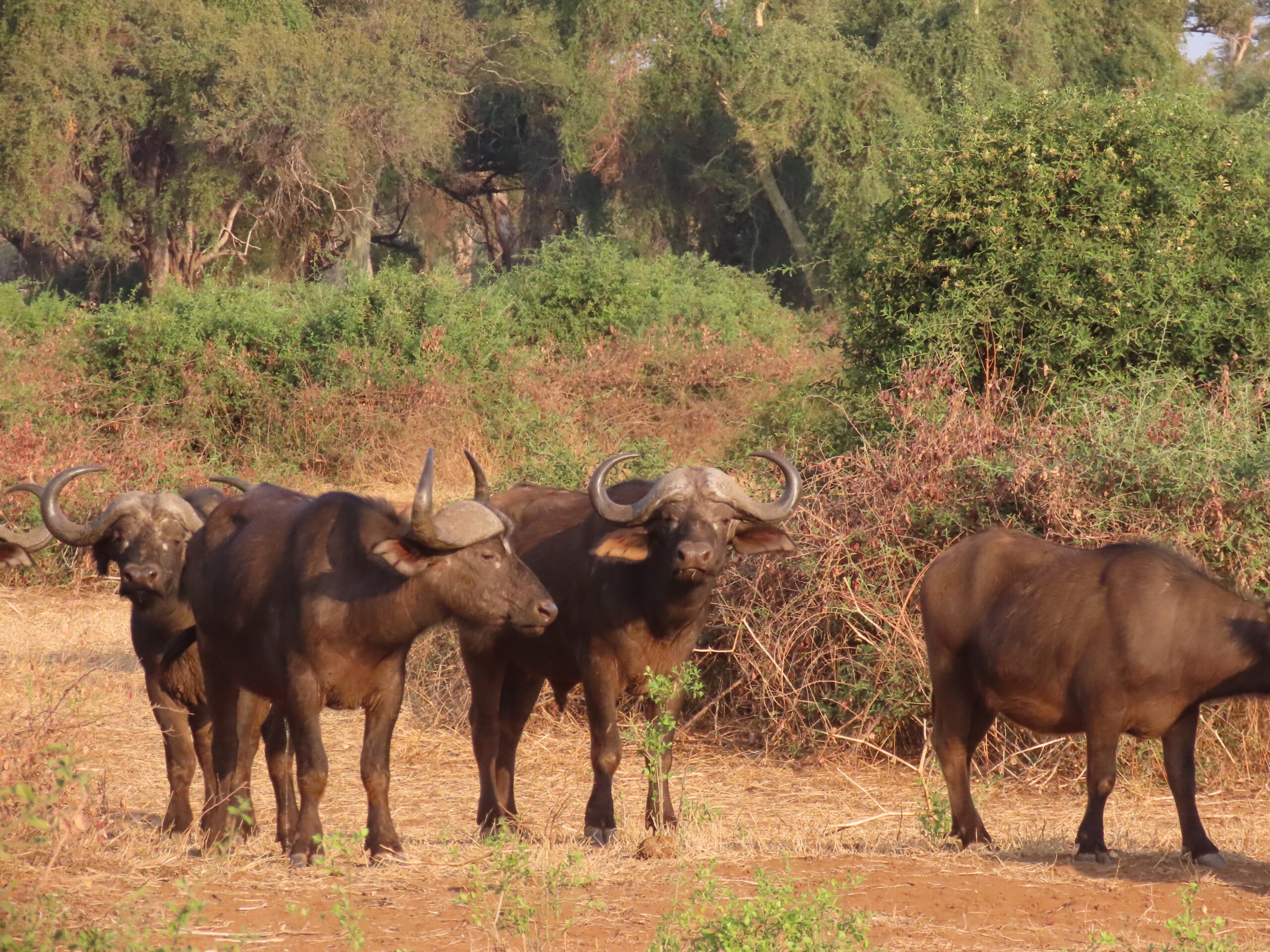
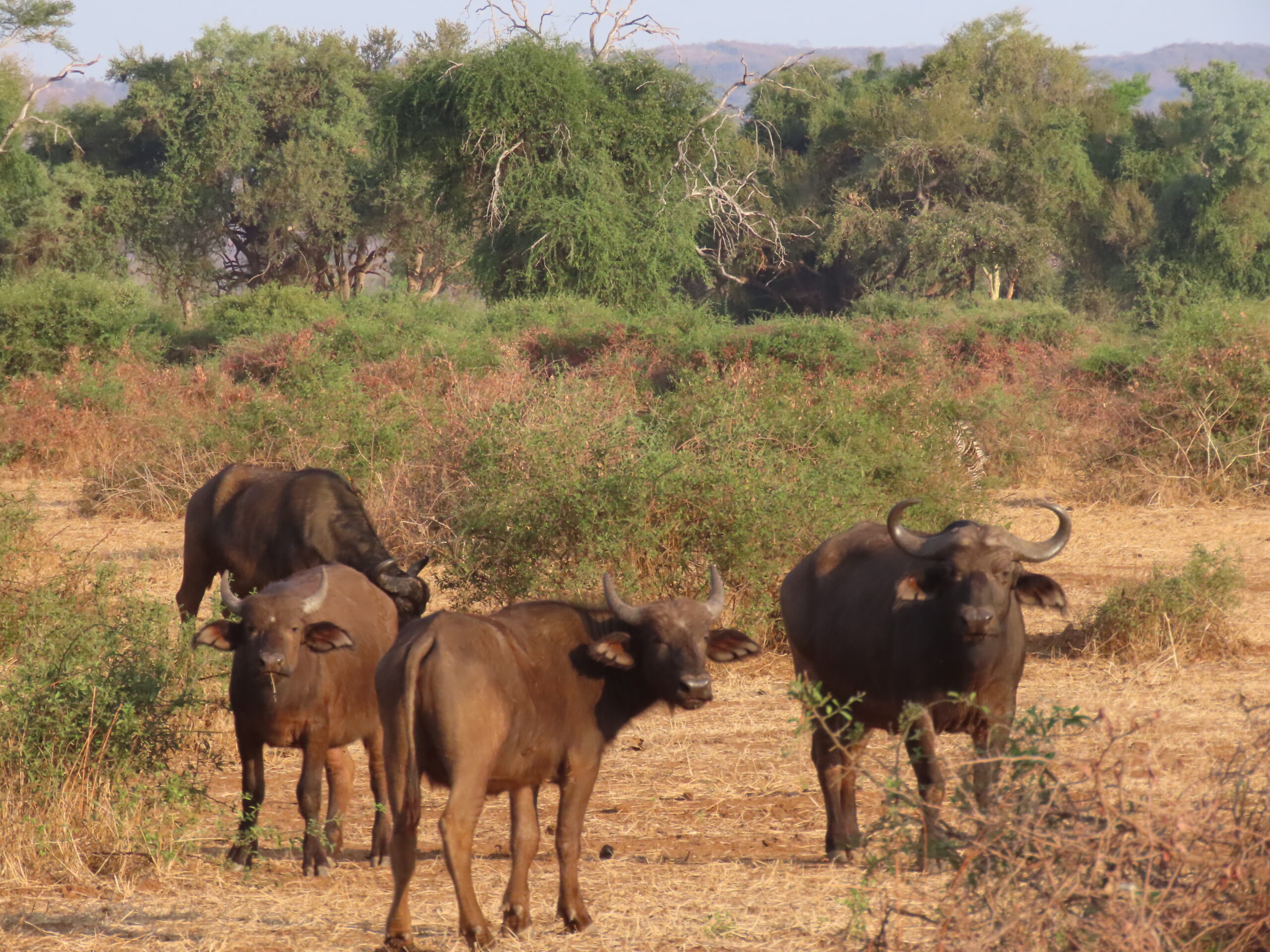
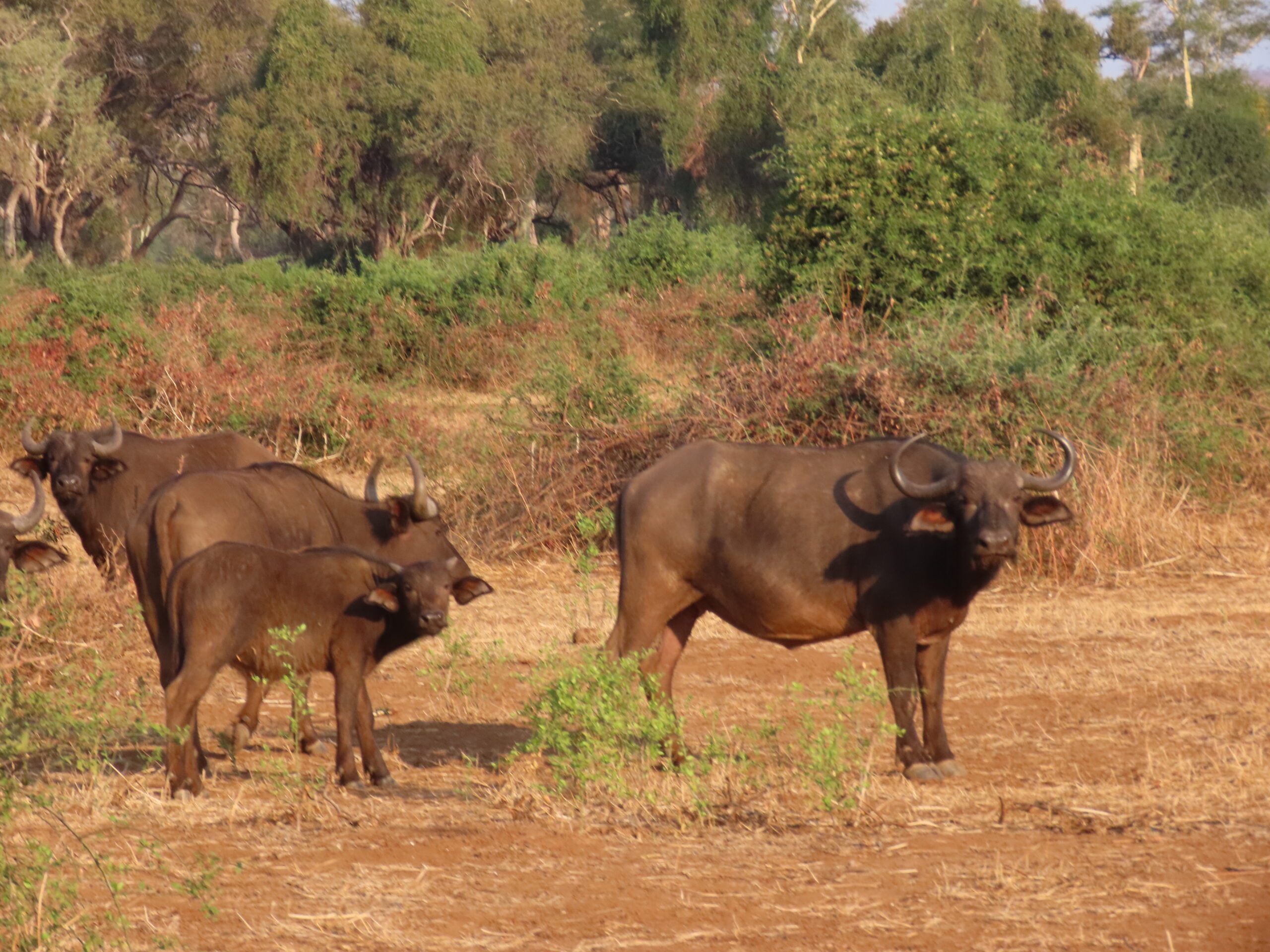
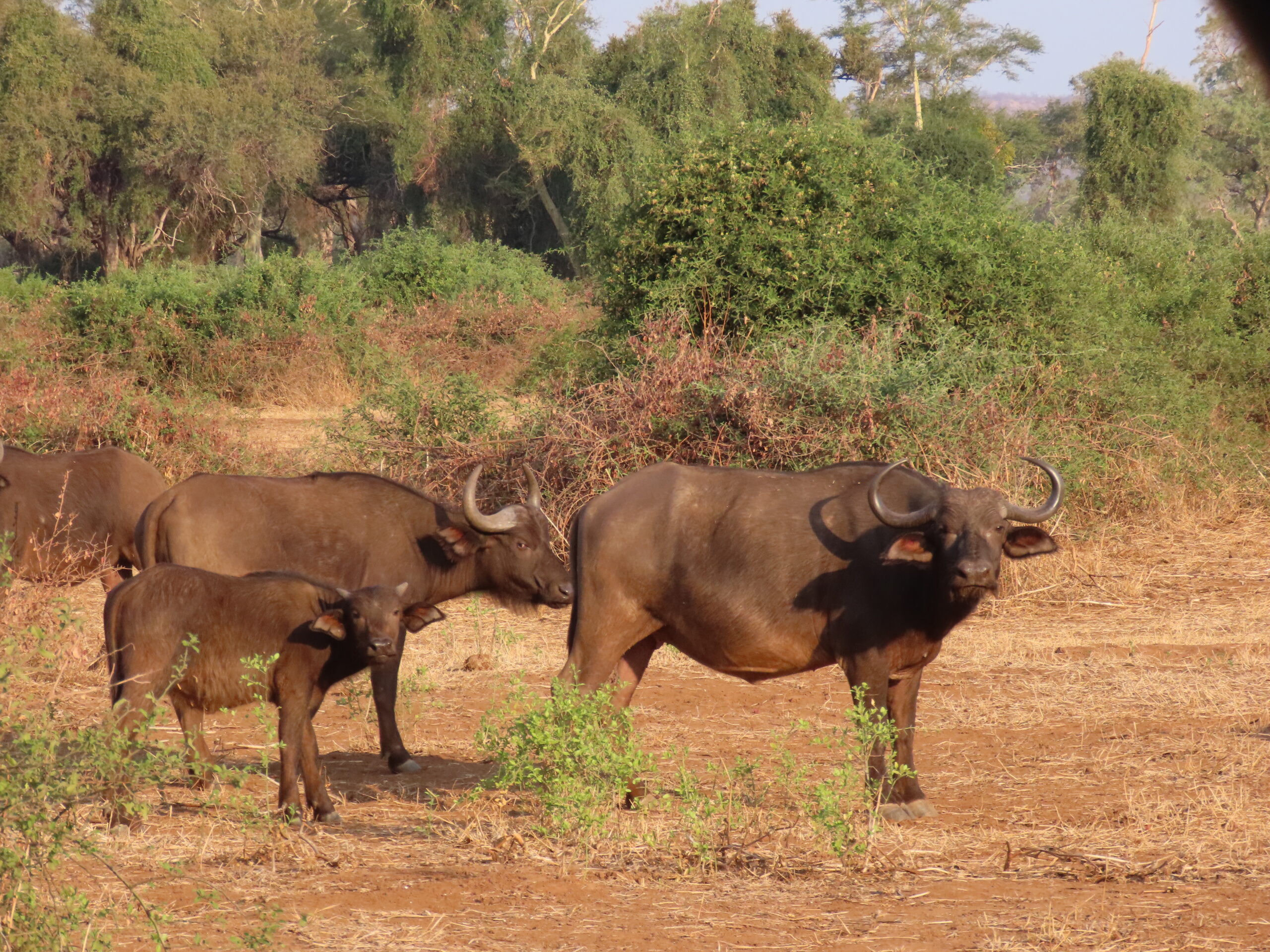
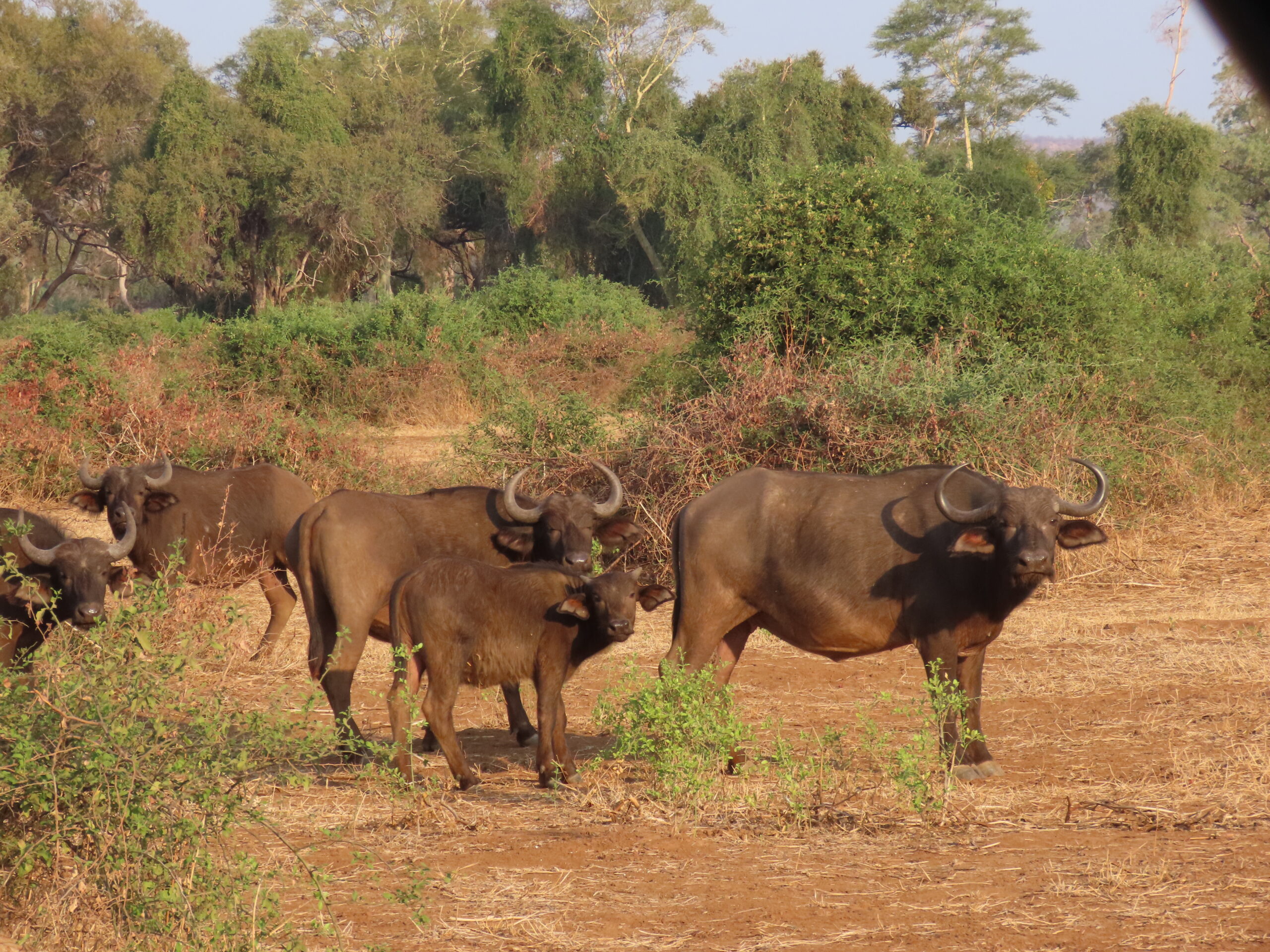
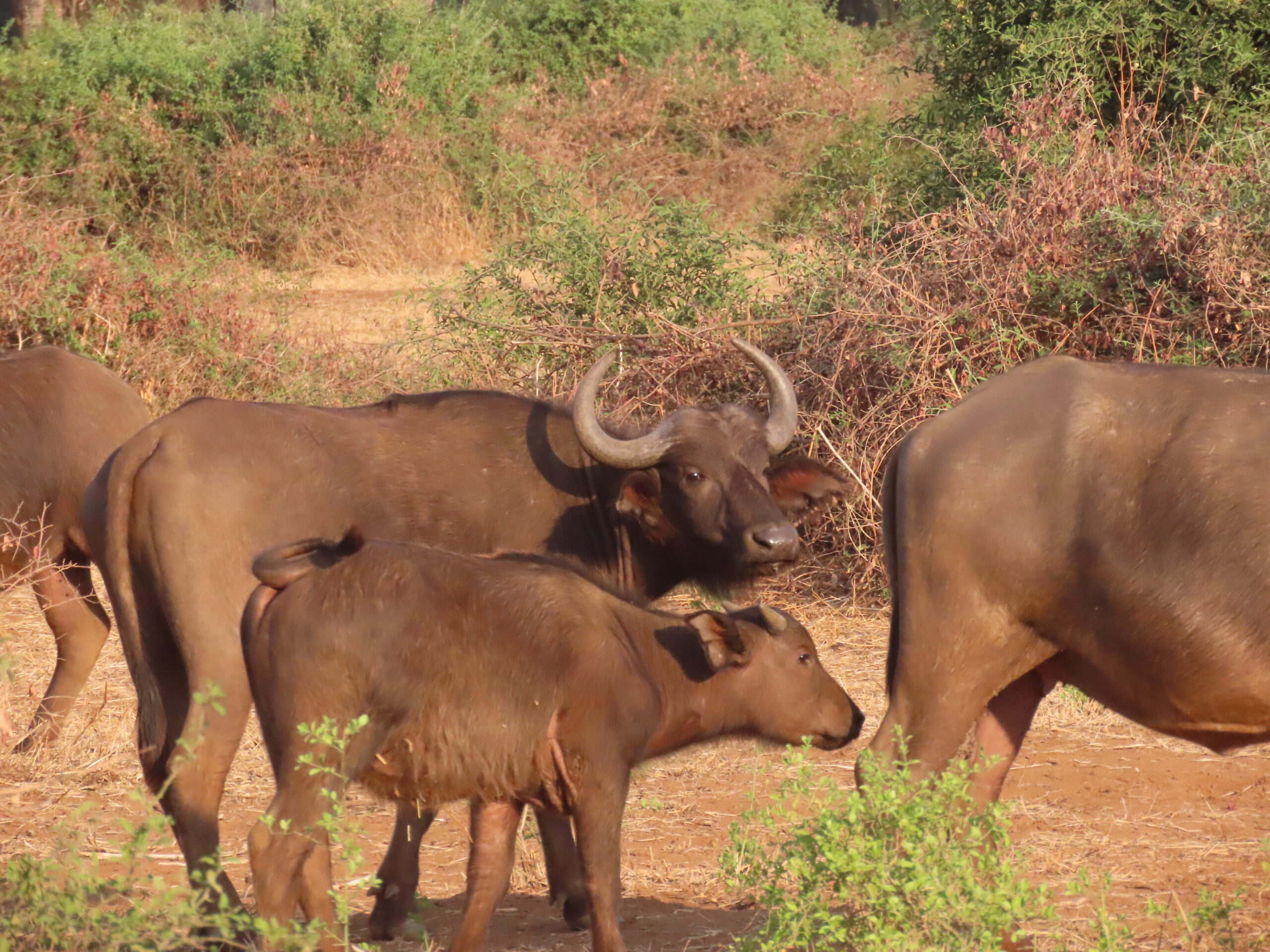
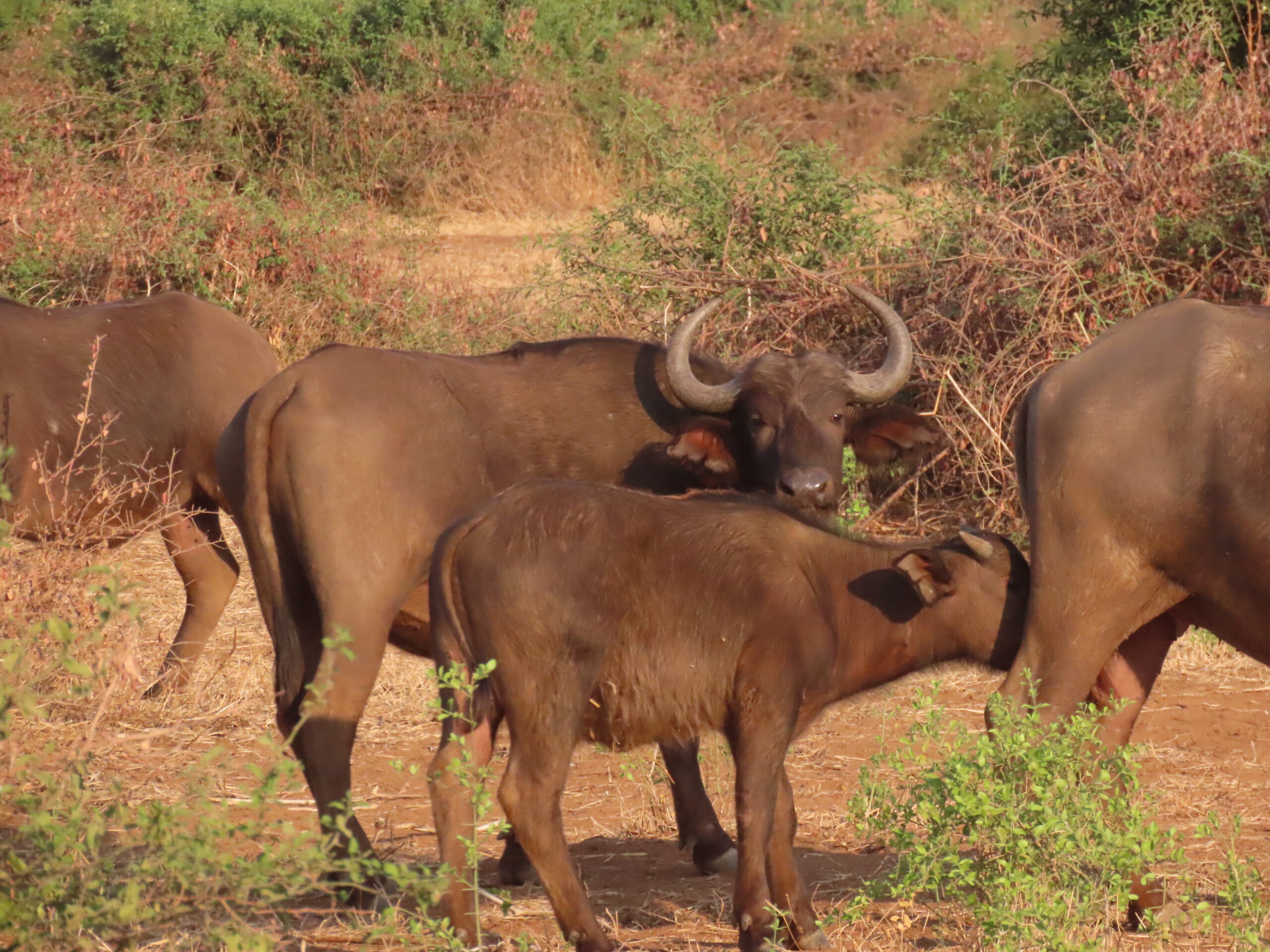
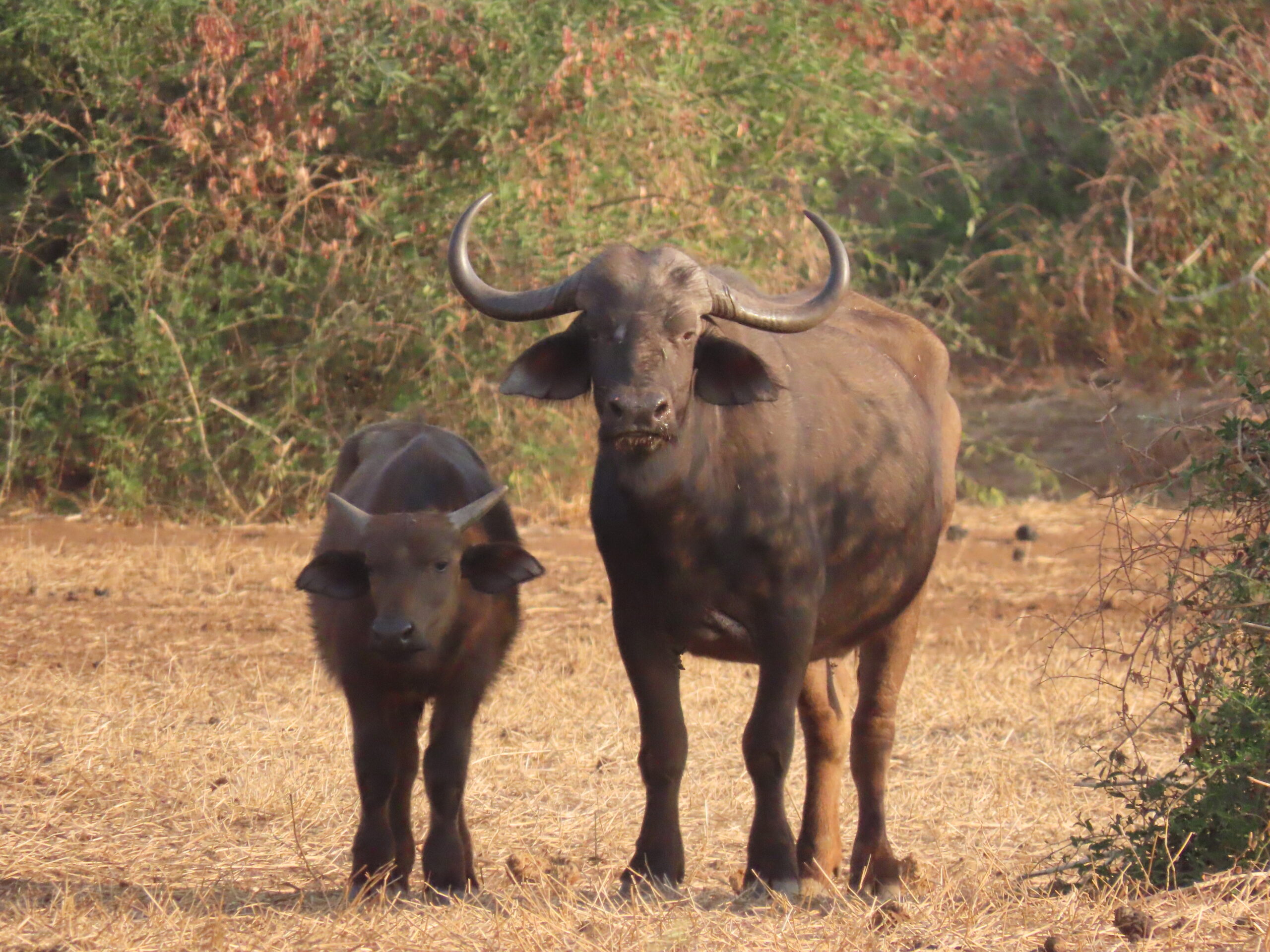
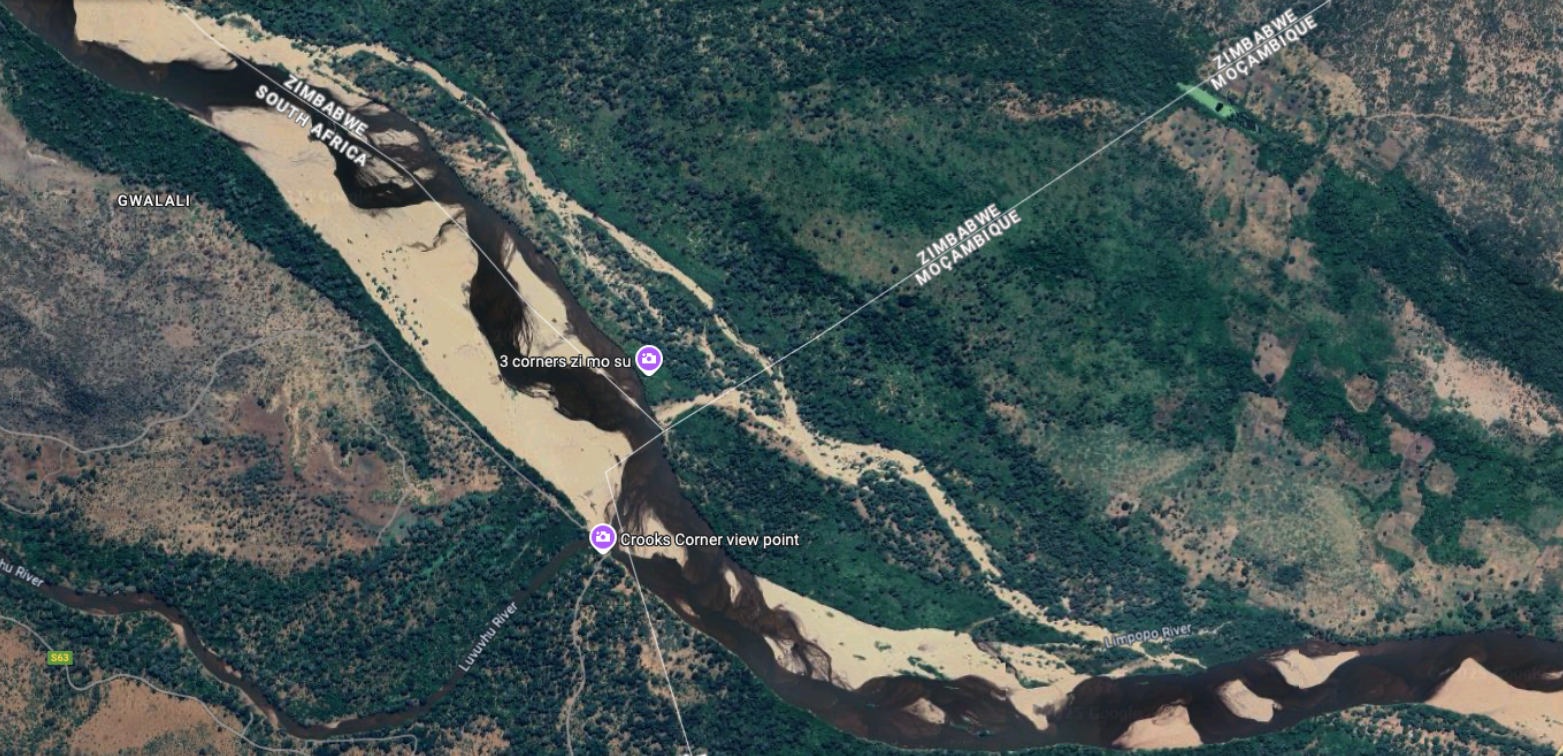
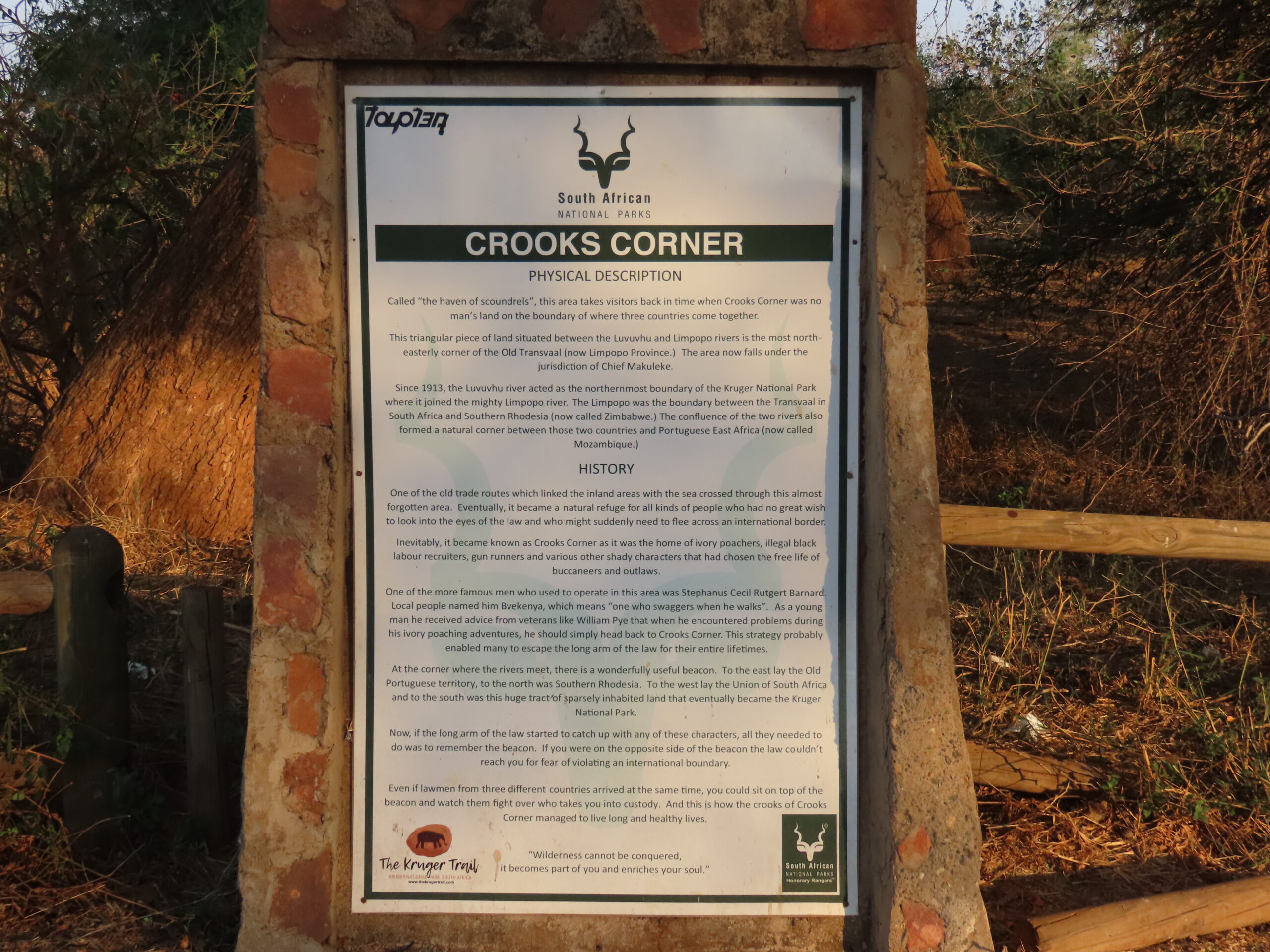
We spent some time at Crook’s Corner, where the boundaries of Zimbabwe, Mozambique and South Africa meet. This spot earned its name in the early 1900s, when ivory poachers, illegal black labour recruiters, gun-runners and other outlaws would use the area to escape from the law. When lawmen from one country appeared, they would simply dash across the border of another country to escape. Sadly, poachers still operate the same way today, with anti-poaching teams regularly patrolling the area. Most of the poaching is “for the pot,” with poachers crossing into the Park from Zimbabwe and Mozambique.
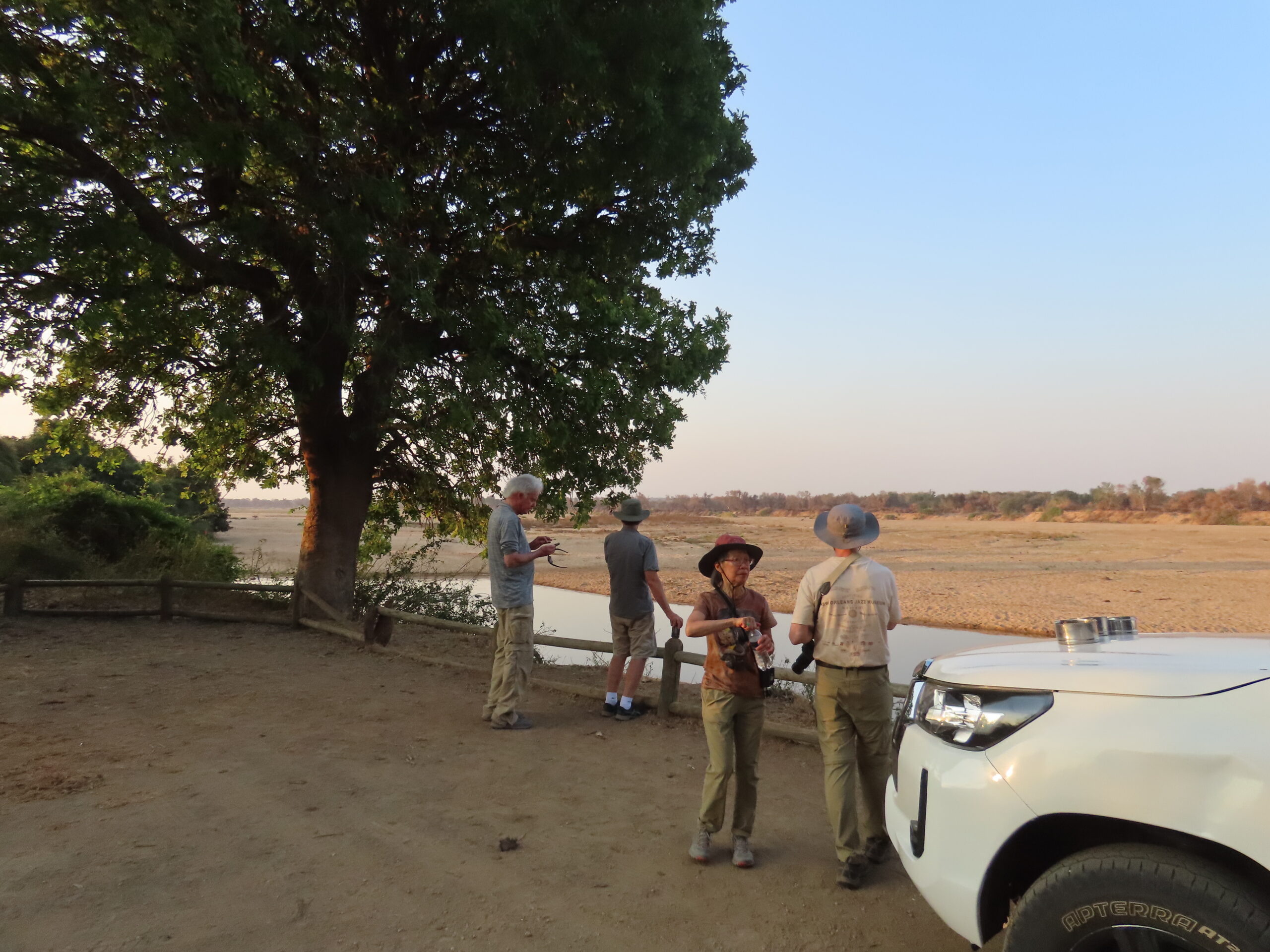
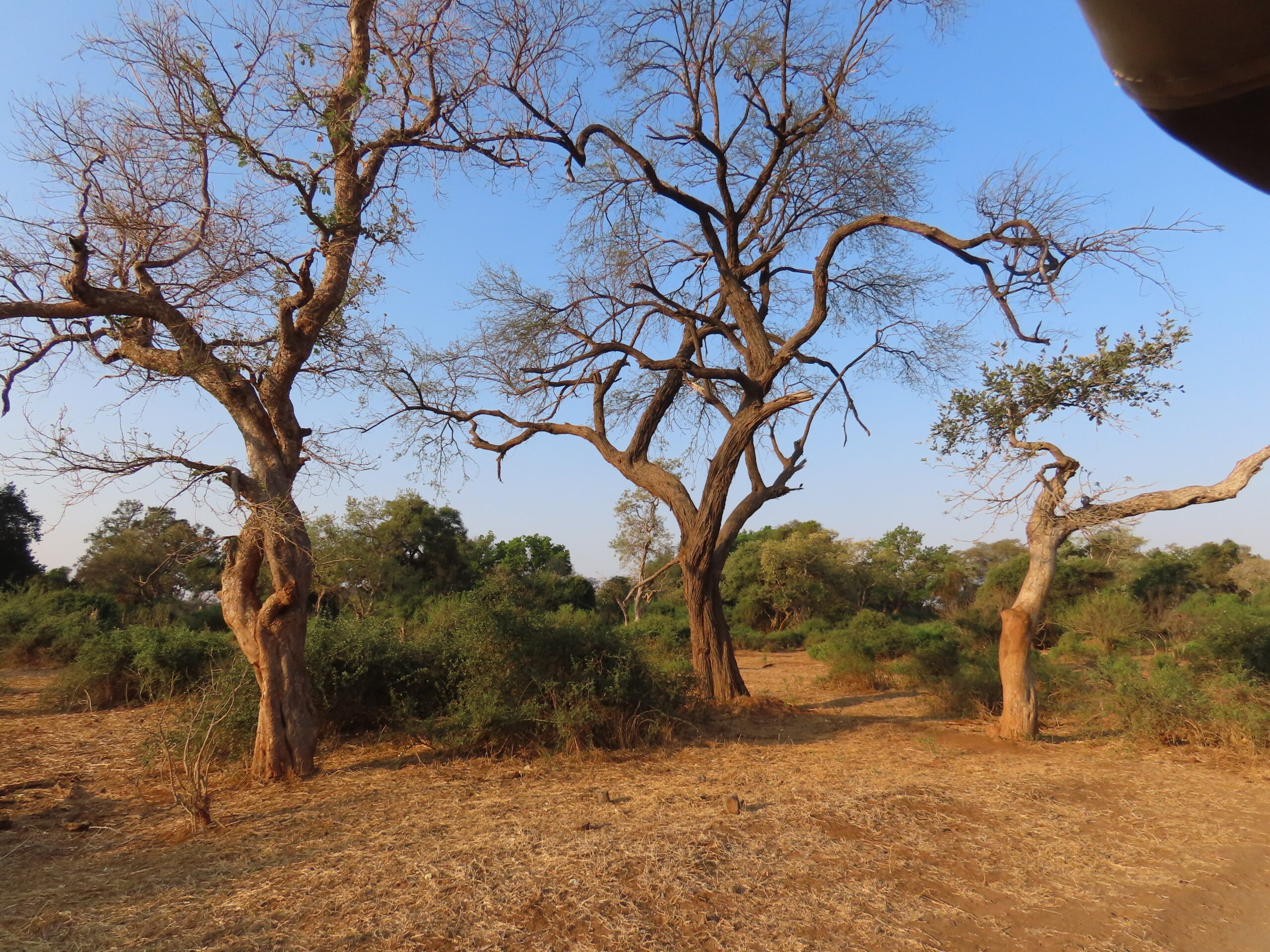
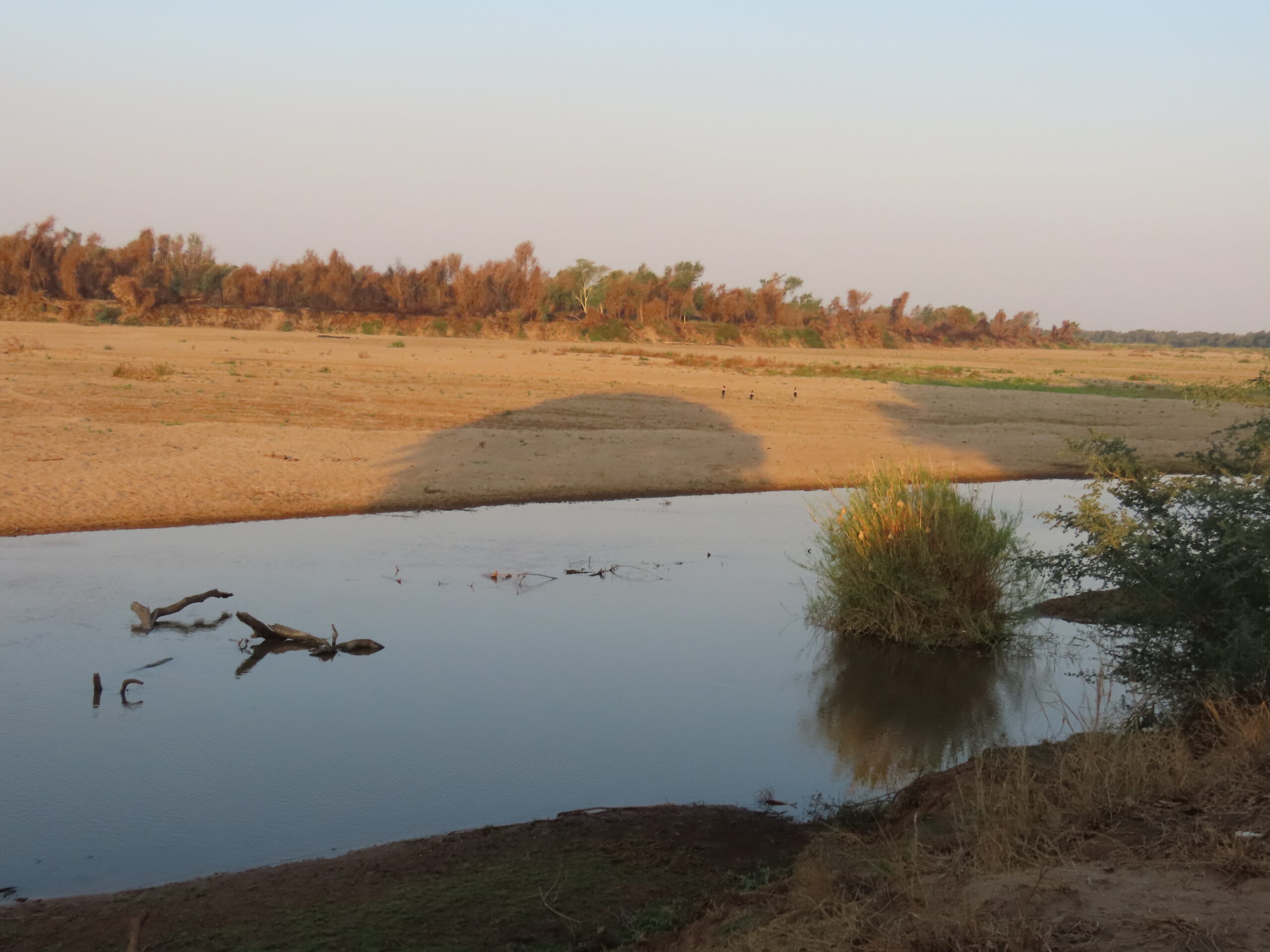
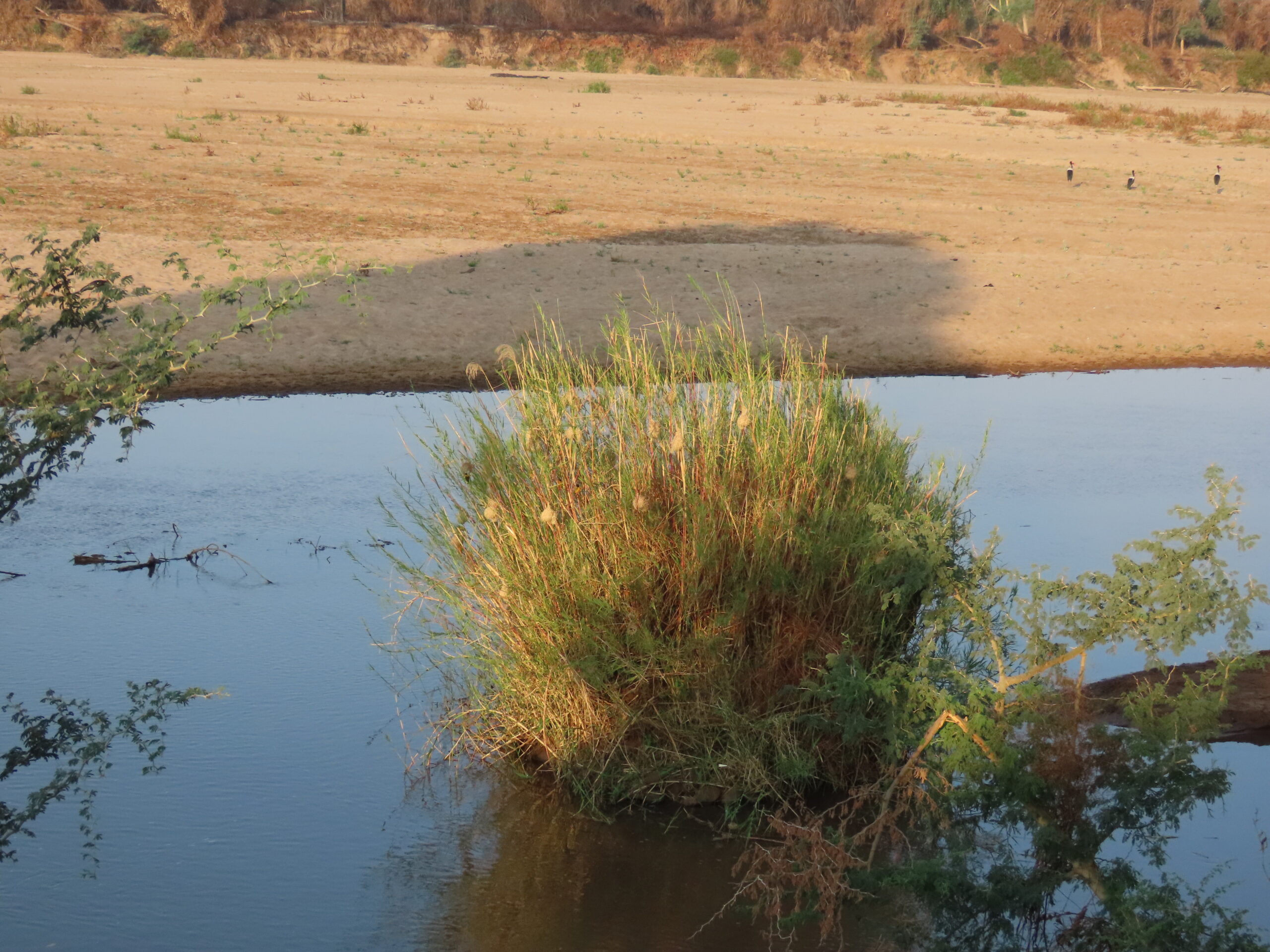
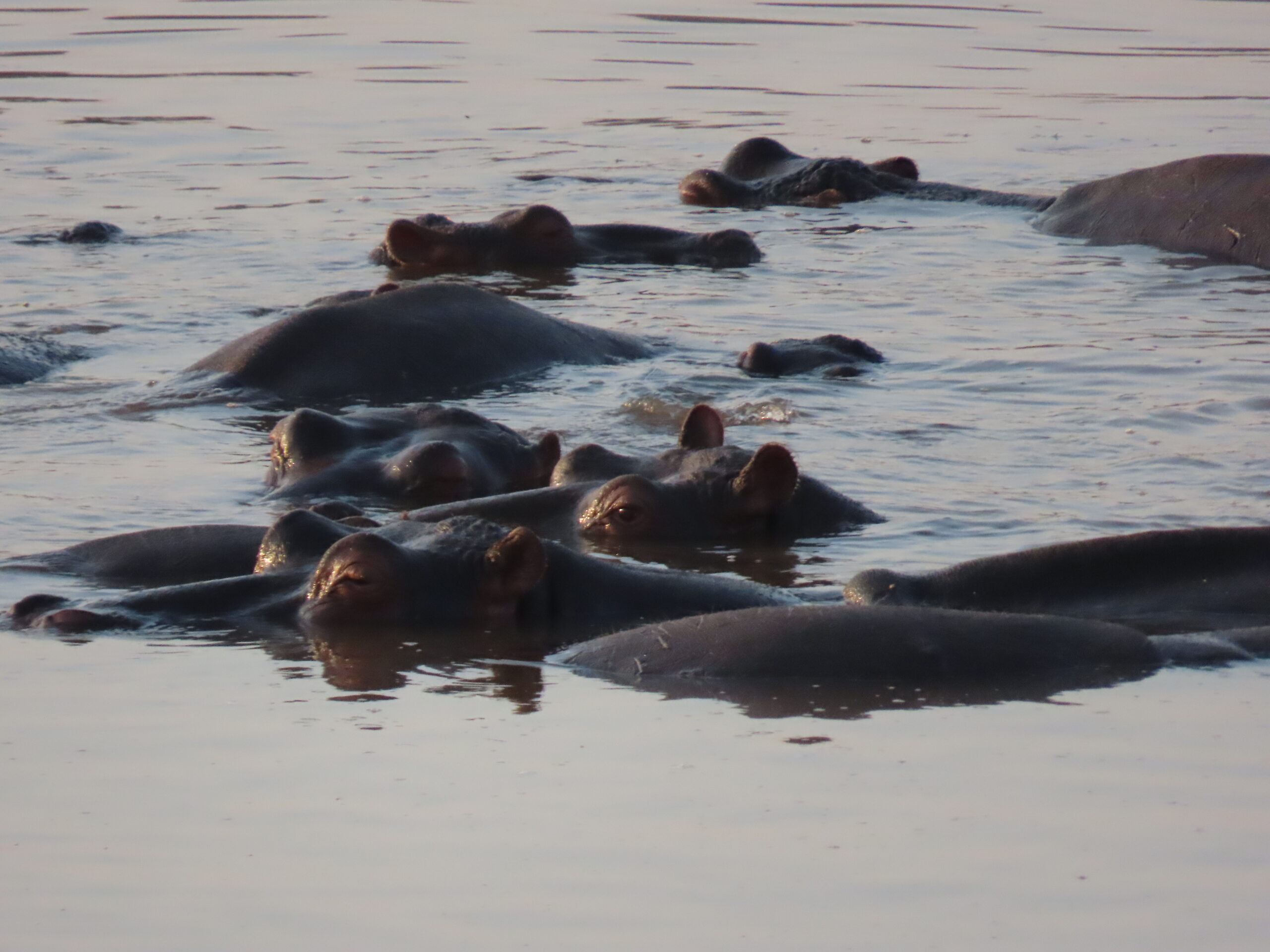
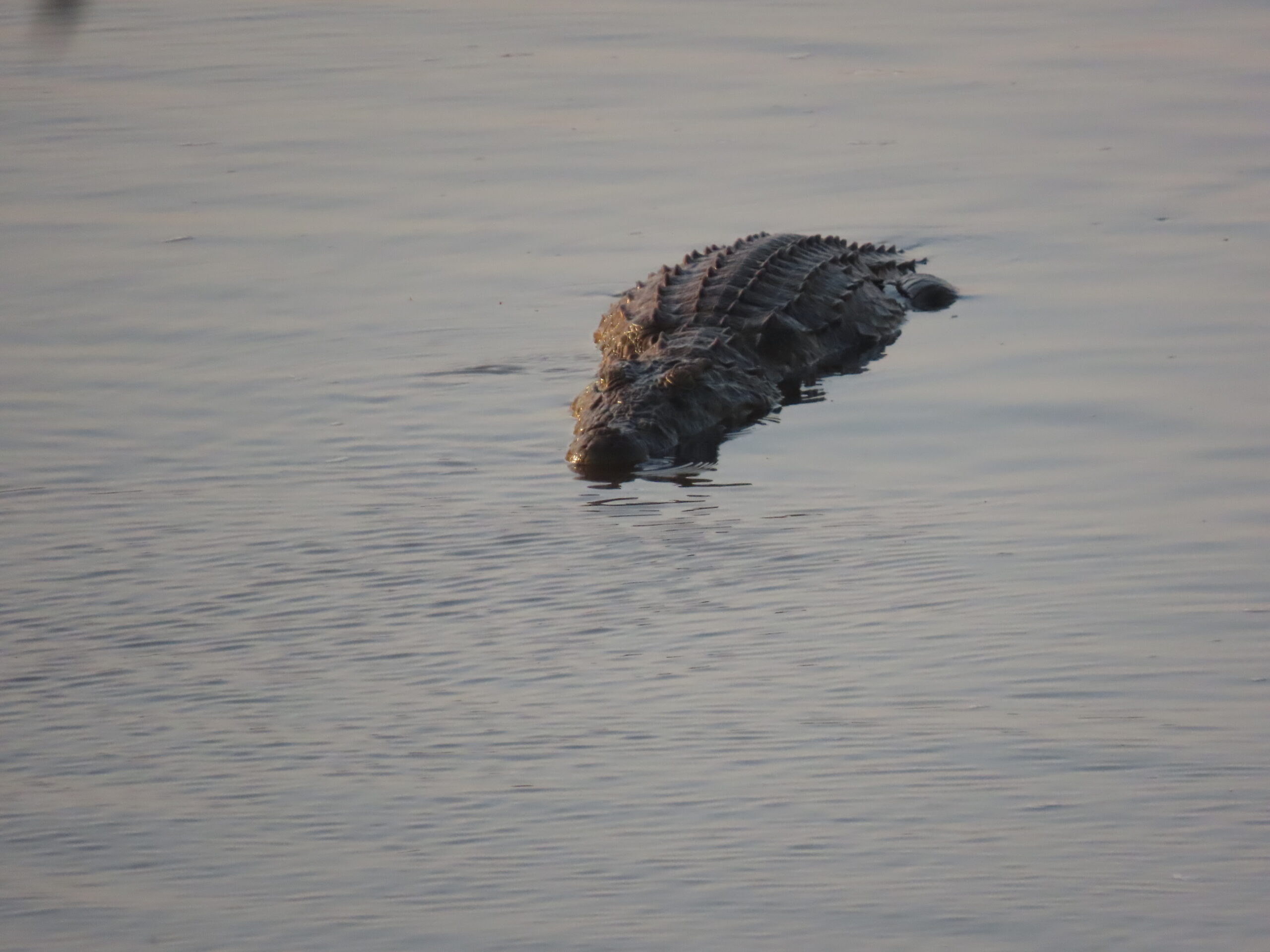
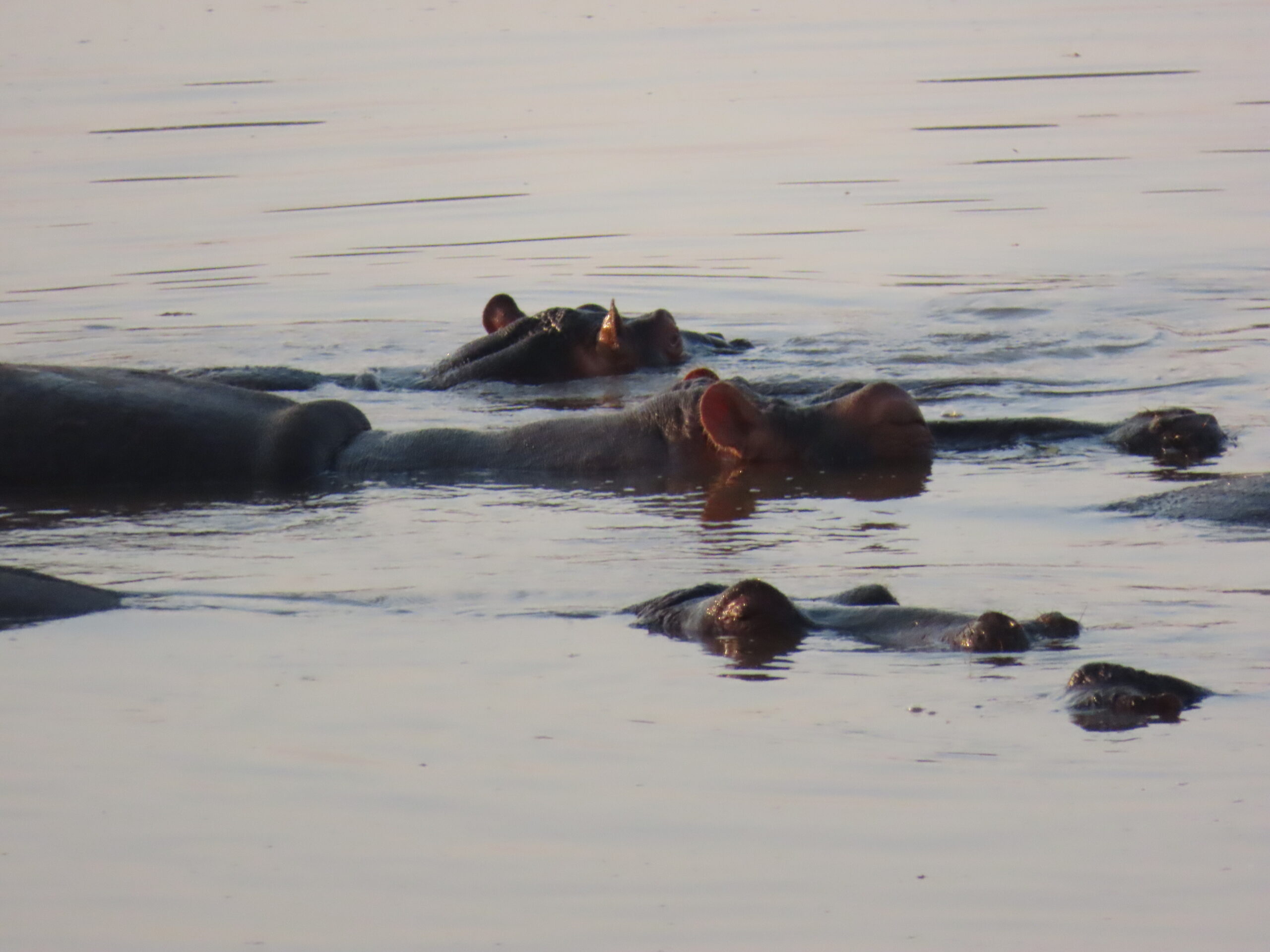
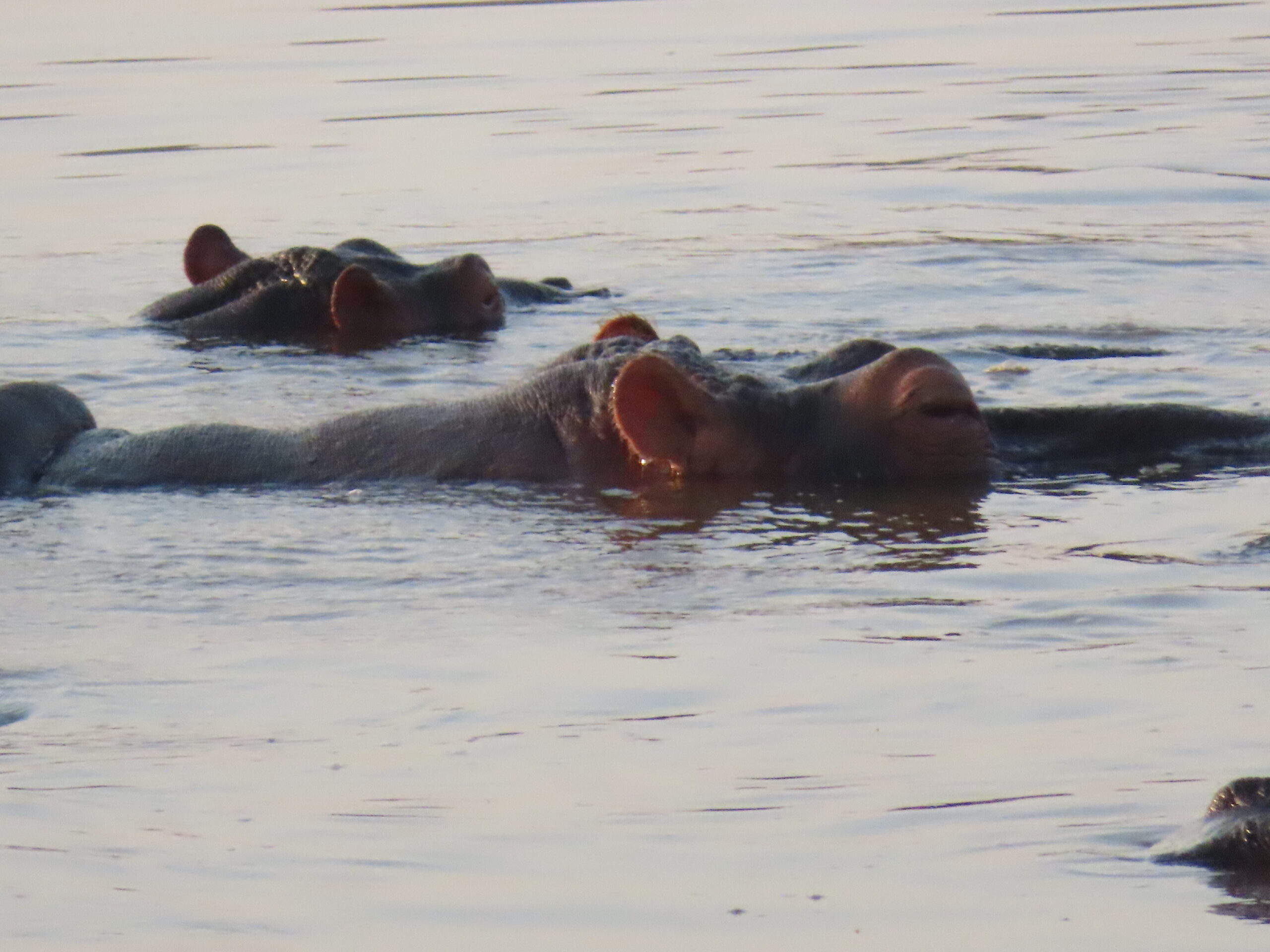
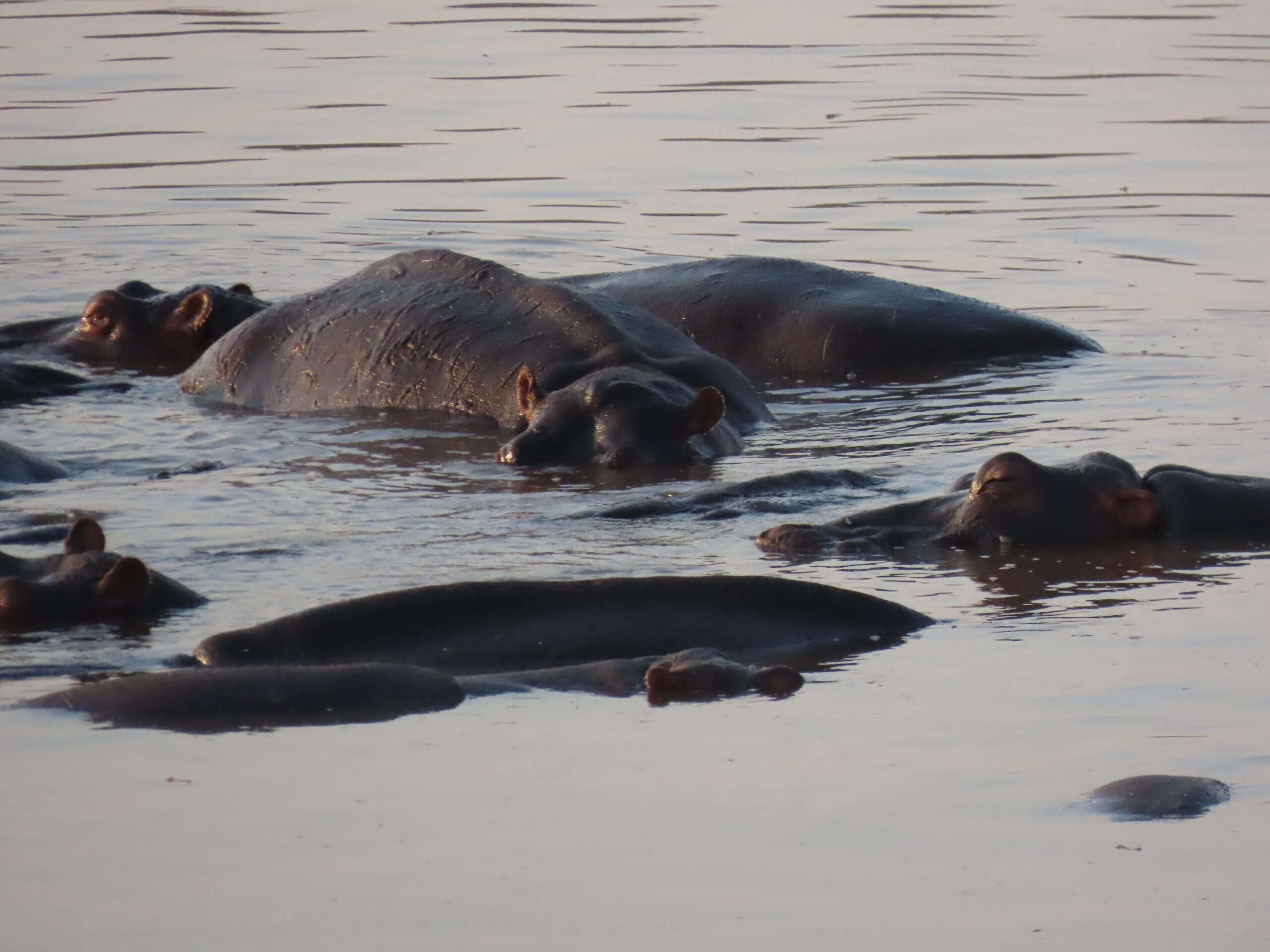
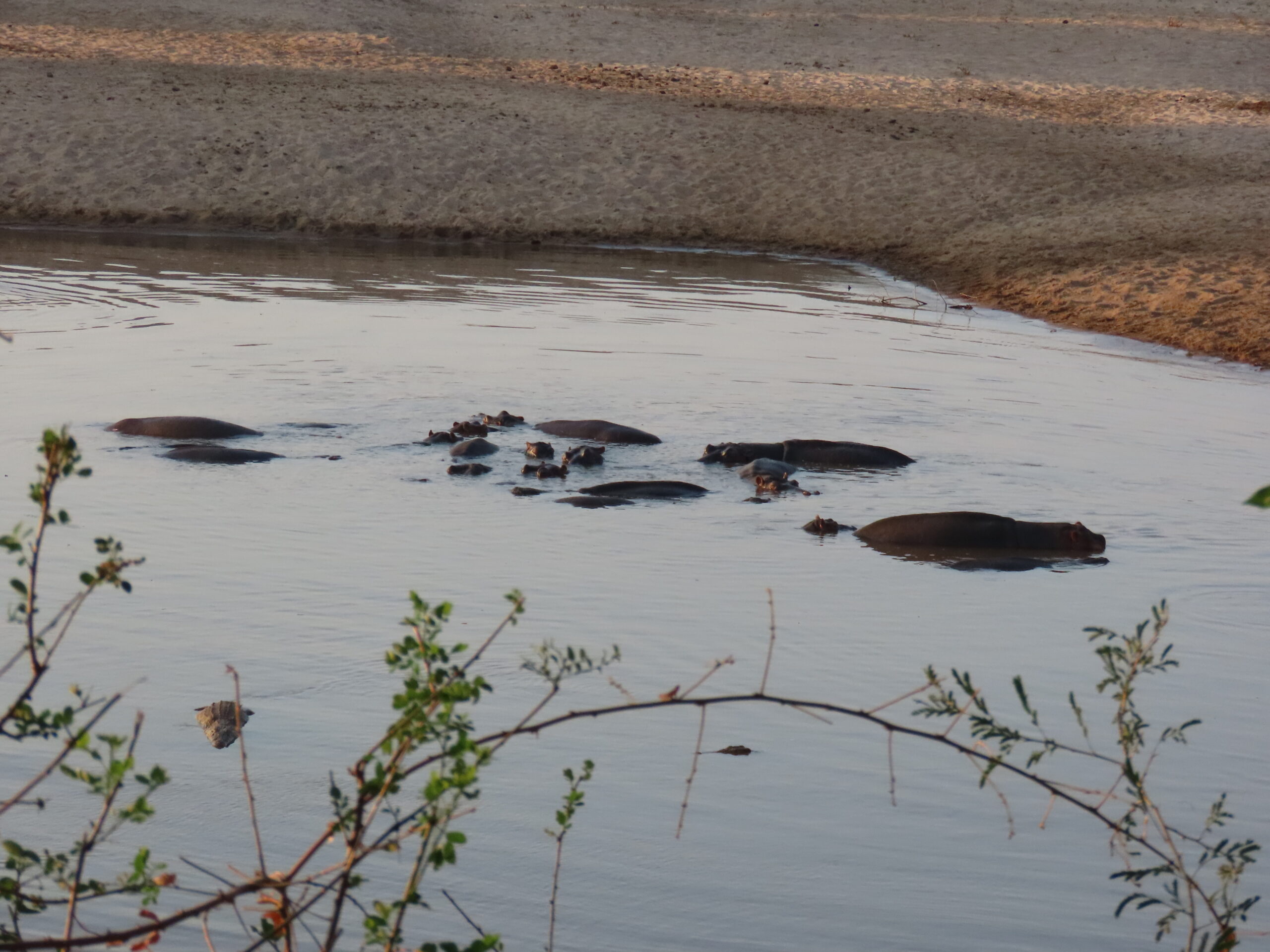
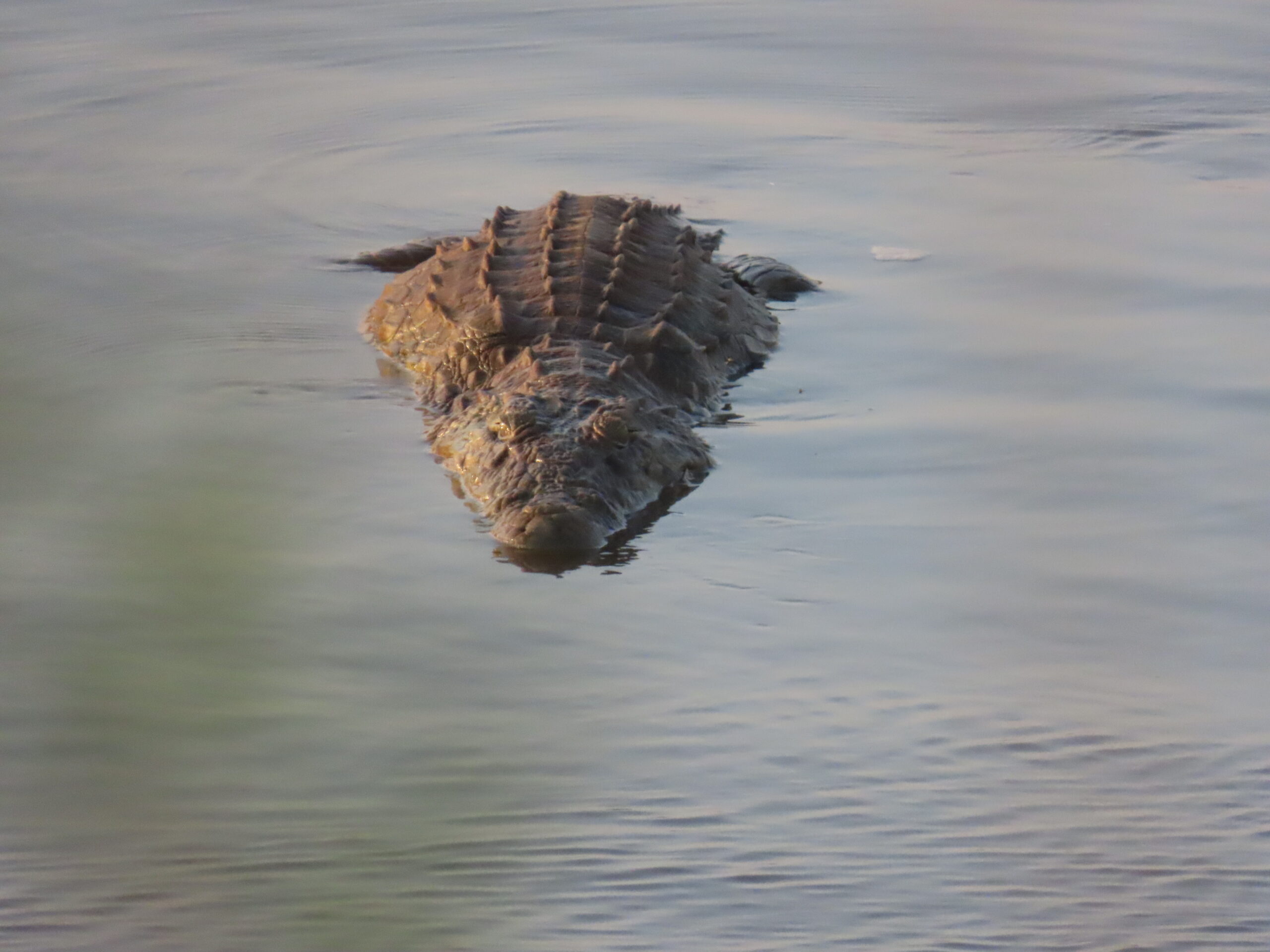
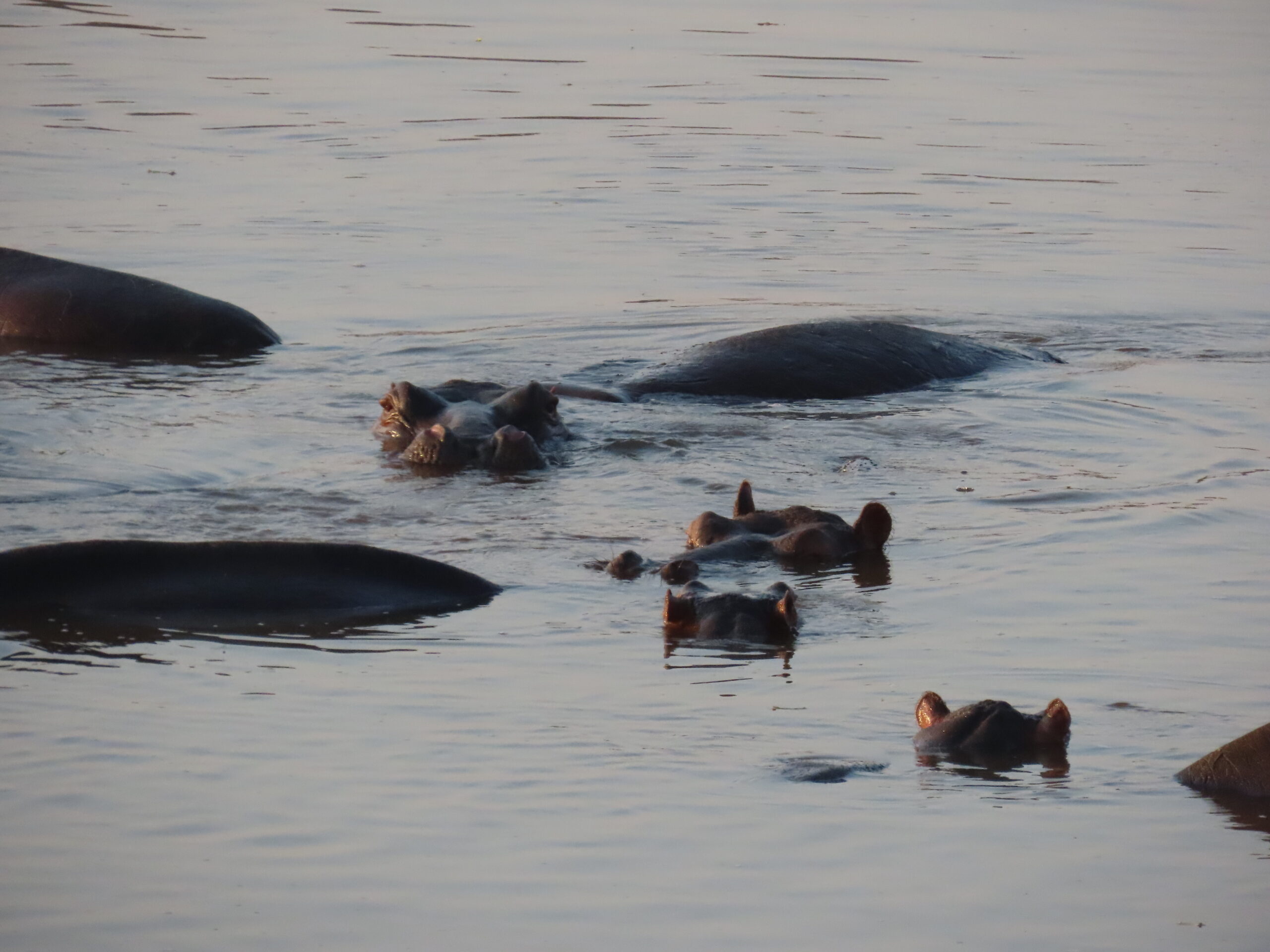
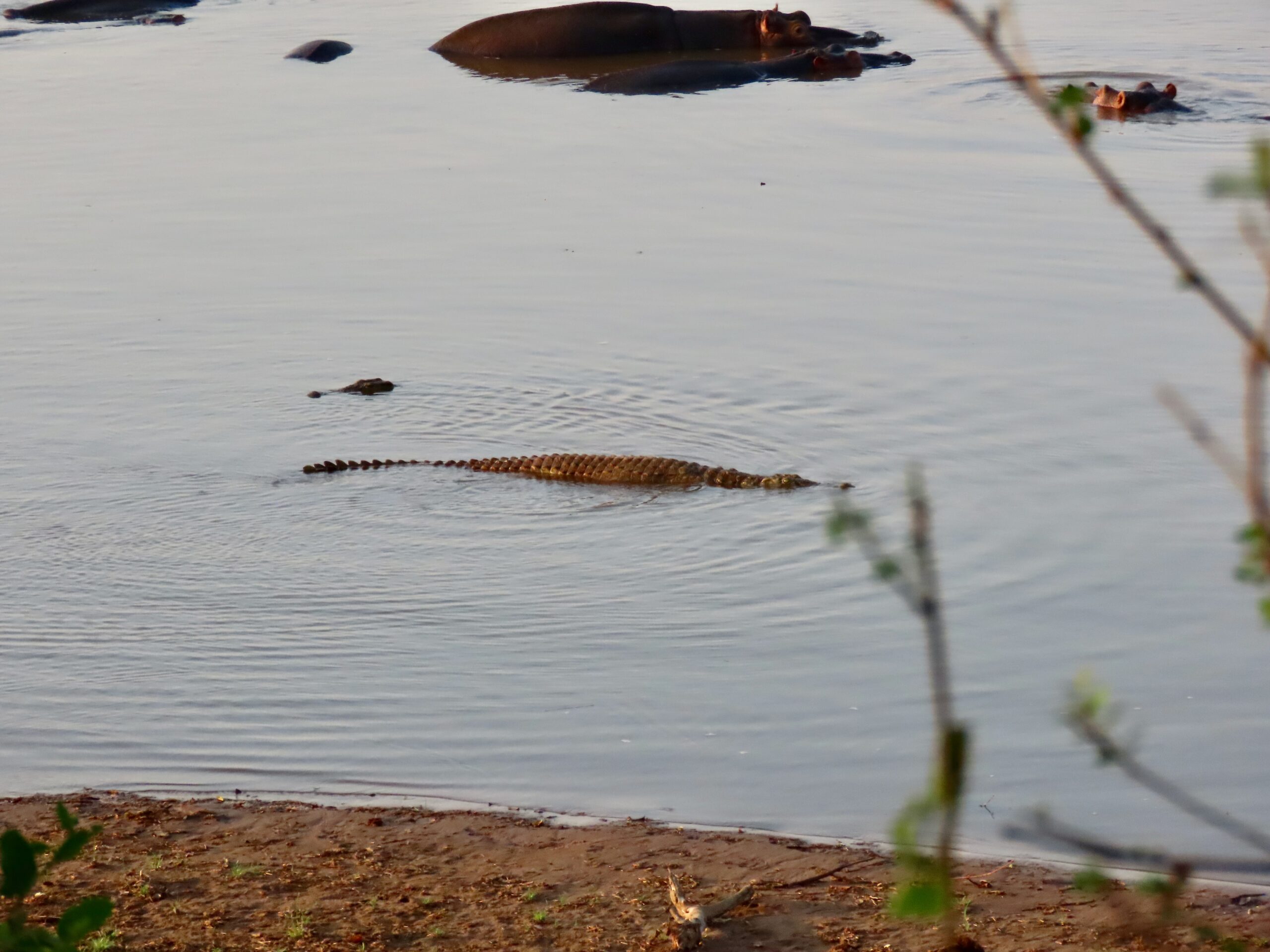
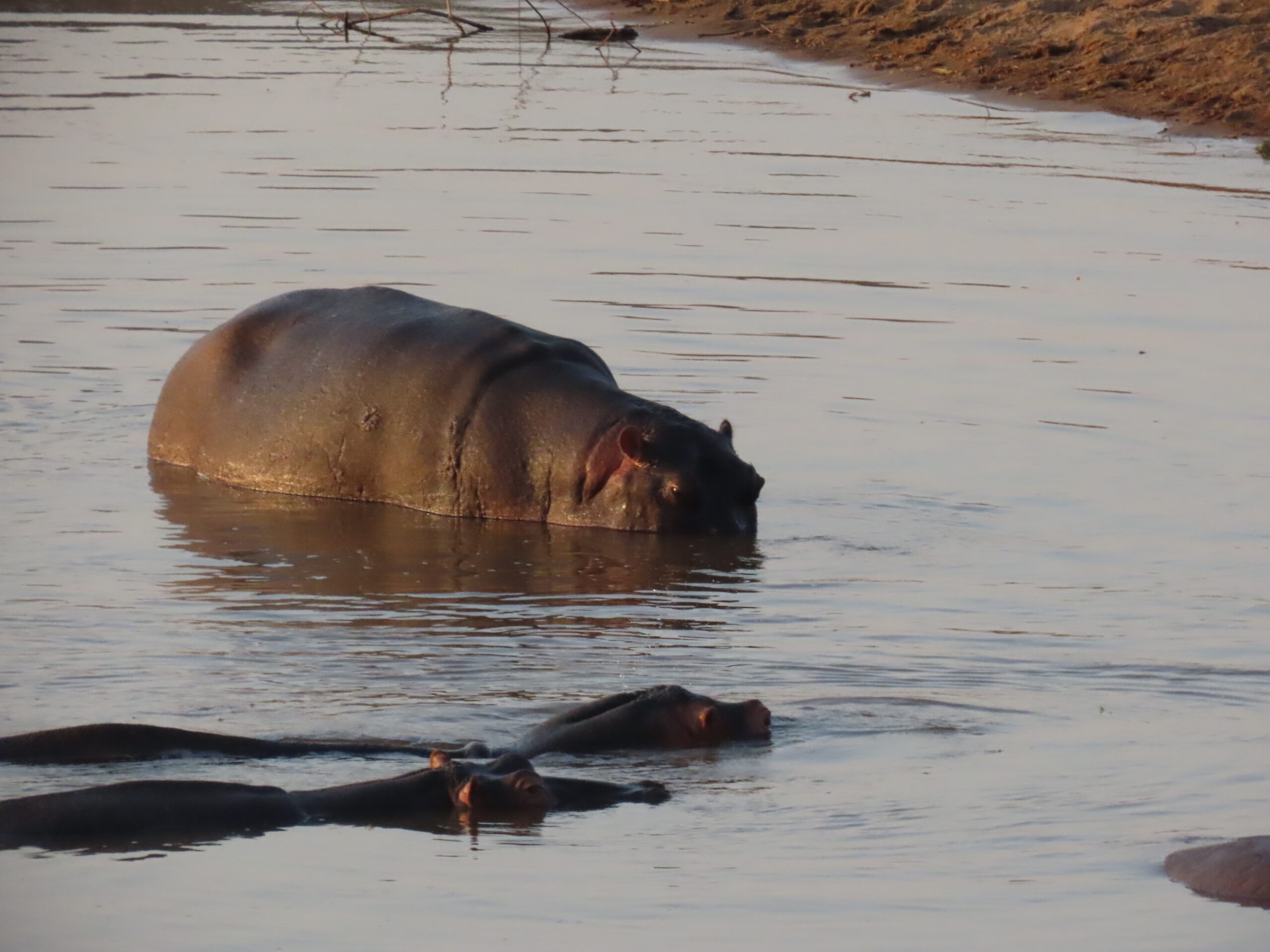
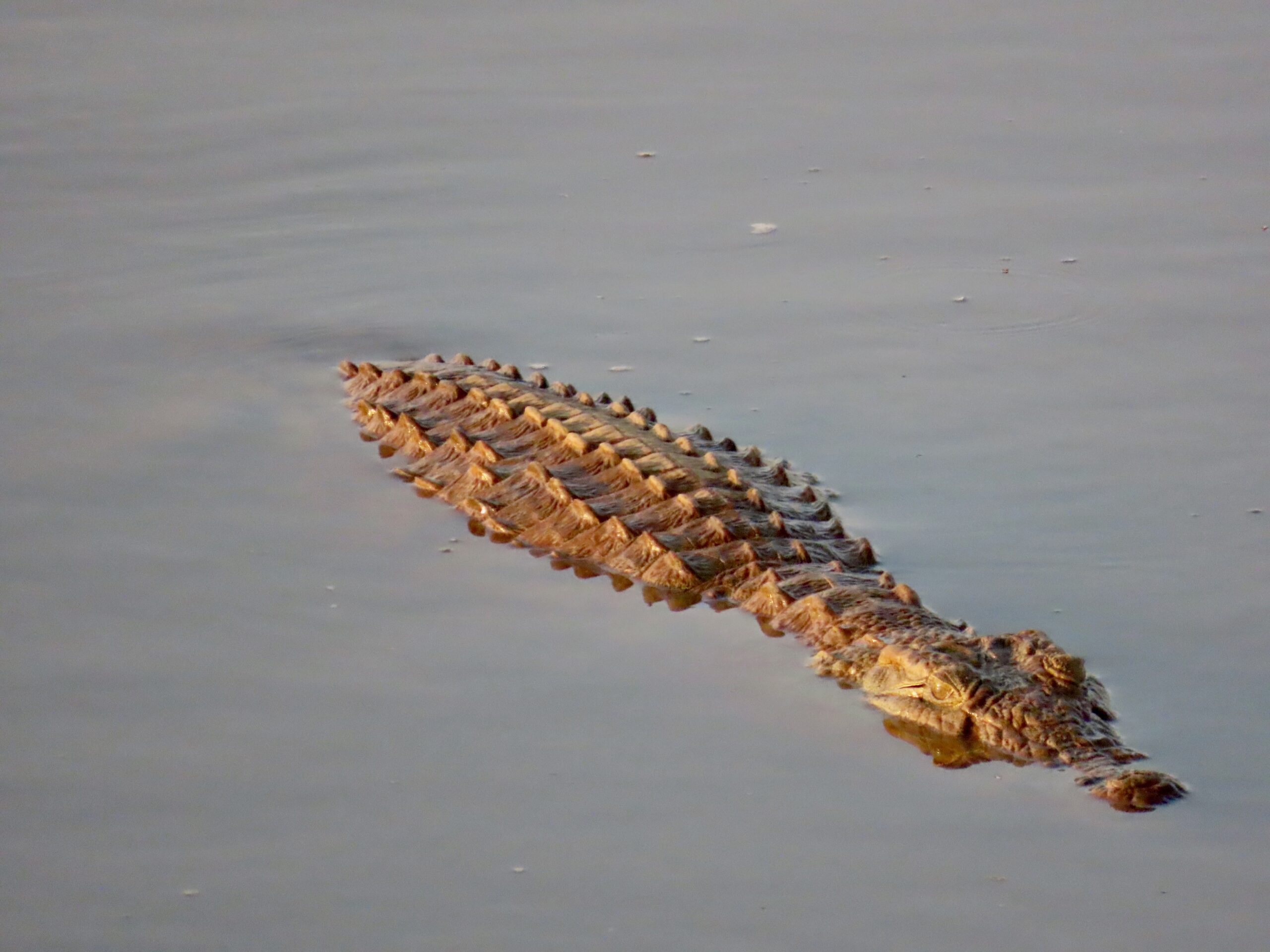
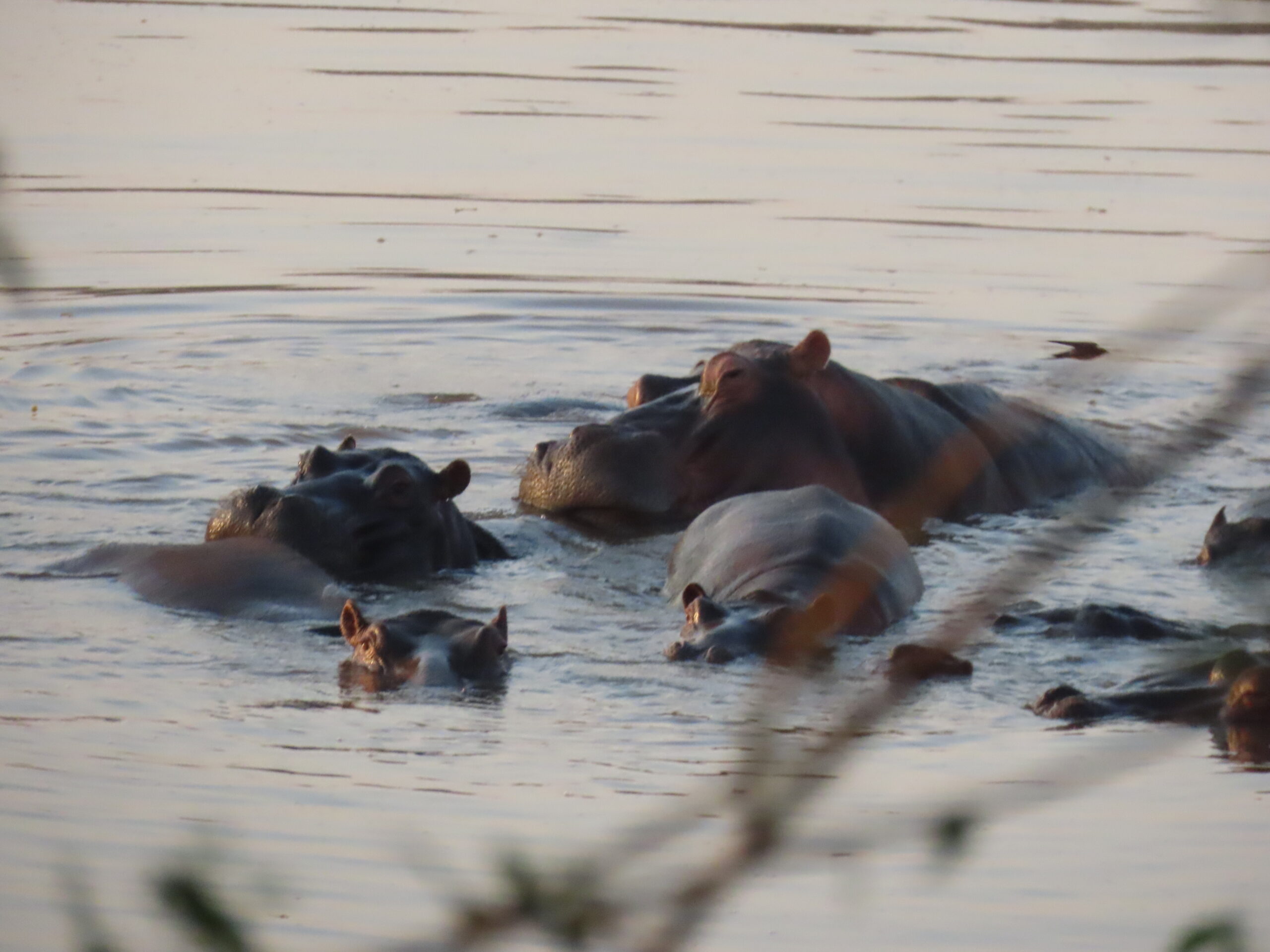
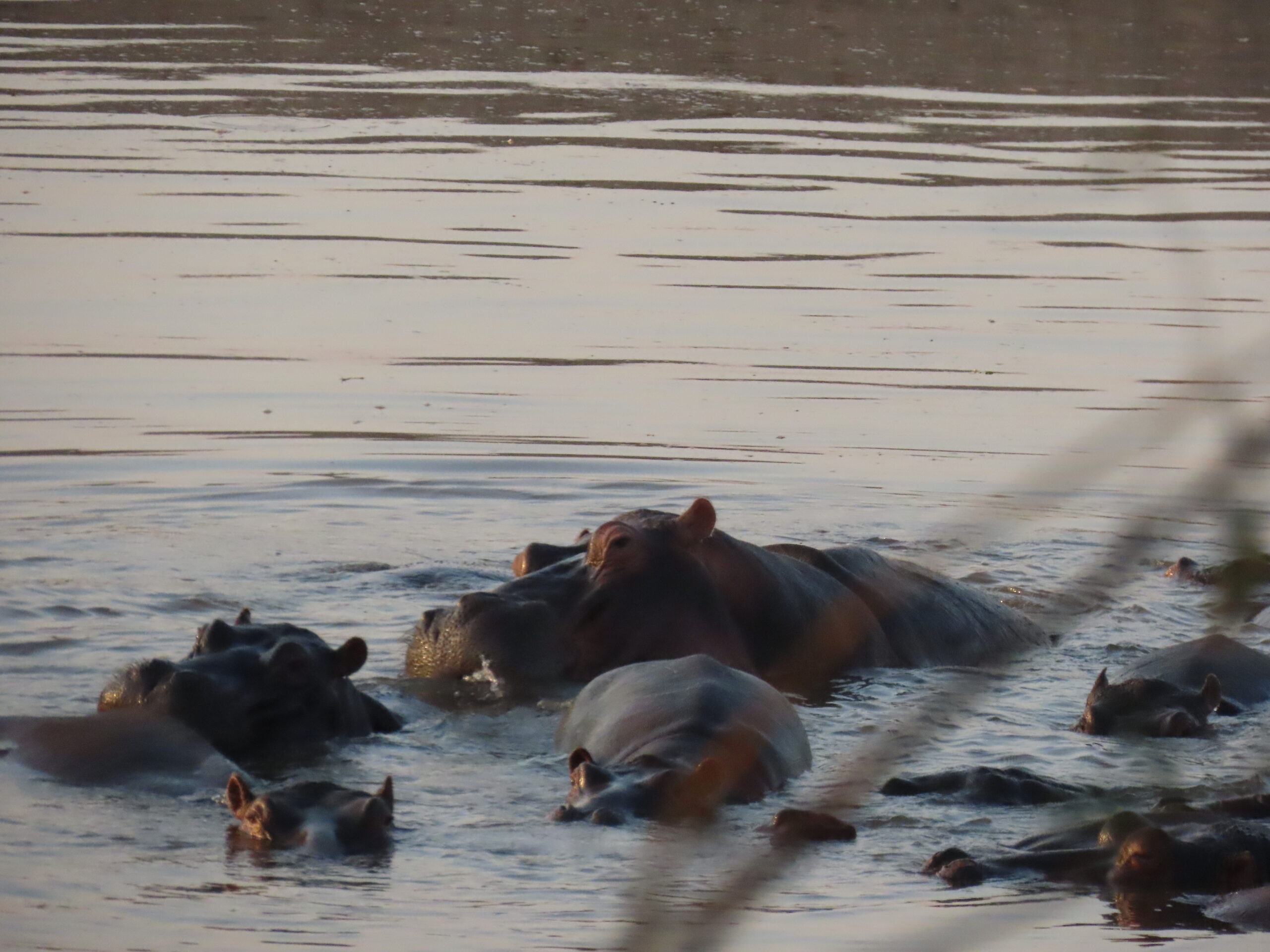
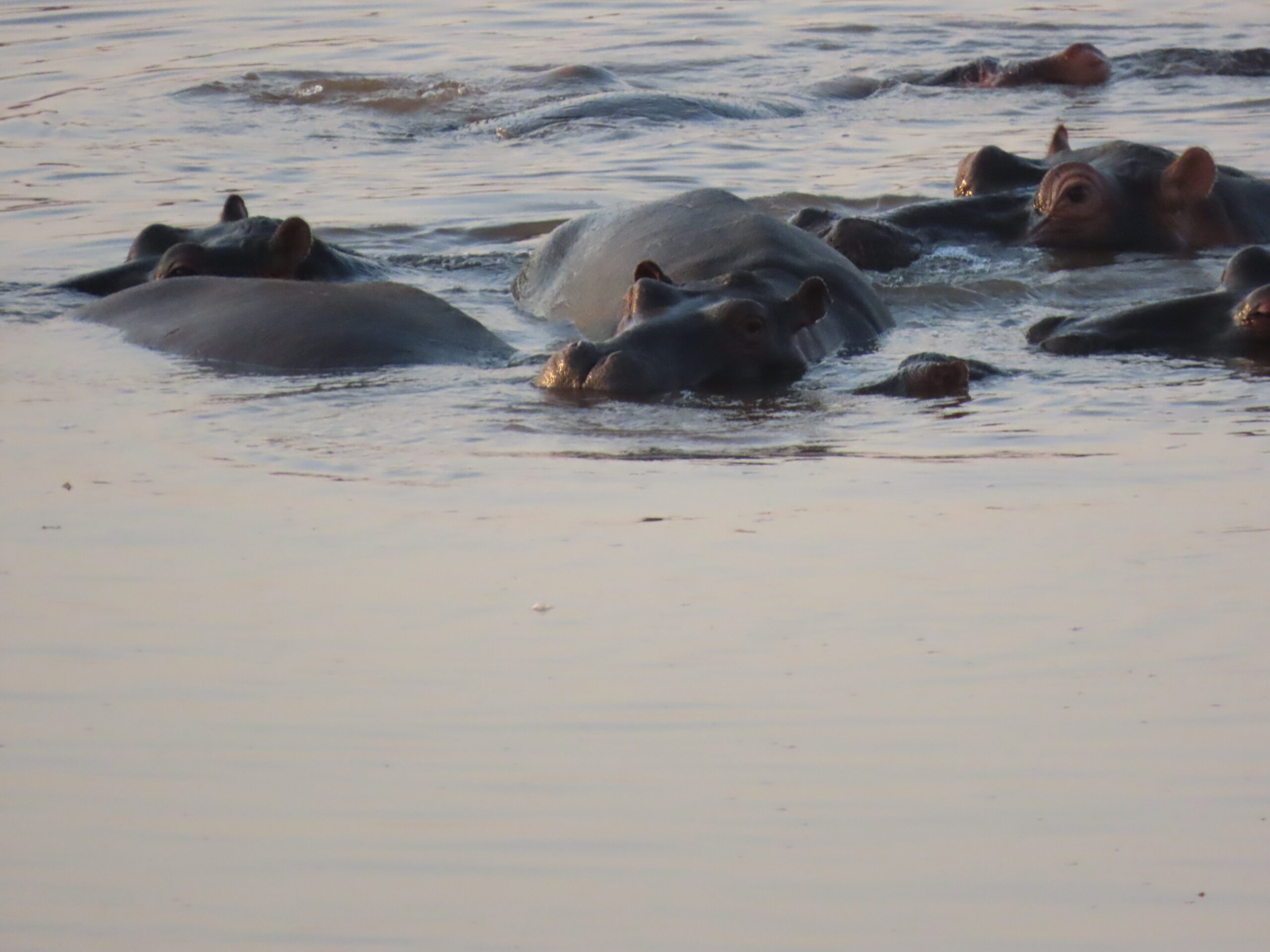
It was a lively spot in the late afternoon, on water, land and shrubbery.
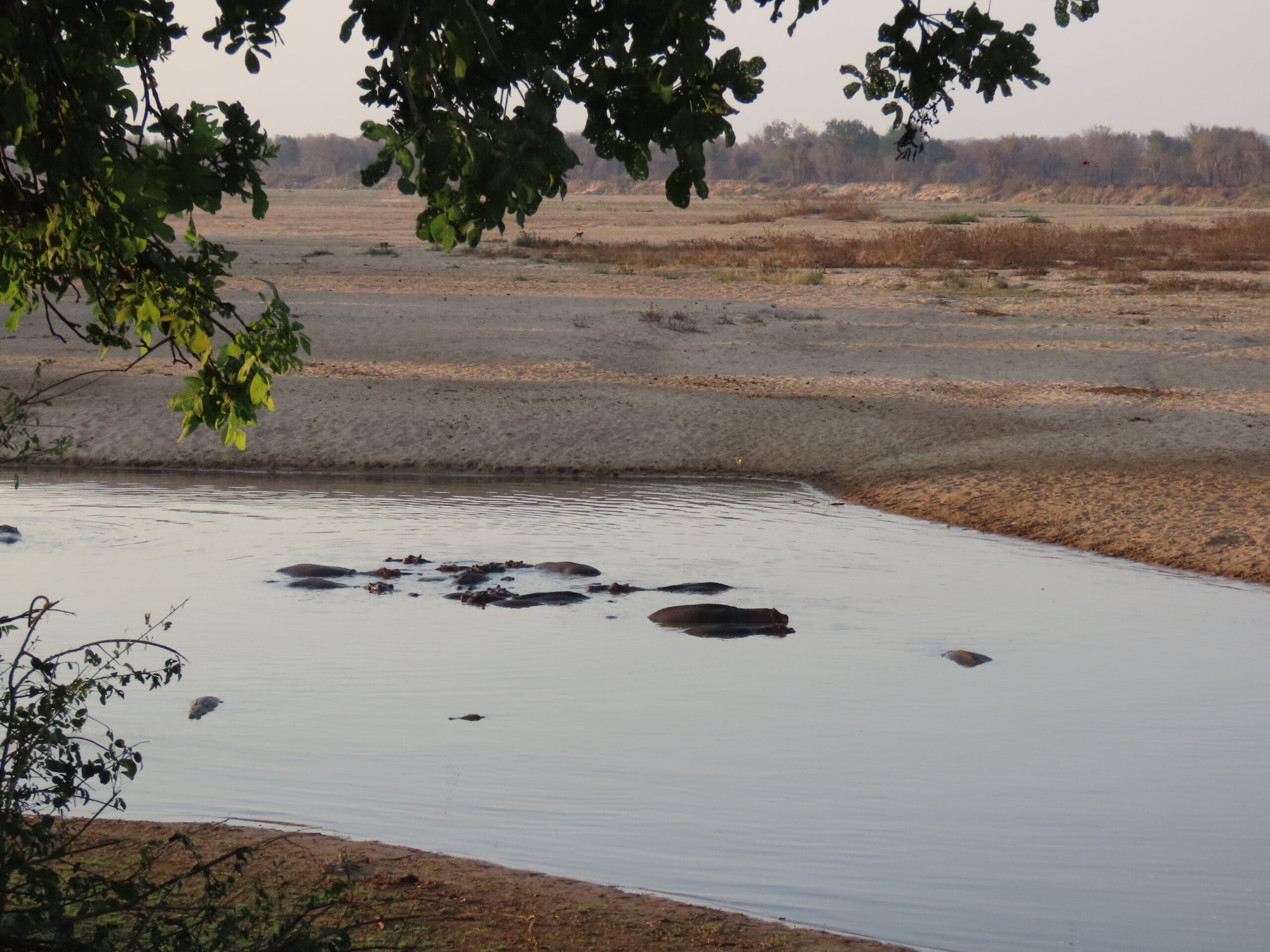
Had one of those crocs started after a small hippo calf, however, the story would be different –
a pod of adult hippos would quickly put an end to the croc’s ambitions.
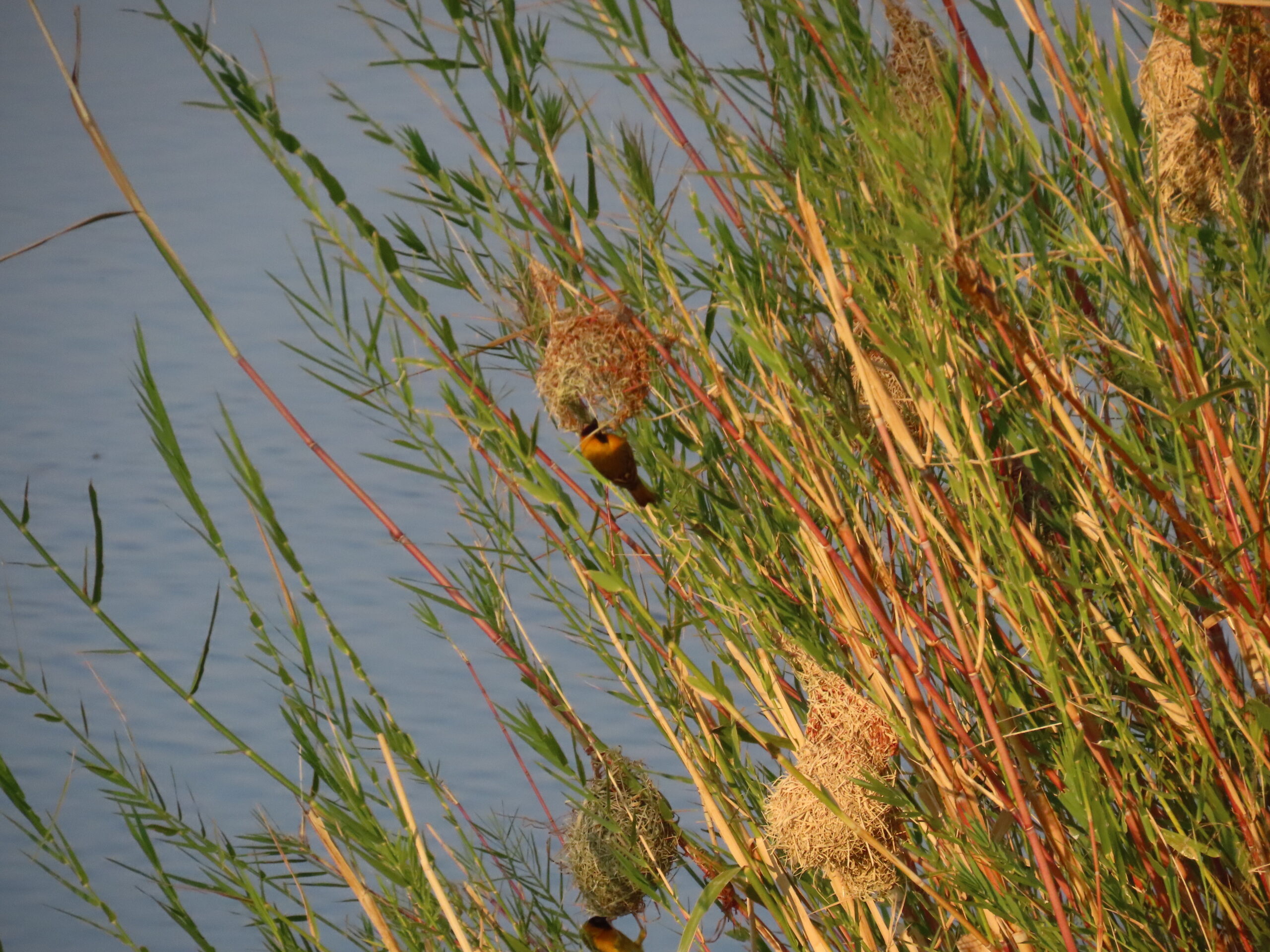
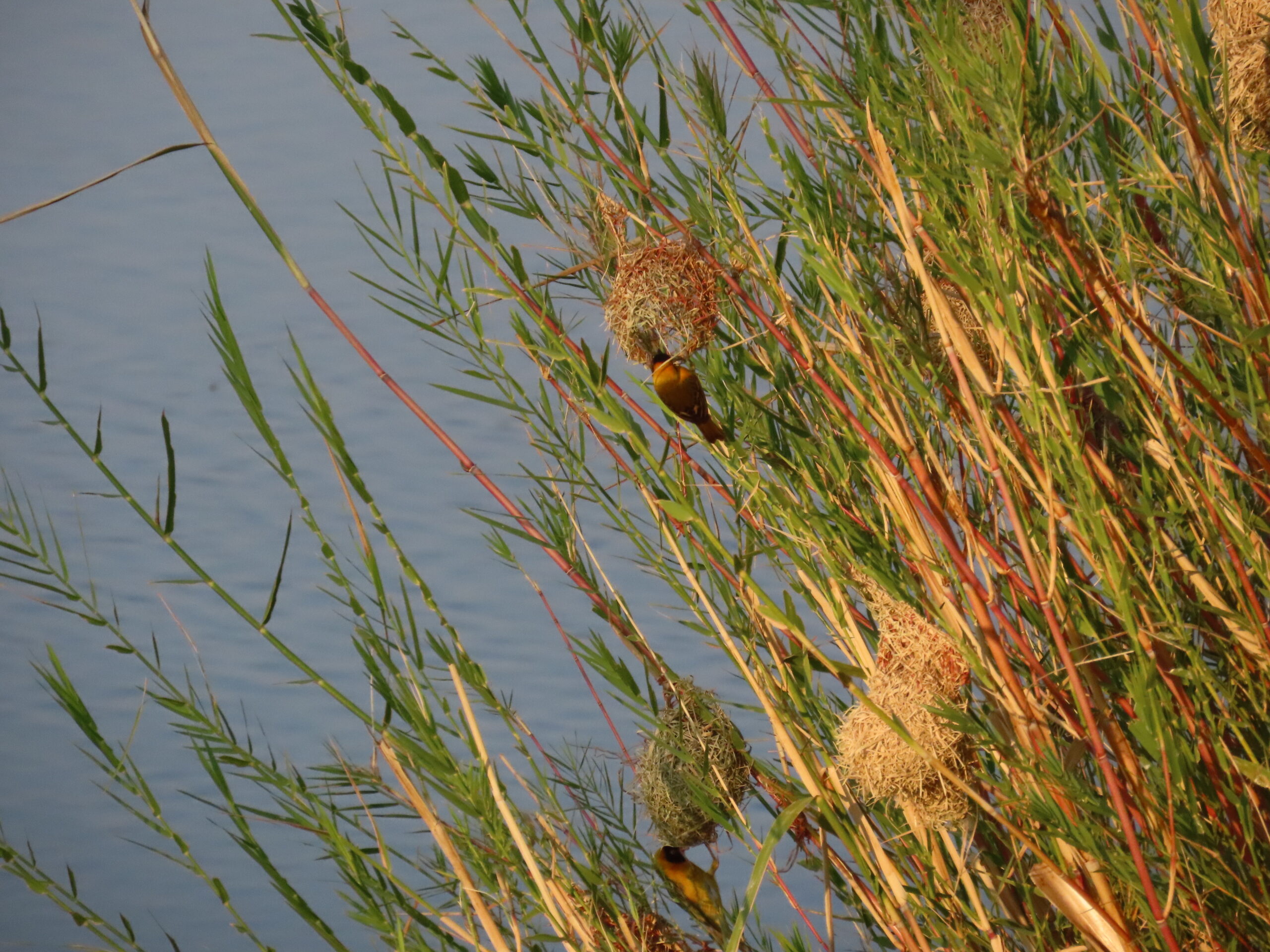
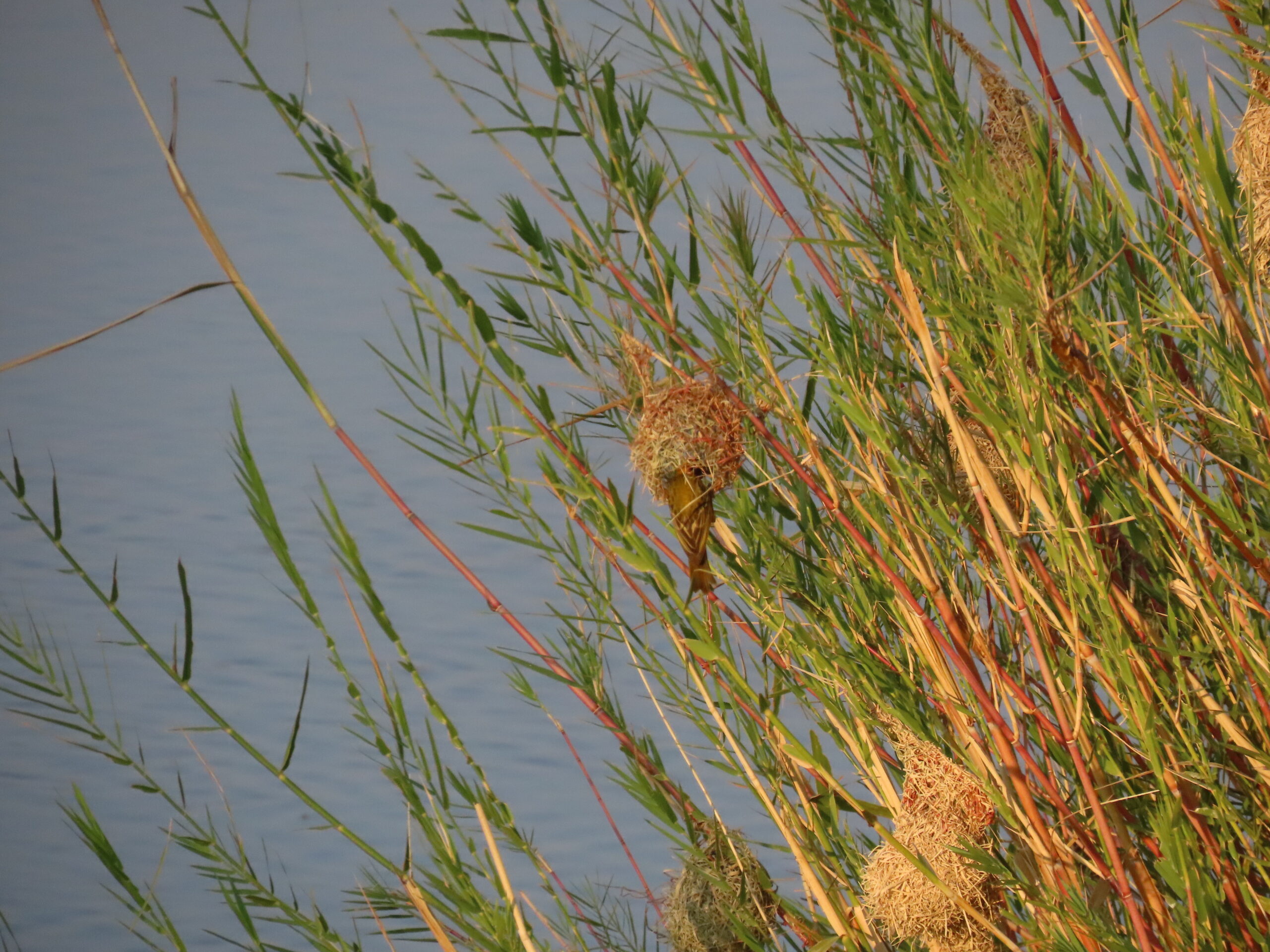
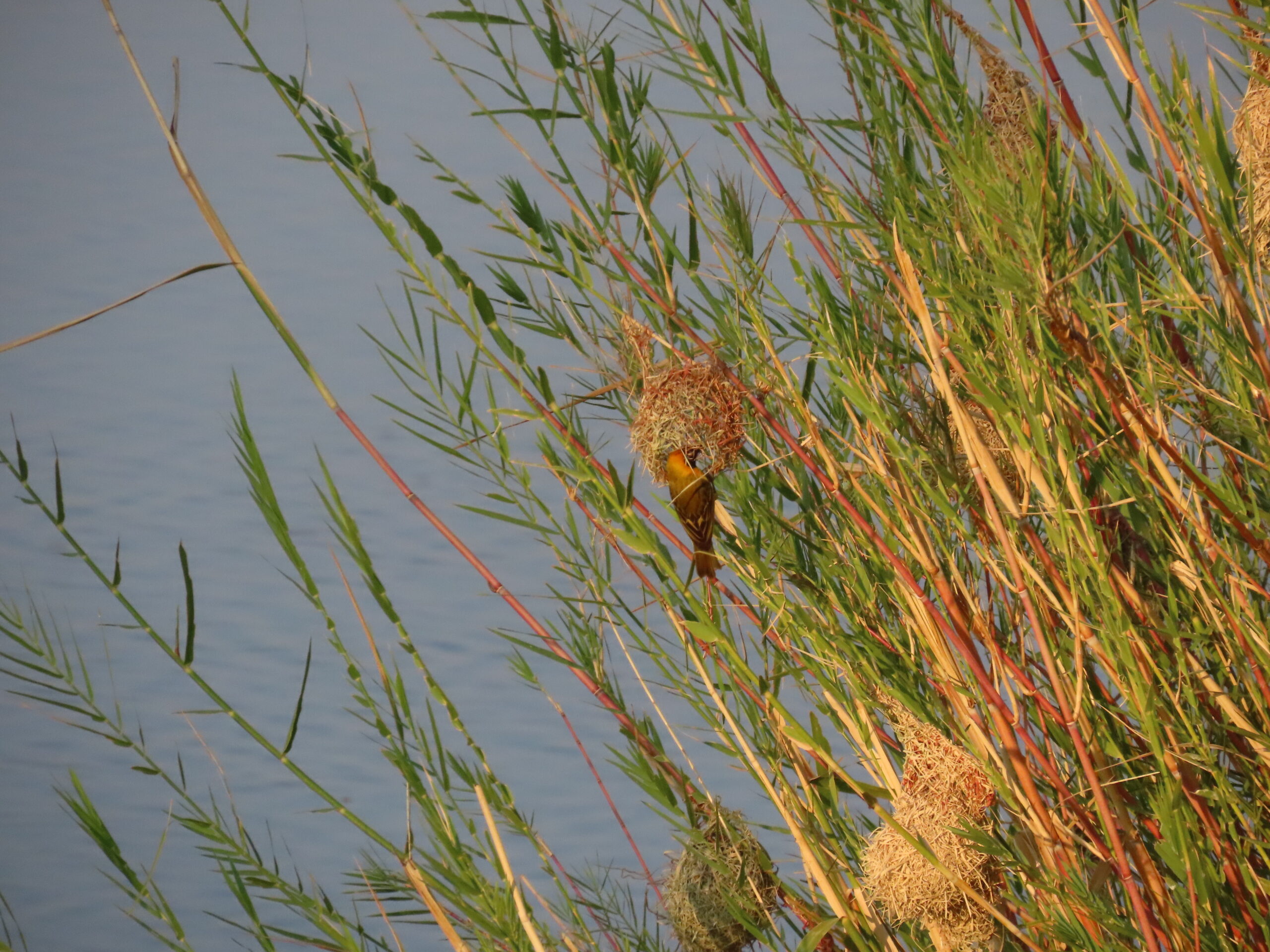
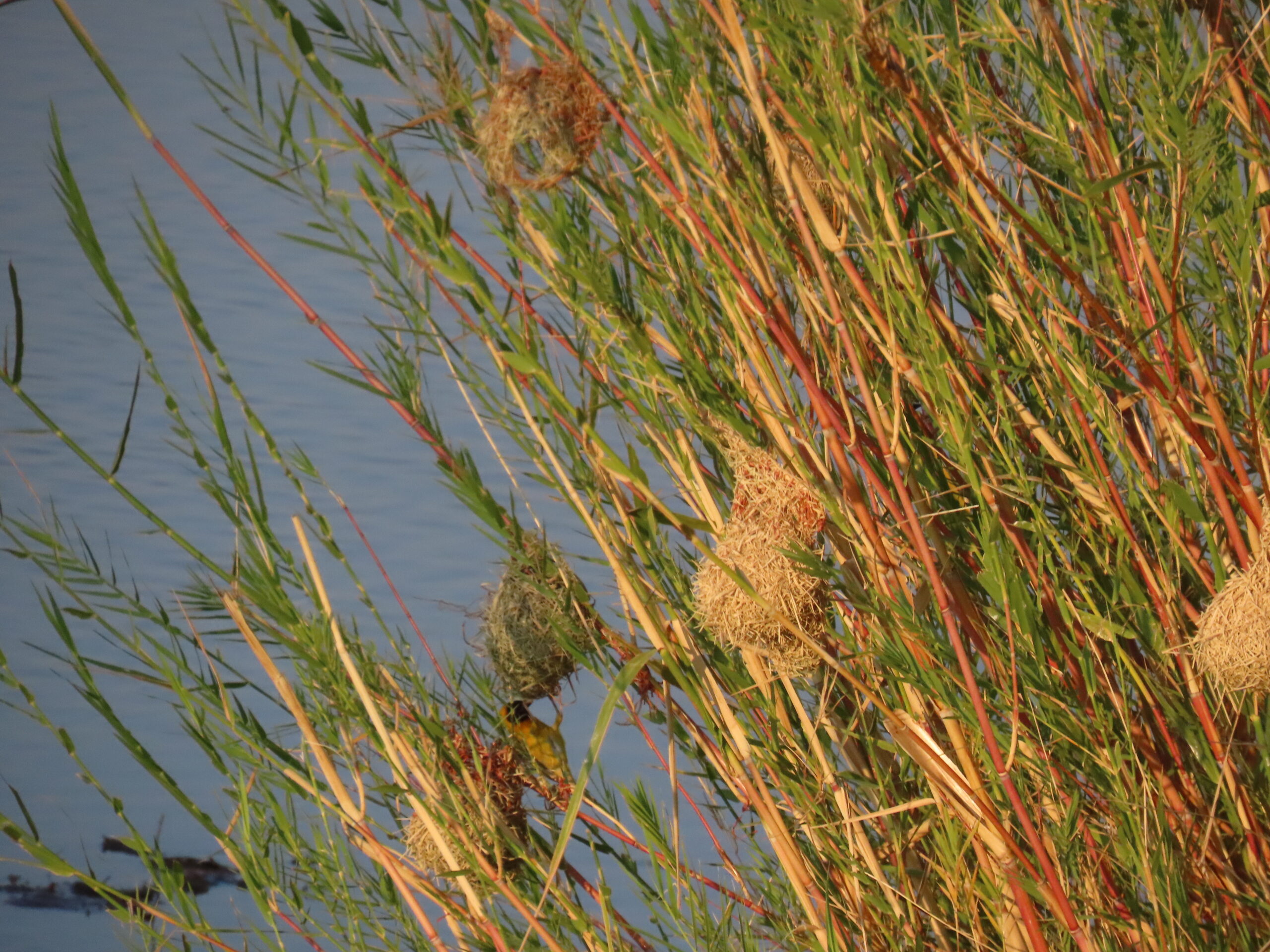
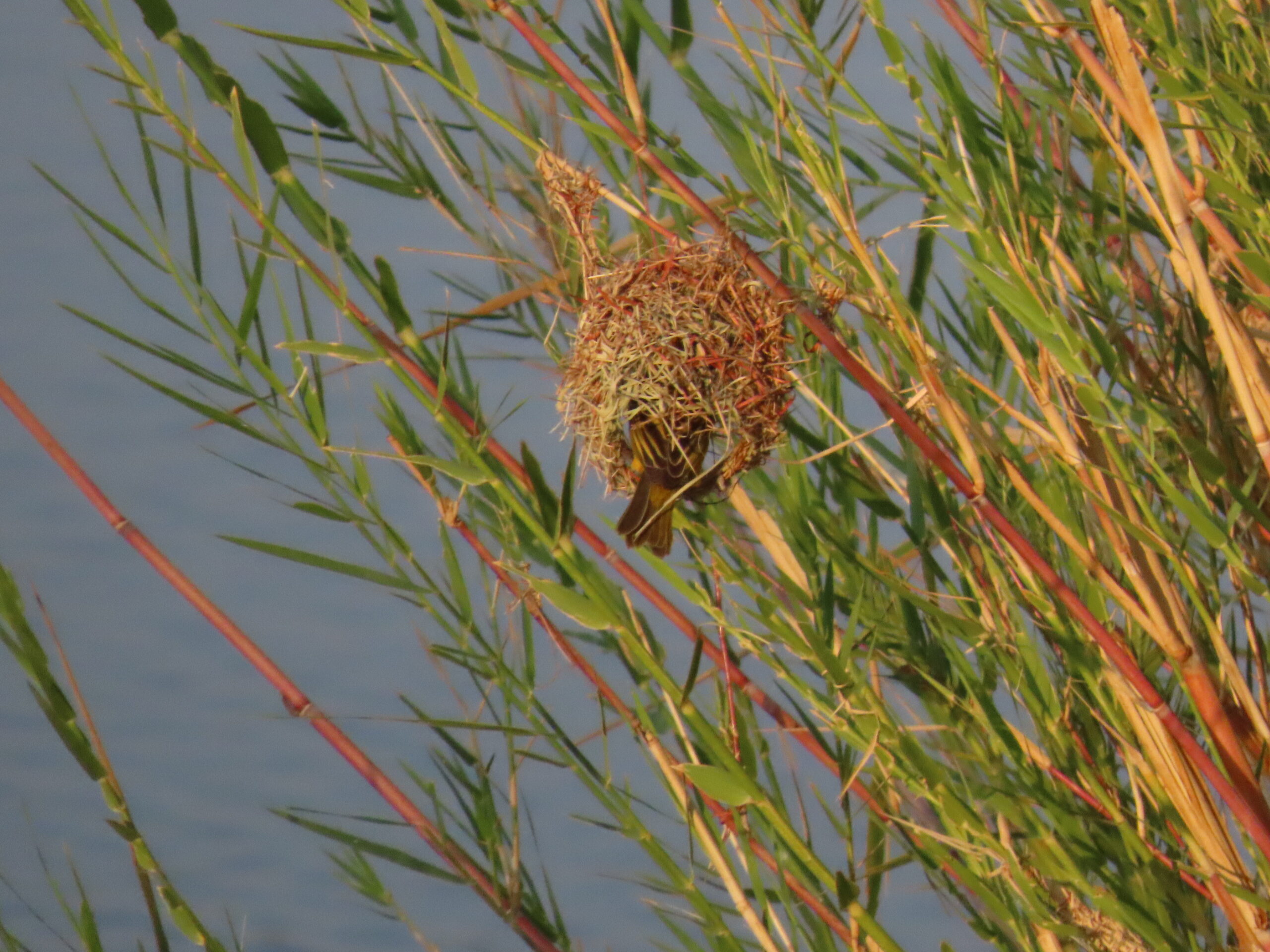
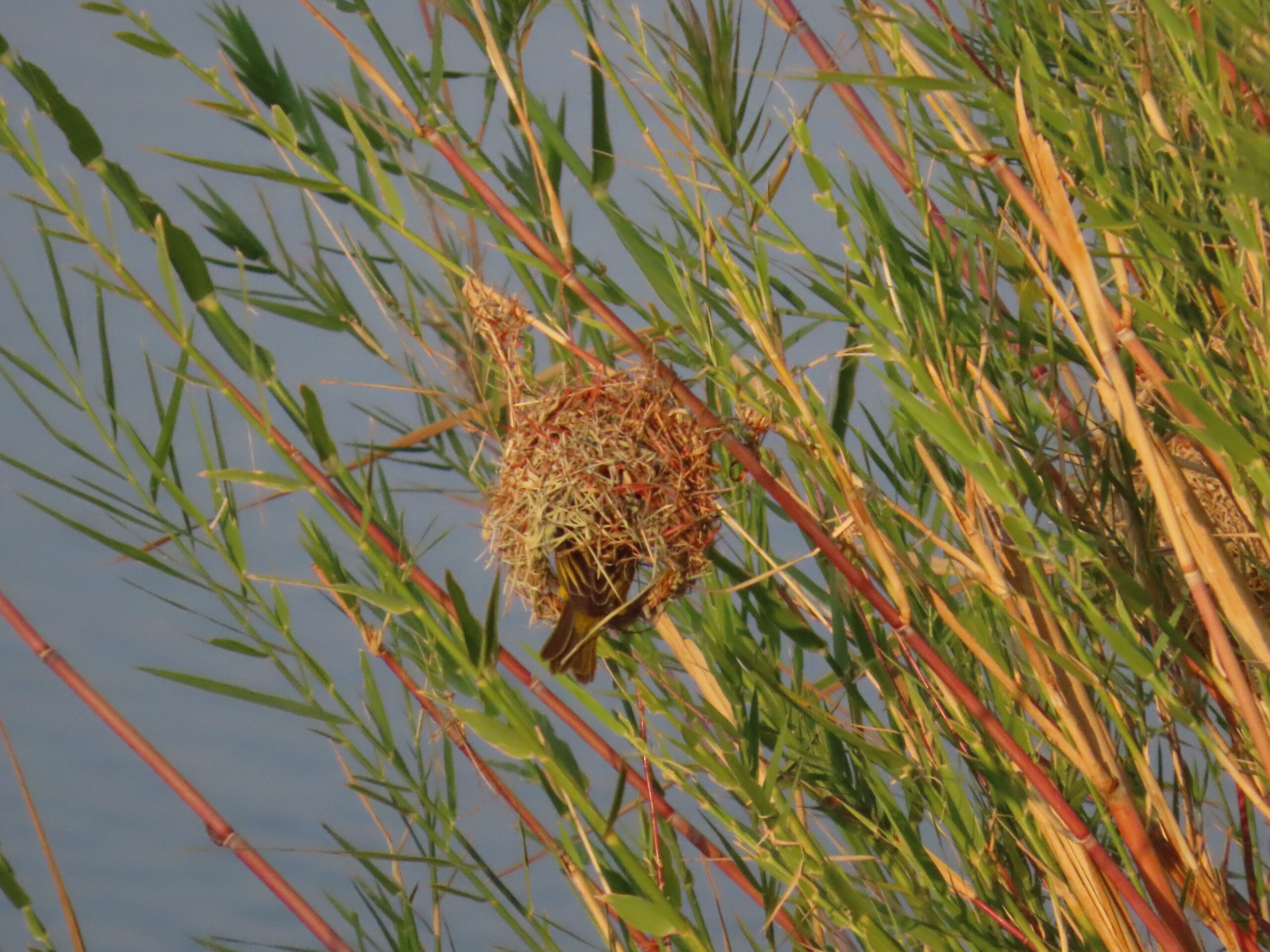
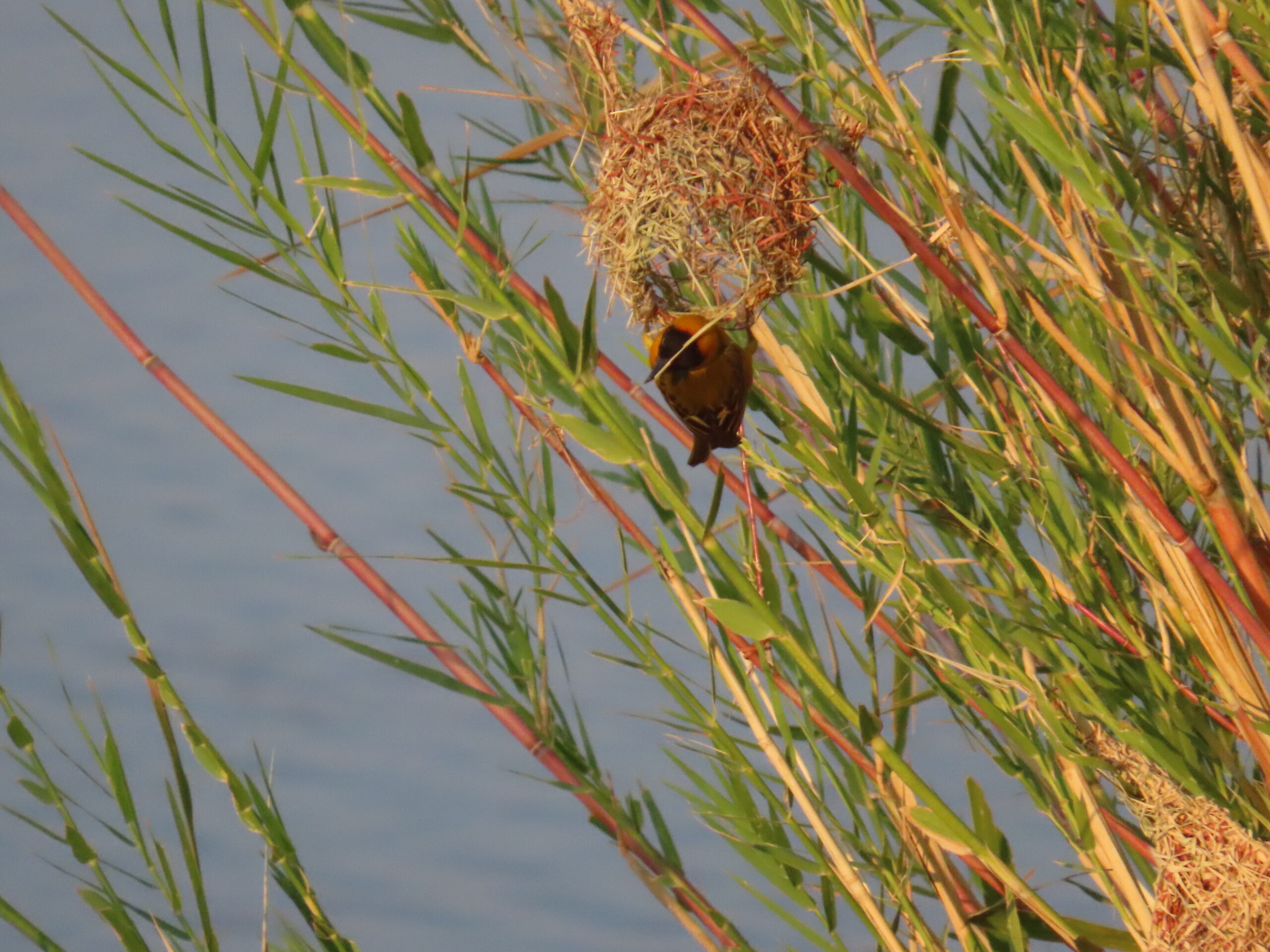
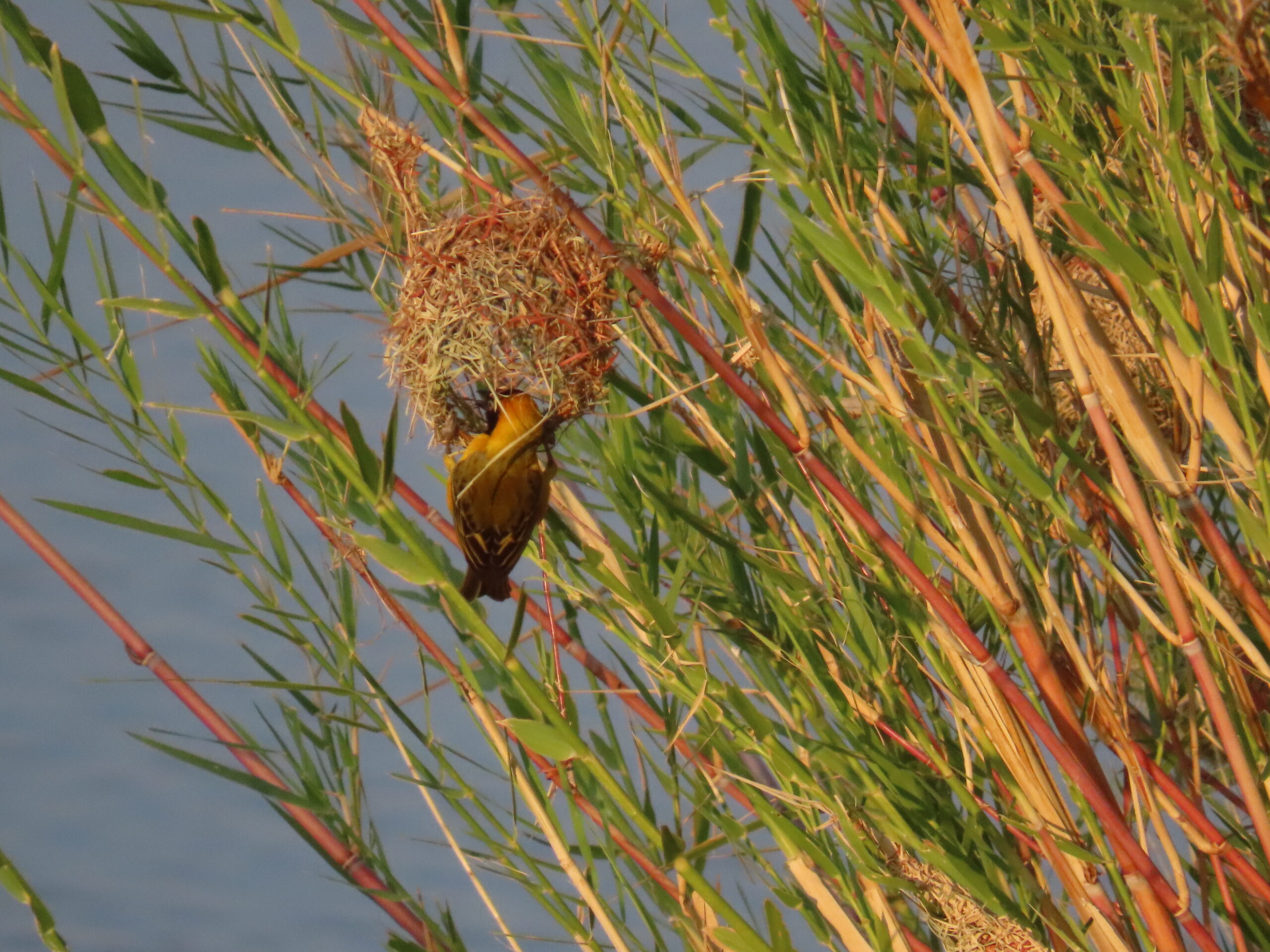
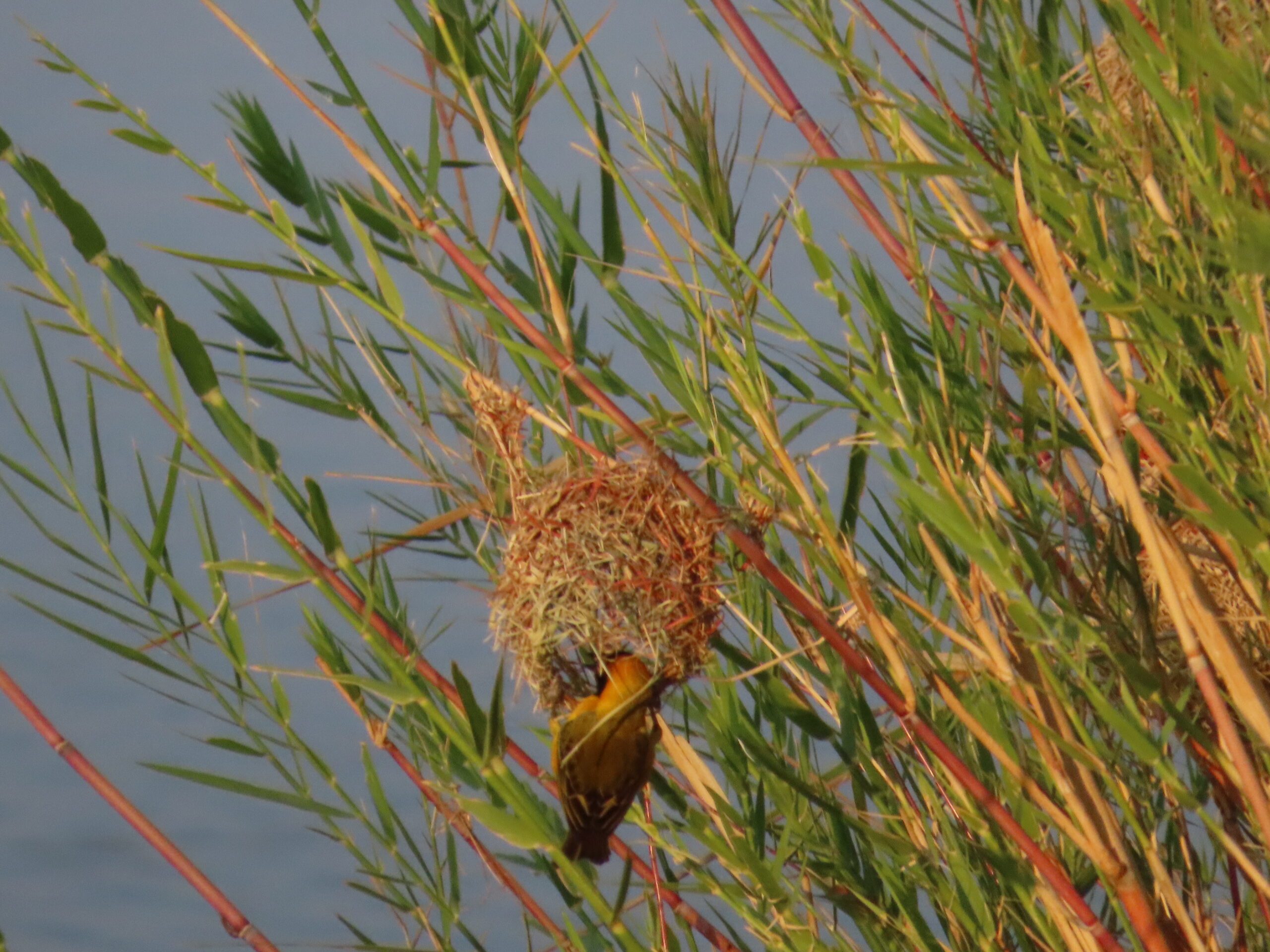
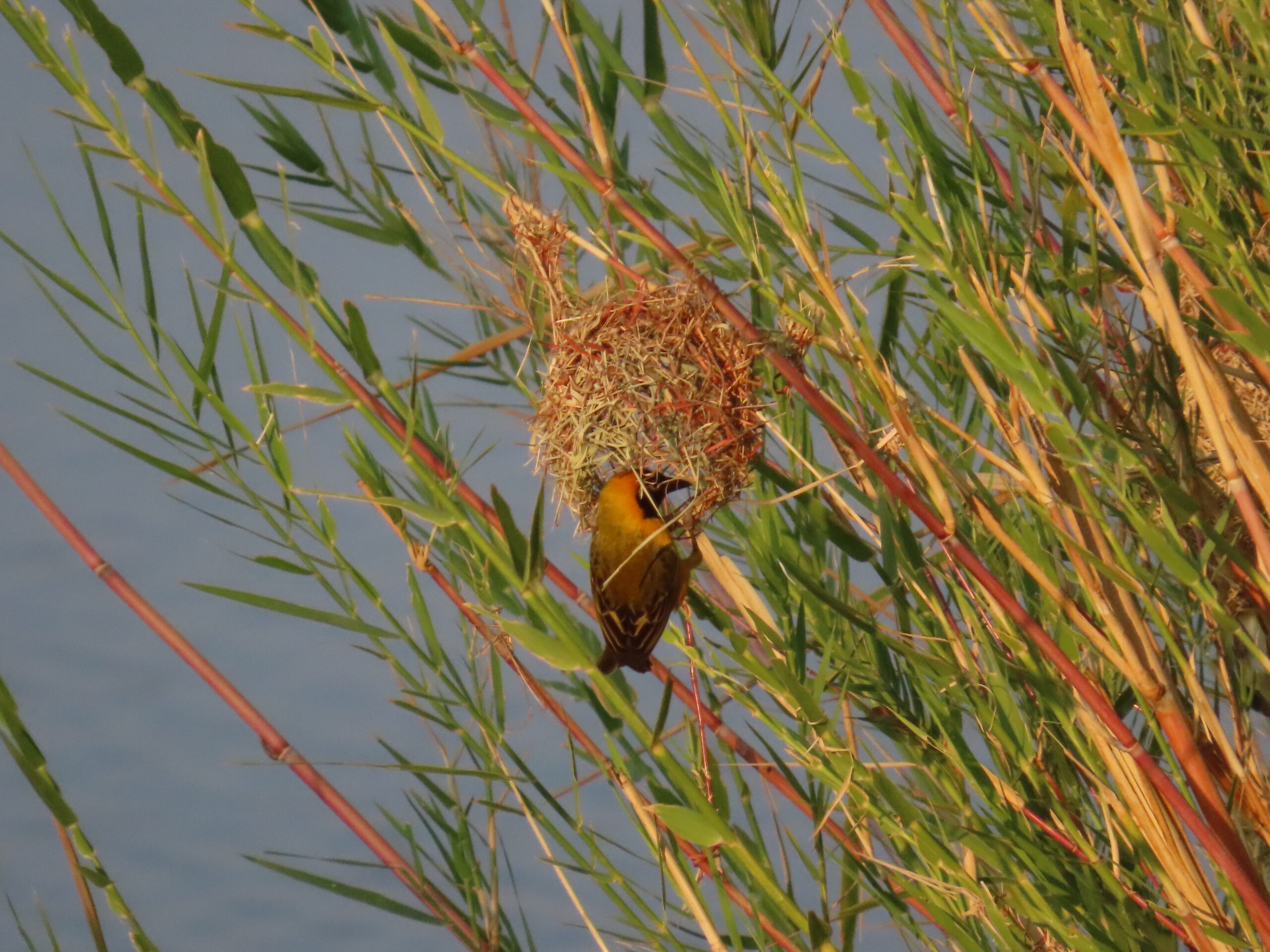
A delight of Crook’s Corner was being able to actually see those tiny weaver birds flying in and out of their nests. (Previously, we had only seen the nests themselves.) They are hard to spot in the foliage.
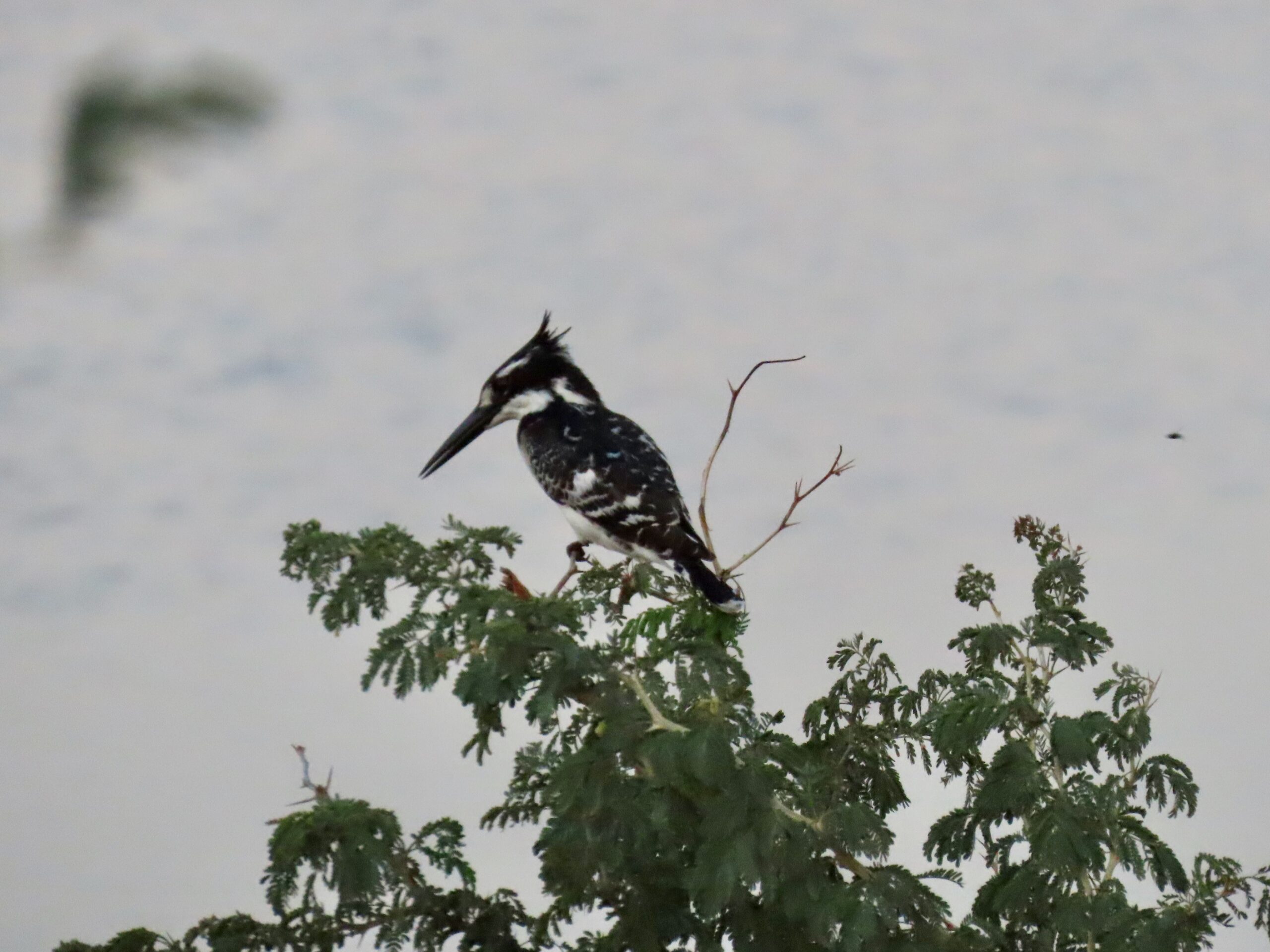
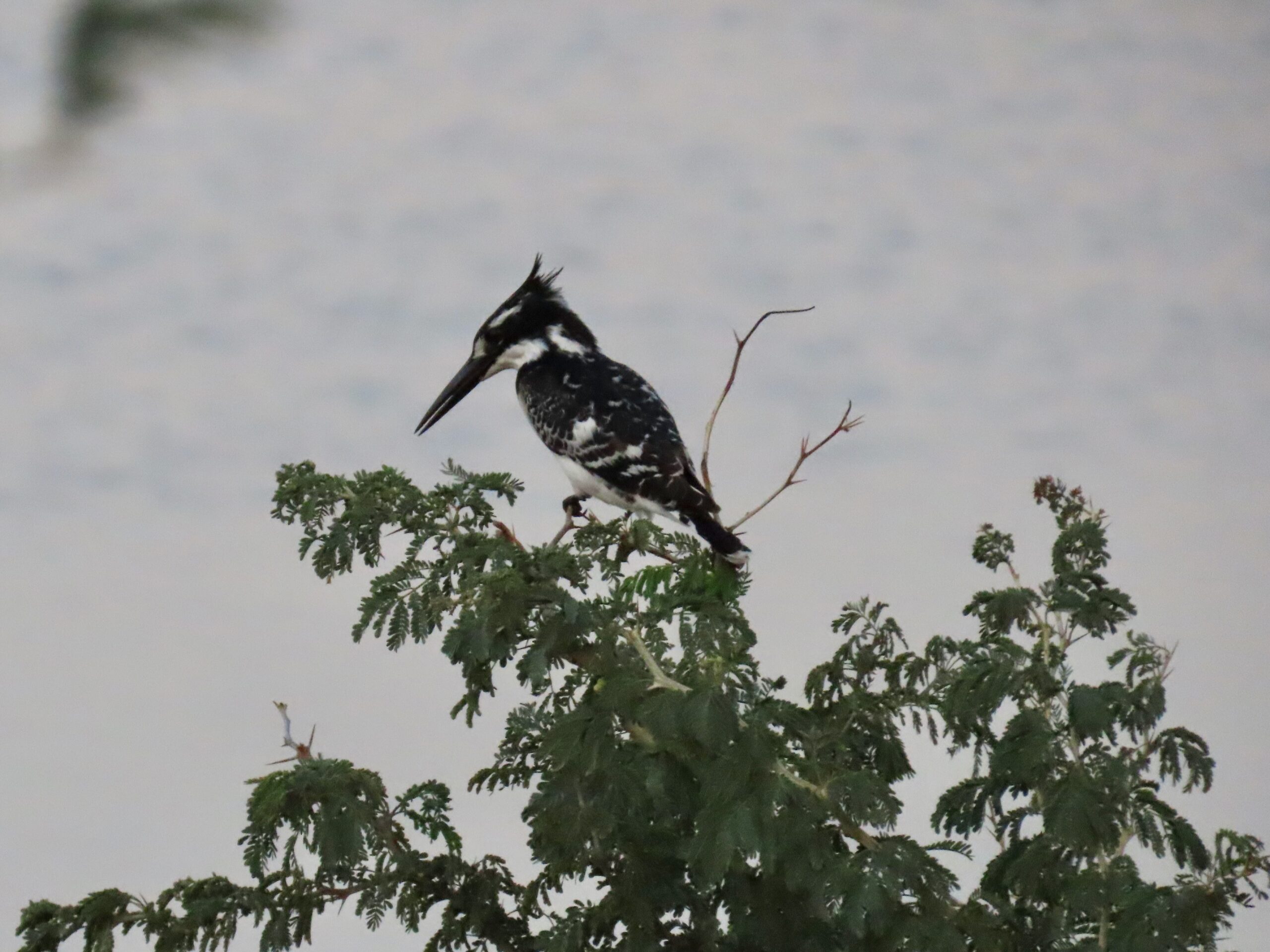
Lots of waterbirds on the river.
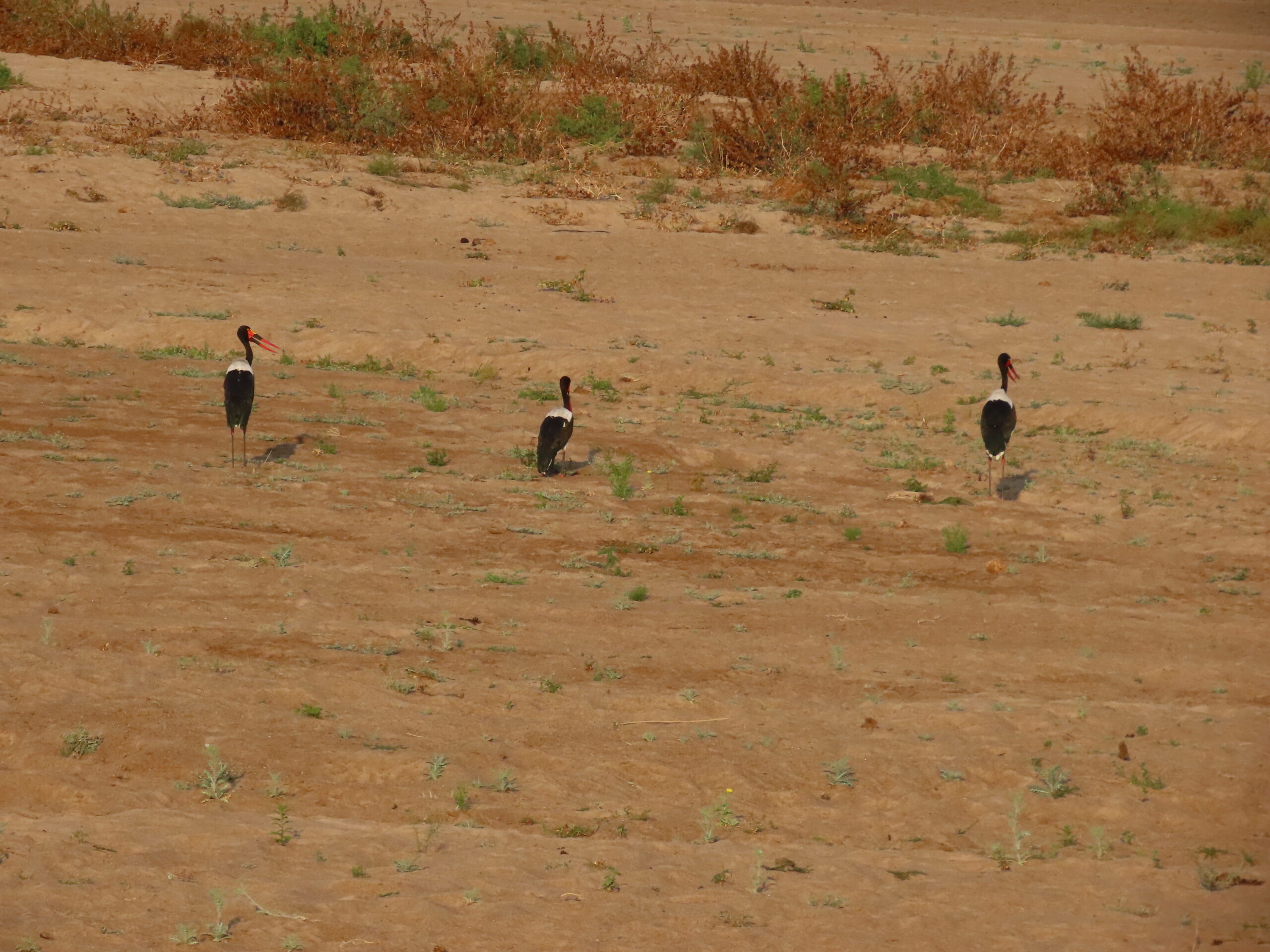
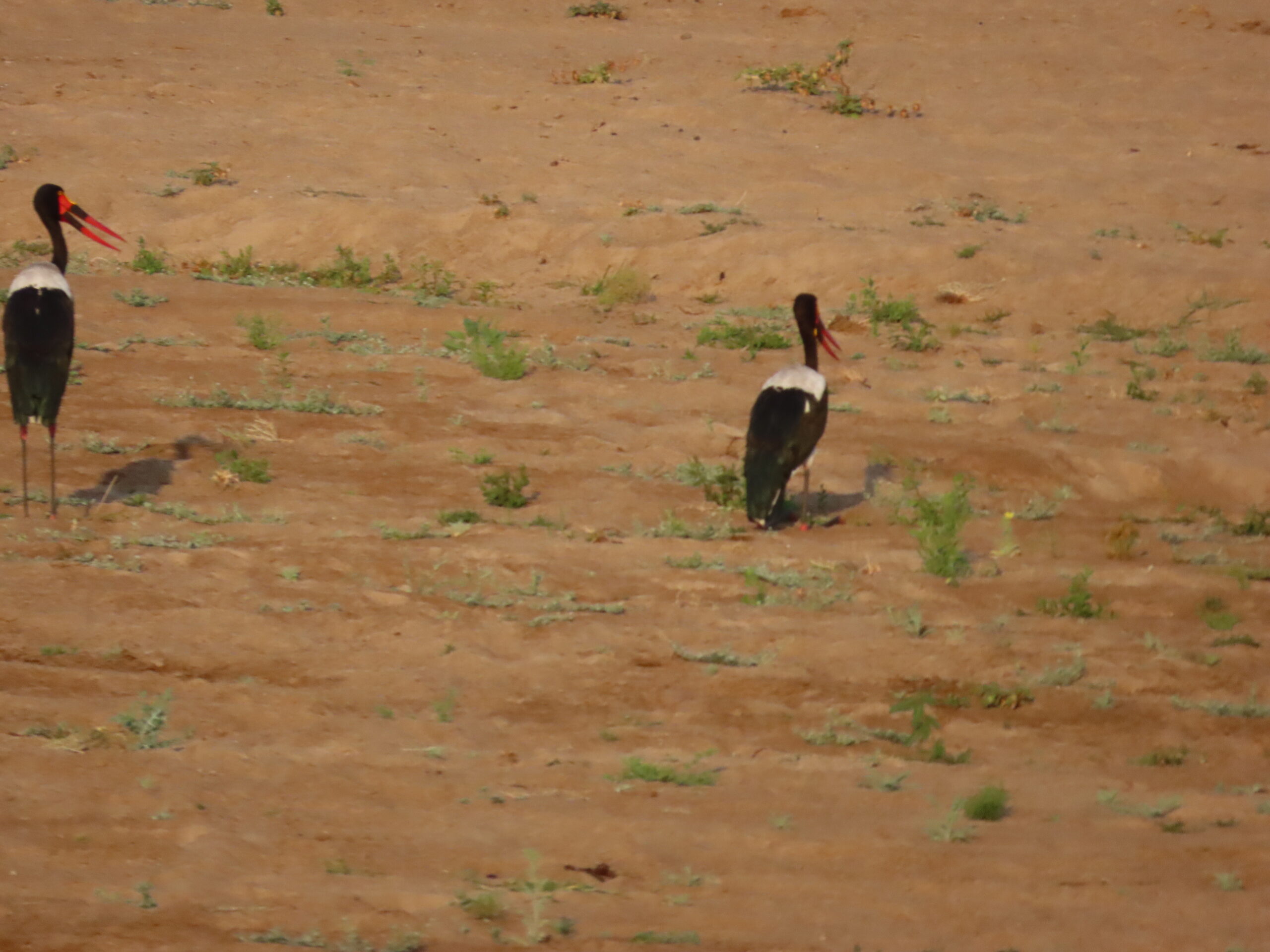
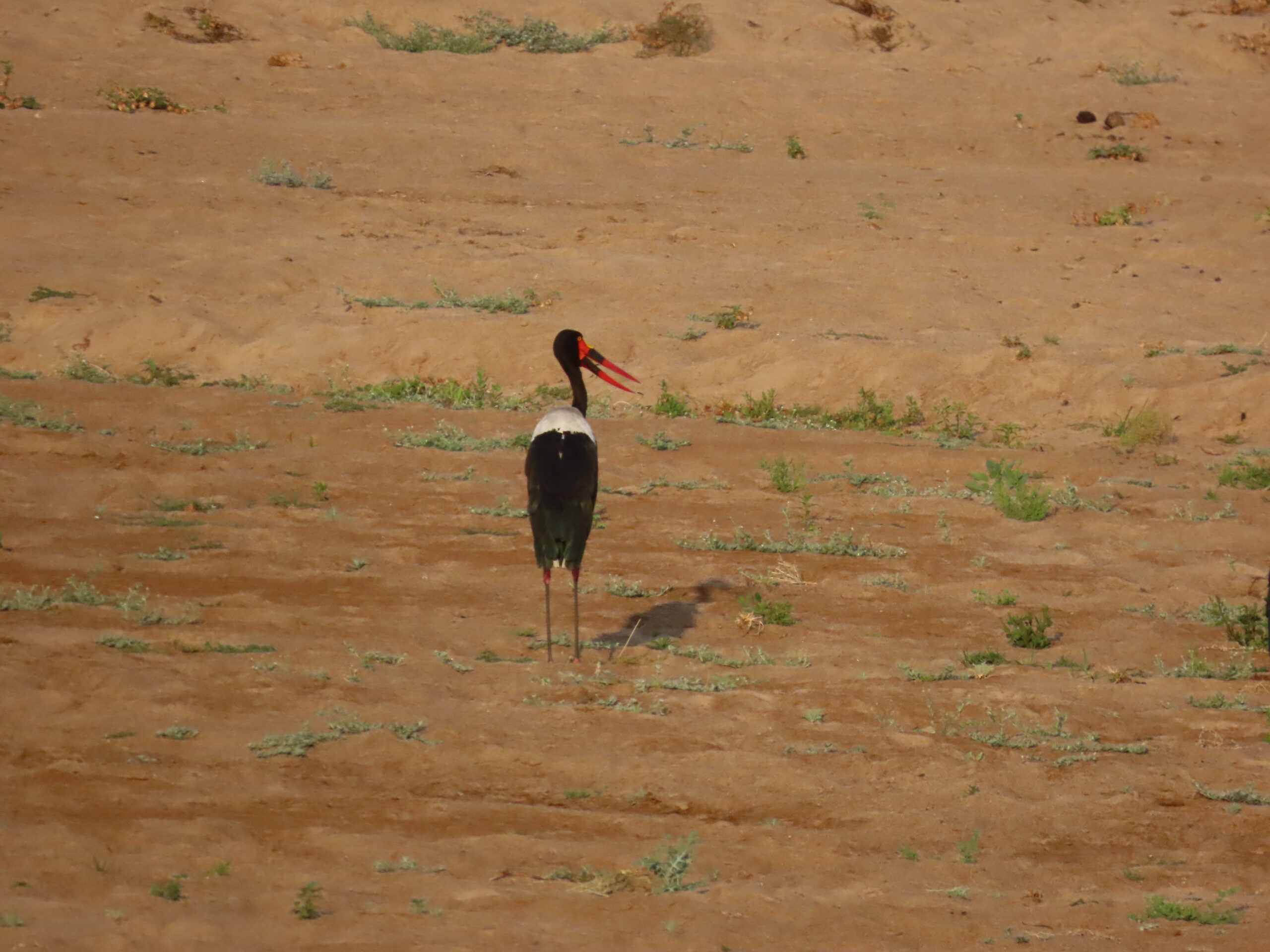
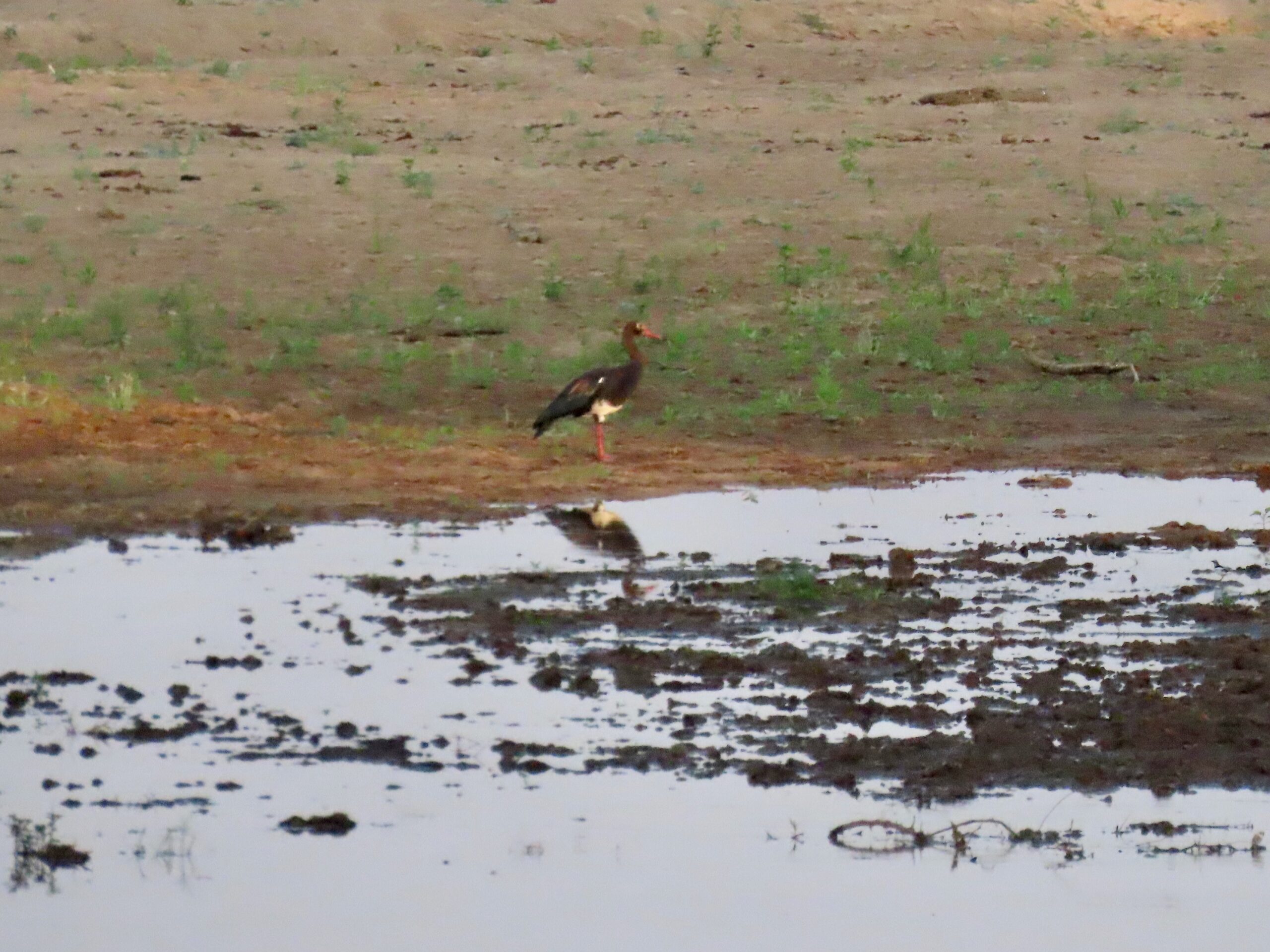
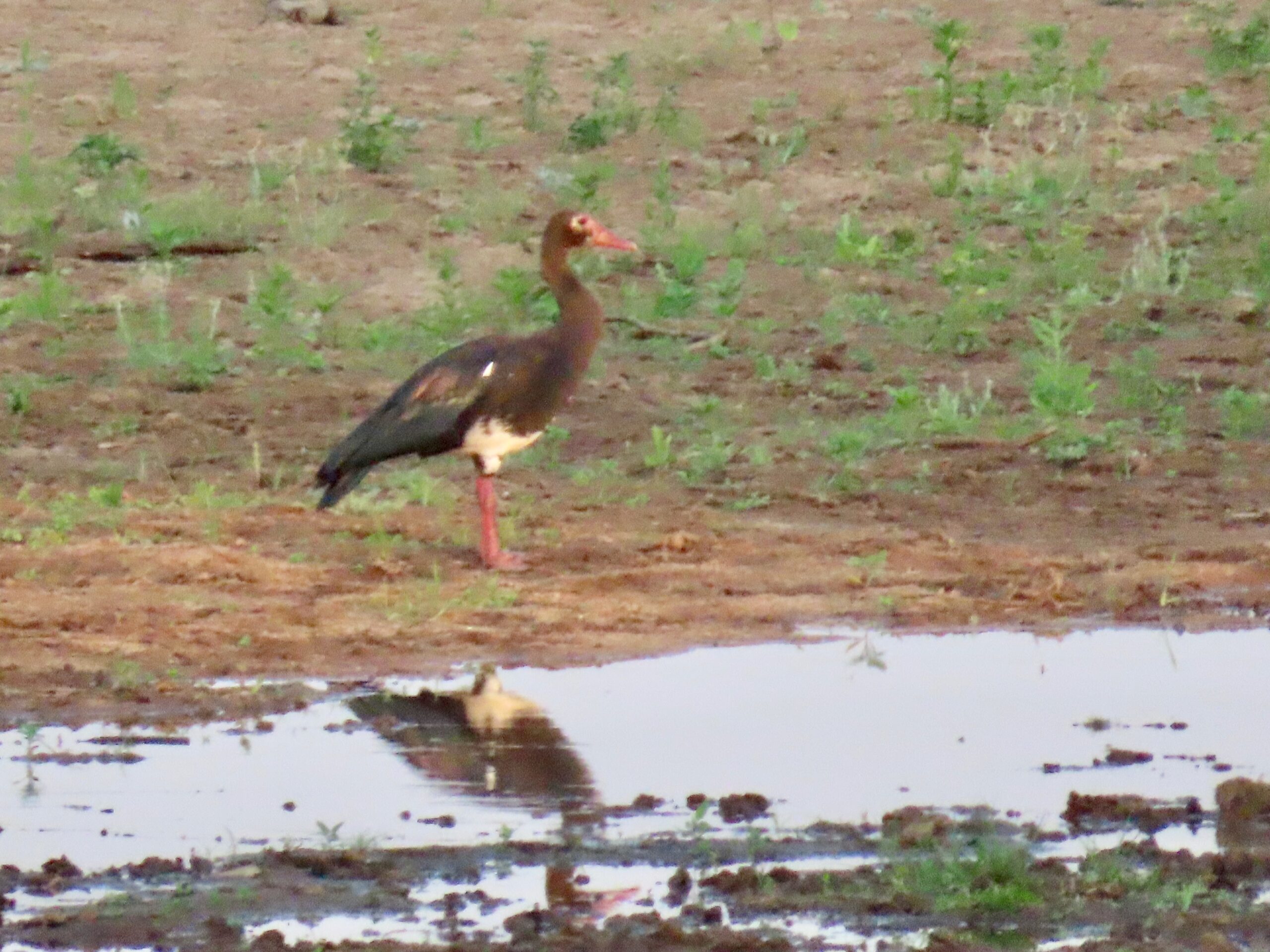
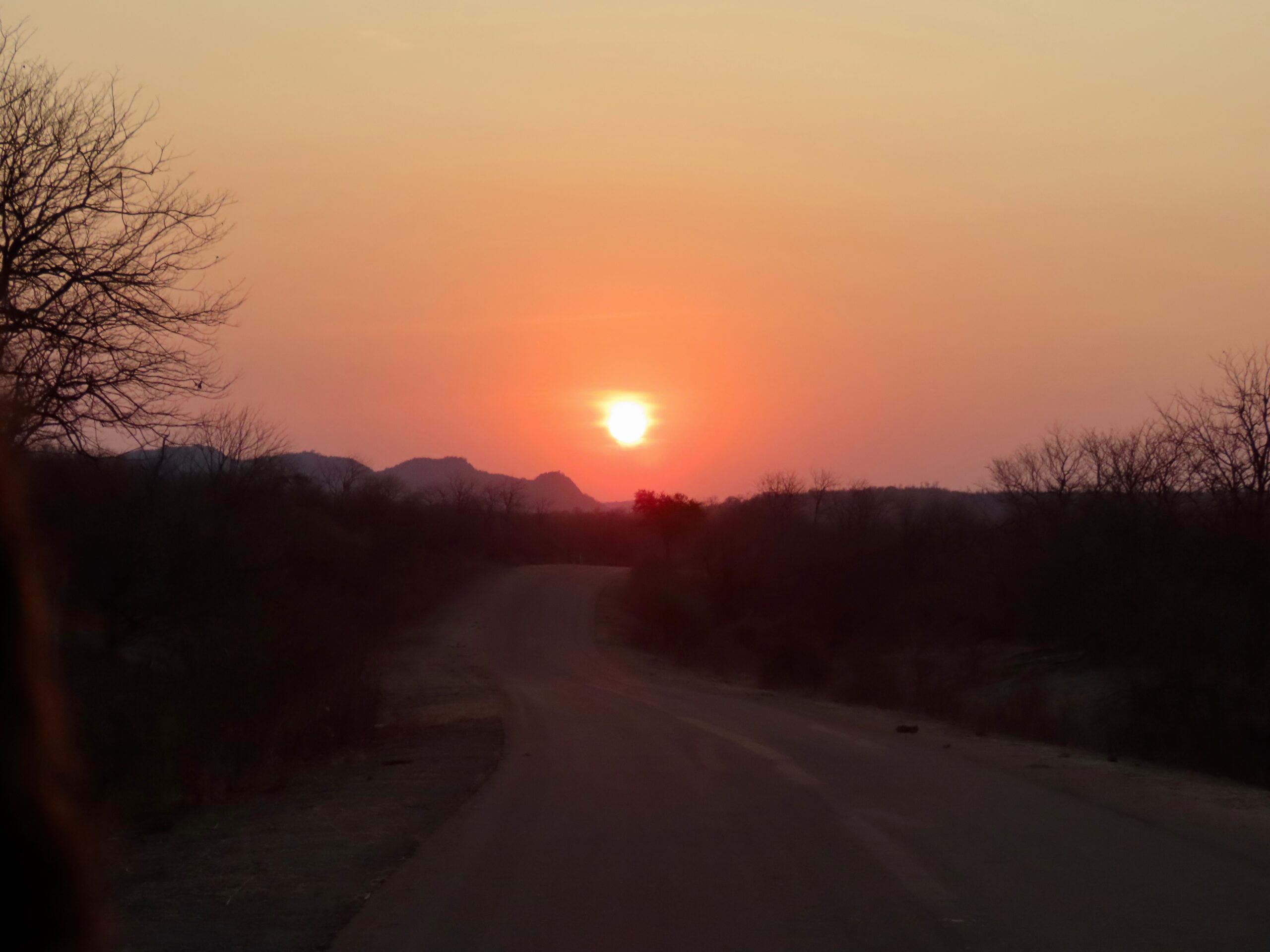
We headed back to Pafuri Camp as the sun was setting.
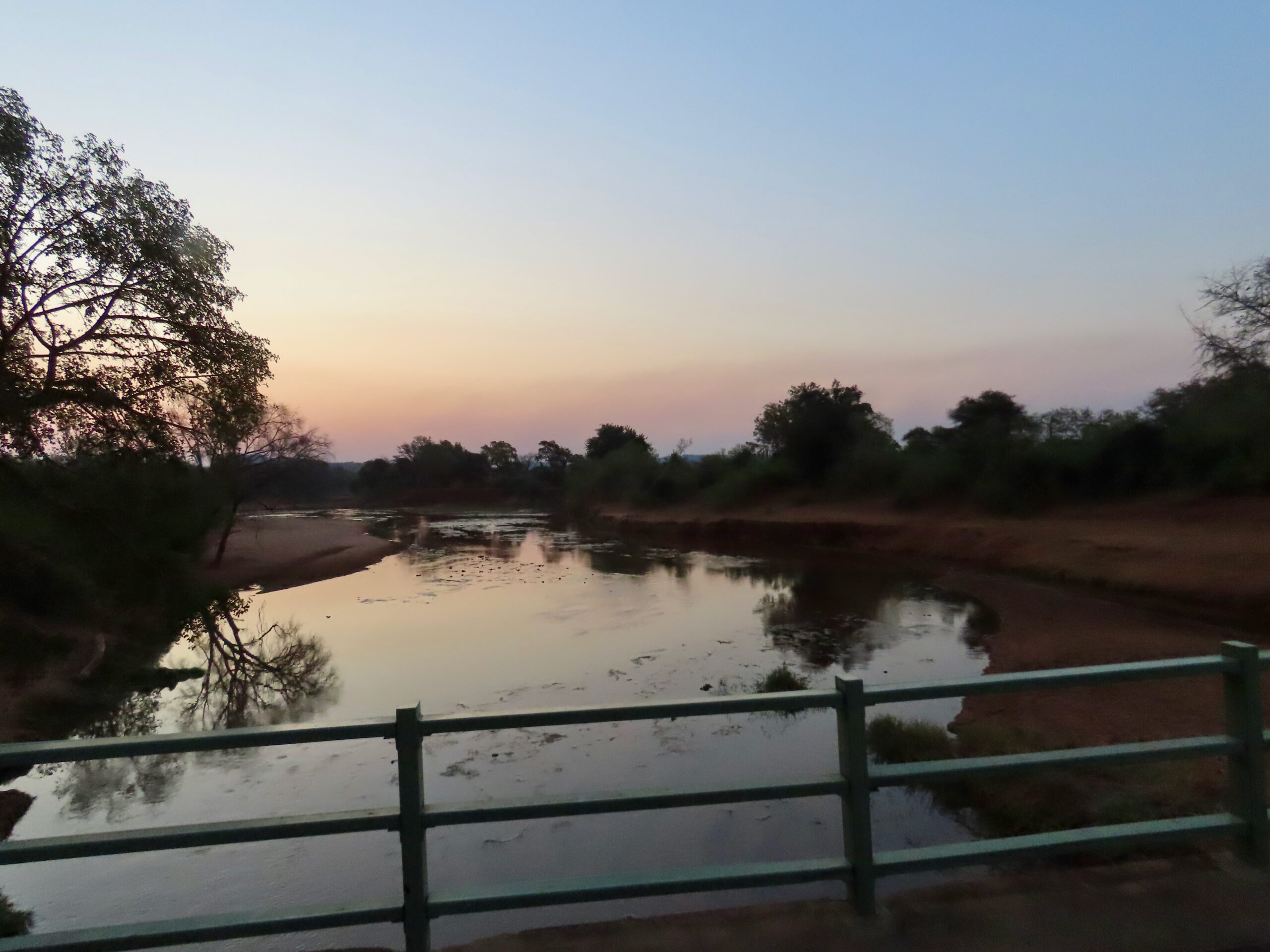
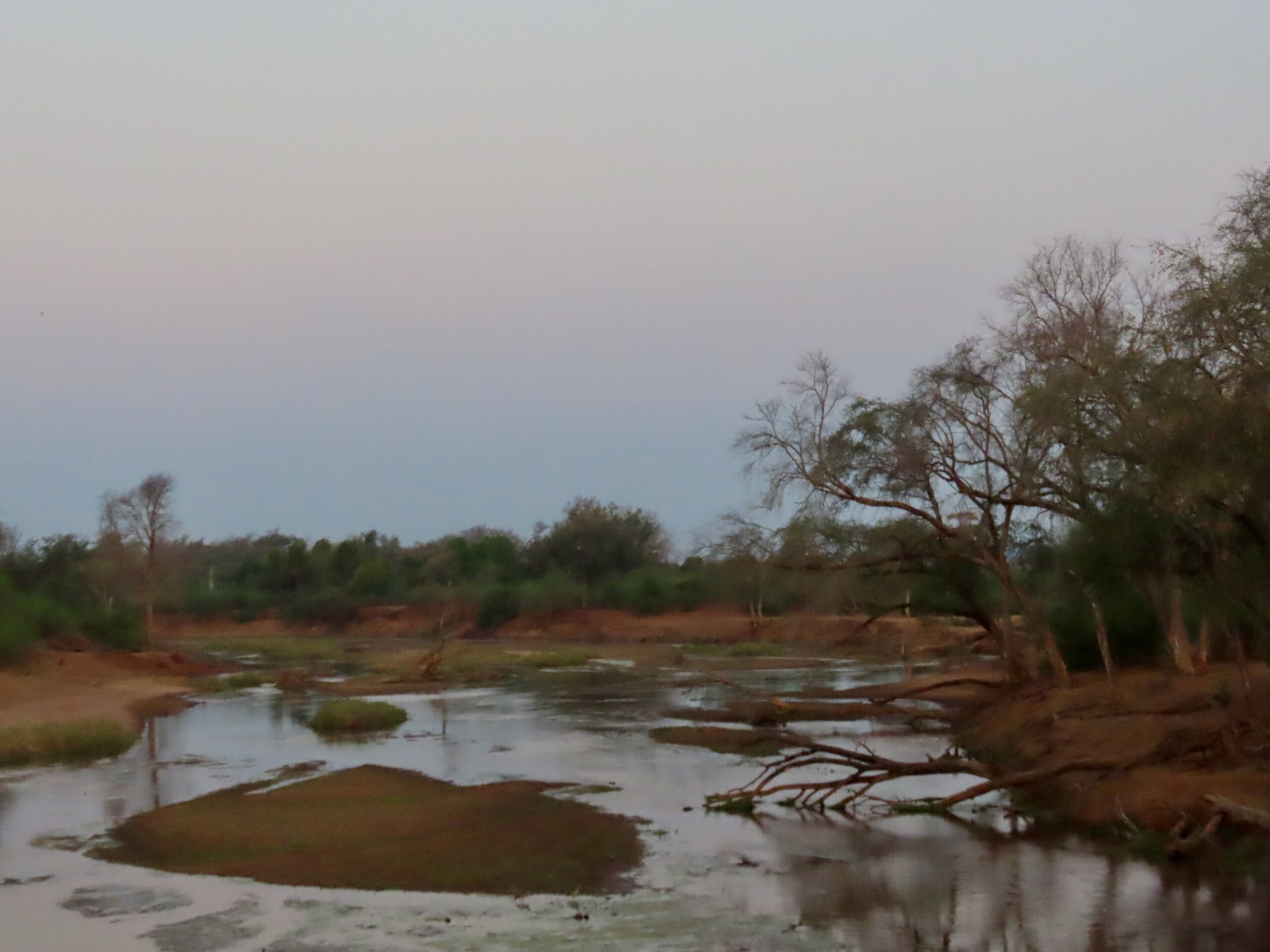
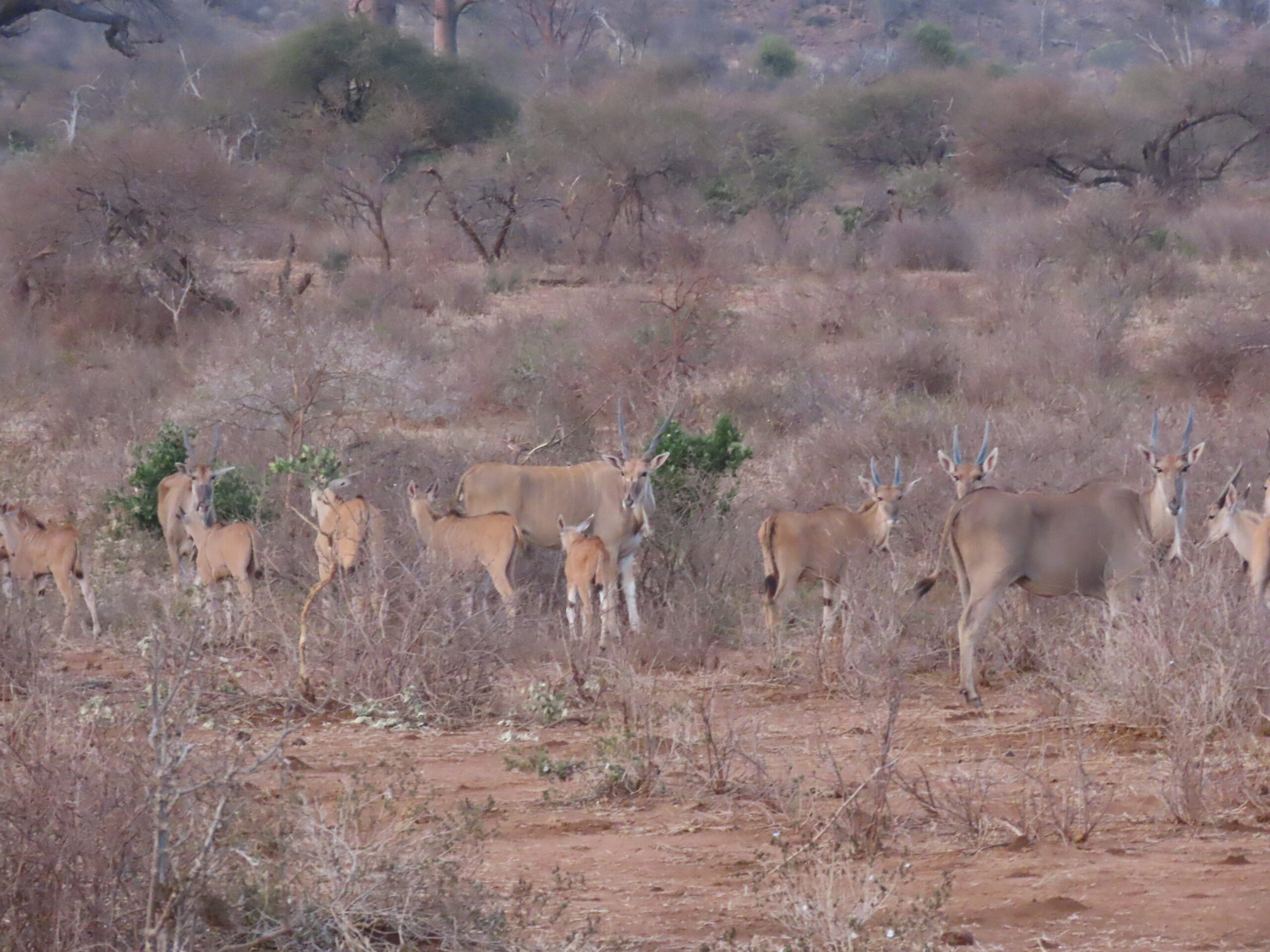
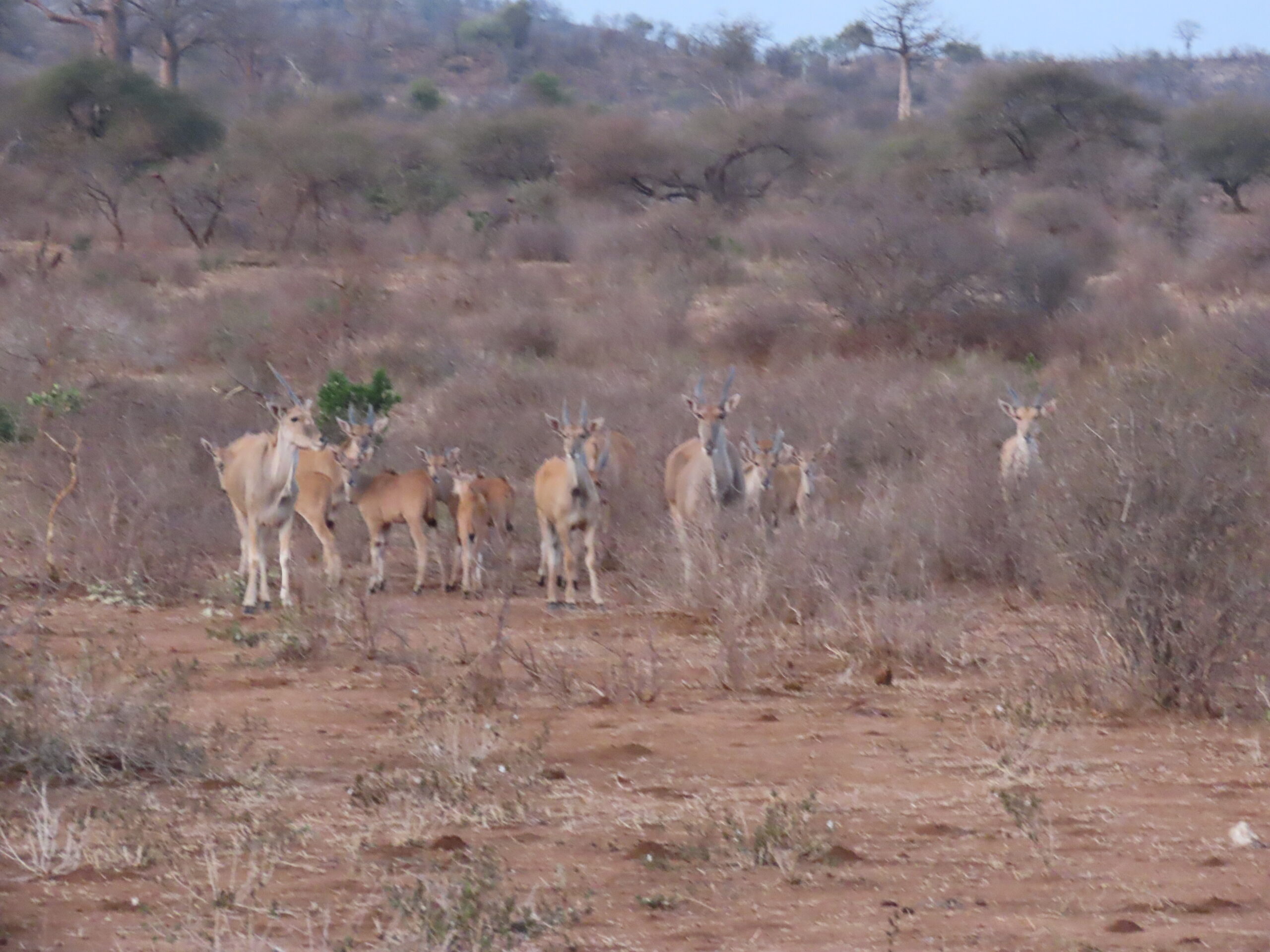
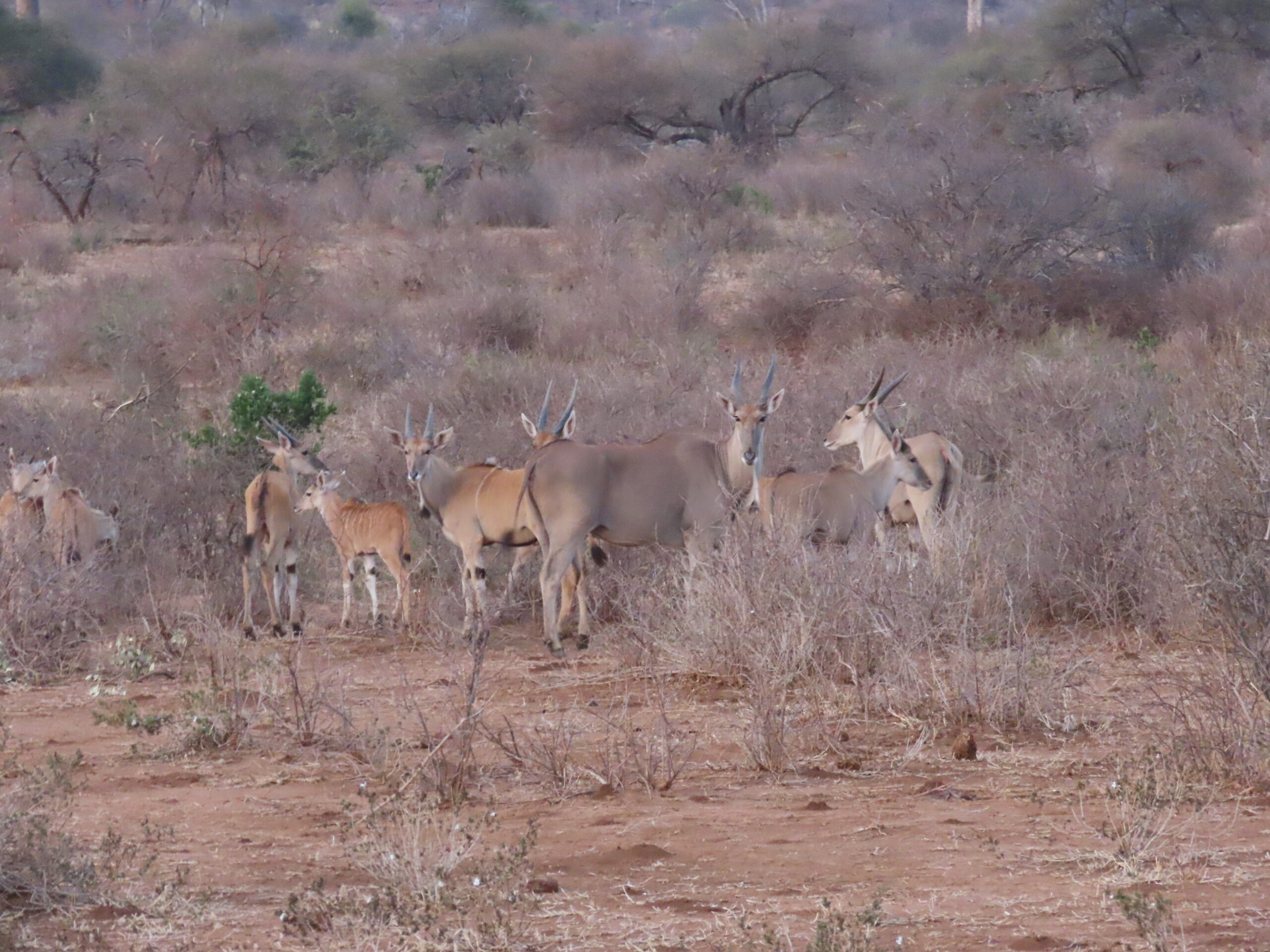
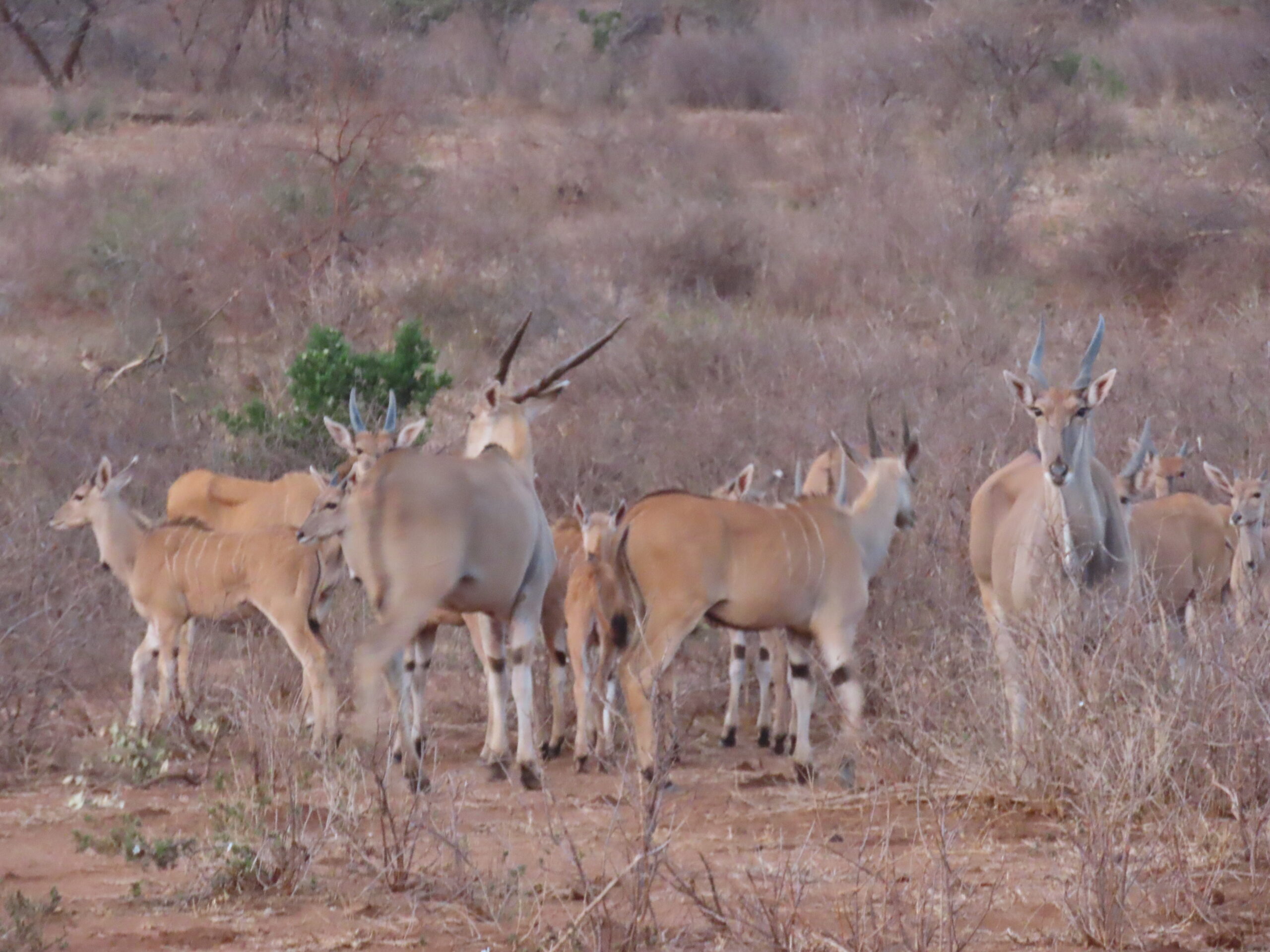
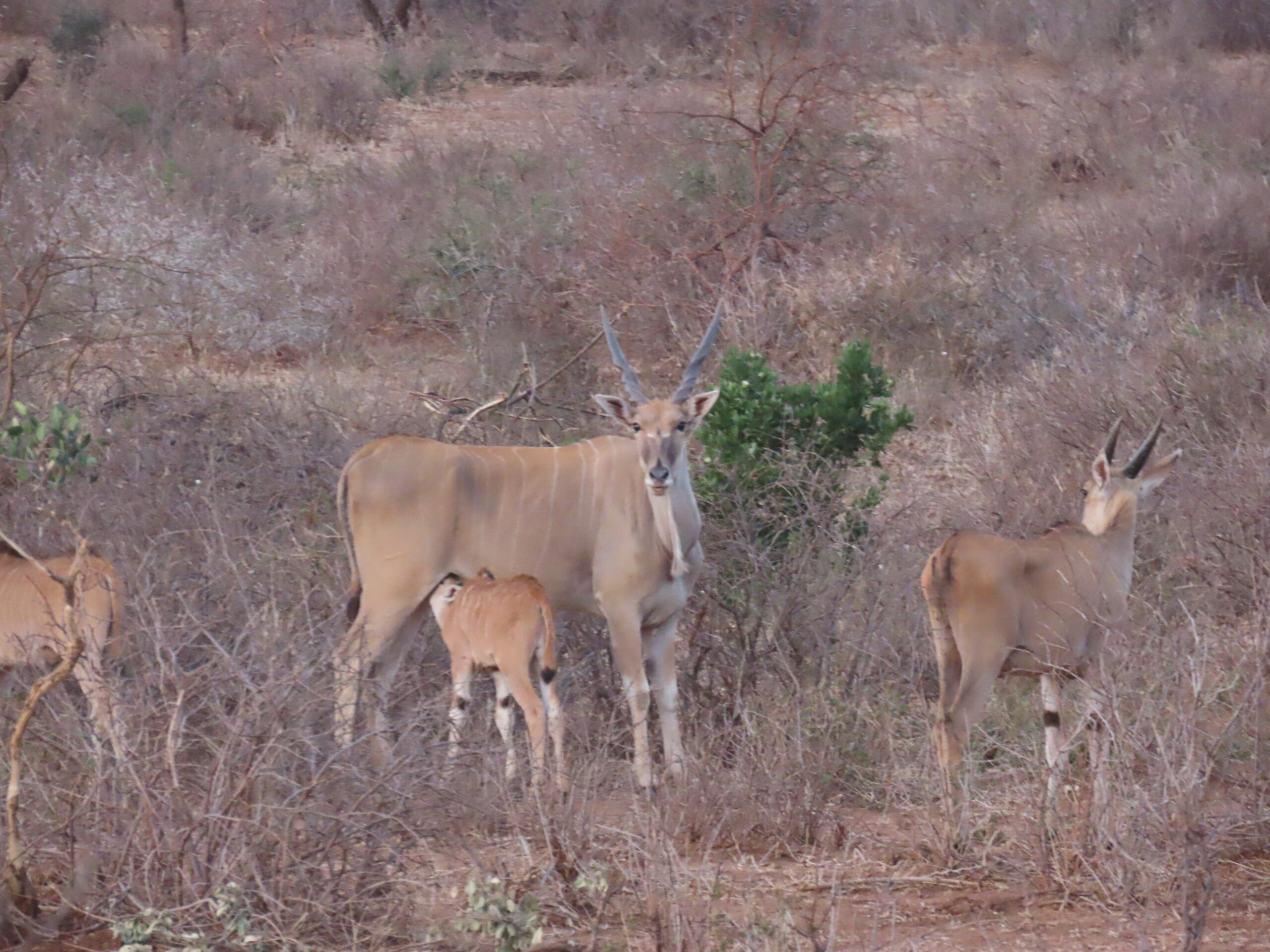
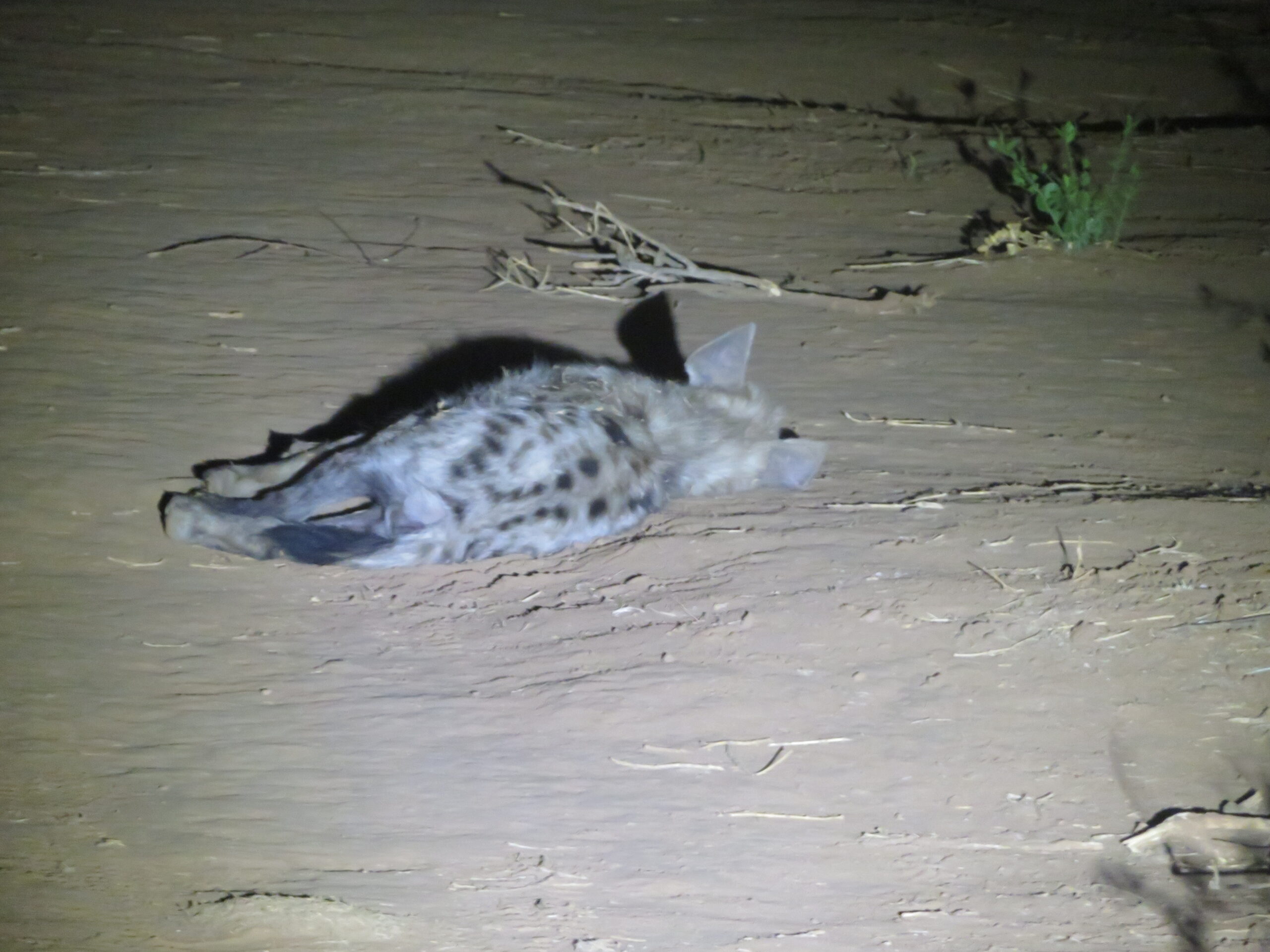
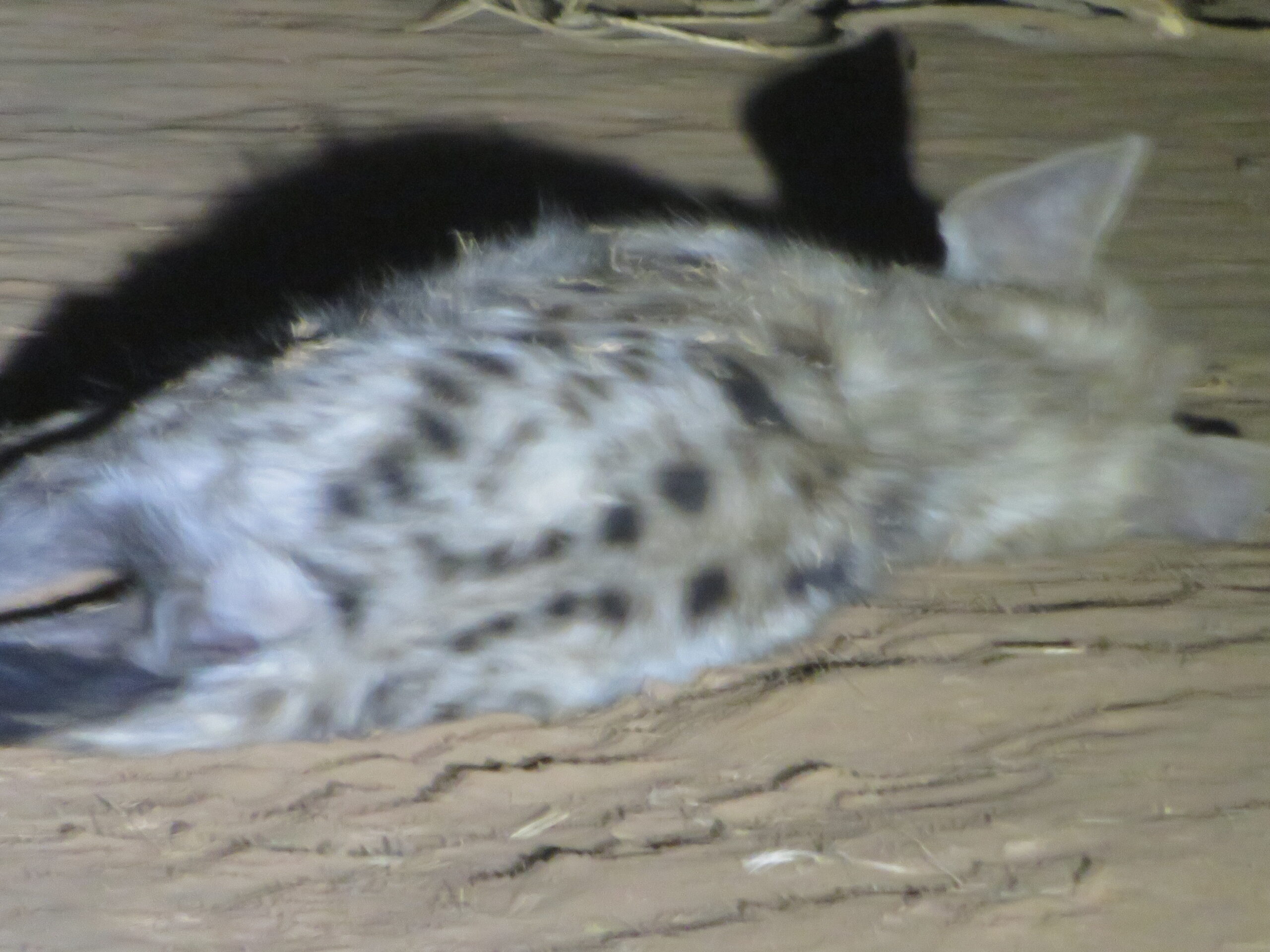
Our drive ended with an amusing encounter: a female hyena and 2 hyena cubs of different ages had made themselves comfortable in the middle of the road. They had no inclination to move, to Jan’s annoyance. He finally had to drive off the road and maneuver around them to get by.



Very interesting. Thank you, Joni!
Ahhhh…the Baobobs! 💕✨
Great to see the rare archeological site!
Another fabulous adventure. Thanks for sharing.