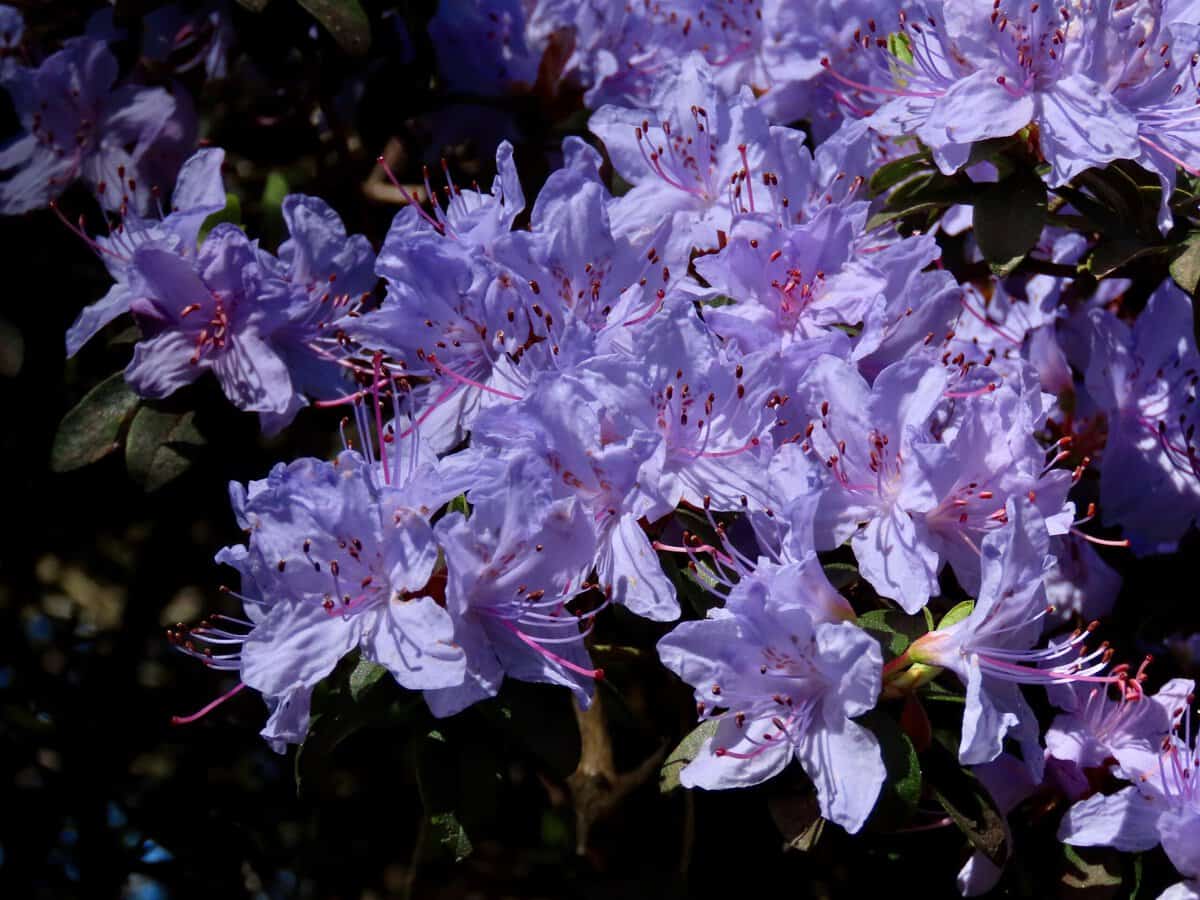
Wednesday saw the five of us – Sue, Philip, Milo, Matt and me – off to sample the delights of Sheringham. Our first stop was Sheringham Park, a woodland and landscaped garden estate managed by the National Trust.


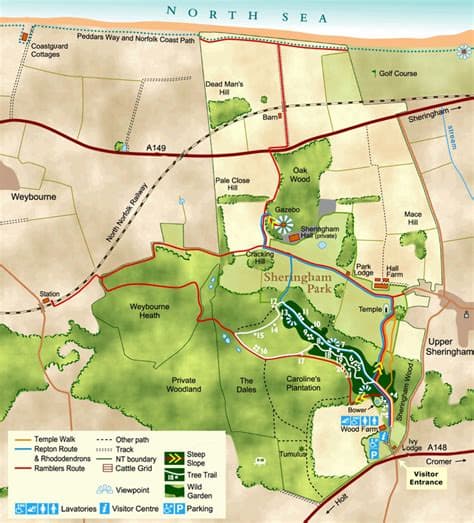
Sheringham has been the site of a family estate since at least the 18th century (with evidence of some kind of settlement here since the Bronze Age). In 1784, Abbot and Charlotte Upcher purchased the estate as a place to raise their family. They hired landscape designer Humphry Repton, successor to Capability Brown, to design a new house and parkland, complete with multiple buildings, soaring views, and follies.
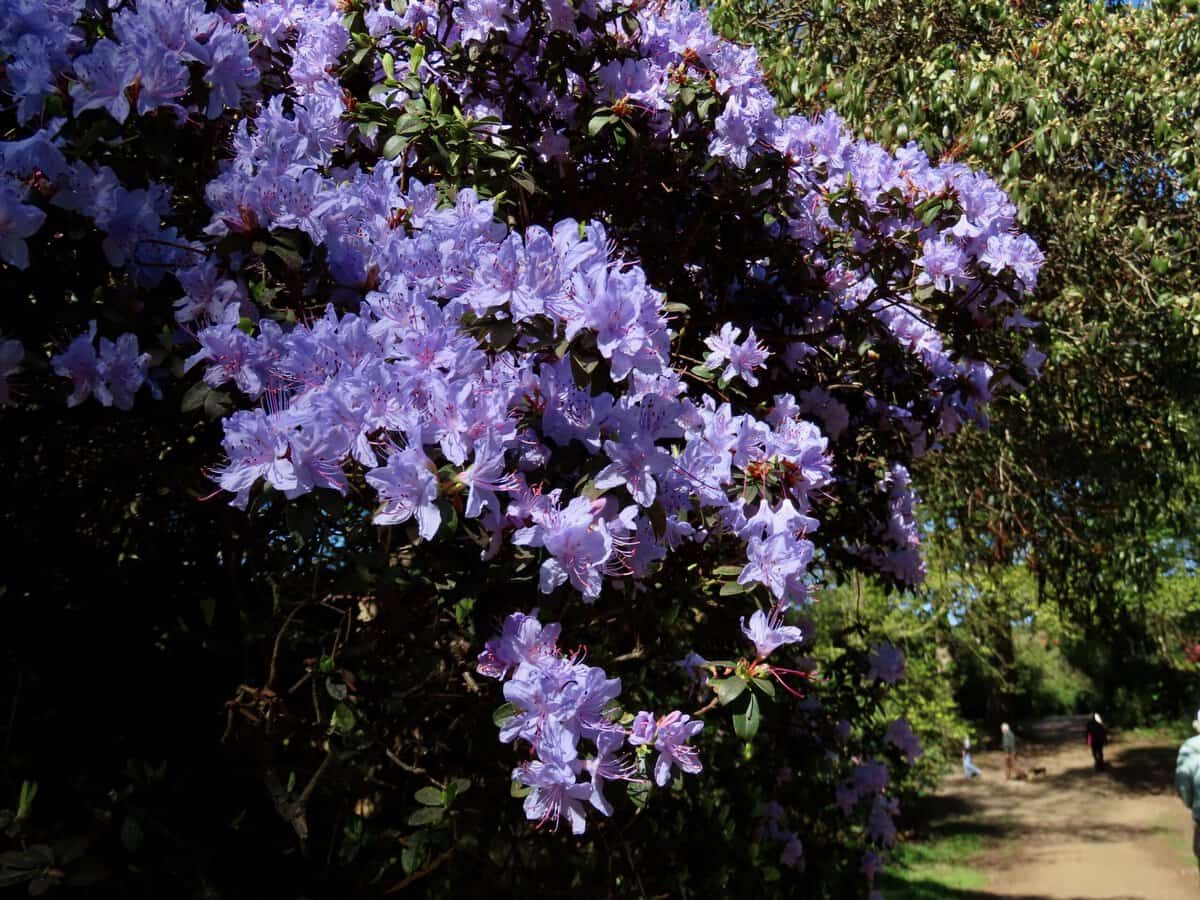
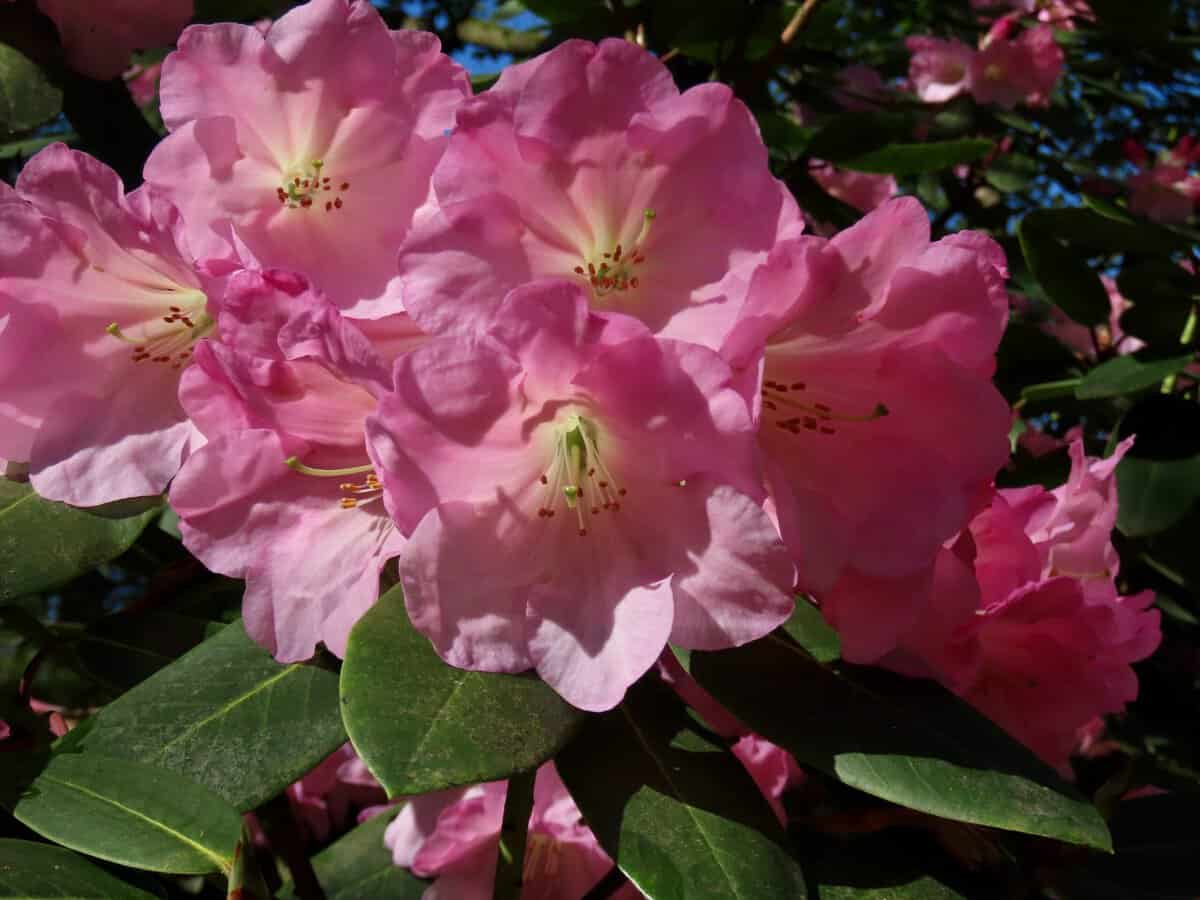
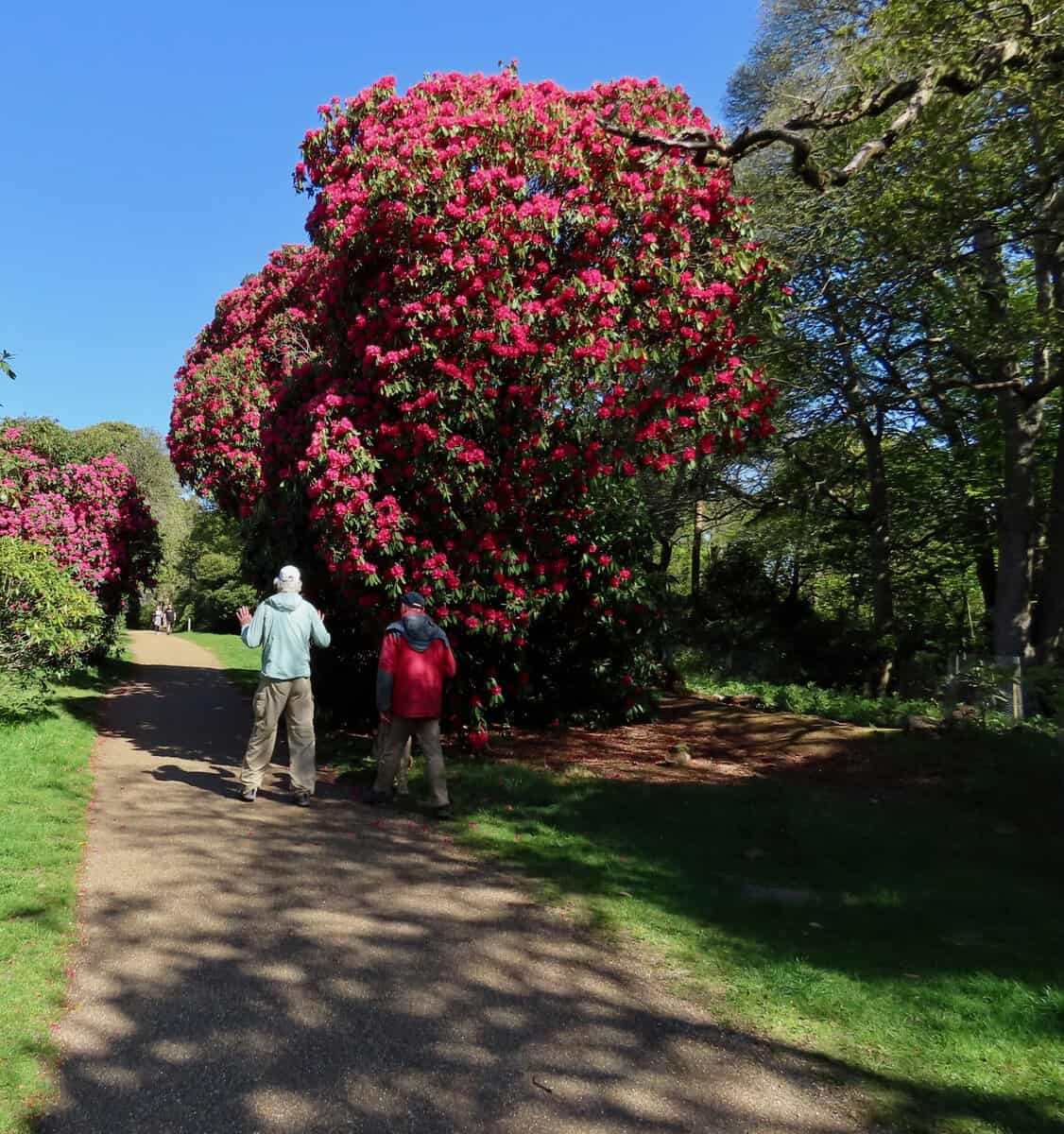
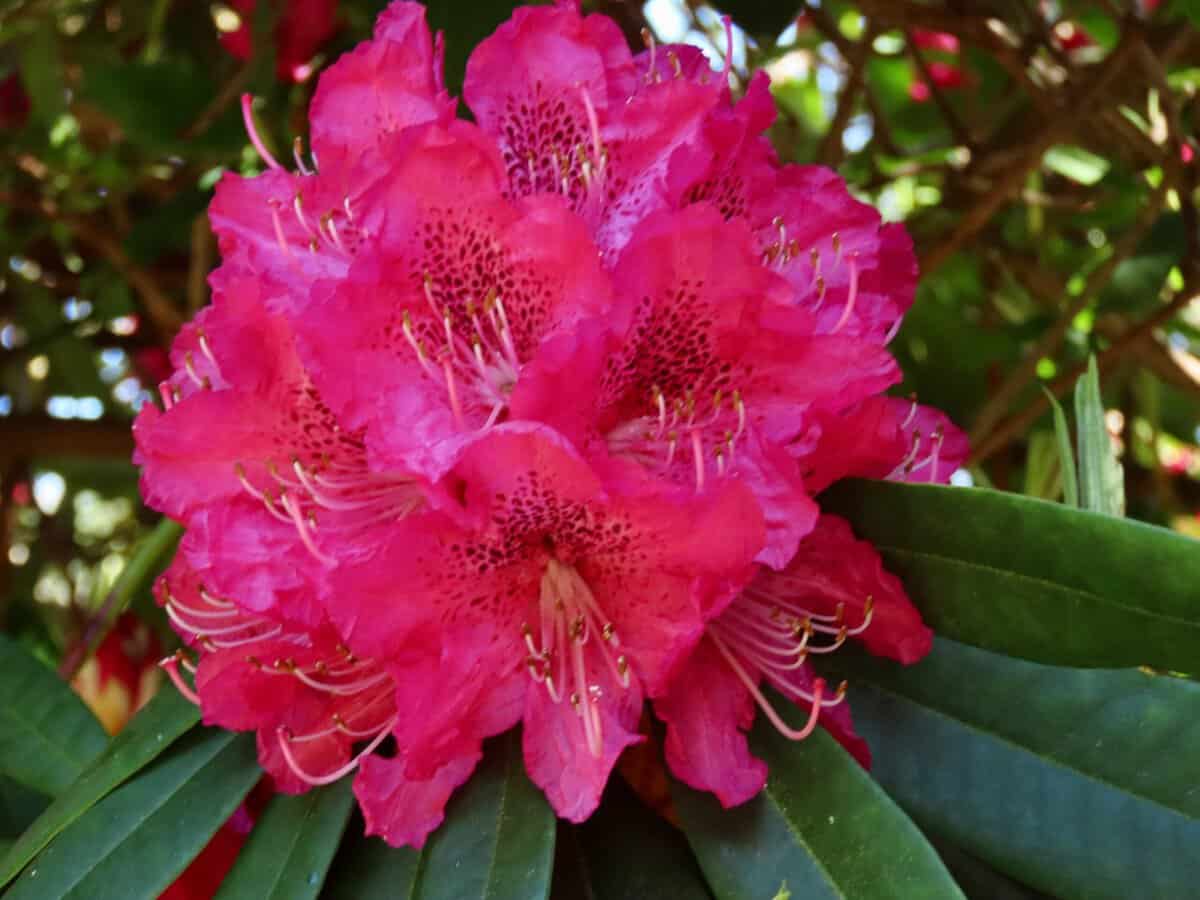
Abbot died young, leaving Charlotte to manage the estate. She was an active community force, supporting village benefits (like establishing its first lifeboat), campaigning for abolition and even allowing poor residents to enter the estate to gather firewood (a fairly radical idea in the early 19th century.) Charlotte and her descendants were big fans of rhododendrons: Sheringham holds one of the most significant collections of rhododendrons in the country. Our visit was focused on Sheringham’s 50+ acre Wild Garden where the rhodies are concentrated.
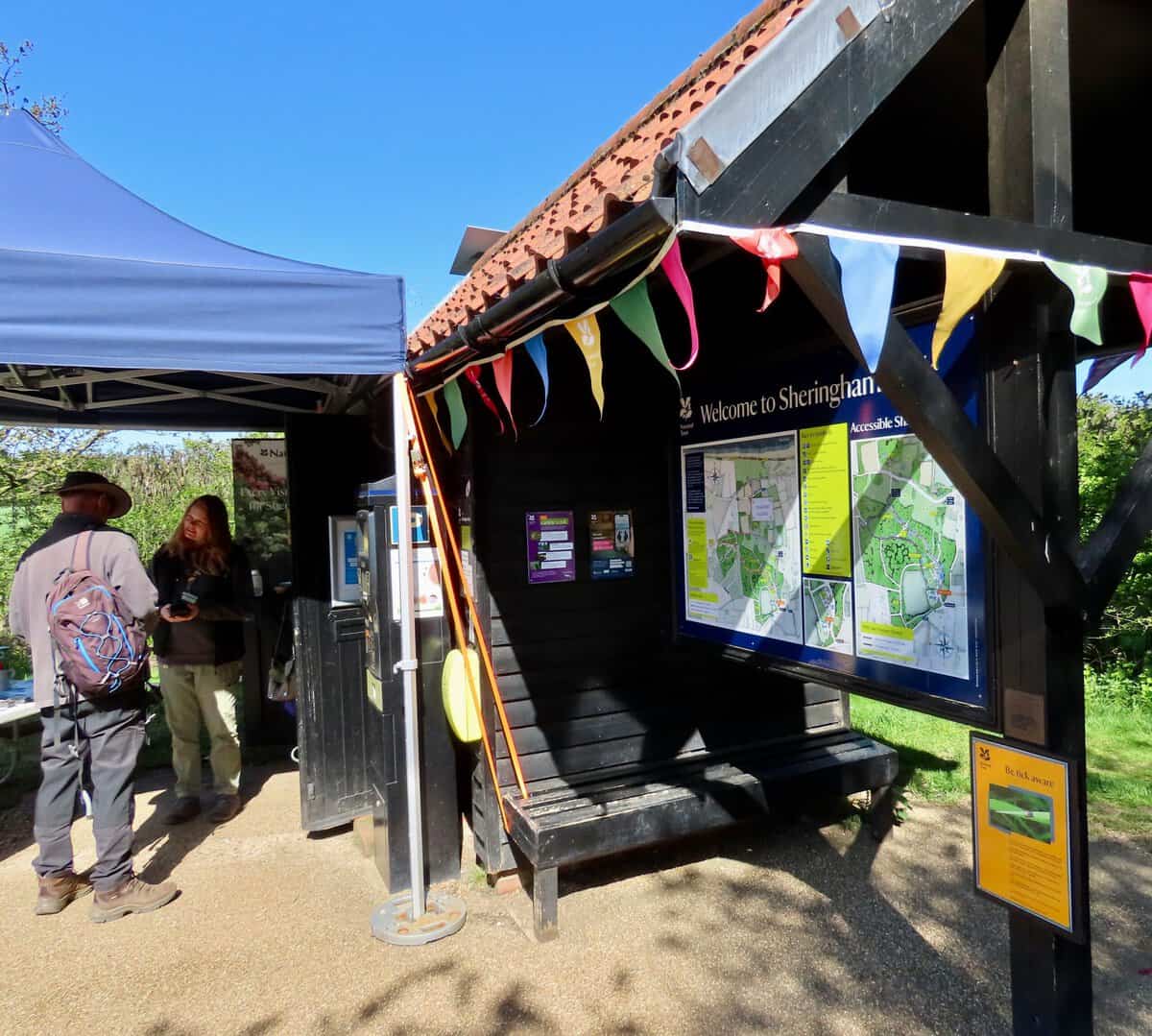

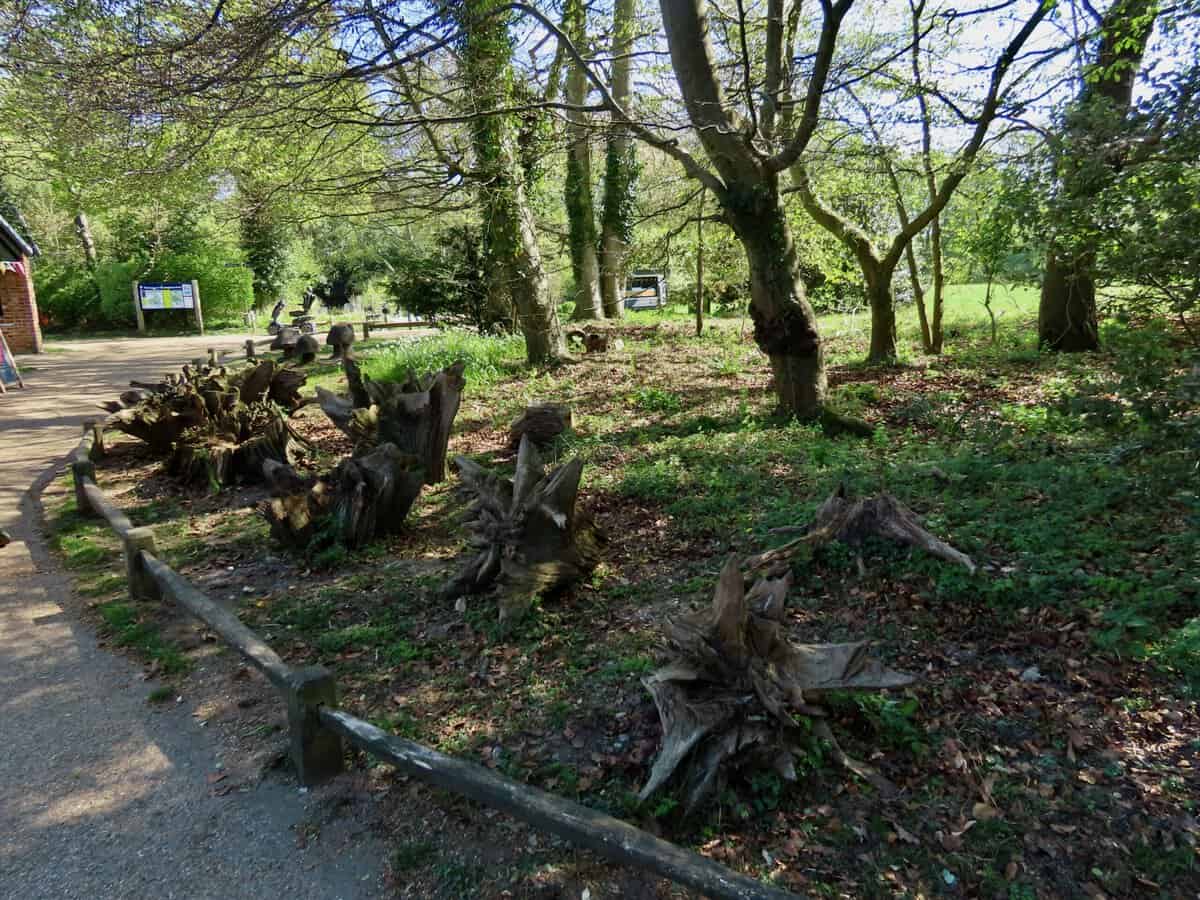
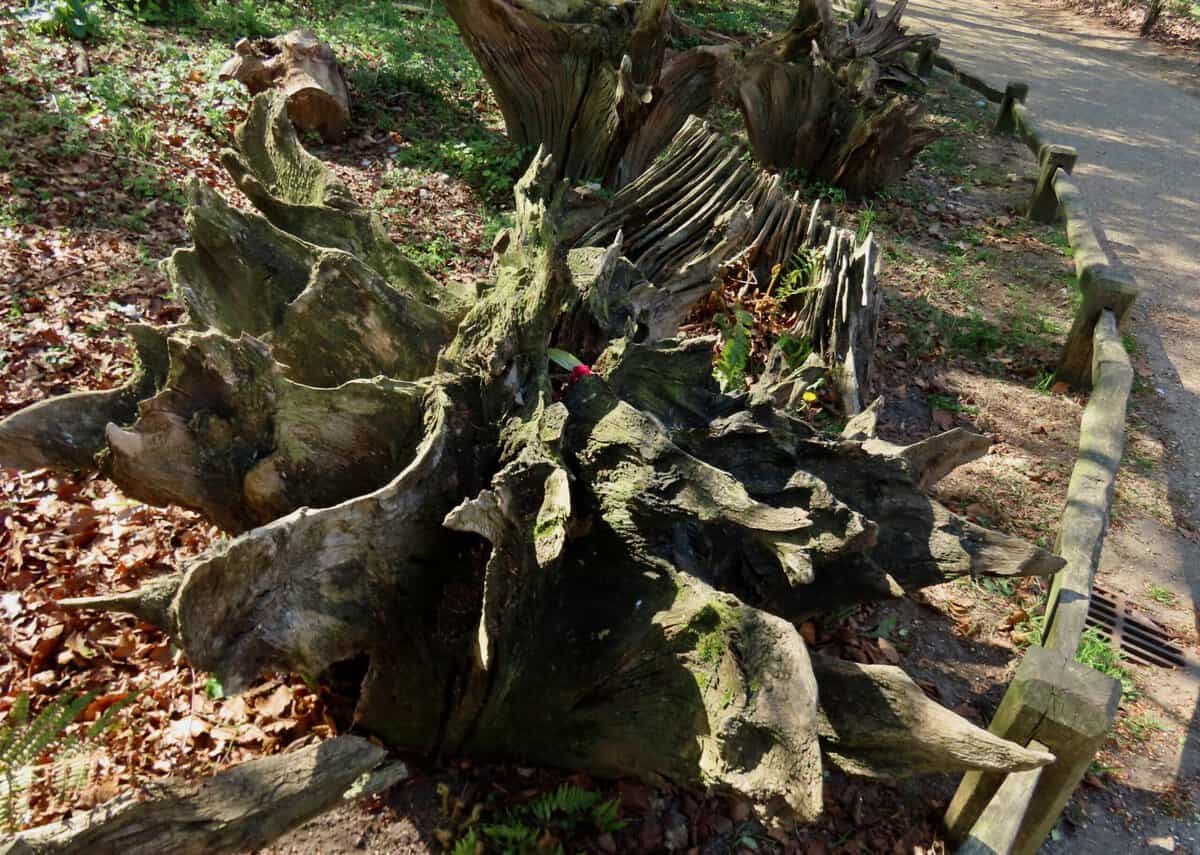
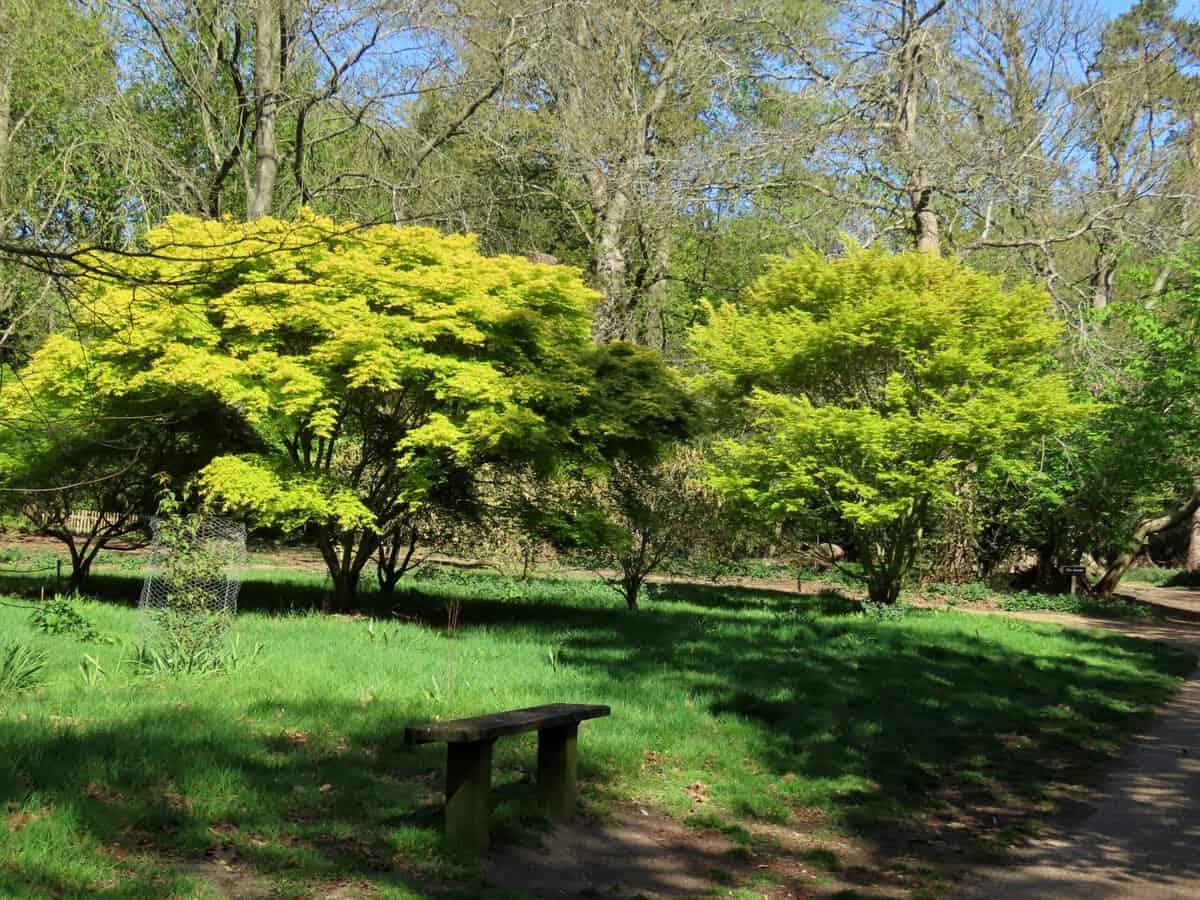
Let the rhododendrons begin!







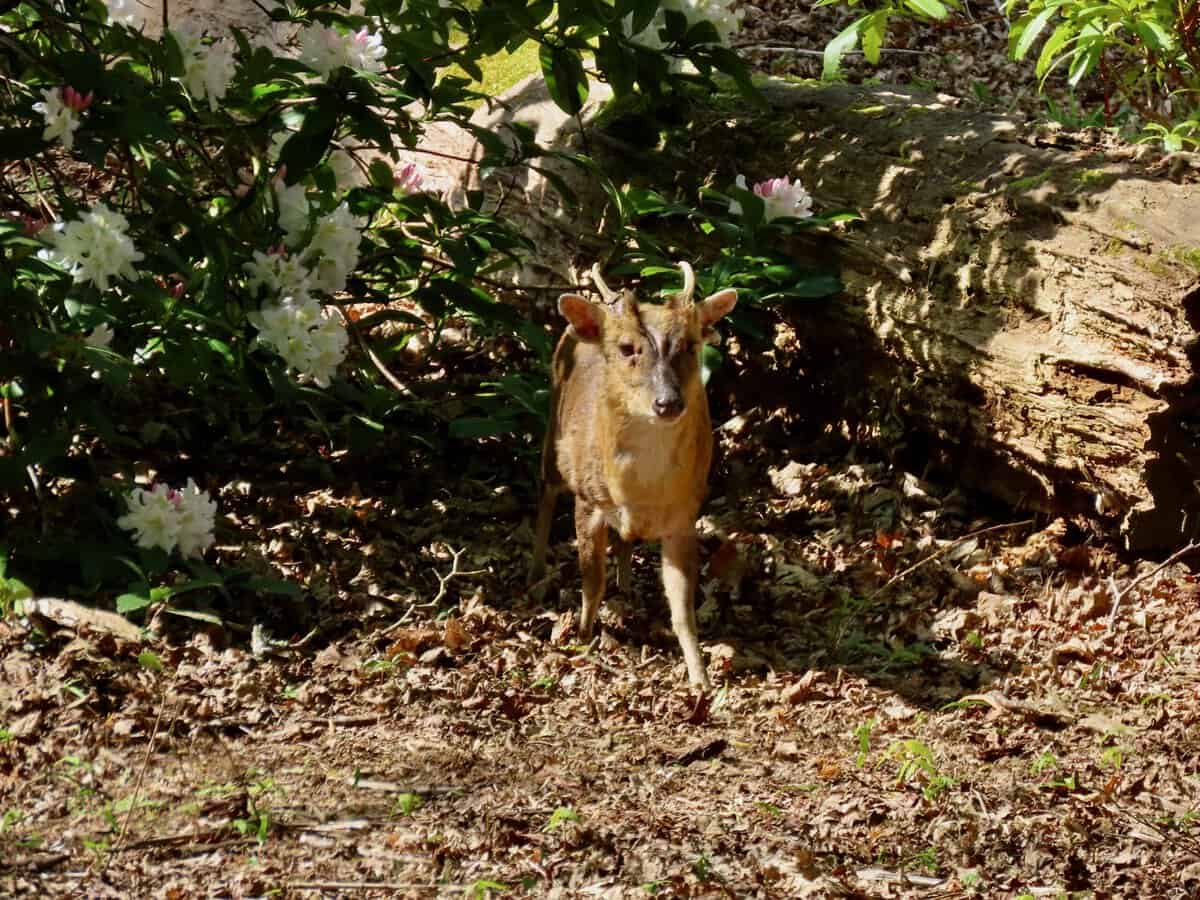
I was intrigued to spot a new species lurking in the undergrowth: a tiny Muntjac deer (pronounced “monk jack” in Brit-speak). Native to China, they were introduced (likely inadvertently) to the British countryside in the early 20th century and have colonized so widely that they are now classed as an alien invasive species. As we photographed this little guy (they stand about 20″ tall) I heard one vision remark that “it’s nice to see a live one instead of a carcass by the side of the road.” Grim.


Back to rhodies, follies and views.



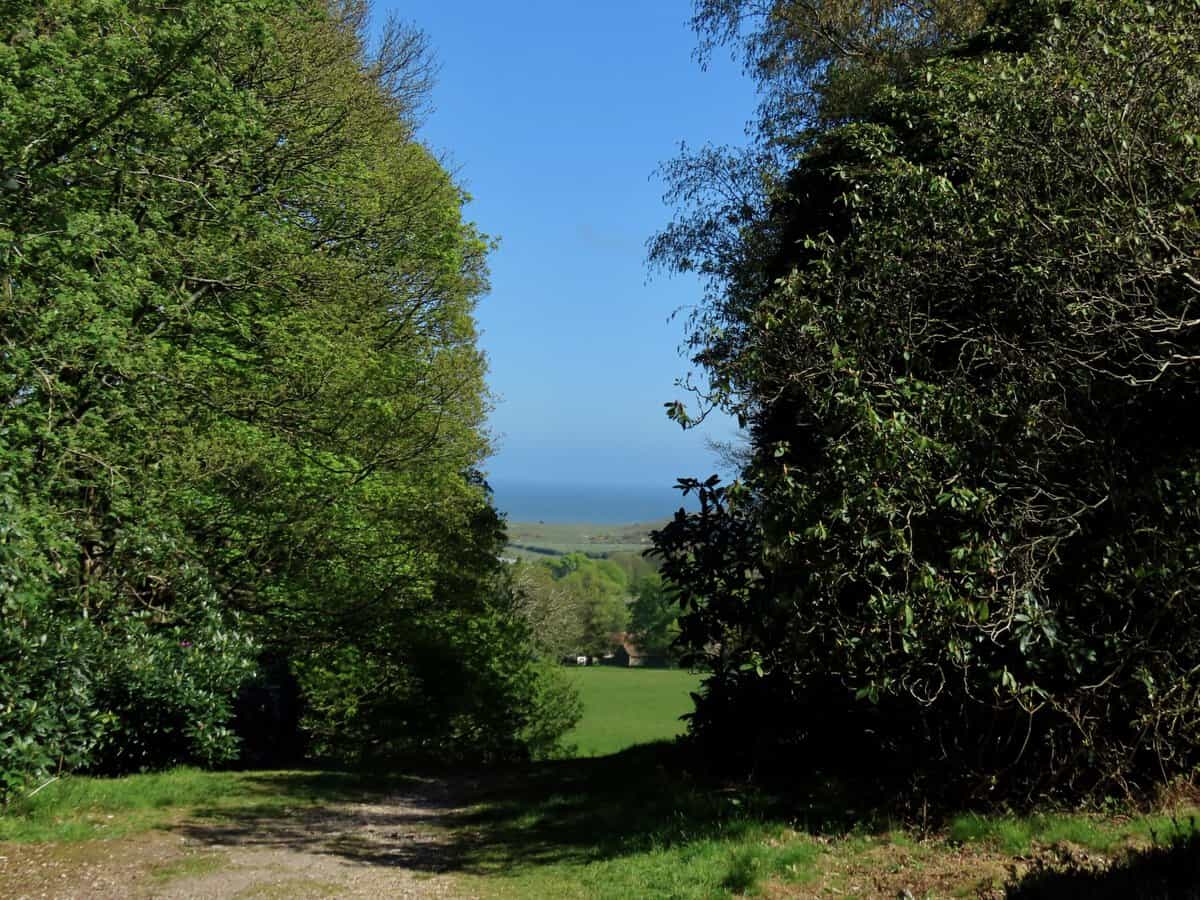

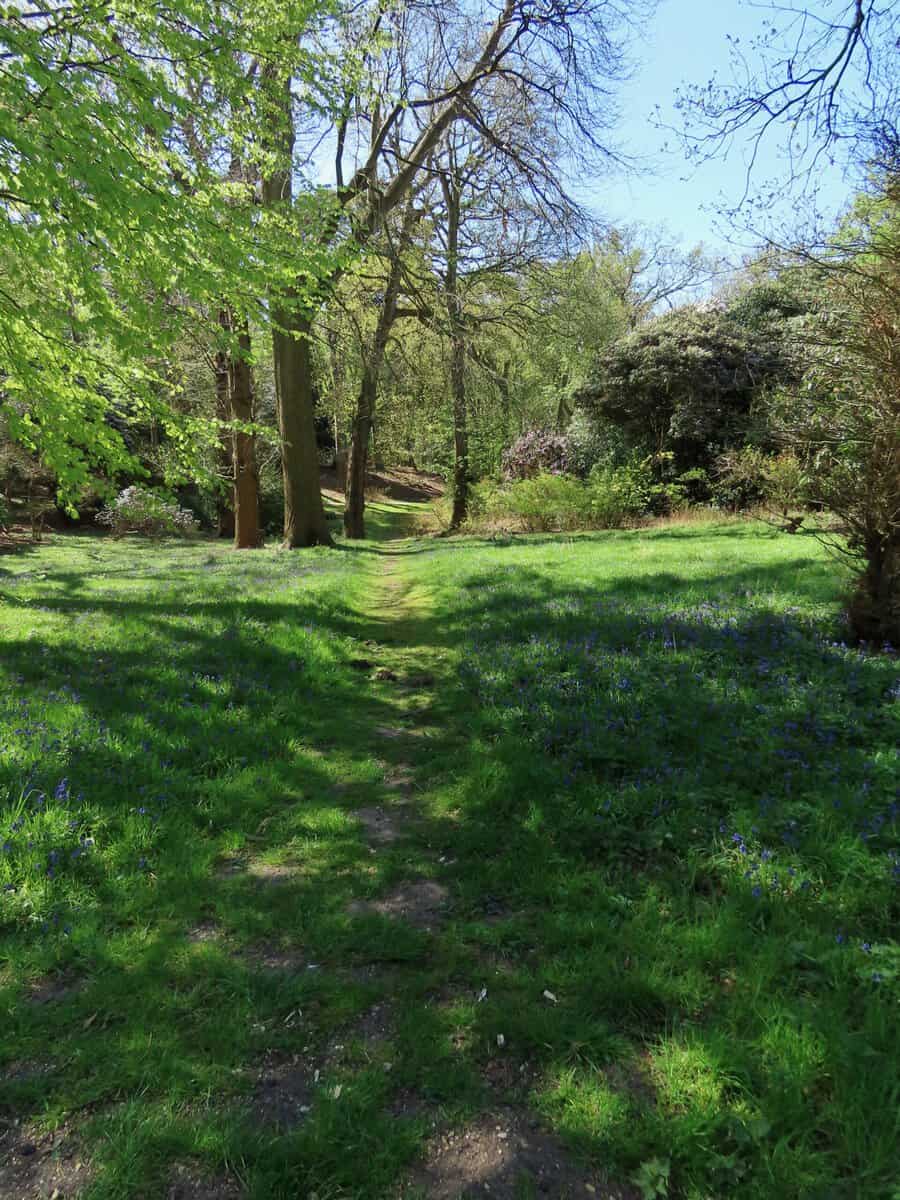
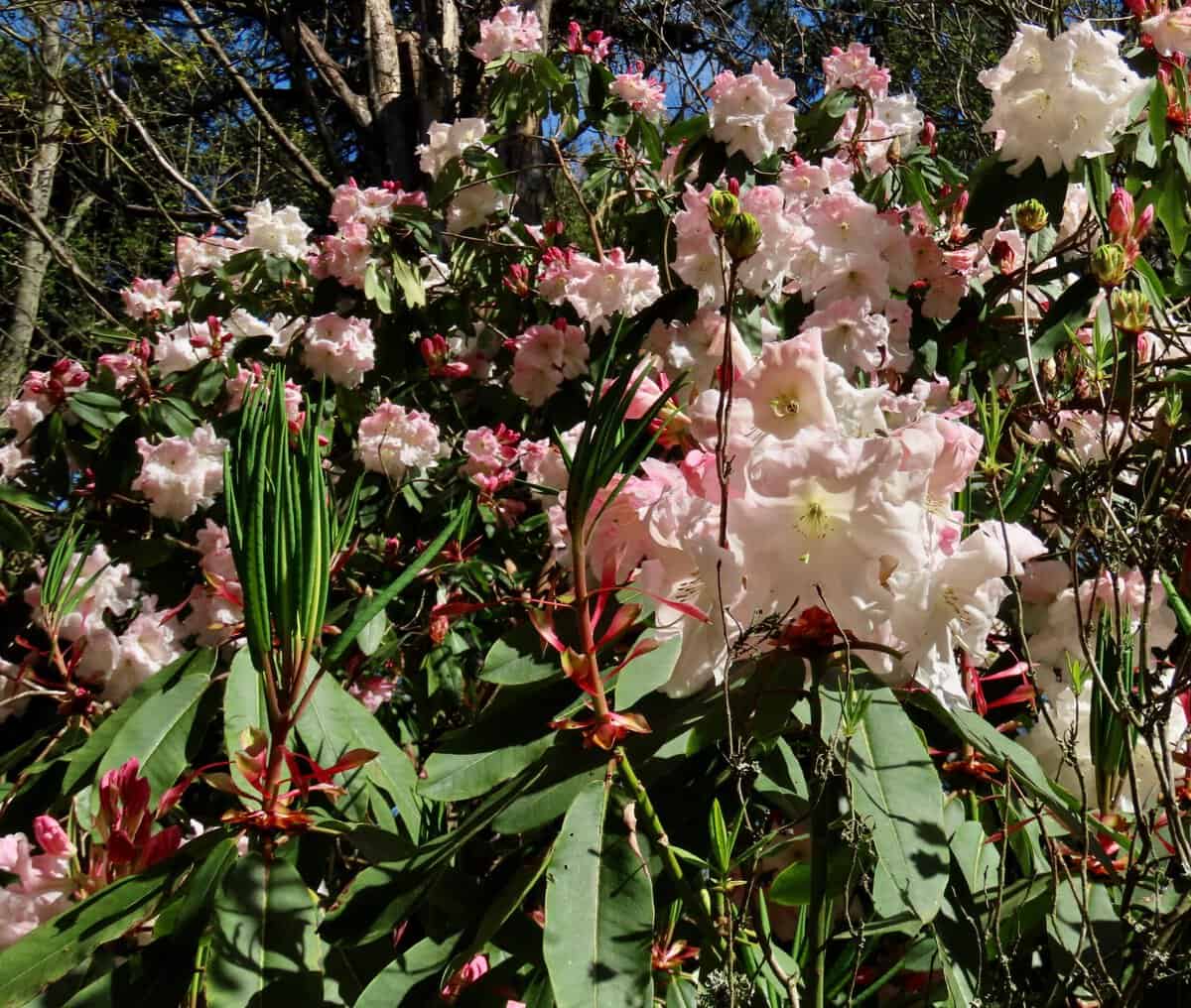
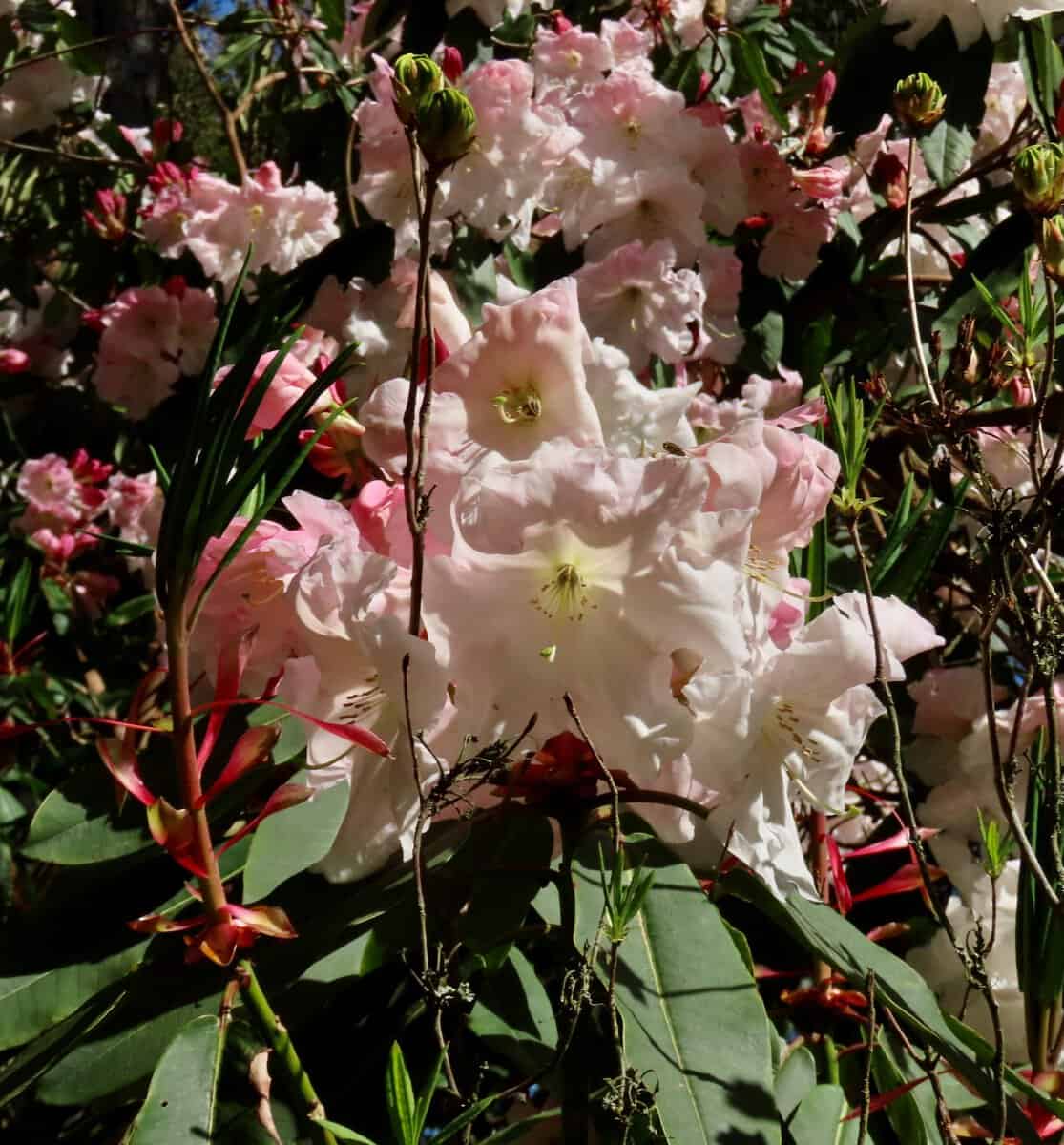

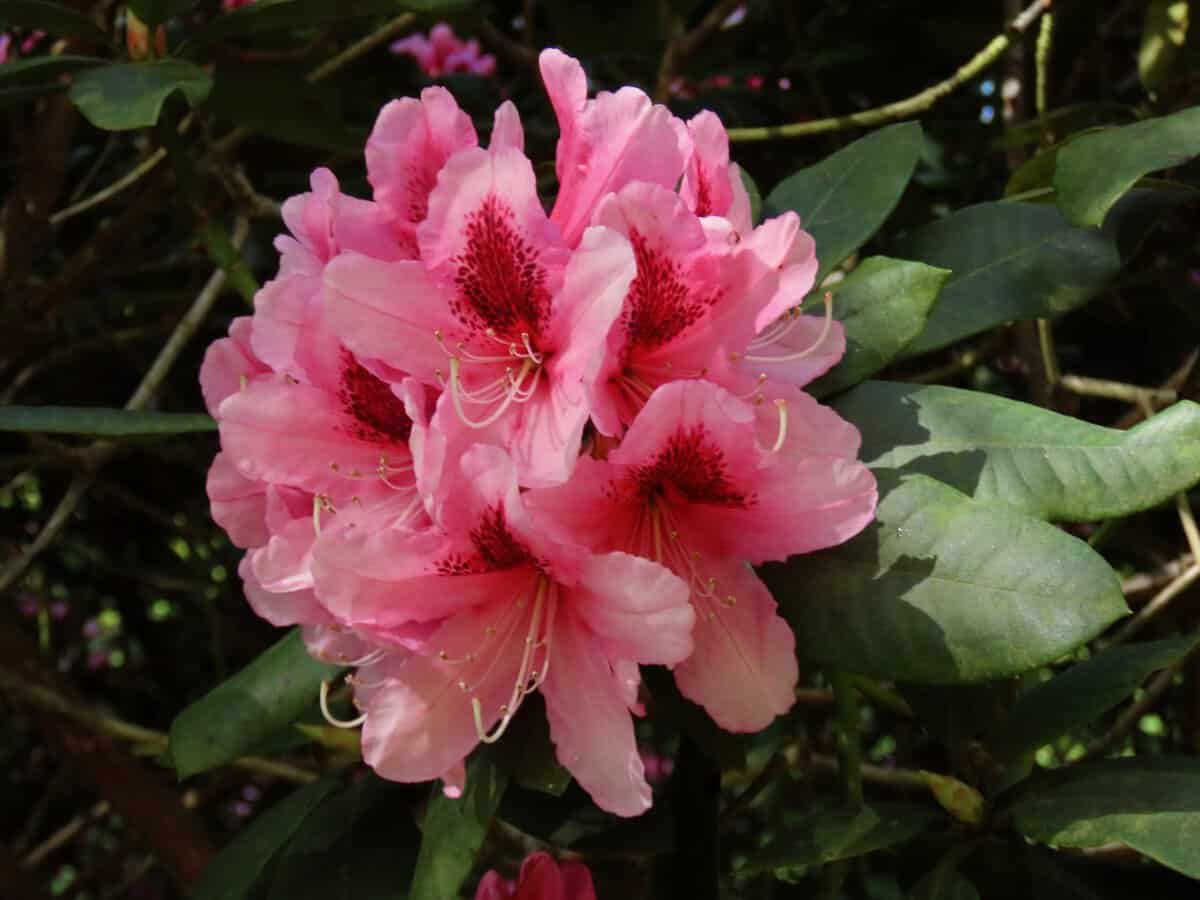

This part of Norfolk experienced an extreme wind-and-rain weather event in 2020, resulting in downed trees and severe damage to portions of Sheringham Park. The estate’s gardening team has planted more than 600 native trees to replace those lost, and to provide cover for those shade-loving rhododendrons. The Viewing Tower looks out over one of these restored patches, with the coastline visible in the distance

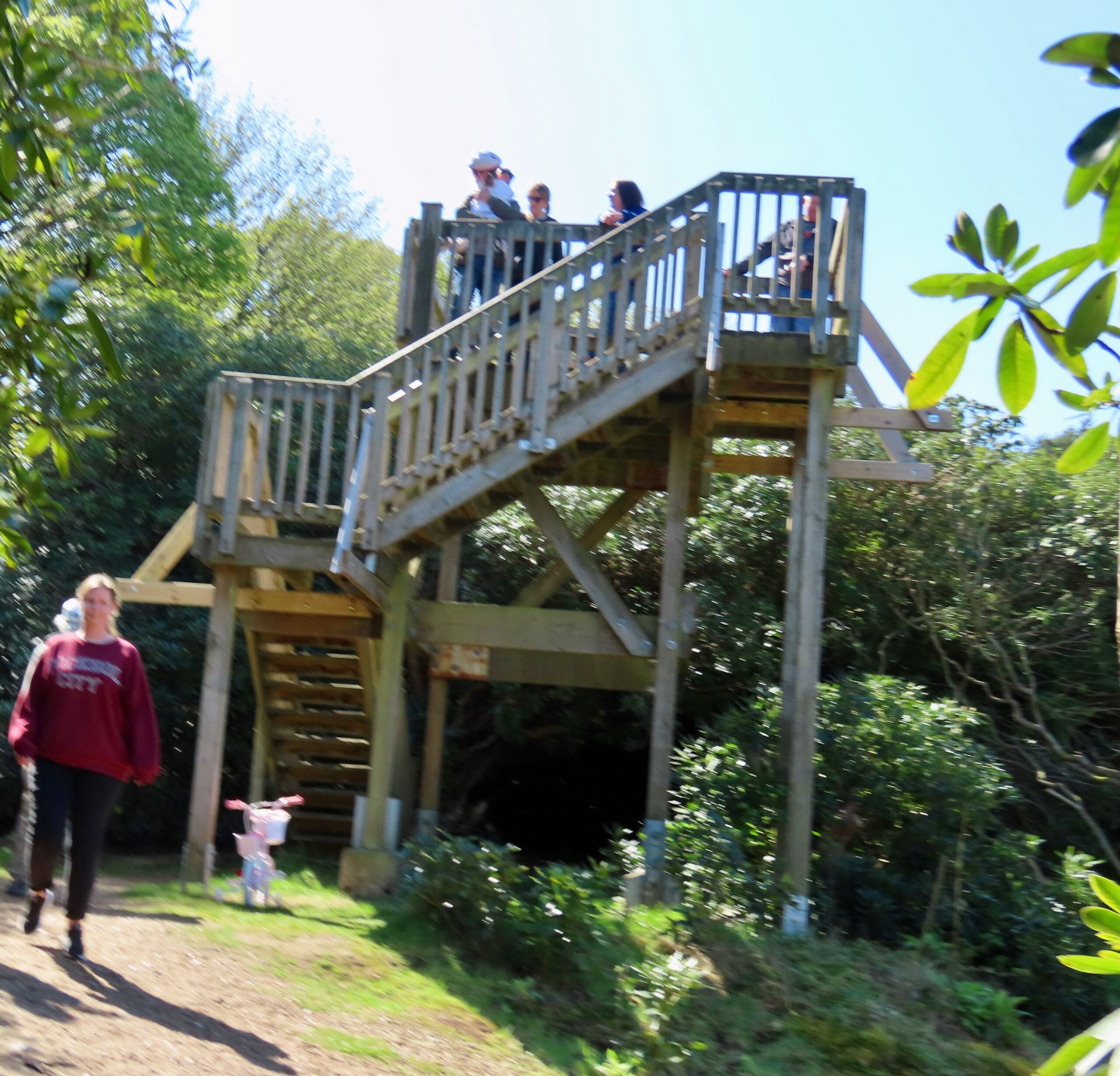

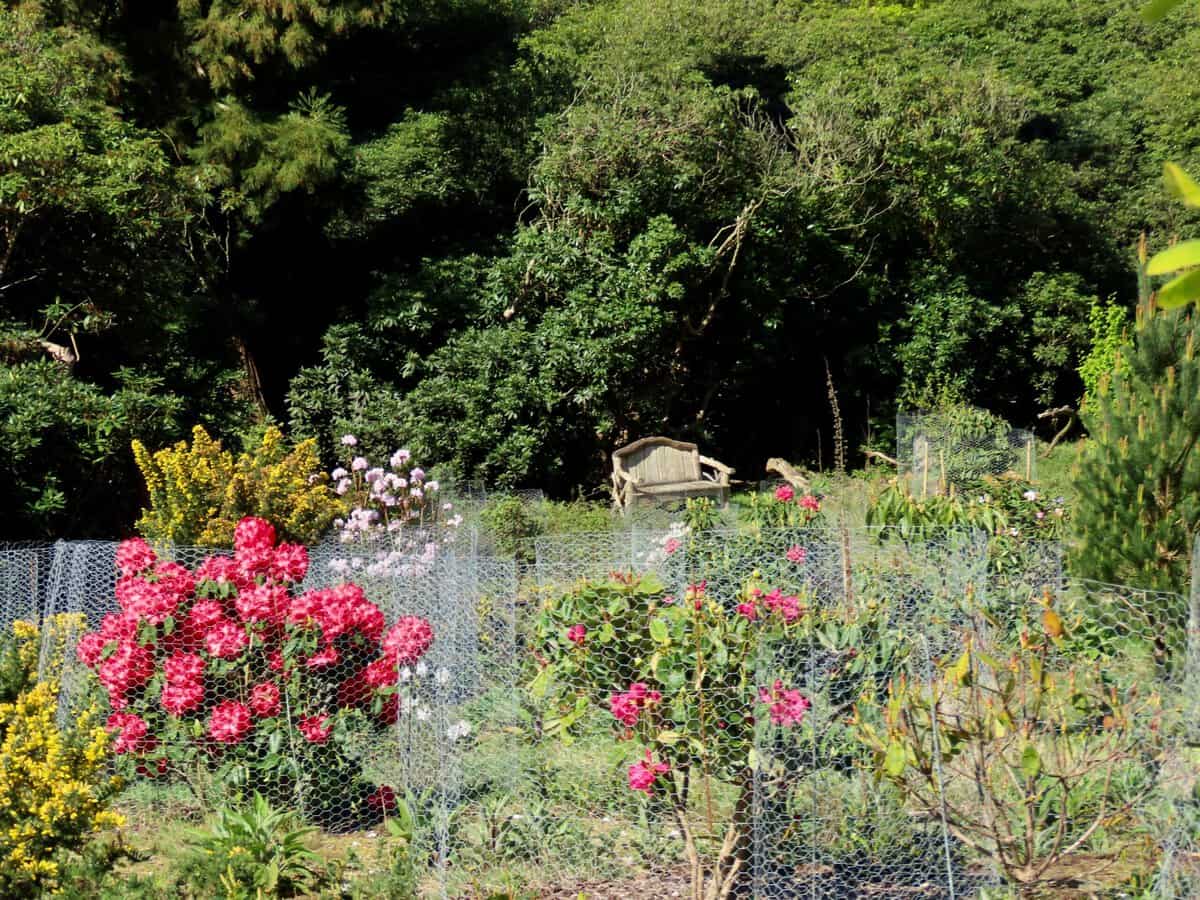
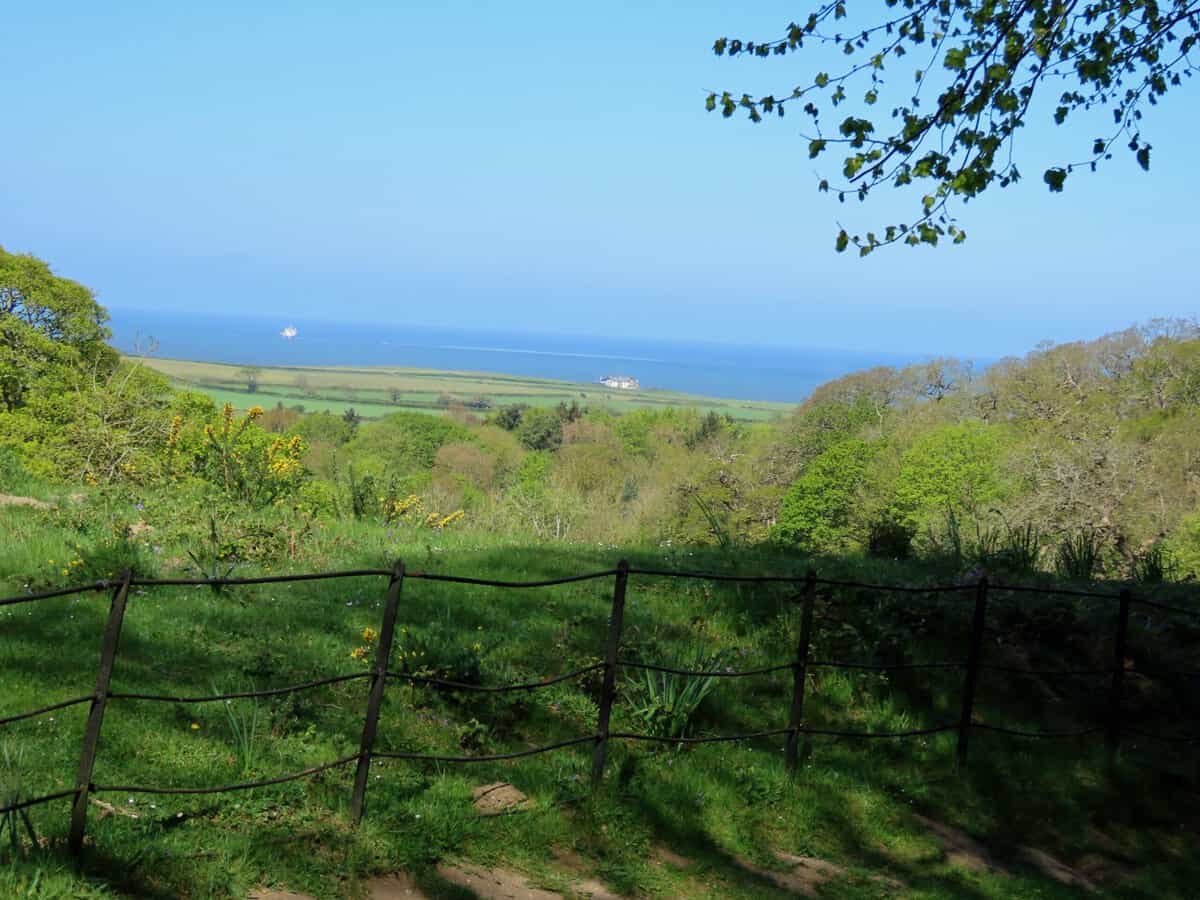
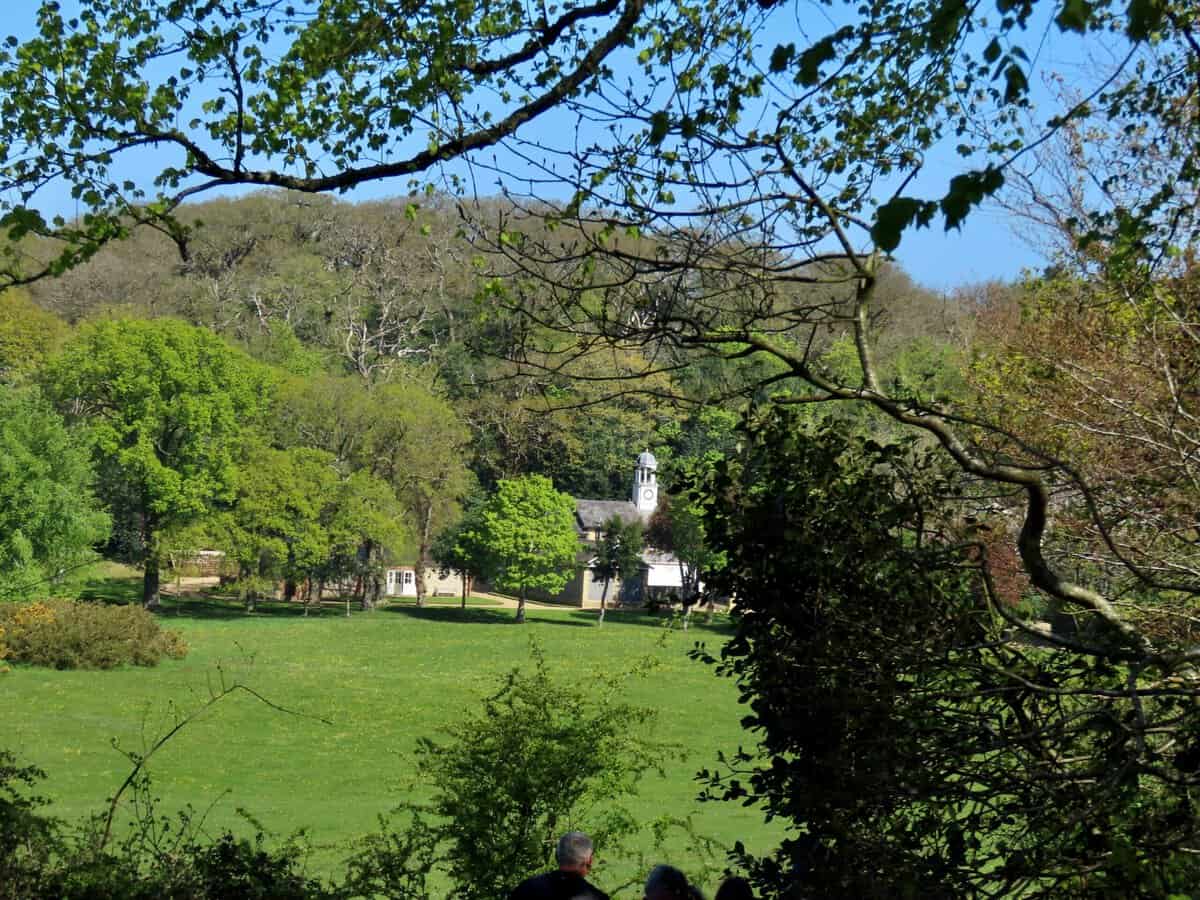
Sheringham Hall is leased by a hedge fund manager/banker couple and is off-limits to the public.

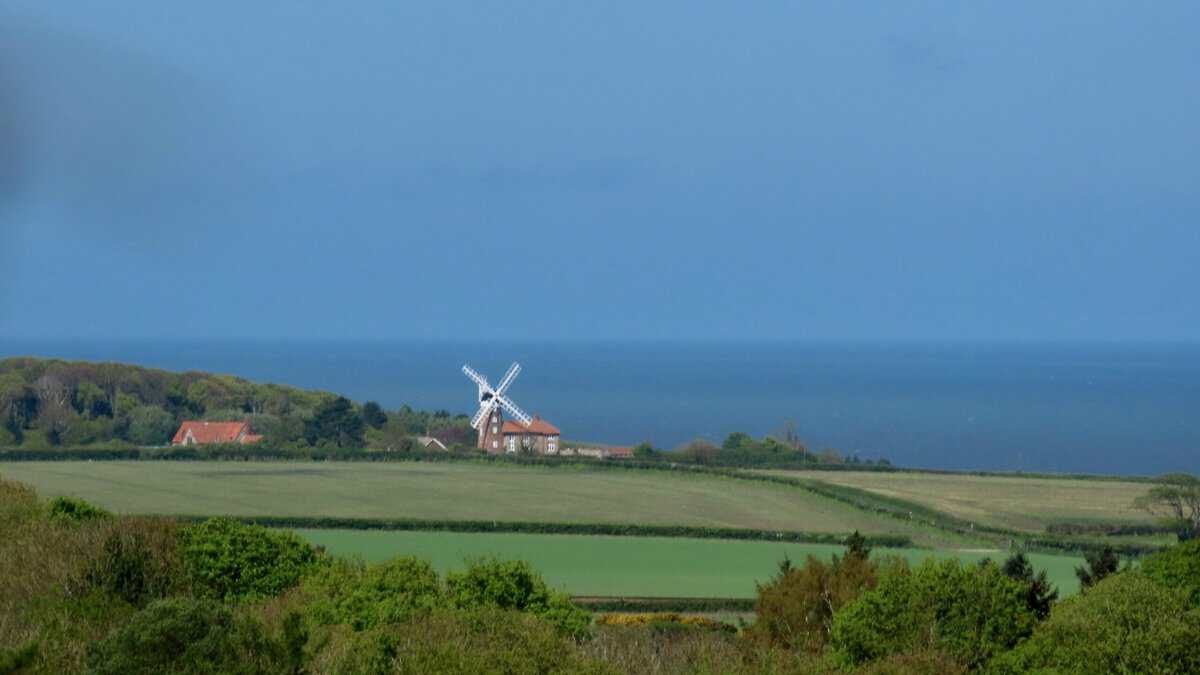
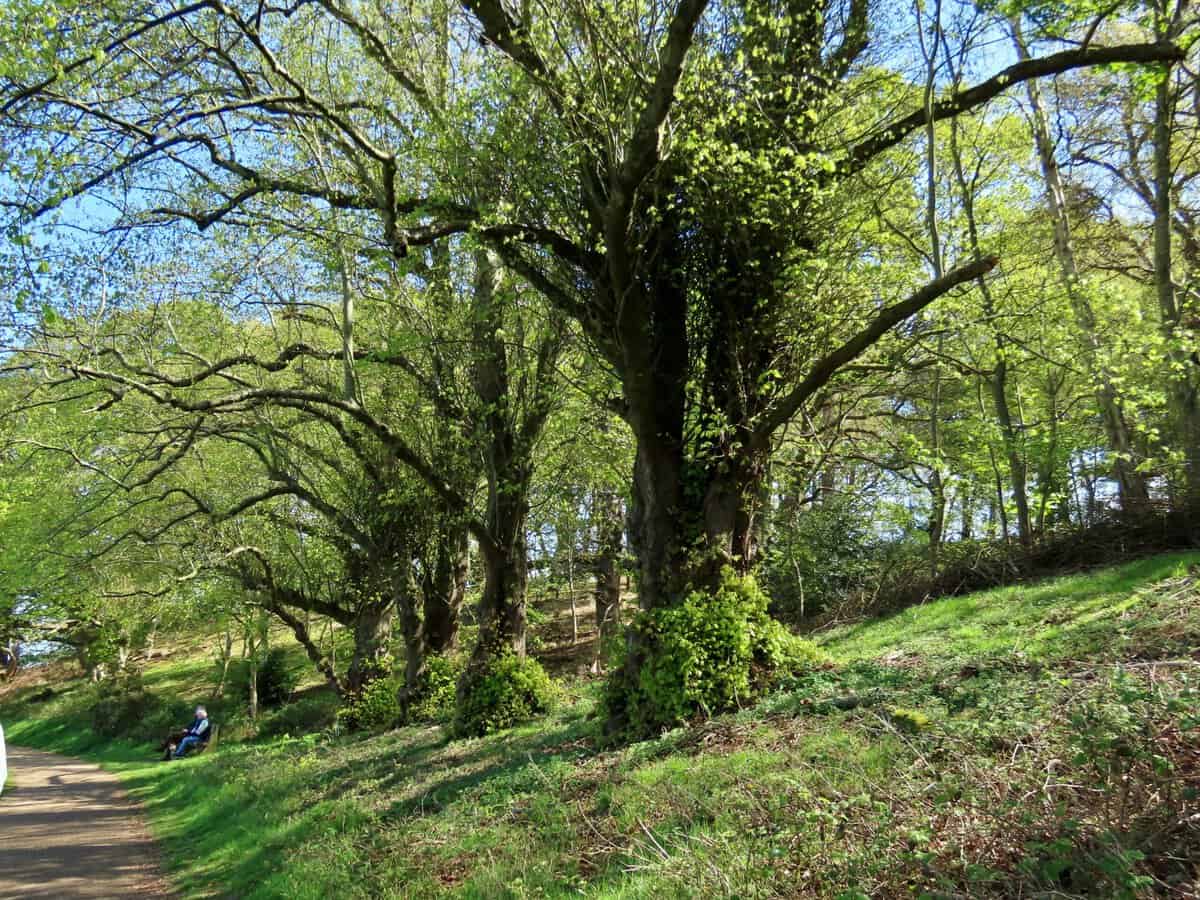
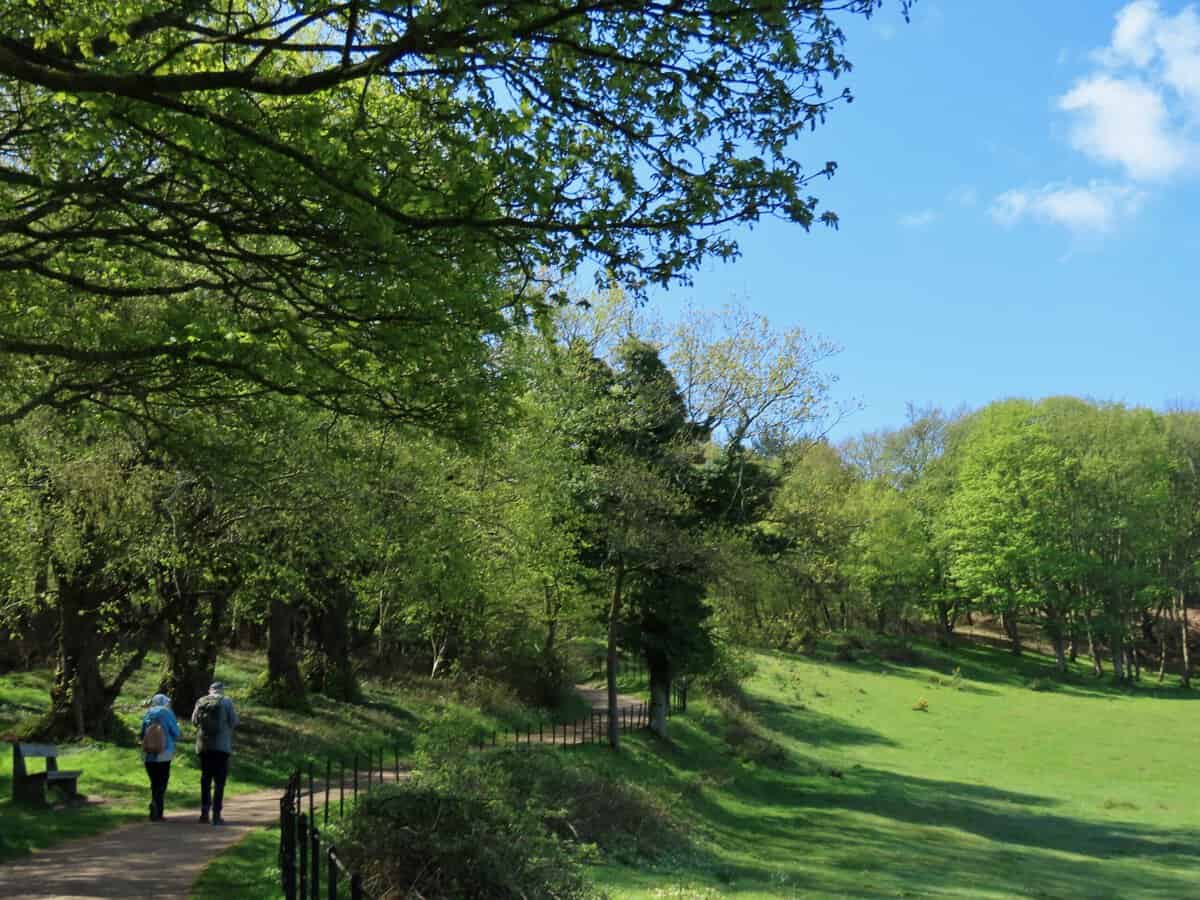
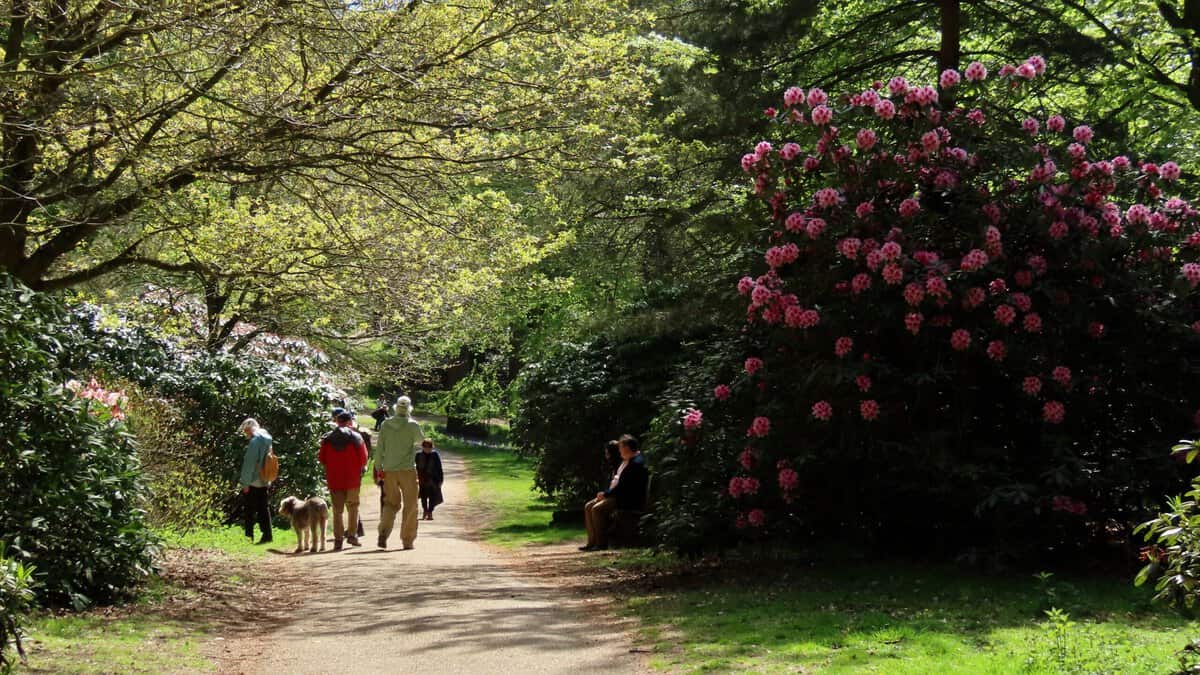
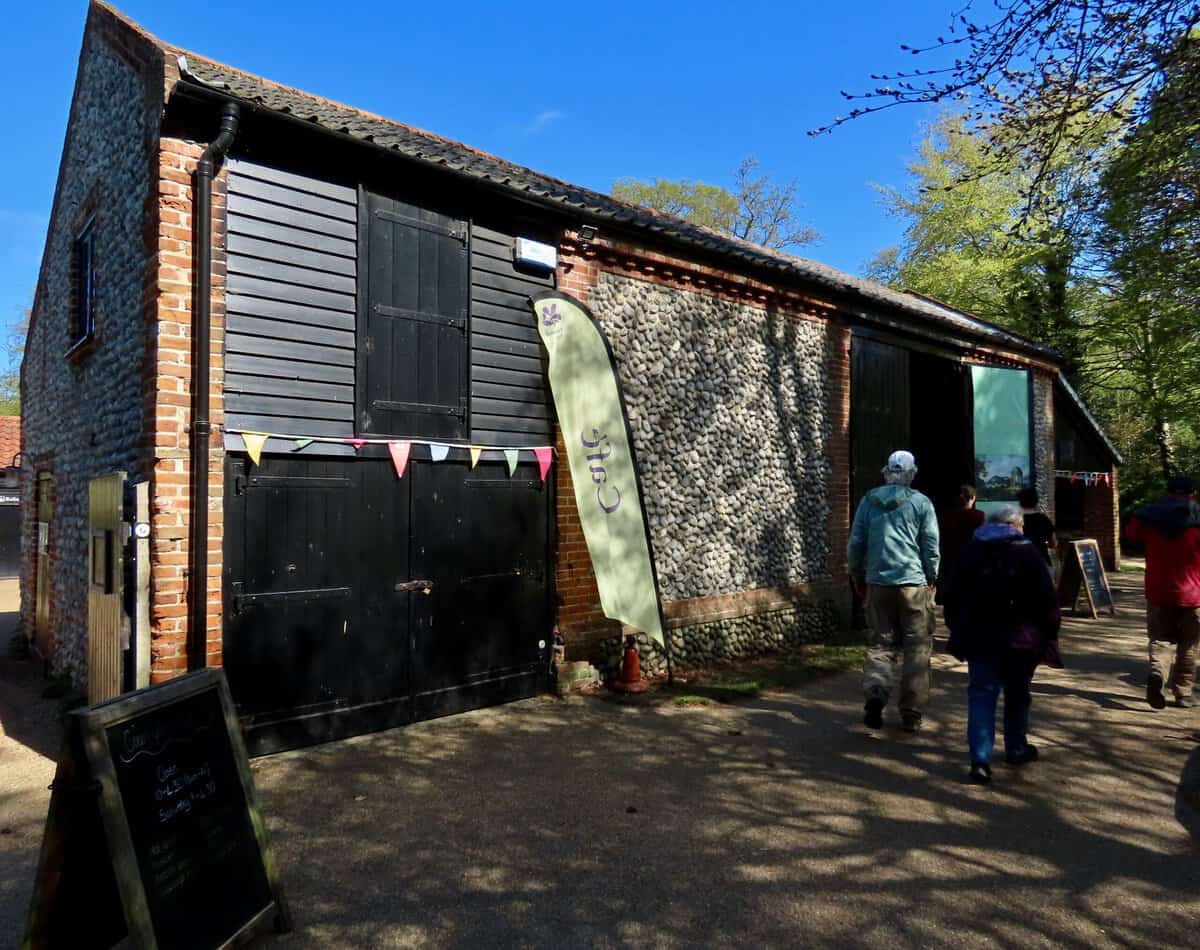
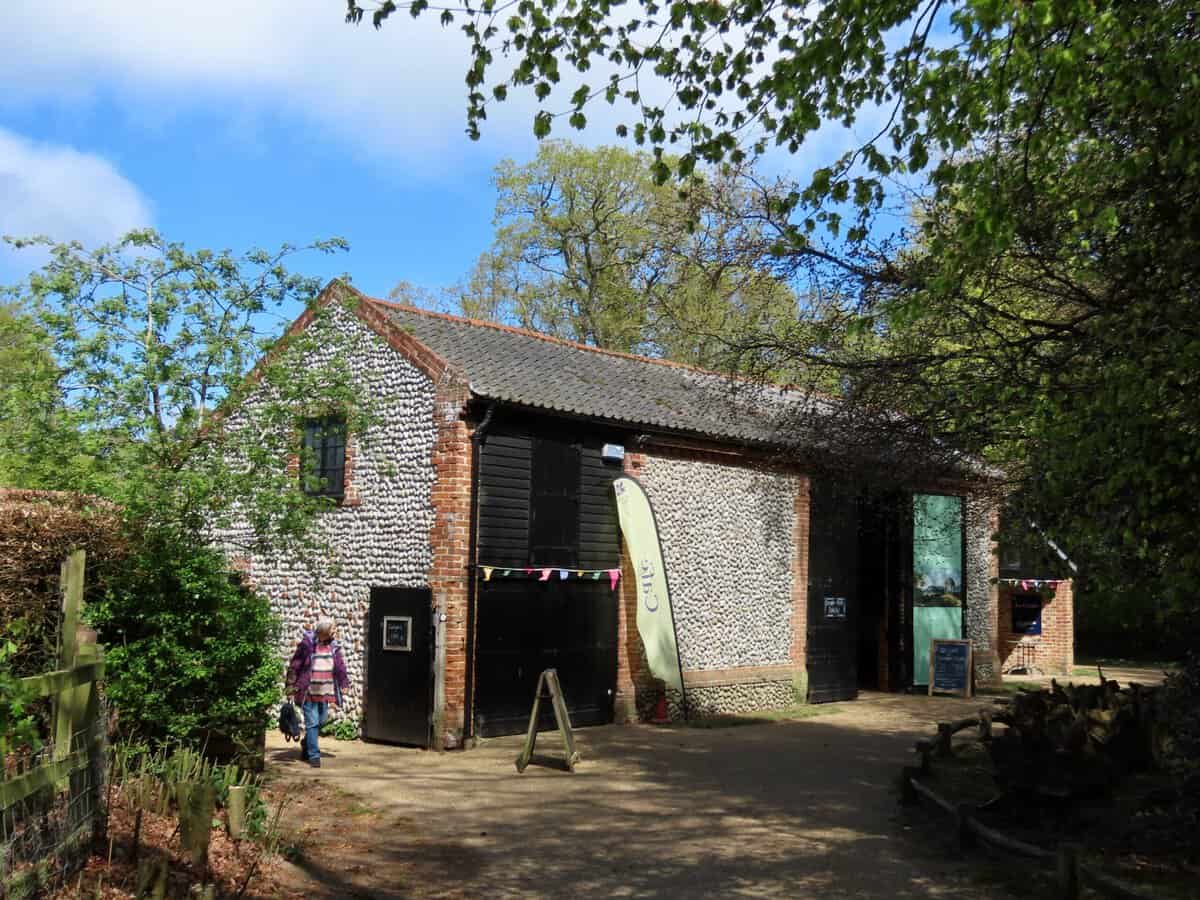
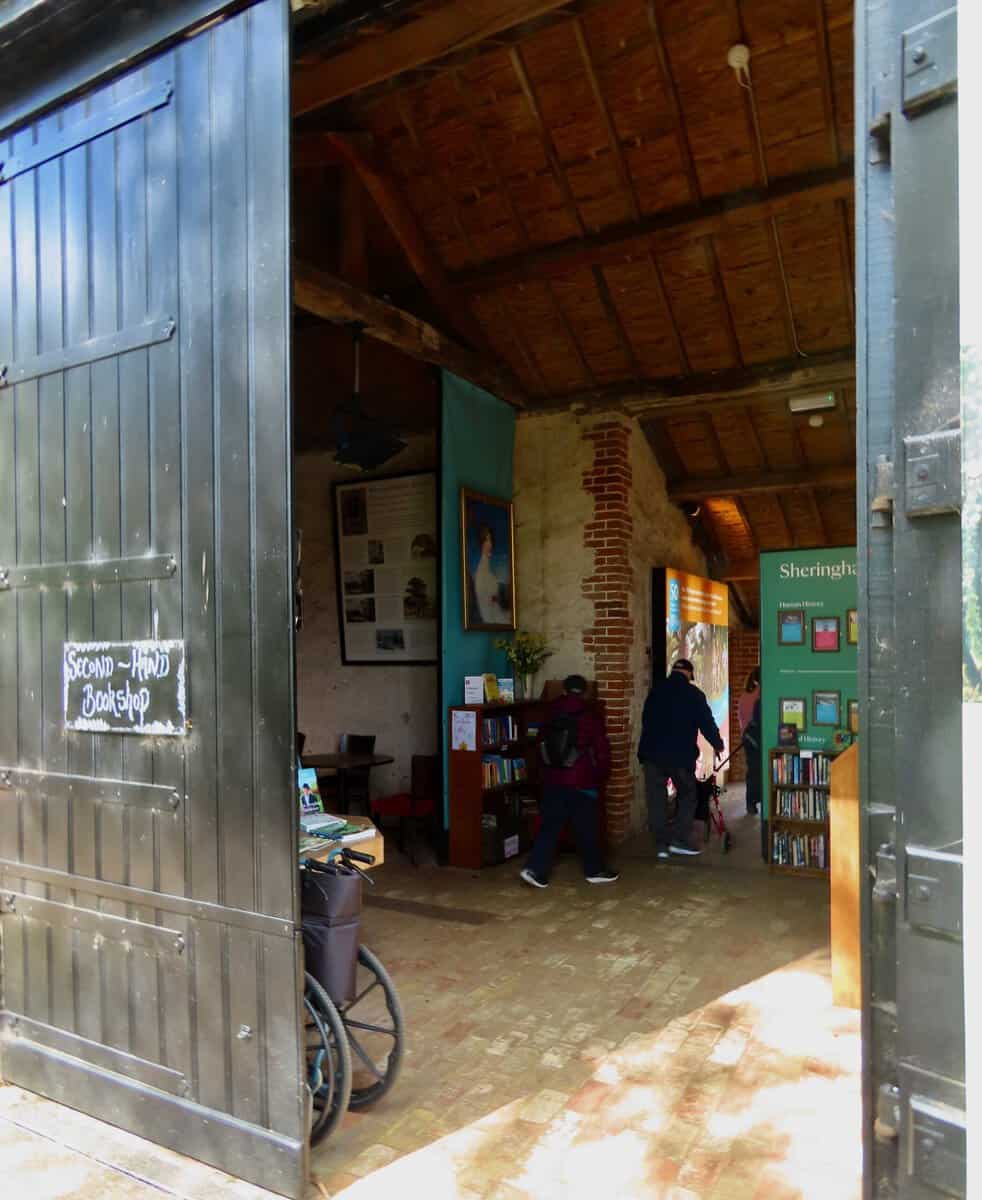
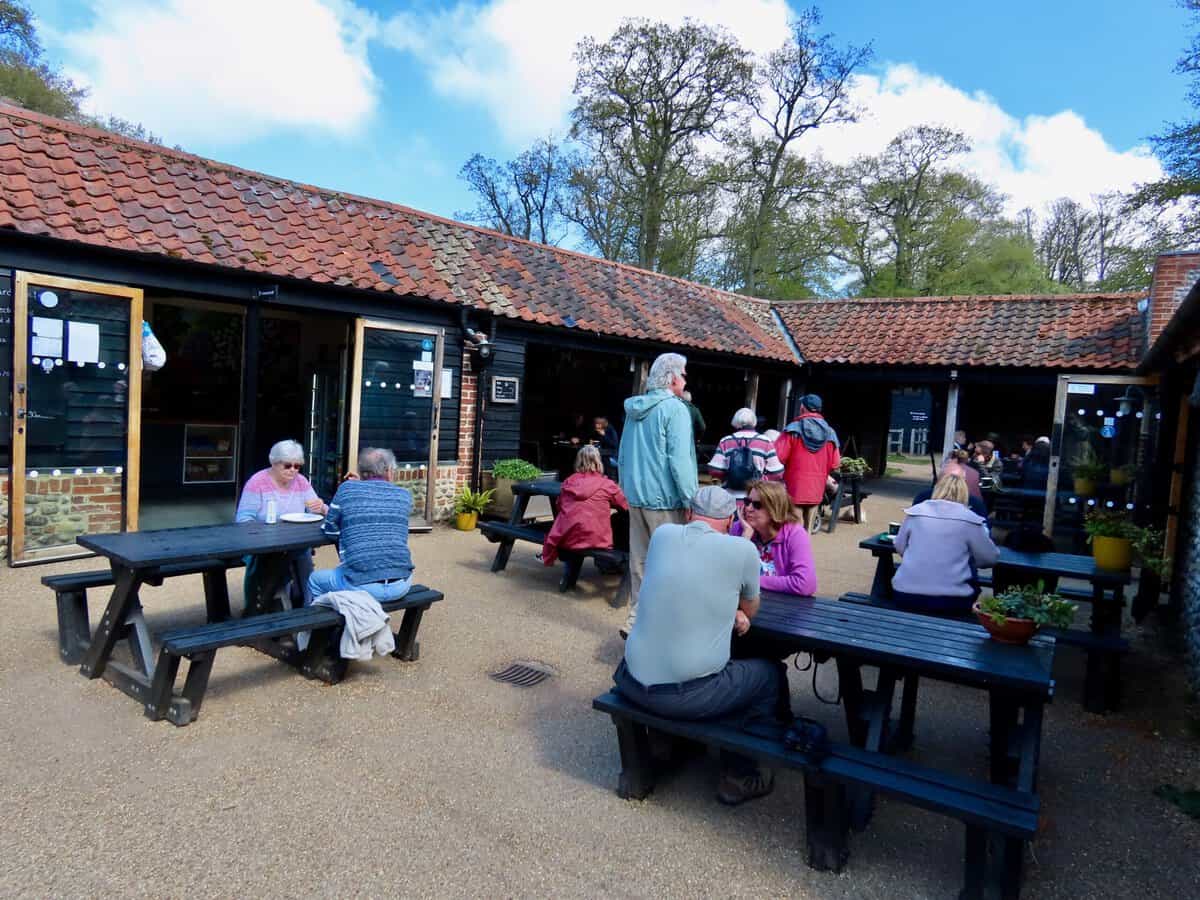
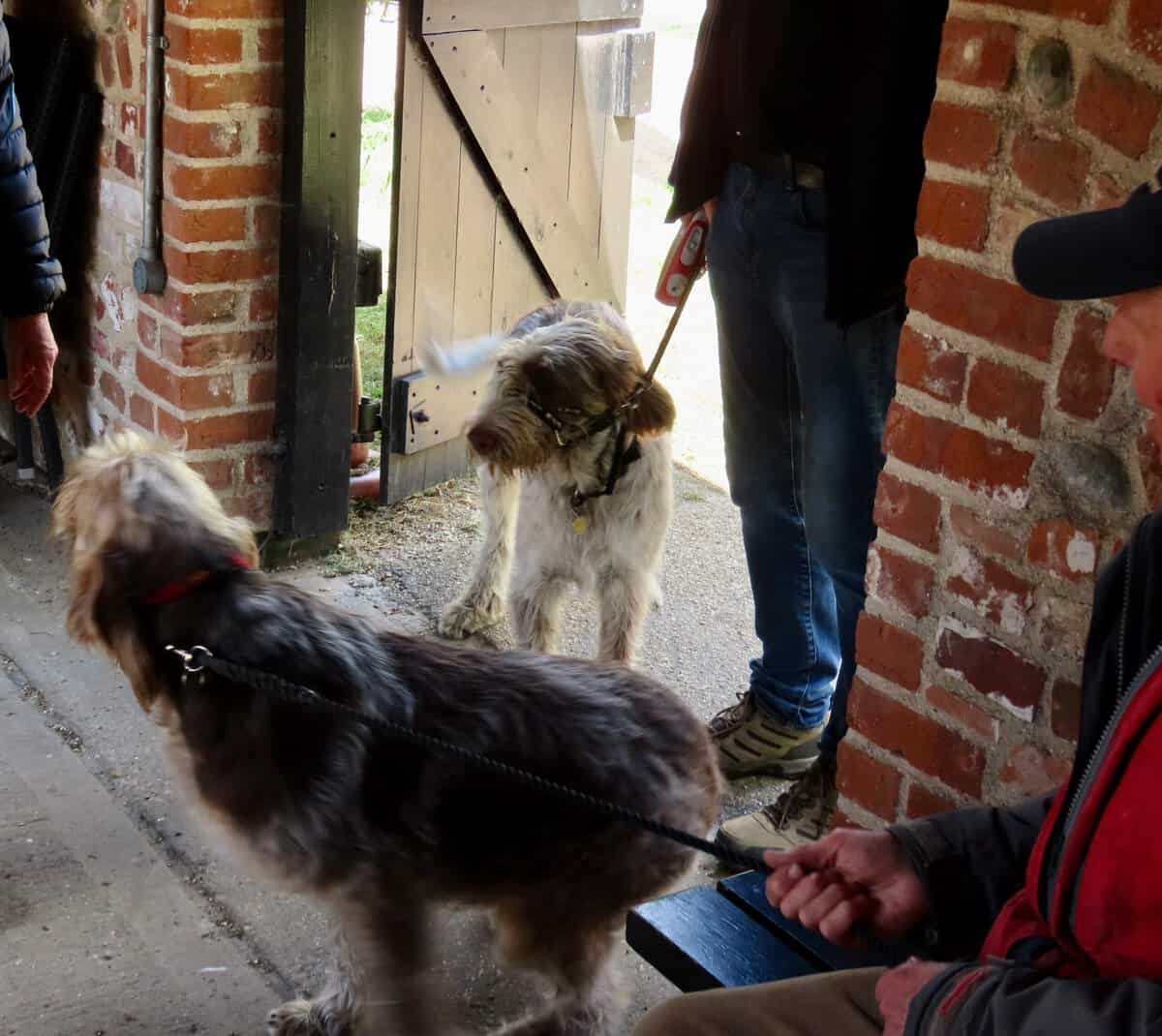
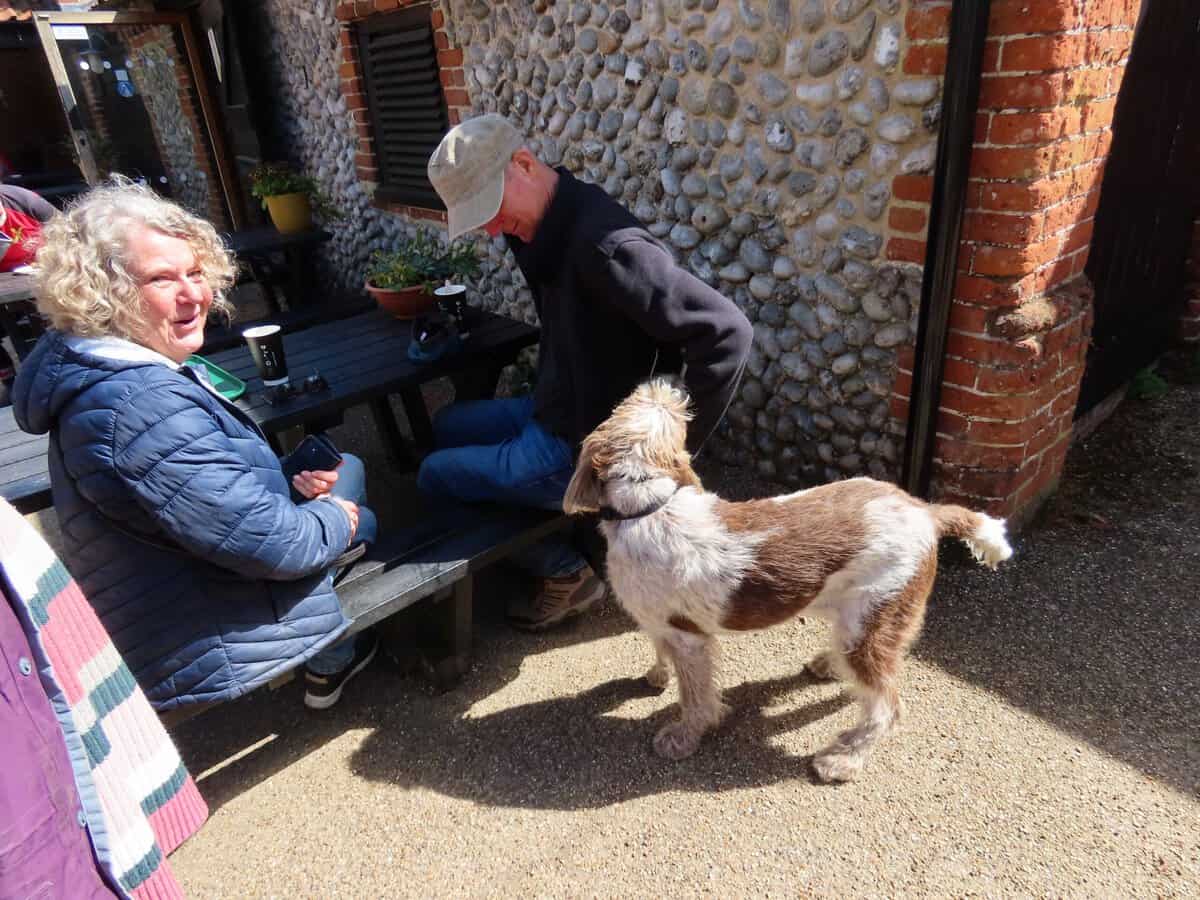
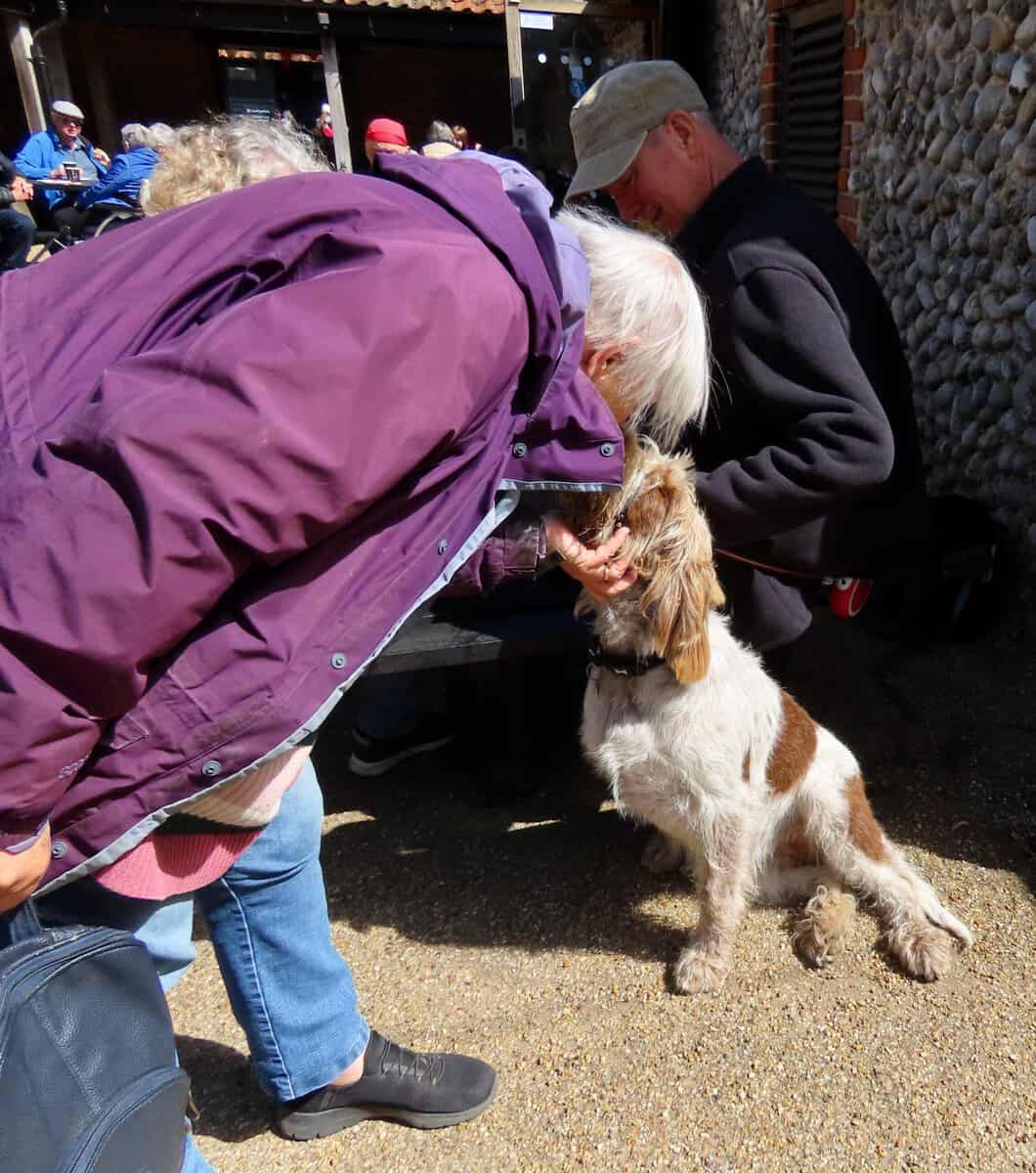
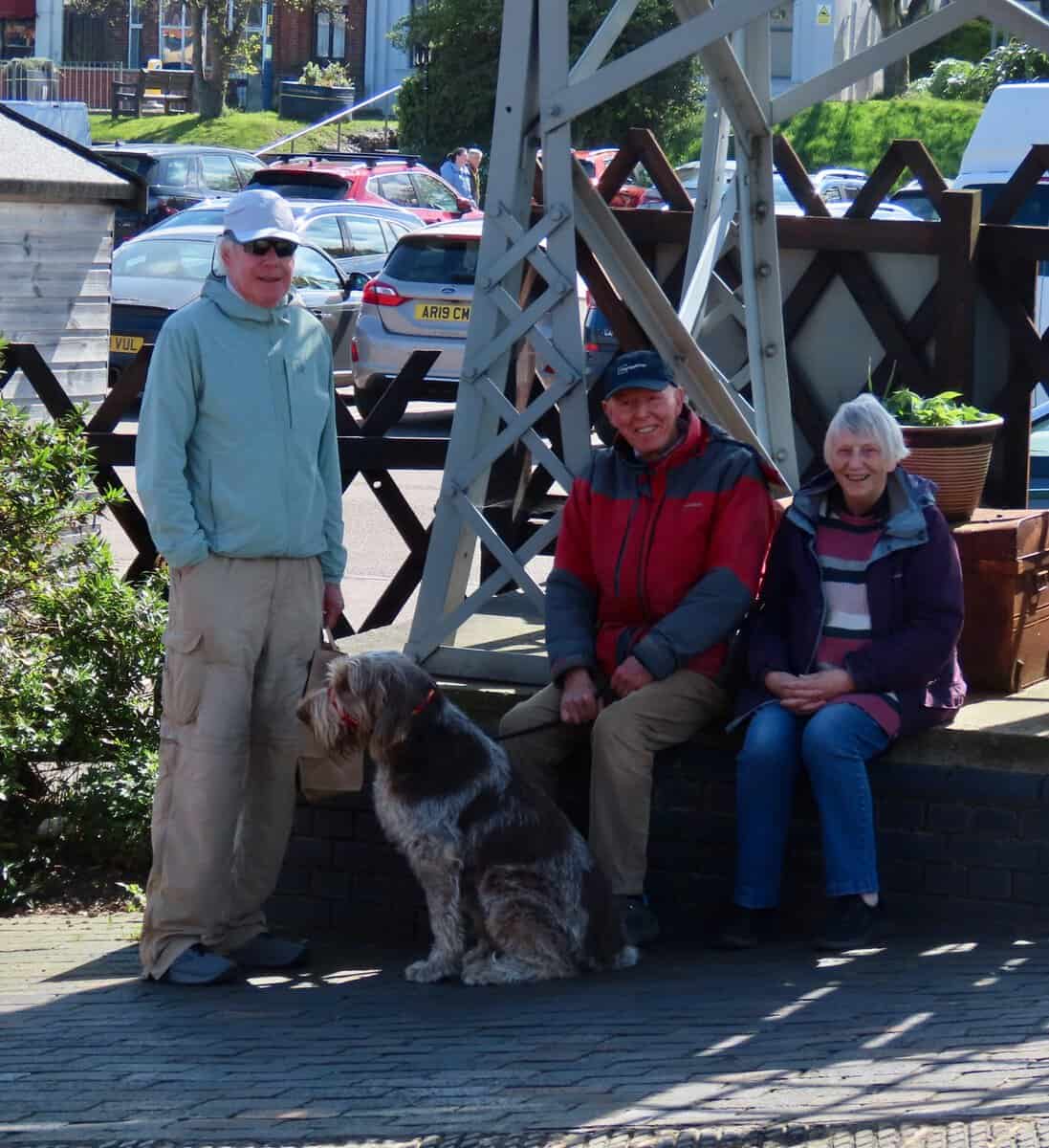
Back at the park entry, we ducked into the barn/cafec for a restorative cuppa. This was Milo’s first big outing and he was good as gold, even when presented with the surprise of a lovely lady of the same breed (Italian Spinone).


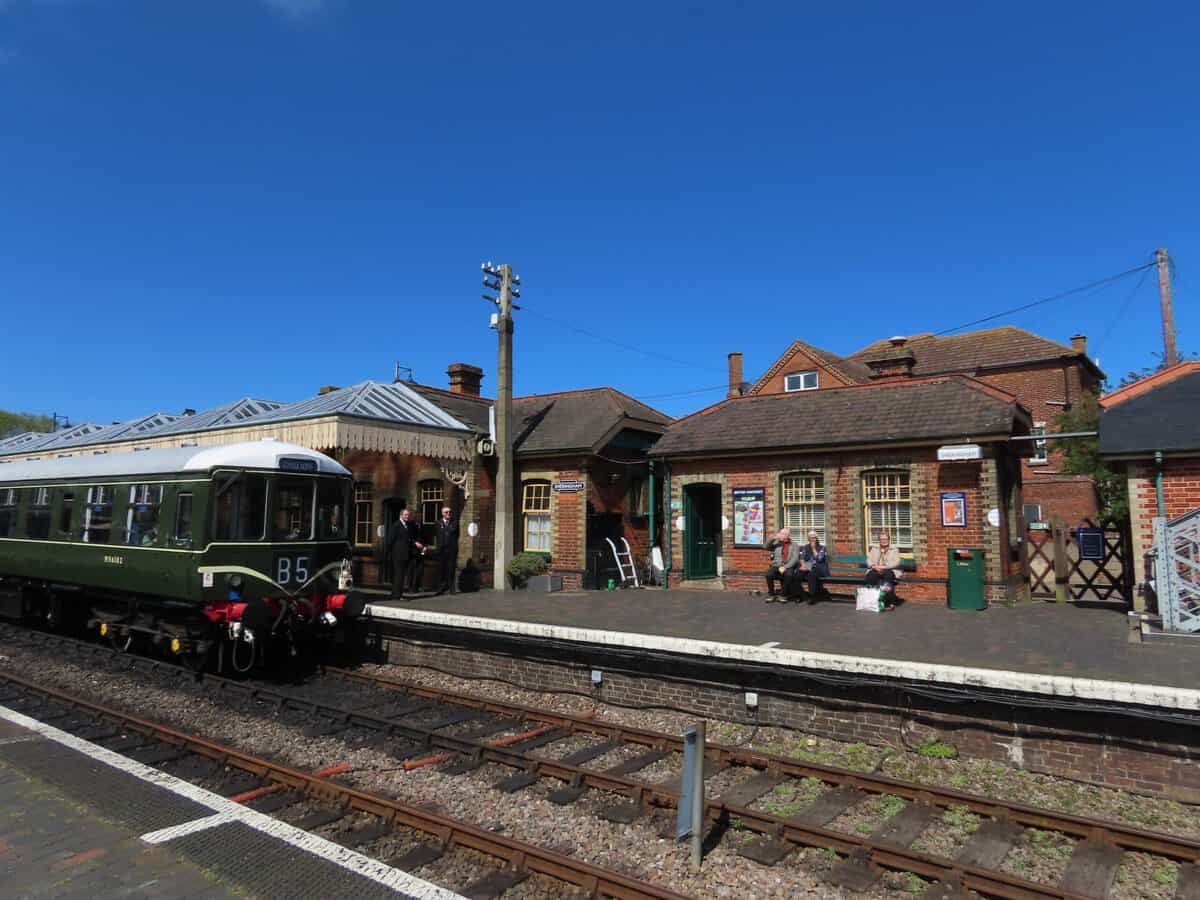
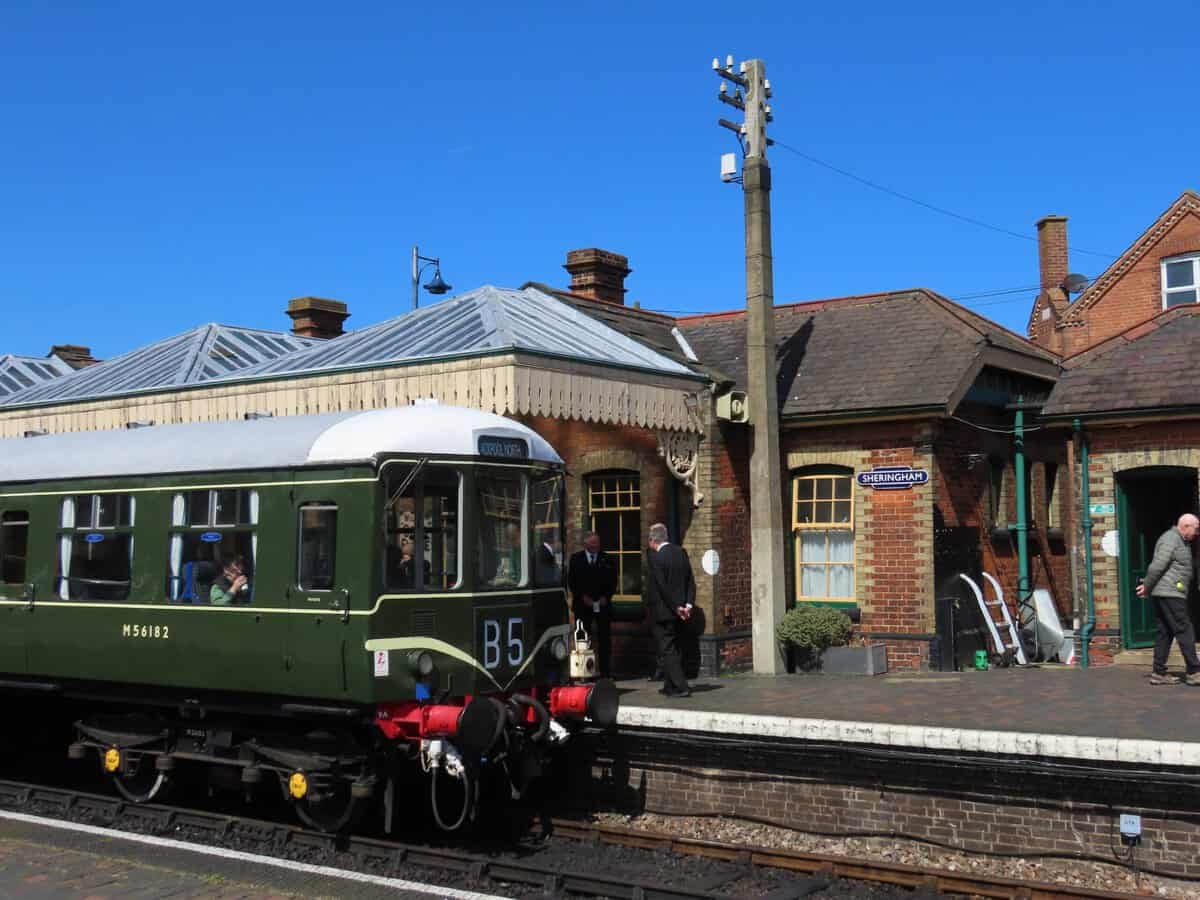
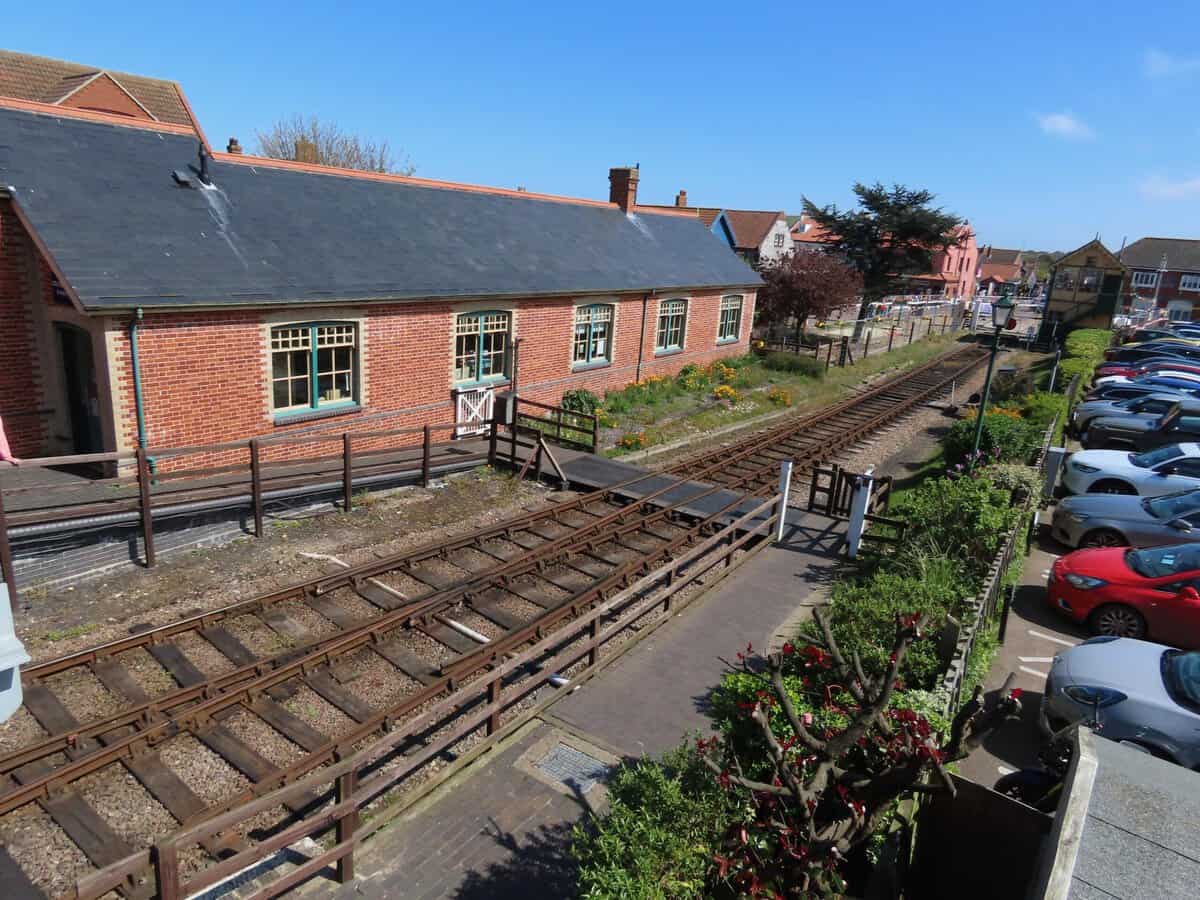
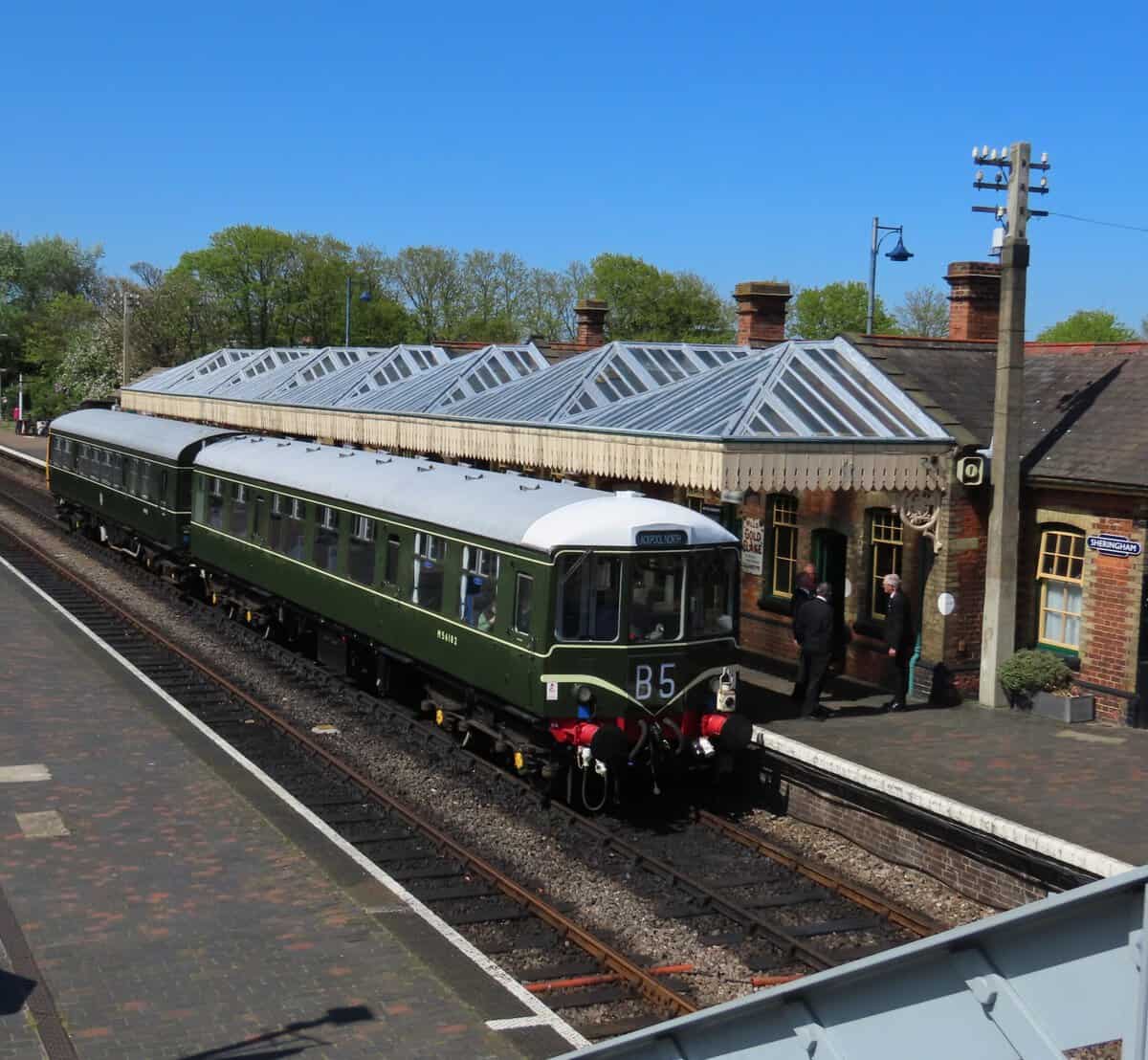
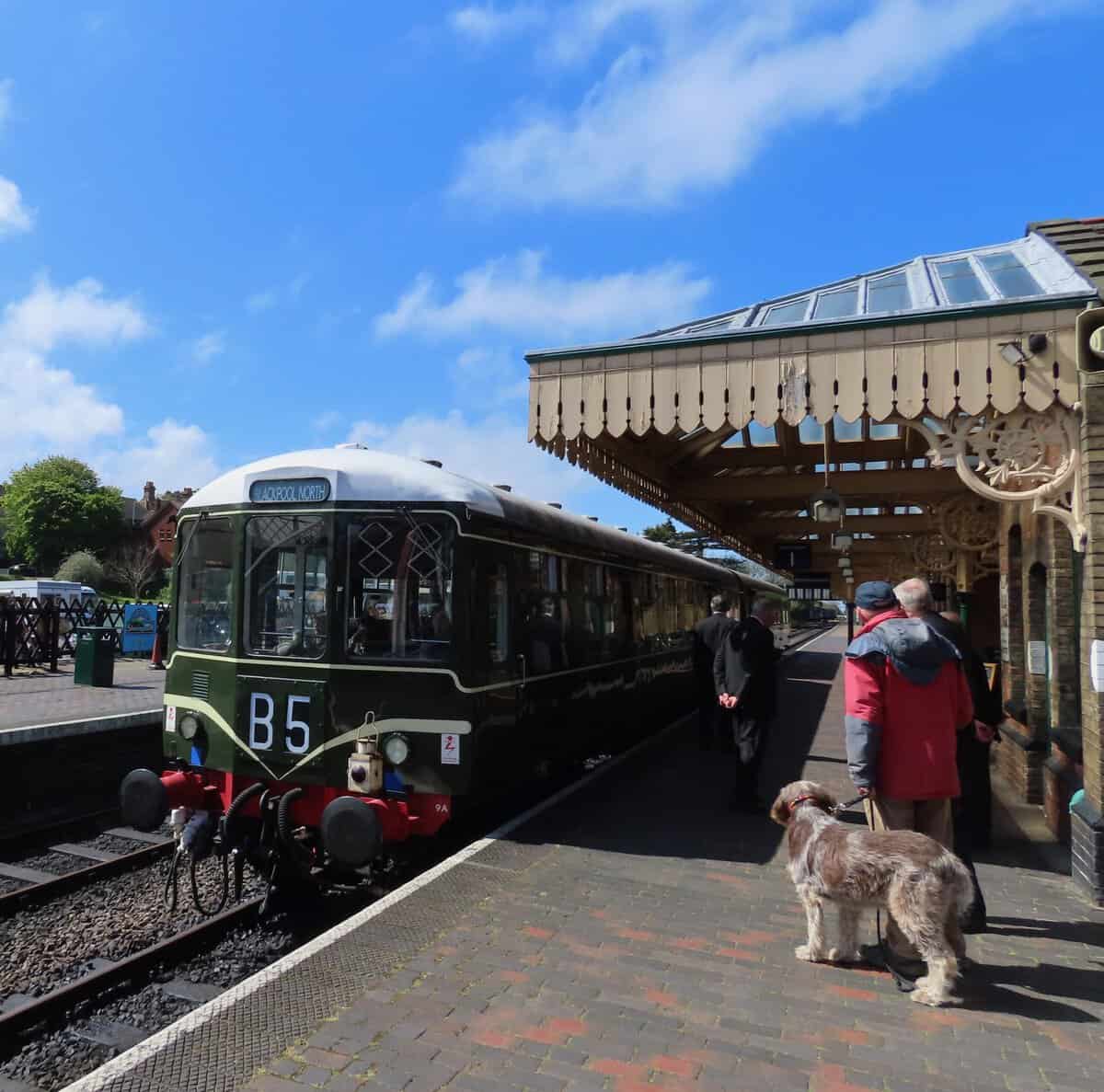
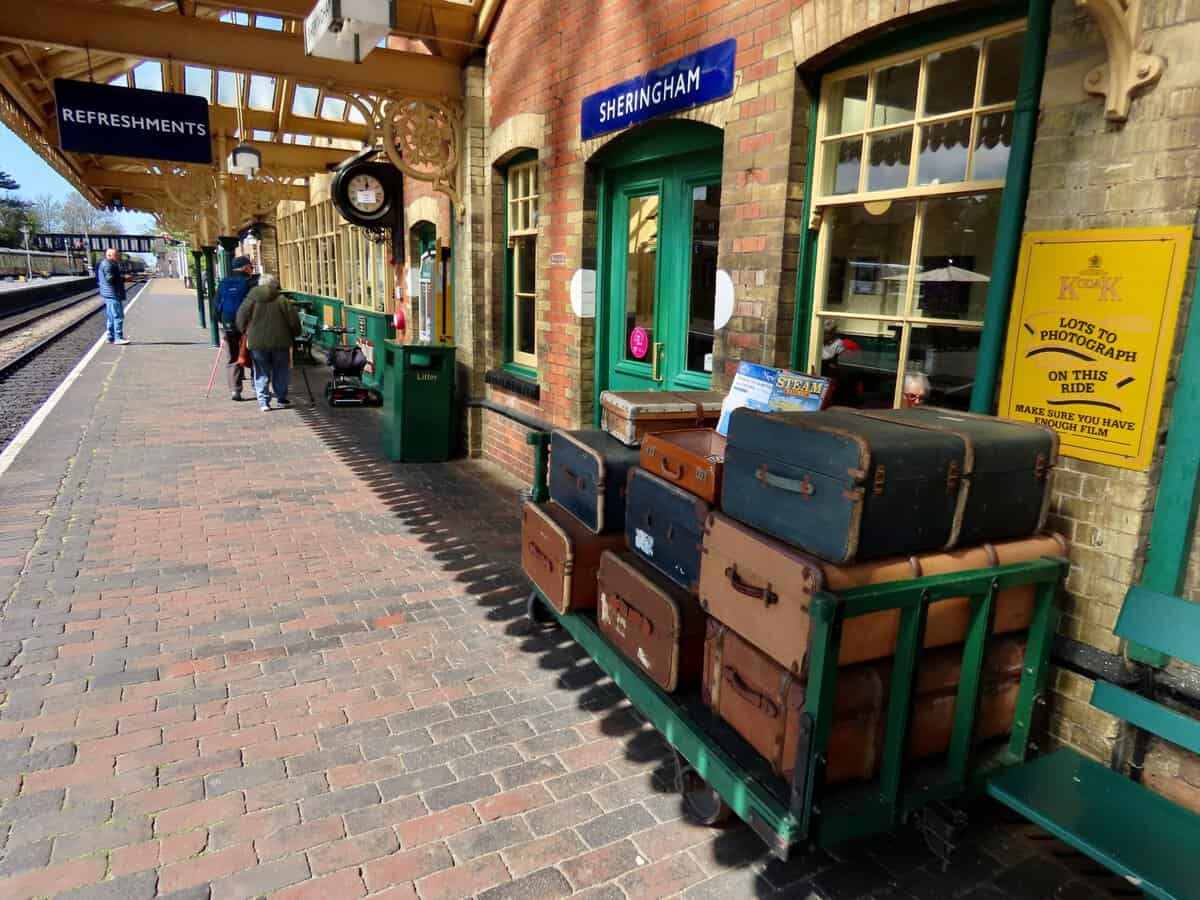
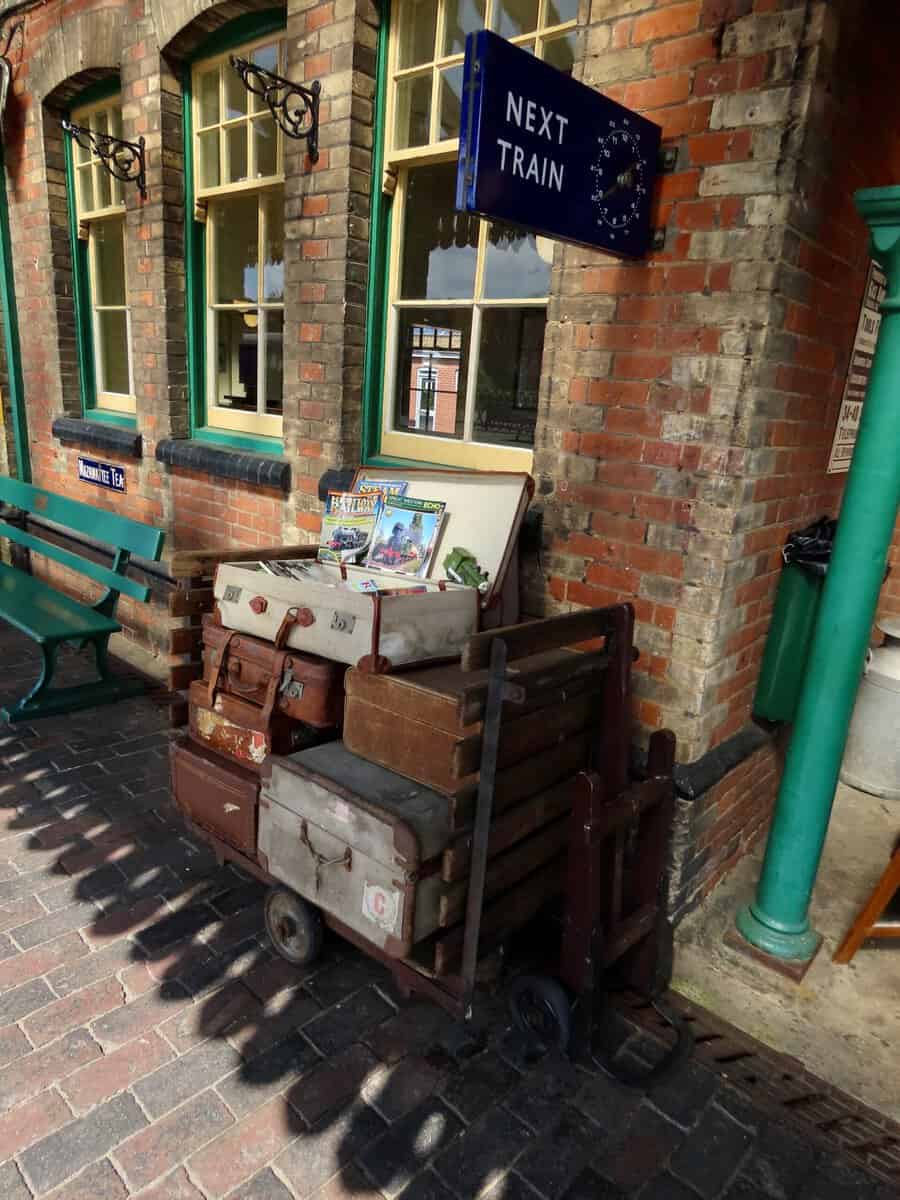
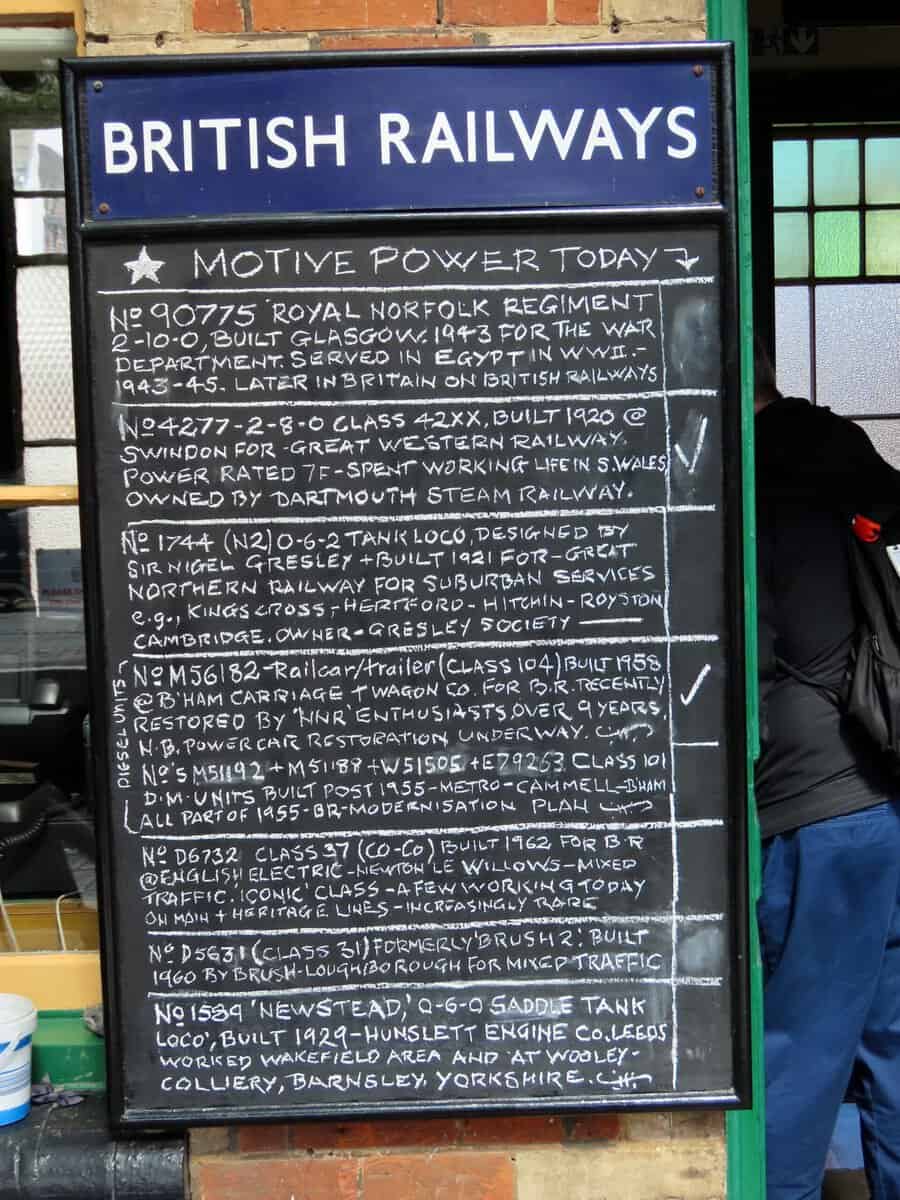
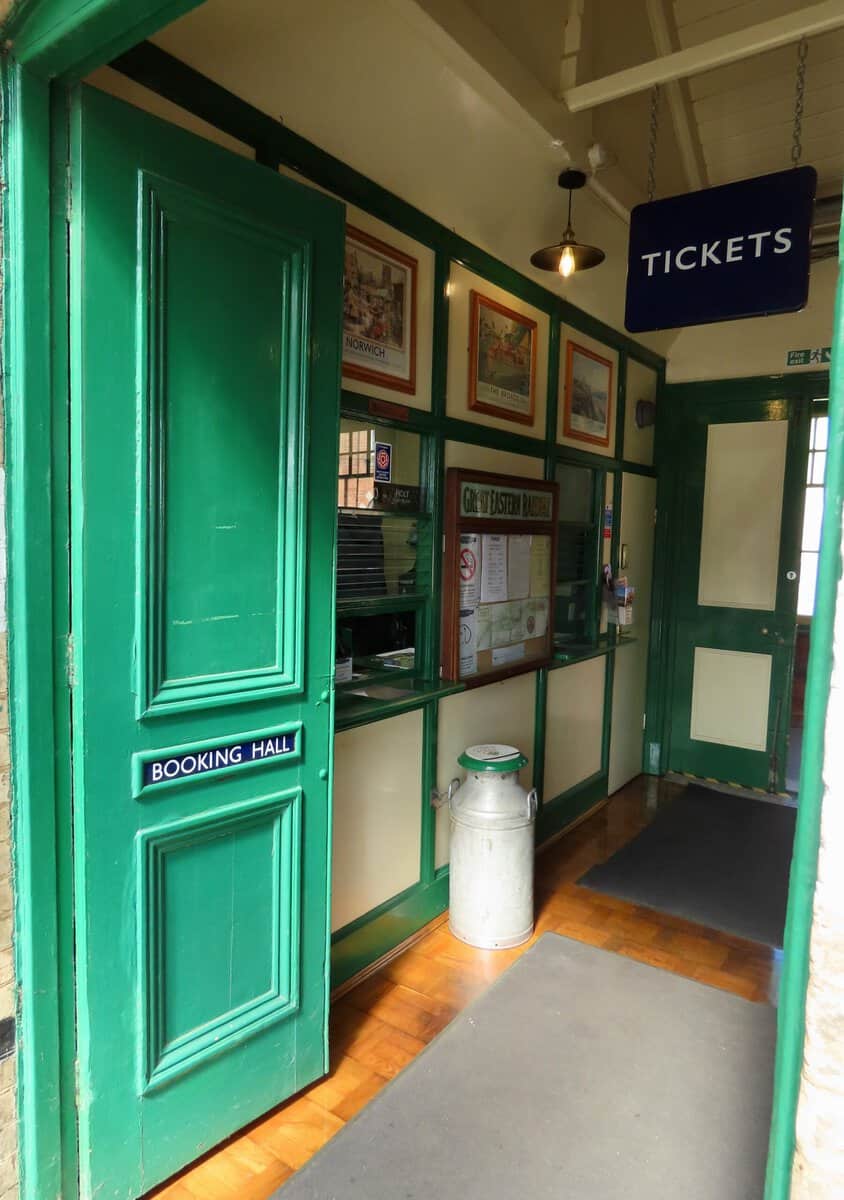
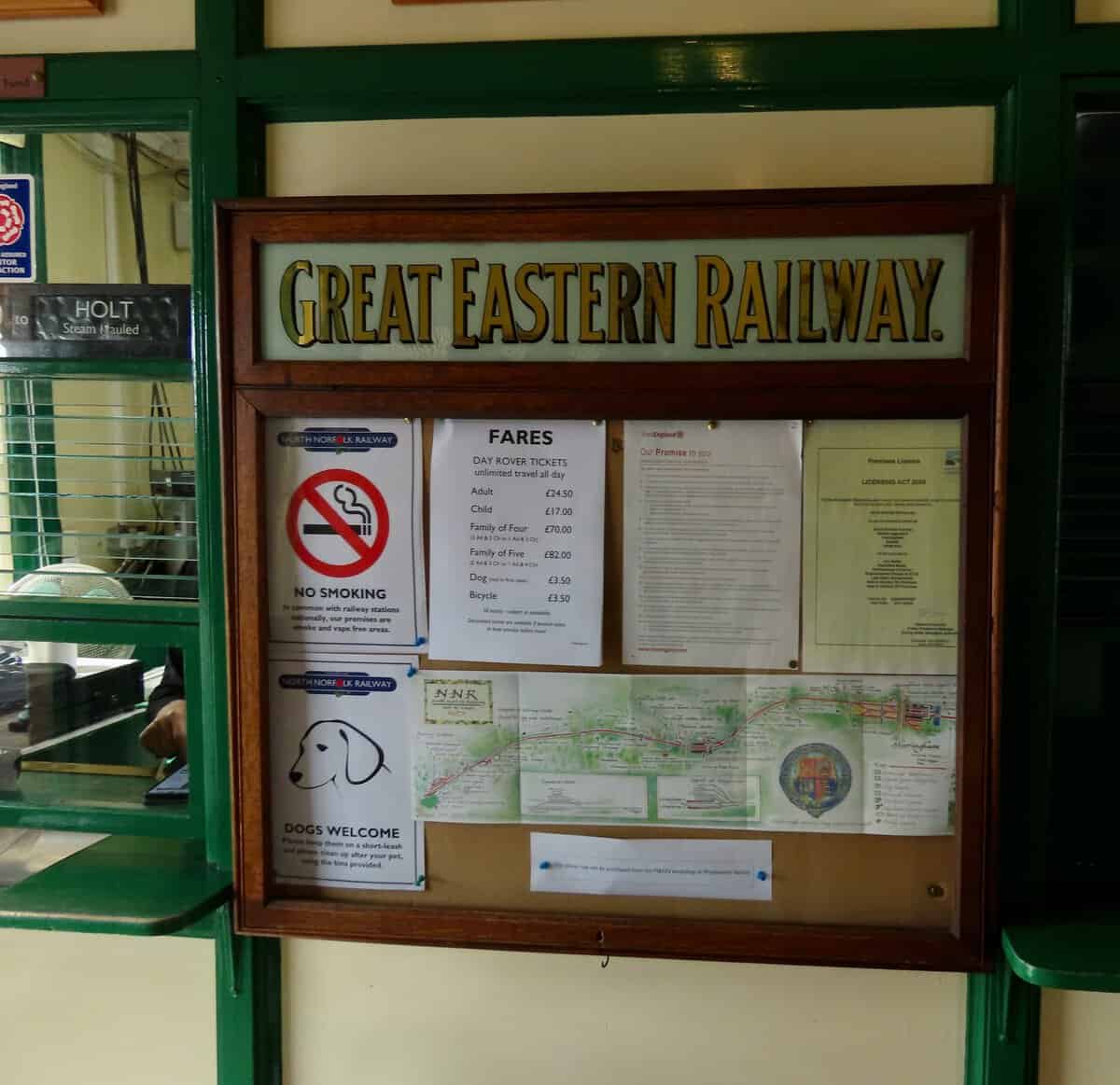
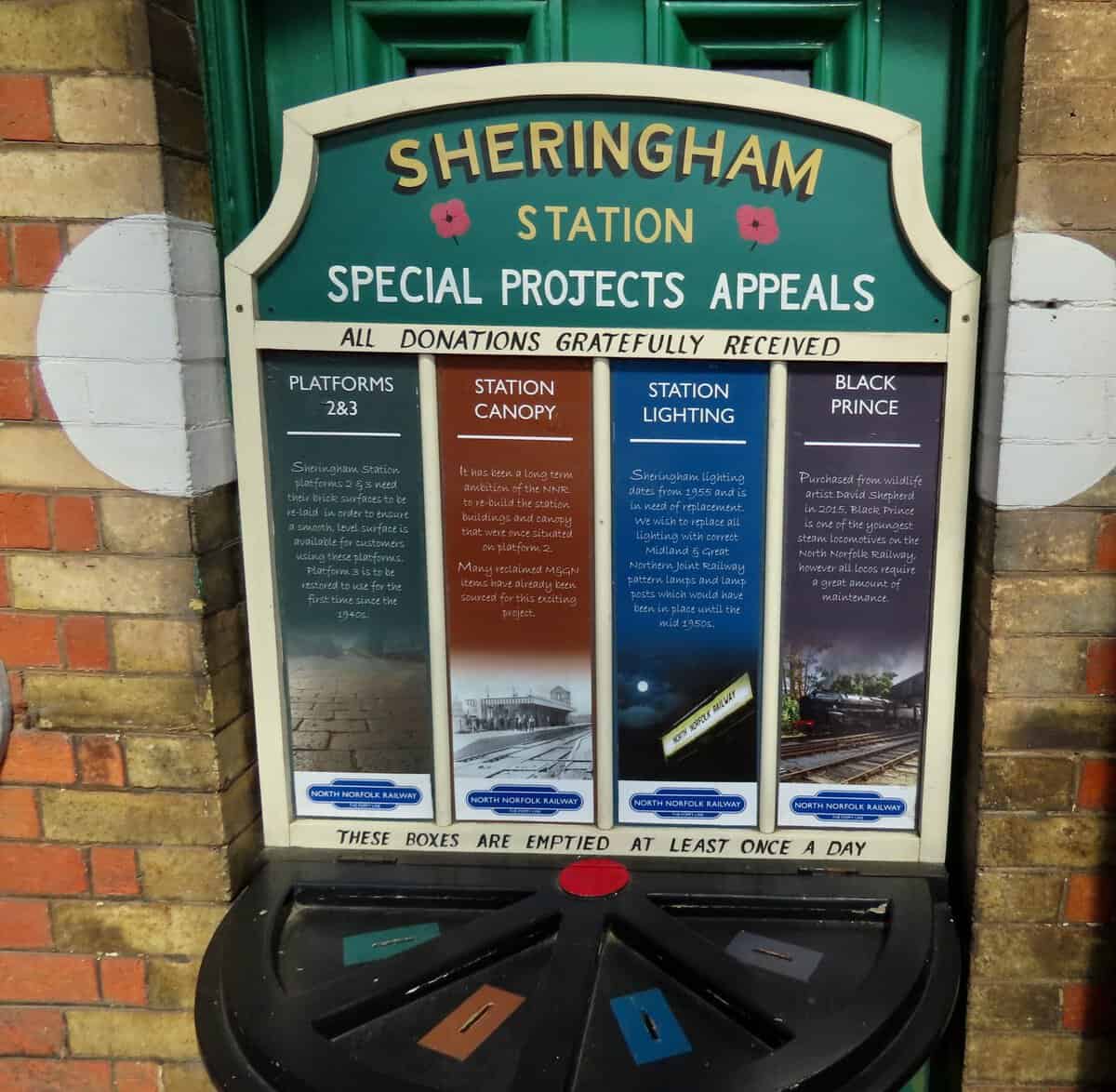
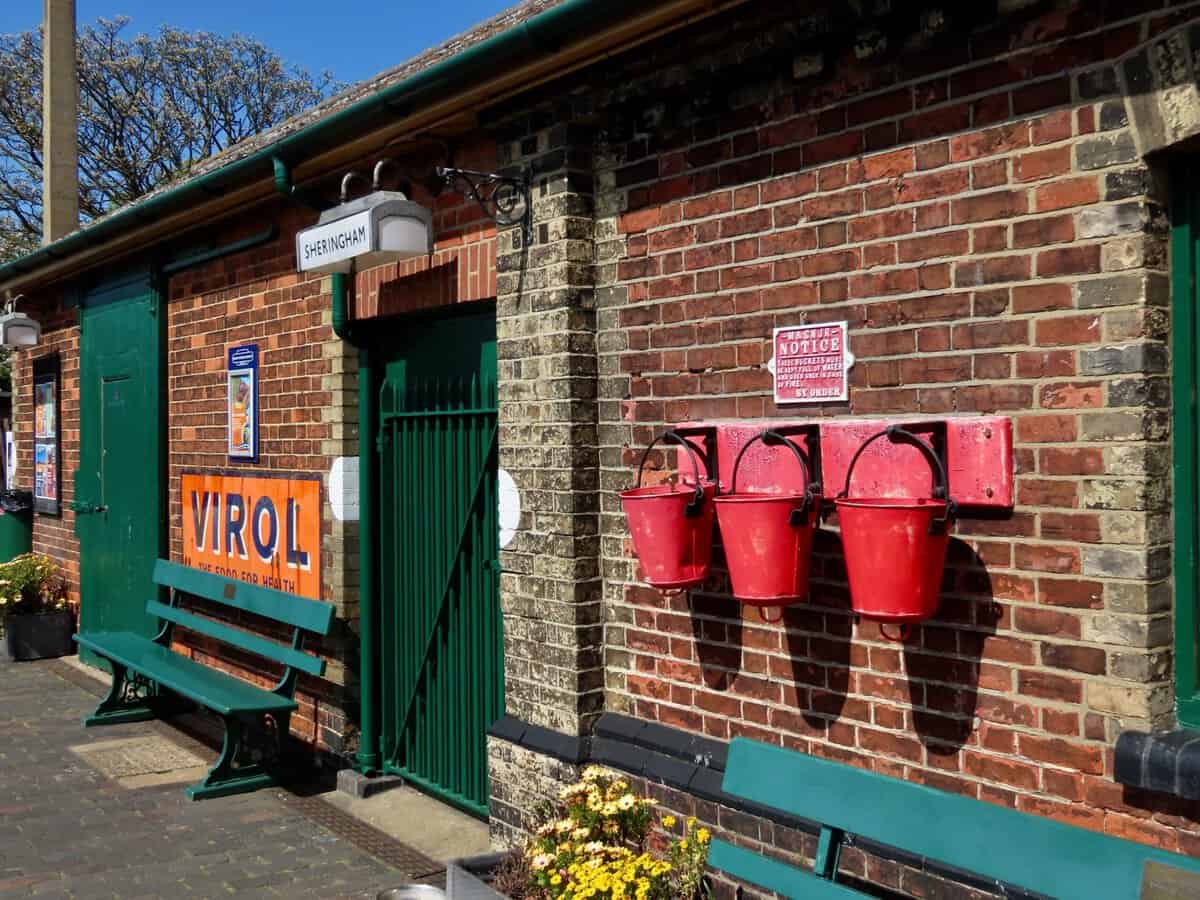
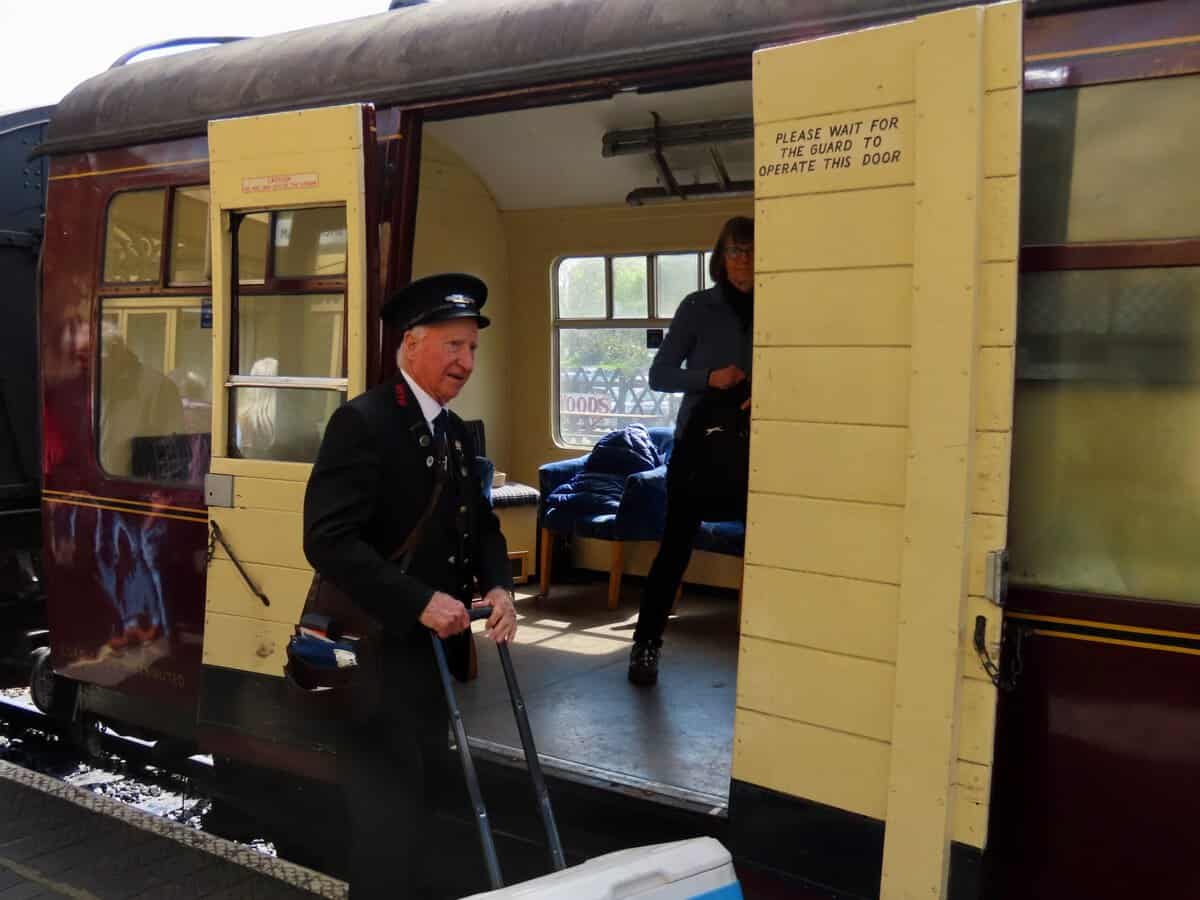
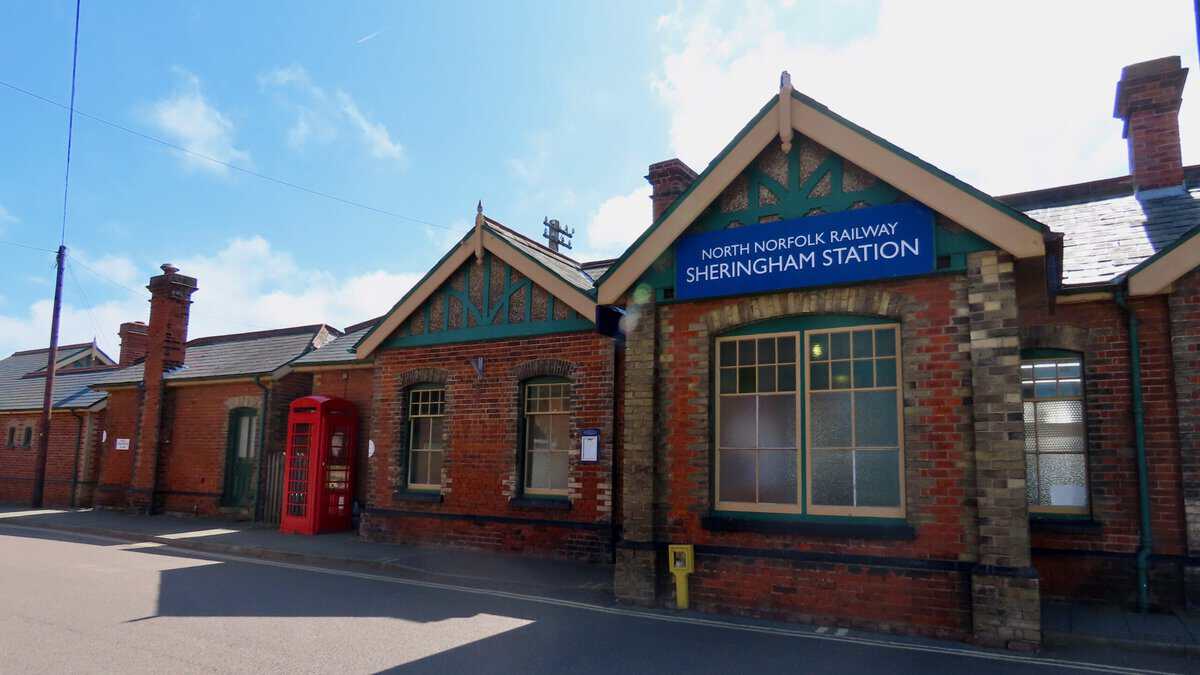
Leaving the Park, we drove ~ 2 miles northeast to the coastal town of Sheringham. Our first stop was the station for the North Norfolk Railway, which we had seen steaming along the coast as we strolled through the Park. It’s a 25 minute ride, used by tourists and local commuters, and managed entirely by volunteers.



We wandered through town towards the sea.
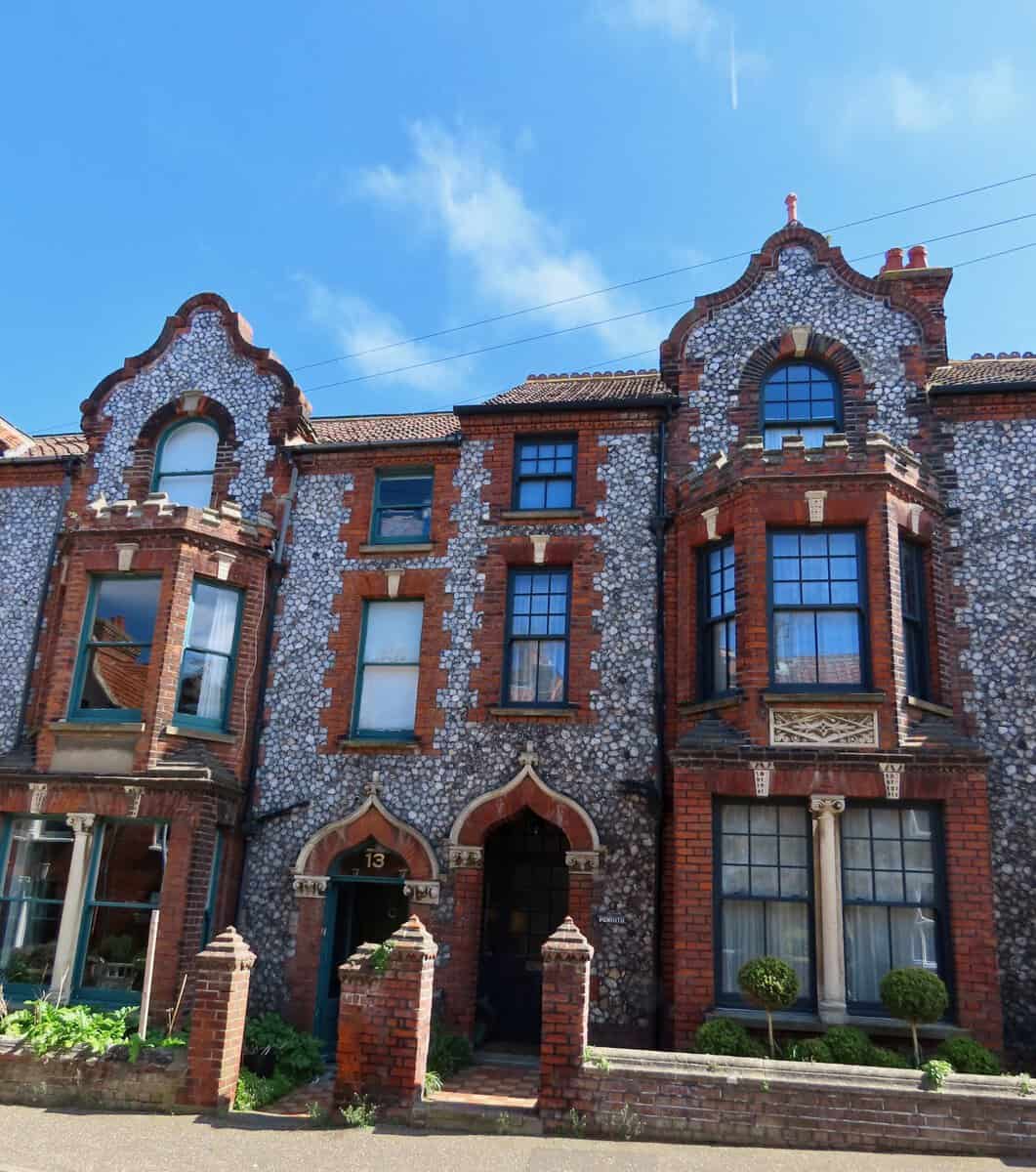
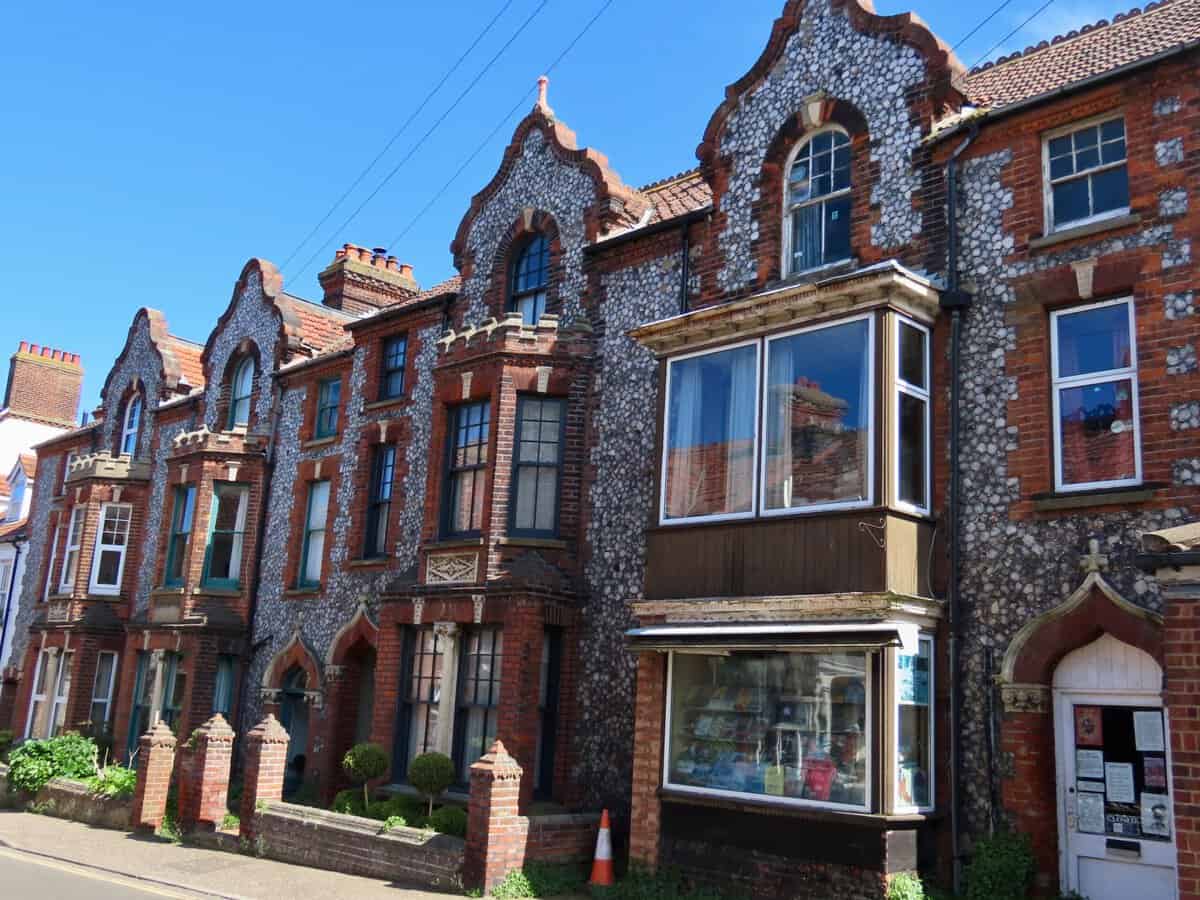

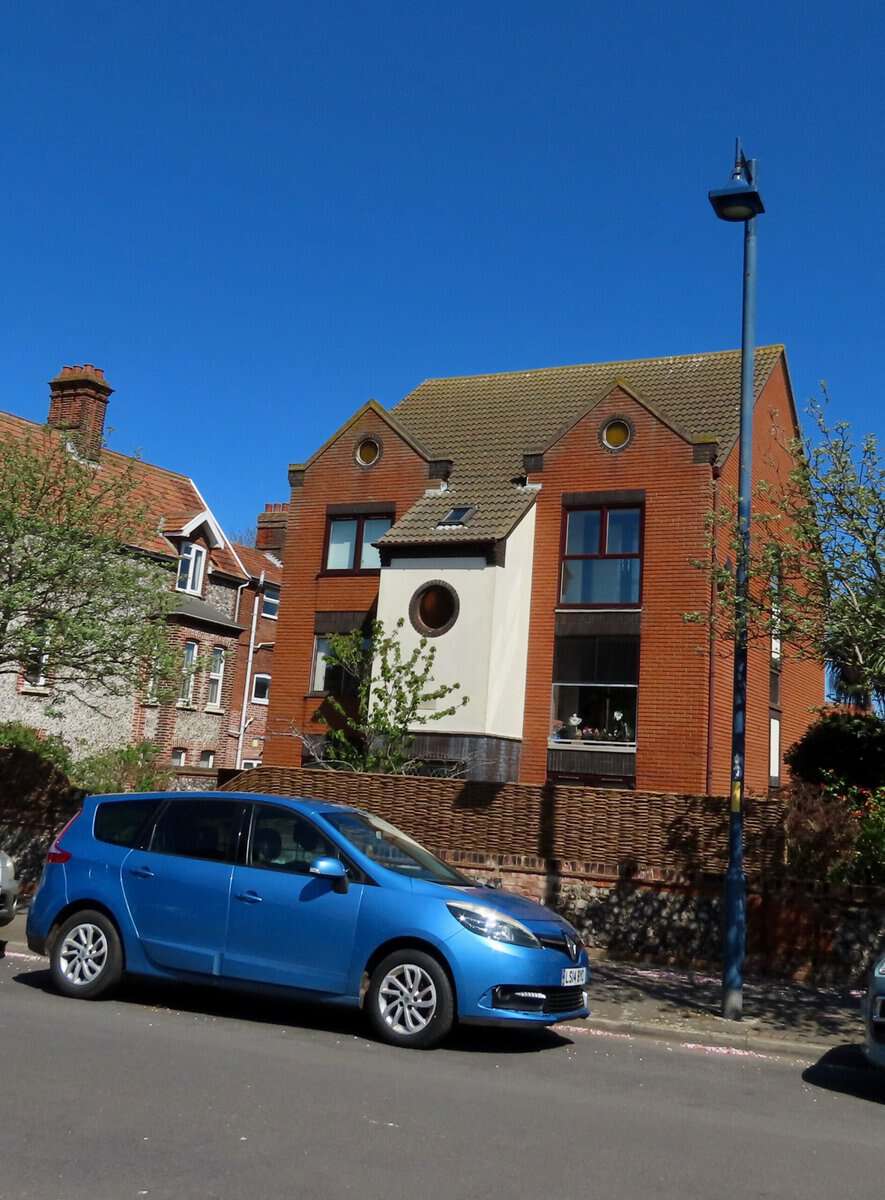
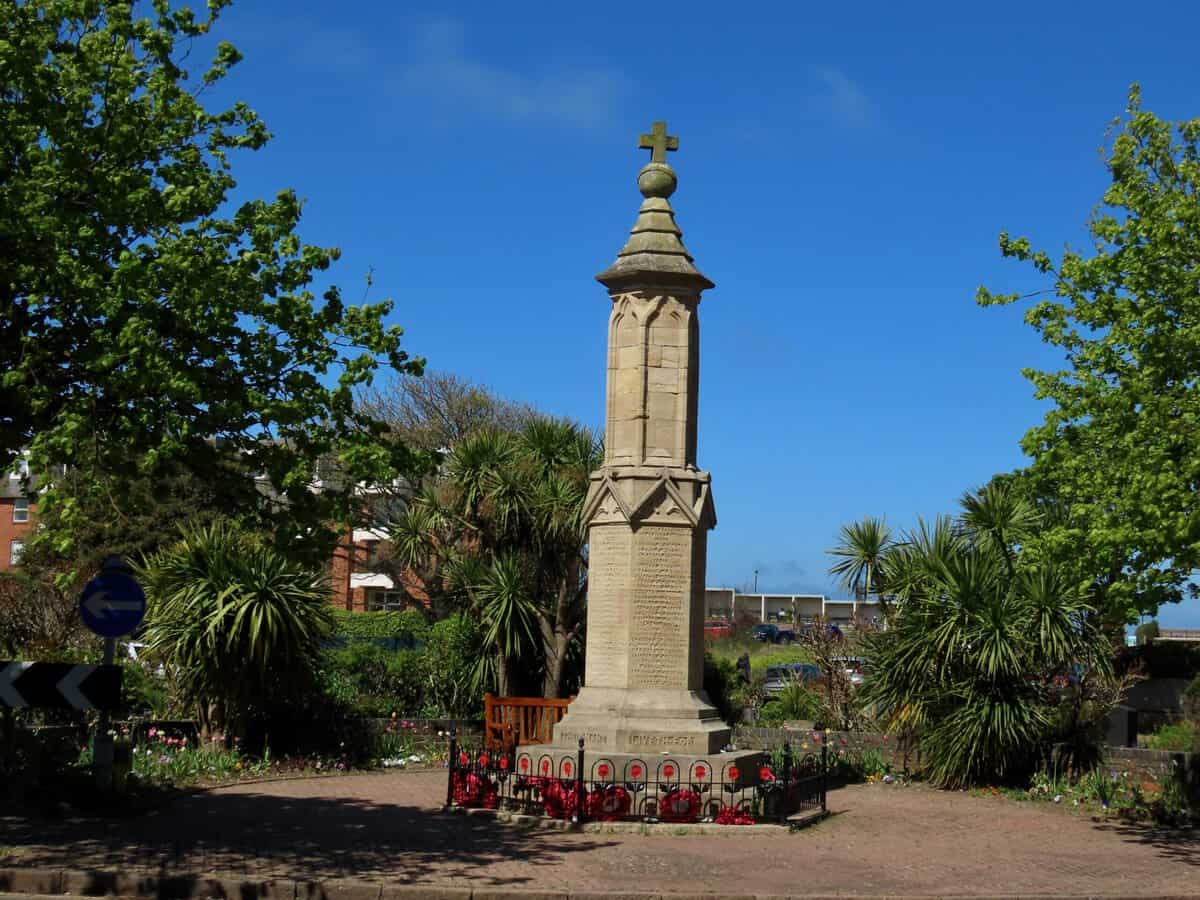
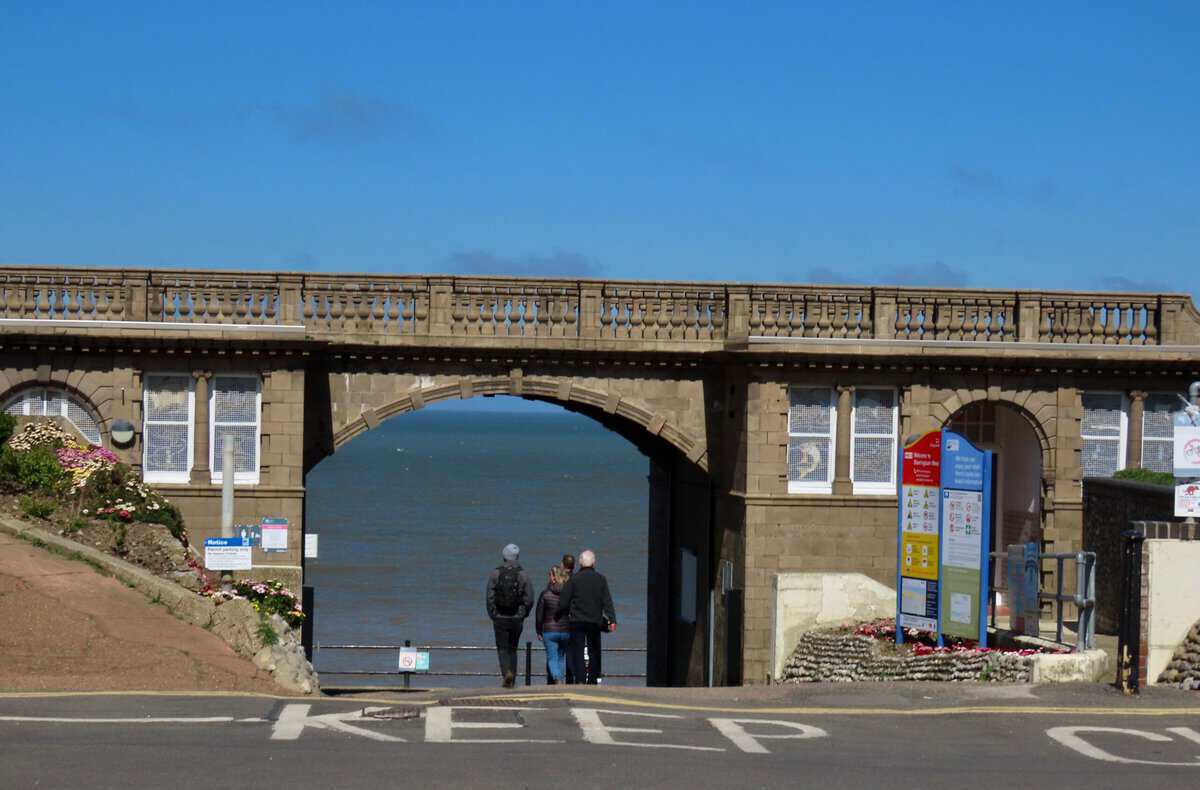

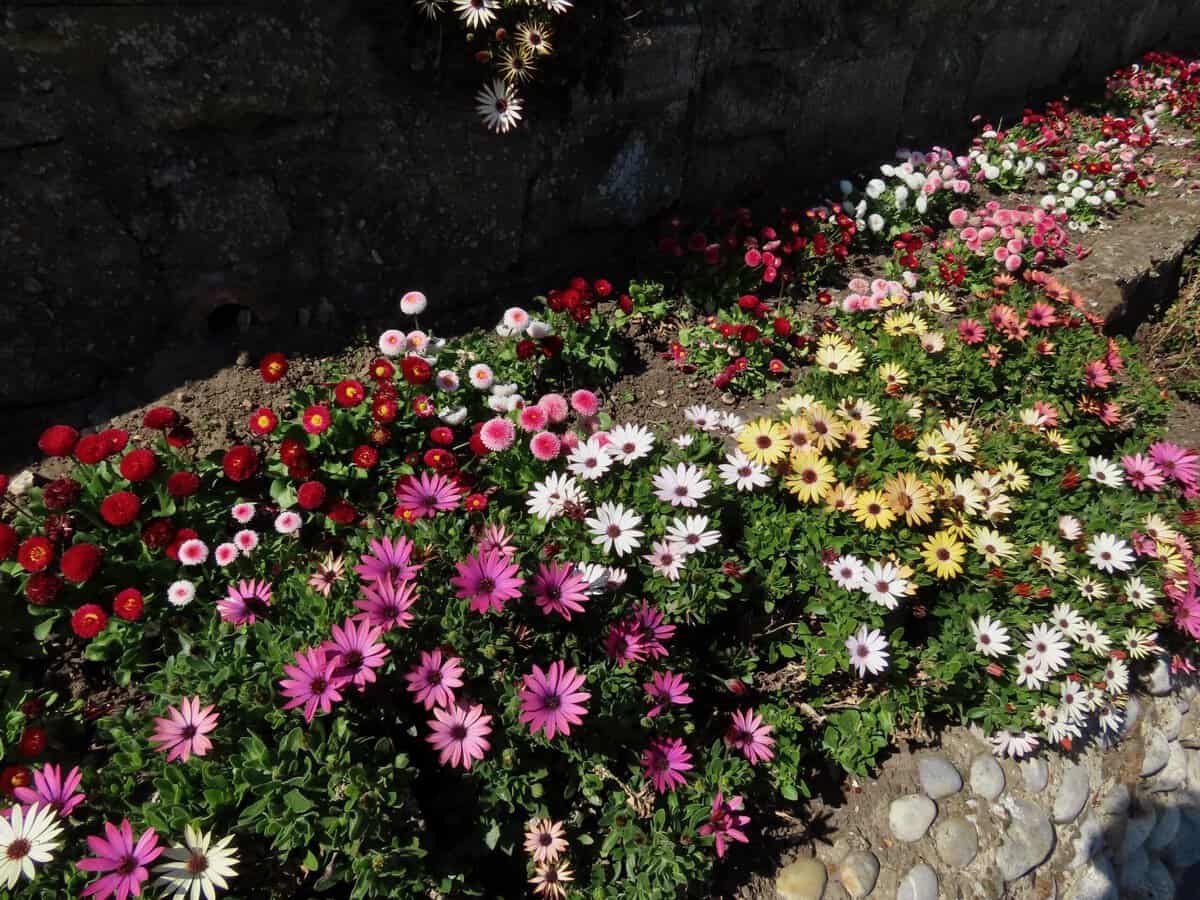
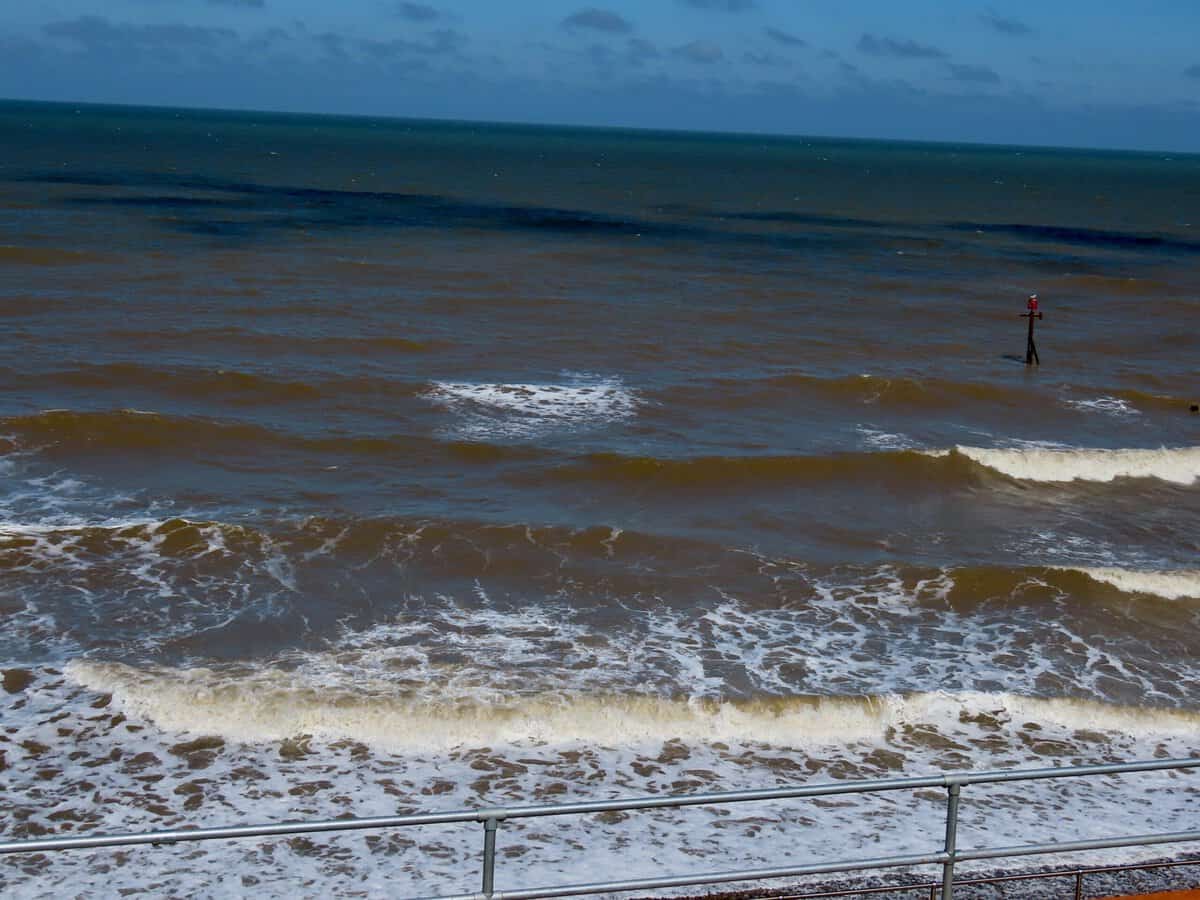

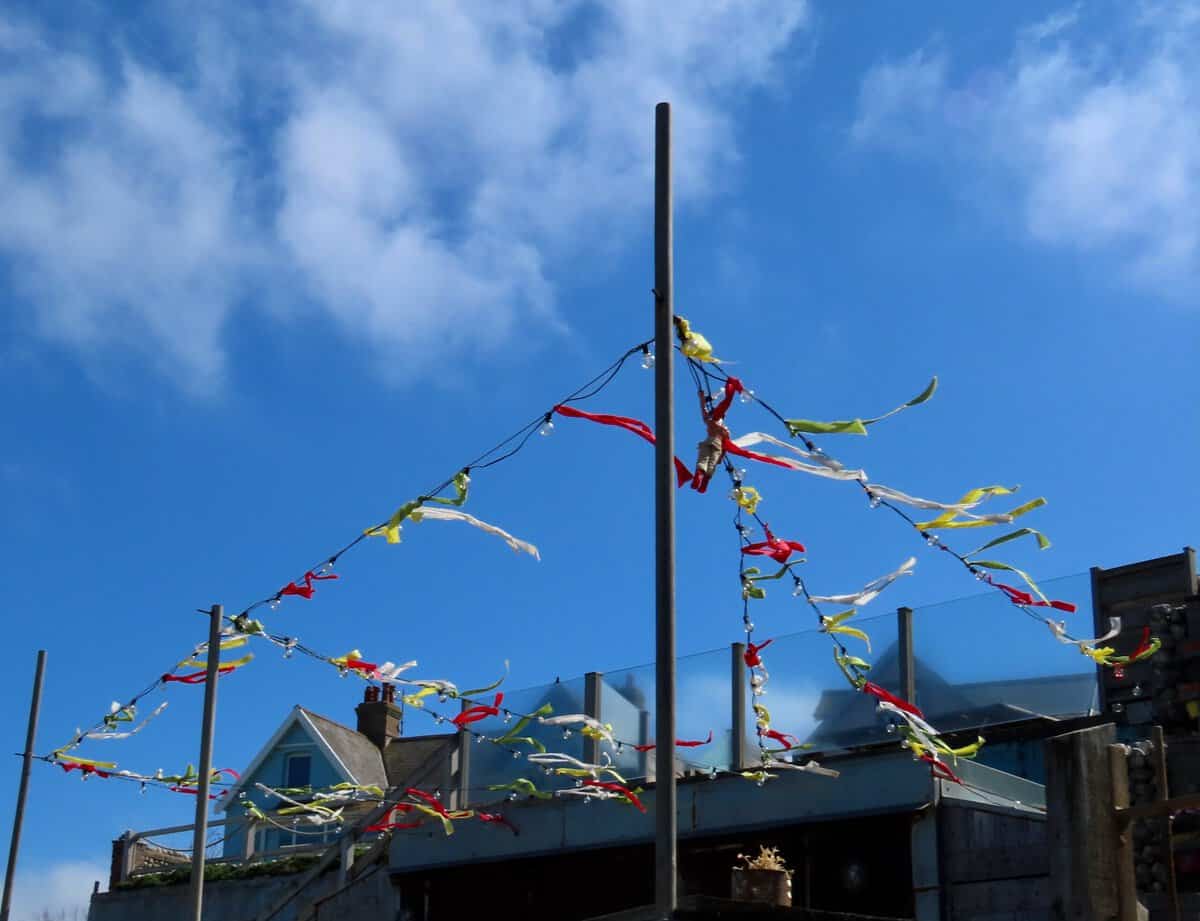
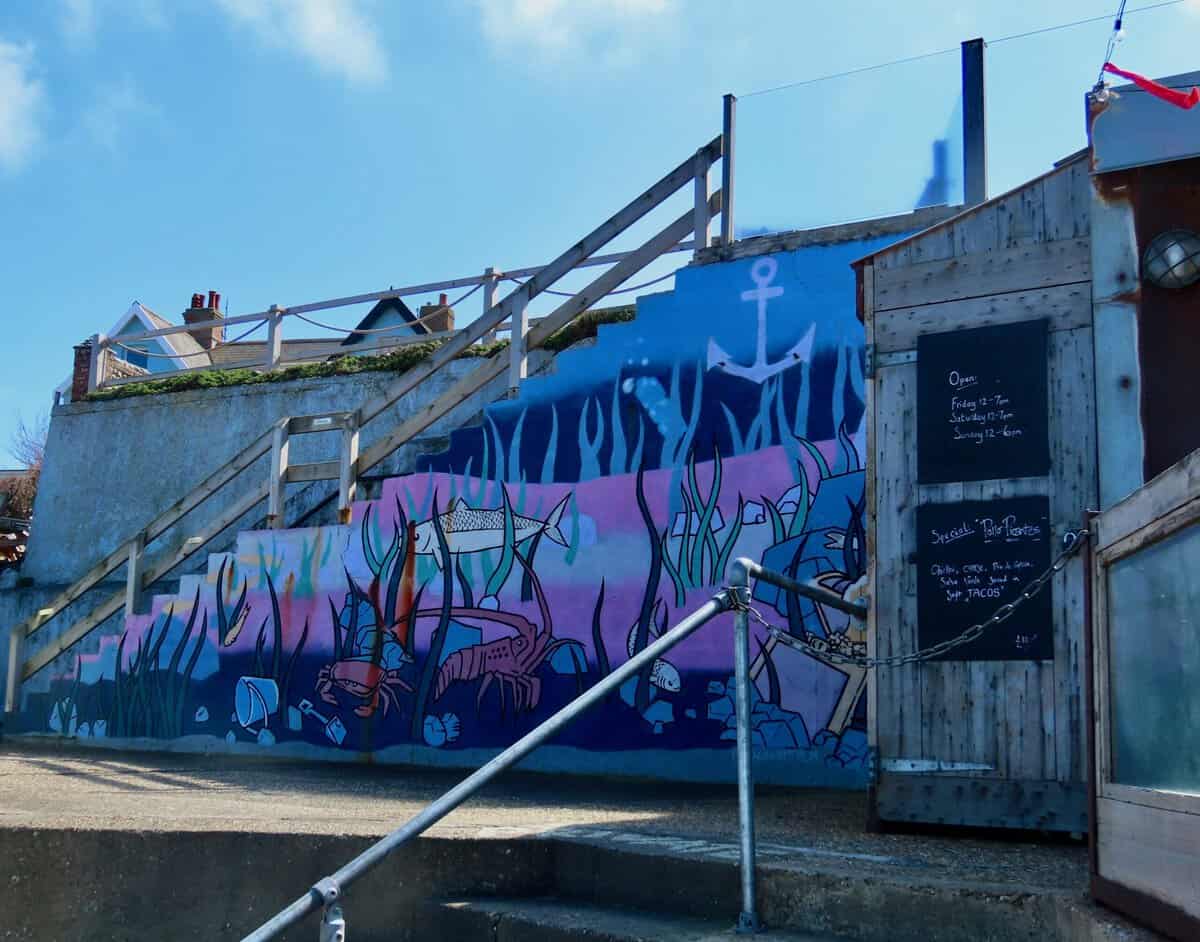

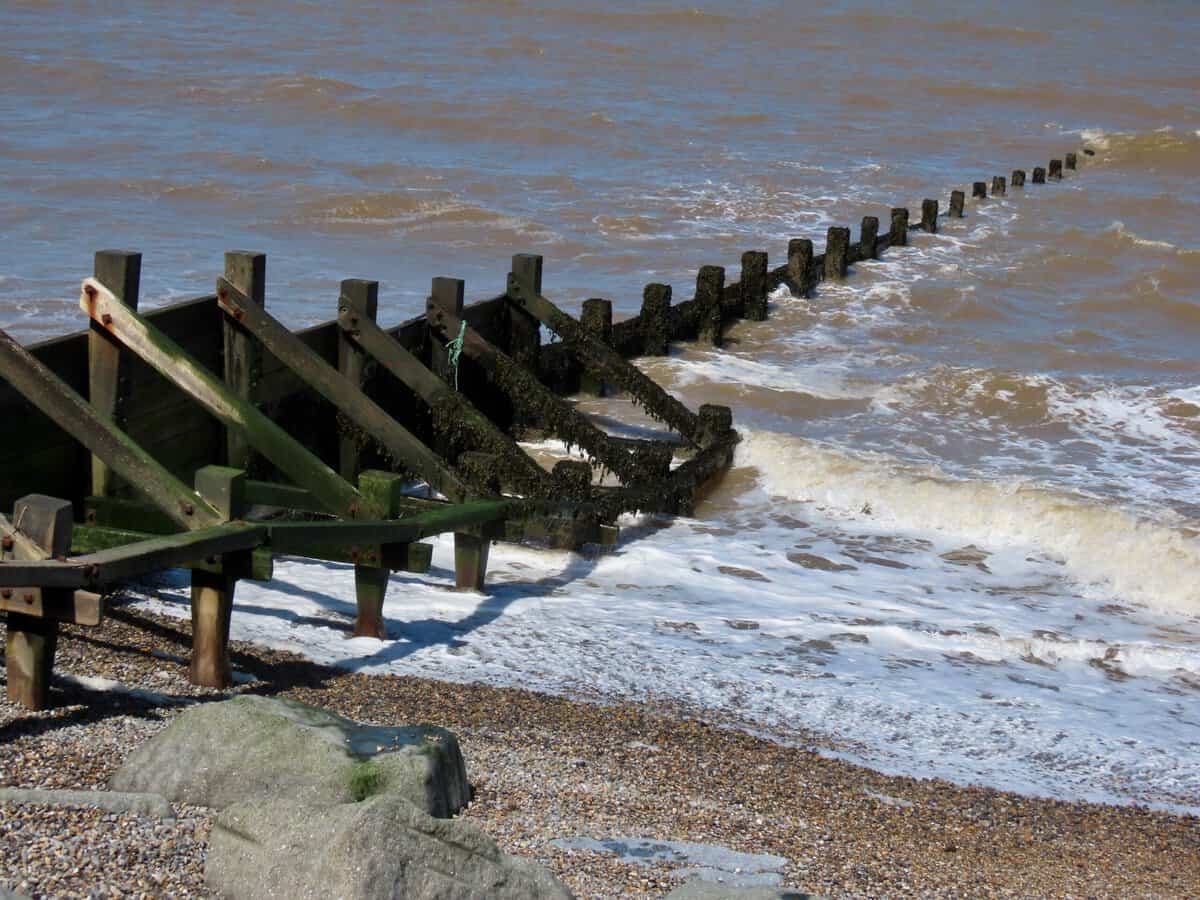
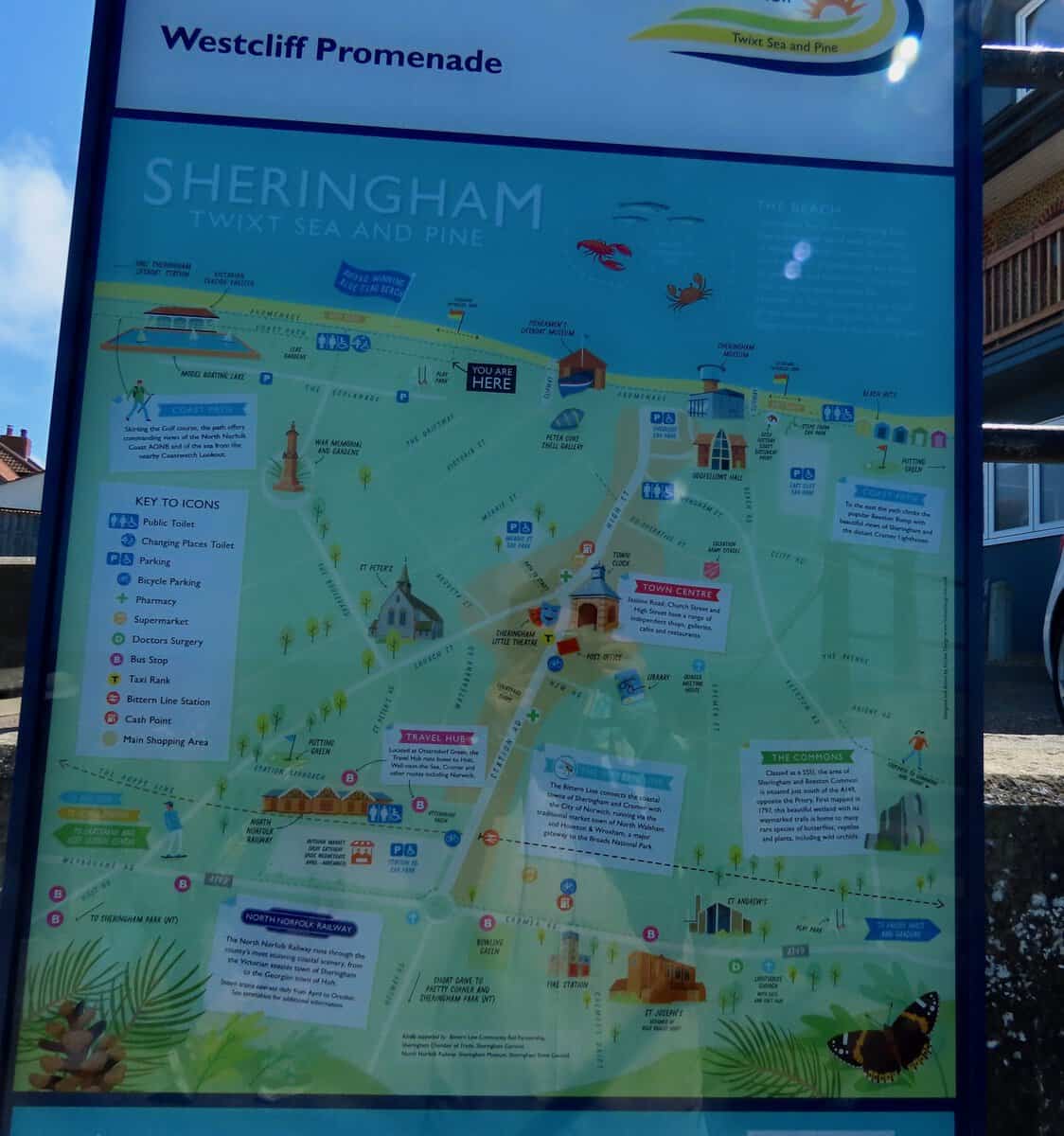
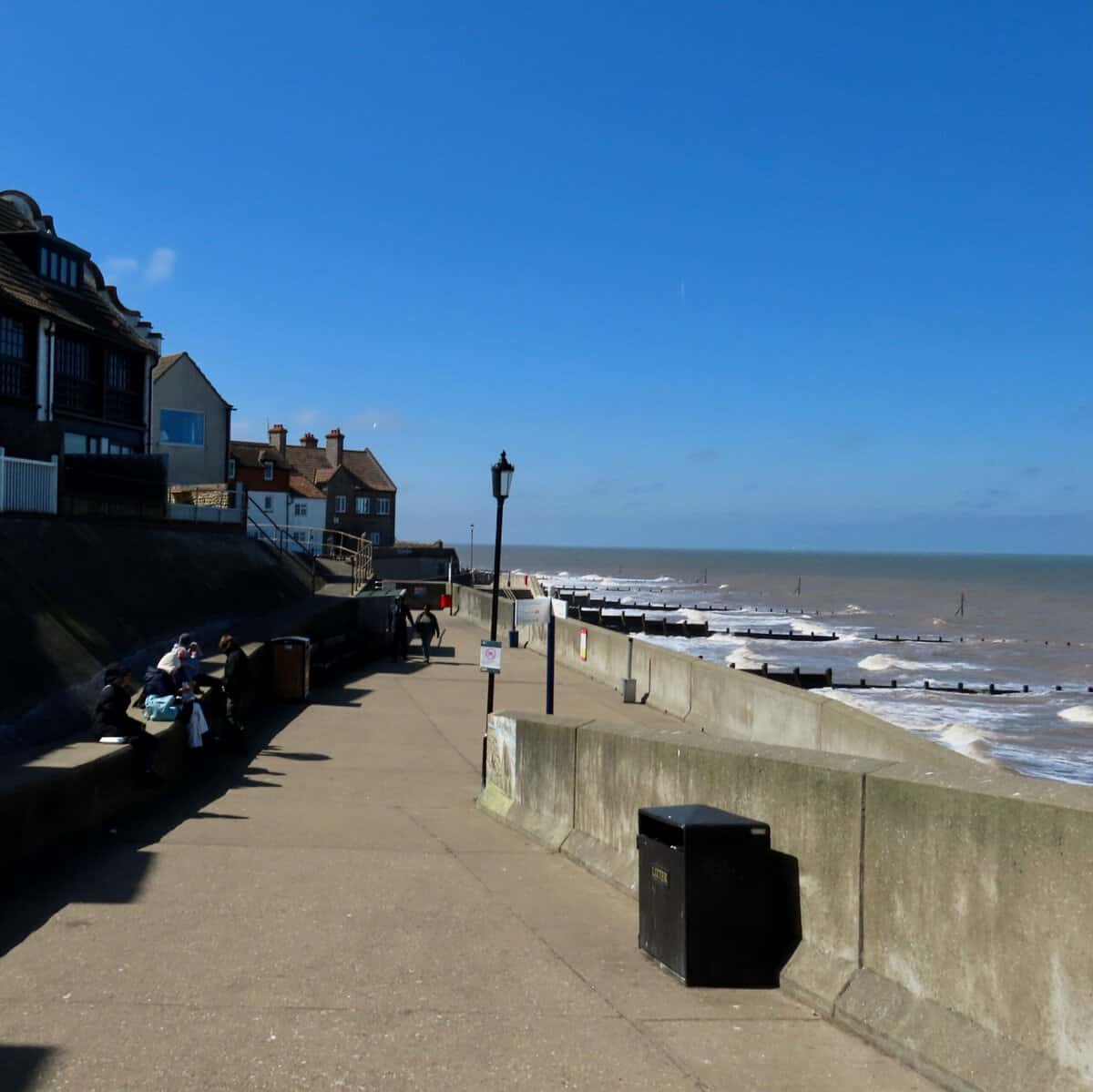
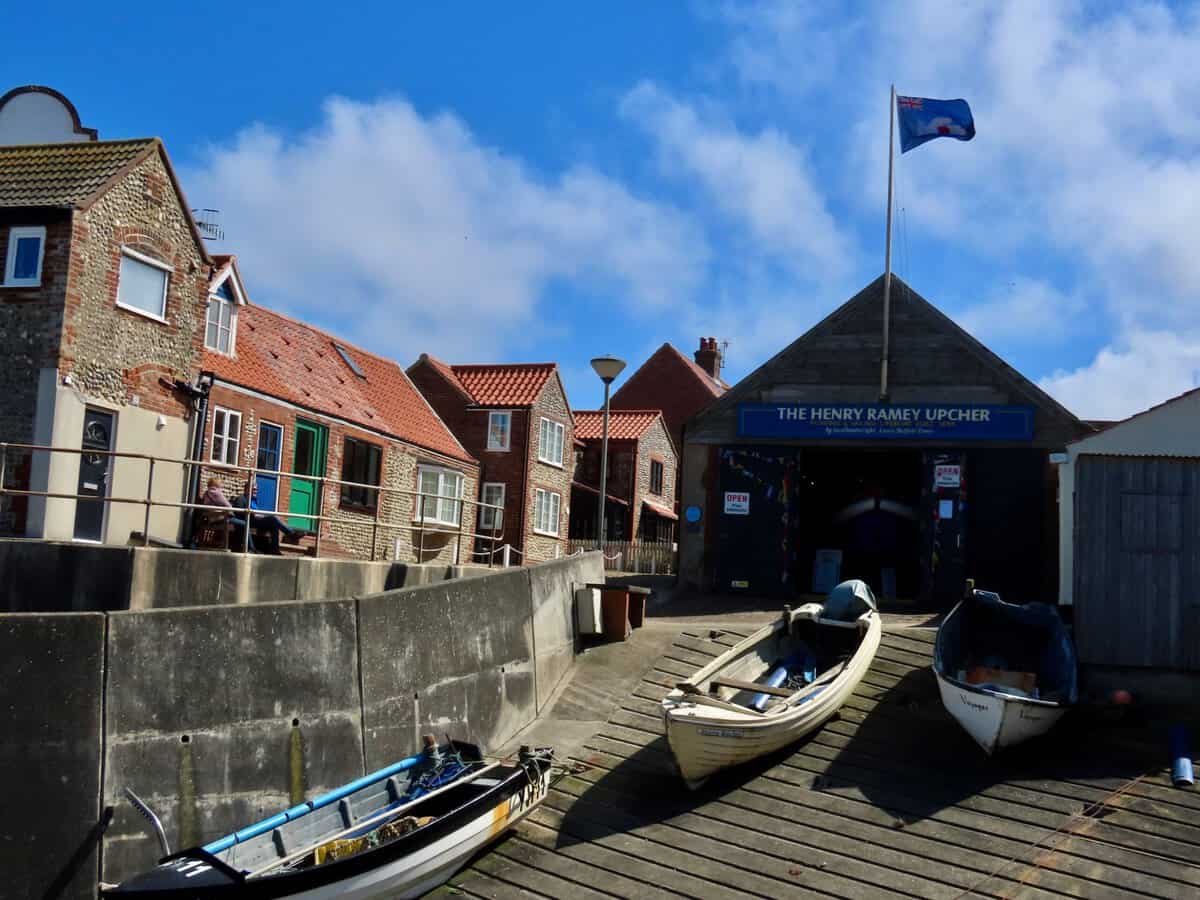
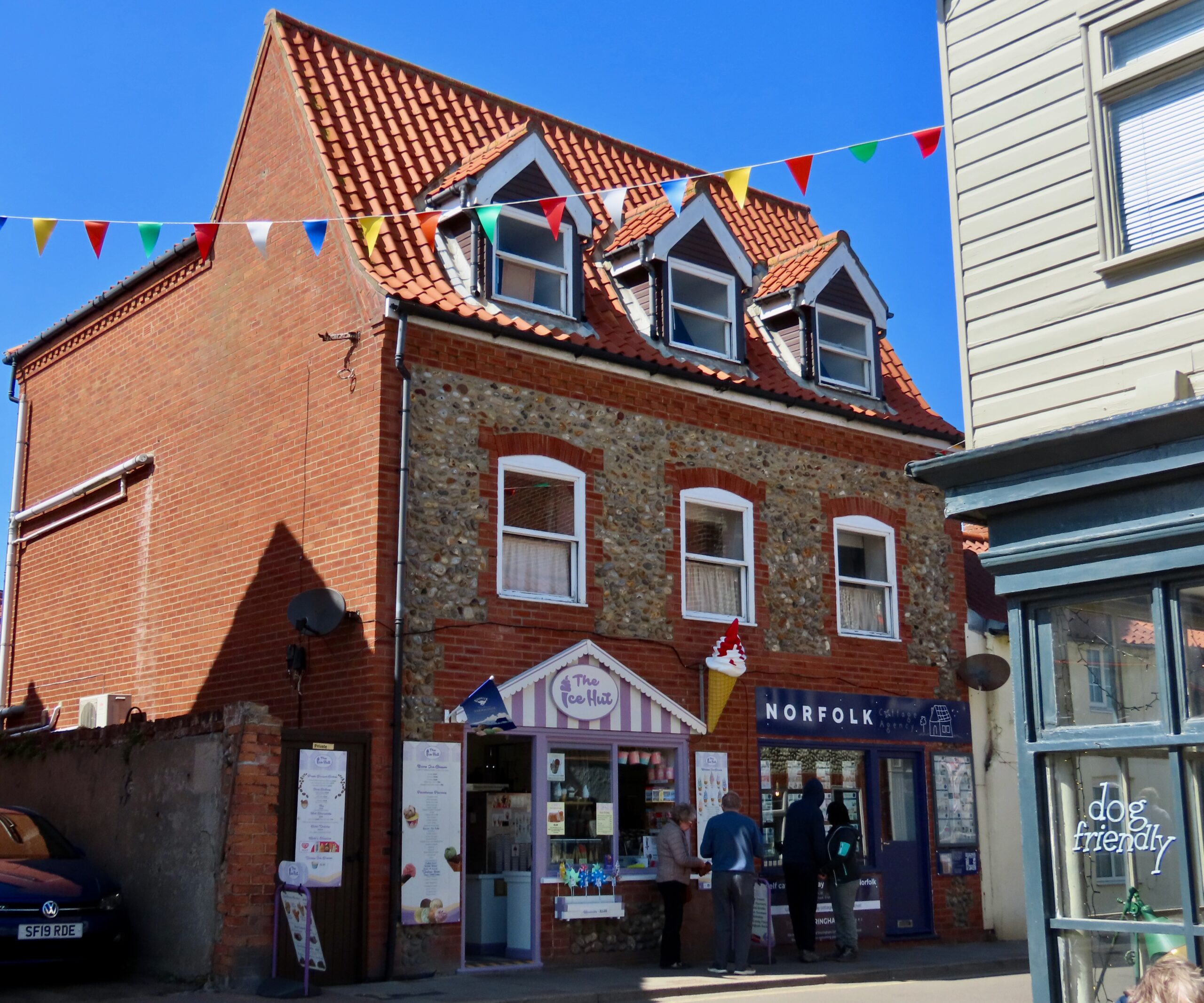
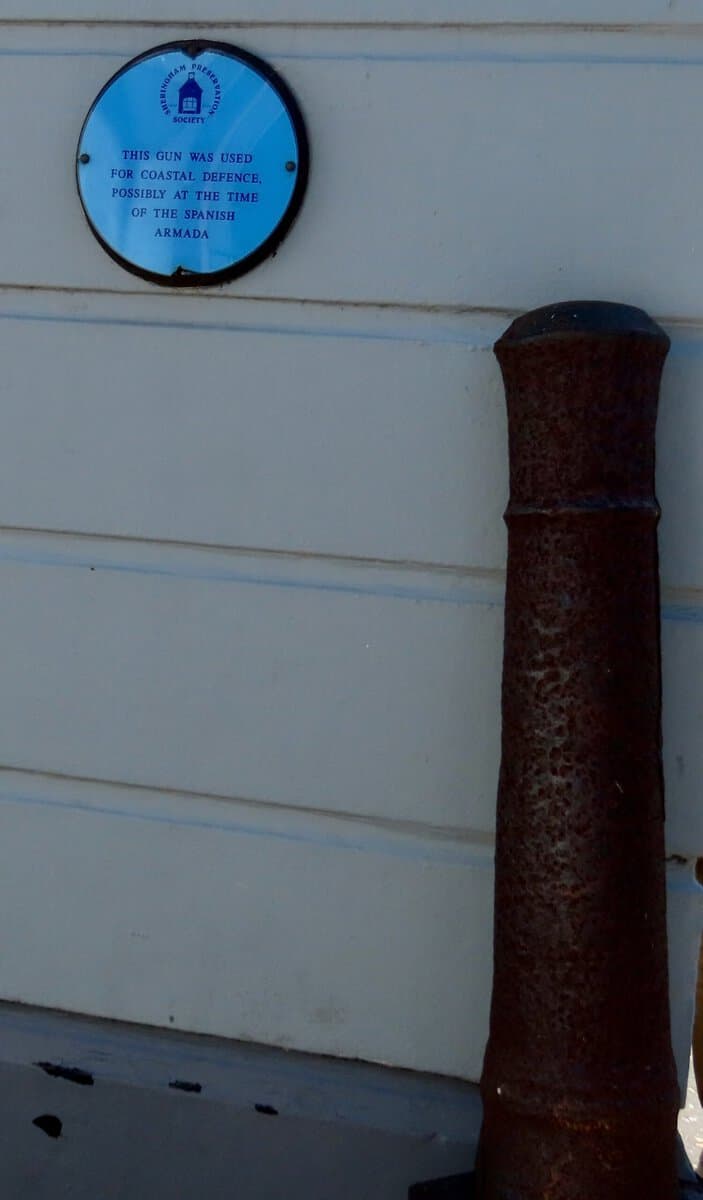
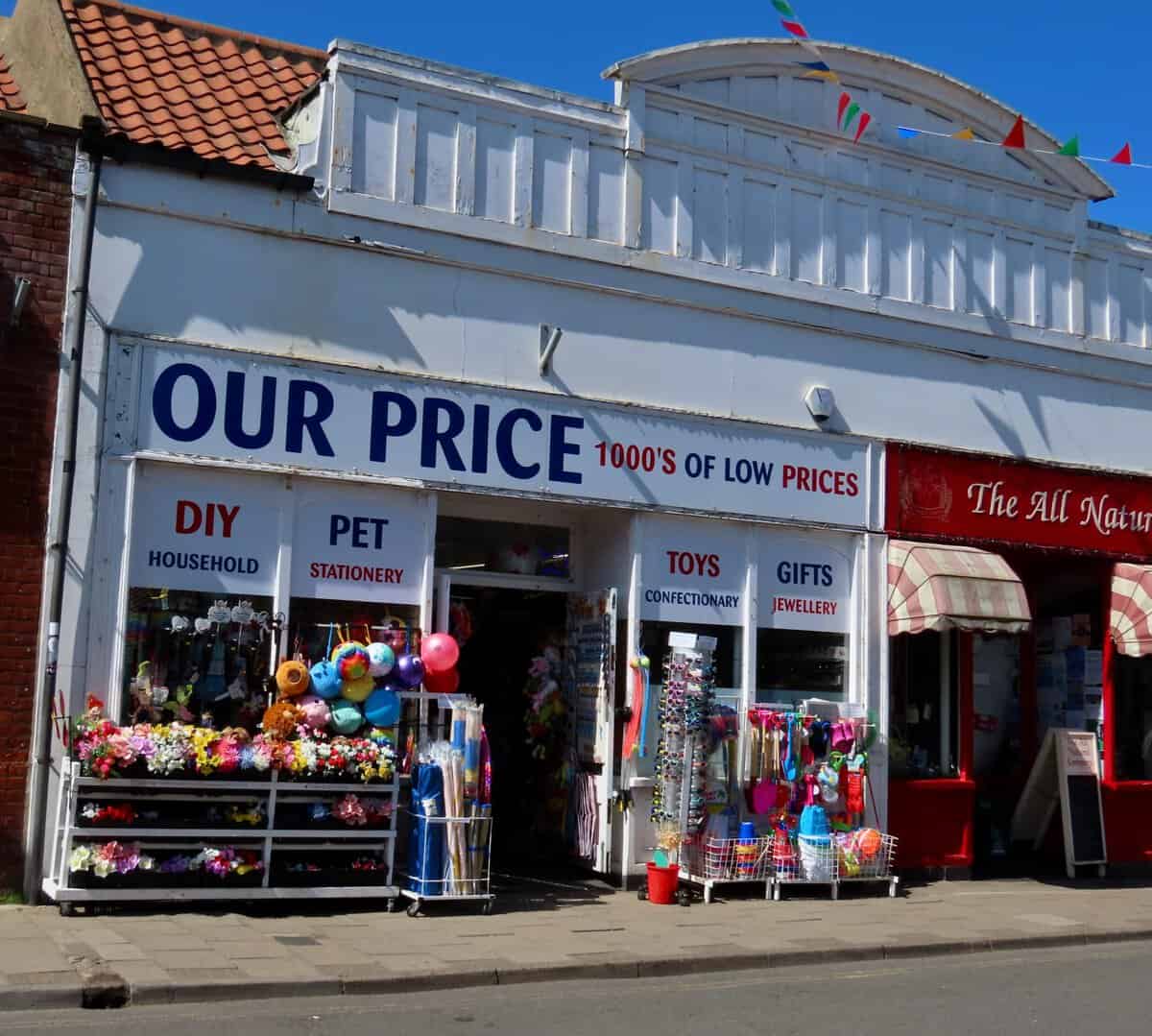
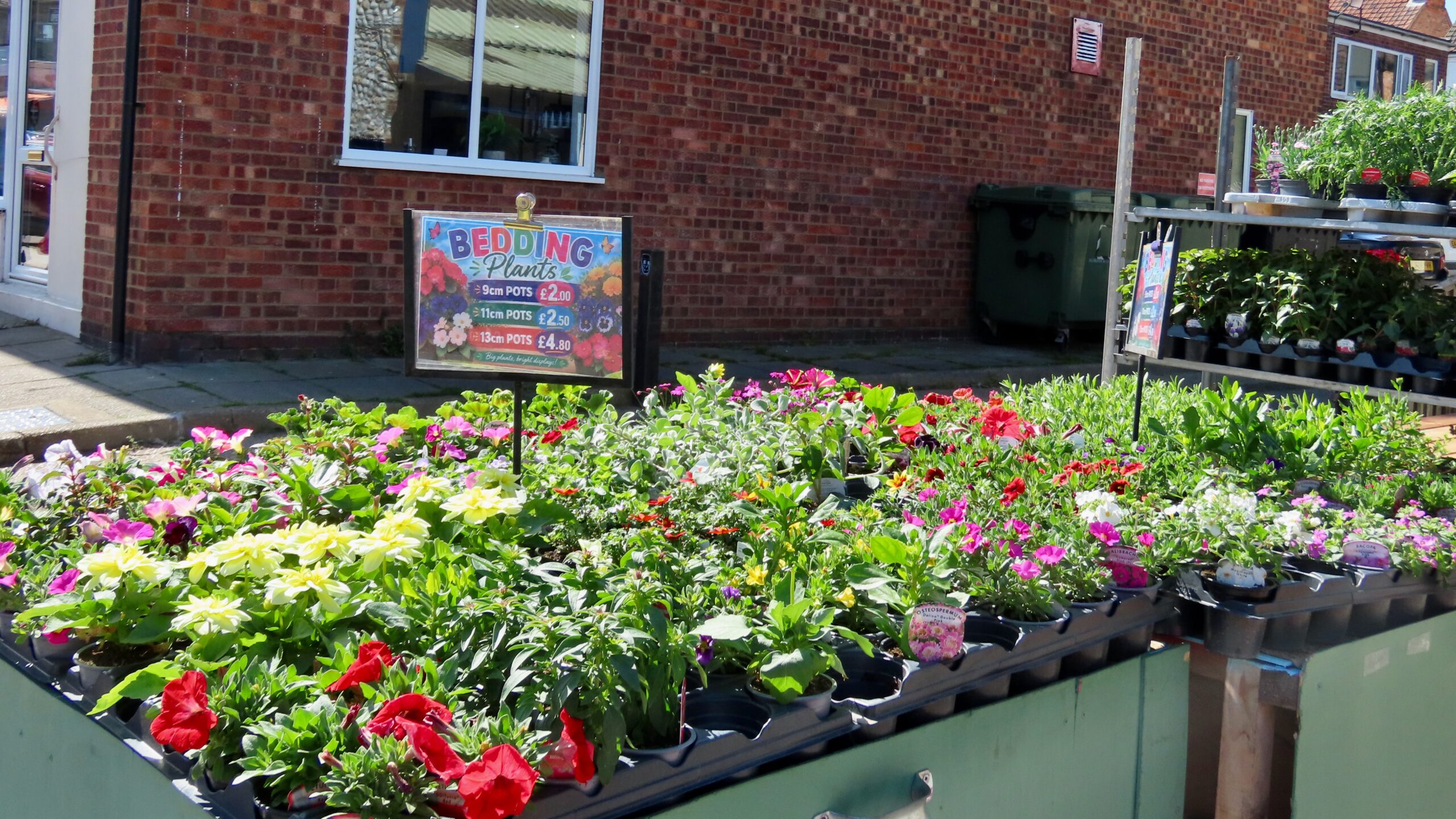
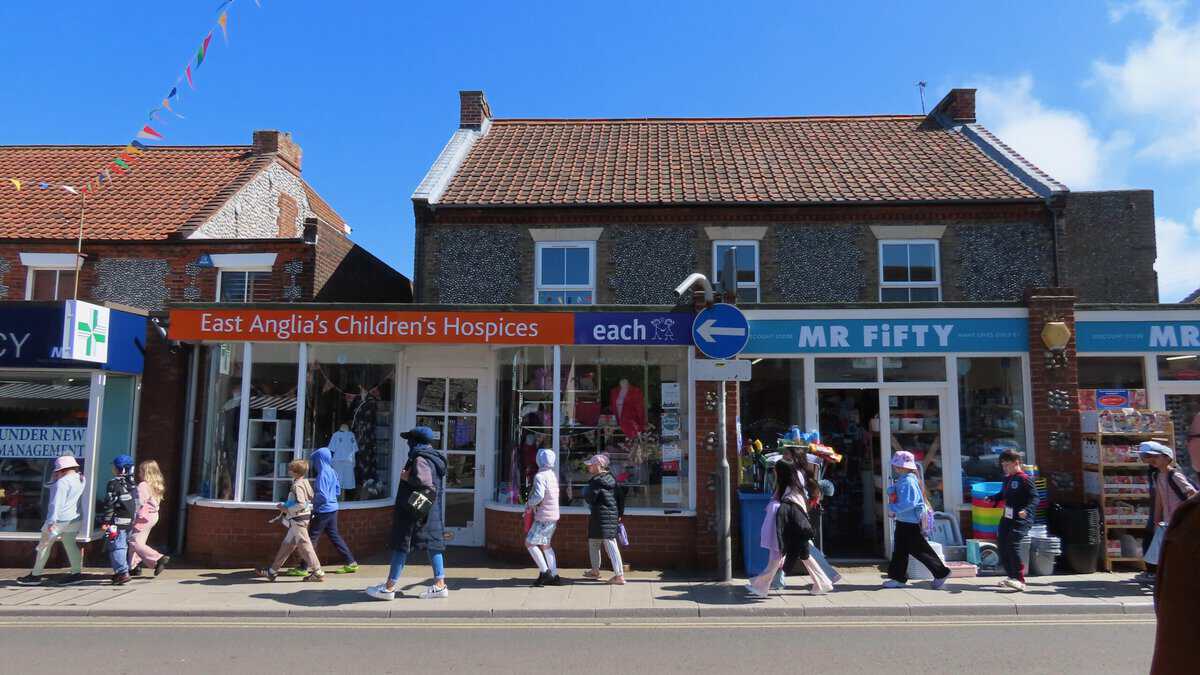
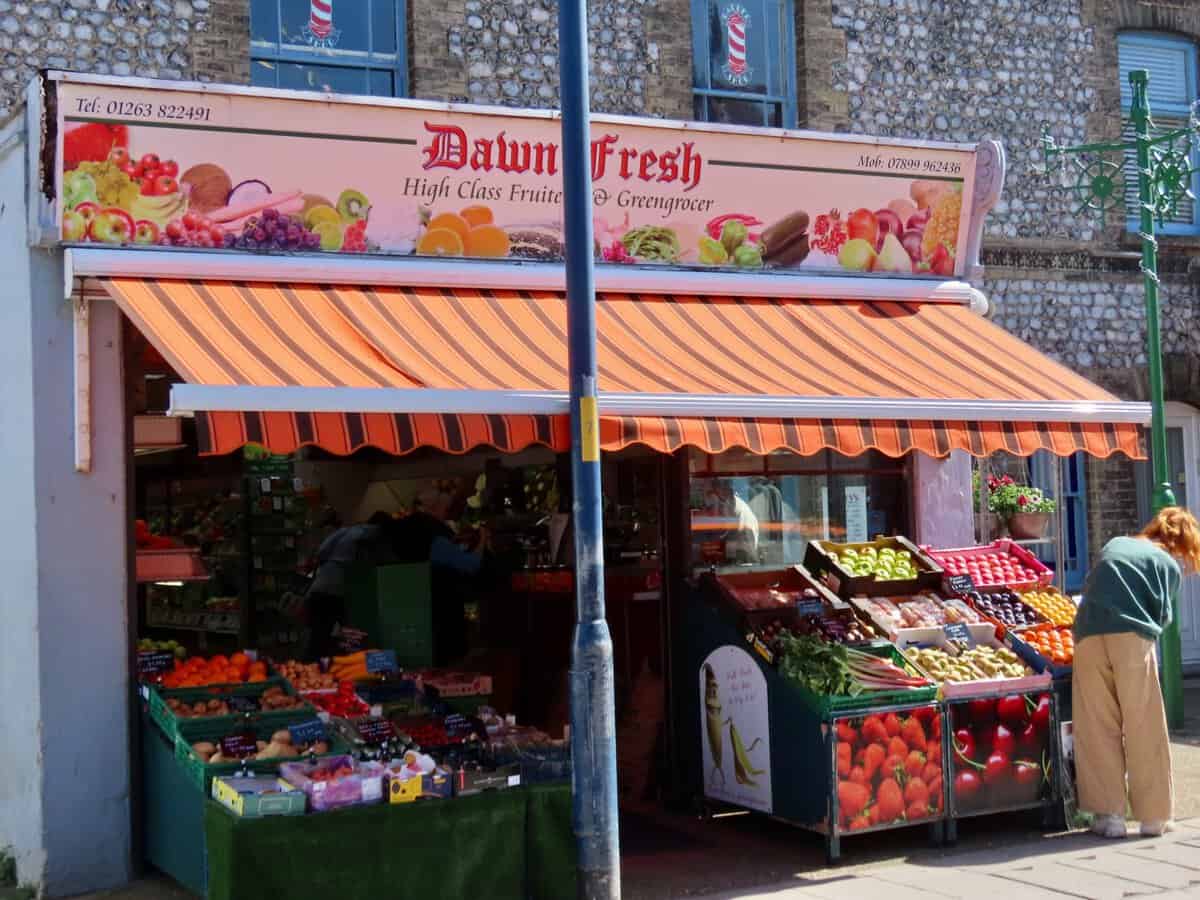
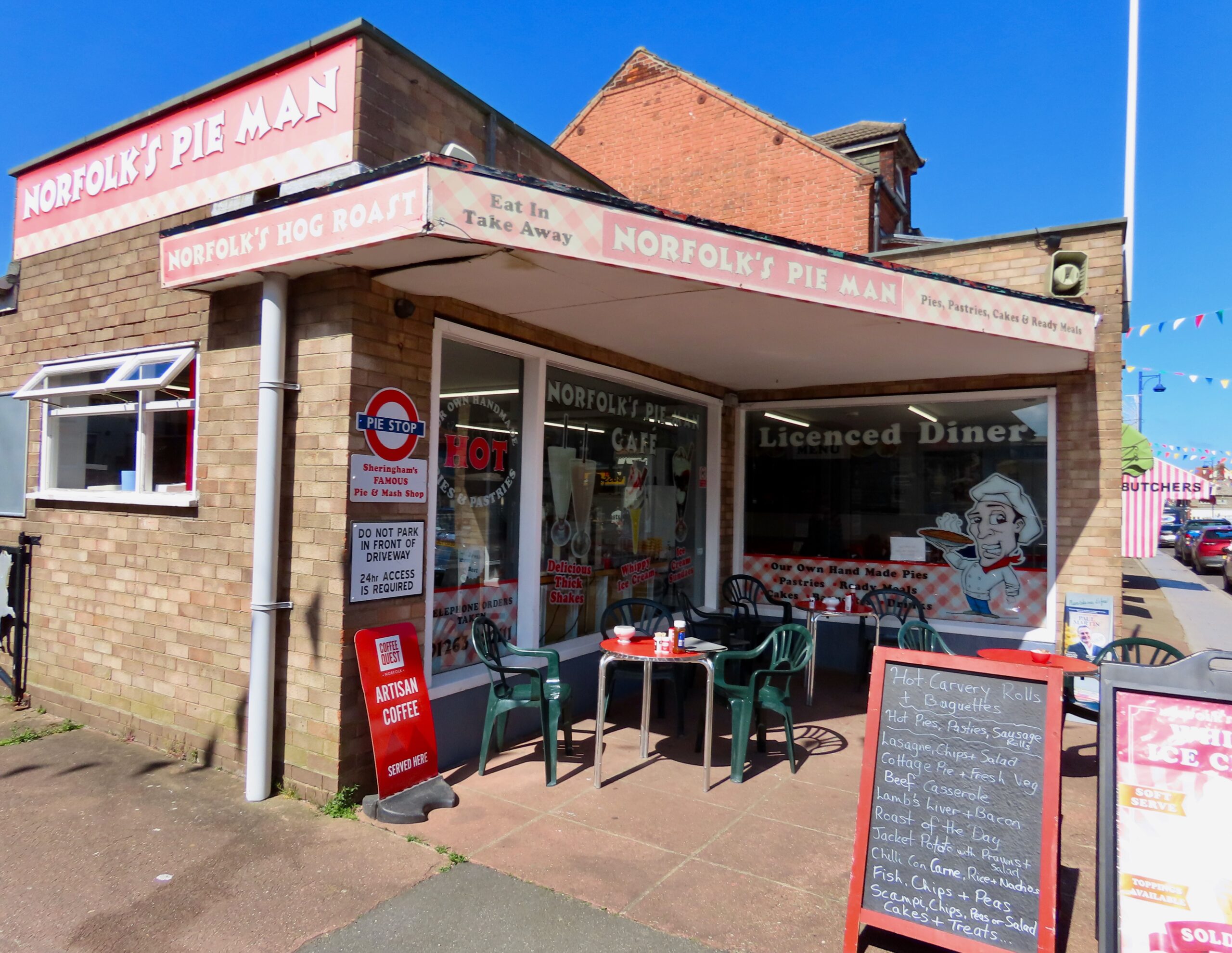
Sheringham is a classic British seaside town, filled with sweets and sand toys, eateries and charity shops, and bits of history here and there.






Replete with fresh air and sunshine, we returned to the cottage for a quiet evening in.

Fun read as always! Interesting deer species, new to me.