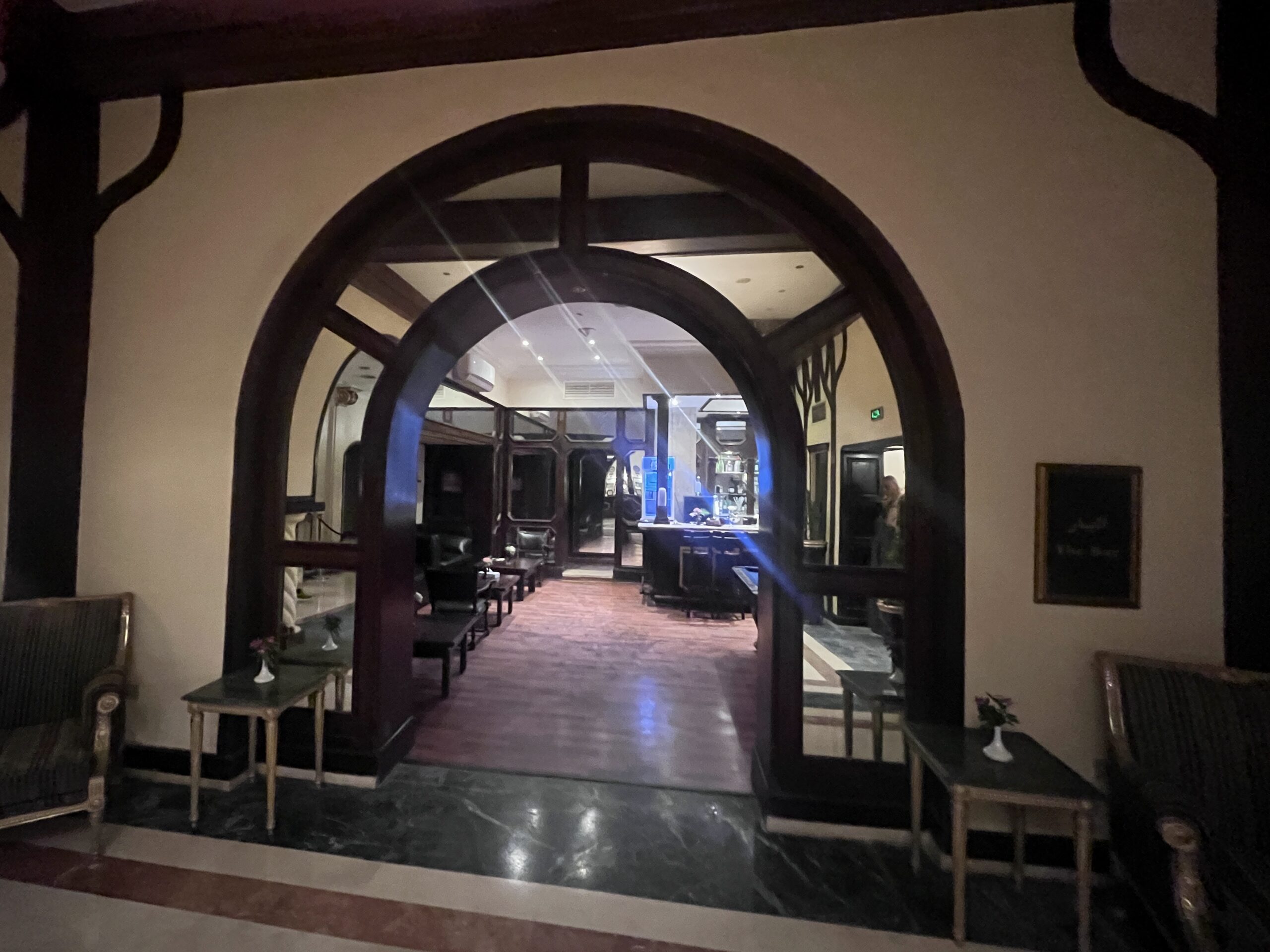
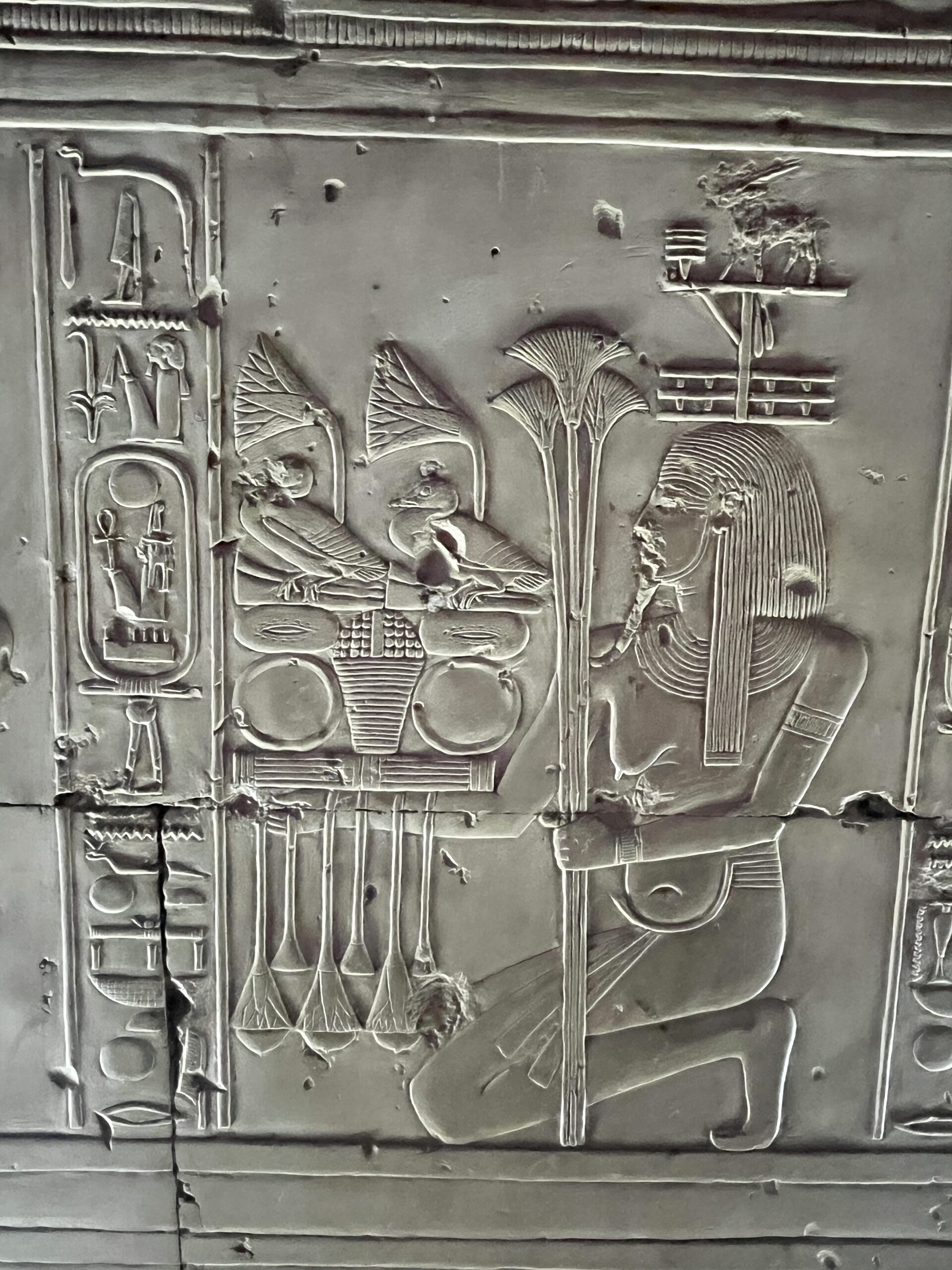
We had some quiet time early Saturday morning, providing the opportunity for a bit of exploration around the Nefertiti Minya Hotel. Pippa caught and shared this glorious Nile sunrise from her hotel room window, a great way to start the day.


After breakfast we escaped the animated Santa to load into the bus and continue our journey north. Today’s itinerary focused on two sites here in the ancient 16th/Oryx Nome: the Temple of Pakhet, “She Who Scratches” (a.k.a. Speos Artemidos); and the famous governor tombs at Beni Hasan. These two sites are about 2 km apart, requiring about an hour’s drive driving south to reach them.


Leaving Minya, we crossed the Nile and headed up river.


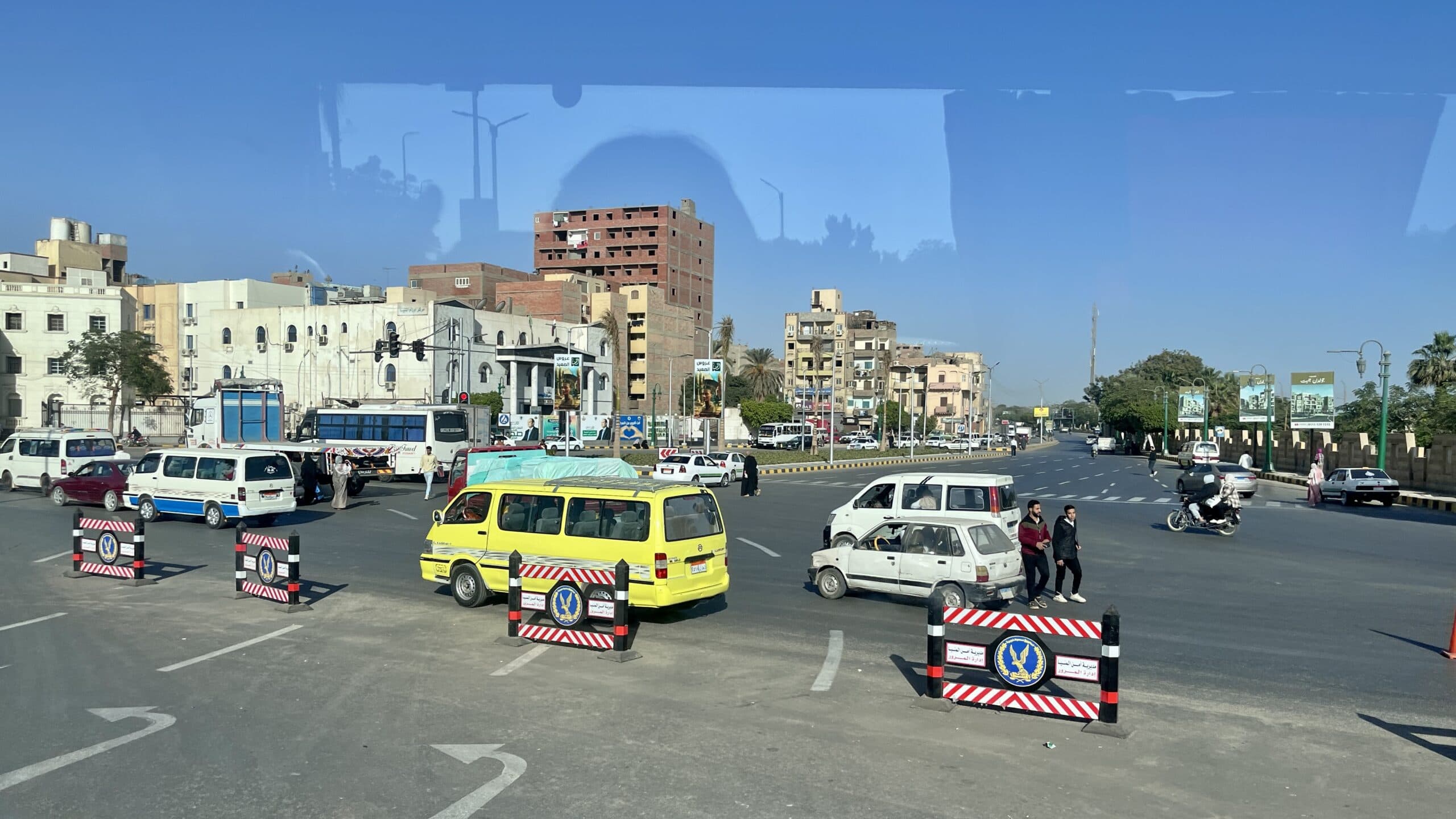
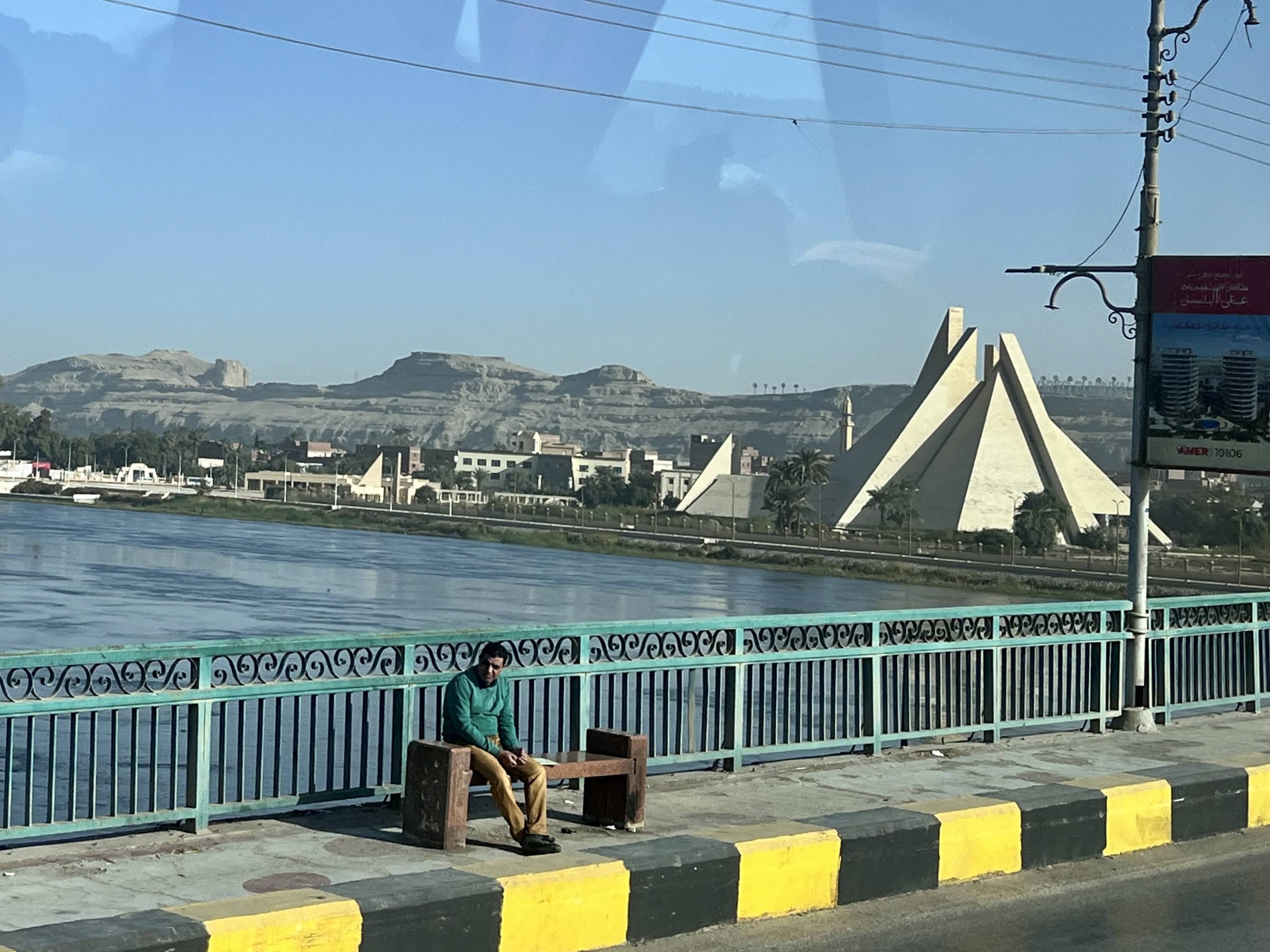


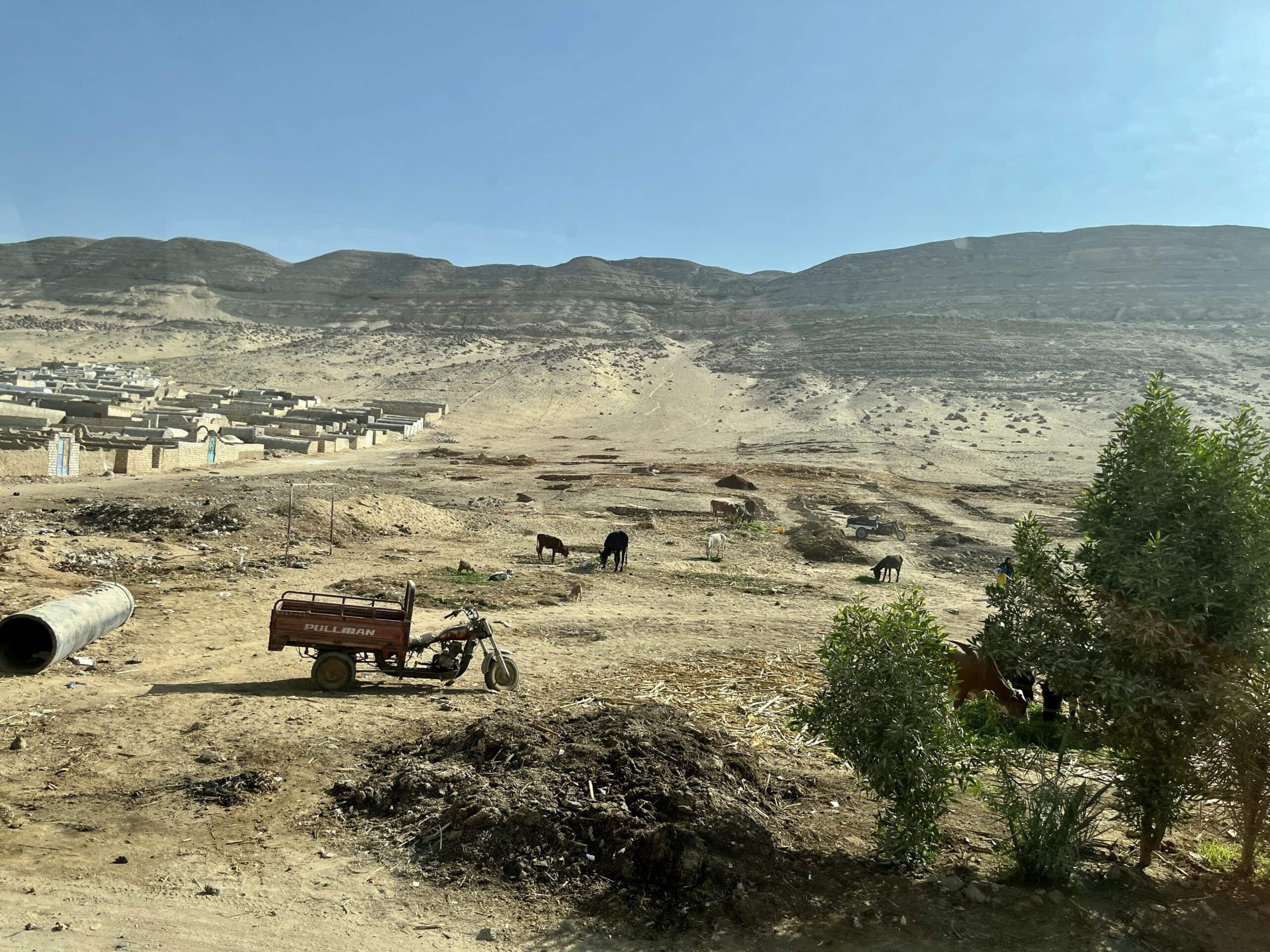
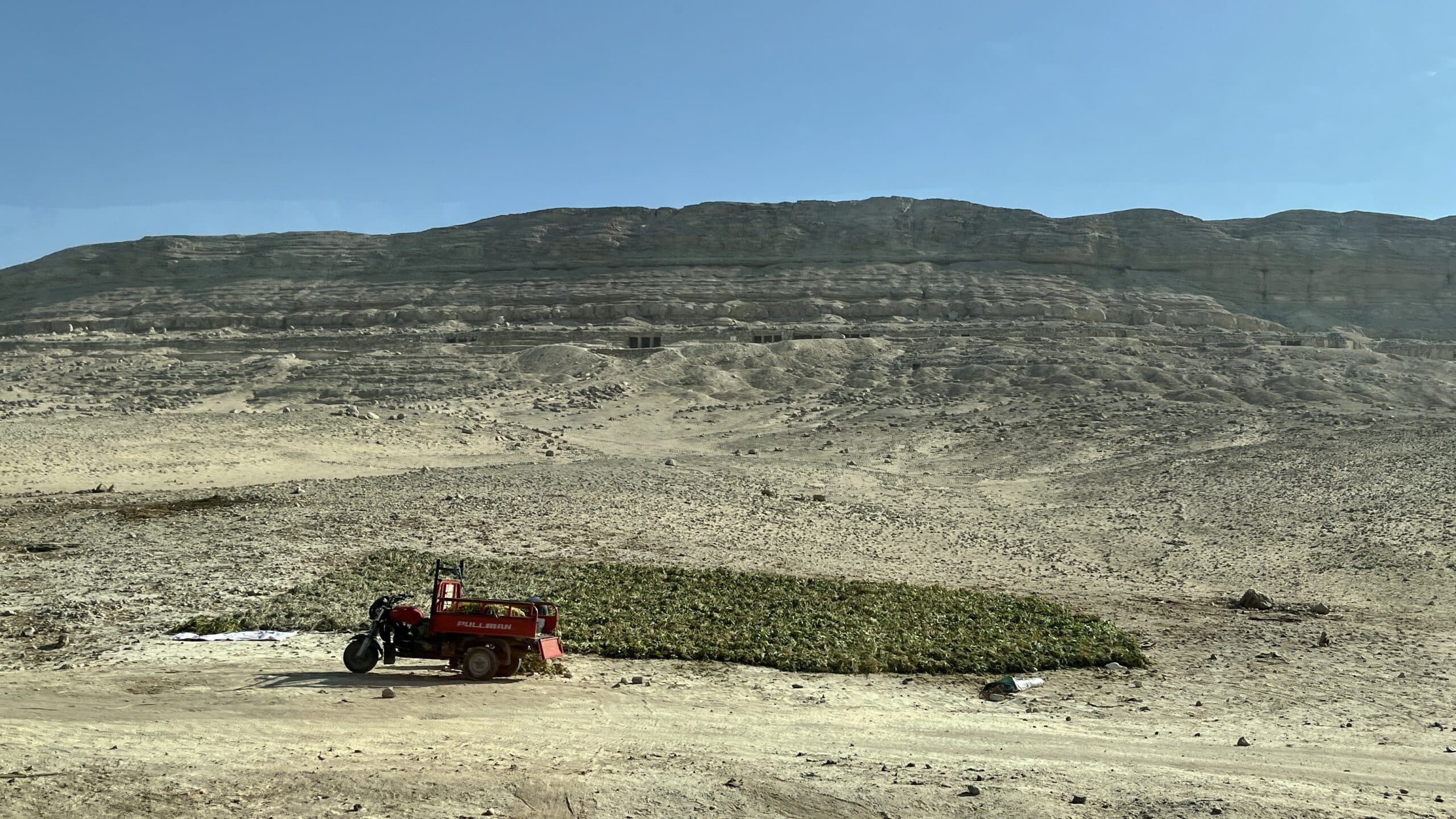
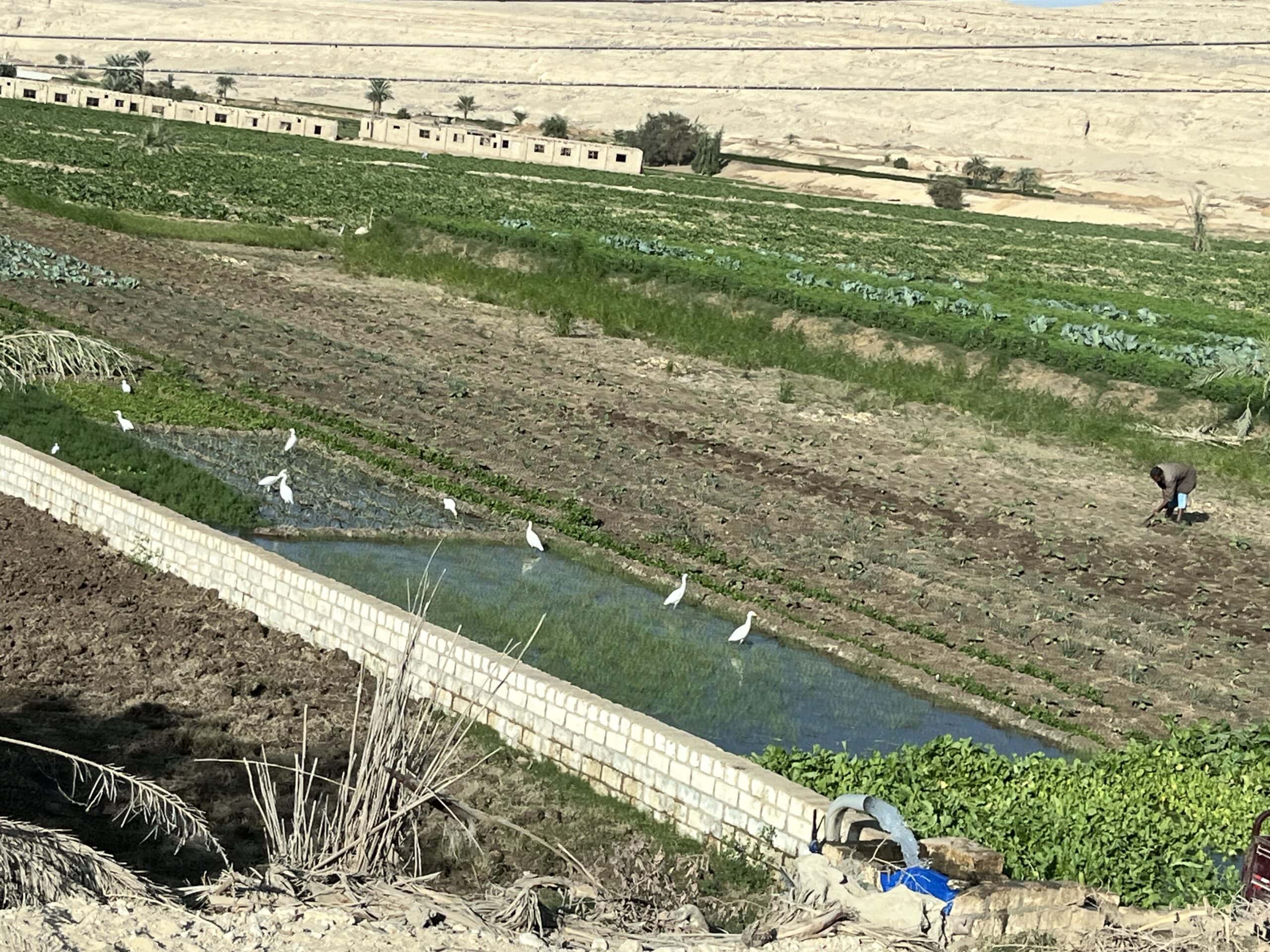
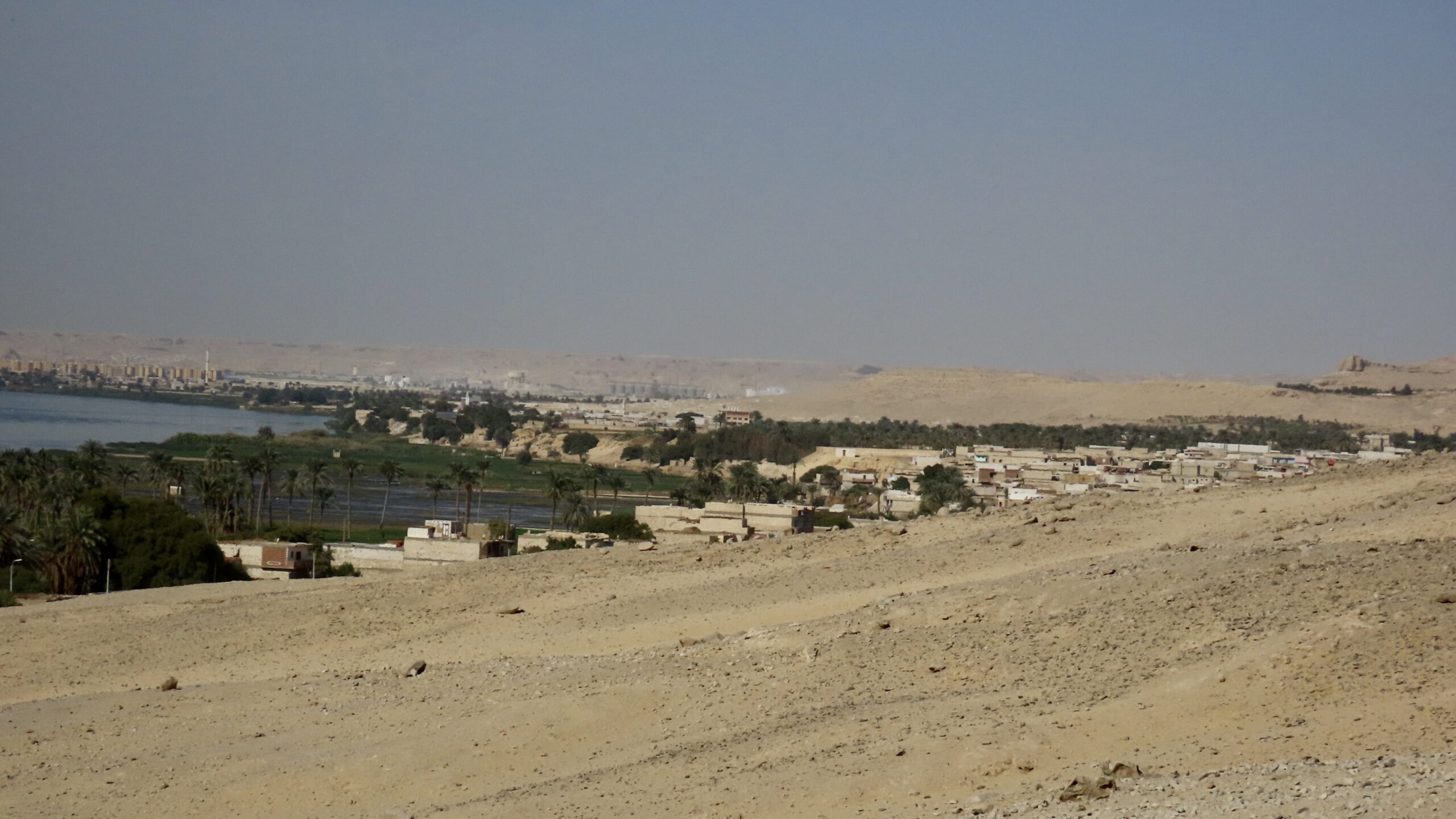
As we left Minya behind and drove along the east bank, we saw a lot of new construction and many plots of desert land being nurtured into agricultural fields. Farmers hoe up mounds of rocky dust to create irrigable basins that are then gradually filled with manure and carefully watered to create soil. It’s the same technique used by the ancients.


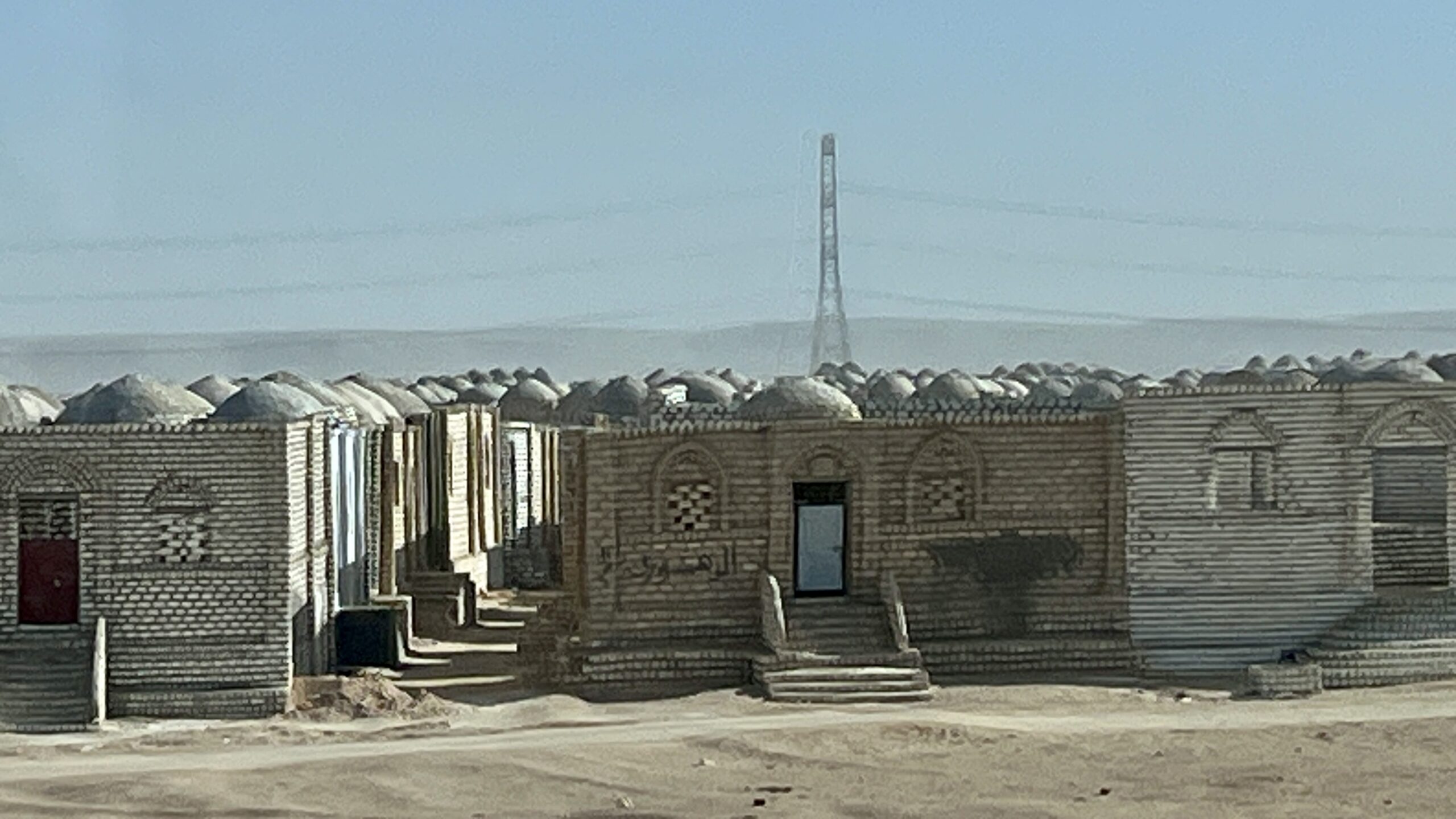


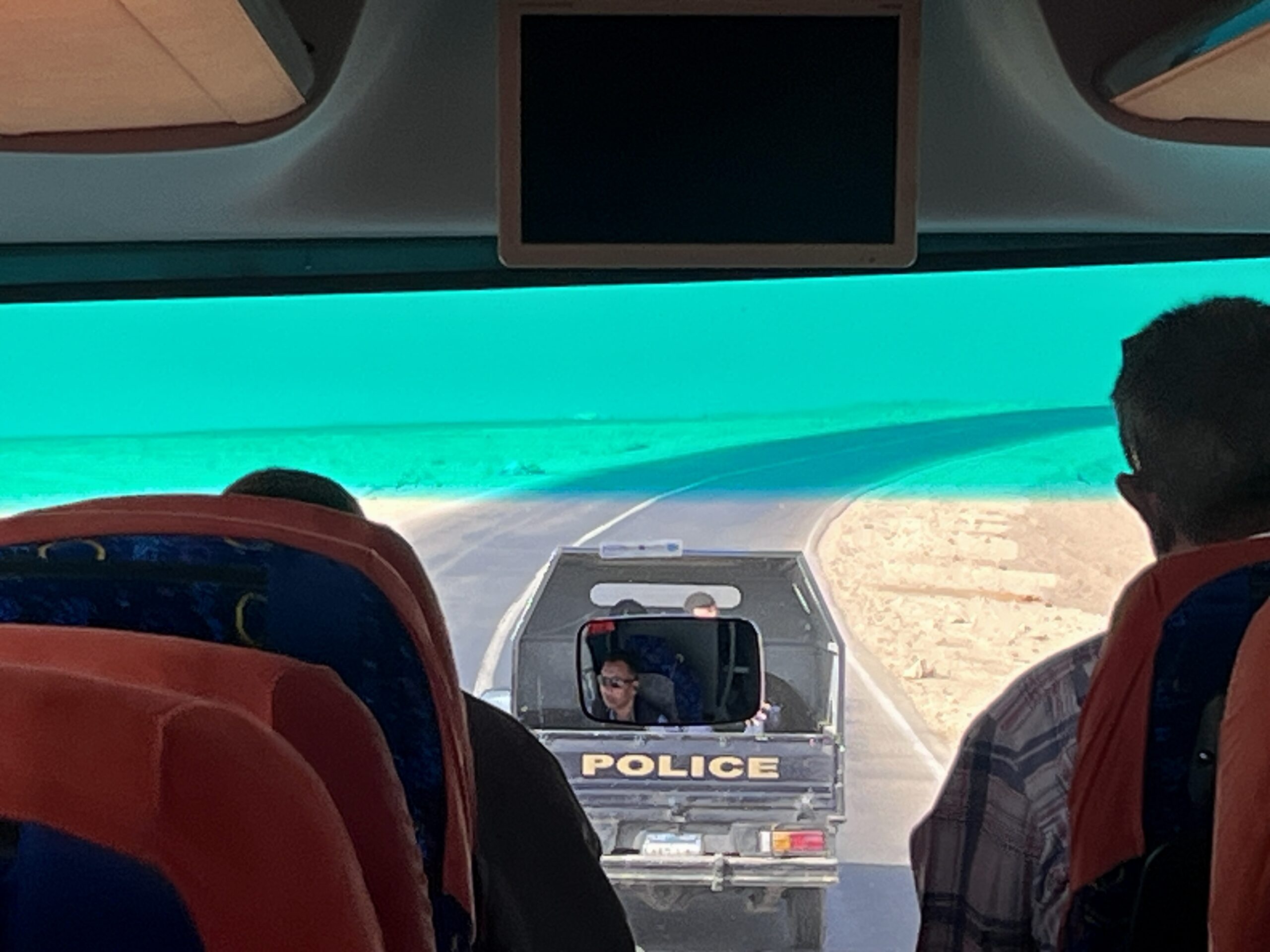


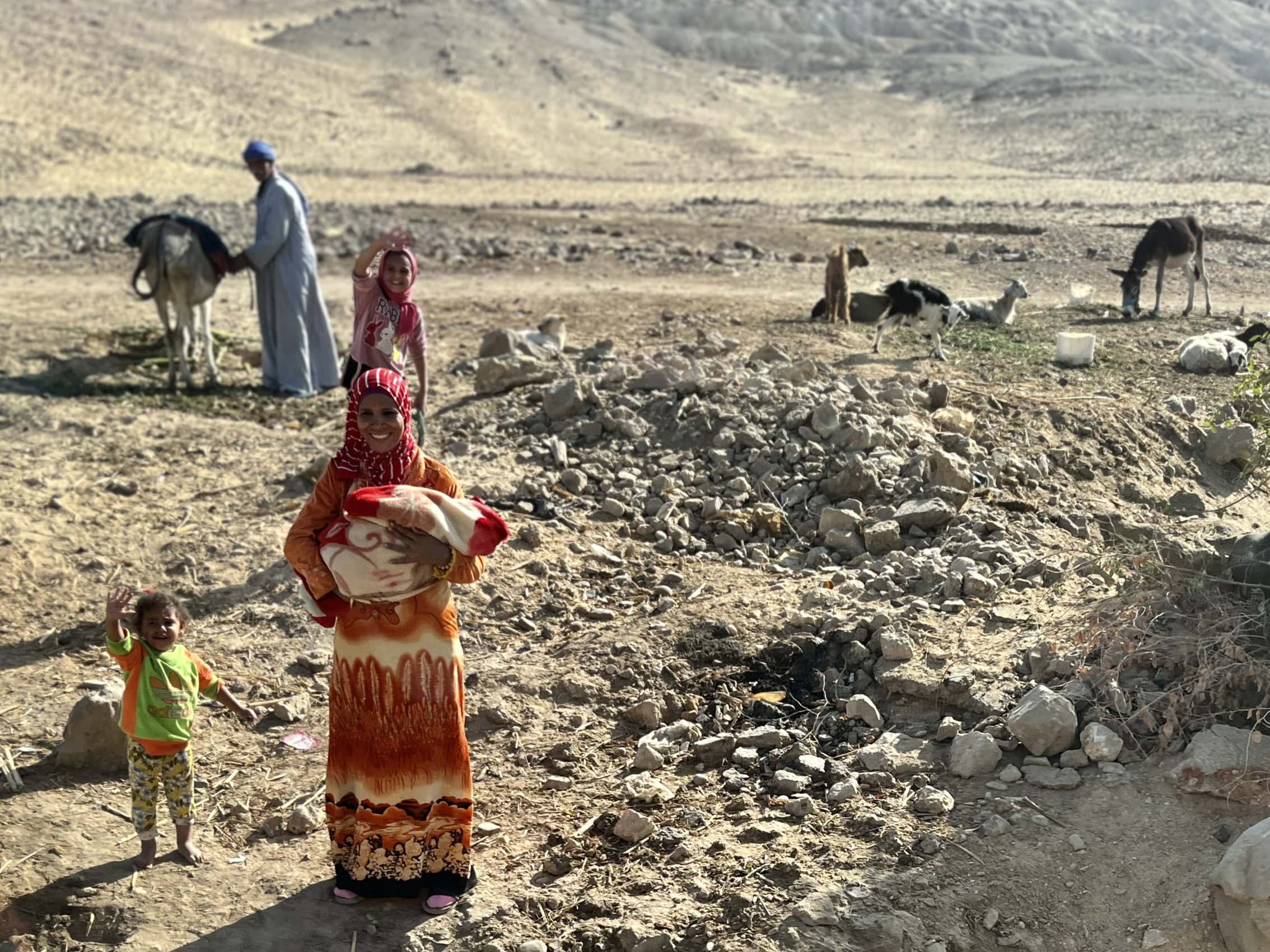
Salah piloted the bus through the very, very narrow streets of Ben Hasan Village to the chagrin and delight of residents. Note how farmers carefully husband animal manure to enrich new planting areas,








Temple of Pakhet, “She Who Scratches”
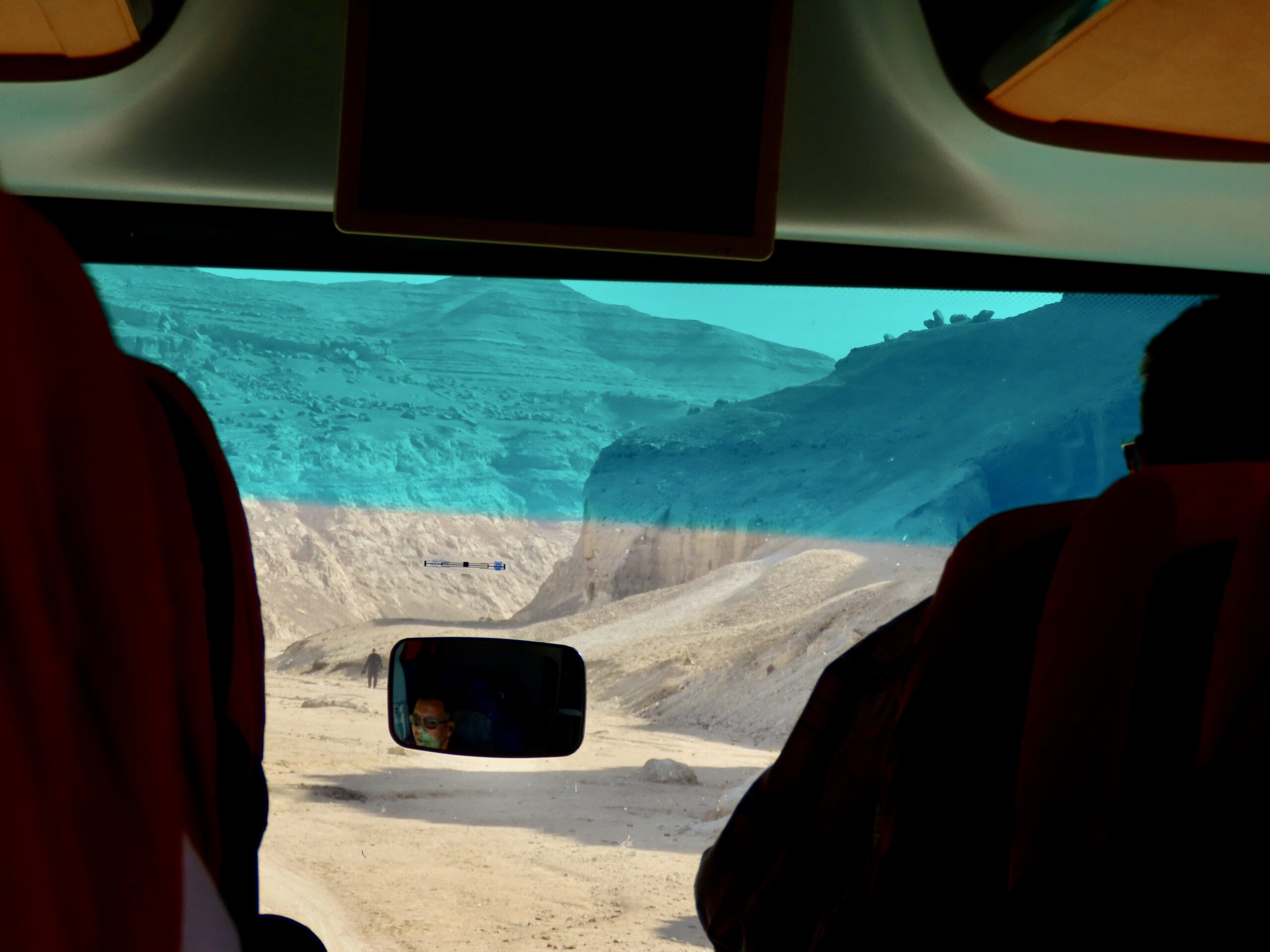
Eventually, we turned down a dusty road into a broad wadi leading to a place with many names: Istabl Antar (Arabic), Speos Artemidis (Greek), and Divine Abode of the Valley (ancient Egyptian). We were headed to the Temple of Pakhet, “She Who Scratches.”
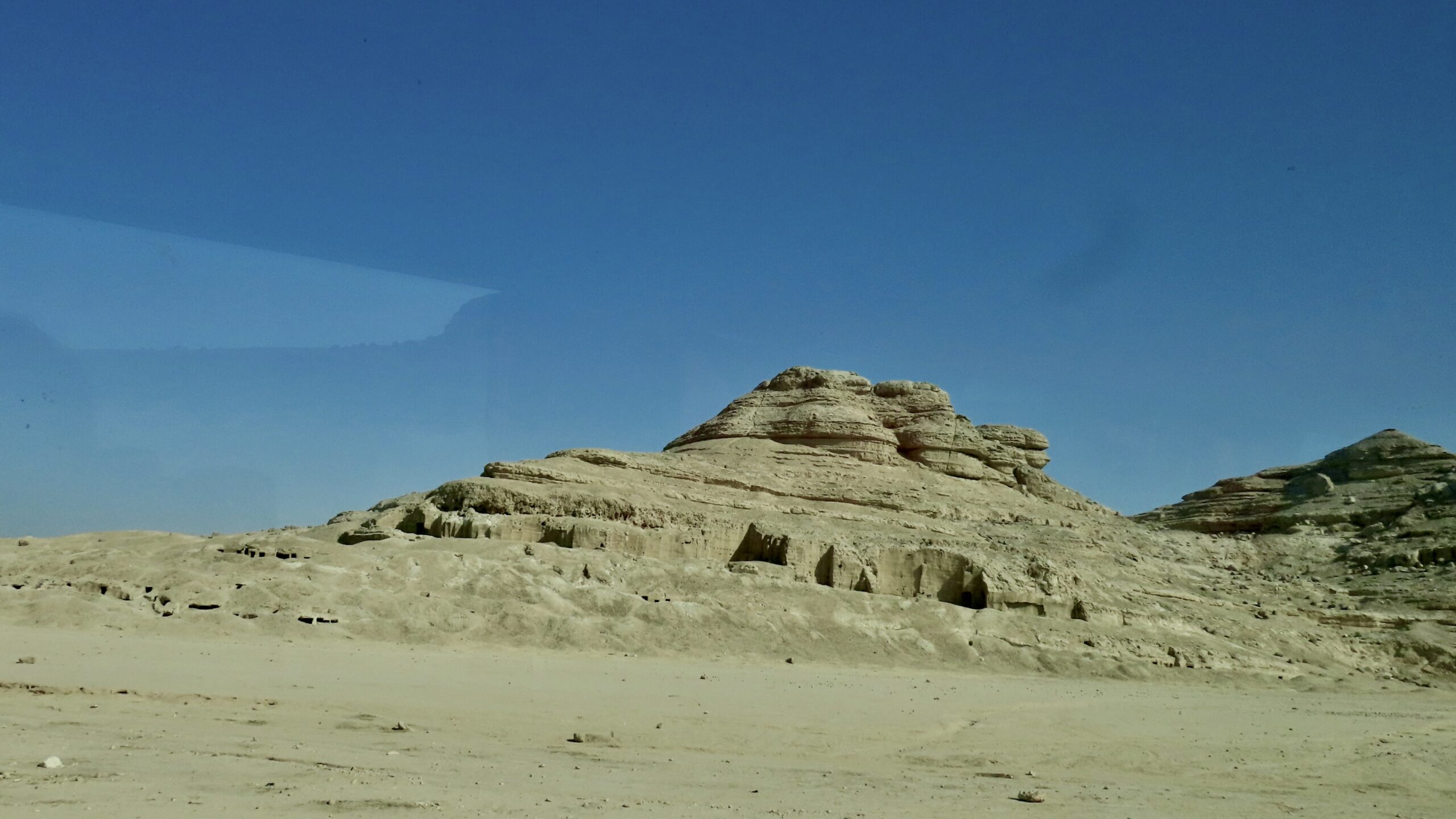
Wadis served as highways through the desert for traders and for expeditions bringing mineral resources back into the Nile Valley. This particular wadi was an access point for gold and copper mines, semi-precious stones, and trade routes to the Red Sea. High quality limestone blocks were chiseled from the hills during the Old and Middle Kingdoms at quarry sites still visible today. These hard limestone blocks were used in monumental construction like the nearby tombs of Beni Hasan. Wind and water have eroded some softer rock faces, creating sculpted peaks and delicate-looking cascades of fossilized foam.




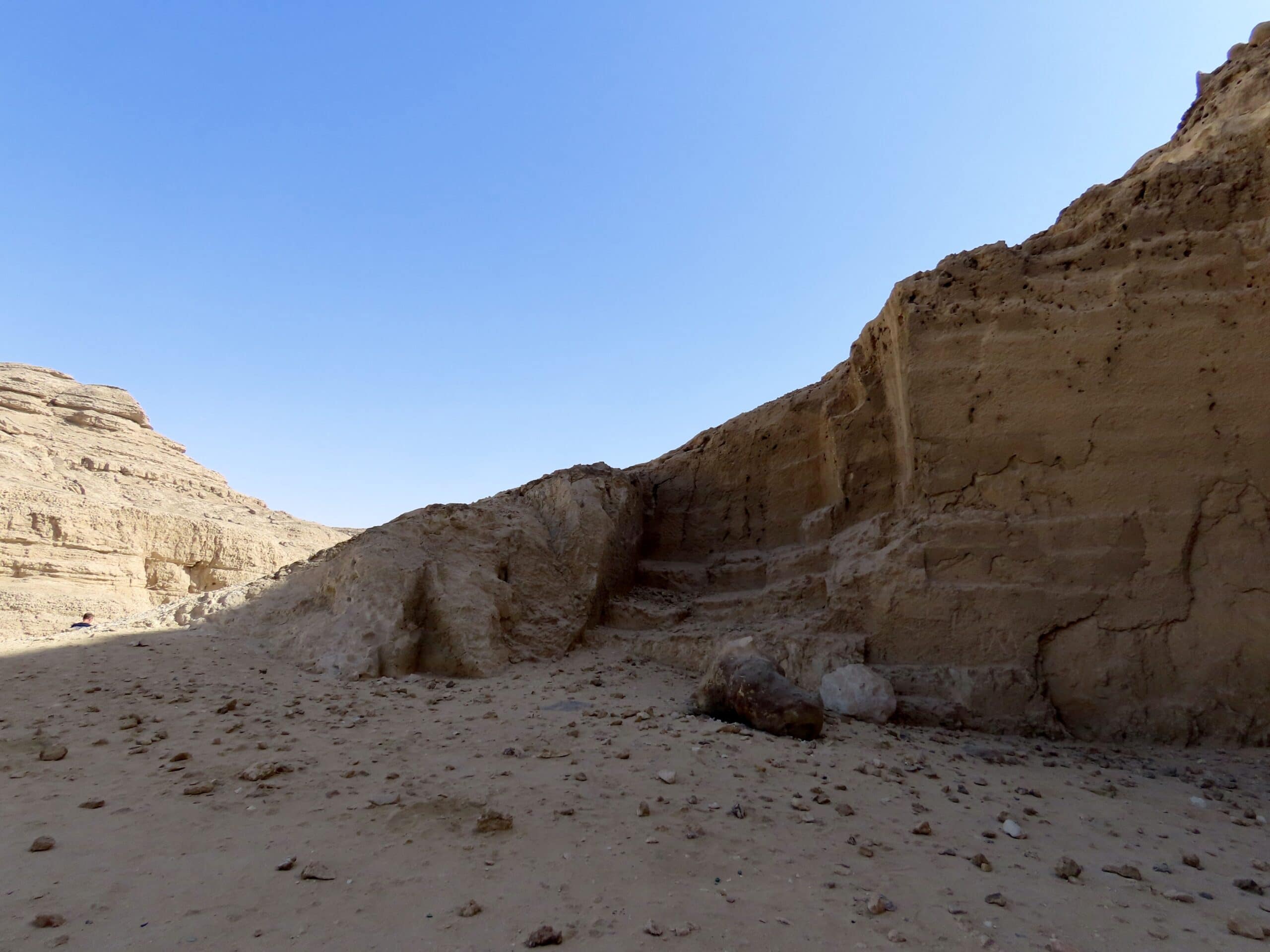


Lion-headed Pakhet was a regional goddess who protected miners and travelers from the dangers of the desert, including flash floods. She was known as “Goddess of the Mouth of the Wadi,” “She Who Opens the Ways of the Stormy Rains,” “Pakhet who Traverses the Valleys” and the “Night Huntress with Sharp Eye and Pointed Claw.” She was an important deity here in the Middle Kingdom, with many high officials in the nearby cemetery serving as priests/priestesses of the temples of Pakhet.
In the early 18th dynasty, Hatshepsut (c. 1479–1458 BCE) commissioned a rock-cut temple for Pakhet near the mouth of this wadi. She used this act of piety to bolster her claim of “raising up what was dismembered,” i.e., rebuilding temples and cult centers that had fallen into ruin during the 2nd Intermediate Period (just three generations before). Seti I (same guy who built the temple at Abydos and left Hatshepsut off his list of legitimate kings) came to the throne after a similar period of chaos: he usurped this temple from Hatshepsut, substituting his name and image for hers while taking credit for the same bit of propaganda.
When the Greeks came along (c. 300 BCE), this temple was still active. They associated Pakhet with Artemis, their goddess of the hunt, and called the temple the “Speos Artemidos,” the Grotto of Artemis. They also carved a necropolis for sacrificed cats in the surrounding cliffs – thousands of cat mummies have been found here. Greek-Egyptians were really into animal sacrifices, establishing nurseries for cats, ibis, baboons, fish and even crocodiles, soley for the purpose of wringing their necks and offering the corpses to a god, for a fee. There were also scammers in this business: some “mummies” have been found to contain no animal body at all, just padding and sticks.
“Istabl Antar,” the “Stable of Antar,” is the Arabic name for this site. Antar is a heroic figure in Arabic literature, based on a real person, Antarah ibn Shaddad (c. 525–608 CE), known as the Black Knight. He was a warrior-poet and is the protagonist of a famous epic, “The Romance of Antar,” in which he is portrayed as the ultimate model of desert chivalry. Locals here apparently thought the temple’s rock-cut chamber was the stable for his famous warhorse and named both the wadi and the small village nearby after this hero.
Aren’t historical names fun? That which we call a rose may be something entirely different in another time or culture. But I digress.
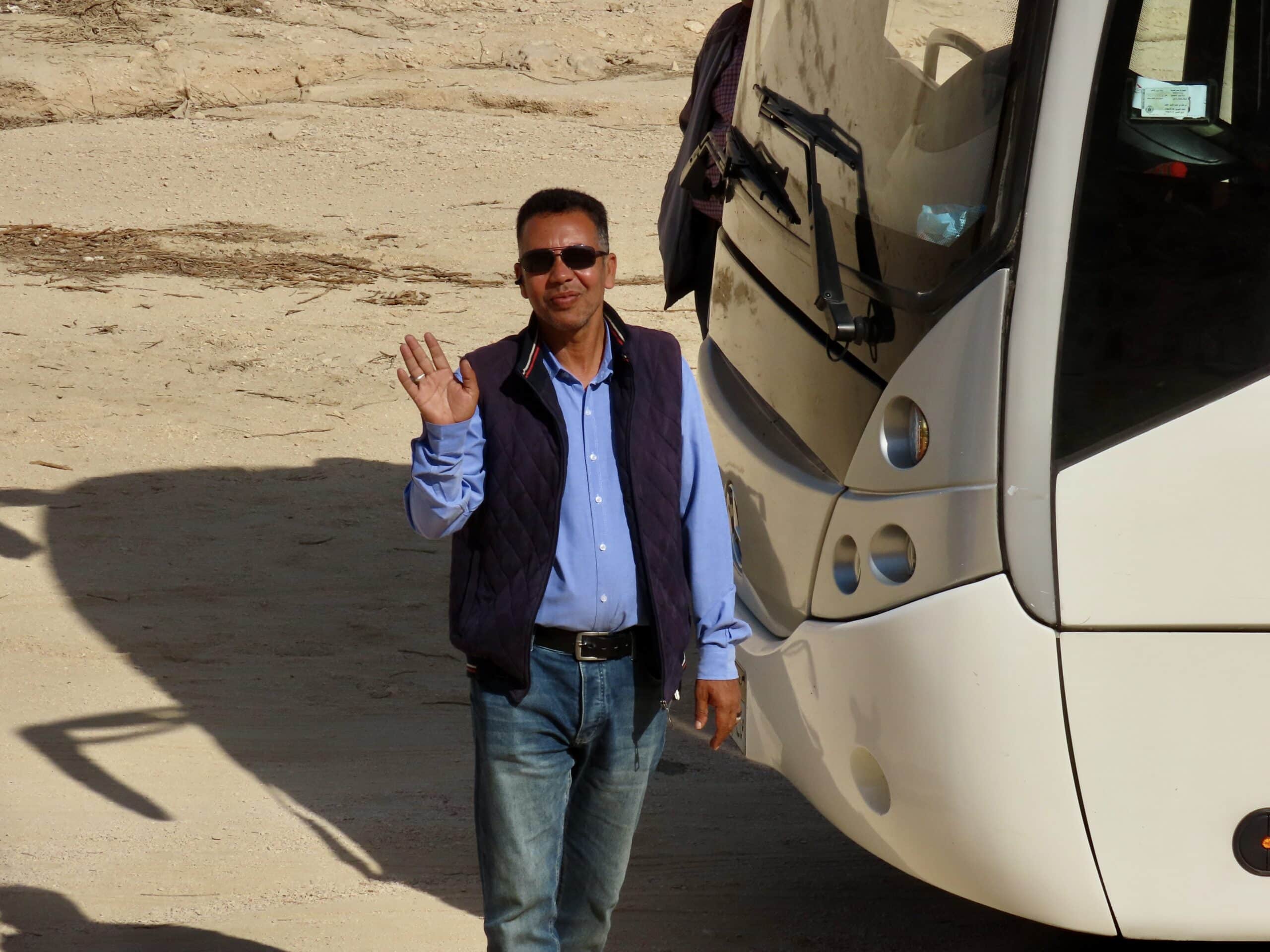
Salah managed to stay cheerful after bravely going where no bus has gone before, navigating through too-narrow streets and along a slithery wadi track to park right in front of the temple.
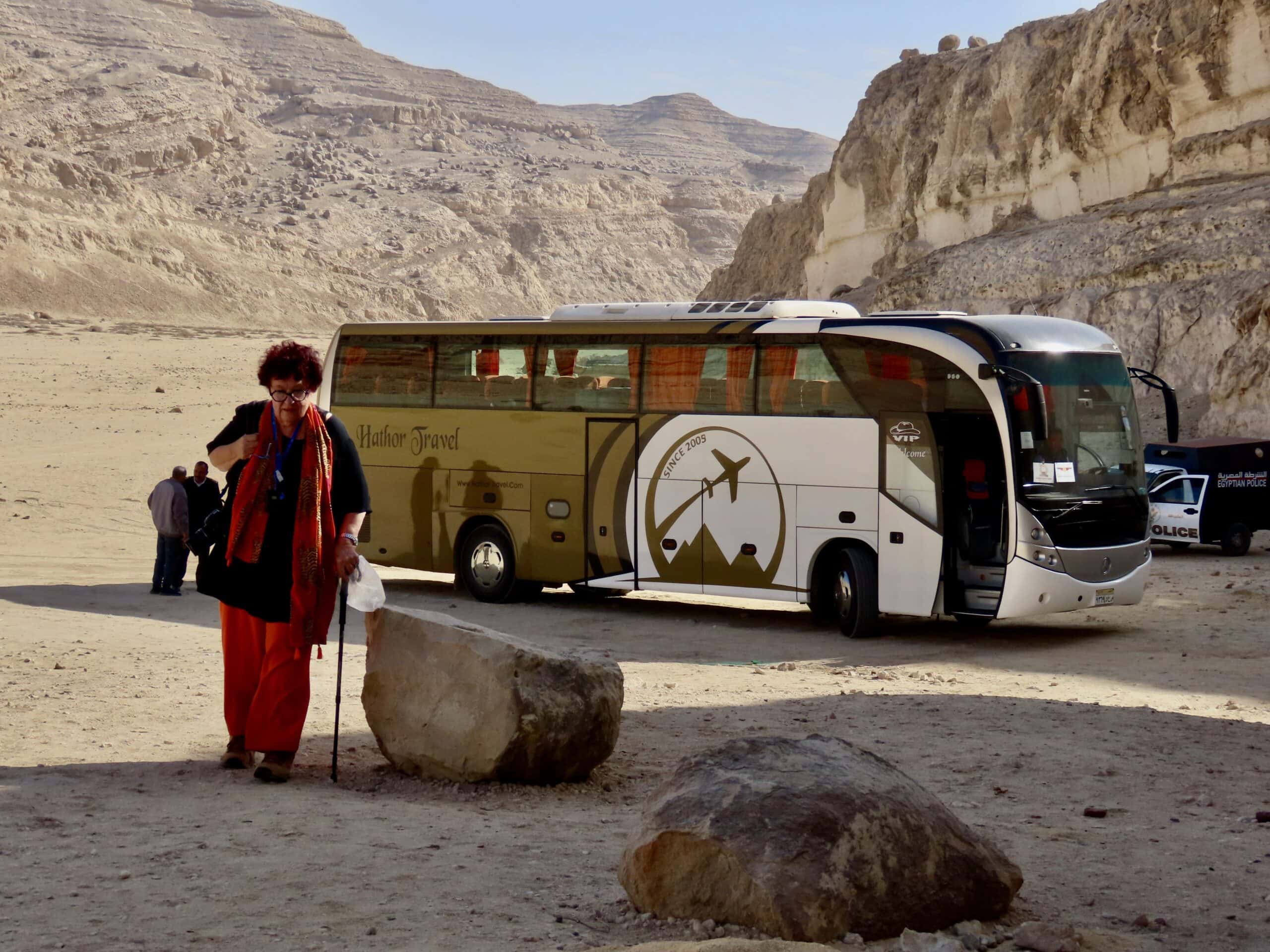

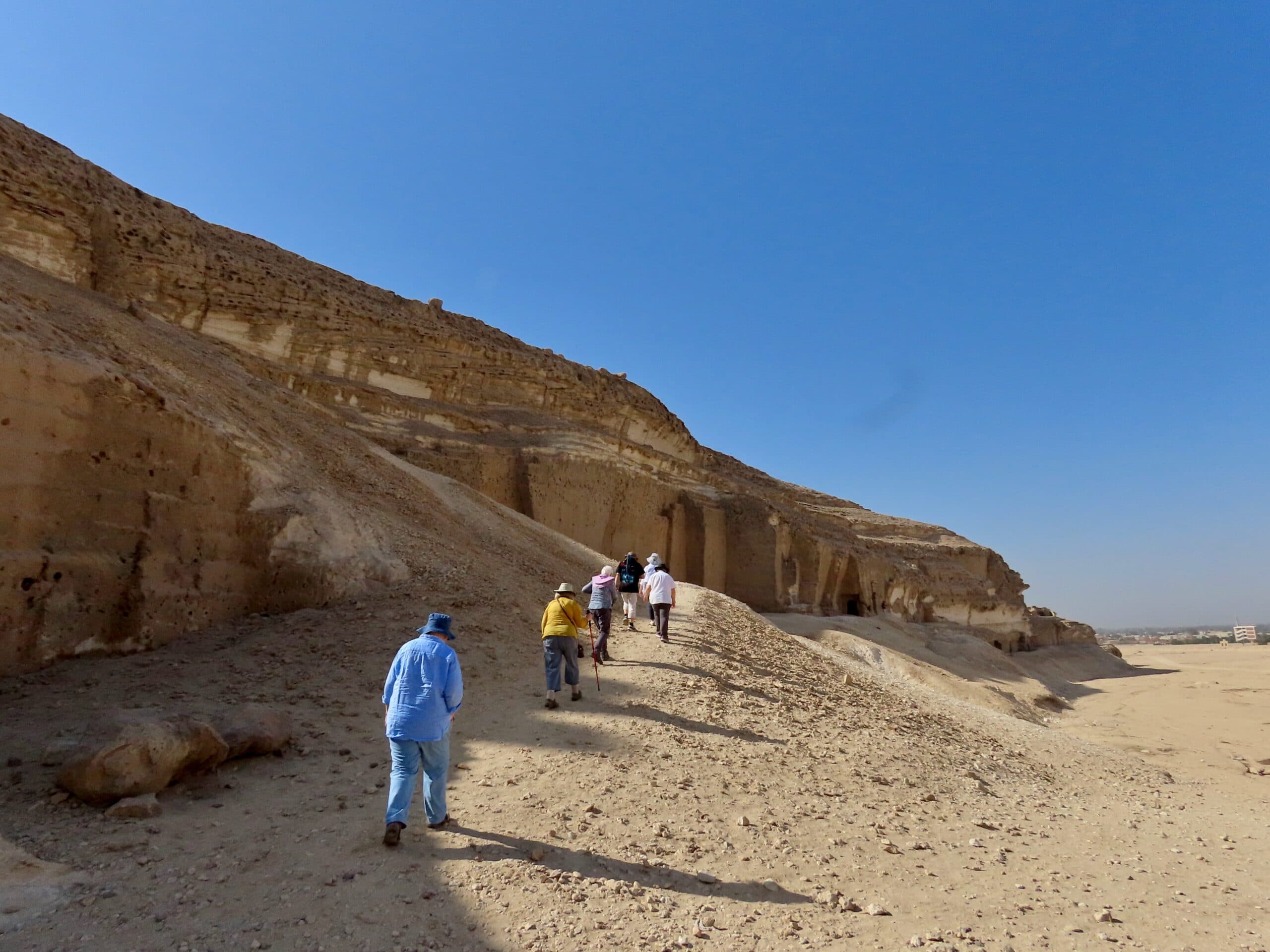
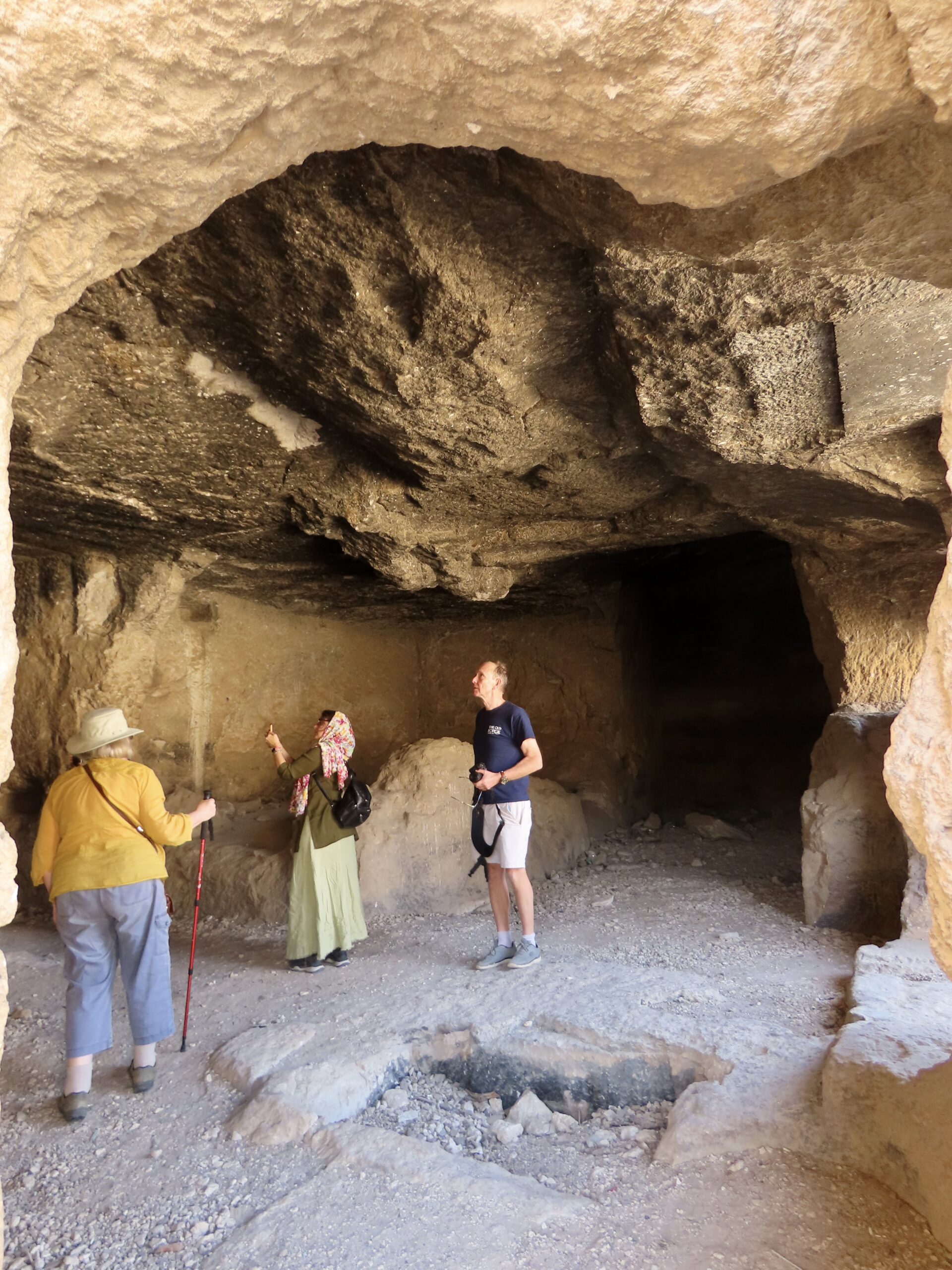
Pakhet’s temple is on the southeast side of the wadi mouth, and the surrounding cliff is pocked with rock-cut chambers.


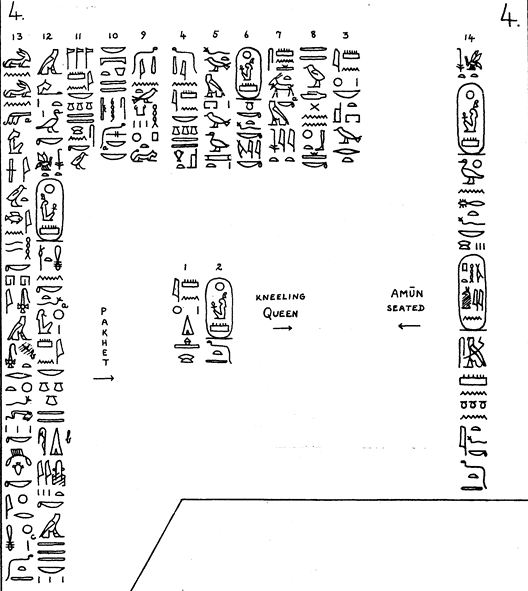
Hatshepsut’s famous inscription is carved into the long lintel above the entry door. Centuries of wind have eroded the rock face to the point that the glyphs are hardly legible today. Fortunately, scholars began recording the text as early as 1877, so there is a full record. Below are sketches of the inscription as it originally appeared (from James Allen).
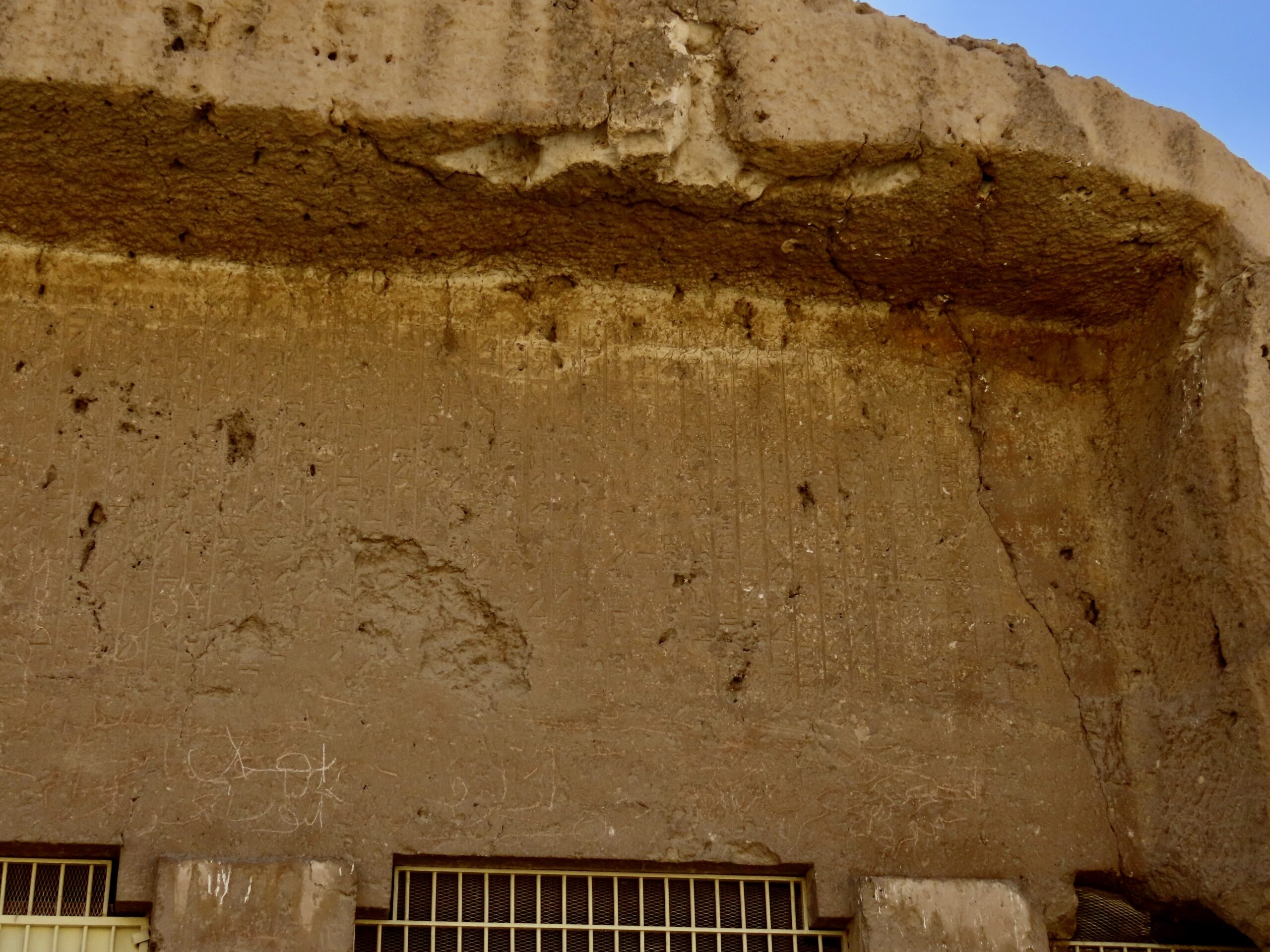


Above, the goddess Pakhet (left) and god Amun (right) are blessing Hatshepsut, who kneels between them.
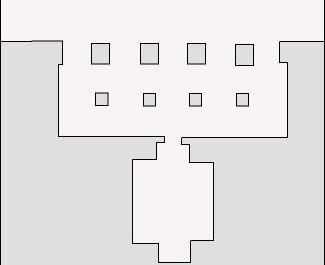
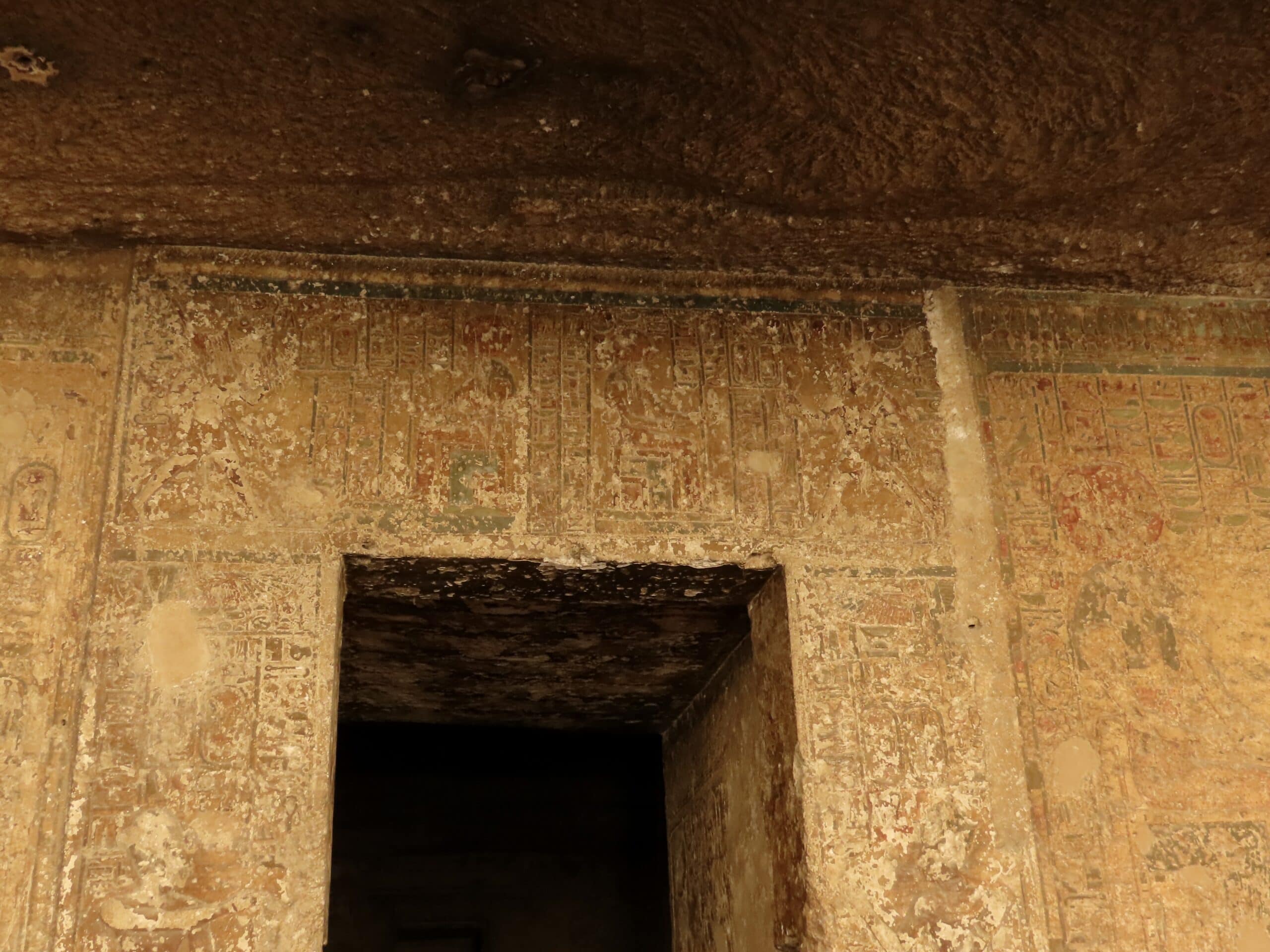
The temple has a very simple plan: an open courtyard with limestone pillars (now gone), and a small, dark shine, the “holy of holies,” carved deeper into the rock at the rear.

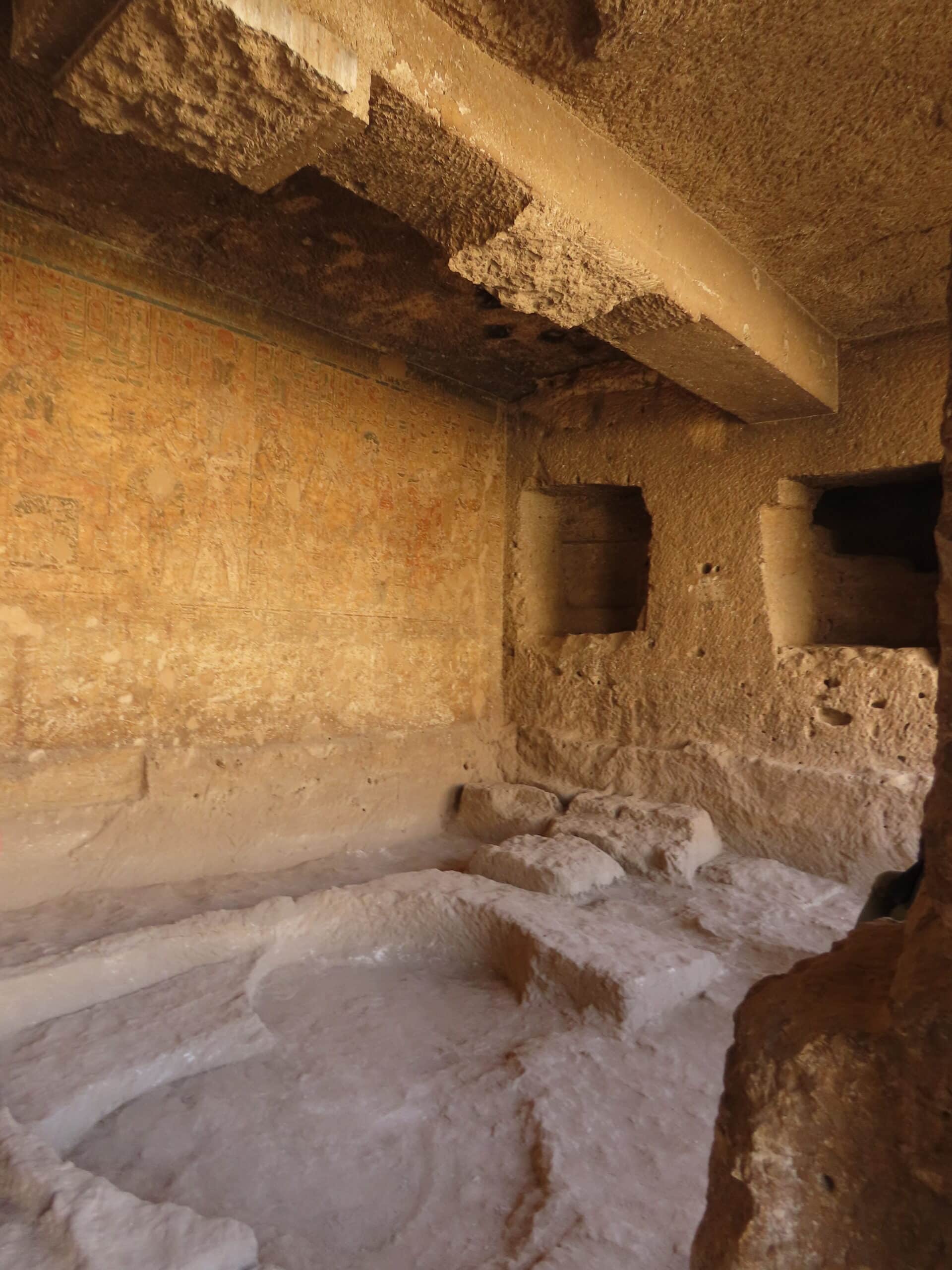
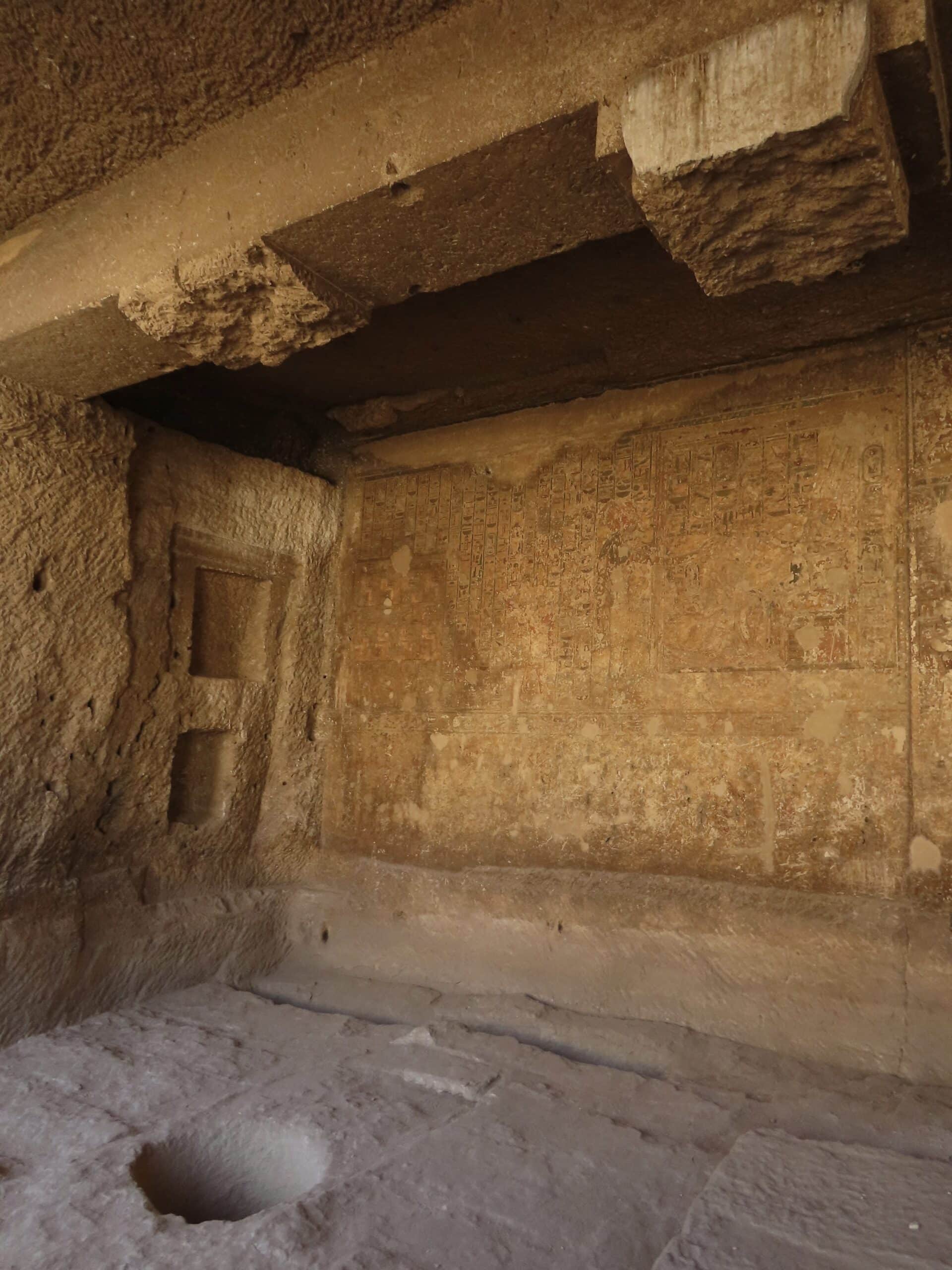
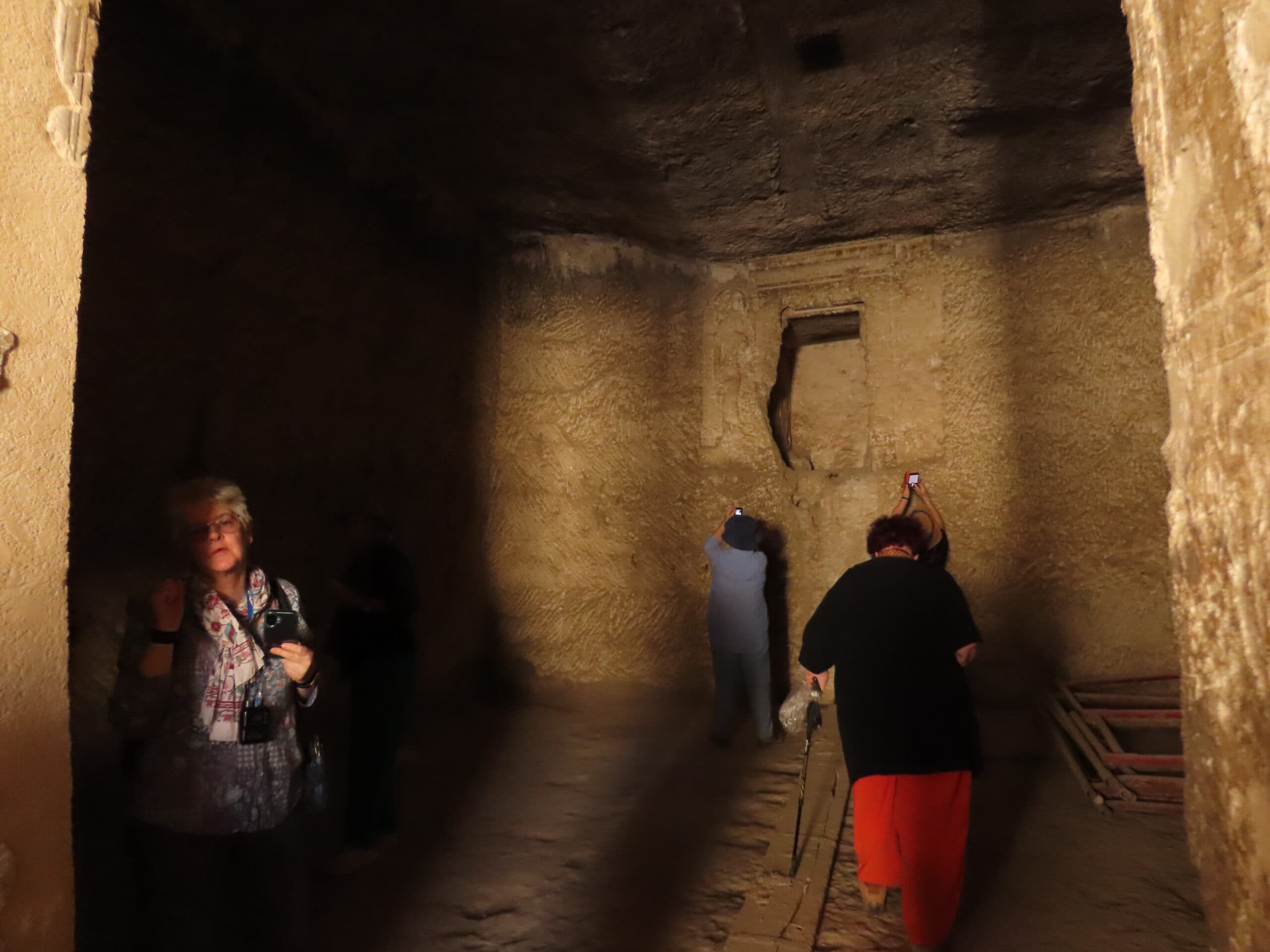
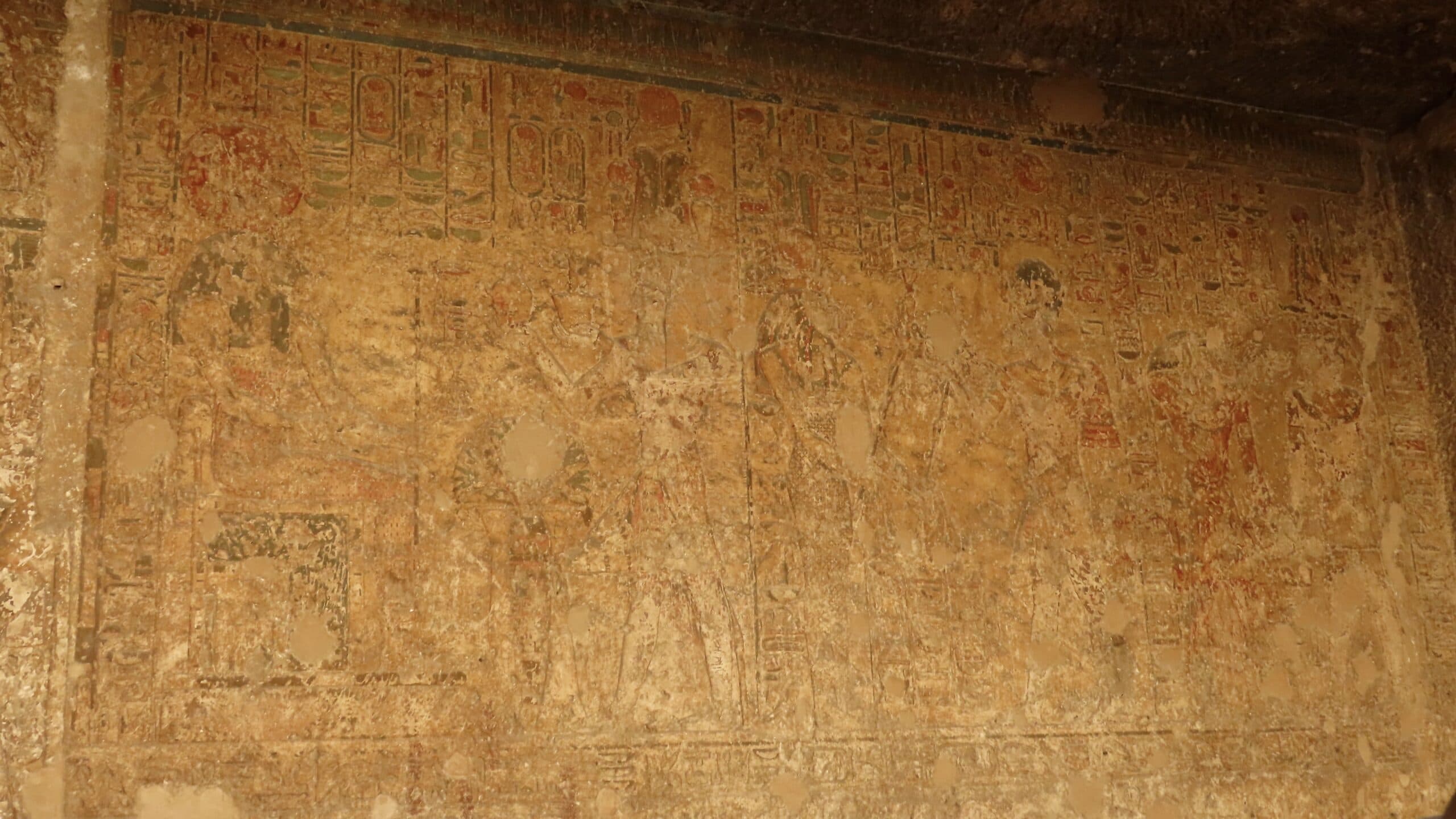
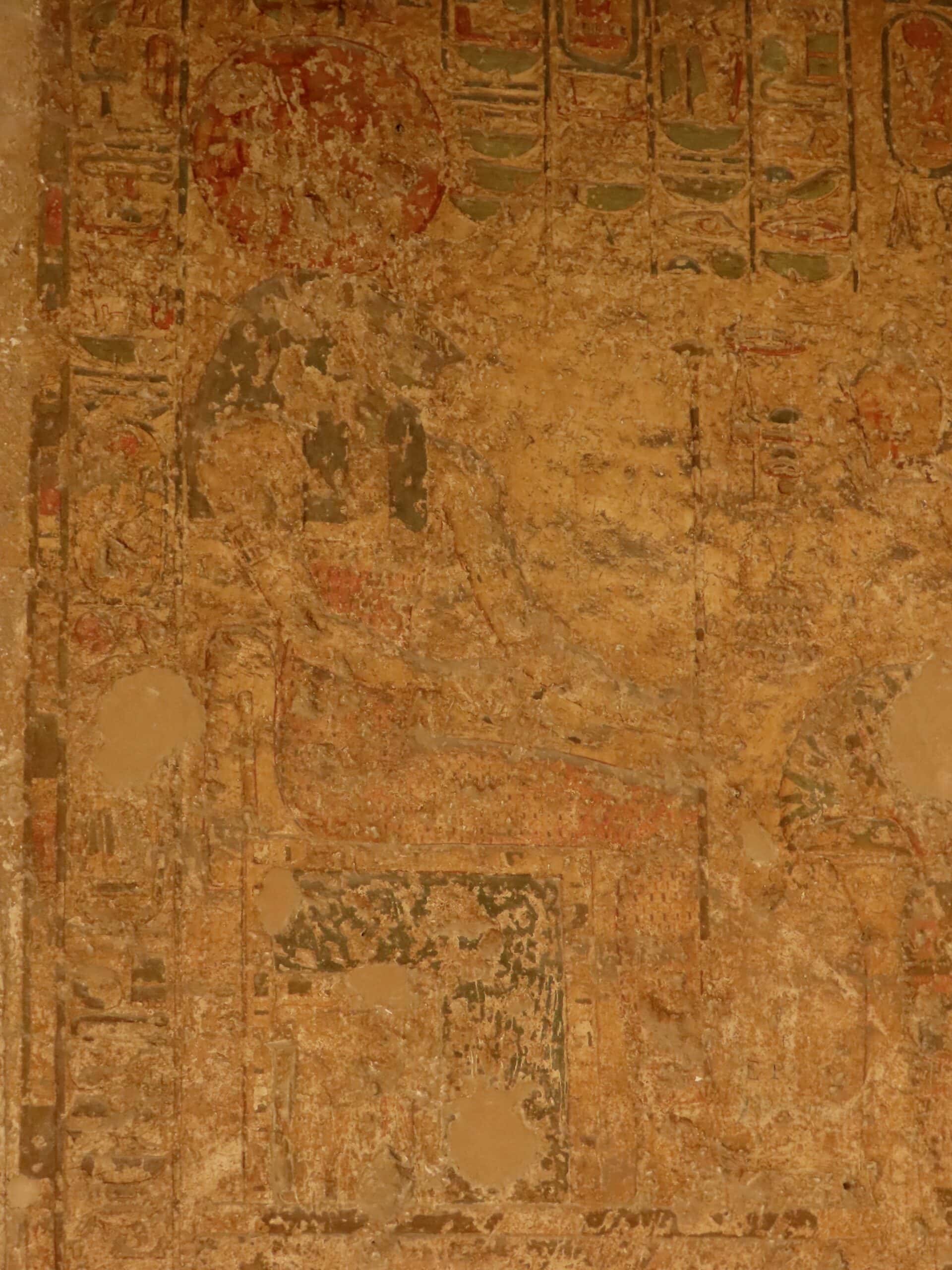
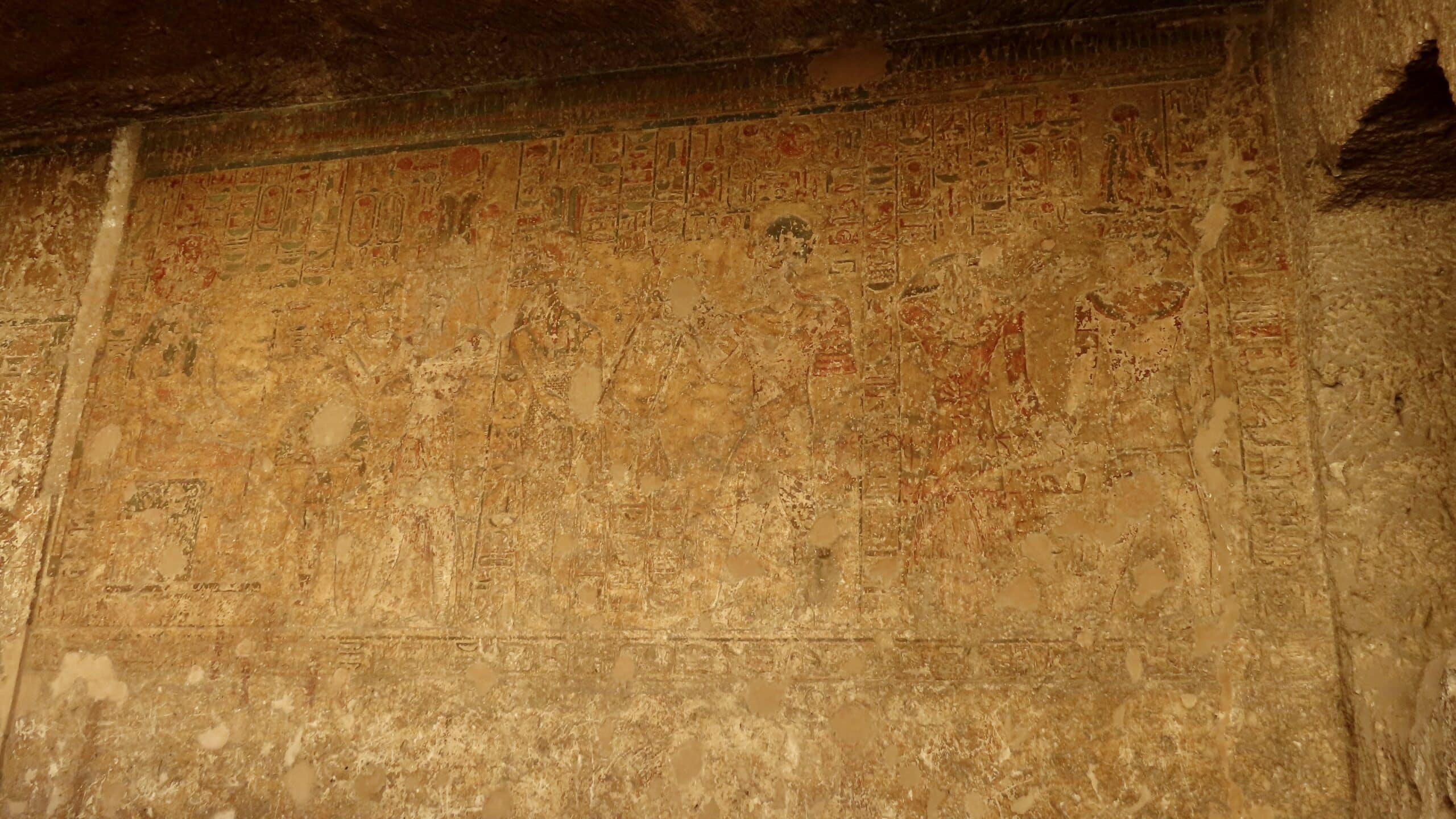
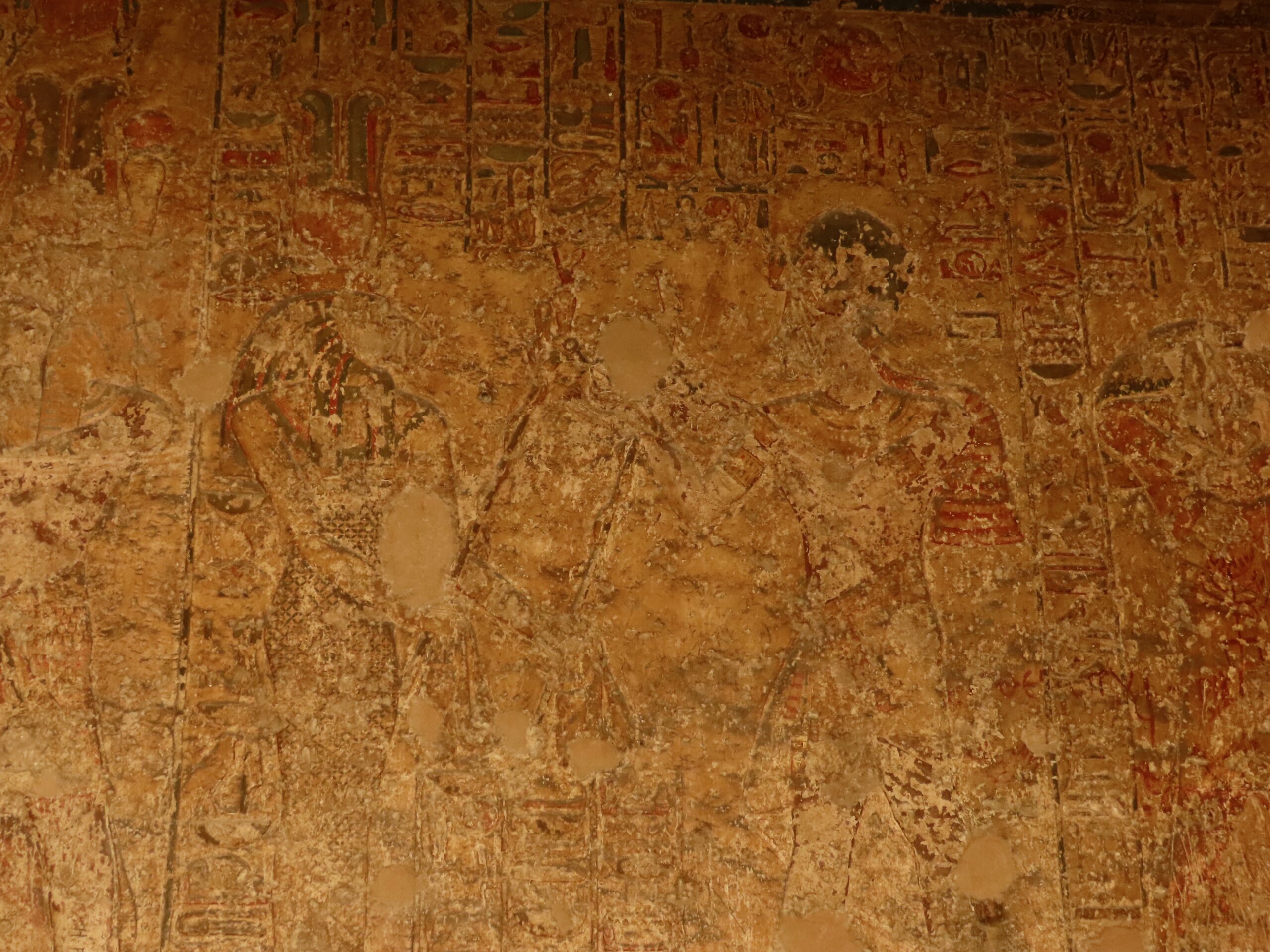
The temple was once richly decorated, and traces of color remain. The interior reliefs can still be seen,using a bit of imagination. Pakhet features in most of them, seated to receive offerings and standing to bless the ruler.





A short walk from the Pakhet temple is another small shrine begun by Hatshepsut and her daughter Neferure. It was completed some 1200 years later by Ptolemy Soter (later Ptolemy I) in the name of Alexander of Macedon, Alexander the Great’s posthumous son and heir. The “Great” conquered Egypt (and a lot of other territory) but died suddenly at age 32. Ptolemy was one of the Great’s generals, who ruled Egypt after his death, nominally in the name of the son. The son was proclaimed ruler, but kept captive in Macedonia until he was murdered at age 14. Shortly thereafter, Ptolemy I proclaimed himself pharaoh, founding the most murderous dynasty in Egyptian history. (Cleopatra VII – the famous one – was his great-great-great-great-great-great-great-granddaughter and last of the Ptolemaic dynasty.). I assume that Ptolemy’s motives for completing this small Pakhet chapel were the same as Hatshepsut’s and Seti I’s: to legitimize his rule. Any interior decorations are long gone.
The catacombs filled with cat mummies were centered around this small shrine.




We reassembled at the bus, where Salah had the joy of re-tracing our journey down the slithery wadi track and through the too-narrow streets of Beni Hasan village. Those iridescent white bricks you see in photos below are limestone blocks from nearby modern quarries.


Beni Hasan
The Pakhet Temple is far from the tourist crowds. I was fortunate to visit it over 20 years ago with an Egyptian friend, but (as we know) I am among the Egyptologically obsessed. Most tourists never even hear about it.
Beni Hasan, on the other hand, is the only Middle Kingdom site to regularly appear on tourist itineraries. People come here for good reason: the tombs are capacious and beautifully decorated, with glorious depictions of everyday life and famous scenes that appear nowhere else.
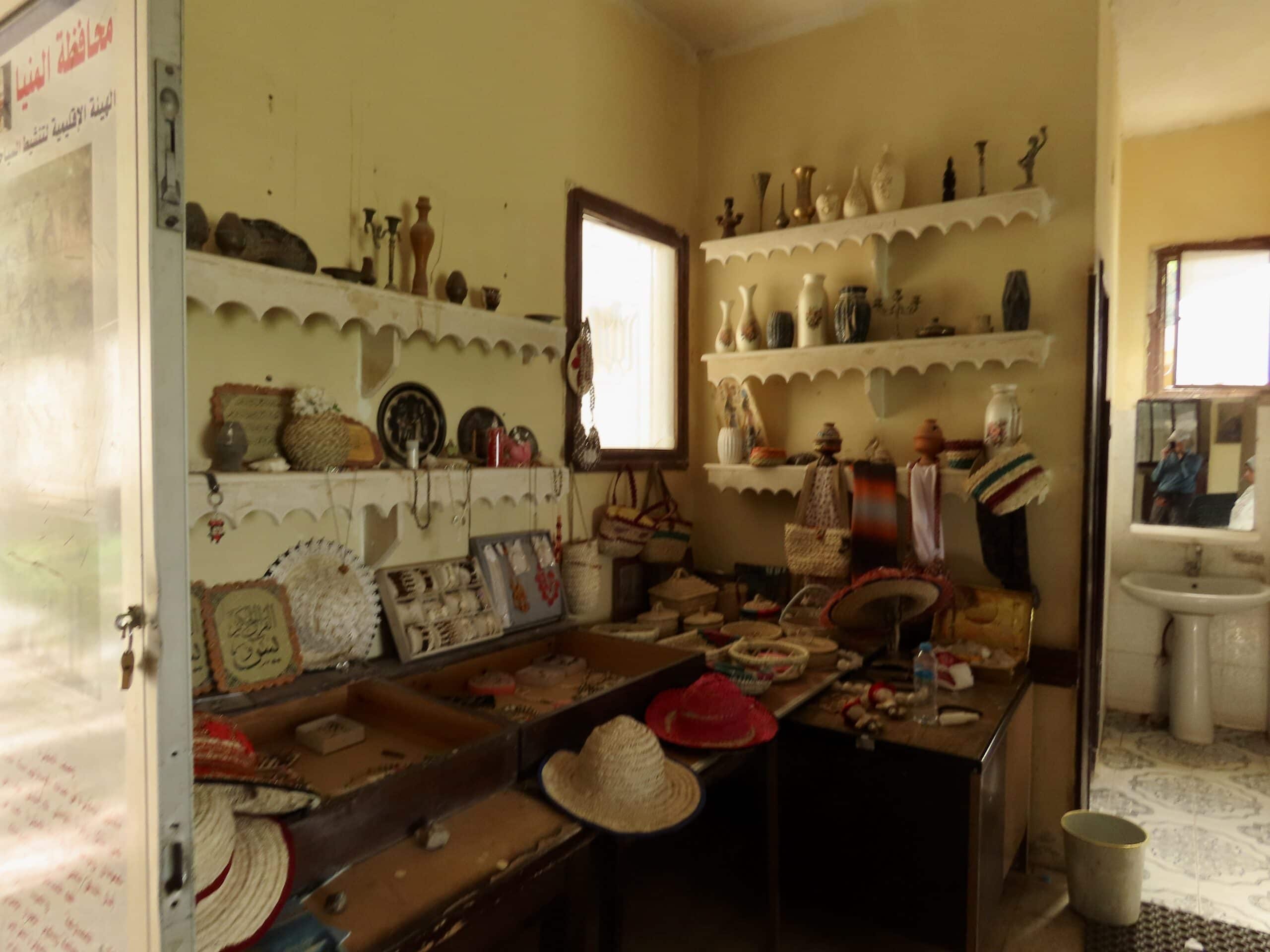
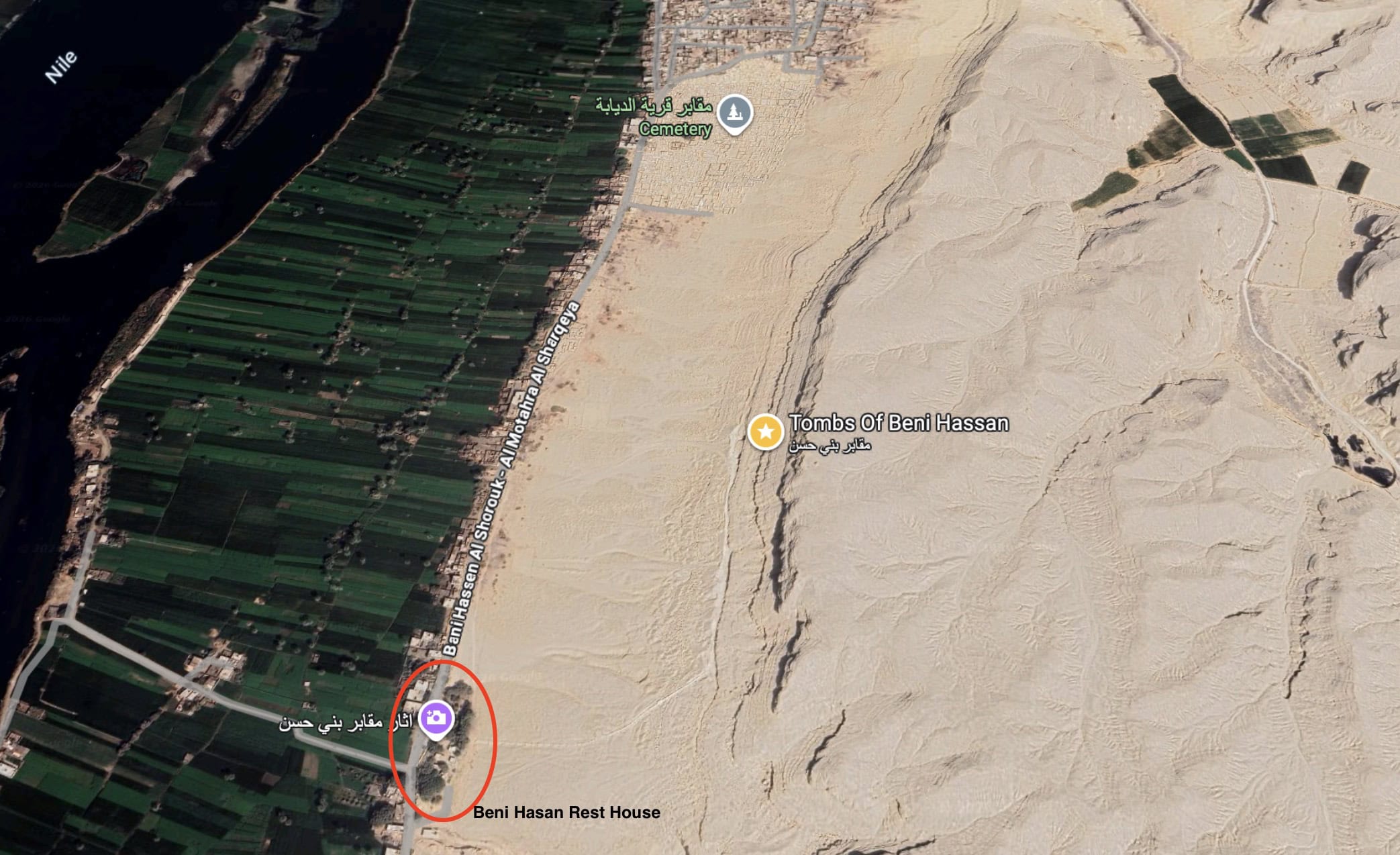
We disembarked on the road below the Beni Hasan rest house.






Beni Hasan is the cemetery where ruling officials of the 16th/Oryx Nome, and the people who served them, were buried during the 11th and 12th dynasties. High officials were buried in 39 rock cut tombs carved into a limestone bench near the top of a western-facing ridge (called the Upper Range). Another ~900 simple shaft tombs are located on the lower slopes (the Lower Necropolis), containing burials of minor officials and high ranking servants.
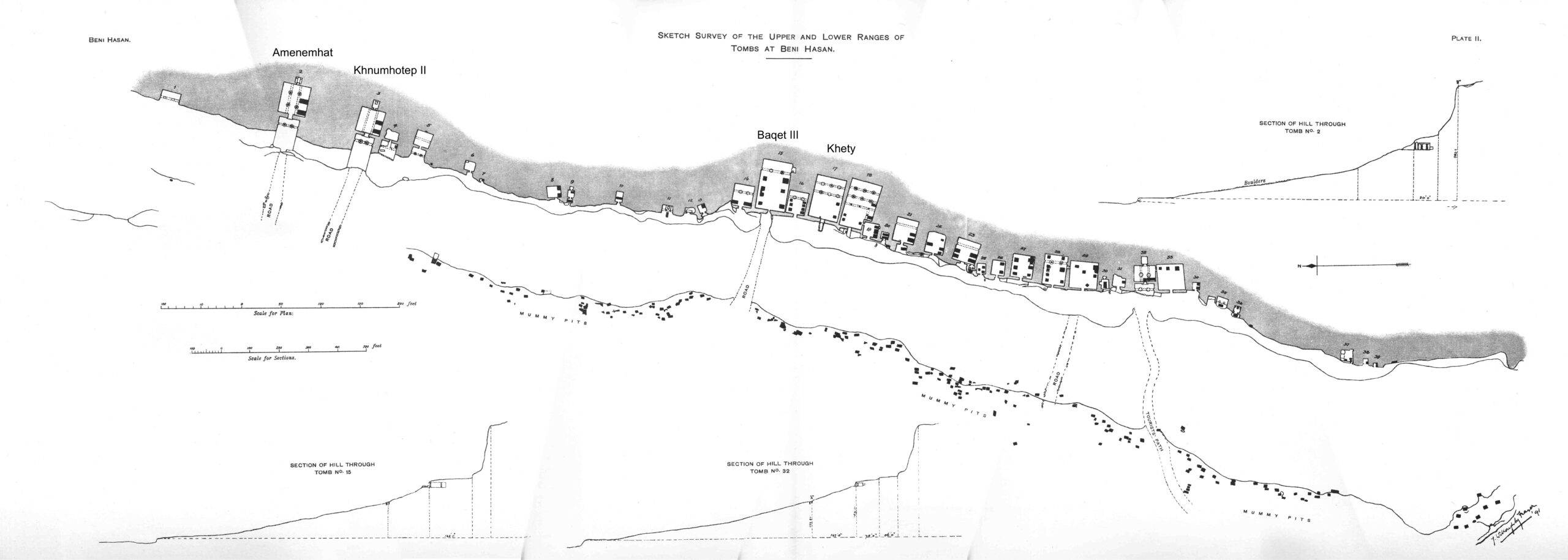
Many of the Upper Range tombs now appear as vacant human-made caves, with no doors or front walls and with blank interiors. But twelve tombs have survived with relatively good interior preservation, and four of these – the best preserved – are open to the public. (Map from Percy Newberry, who excavated here between 1890-1894 and established the numbering system still used today.)
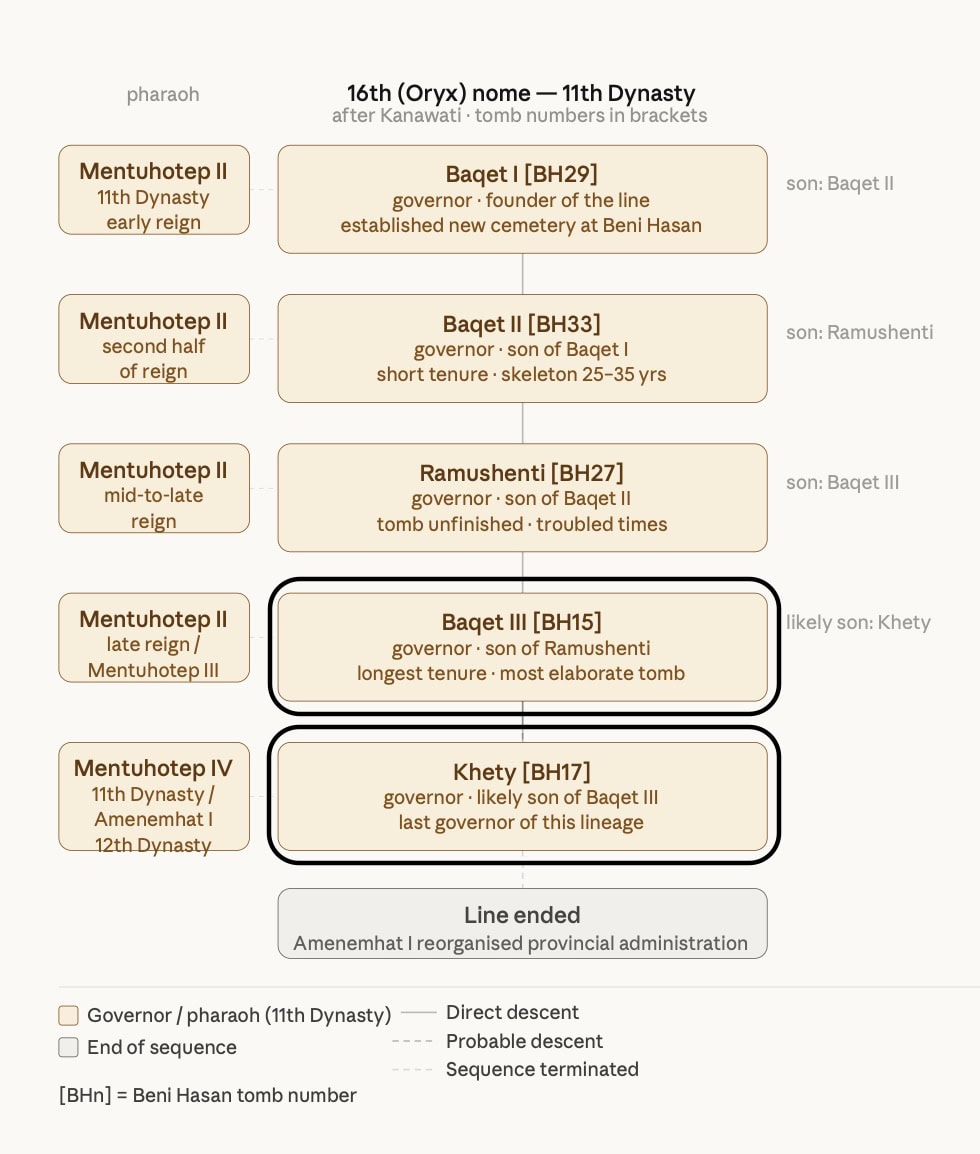
These 12 tombs represent two families (with one interloper) who ruled as governors of the nome during the 11th and 12th dynasties, a period of about 170 years. Below are family/succession trees for the two families (thank you, Claude), with the four tombs we visited circled.
To keep the families’ history as simple as possible, I’ll present these four tombs in chronological order (Baqet III, Khety, Amenemhat, Khnumhotep II) rather than the order we visited (Khety, Baqet III, Khnumhotep II, Amenemhat).

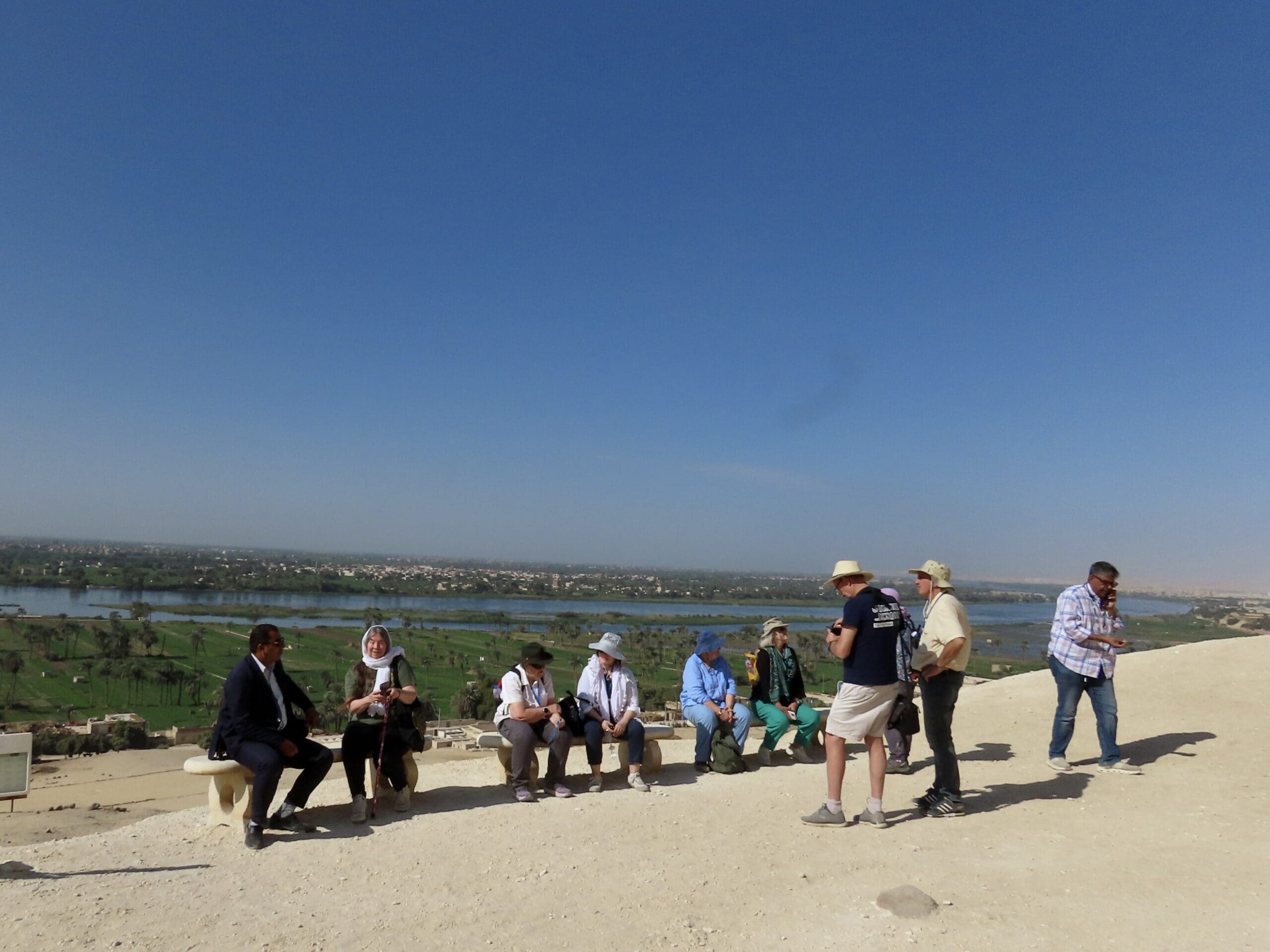
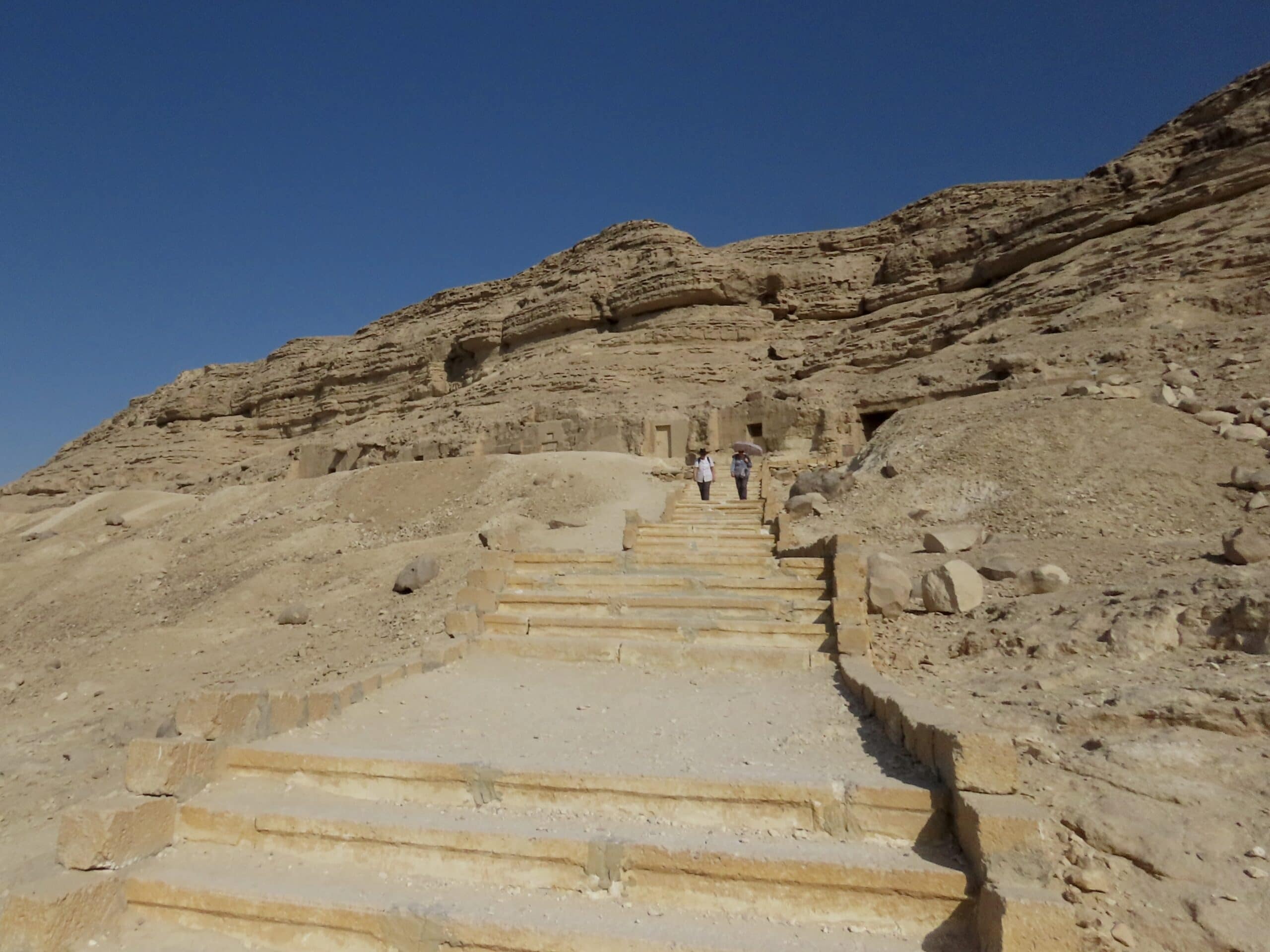
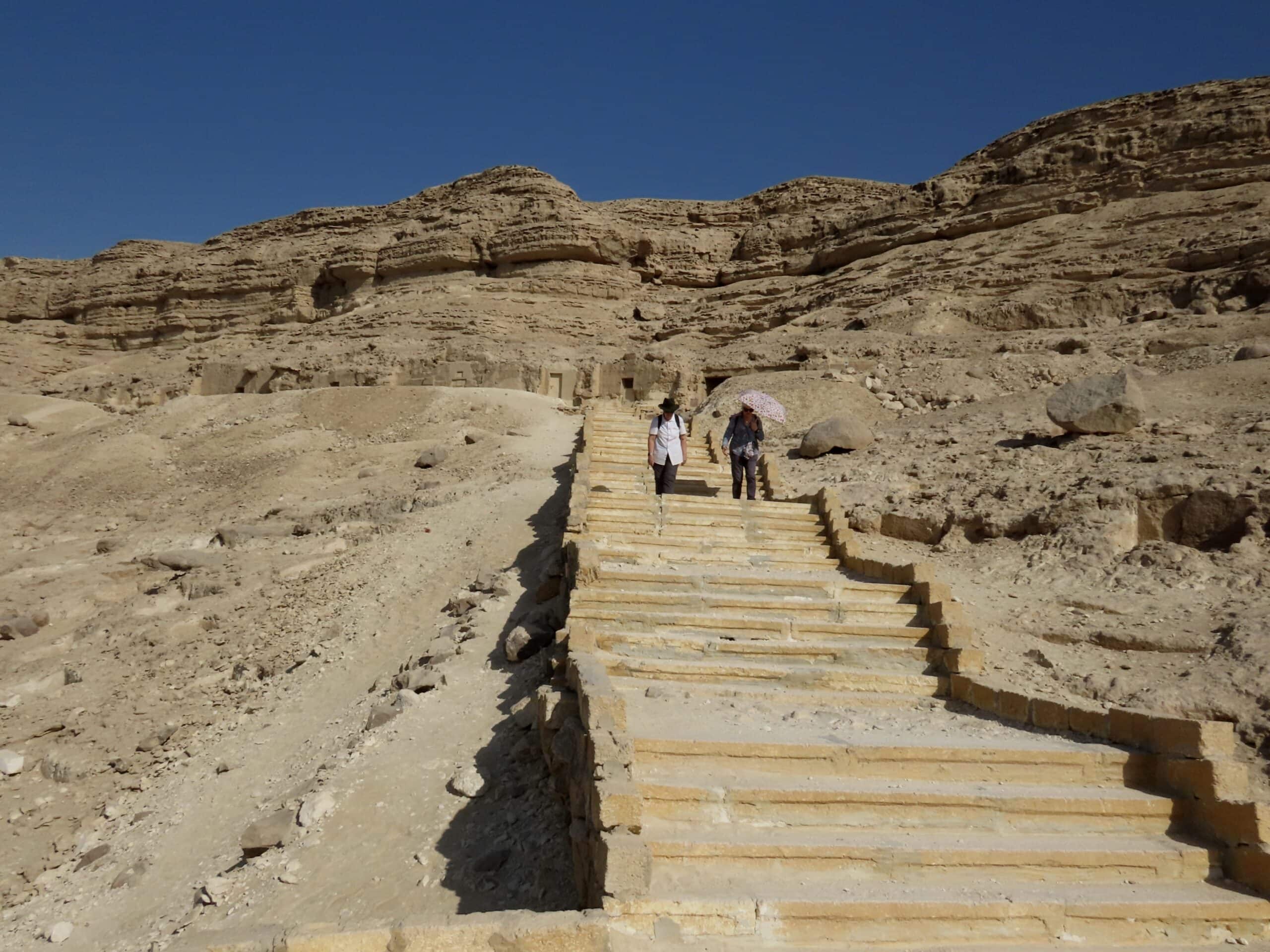
The long climb up the ridge is made easier today by following a modern limestone causeway. I was impressed by the quality of interpretive signage here, a rarity in Egypt.


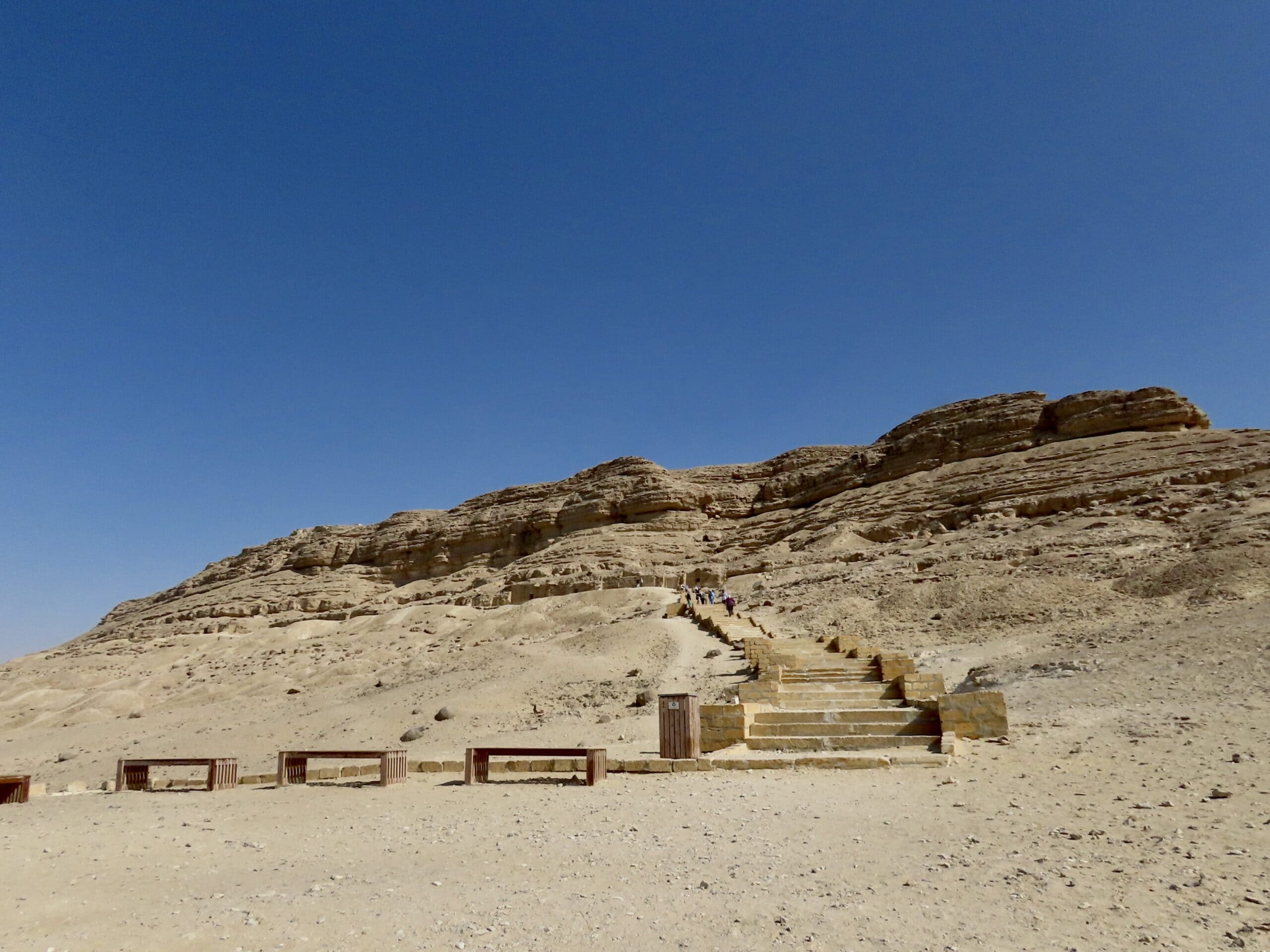


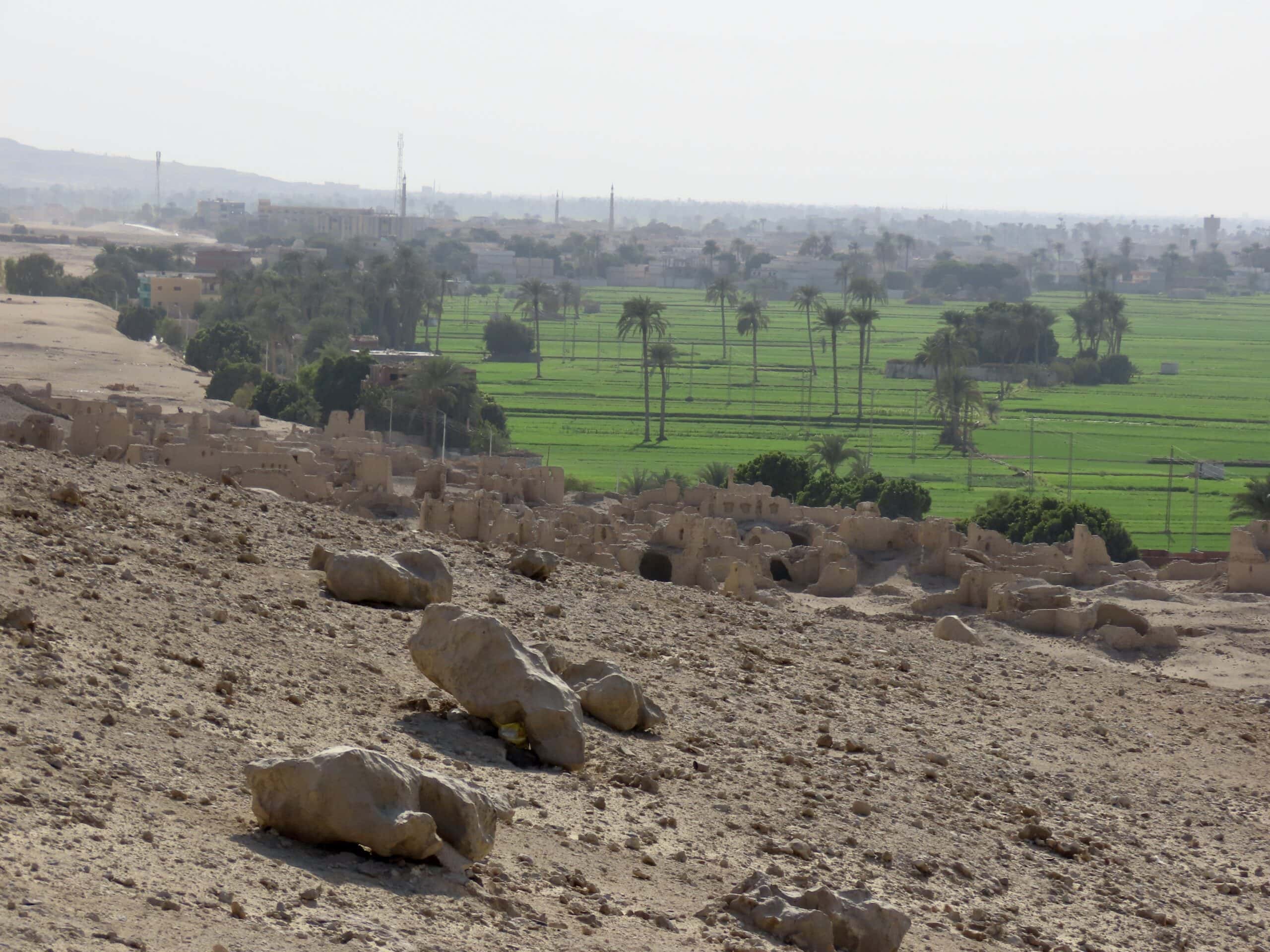
Hundreds of shafts leading to the burial chambers of lesser officials are clearly visible below. These smaller burials were excavated at the beginning of the twentieth century by John Garstang, and artifacts found in these tombs are scattered in museums all across the world.
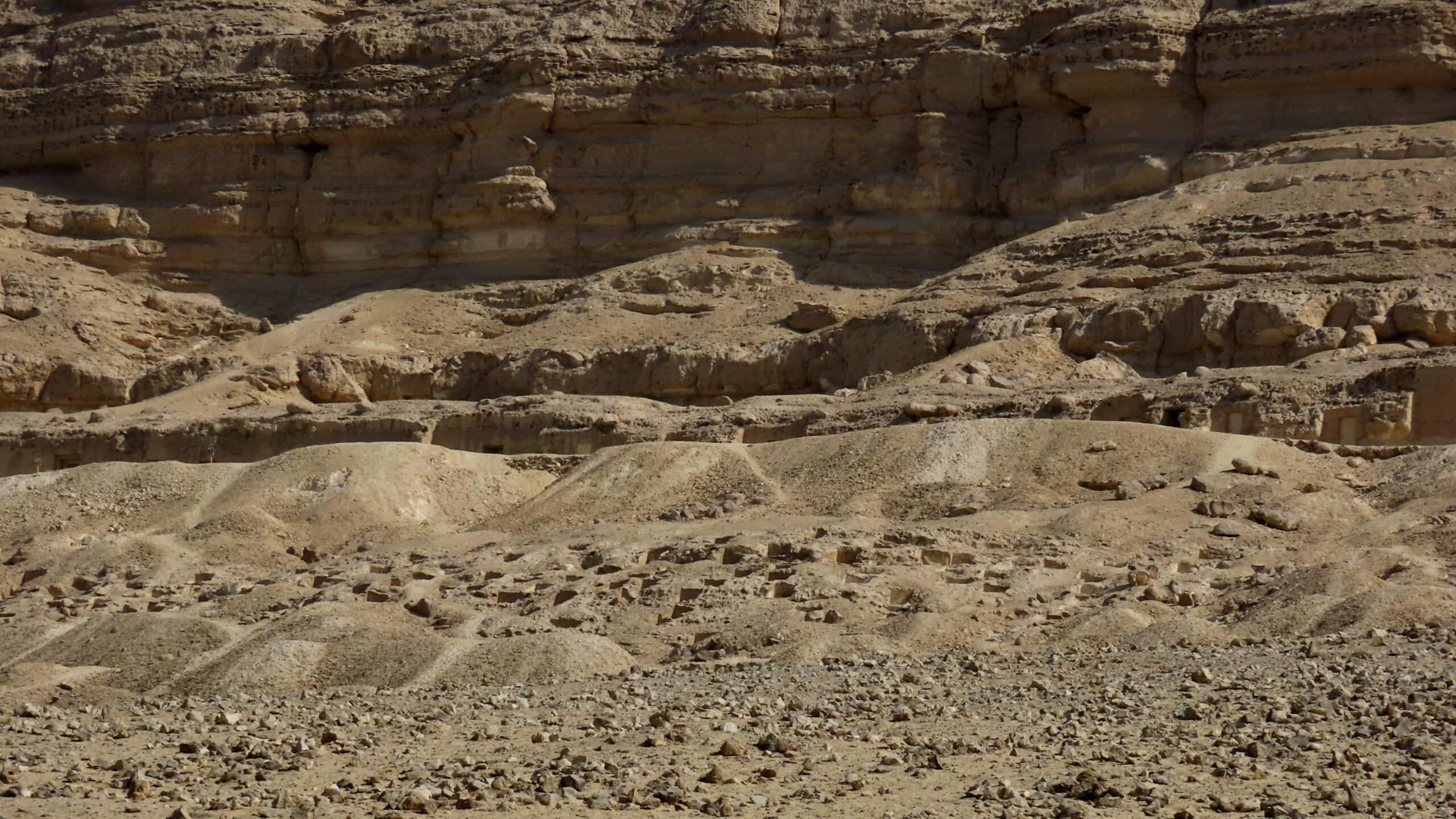


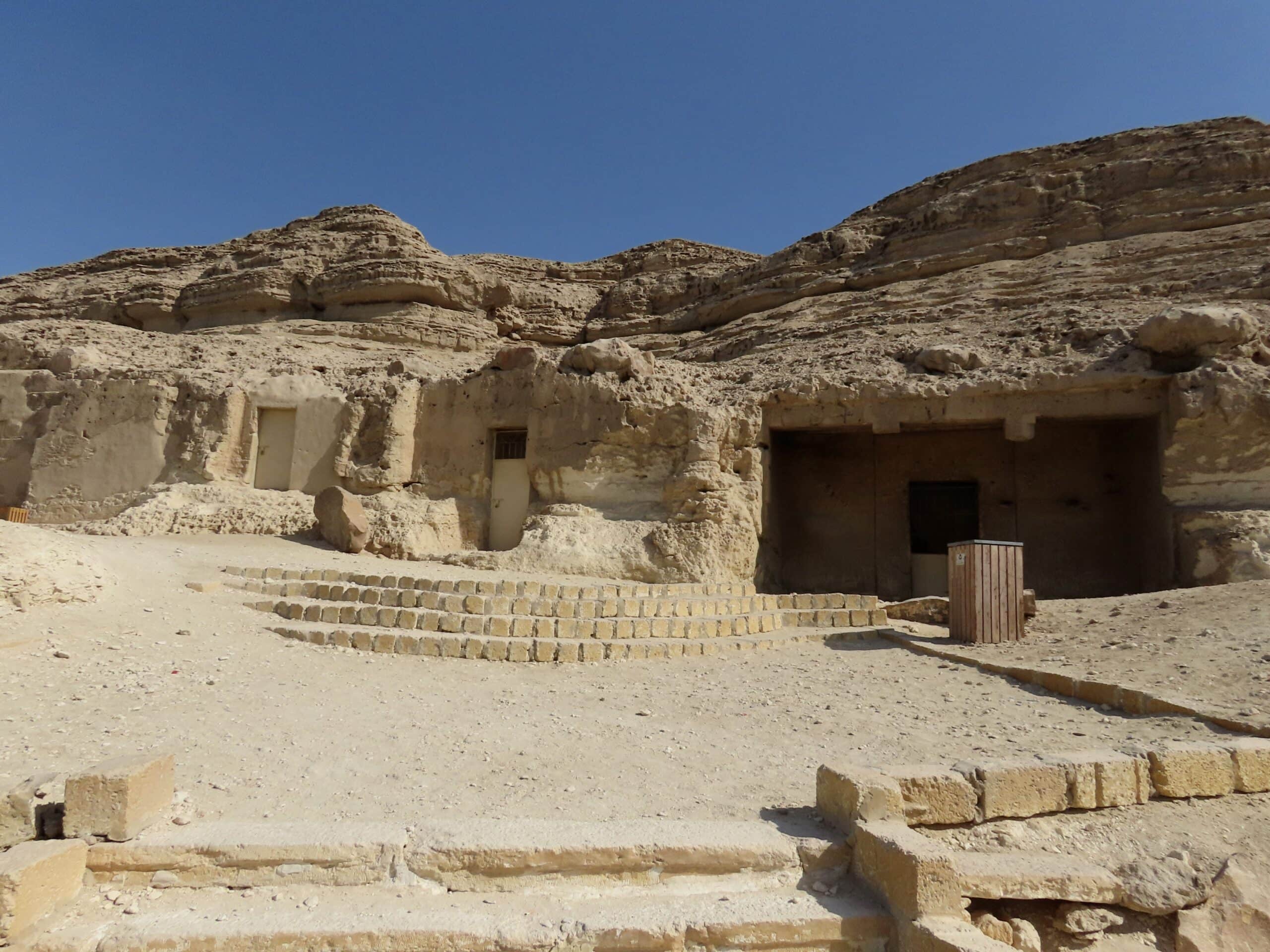
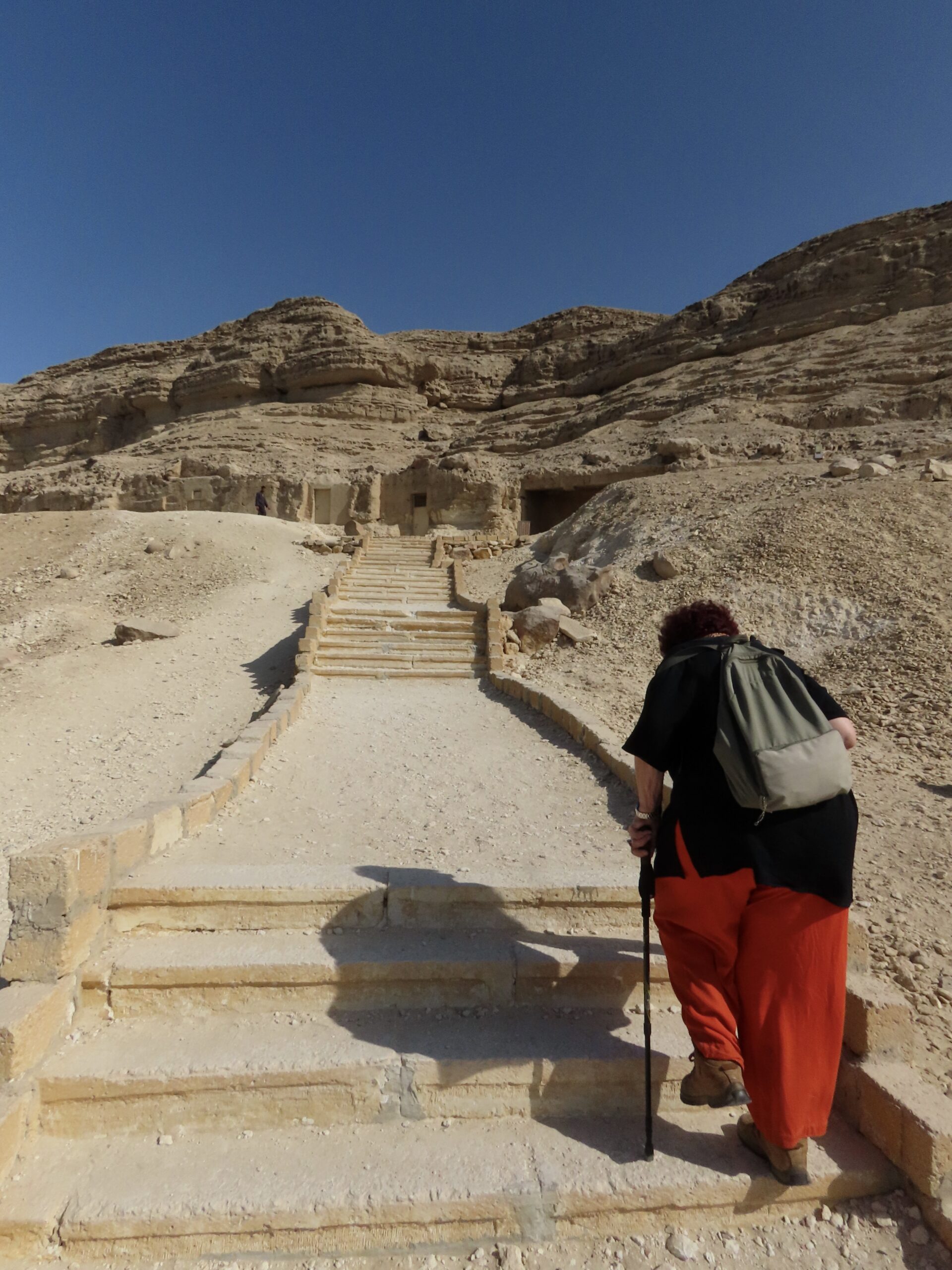
Carol and I took our time climbing the stairs, finally catching up with the eager beavers ahead of us outside the tomb of Khety.


The Baqet Family, Dynasty 11
The 11th dynasty (c. 2134–1991 BCE) was a very turbulent period in Egyptian history, characterized by power struggles that erupted into all-out civil war.
Around 2160 BCE, after the central government at Memphis definitively collapsed, power centers sprang up in several regions along the Nile Valley. One family established a base at Herakleopolis (north of Beni Hasan), asserting control over Lower Egypt (the Delta) and Middle Egypt (the Nile Valley south to Asyut, which was another power center). Southern Egypt was controlled by a patchwork of local families, some of whom were loyal to the Herakleopolitans in the north.
Around 2134 BCE, a Theban ruler, Mentuhotep I, consolidated power in southern Egypt, controlling the area from Aswan to around Coptos on the Nile’s Great Bend. His descendants extended the border further north, and by the time Mentuhotep II came to the throne (~2055 BCE) the Theban rulers controlled territory north past Abydos to Qaw el Kebir. (We visited Mentuhotep II’s temple at Luxor on the first day of our Middle Kingdom tour.)
Skirmishes between the two powers went on for years, with Asyut as a stalwart Herakleopolitan stronghold. (See map below from Gregory Mumford, with a star added to show the approximate location of Beni Hasan).

Baqet I established the cemetery at Beni Hasan where he is buried in Tomb BH29. He was among the “northern” officials loyal to the Herakleopolitans, serving as “Great Overlord of the Oryx Nome” and holding titles identifying him as a member of the royal circle (“Count, Royal Sealer, and Sole Friend”). The position of nomarch was inherited by his son (Baqet II, BH33) and grandson (Ramushenti, BH 27), along with Baqet I’s elite titles. The son and grandson continued to be aligned with Herakleopolis as the fighting accelerated.
In order to take control of the entire country, Mentuhotep II had to get past Asyut and conquer those resource-rich Middle Egypt nomes, whose governors were mostly loyal to the Herakleopolitan rulers. By year 14 of his reign, his army had advanced as far as Asyut. At this point the Herakleopolitan rulers made a fatal mistake: they attacked Thinis and desecrated its cemetery at Abydos, setting fire to tombs in the Umm el-Qaab. The Osiris cult was evolving into a national afterlife religion at this time, and the Umm el-Qaab was identified as the site of Osiris’ tomb. (See our earlier visit to Abydos for details about the “Sacred Landscape.”)
The Herakleopolitan’s sacrilege (recorded as “Year of the Crime of Thinis”) shocked and enraged many Egyptians, prompting some provincial officials to change sides and giving Mentuhotep II the boost needed to conquer Asyut and continue north.
Baqet III (BH15)
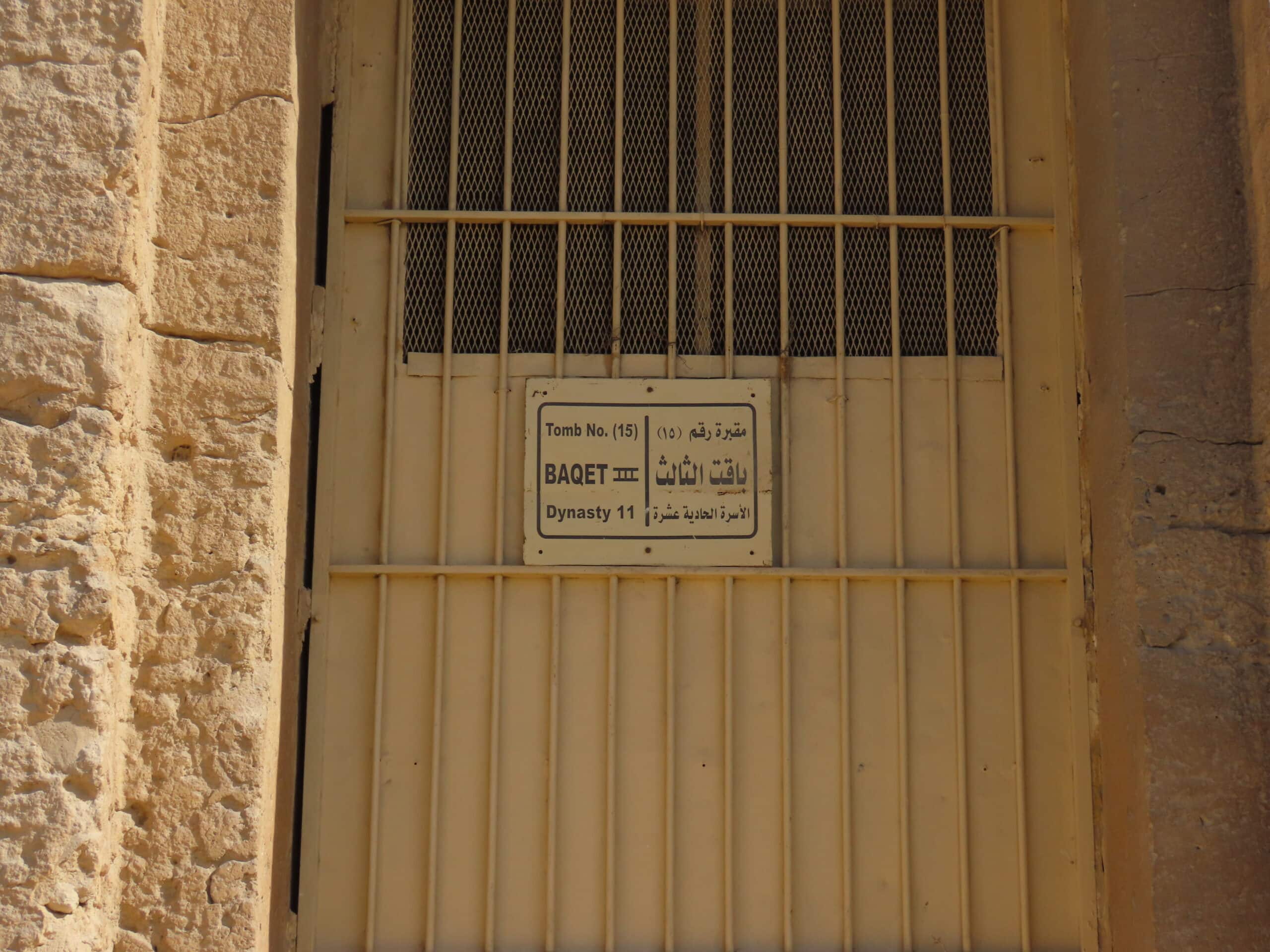

Baqet III was likely one of those northern officials who changed sides, allying with Mentuhotep II as the civil war raged on. Battle scenes depicted in his chapel suggest that he and his troops were active participants in the fighting. New titles, “Treasurer of the King of Lower Egypt” and “Mayor of Nekheb” (a southern city), and the scale and richness of his tomb suggest that he was richly rewarded for joining the winning side: he had much more wealth to lavish on his afterlife then his forebears.
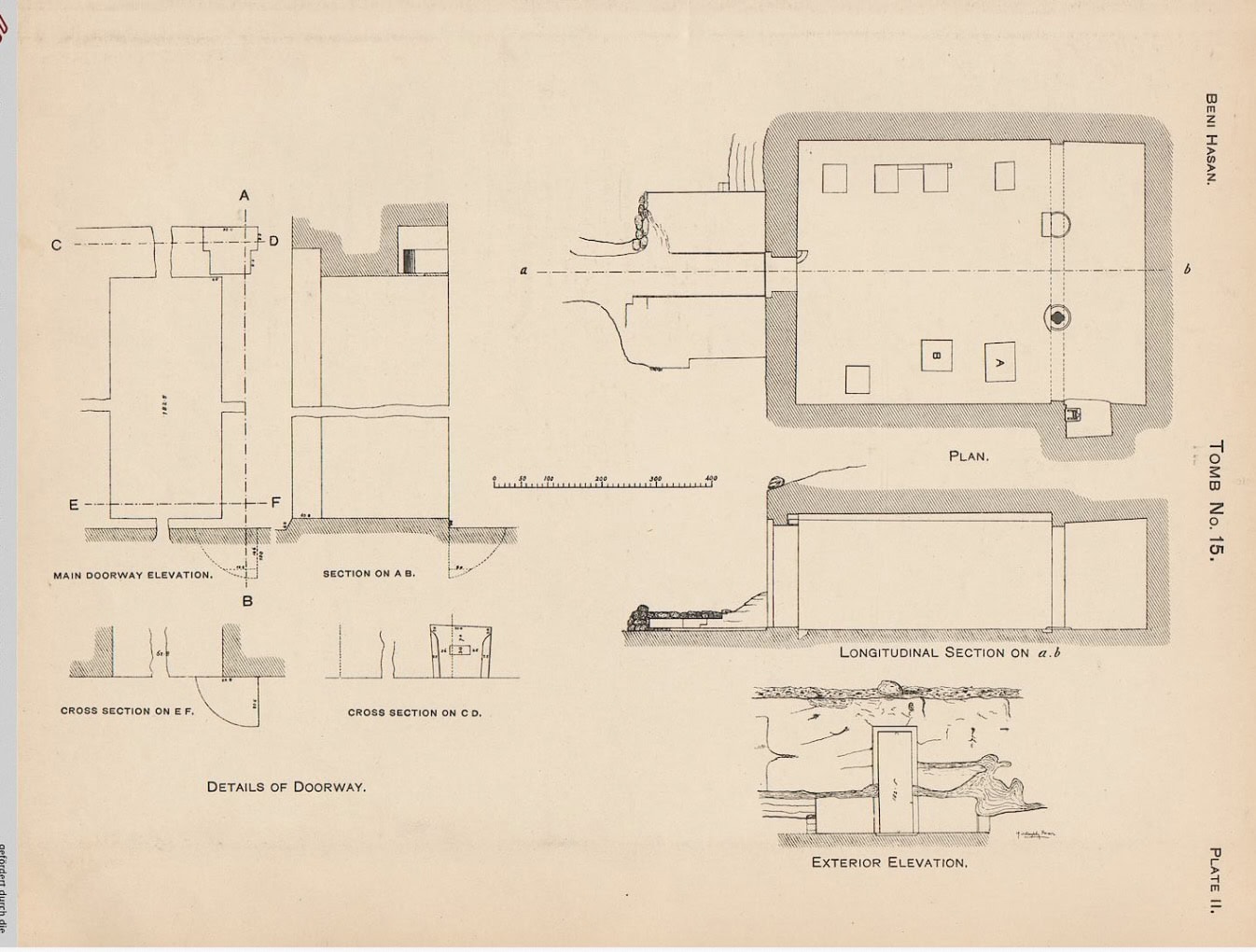
Note the large rock-hewn forecourt which creates a grand porch-like entry to his tomb.

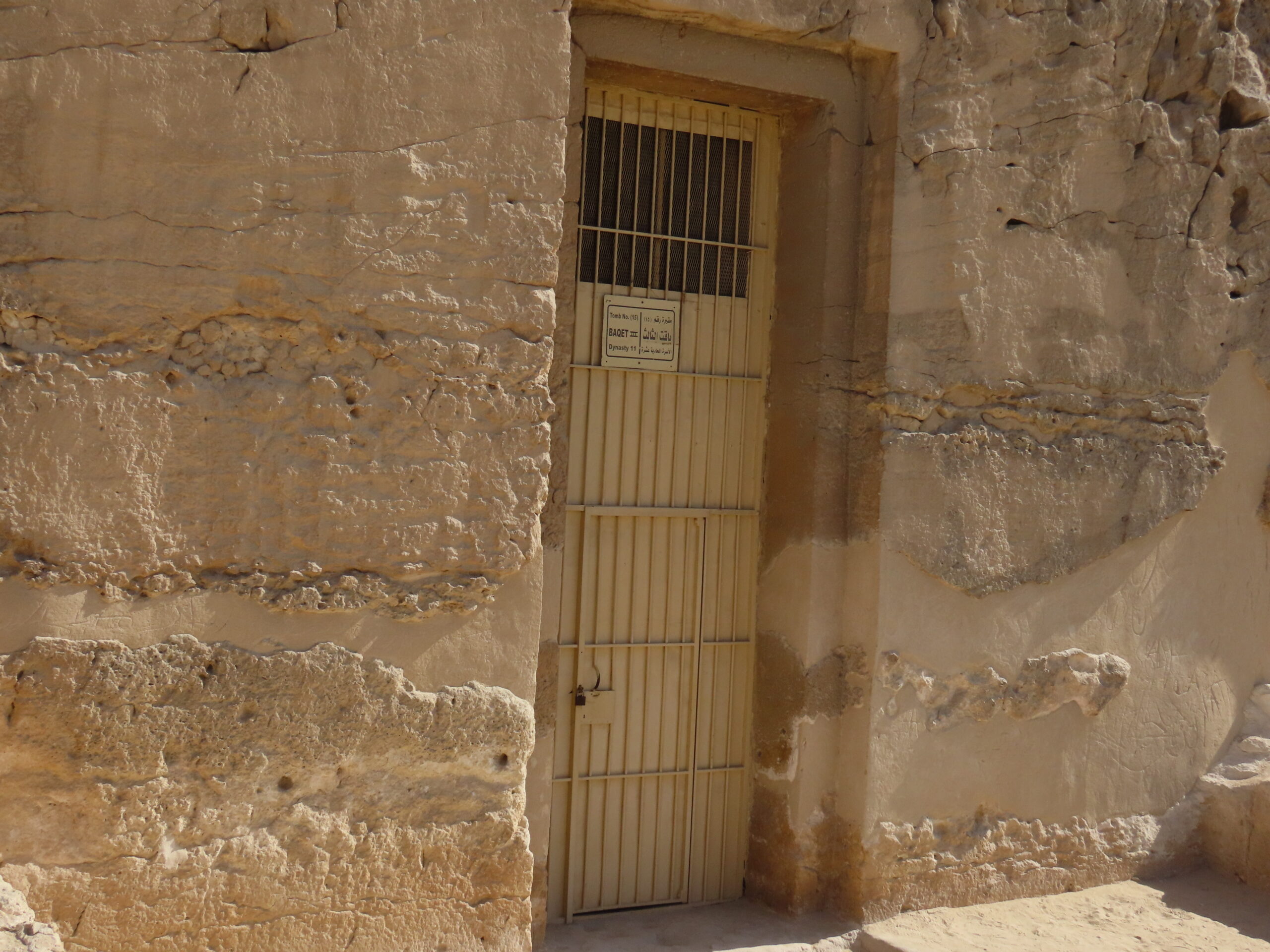
The chapel inside is a deep hall, with paintings on all four of the interior walls and burial shafts carved through the floor.


On the north wall, Baqet and his wife stand facing left, overlooking dozens of scenes that reflect his varied responsibilities as overlord of the district.


In the top register, desert animals (and some mythical creatures) have been herded into a broad enclosure and are being hunted by Baqet’s servants.


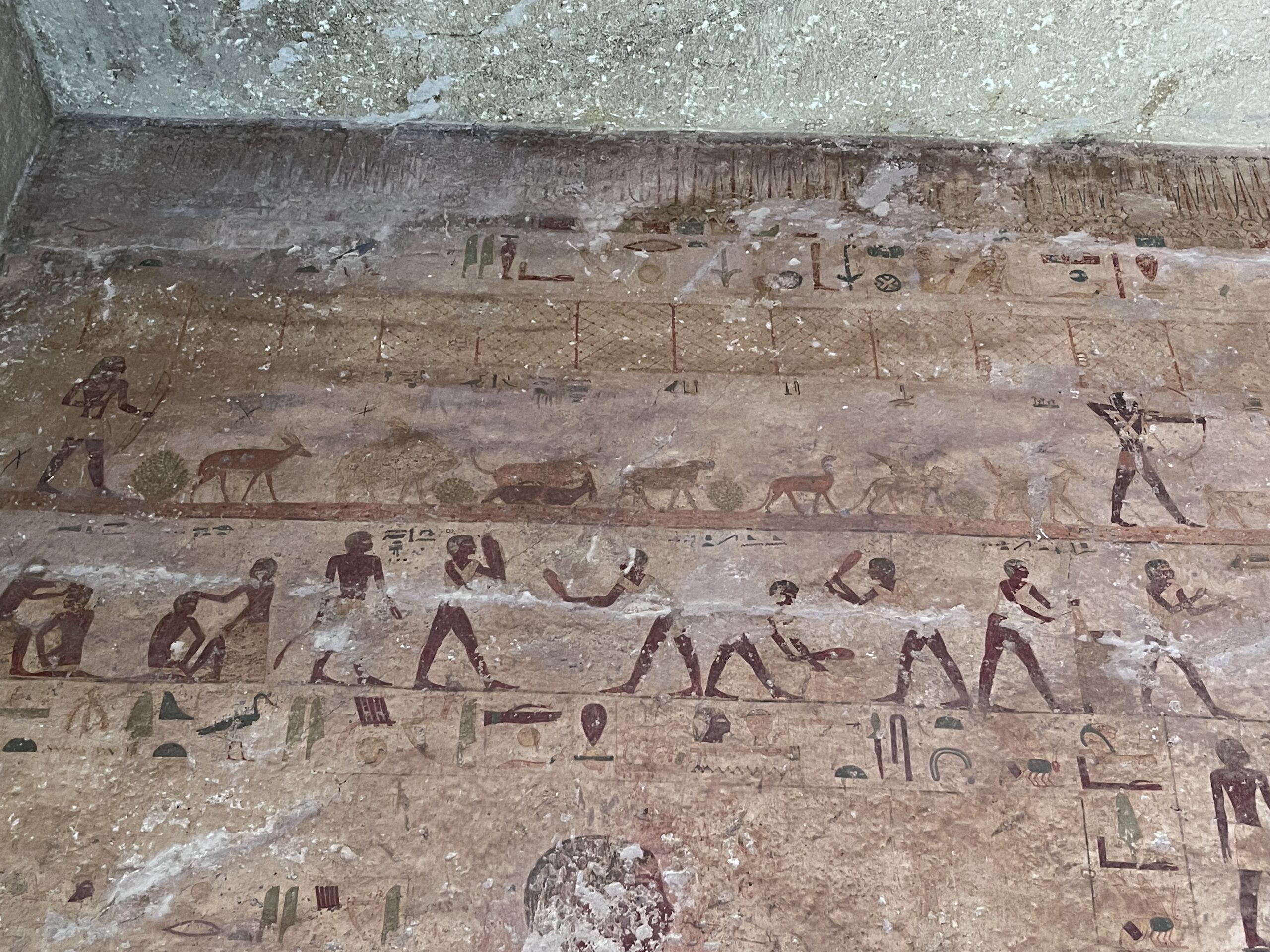


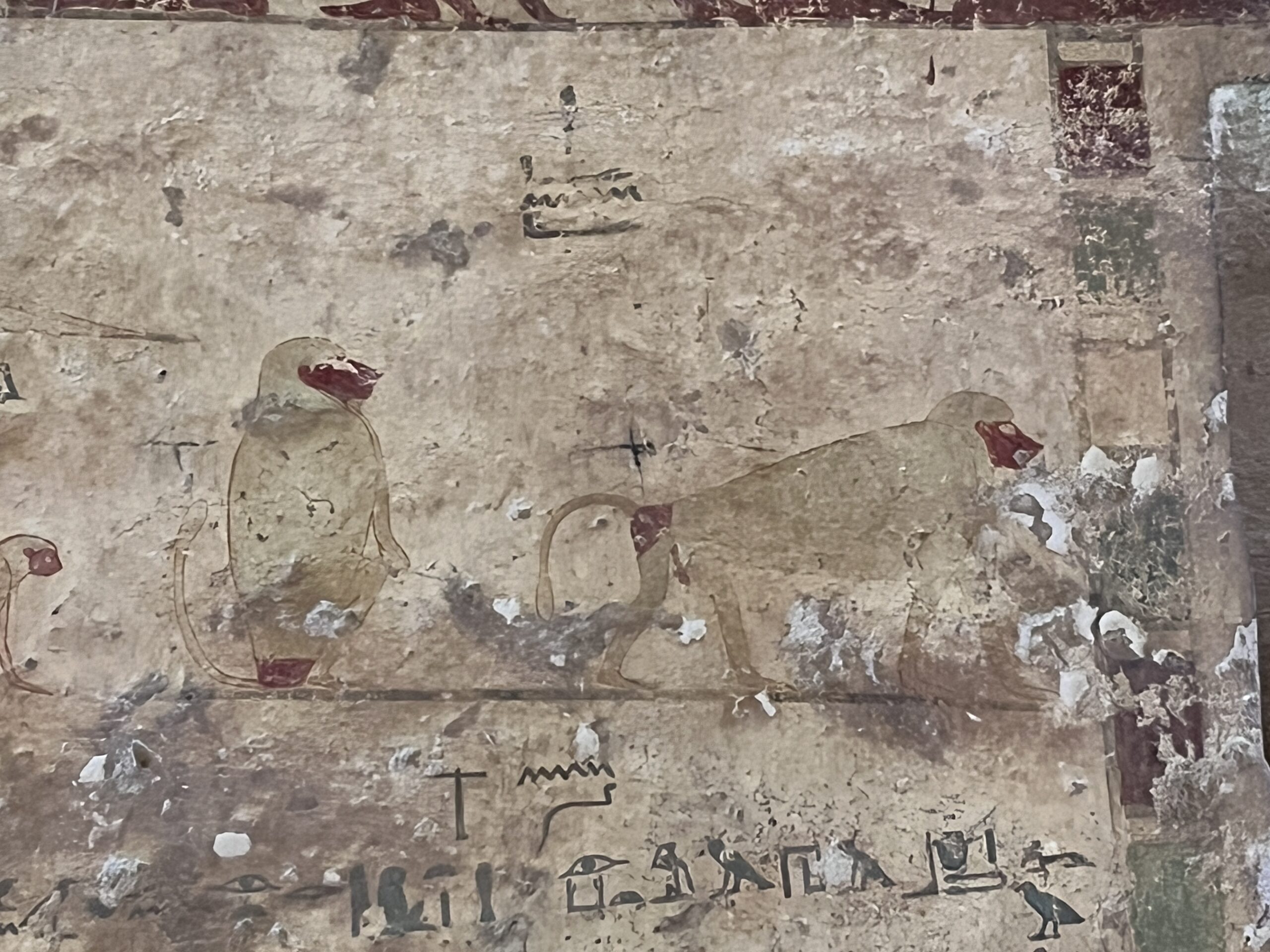
The middle registers show scenes of craftspeople, including carpenters, sculptors (in both stone and wood), artists, goldsmiths, sandal makers, herders, musicians and even barbers. The cloth-making scenes are particularly important historically, illustrating the process used to create linen cloth from flax. Every tomb has cows – lots of cows – and where there are cows, there must be scenes of breeding, keeping the herd alive in the afterlife. (Also evident for antelope, whose populations which were likely in decline by this period.). The lowest register includes “river and marshland” scenes.
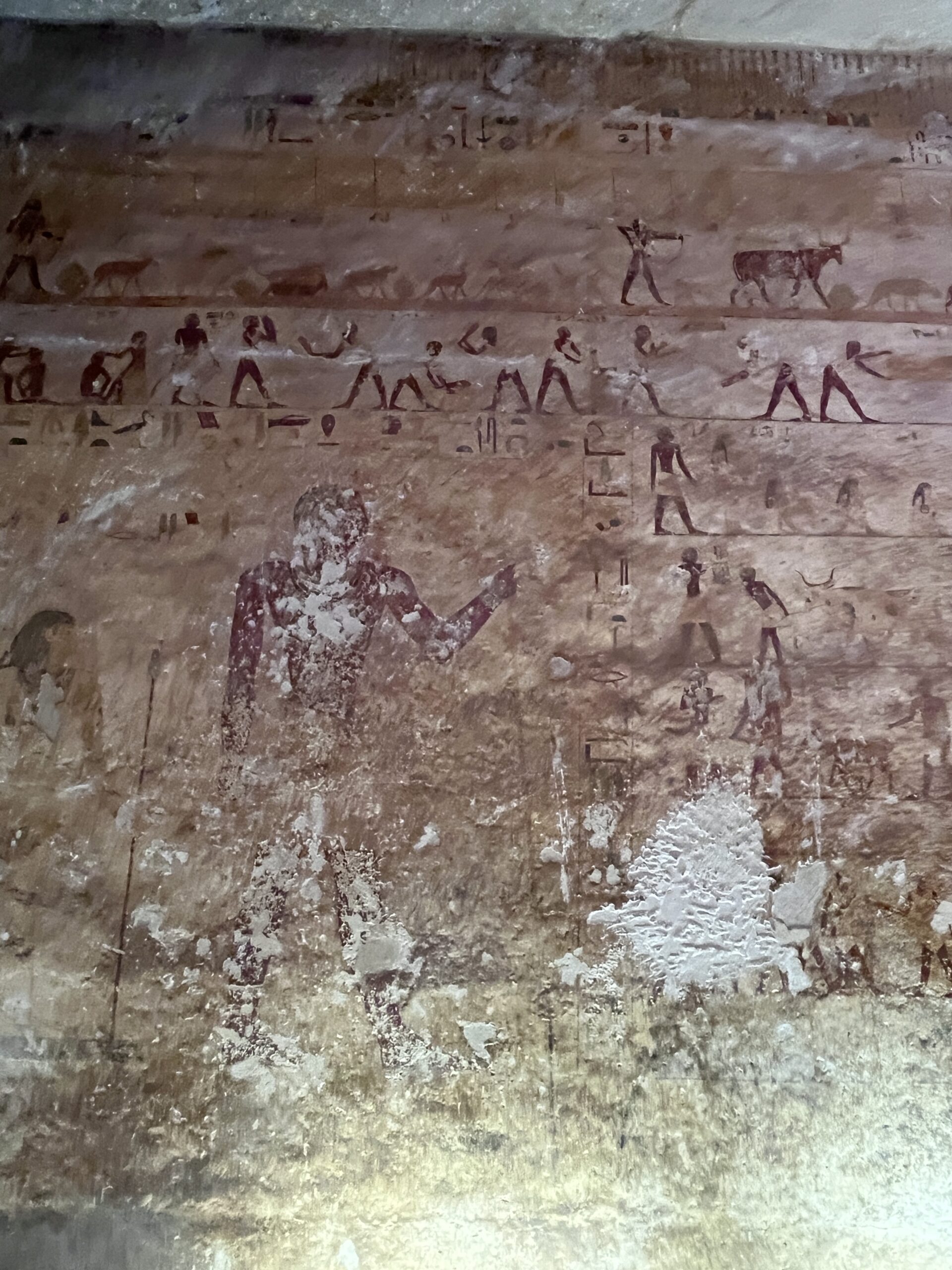


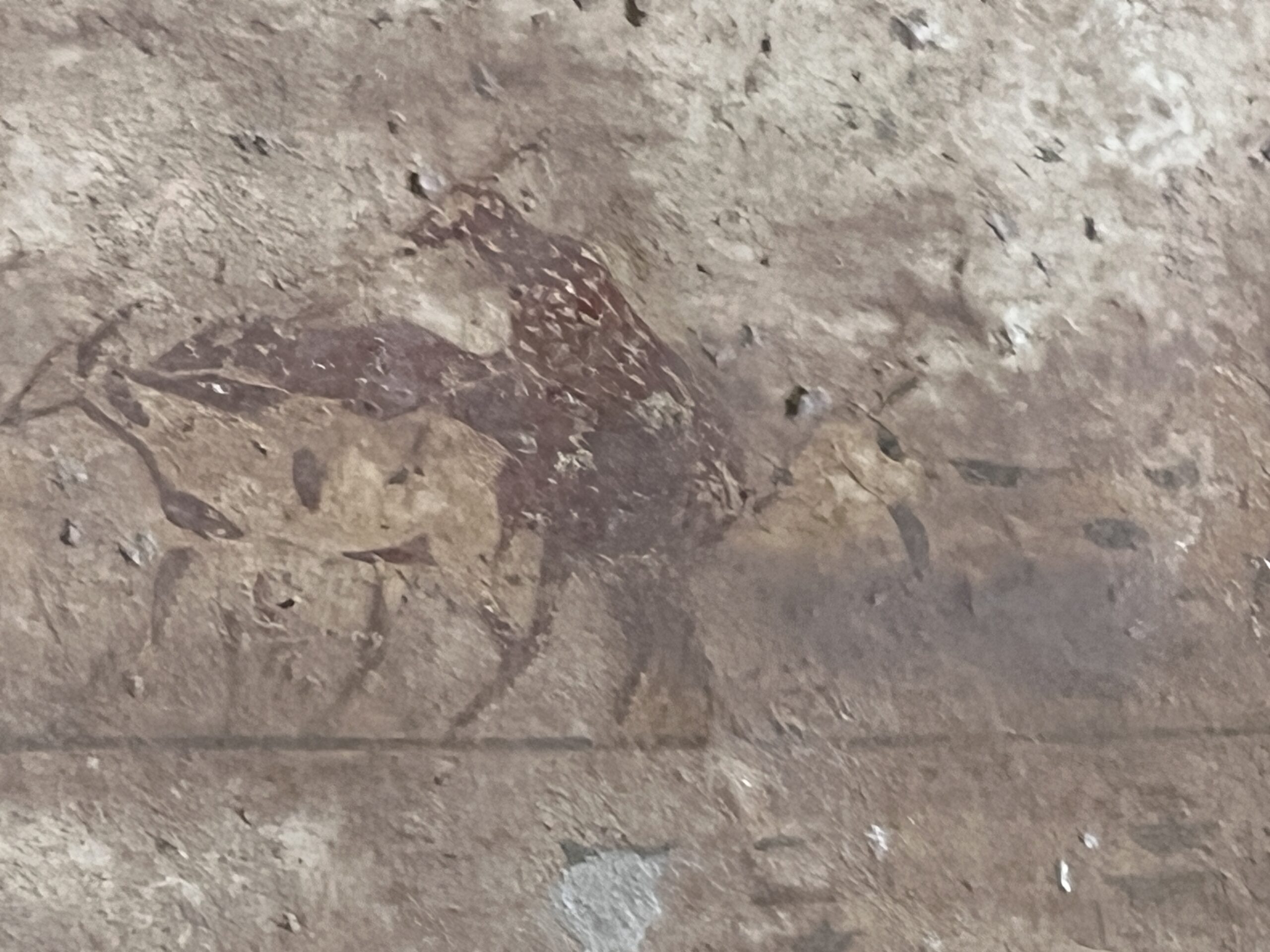


Among these scenes of everyday life is one of tax evaders being brought before one of Baqet’s scribes, who is recording their crimes and punishment.


On the eastern part of the north wall, there are acrobats and dancers moving in a synchronized program beside women juggling balls – including one with her arms crossed. There are two women playing catch while being carried on the backs of two other women. In addition to providing afterlife entertainment, these dances and games may have a religious significance. (Watercolor from DeGaris.)


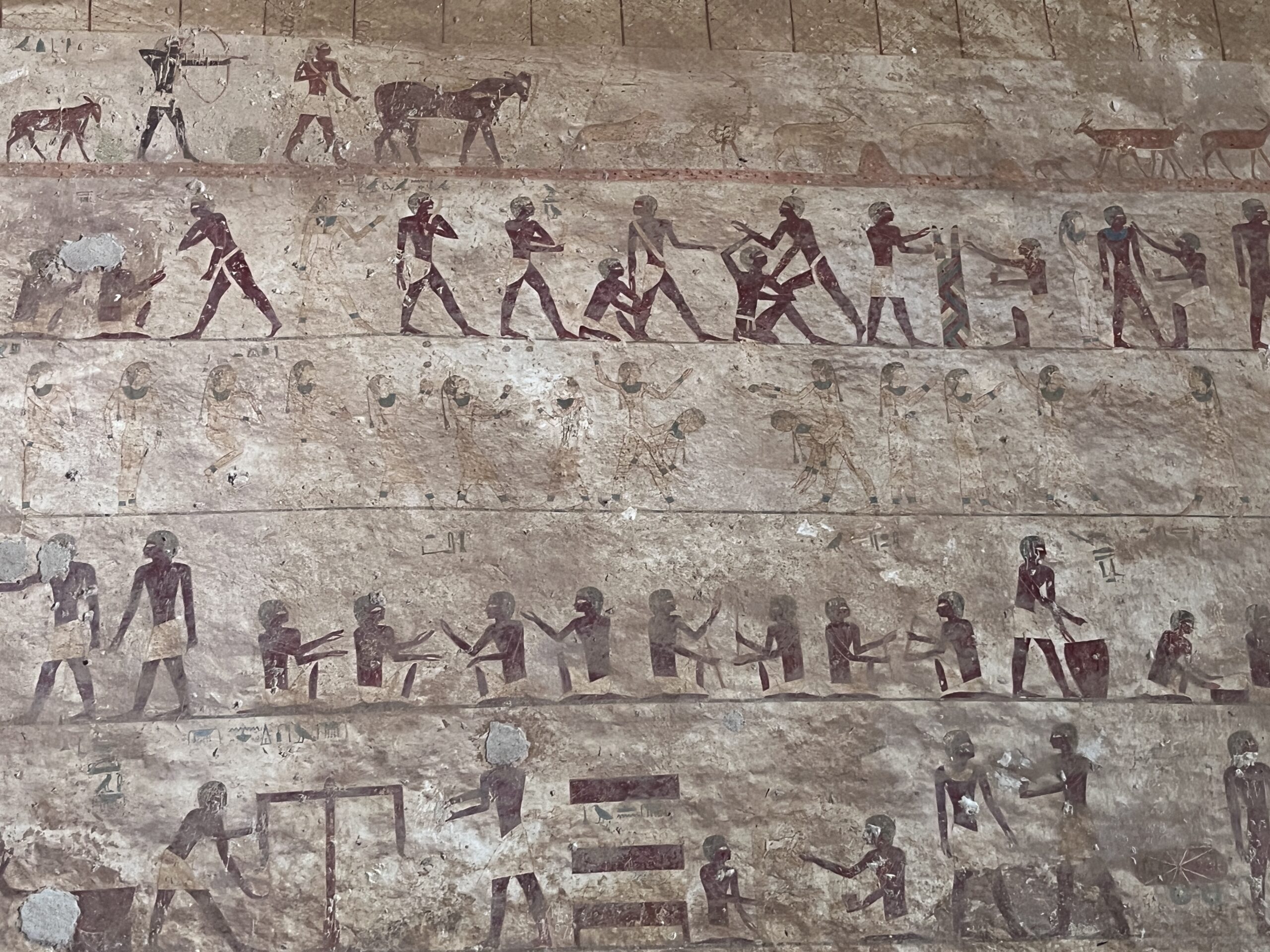

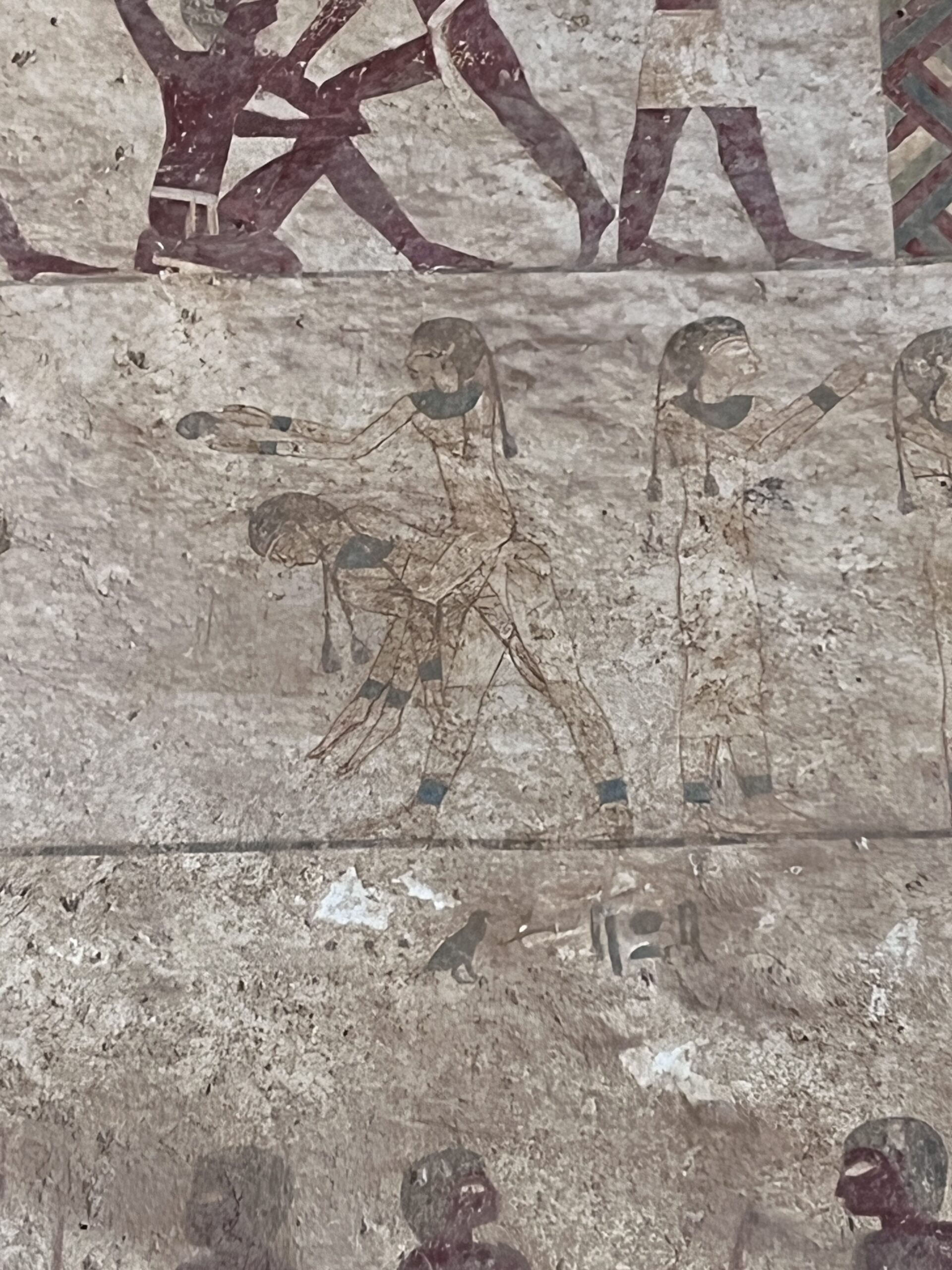


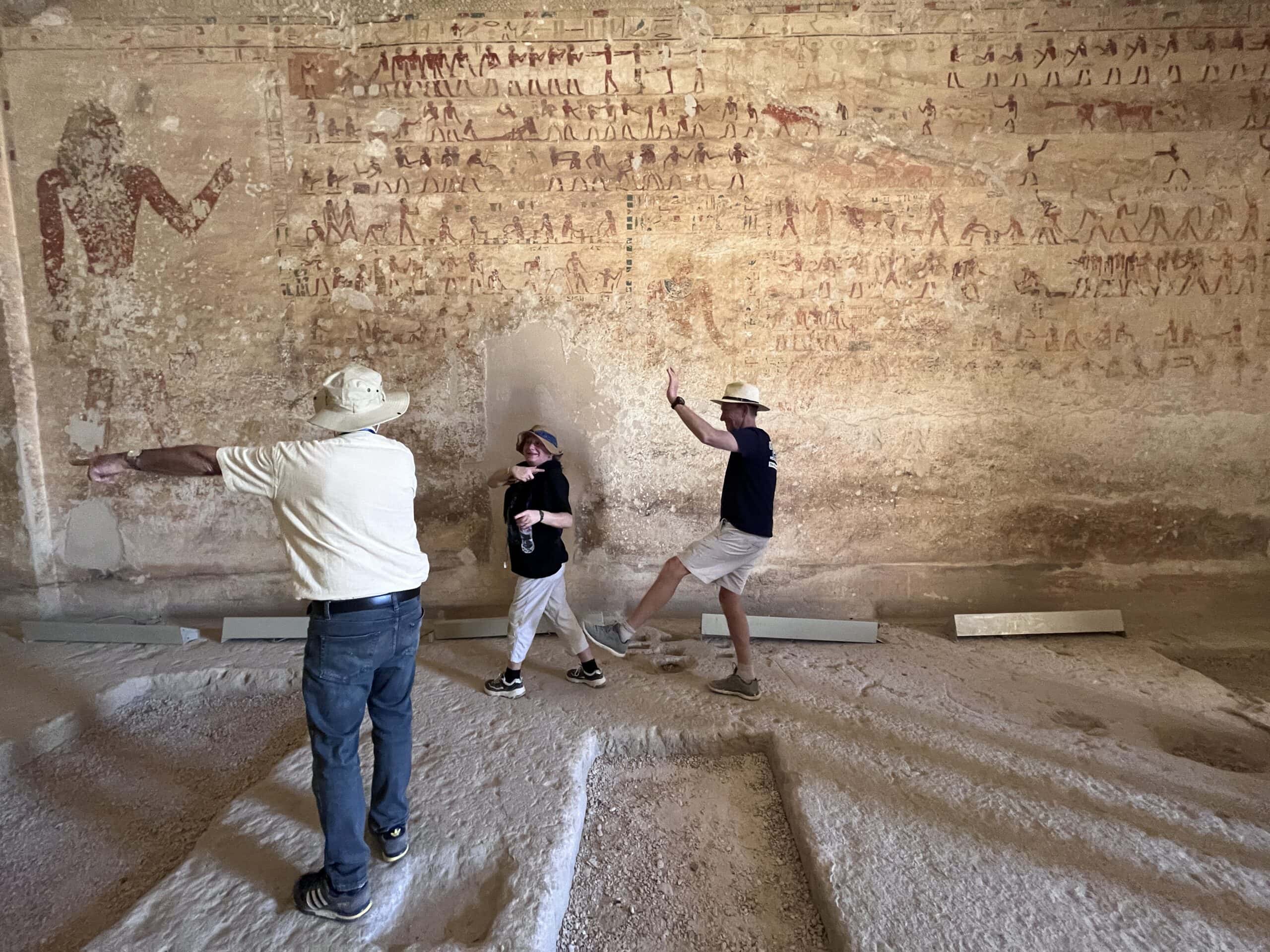
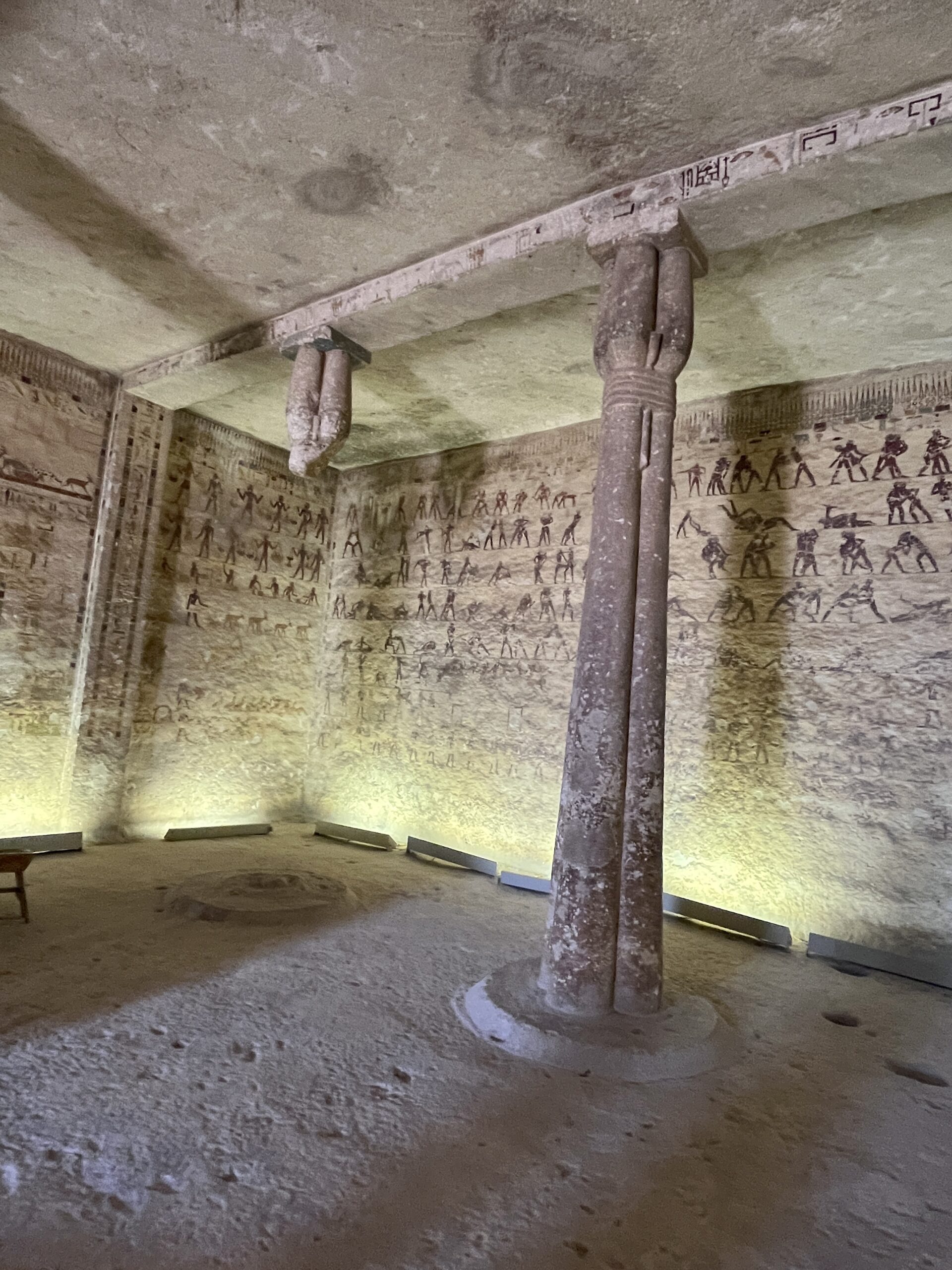
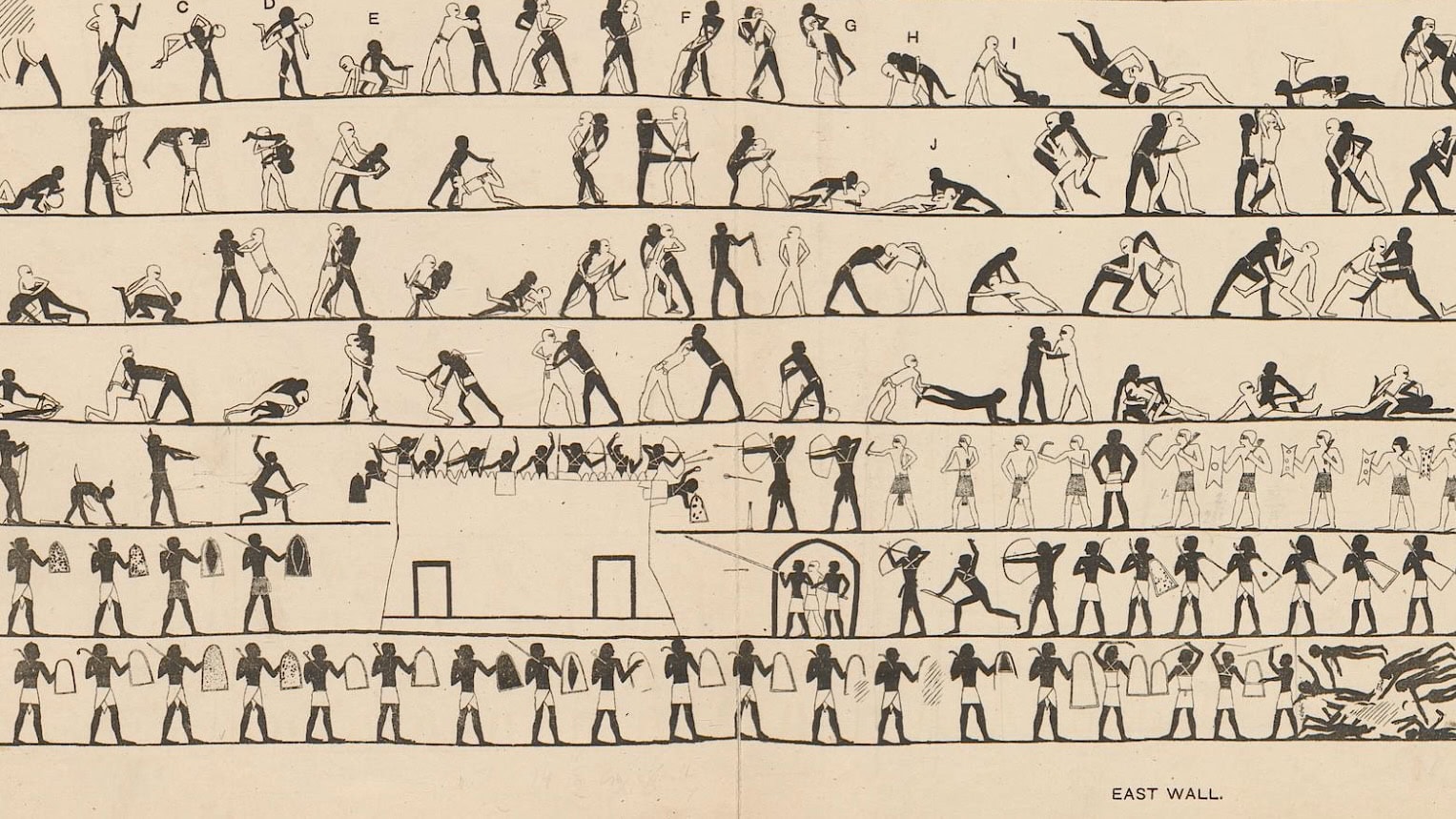
The east wall is famous for its wrestling and military scenes. 220 pairs of wrestlers (approx. 400 figures) are depicted in various grappling positions illustrating nearly every phase of a match, from the opening stance to the final fall. One figure is painted red and the other dark brown to distinguish their movements.
Naguib Kanawati and Linda Evans describe the wrestling scenes as a comprehensive “martial arts manual” documenting a sophisticated understanding of combat. Hieroglyphs accompanying some figures suggest that there were specific rules, names, or symbolic meanings for certain techniques. Kanawati notes that these wrestling moved likely served as military training for soldiers and guards, emphasizing leverage and bodily control over brute force in hand -to-hand combat. (Watercolor from DeGaris.)


In the lower registers, there are scenes of active warfare (which were difficult to photograph in the funky lighting). An Egyptian fortress is being defended against an army of archers and infantry made up of Egyptians and Nubians (the composition of Mentuhotep II’s army). Behind this battle there is hand-to-hand combat around a pile of bodies.


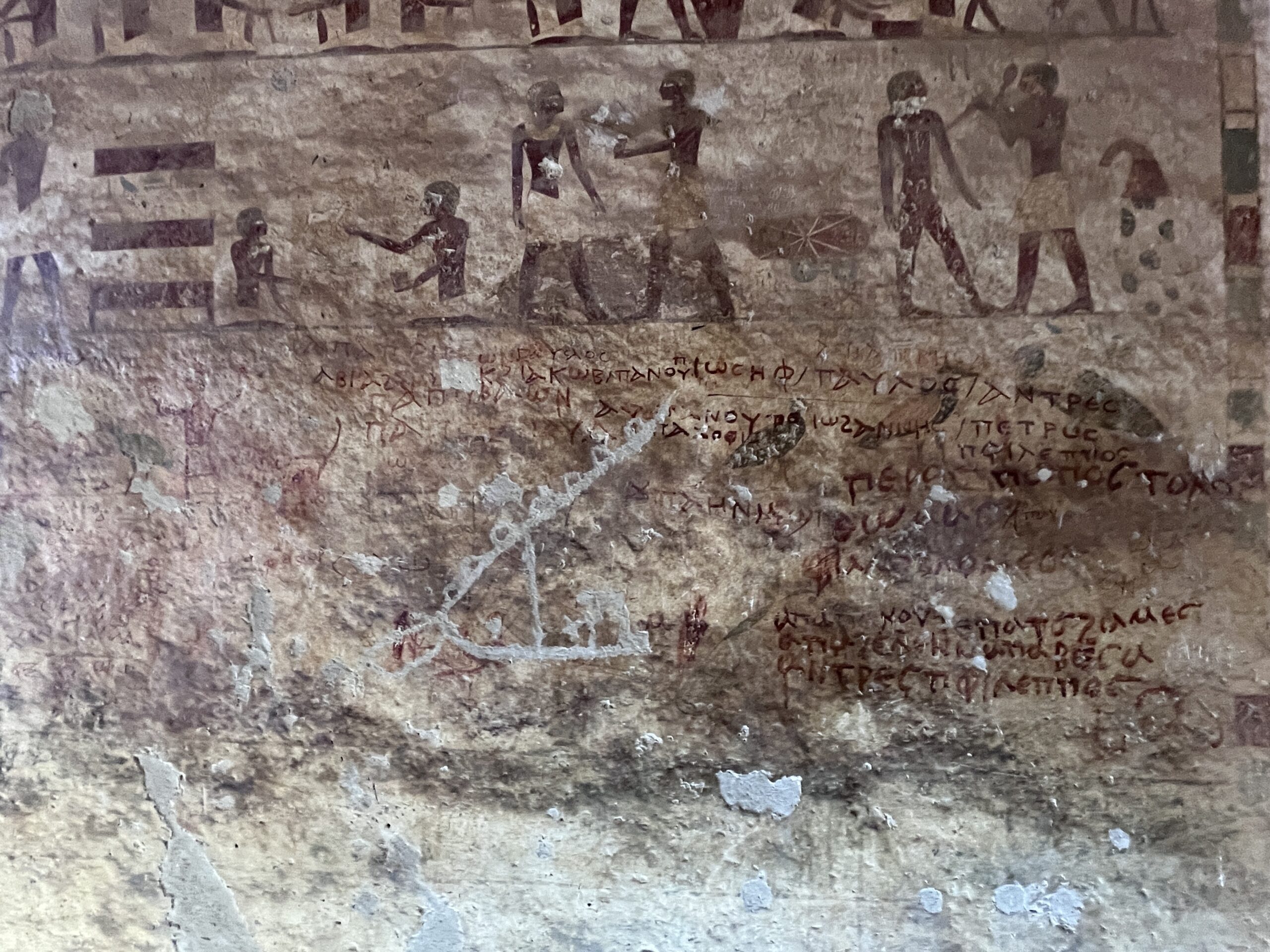
The south wall is partly unfinished and largely dedicated to funerary practices. The figure of Baqet near the center is actually his statue being hauled towards the tomb. There are more scenes of justice being delivered: men, women and children are being beaten, accompanied by captions like “put him onto the ground as I wish.” Punishments are described as “merciless beatings” or “horrible scoldings” for kids. Scenes like these were intended to remind people that defrauding the governor’s estate was a crime against both the earthly and divine orders.


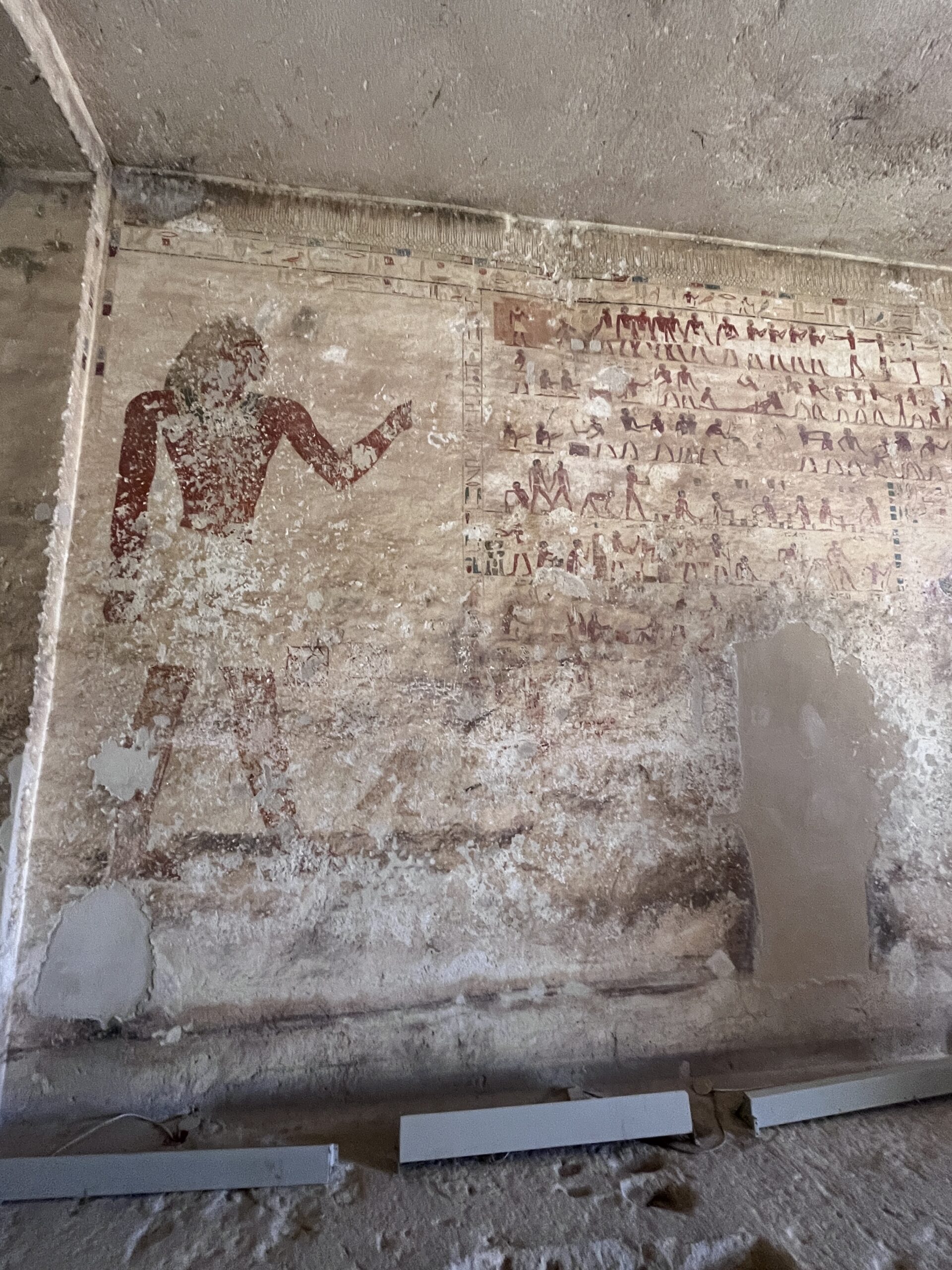

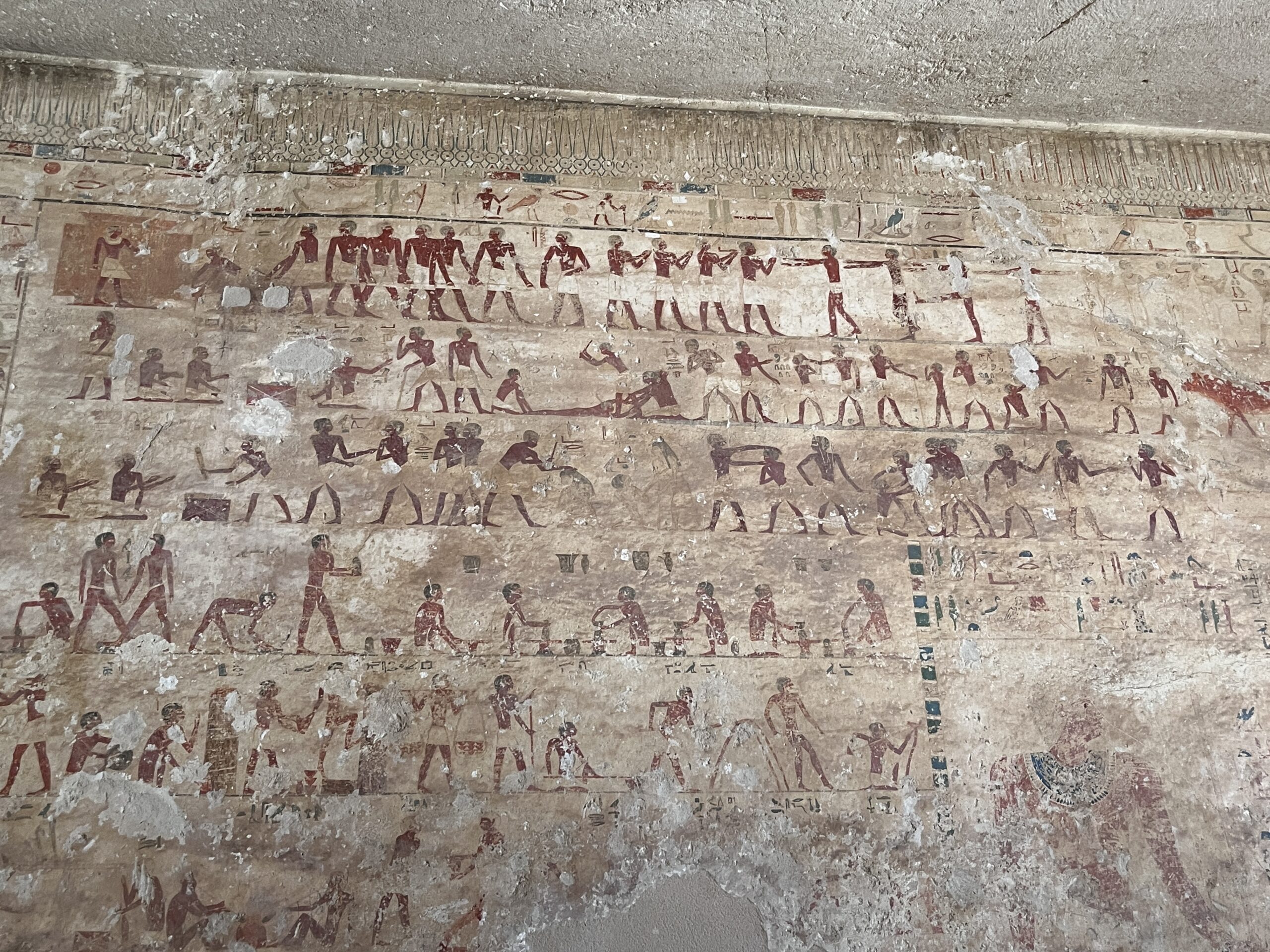
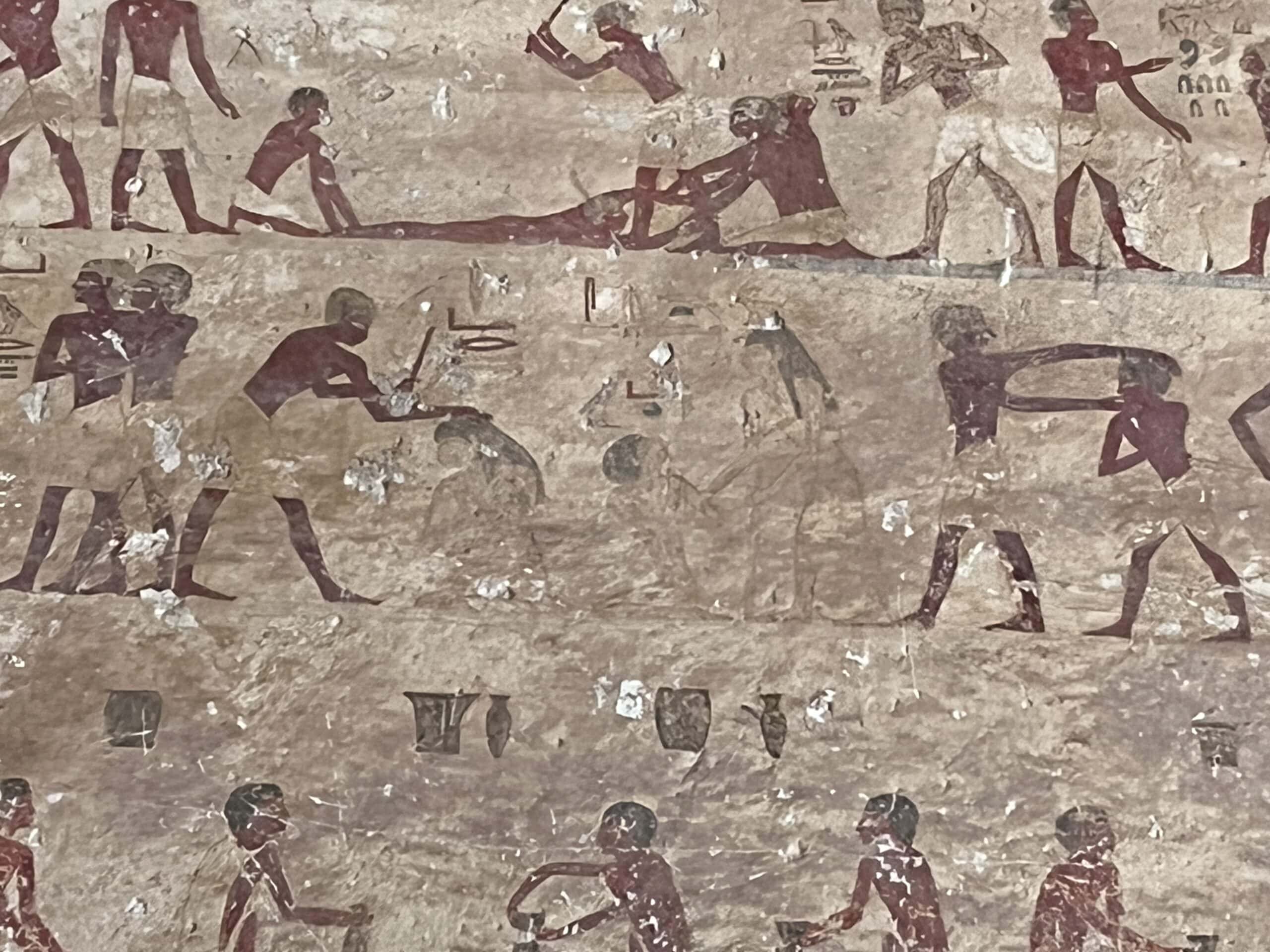


Greek and Coptic graffiti are painted on this wall. Tourists will be tourists, from the beginning of the industry…

And here we have Ali, Arthur, Duncan and Wolfram bringing ritual scenes to life.

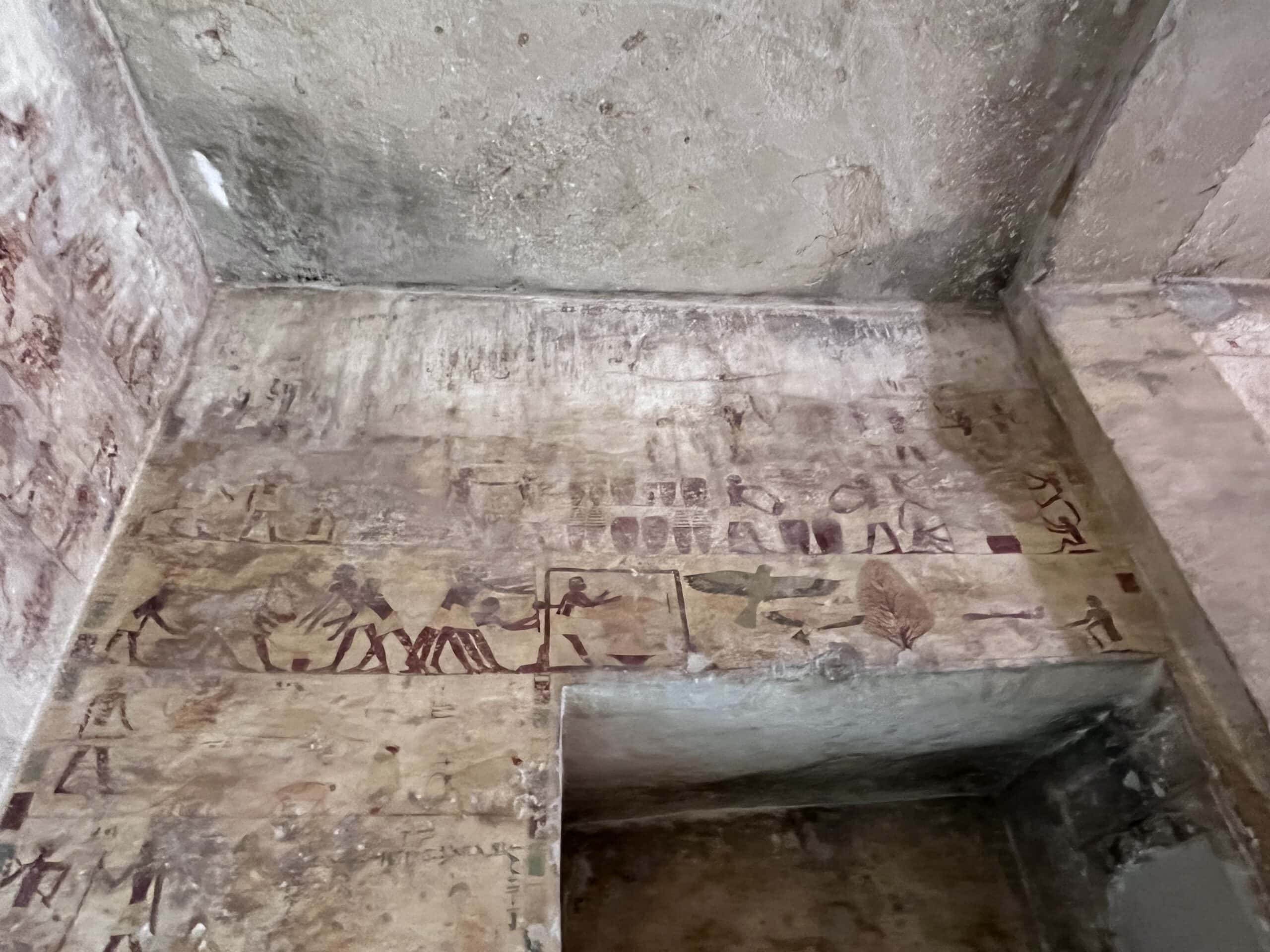
A shrine is carved into the east end of the south wall, decorated with craftspeople and beautiful representations of the natural world. Kanawati and Evans emphasize the “river and marshland” scenes, which include 29 distinct bird species and several species of mammals, providing a detailed record of the local ecosystem.




Khety (BH17)

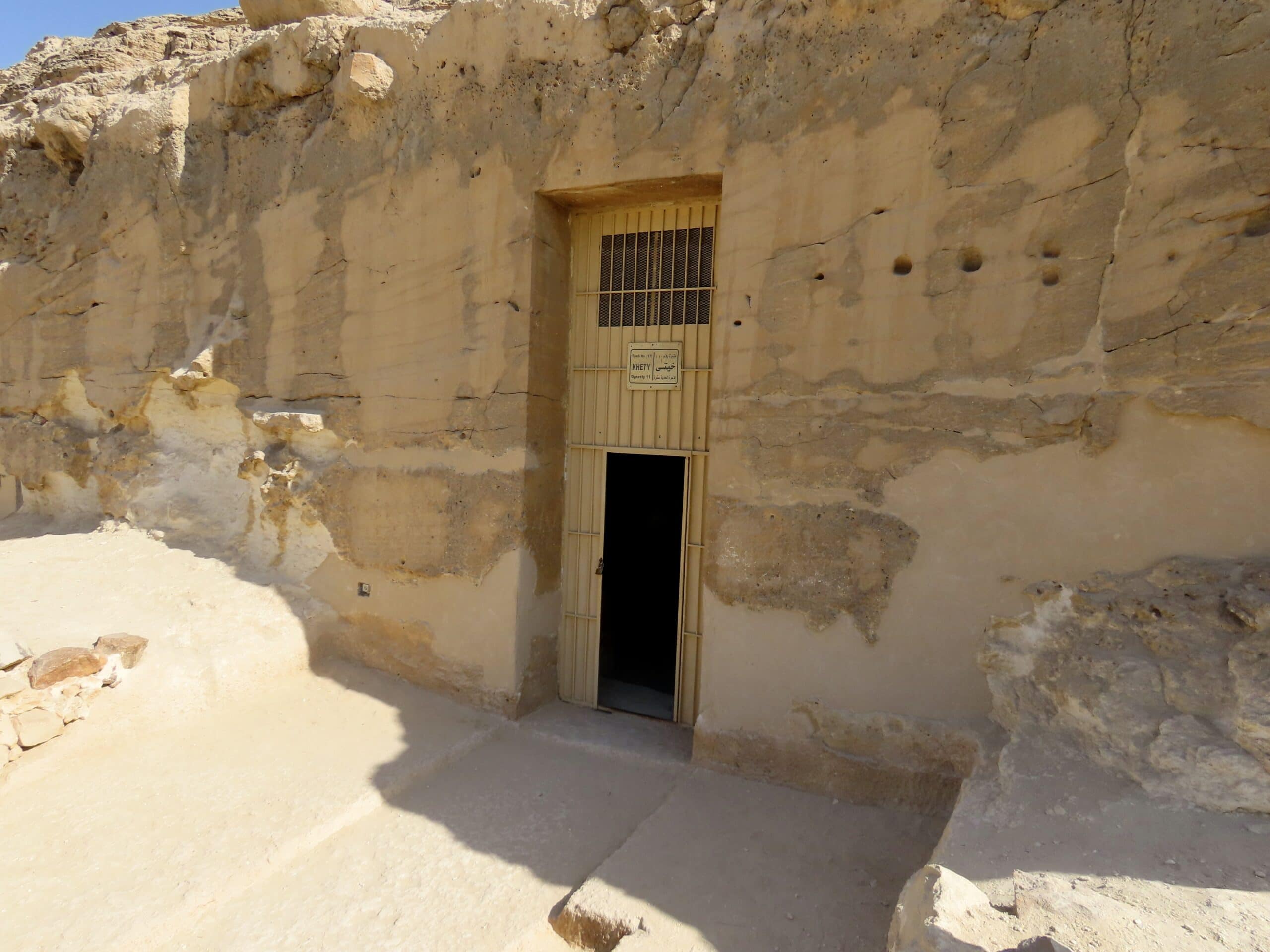

Khety, Baqet III’s son and successor, lived at the end of the 11th dynasty, when the ruling Mentuhotep family was declining in power. Khety held a new title “Overseer of Troops at all Secret Places,” and his tomb chapel also contains military scenes, suggesting that “troubled times” had returned. Unlike his father, Khety ended up on the losing side: he was the last member of the Baqet family to serve as nomarch, being replaced by a family loyal to the new regime, that of Amenemhat I.
Khety’s tomb is similar to his father’s, although somewhat smaller. It consists of a large open chapel with rock columns, burial shafts below and intricate painted scenes on all four walls. I thought these decorations were generally better preserved.


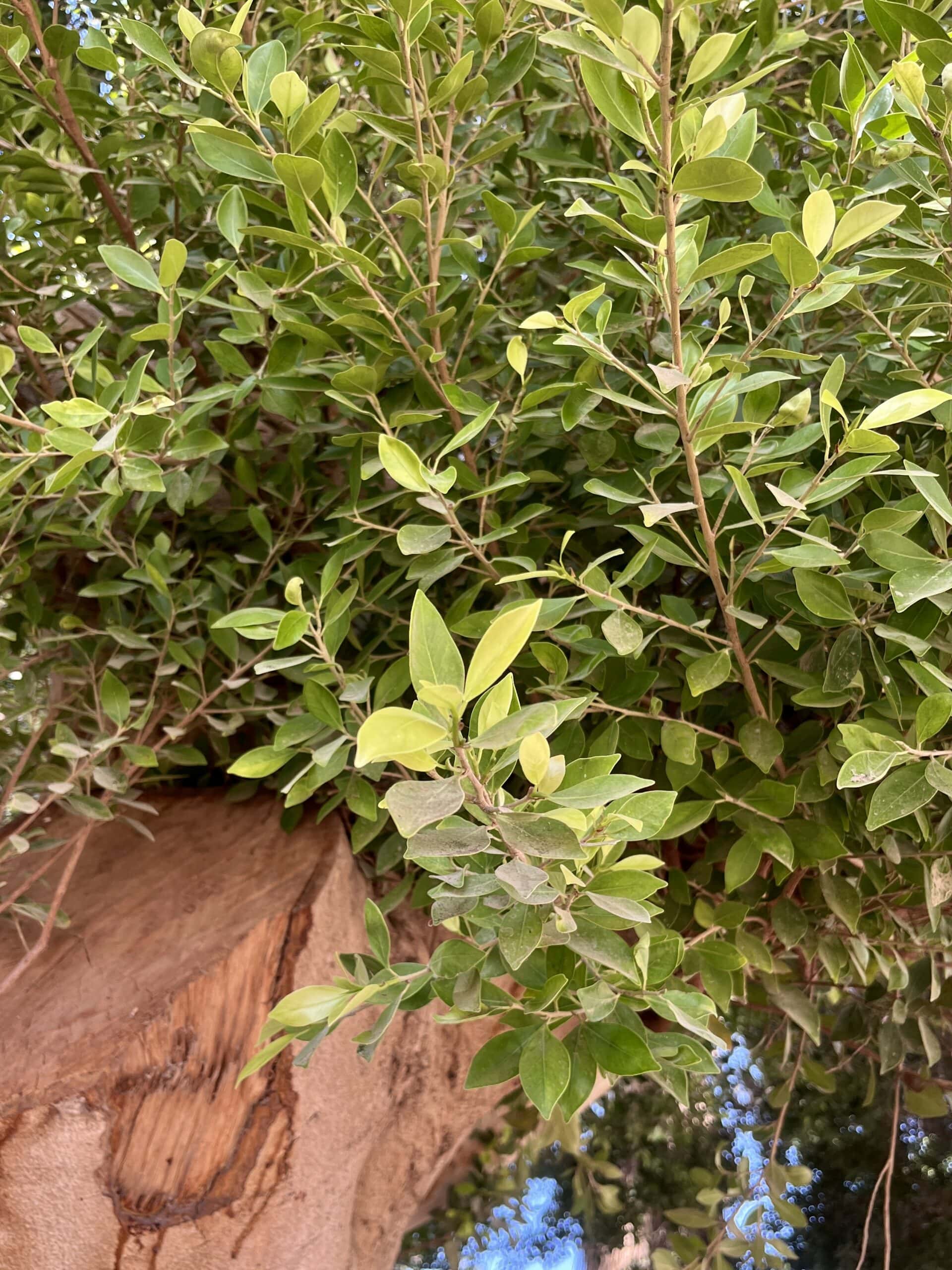
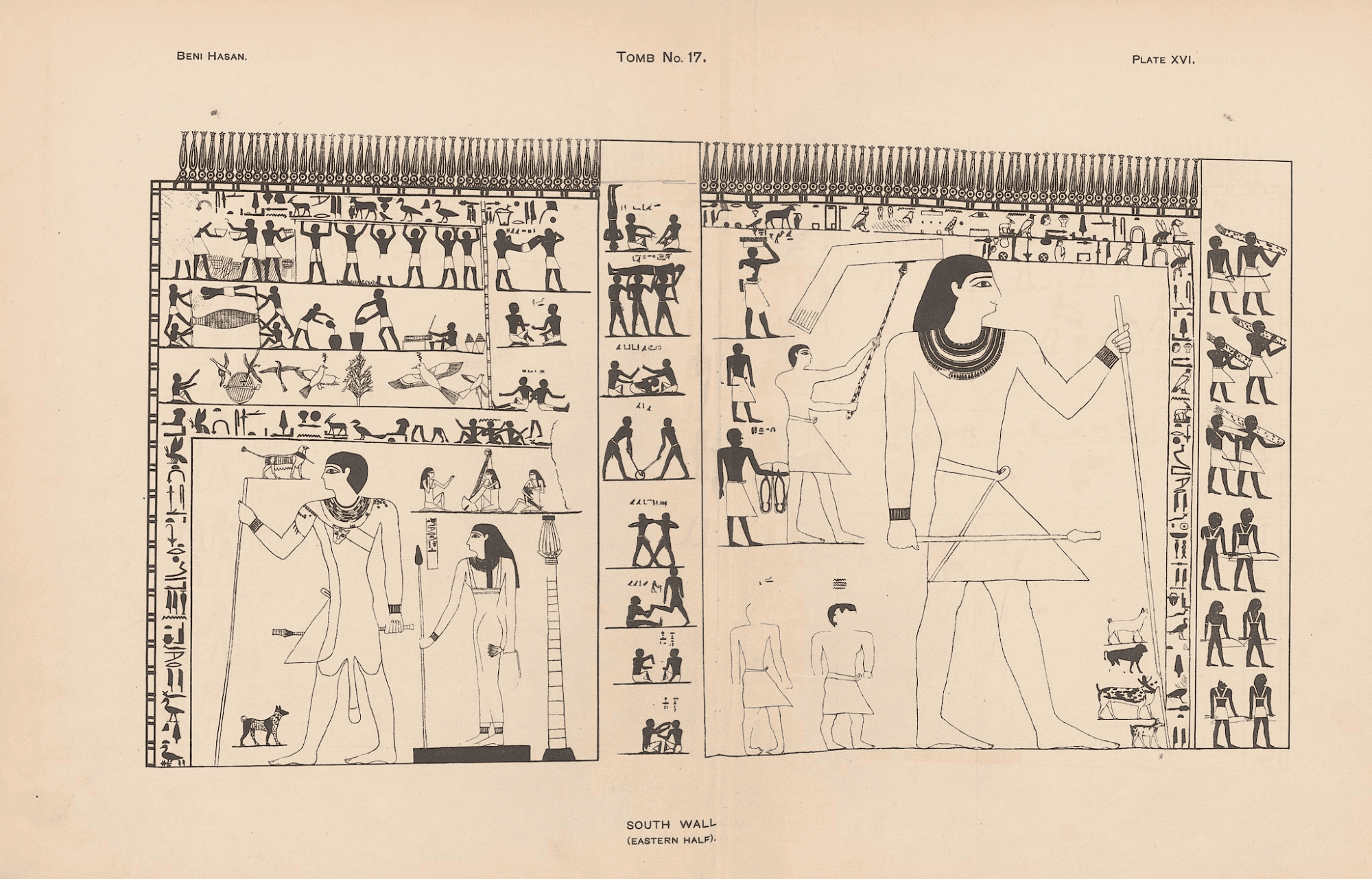
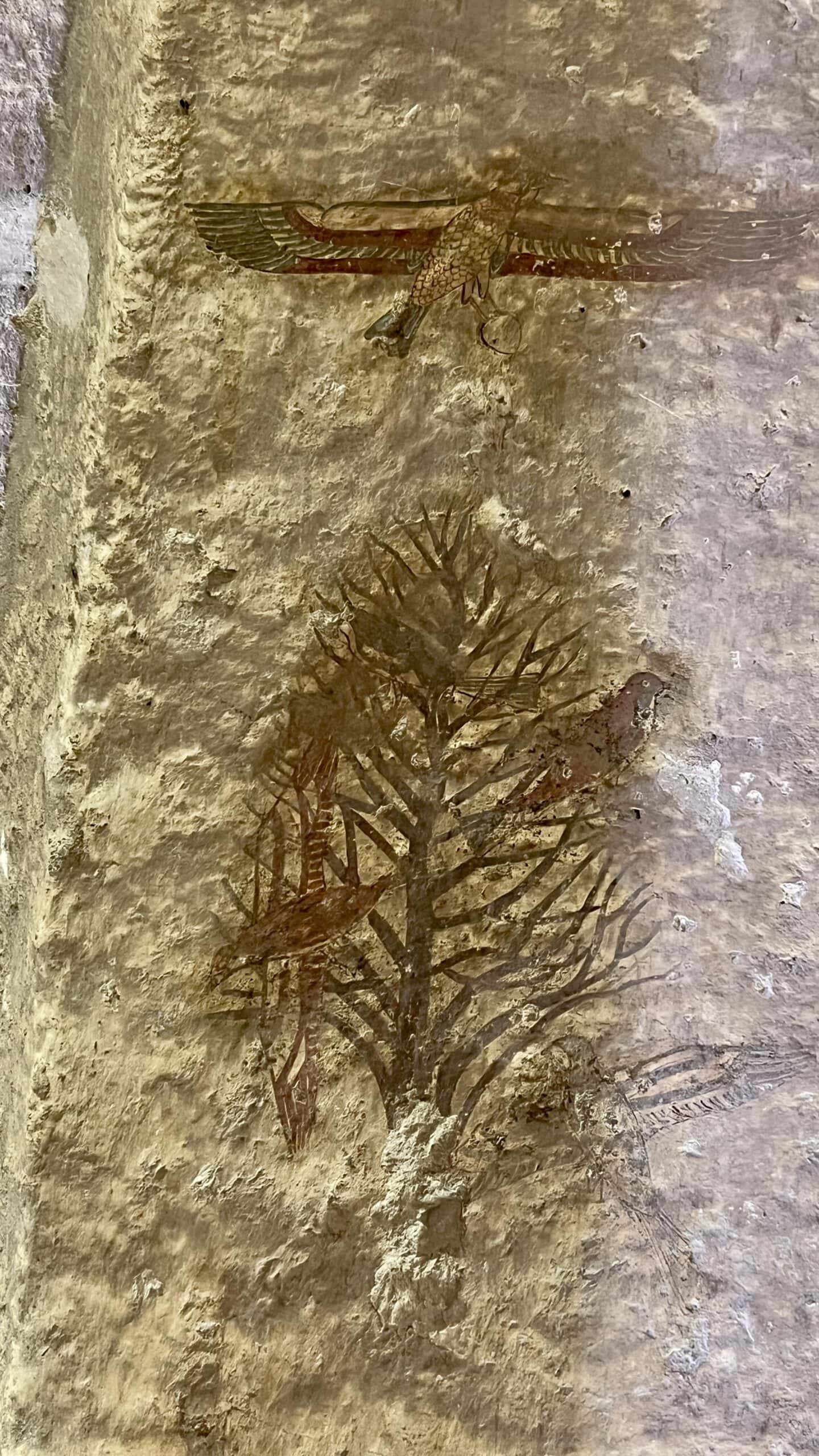
The south wall, east side depicts Khety and his wife overseeing a variety of daily activities, including winemaking, making music and playing games. There are also lovely images of birds in and around an acacia tree, a representation of the “tree of life.”




The western section of the south wall has familiar funerary scenes: Khety seated before a table overflowing with food, with processions of offering bearers, people leading cattle and donkeys, and acrobatic games.

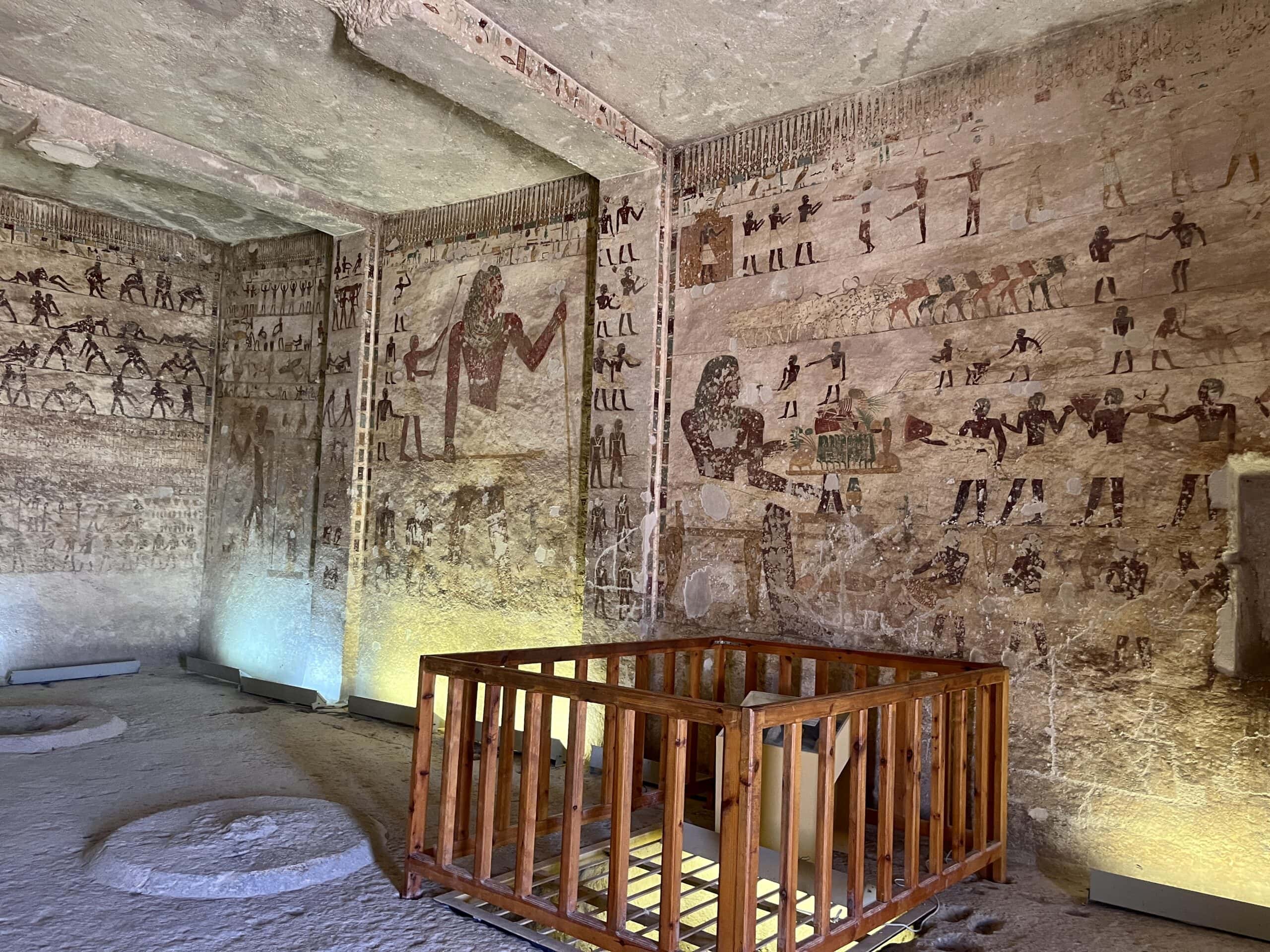


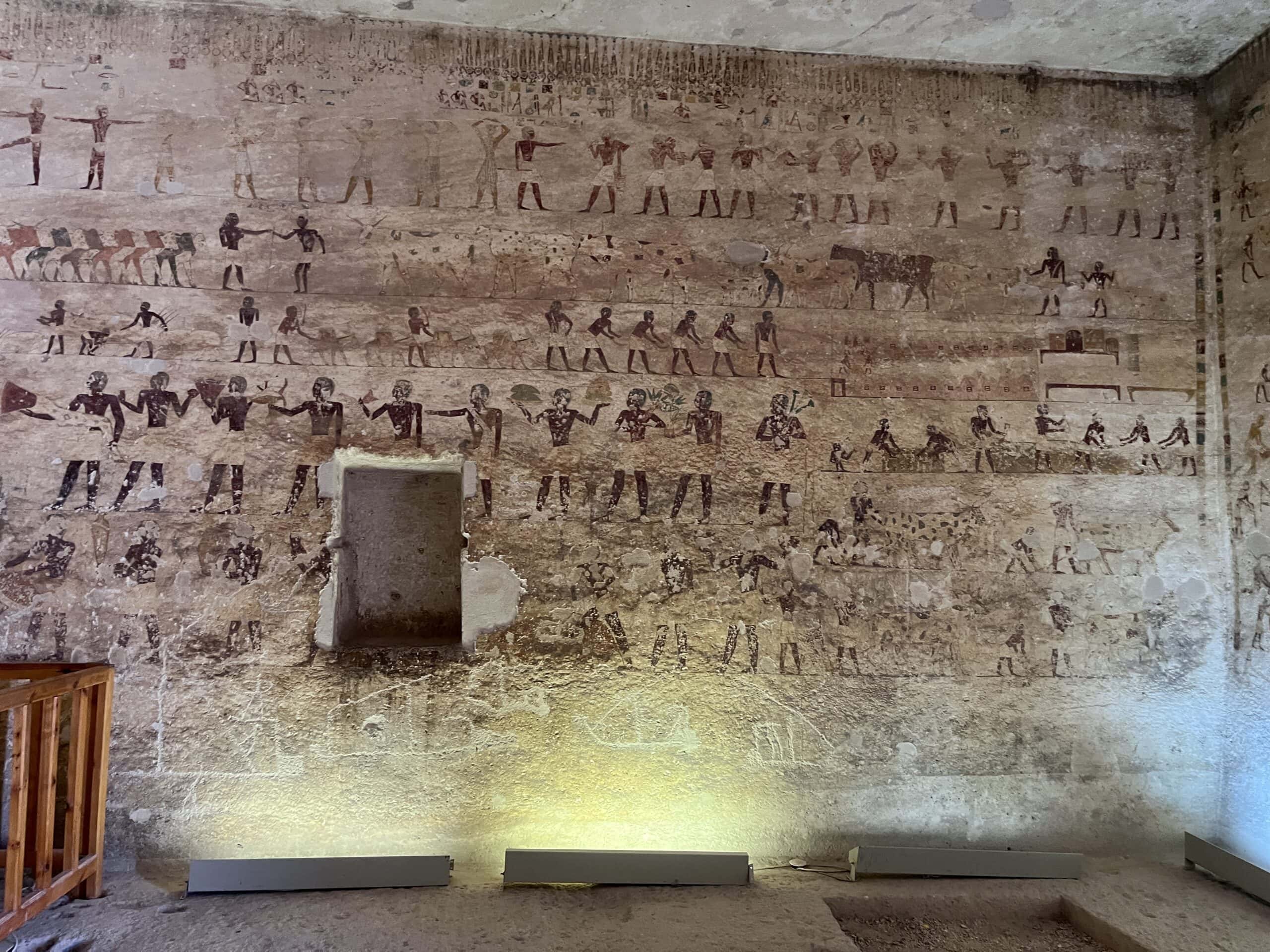

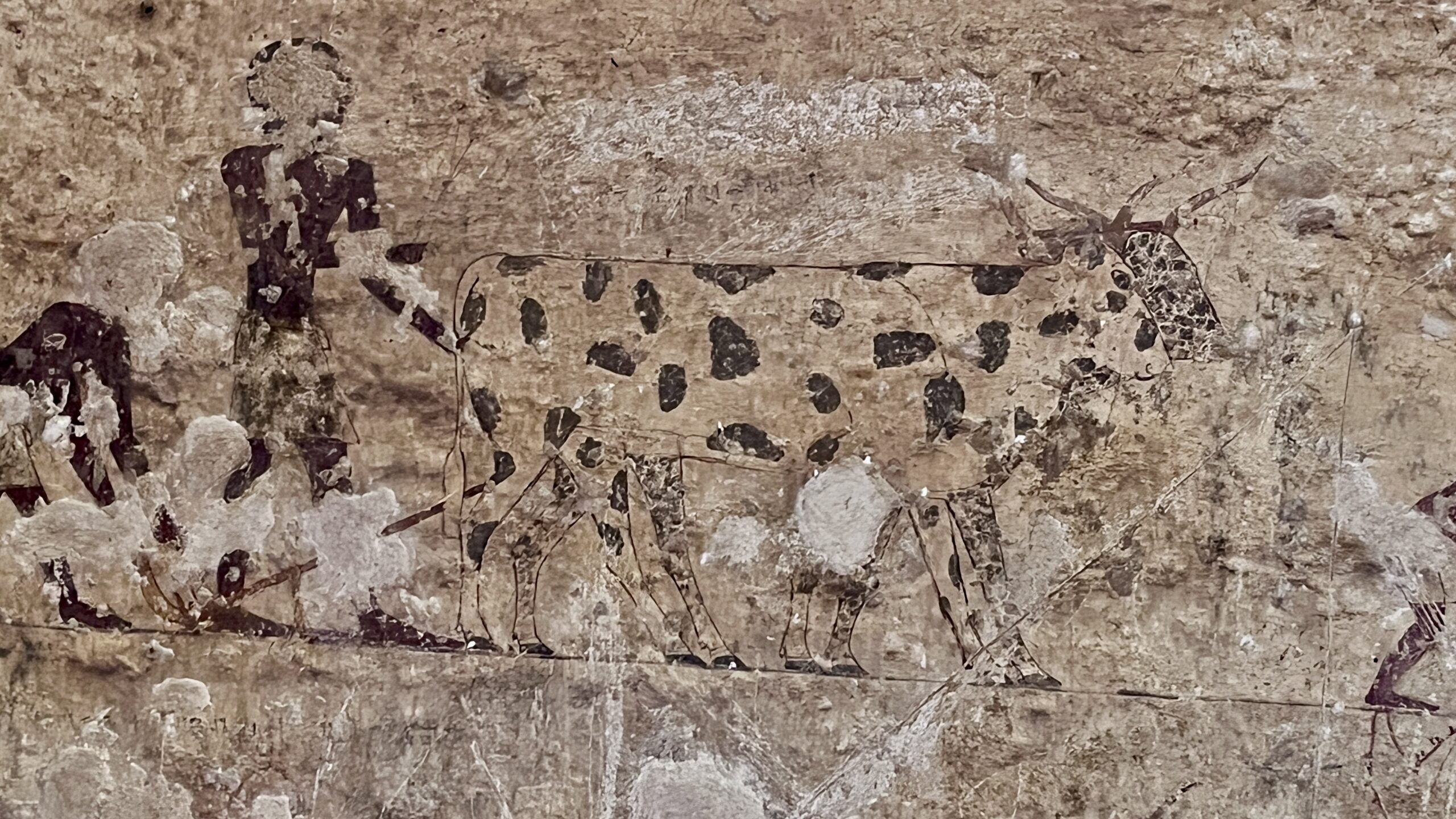


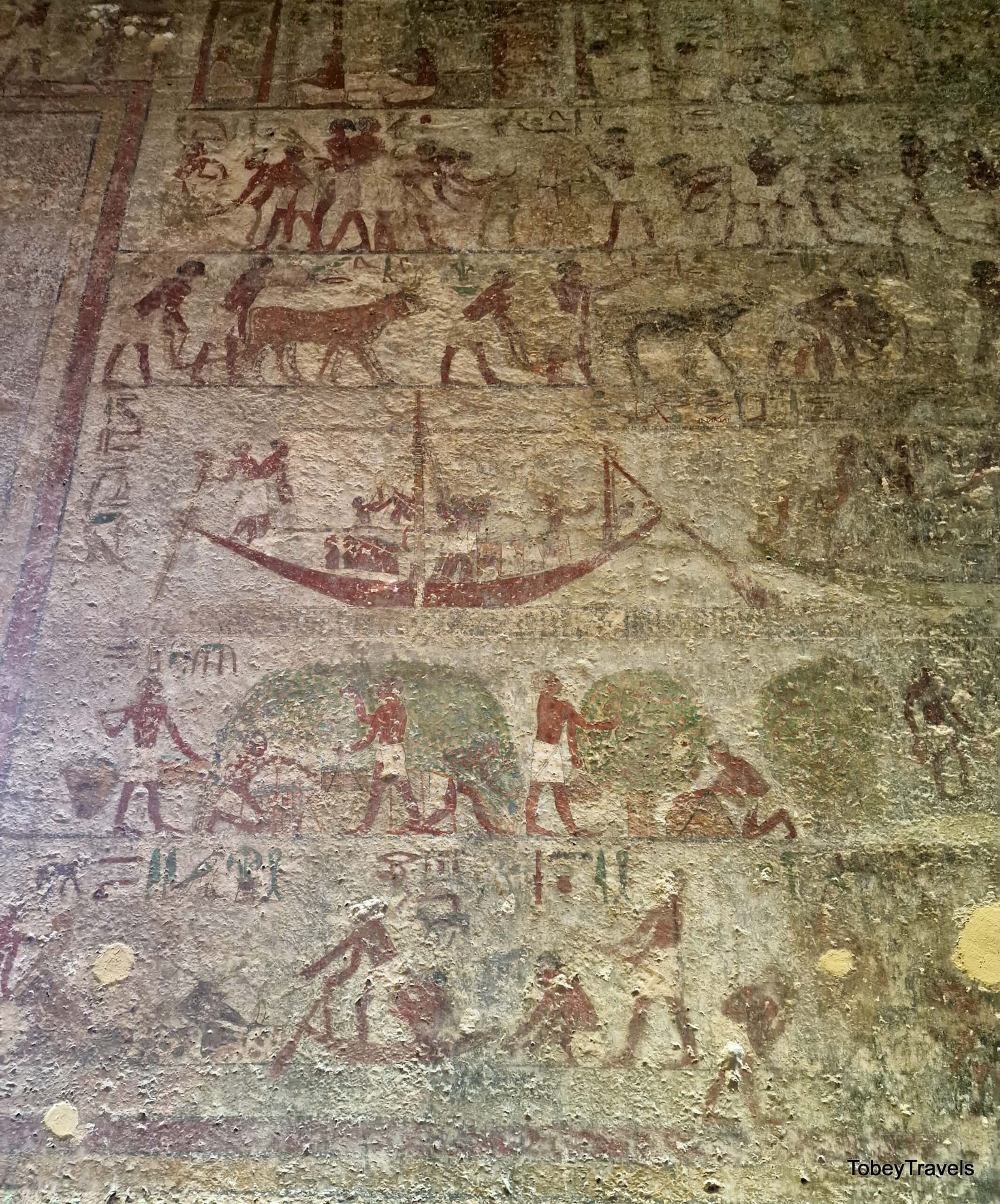
The west wall, south side includes a false door (providing passage from the afterlife to the living world) and features a bull fight, cattle breeding and people mucking about in various kinds of boats (probably including the all-important pilgrimage to Abydos).


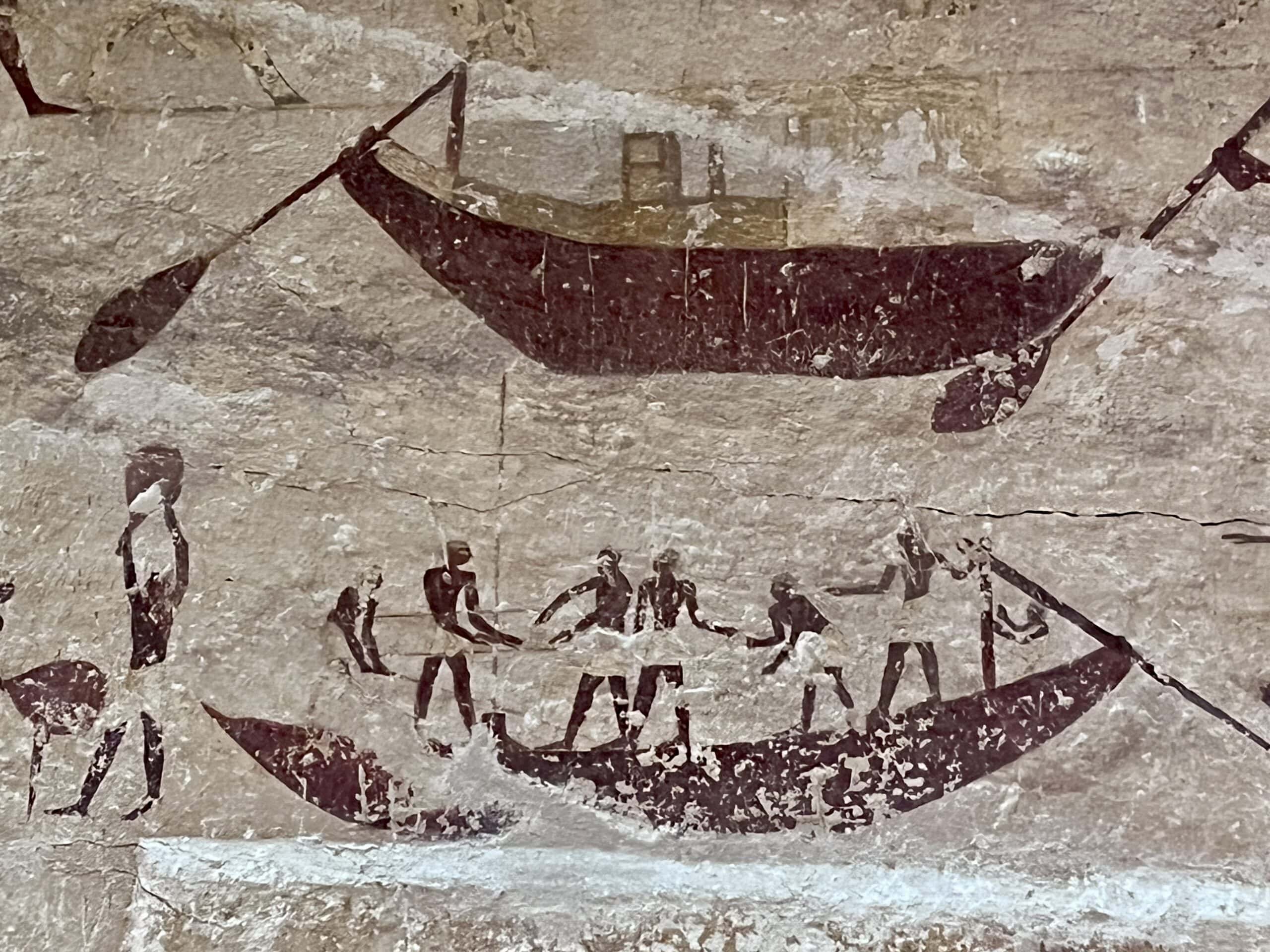
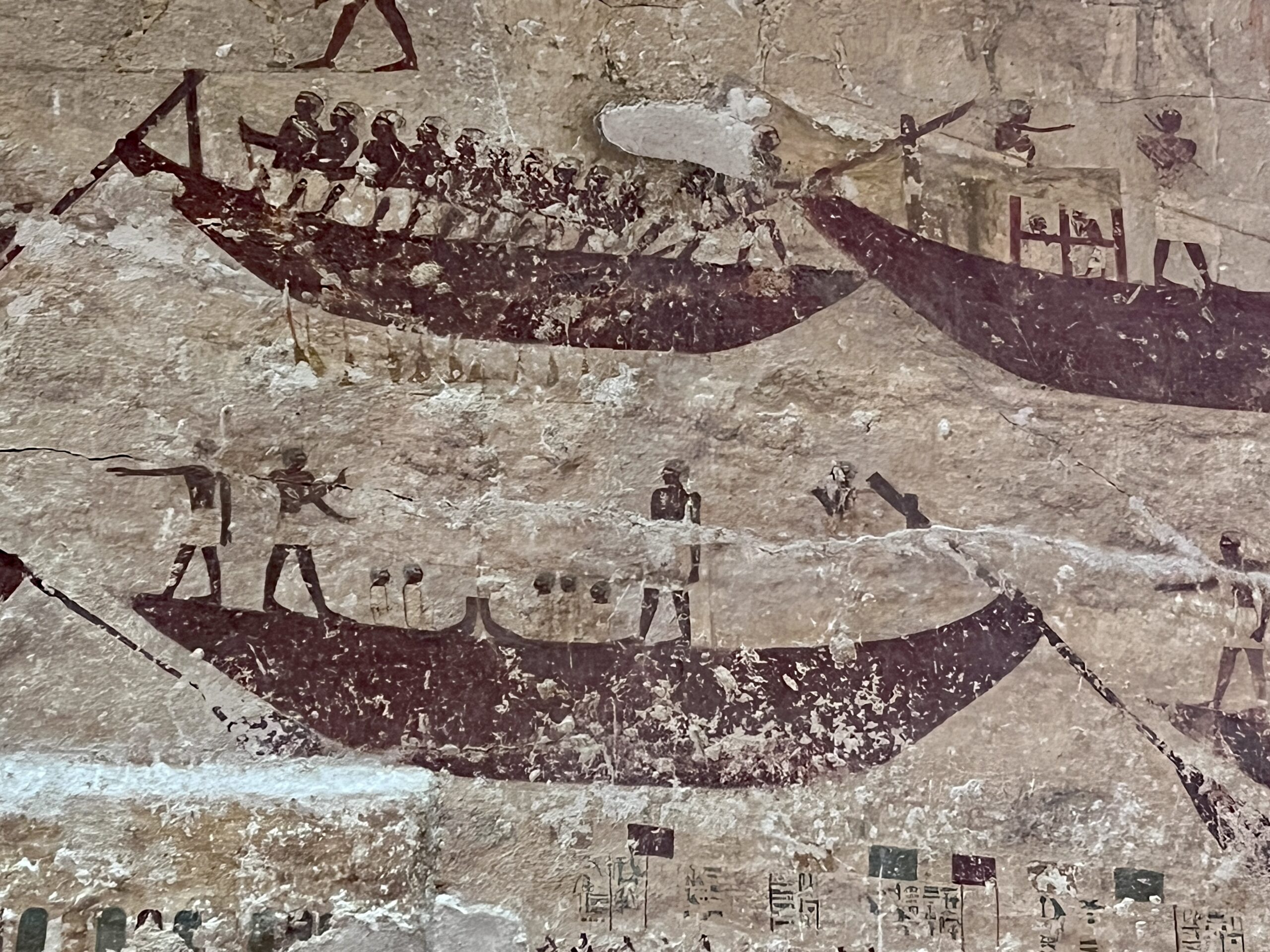
The northern section of the west wall shows Khety fishing among some lovely scenes set in the Nile’s marshlands. Papyrus and stands of reeds tower above people’s heads, with hippos lurking nearby.


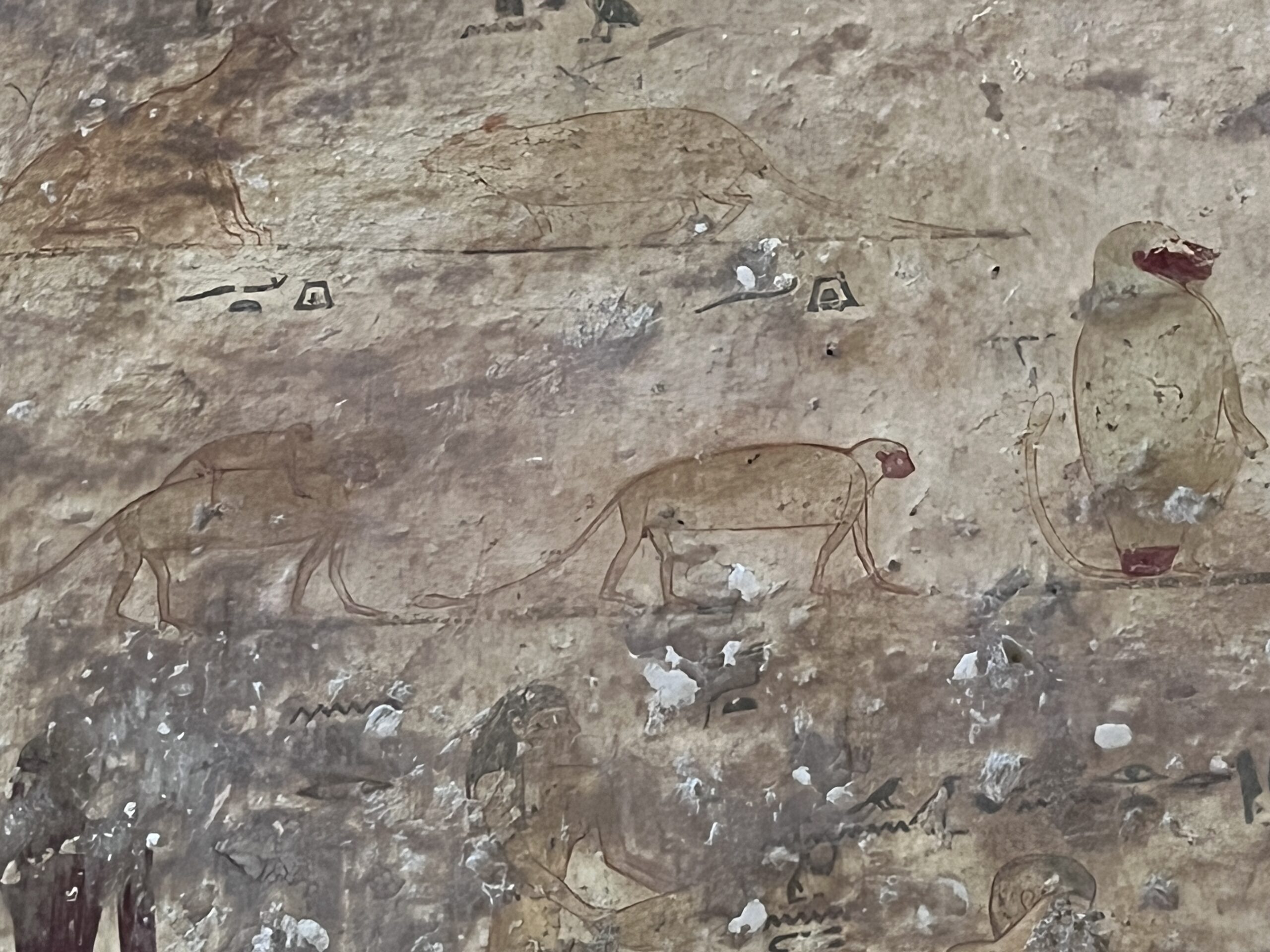
The north wall, west side is perhaps the most interesting due to the variety of scenes: crafts, desert animals, a line of girls playing with balls and a strange mythical creature (DeGaris watercolor image).

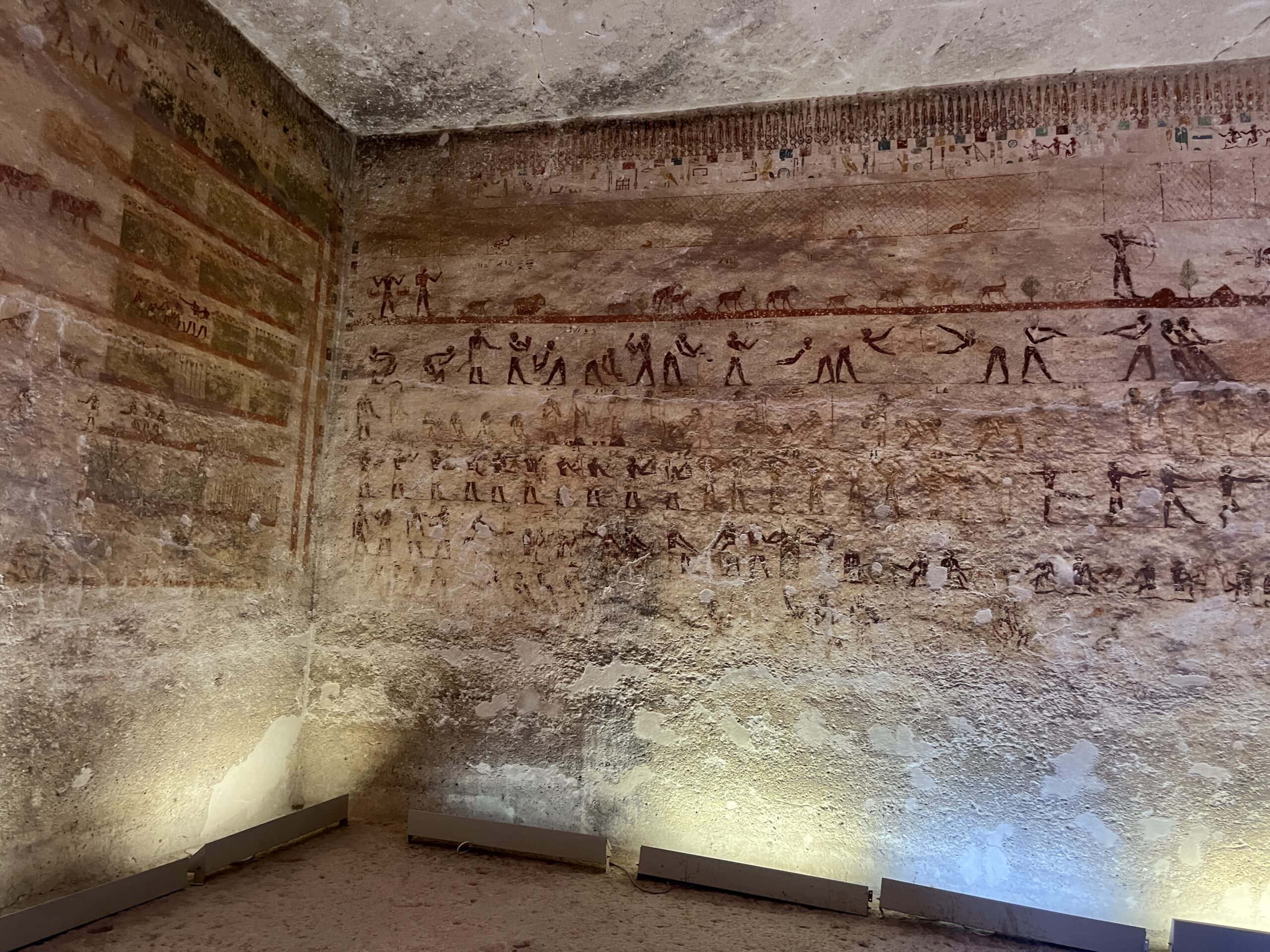


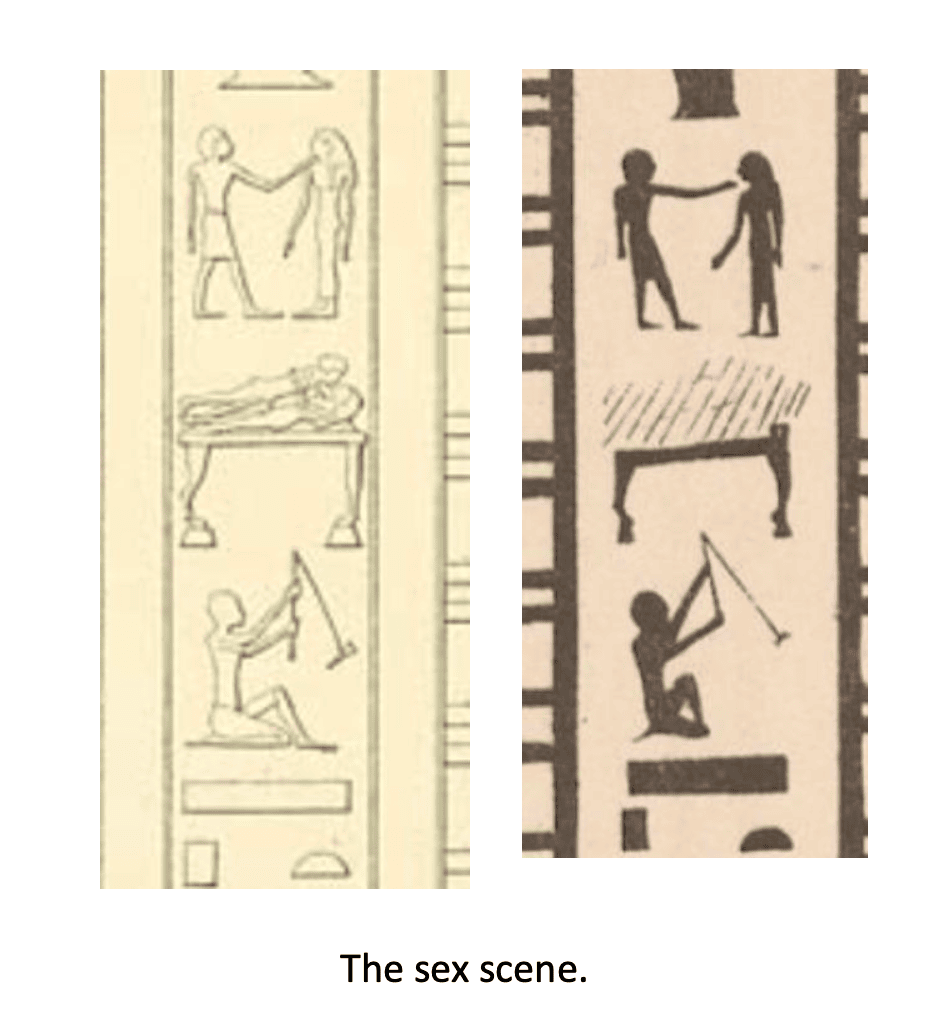
The eastern portion of the north wall contains scenes of crafts (including goldsmiths) and daily life. It is most notable for a bit of porn: on the wall column there’s a scene of a couple having sex, carefully excised in the Victorian age recording of this tomb.


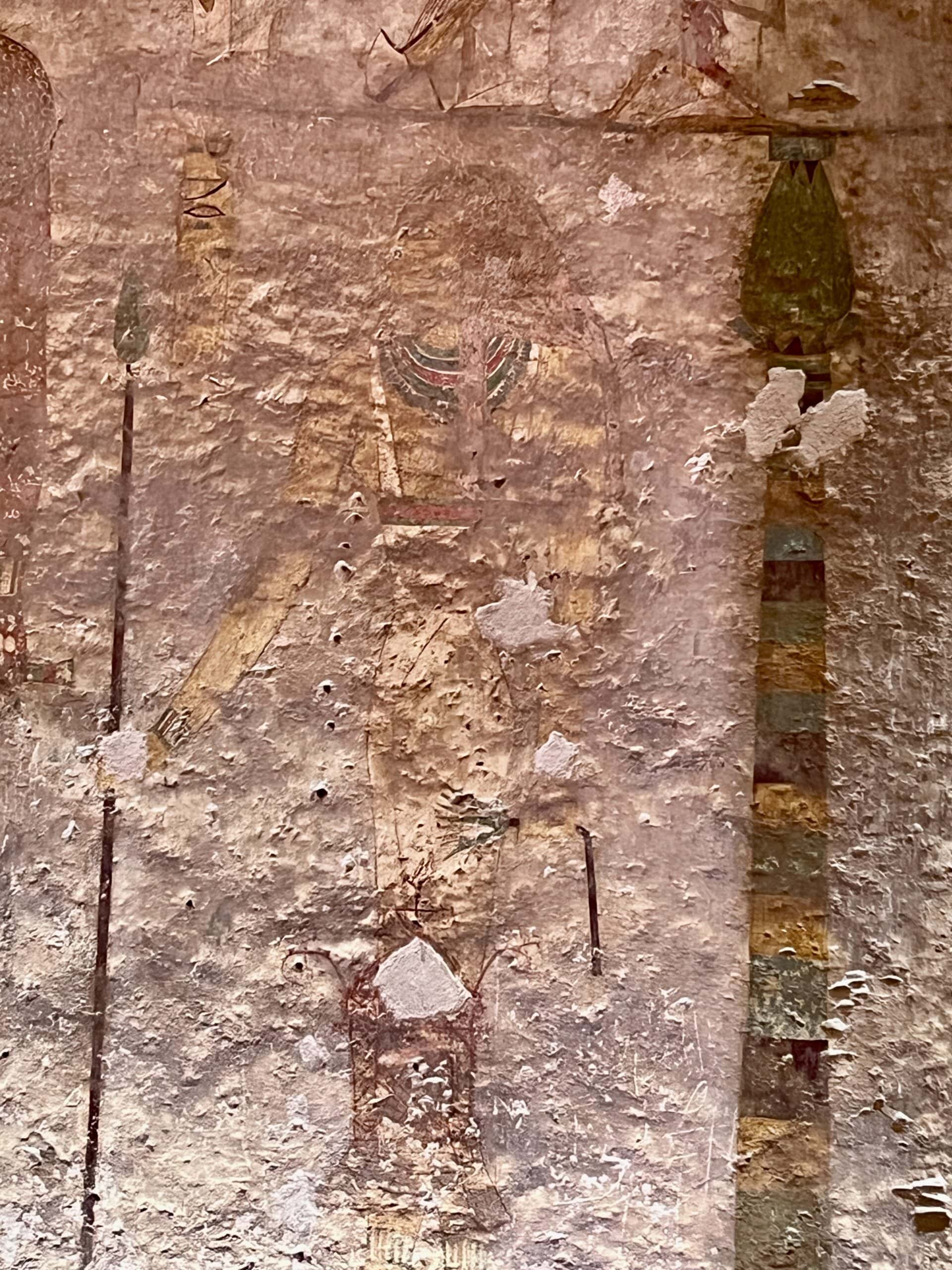


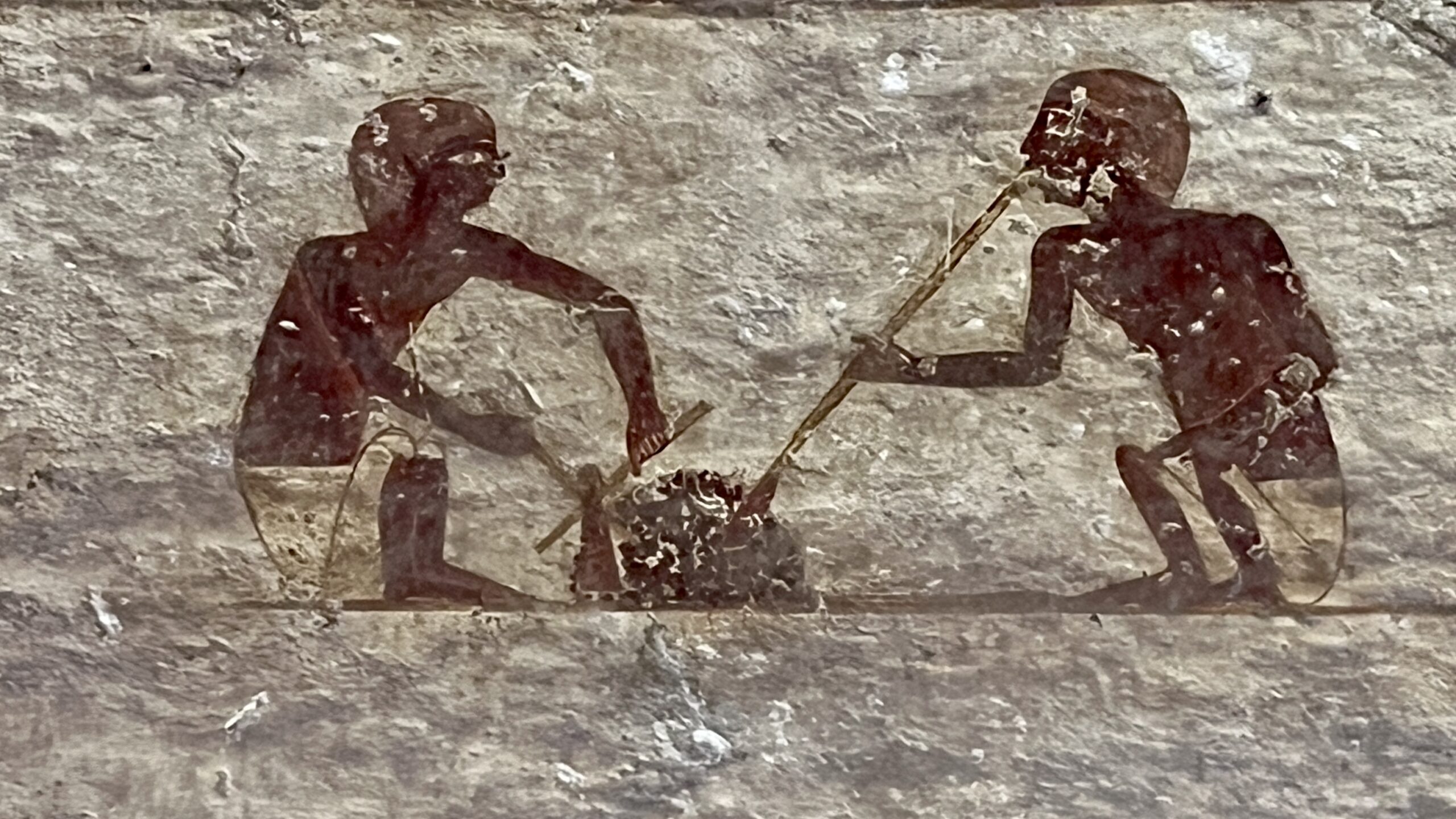

The east wall contains military scenes similar to Baqet III. There are men demonstrating wrestling holds in the upper registers, with troops and a military engagement in the lower registers. The battle scene mirrors Baqet’s but is not identical: a fortified town is under attack by archers and infantry men carrying shields, spears, and battle-axes. Note the pile of corpses in the lowest register.



The Khnumhotep Family, Dynasty 12
The Baqet family’s fortunes were tied to the Mentuhotep lineage. Mentuhotep II ruled for 51 years, bringing a period of relative stability to the country in the latter part of his reign. But his two successors were short-lived (logging a total of only 19 years) and the 11th dynasty ended in that worst-of-all-possible-Egyptian-worlds: chaos.
Mentuhotep IV either did not have an heir, or the throne was usurped by his most powerful vizier, Ameny, who took the throne as Amenemhat I. Ameny did not have royal lineage; his family may have been governors of the Elephantine (Aswan) nome in the far south. As Amenemhat I, he moved quickly to install his own loyalists in positions of power all across the country.
At Beni Hasan, the Baqet family was replaced by the Khnumhoteps, who governed the province for about 100 years. This family did very well under the Amenemhat/Senusret lineage, expanding their provincial power base into the capital by mid-dynasty. When Senusret III eliminated hereditary governships, centralizing authority in three viziers (c. 1860 BCE), the family was well positioned, with a 5th generation Khnumhotep already serving in that role.
Khnumhotep I (Tomb BH14) was appointed as “Great Overlord of the Oryx Nome” as a reward for his loyalty and military service. (Note that “military service” at this time included both expeditions of conquest/defense, as well as expeditions into the desert to extract resources. Military commanders and their troops did both.) Khnumhotep I held royal court titles (including “Royal Sealer and Sole Friend”) and ruled c. 1992–1956 BCE. He had a daughter, Baqet, and a son, Nakht, who succeeded him.
Nakht I (BH21) held office from the last years of Amenemhat I into the early years of his successor, Senusret I. Nakht’s tomb was almost completely unfinished (only one wall was partially decorated) so there is little information about his life.
Senusret I appointed a close ally, Amenemhat (BH2), to replace Nakht as governor with the same “Great Overlord of the Oryx Nome” tile. Amenemhat does not appear to be a member of the Khnumhotep family.
Around the same time that Amenemhat stepped into the governor role, Netjernakht (BH23) was appointed “Overseer of the Eastern Desert.” His relationship to the family is unclear (and the succession sequence is somewhat disputed). But the two men played different roles: Amenemhat (the governor) was responsible for the prosperity and security of the Oryx nome, centered around the Nile River. Netjernakht was responsible to manage mining and trade in regions east of the nome, among those important “wadi highways” leading to the Red Sea, the Sinai and beyond.
Amenemhat (BH2) – The Interloper
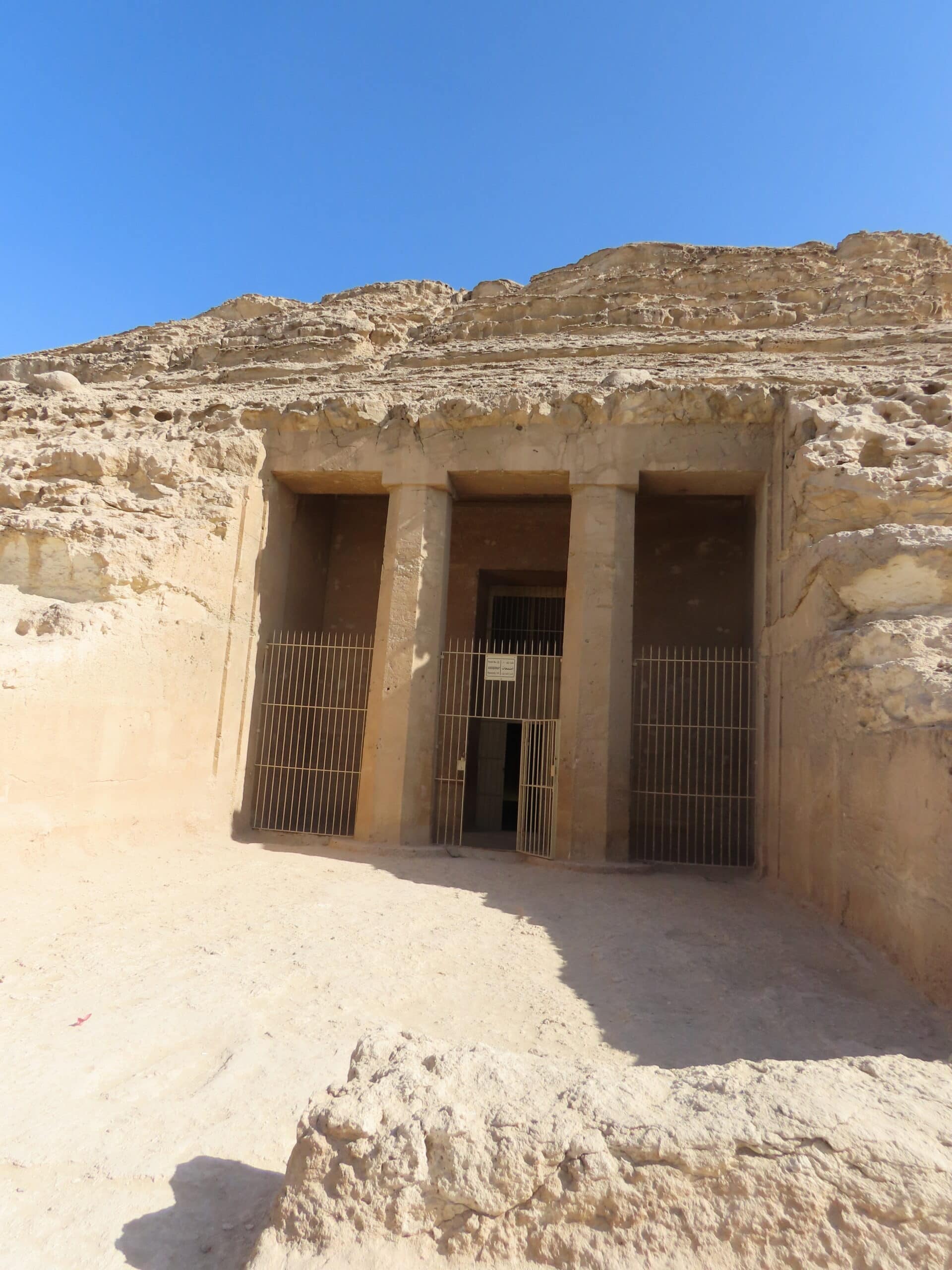

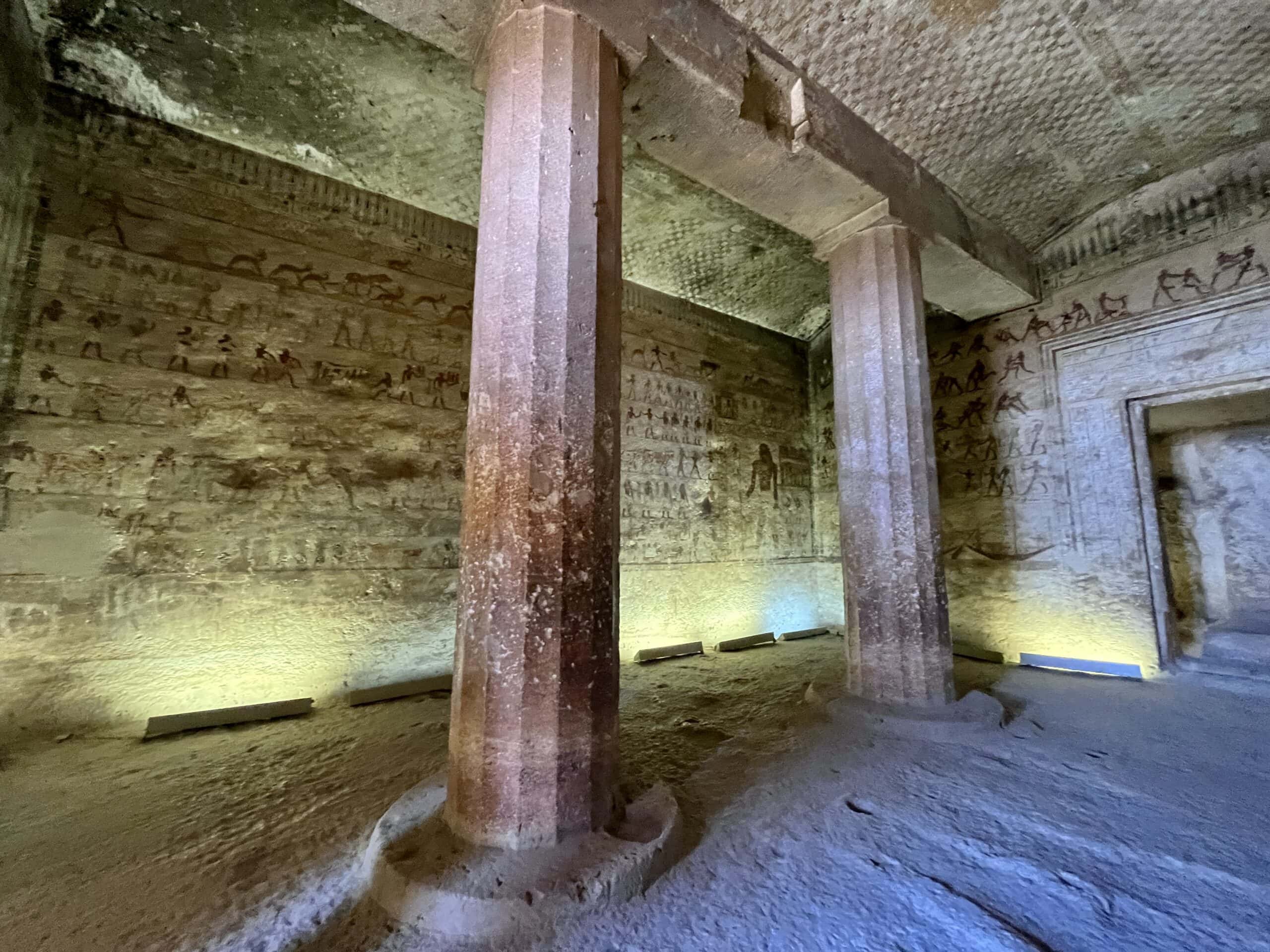
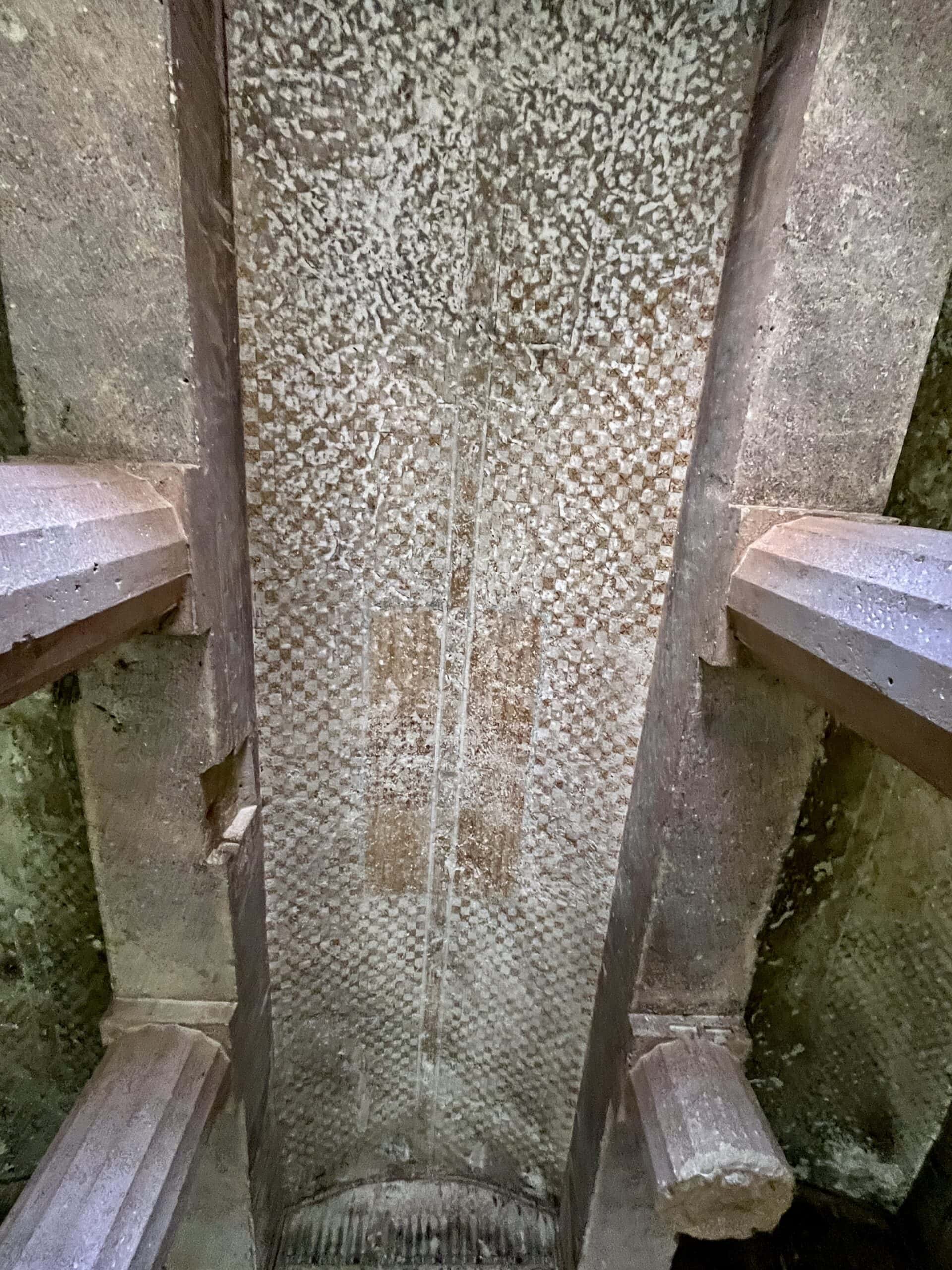
Amenemhat’s tomb is architecturally grander than those from the 11th dynasty, with a two column portico entry, a beamed and painted ceiling and four fluted (16 sided) pillars inside. There was also a causeway extending down the slope to the cultivated lands below.



Amenemhat left an autobiography on the exterior door frame to his chapel, so we know quite a bit about his life. Senusret I appointed him to the position of “Great Overlord of the Oryx Nome” in year 18 of his reign ((c. 1953 BCE). Amenemhat held this position for 25 years (c. 1928 BCE), dying about two years before Senusret 1’s death. In addition to titles indicating that he was part of the royal circle and a close confidante to the ruler, he held a priestly overseer title for the cult of Khnum/Thoth in the neighboring 15th nome (Tuna el-Gebel today). His wife, Hetepet, was a noblewoman (possibly the daughter of another nome governor). Their son, Khnumhotep, is shown in the tomb but nothing further is known about him and he did not inherit his father’s titles.
As governor, Amenemhat’s principal duty was to avoid chaos and uphold Ma’at, a concept encompassing balance, stability, justice, truth, and righteous living. IN his biography, he describes himself as a righteous ruler (William Kelly Simpson translation):
“I am a possessor of grace, enduring of love, a ruler whom his city loves, having spent years as ruler of the Oryx Nome…I worked the entire Oryx Nome with enduring zeal.
There was no daughter of a citizen whom I violated.
There was no widow whom I forced.
There was no farmer whom I punished.
There was no shepherd whom I confined.
There was no overseer of a gang of five whose men I took away for labor.
There was no one poor in my vicinity.
There was no one hungry in my time.
Now years of hunger came to pass. I ploughed all the fields of the Oryx Nome up to its southern and northern border, nourishing its inhabitants, acquiring its food. There was no hungry person in it. I gave to the widow just as to the one who had a husband. I did not distinguish between great and small in everything which I gave. Then high Niles came to pass, having barley and emmer [wheat] and having everything, and I did not exact the arrears for the land taxes.”
(Can we resurrect Amenemhat and make him President?)
Little of this inscription is legible today.

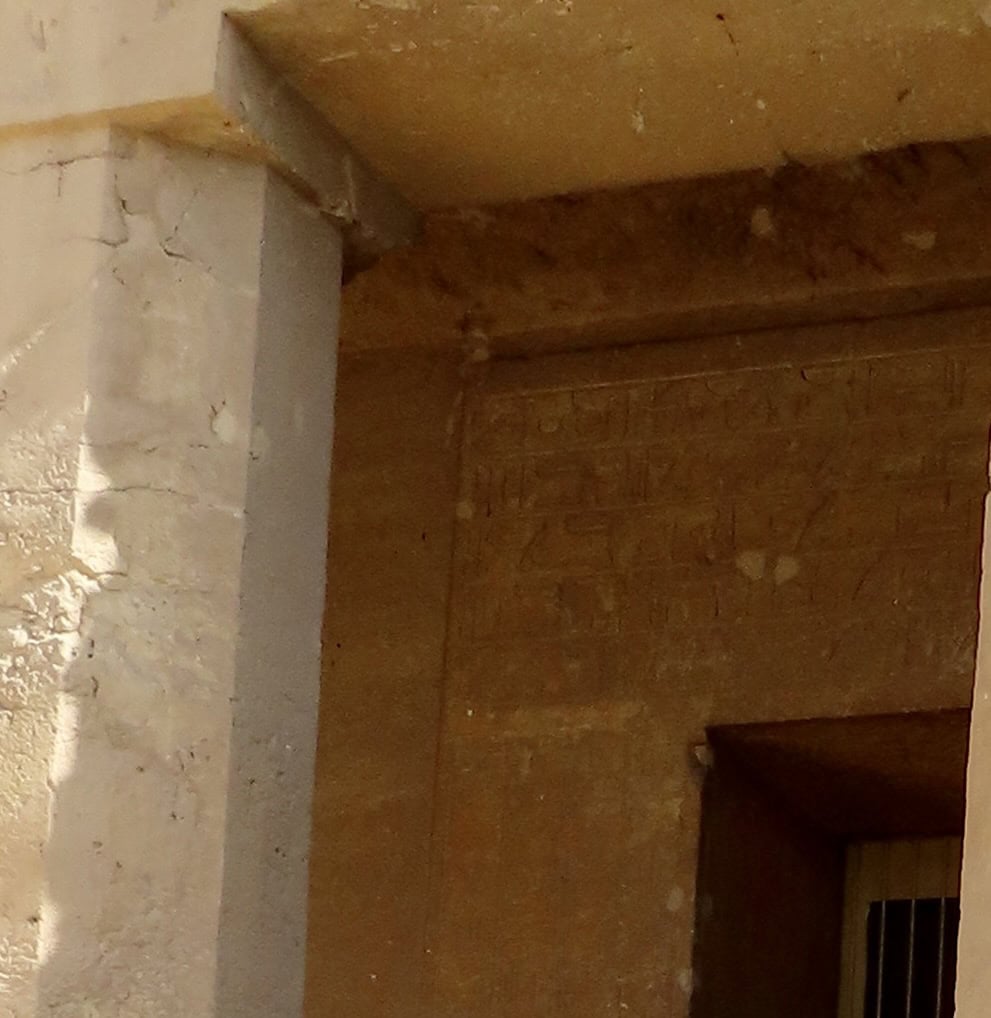

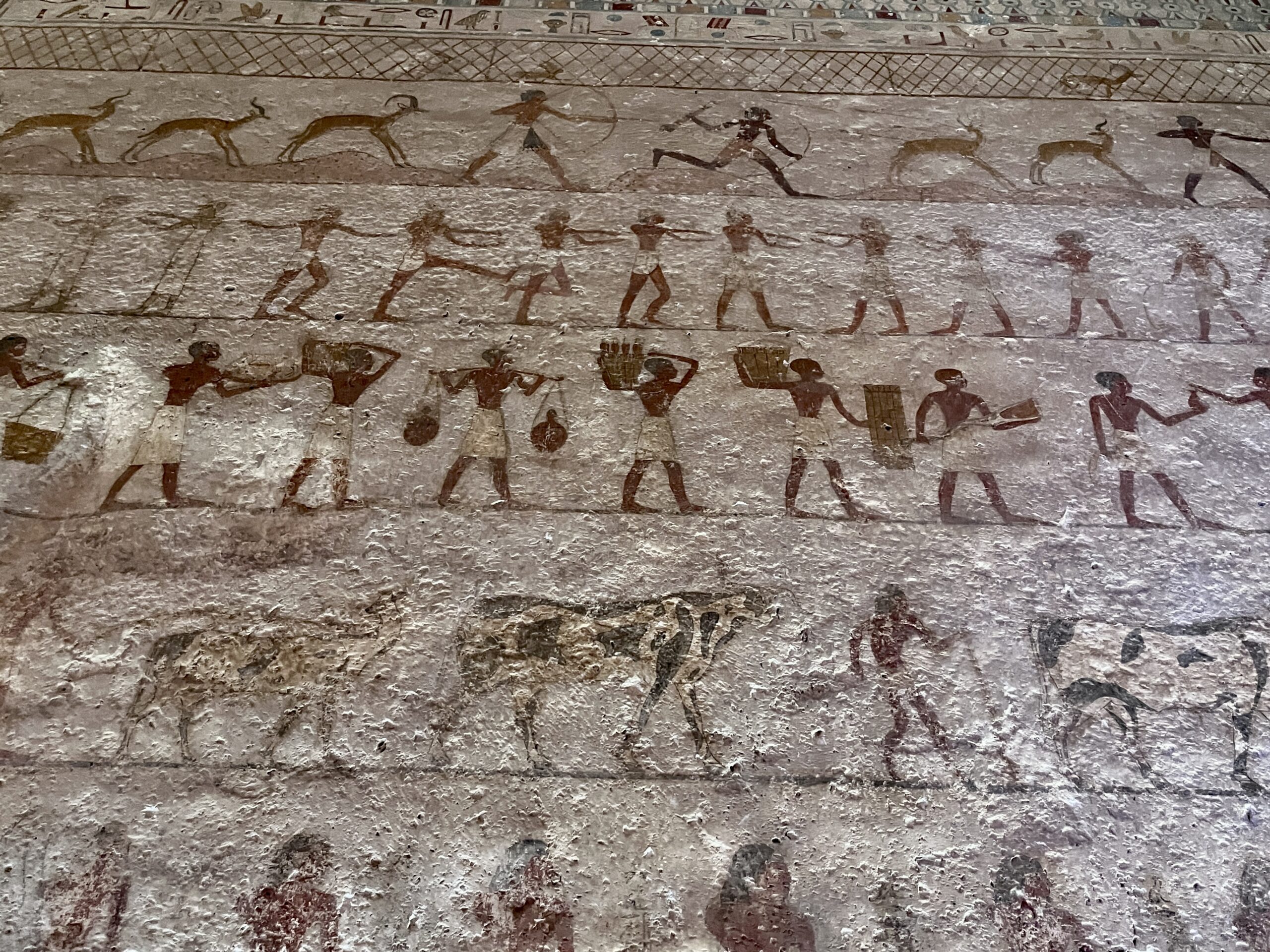
The decorative program inside Amenemhat’s tomb is similar to Baqet III’s and Khety’s. On the north wall, Amenemhat stands with his deputies and officials (many of whom are named) behind him, overseeing various activities on the lands he governed. The top registers record his domination over the desert, with hunting scenes and a variety of desert wildlife (always my favorite). Immediately below are dancers and acrobats, followed by people bringing cattle and agricultural products. Scribes sit in front of Amenemhat recording everything, including miscreant being punished. In the bottom left there is a scene showing a granary in operation, with people carrying baskets of grain up the stairs to dump them in the storage area while a scribe records volumes.


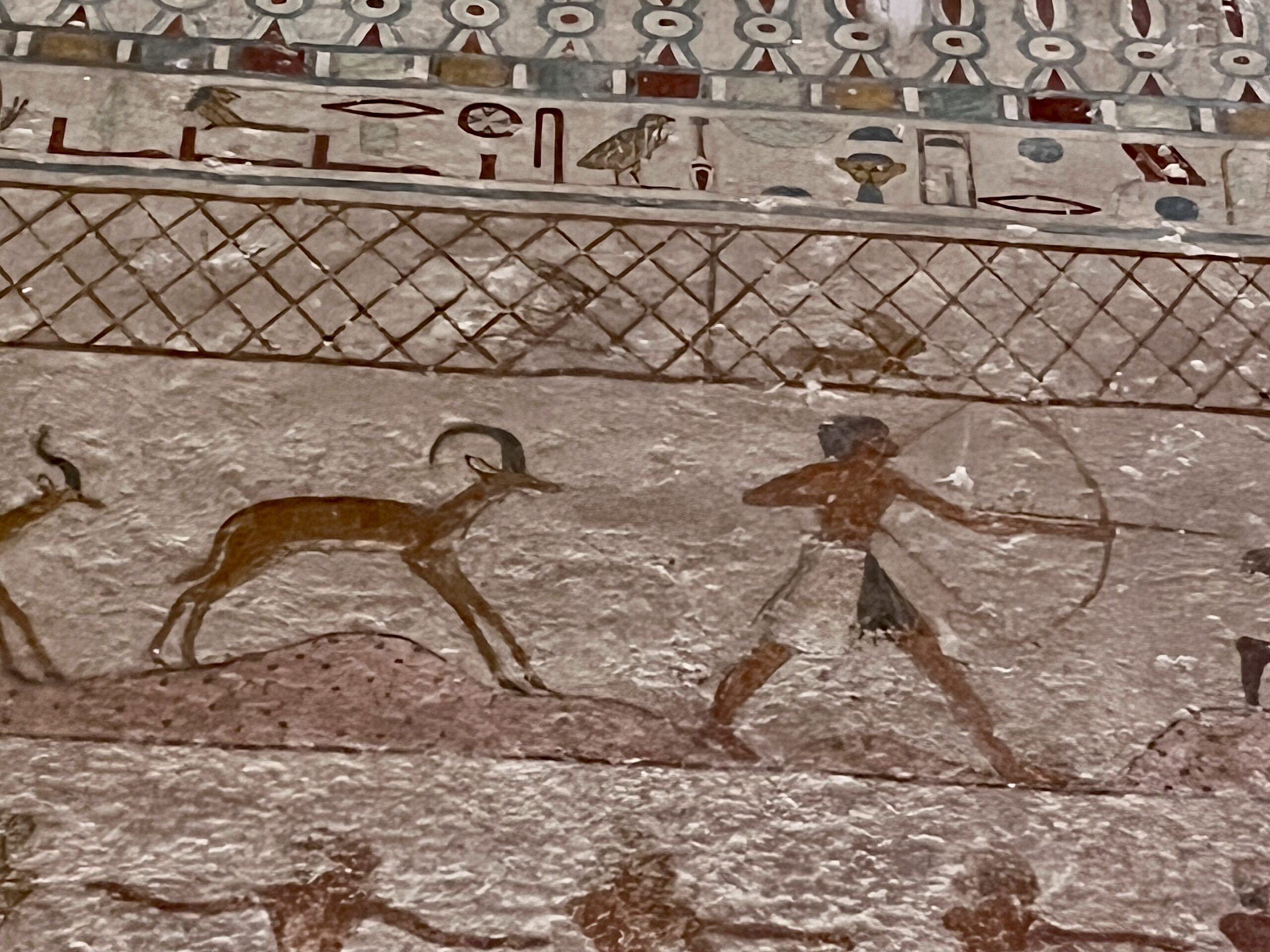


In the middle of the east wall there is a family shrine. The statues, largely destroyed, are of Amenemhat with his wife and mother.

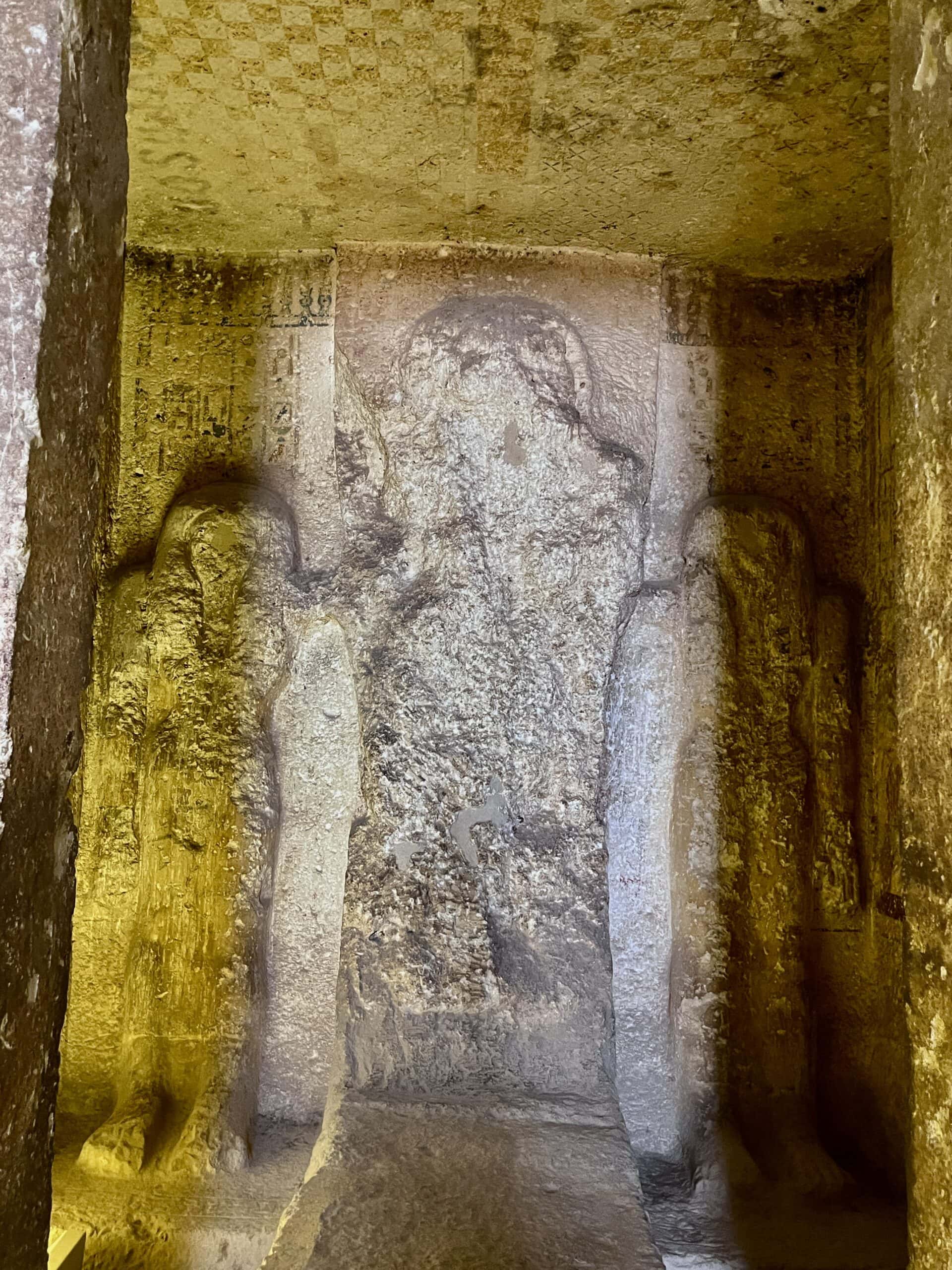

Around the shrine are familiar images of men demonstrating wrestling holds and (on the north side) a military siege very similar to the siege scenes in the 11th dynasty chapels. I wonder if this represents a symbolic ur-battle or a real battle that was burned into cultural consciousness,
That these scenes represent military engagements seems clear: Amenemhat led troops on three major expeditions to collect gold for the ruling family. The first, an expedition to Kush [Nubia, Aswan area], was clearly a military conquest. He describes the three expeditions below:
“I followed my lord when he sailed south to overthrow his enemies among the foreigners, for it was as the son of the count, royal sealbearer, great overseer of the army of the Oryx Nome, as a man replacing my aged father, that I sailed south, through the favors of the royal house and the love of him in the palace.
I passed through Kush, sailing southward [into Sudan], having reached the ends of the earth, having brought the tribute of my lord, and praise of me reached the sky.
Then his Majesty proceeded in peace, having overthrown his enemies in miserable Kush , and it was as one having gained experience that I returned in his following, no loss having taken place in my army. I had sailed south to bring back gold ore for the Majesty of the King of Upper and Lower Egypt Kheper-ka-Re (Senusret I), living forever and ever.
It was with the hereditary prince, count, king’s eldest son Ameny [future Amenemhat II], life prosperity and health to him, that I sailed south, having sailed with 400 enlisted men from all the best of my army, returning safely without any loss to them, I having brought back the gold assigned to me. I was praised for it in the royal house, and the king’s son thanked god for me.
Then I sailed (back) to deliver the mineral products to the wharf of Koptos, together with the hereditary lord, count, overseer of the city, the vizier Senwosret.
I sailed with 600 enlistees of all my best of the Oryx Nome. I returned safely, my expeditionary force intact, having accomplished everything that was said to me.”


The lower registers reflect the trip to Abydos, where Amenemhat would have followed the Osiris procession across the sacred landscape to the Umm el-Qa’ab.


The south wall contains funerary rituals and offerings. Amenemhat sits before a table loaded with food, beer, oils and perfumes while servants bring a never-ending supply of replacements. On the exterior doorjamb, which would have been legible to anyone passing by, he says:
“O you who love life and hate death, say a thousand bread loaves and jugs of beer, a thousand cattle and fowl for the Ka [soul] of the hereditary lord, count, gracious of arm, chief administrator (nomarch) of the Oryx Nome…”


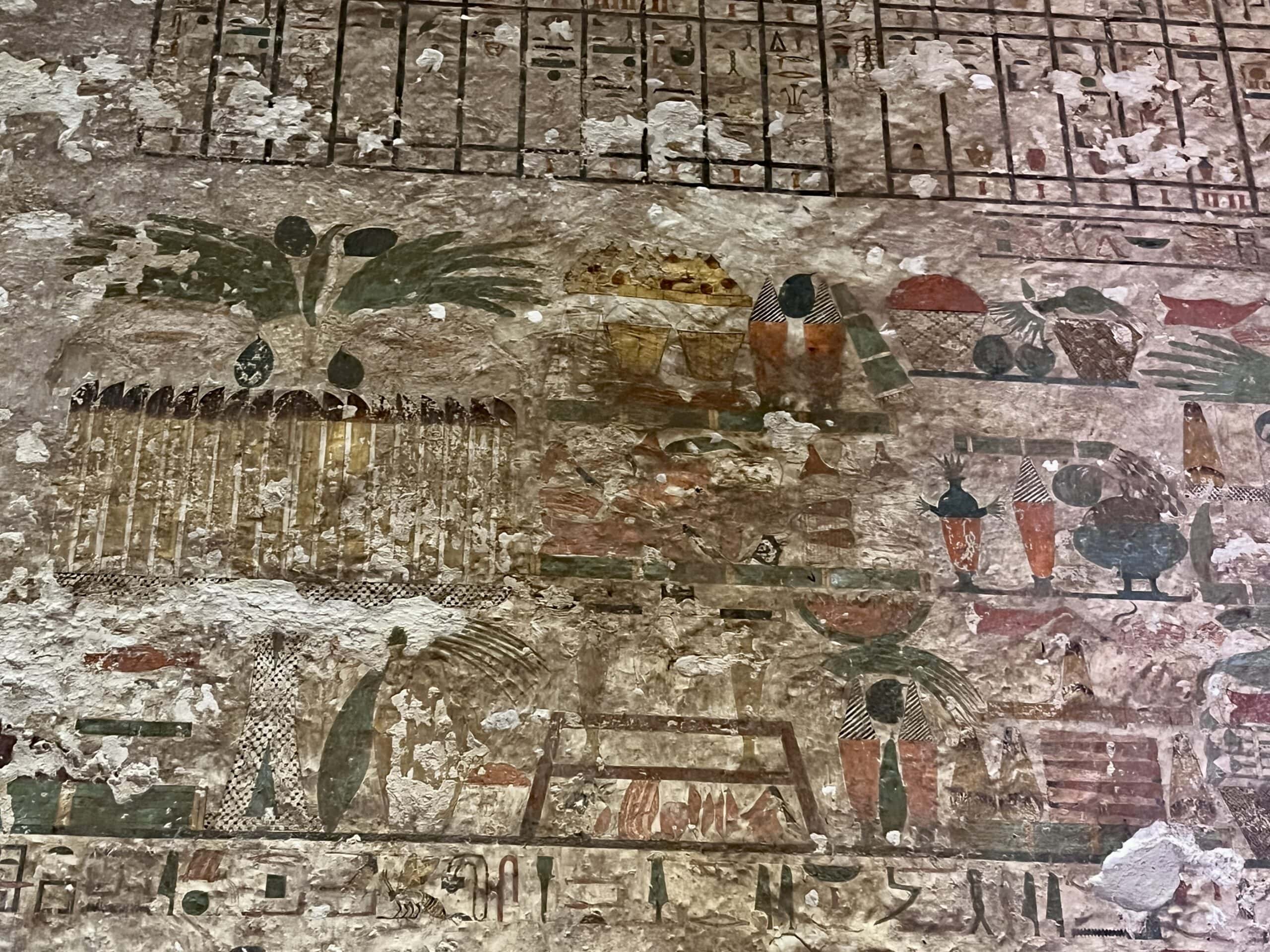


The west wall contains a false door surrounded by scenes of daily life. These images are intended to magically come to life, providing an afterlife workforce through eternity. In the false door, Khety and his wife sit at a table piled with offerings, sniffing lotus blossoms (a symbol of resurrection) while harpists serenade them.




Khnumhotep II (BH3)
The last of Beni Hasan’s open tombs is its most famous: the tomb of Khnumhotep II, grandson of the first Khnumhotep, commanding prime real estate right next door to Amenemhat.


Khnumhotep II was the son of Khnumhotep I’s daughter, Baqet, and her husband Neheri. He was appointed to his positions by the pharaoh Amenemhat II in the 19th year of his reign, and held power into the 6th year of Senusret II, governing for about 40 years. His titles indicate that he was closely tied to the royal court and he successfully negotiated royal appointments for his children over the course of his tenure.
Khnumhotep II succeeded Amenemhat as governor of the nome, although his title was somewhat different: “Great Chief of the Oryx Nome” instead of “Great Overlord.” By this time, the ruling Amenemhat/Senusret family was taking steps to reign in provincial power, and the change from “Overlord” to “Chief” may reflect court reforms.
Khnumhotep also succeeded Netjernakht as “Overseer of the Eastern Desert.” He constructed Netjernakht’s tomb, and refers to then older man as a “father” (which had multiple meanings in Egyptian parlance). Kanawati suggests that Netjernakht was Khnumhotep II’s maternal grandfather.
“Overseer of the Eastern Desert” was a national position with military and territorial components. In this role, he was responsible to manage the state’s interests in the desert regions, including:
- Providing supplies and security for the “prospector gangs” who undertook mining and quarrying operations in the eastern desert and the Sinai.
- Monitoring and securing caravan routes leading to the Sinai and the Red Sea, which were vital for trade with Asia and the Levant. Khnumhotep was responsible to decide which foreigners had access to the Nile Valley, determining which were peaceful traders or immigrants, and which were tribal nomadic raiders.
- Provisioning and securing royal trade missions to places like Punt (probably Eritrea on the Horn of Africa). Beginning in the Old Kingdom, Egyptian rulers sent expeditions to Punt for frankincense, aromatic resins, blackwood, ebony, ivory and wild animals, recording great pride in the success of these risky journeys. Amenemhat II has a well-documented Punt expedition, accompanied by this Khnumhotep’s son, Khnumhotep III.
Khnumhotep also held priestly overseer positions in a number of temples including Horus, Anubis and the lioness goddess Pakhet. His wife and daughters were also priestesses of “She Who Scratches.” Since one of Pakhet’s roles was to protect travelers and caravan leaders as they traversed the eastern desert, it was handy to have her on-side.
The layout of the tomb is similar to Amenemhat’s, with a long entry court leading to a columned portico. The interior chapel is square with a recessed floor and a shrine at the back. Except for a stub, the columns shown in Newberry’s sketch plan are no longer present. Khnumhotep II’s extensive biography runs along the bottom 2-3 feet of the chapel, below the paintings, on all four walls. It’s very long: 222 lines of text extolling his magnificence.


The Grand Egyptian Museum (GEM) has a wonderful virtual reconstruction of this tomb, with animations bringing the wall paintings to life. I’ve included still shots in context below; if you want to watch the entire tomb come to life, here’s a short YouTube video from Ancient Egypt Alive. (The missing columns are included in the GEM reconstruction.)
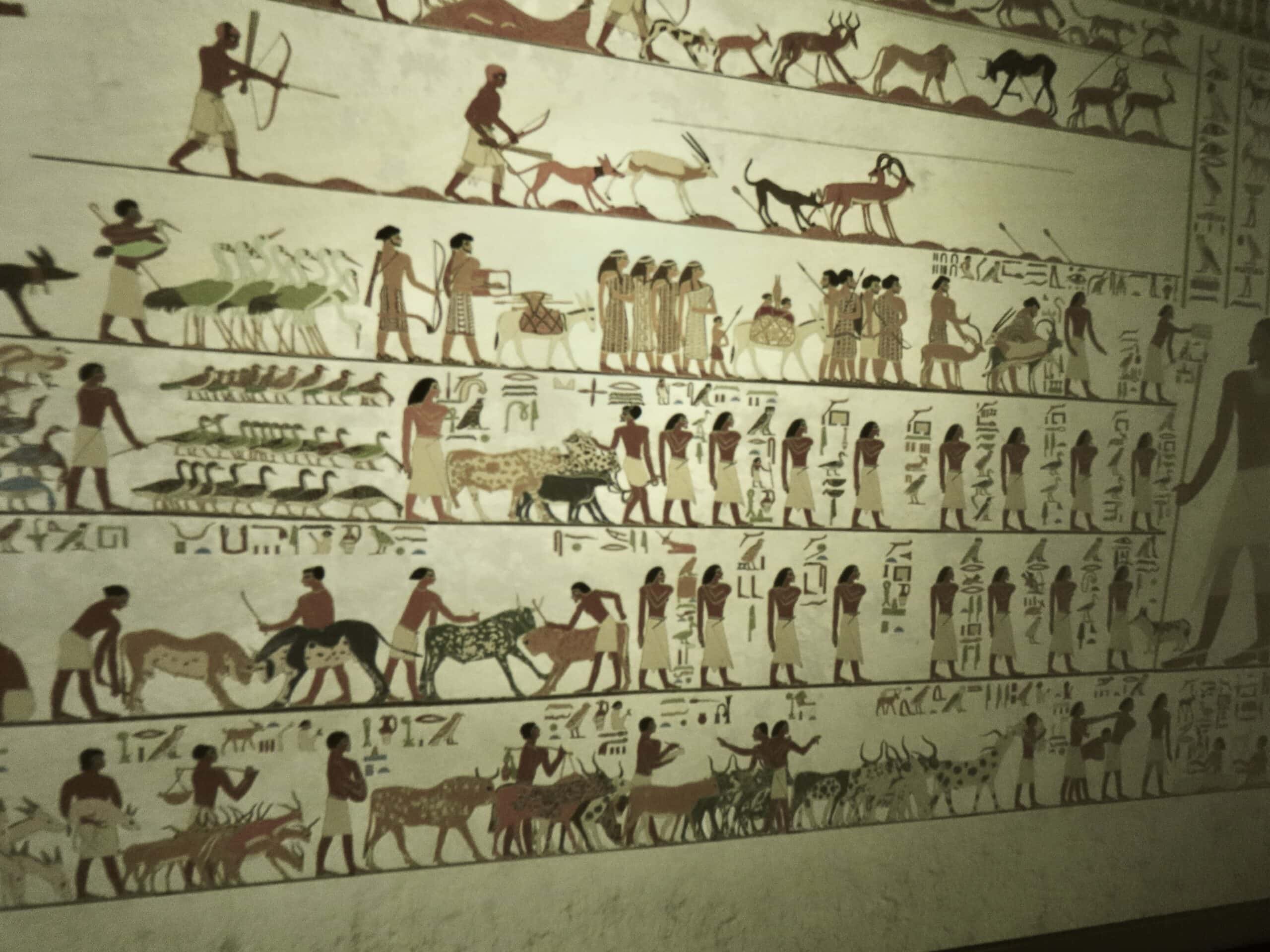
Khunmhotep appears twice on the north wall, overseeing the two parts of his domain. On the right side, he stands with his (unnamed) dogs behind him reviewing agricultural activities, men capturing birds in a Nile marshland and an incoming Asian trade delegation. On the left, he and his men are show with the dogs shooting animals in the desert. (Paintings from DeGaris.)
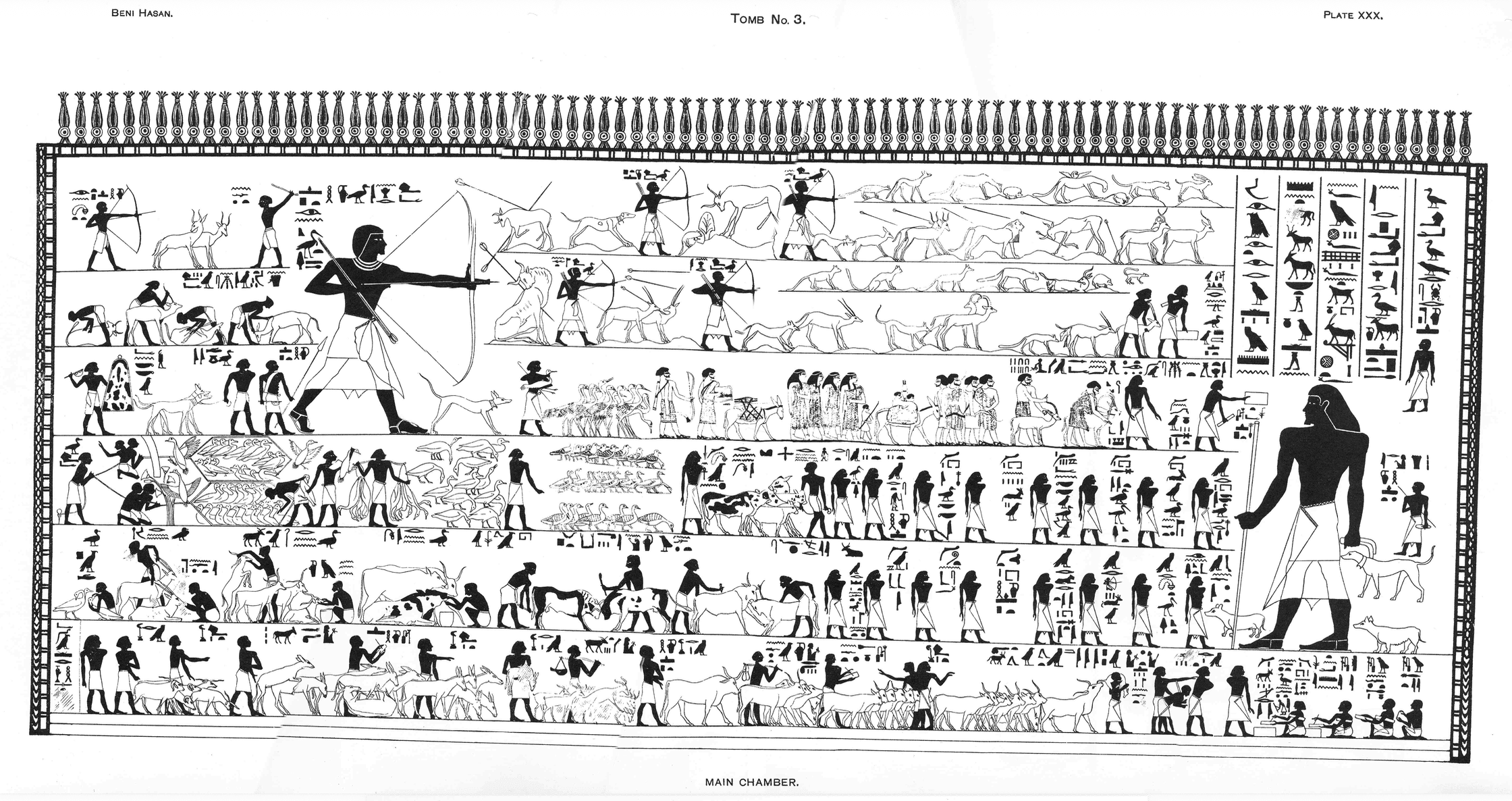

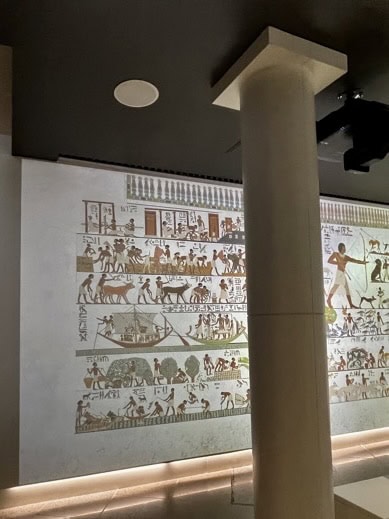


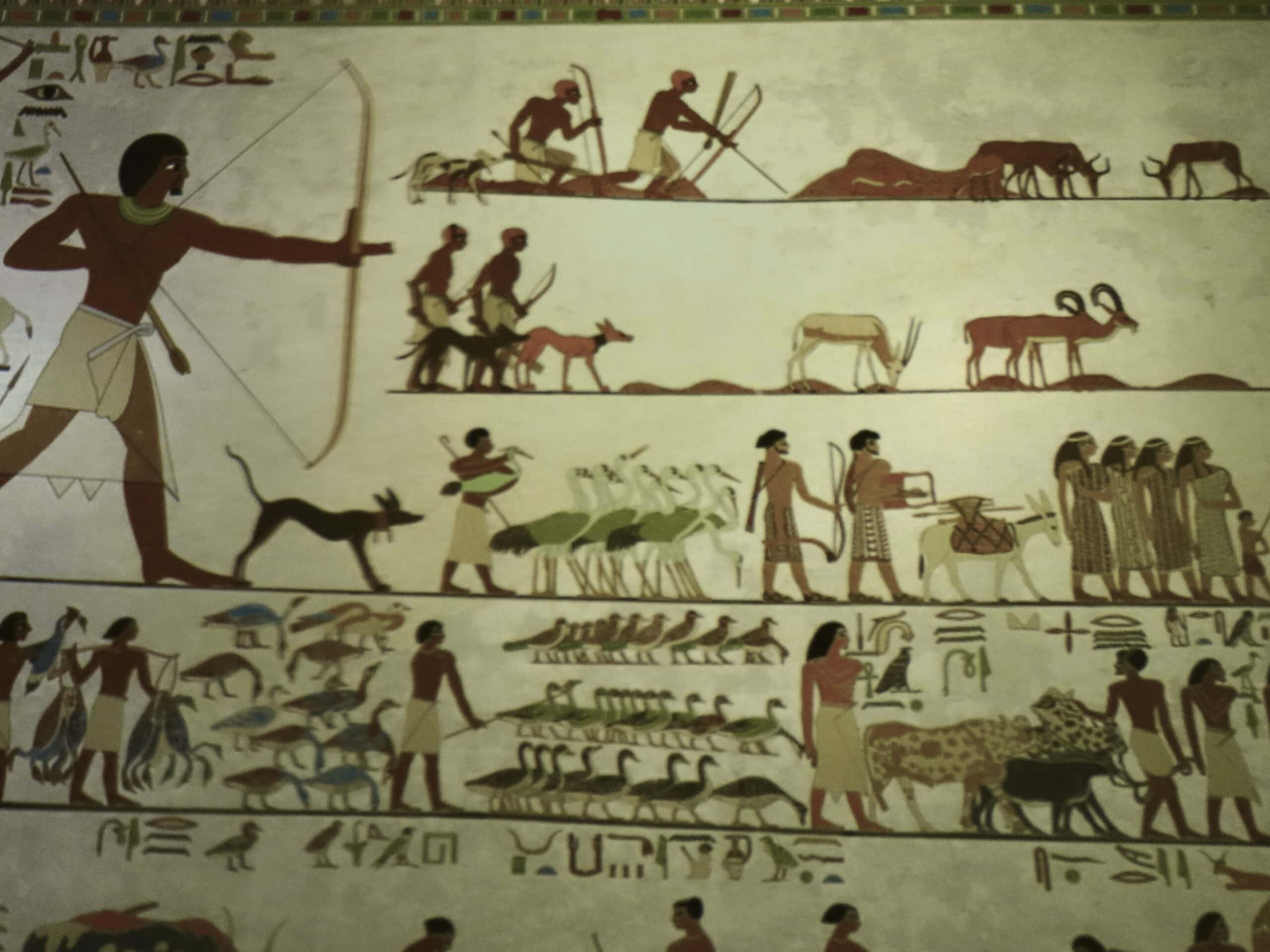


The north wall’s trade delegation scene is very famous. Two Egyptian officials lead a group of 15 men, women and children wearing West Asian clothing and leading donkeys and antelope towards Khnumhotep. The leading official, named as Neferhotep, Scribe of the Royal Documents, is presenting a scroll to Khnumhotep, with text on a writing palette held in his right hand. The inscription on the writing palette reads:
“Year 6 under the Majesty of the Horus ‘Leader of the Two Lands,’ the King Kha’-kheper’re’ [Senusret II]: List of the Asiatics, whom the son of the Count Khnumhotep brings because of black eye-paint. Aamu [Asiatics] of Sw(t) [Syrio-Palestine]: their number — 37.”
The detailed imagery in this vignette – clothing, hair styles, facial hair, names weapons, trade goods – has provided scholars with rich fodder and opportunities to spill gallons of ink. The scene is rather splendid IMO.
Below are Newberry’s sketch, the DeGaris painting, the GEM reconstruction and the wall as it appears in 2025.




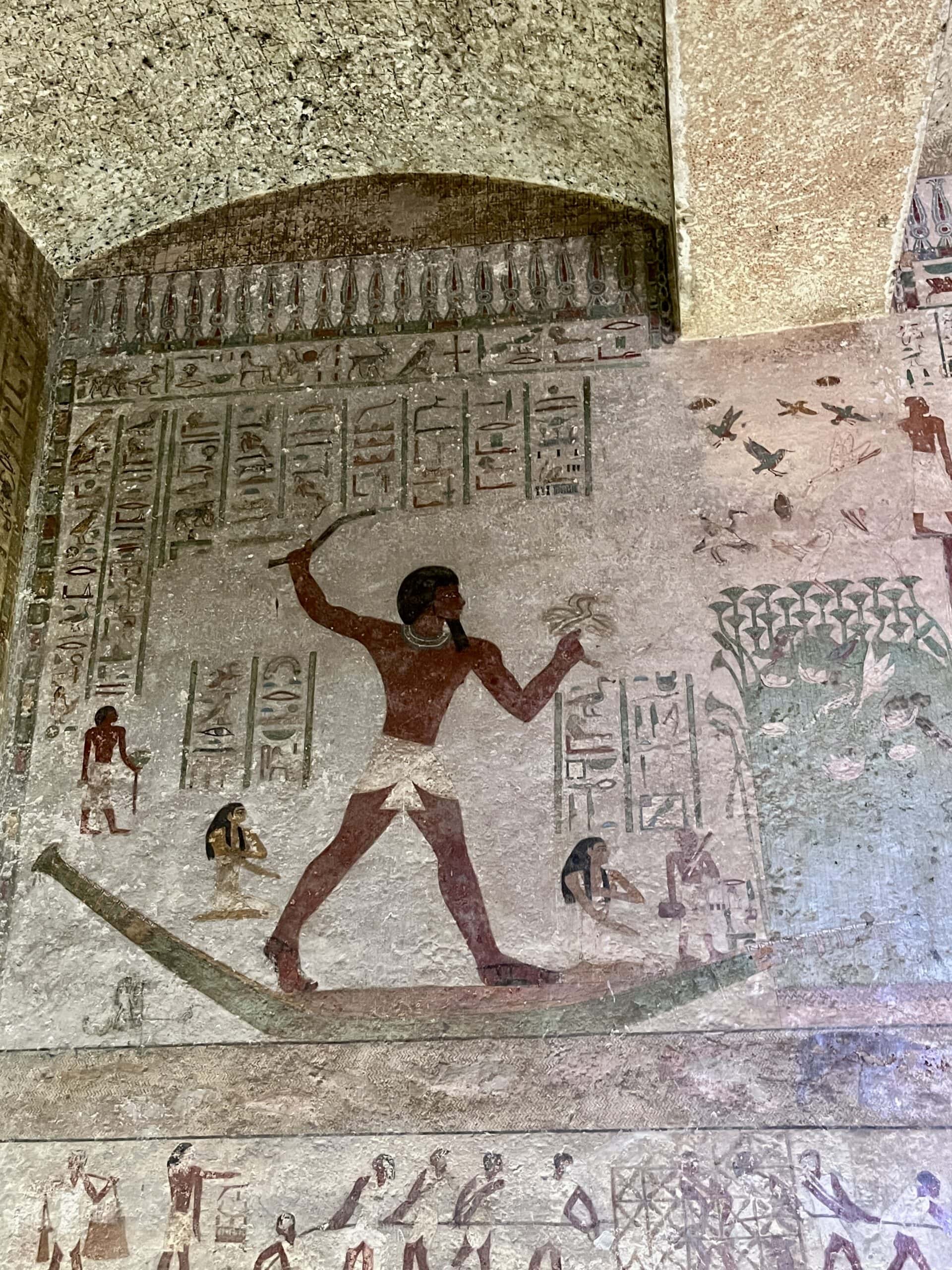
The east wall contains a family shrine surrounded by images of fowling and fishing in the marshes. The great stone beams that support the roof are clearly seen here.


On the left side of the shrinel, Khnumhotep is standing on a papyrus boat using a throwing stick to knock birds out of the air. The GEM has fun with this image, bringing his action to life as he stoops to throw, then watches as stick and birds wheel away.




To the right of the shrine, Khnumhotrep spears fish with a harpoon while men pole papyrus boats below him. There is some drama in this scene, as one man has fallen into the water where hippos and crocodiles are lurking.

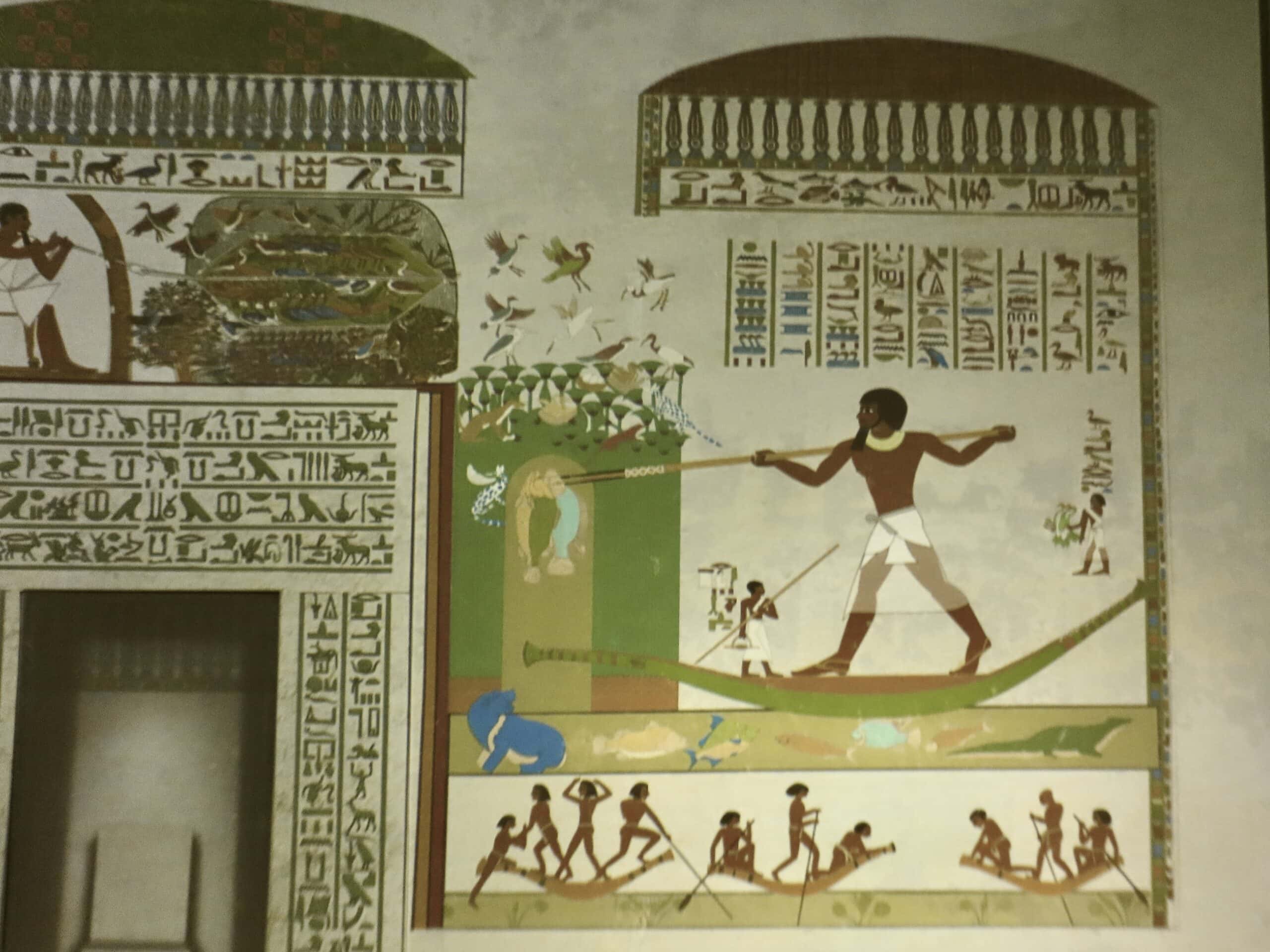
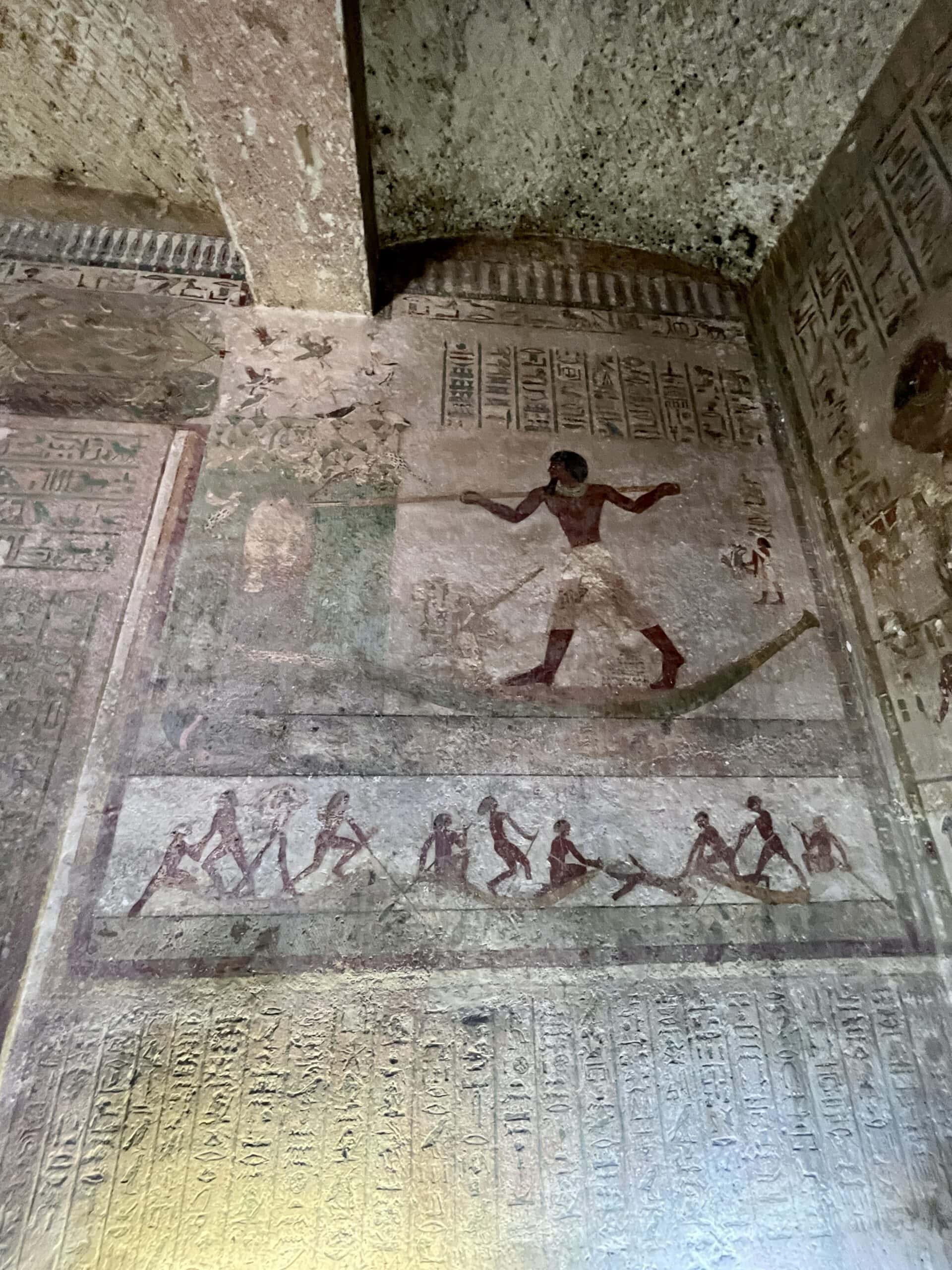
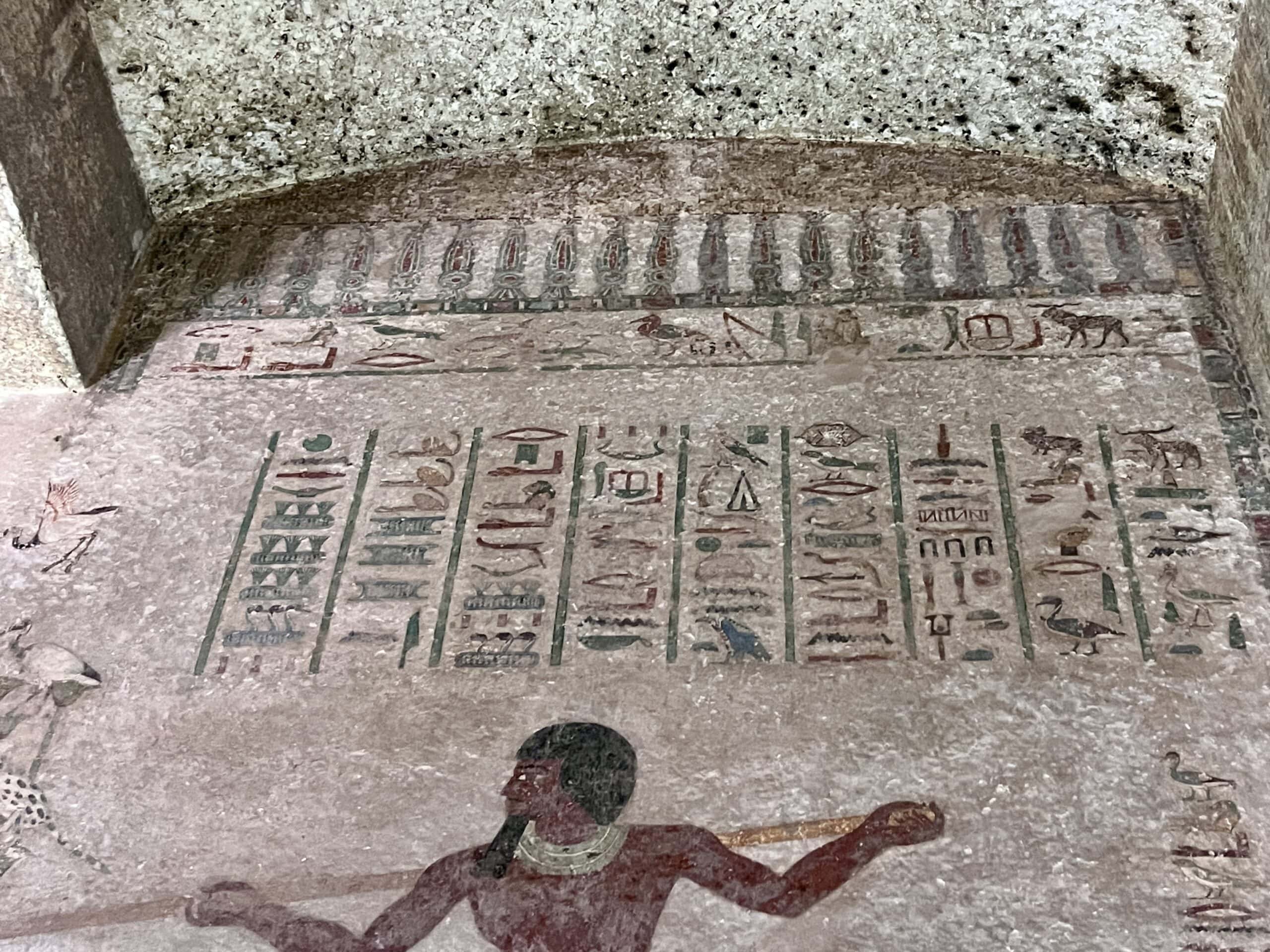

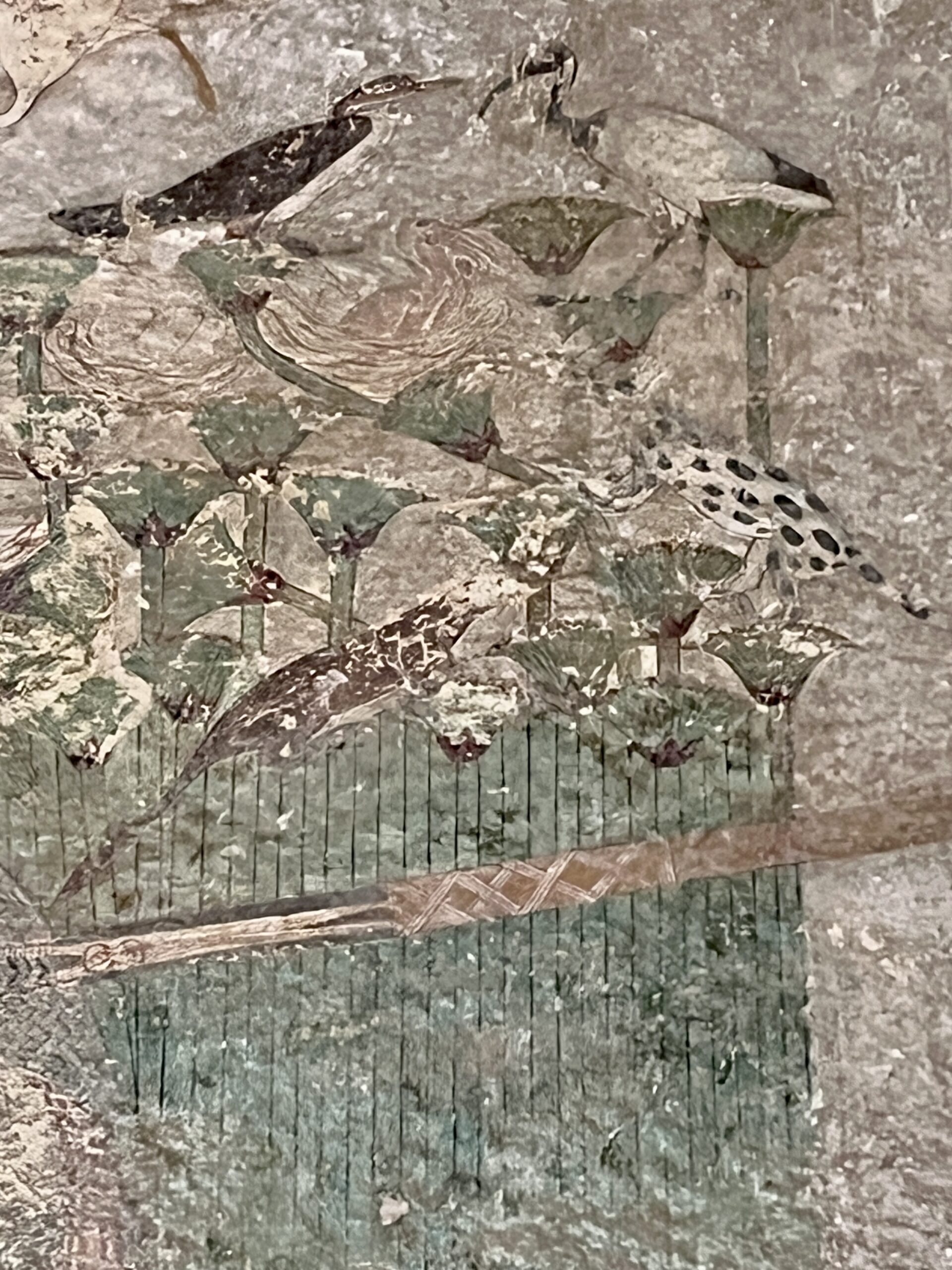


Above the shrine, in the center of the wall, Khnumhotep sits behind a blind using a clapnet to capture birds. An acacia tree stands in front of the blind and below the rope Khnumhotep is holding. Perched on it are a hoopoe, three shrikes, two pintail ducks and a redstart.


Khnumhotep’s family are all represented in this shrine – and it was a big family.


Khnumhotep had two wives.
His first wife was Khety, a daughter of the governor of the neighbouring 17th nome, who was a priestess of Hathor and Pakhet. They had three daughters and two sons. Nakht (II), the eldest son, inherited the governorship of the 17th nome from his maternal grandfather. Khnumhotep III was sent to the royal court as a child and became an important official there, eventually rising to the rank of Vizier and High Steward. He was buried in a mastaba at Dahshur.
With Tjat, his second wife, he had a daughter and two sons. Khnumhotep IV succeeded his father as governor of the Oryx nome, the last in the line to serve in this role. His tomb at Beni Hassan is unfinished, possibly reflecting the administrative reforms of Senusret III, who eliminated governorships in favor of more centralized administration of the provinces. His brother Neheri was buried in a smaller tomb at Beni Hassan.
Tjat is particularly interesting because she held unusual positions of power in Khnumhotep’s household. She held the title of Sealer (xtmtjt), a role almost exclusively held by men in the Middle Kingdom. “Sealers” were essentially stewards of their lord’s estates, responsible for physical security and administration of goods and documents. Tjat likely managed the local estate and treasury while Khnumhotep II was away on royal mining and military expeditions.
Tjat’s high status is reflected in the the tomb: She is depicted four separate times, more than any other non-royal woman except Khety. Tjat is shown twice in the shrine (with and without her children); on the south wall behind Khety (who sits before her own funeral banquet); and on the east wall, sitting on the riverbank behind Khnumhotep in the fowling scene.
Kanawati (who often waxes poetic) suggests that her representations, combined with titles like “one who knows her lord,” may imply a deep personal bond or that she was his “true love.” (Of course, her role as estate manager has only recently been accepted by mainstream Egyptology, which has traditionally tried to fit all women into roles acceptable to patriarchal Victorian sensibilities.)



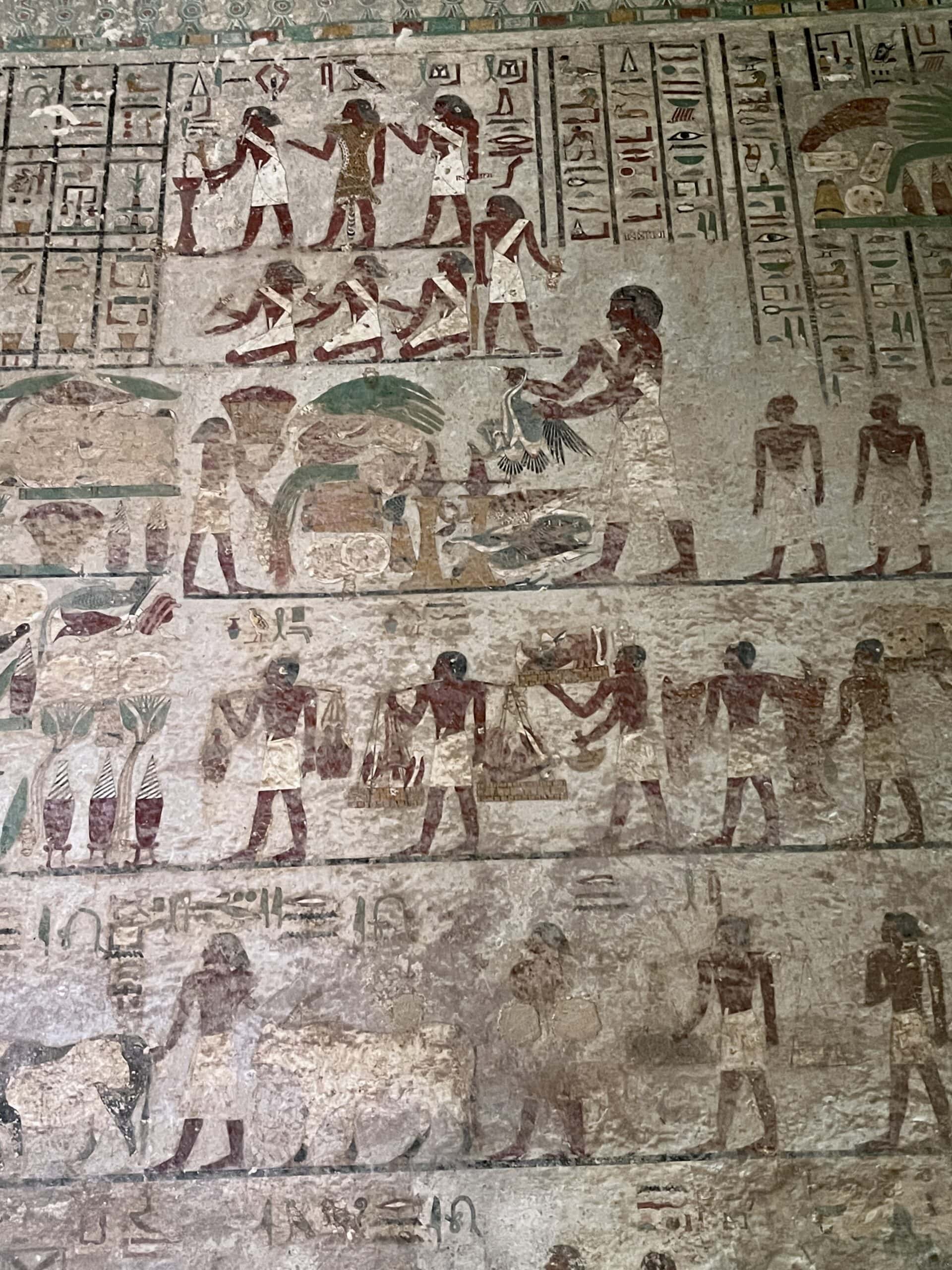
The south wall is dedicated to funerary offerings. Khnumhotep (left) and Khety (upper right) sit before tables overflowing with goodies, while streams of servants bring an everlasting supply of provisions for the afterlife.



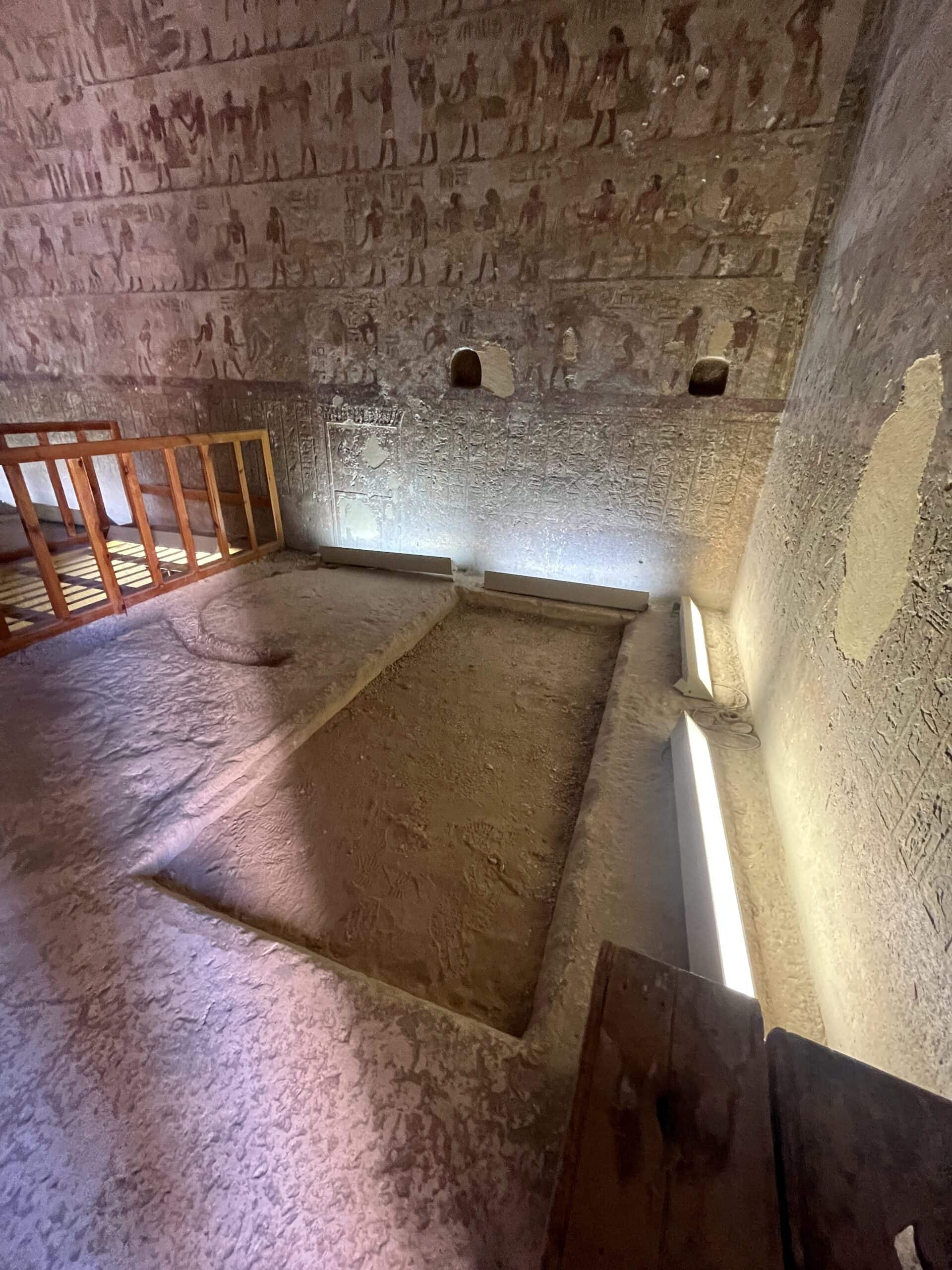
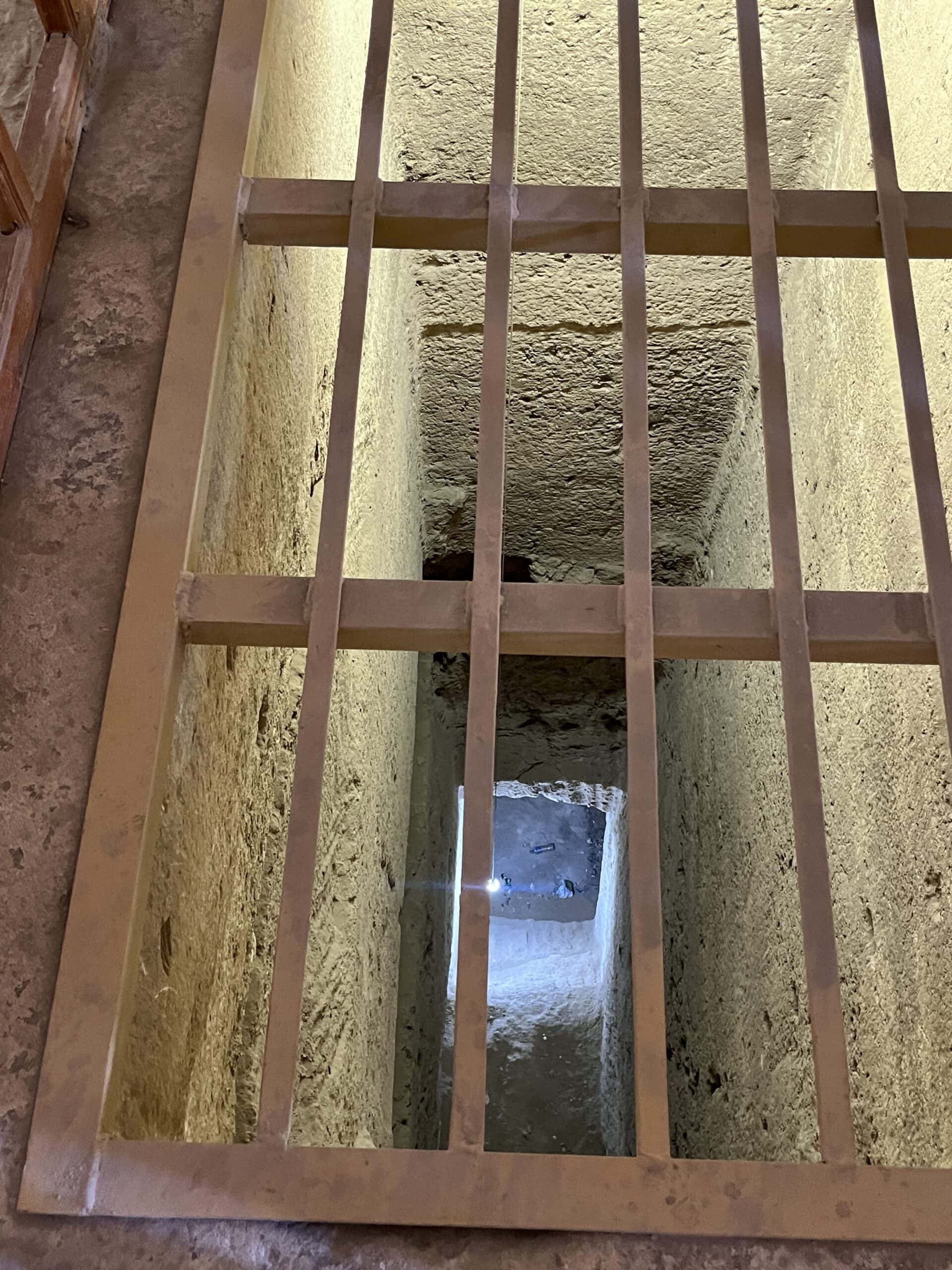
Shafts to the burial chambers are ranged on the floor before the east wall.

The west wall is dedicated to rebirth and eternity. Scenes here show crafts and activities essential for a comfortable afterlife, interspersed with and the pilgrimage to Abydos. A famous scenes on this wall is a group of weavers at work, showing every step in the process: a child spinning fax on a spindle, two women weaving on a floor loom, with an older woman overseeing the operation. Women dominated weaving in Egypt until the upright loom was imported from Mesopotamia. Weaving became a lucrative activity then, and men took over the workshops.


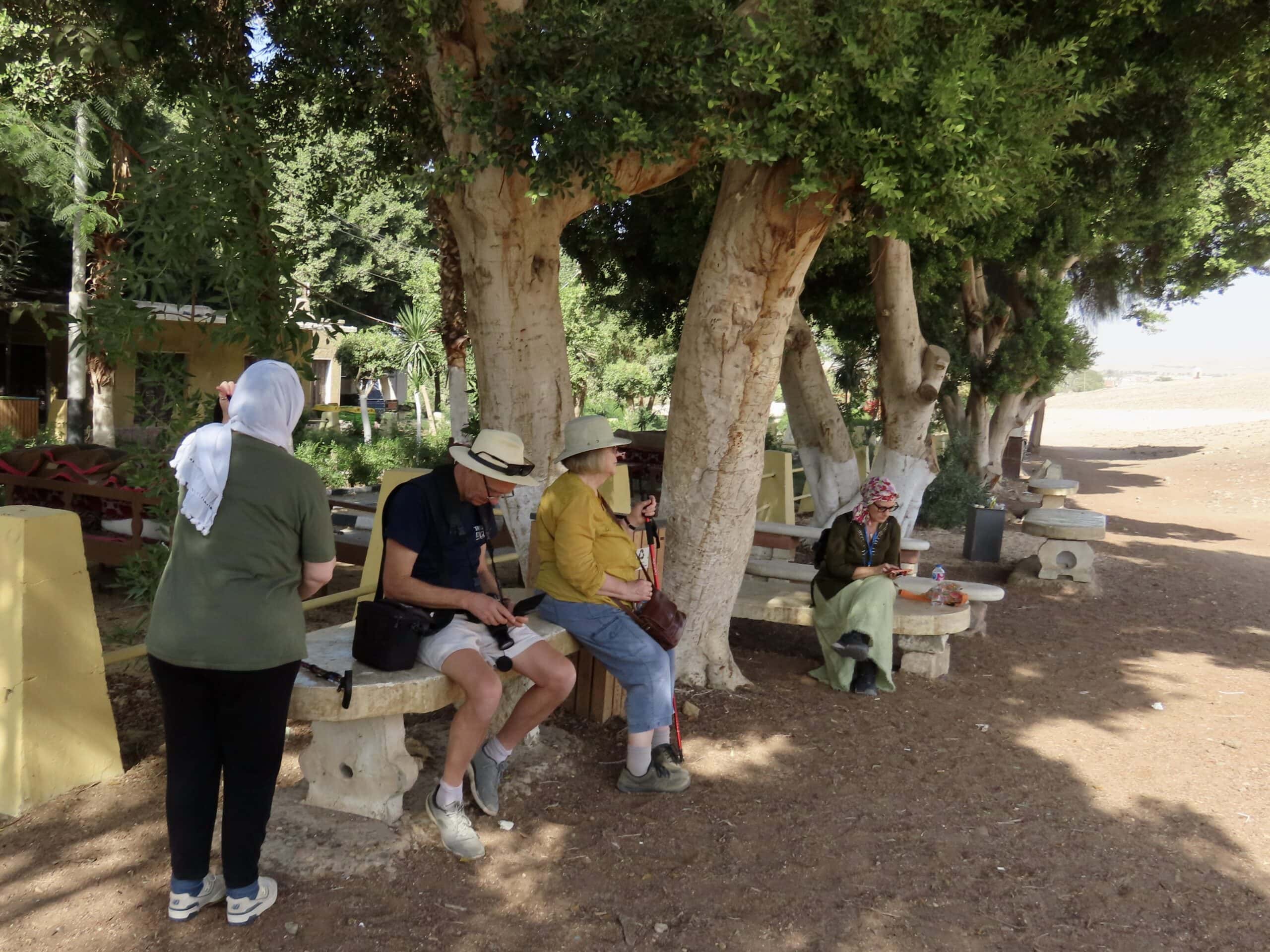
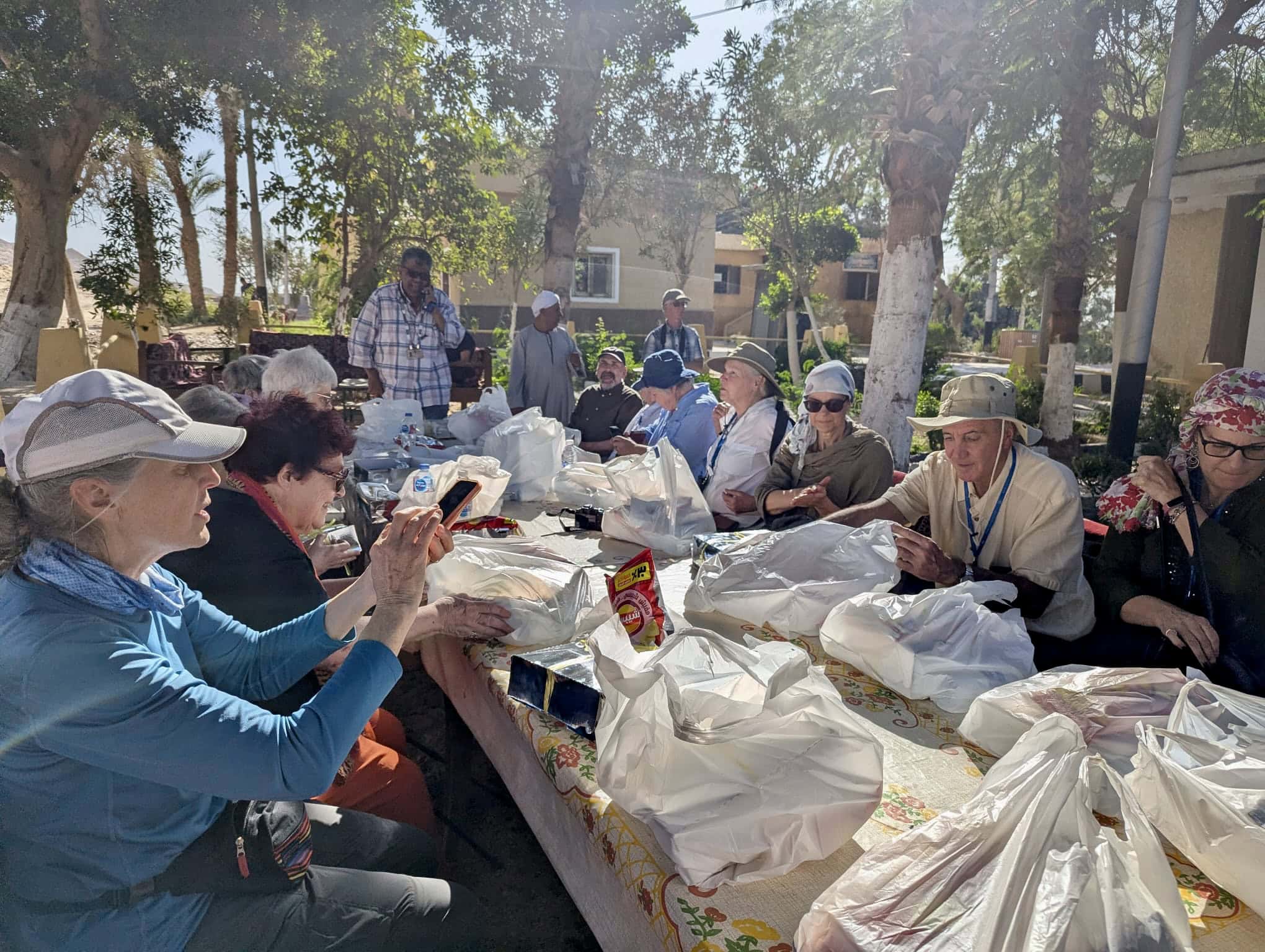
We ended our visit to Beni Hasan with yummy packed lunches in the cool shade of the guest house.










On to the Faiyoum
After lunch we were back on the bus for the drive north to the Faiyoum.


Our Faiyoum home-from home was the elegant Helnan Auberge Hotel, built as a royal retreat for King Farouk. It has a glorious setting, right on the banks of Lake Moeris. We spent the next two nights and two days here while exploring royal sites in the Faiyoum associated with the 12th dynasty ruling family.