I want to start this report of our Kemet Club Middle Kingdom tour with an editorial note. These posts will be longer than usual, for several reasons:
- There was so much to see! Every day was packed with site visits.
- Visiting many of these sites was a once-in-a-lifetime opportunity so I took LOTS of pictures. I’ll spare you full photo-documentation, but there will still be a lot of pictures…which the non-Egyptologically obsessed among you may find mystifying.
- To help with the mystification, I will provide more context than usual: historical notes, maps, plans, satellite imagery, reconstructions (where I could find them) and pictures of artifacts from or related to the sites. Hopefully, this will help to explain our fascination with ruins and piles of rubble.
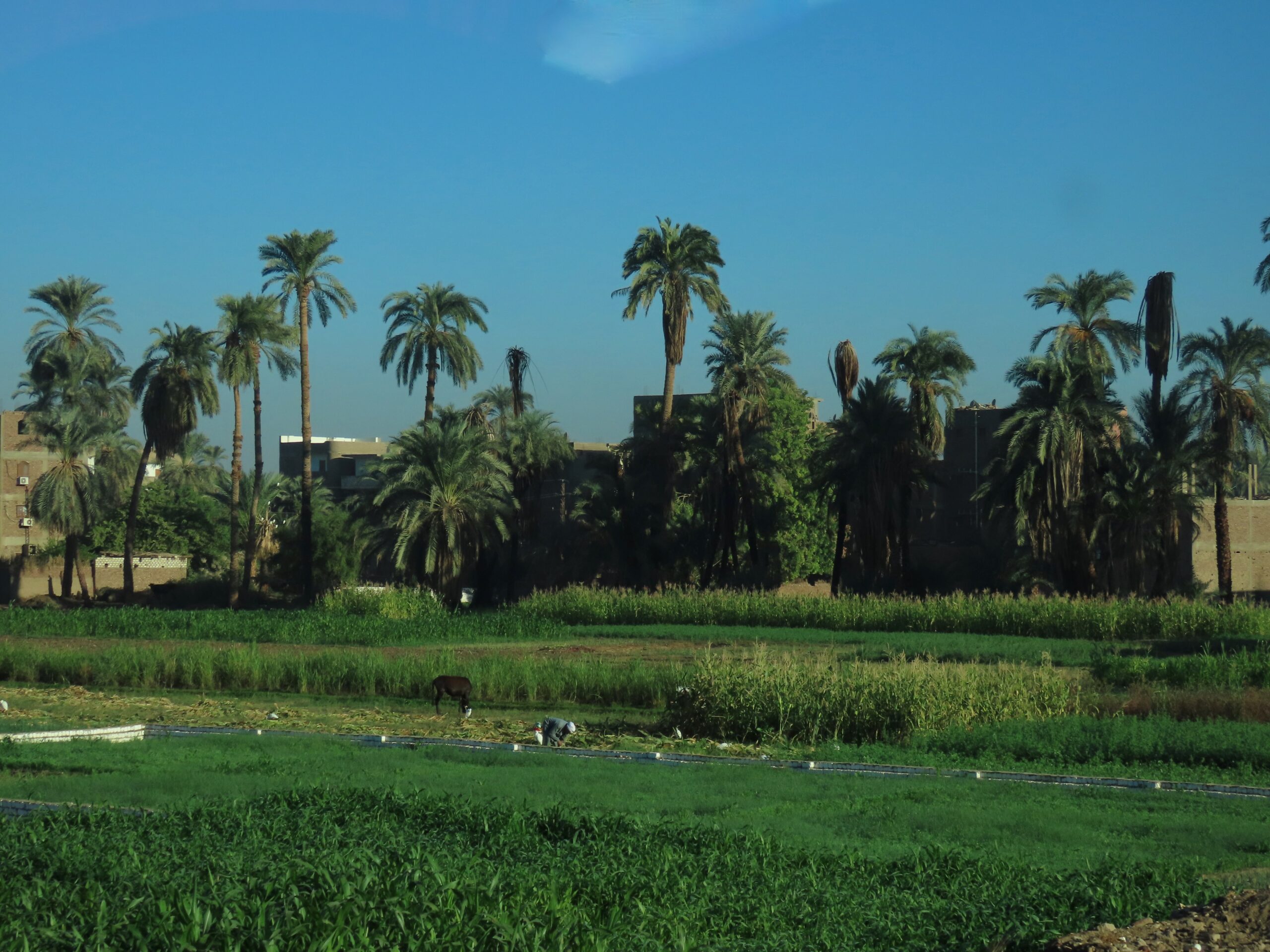
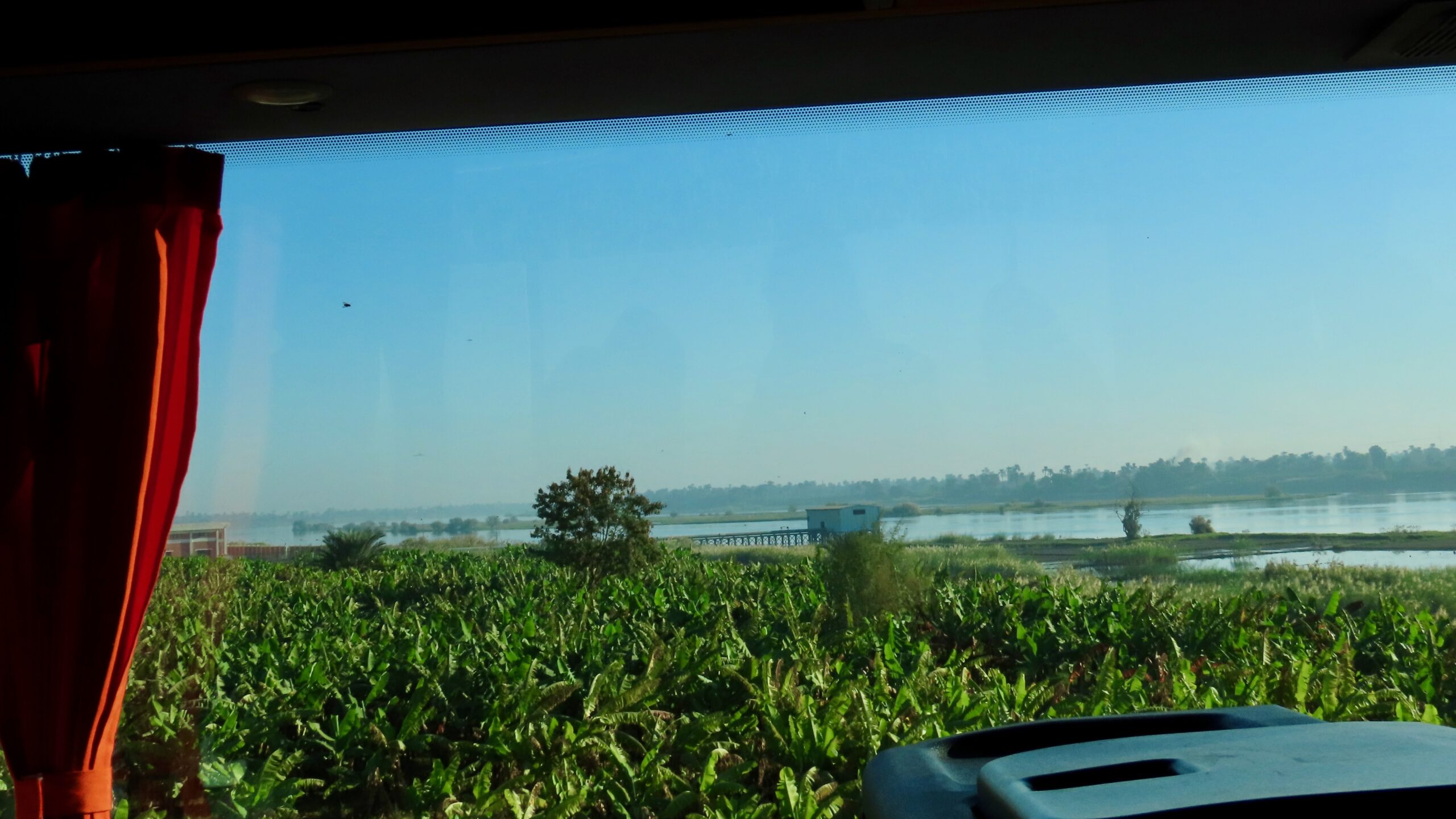
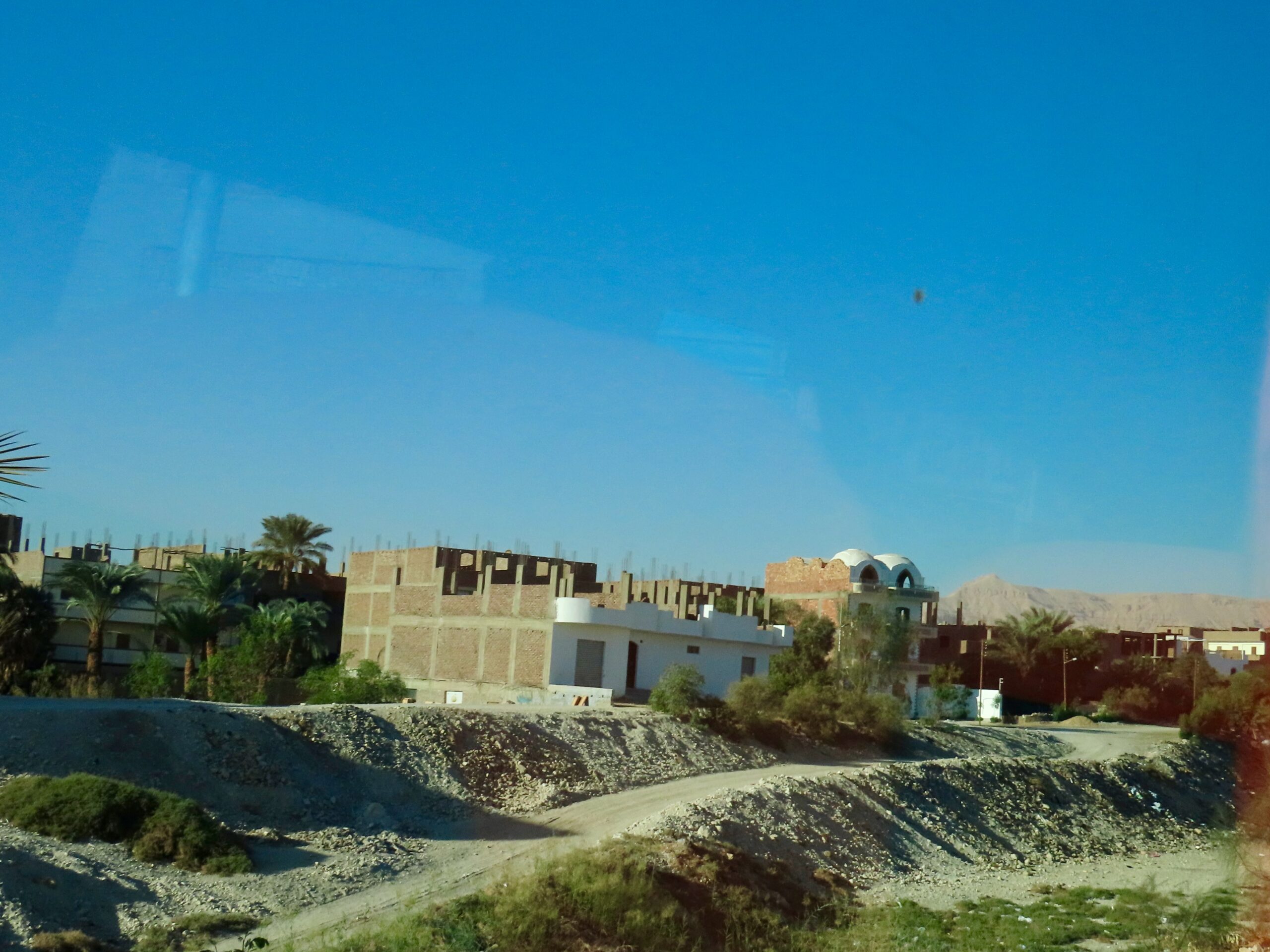
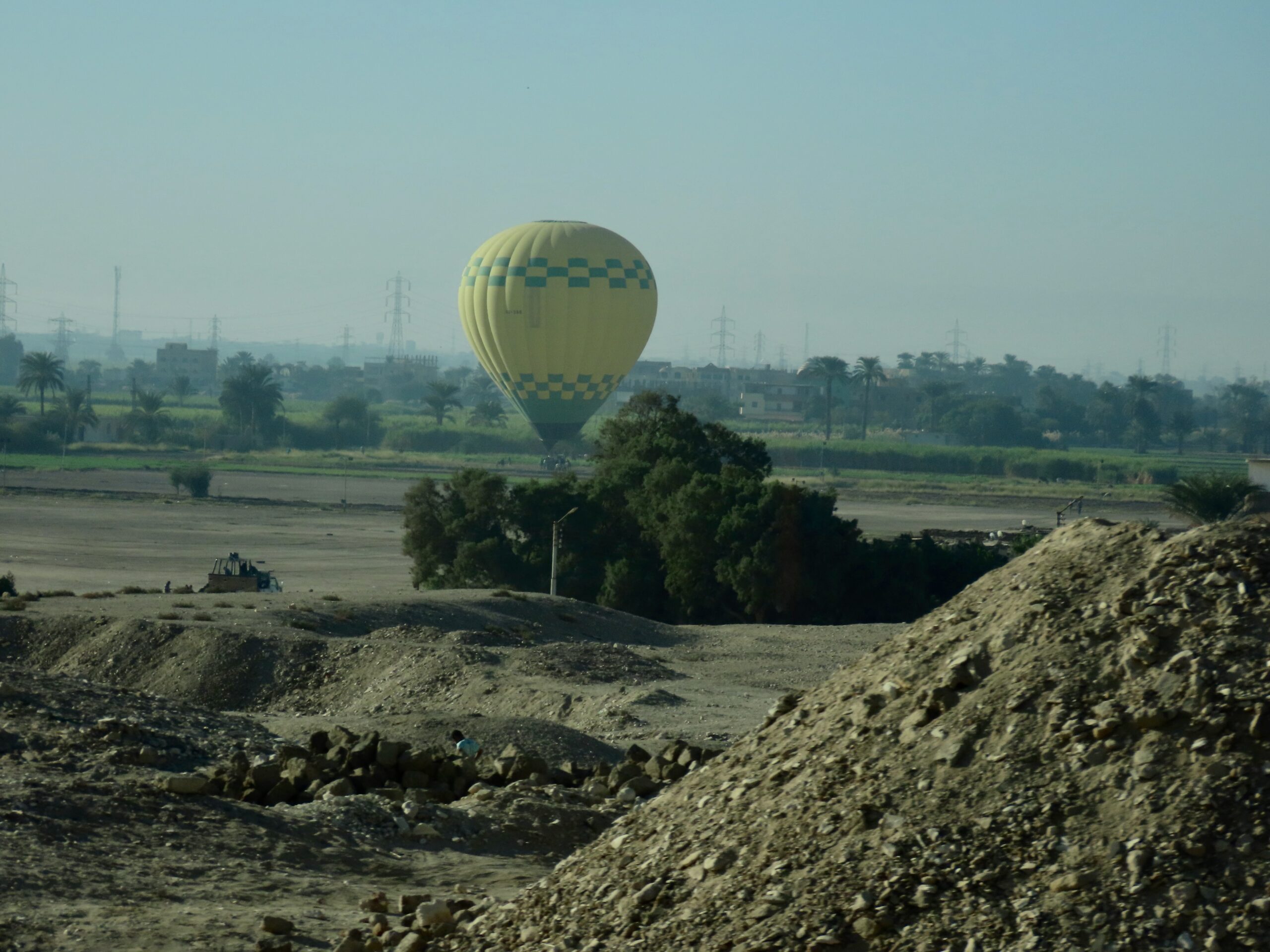
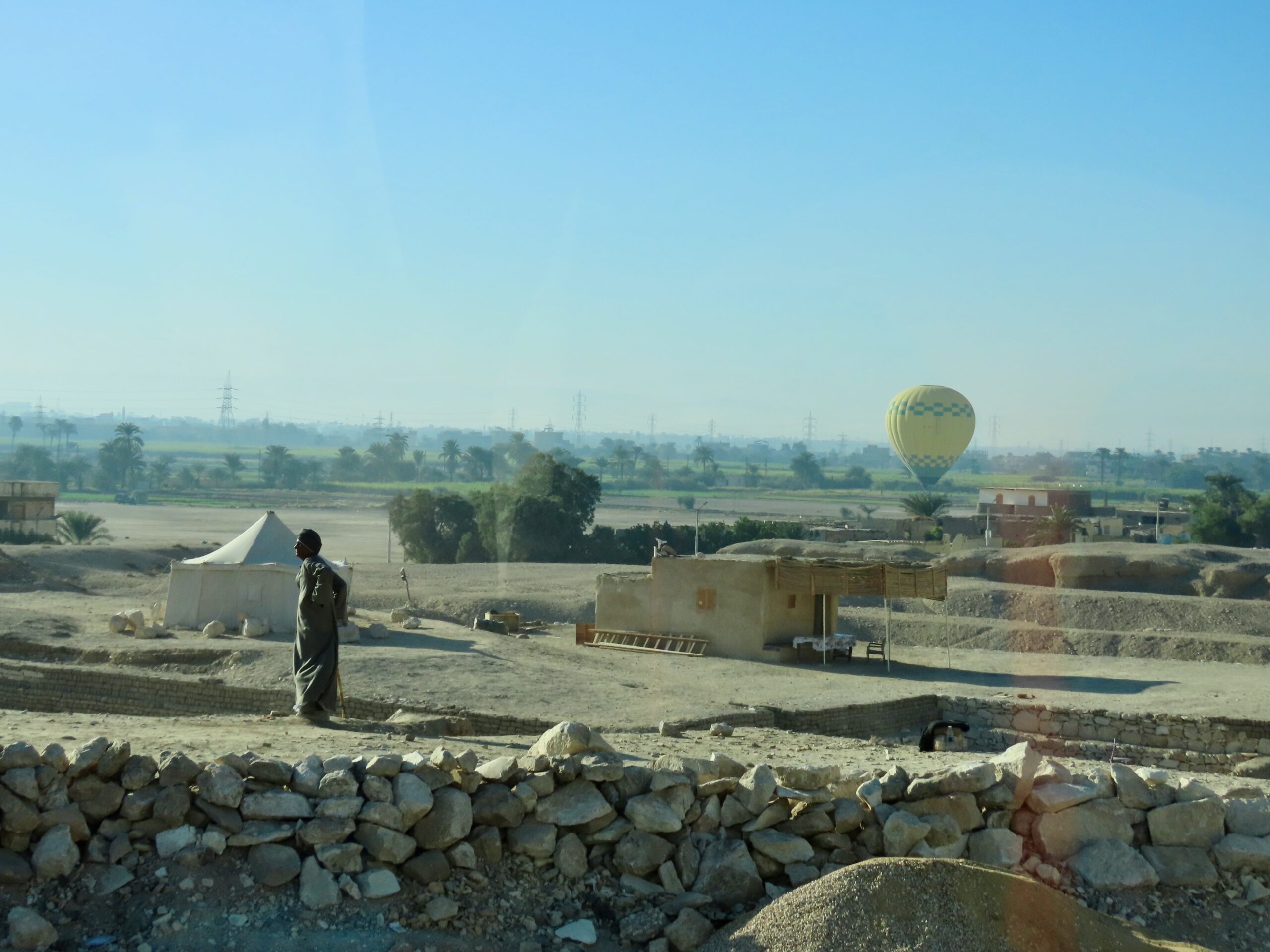
- We traveled long miles each day in the bus (piloted by the inimitable Salah, driver extraordinaire) and cavalcades of local transport. I know that many of you appreciate seeing everyday sights, so I’ve included pictures of the landscapes we traversed between sites for travel context.
So feel free to skim, skip and gambol, focusing only on the parts that you find interesting – I won’t judge.
Tuesday morning found Kemet Klubbers straggling into the Pavillon’s garden breakfast buffet shortly after dawn.


Breakfast completed, we scurried back to our rooms to collect day bags and gather in the hotel’s reception area for departure. At 7:30 am, after all 22 travelers had been counted, Amr herded us out to the bus which would be our home-from-home for the next 12 days.


“Don’t worry about it. In most of the places we visit we will be the only bus :)”

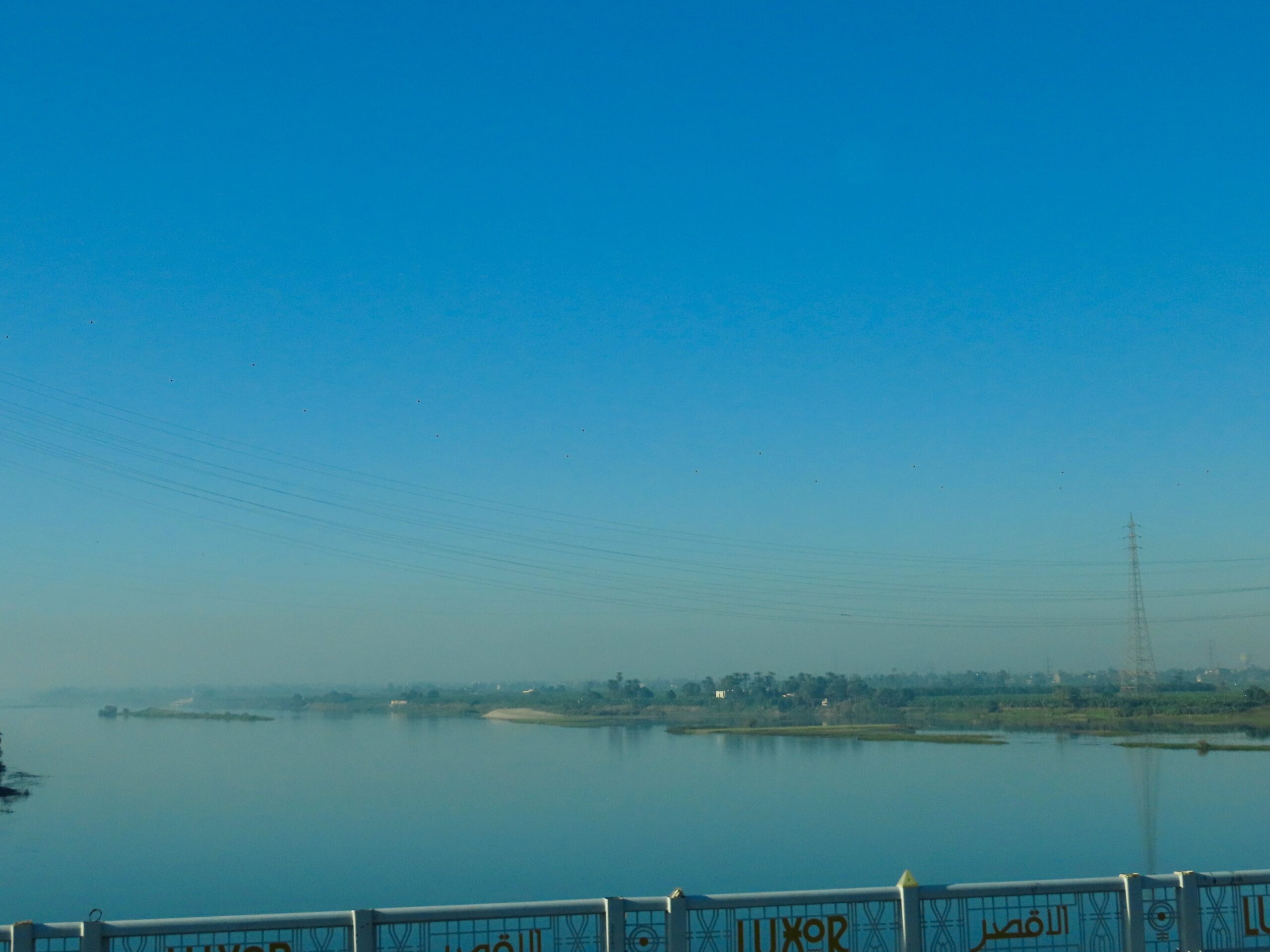
Luxor’s West Bank
The Winter Palace is located on Luxor’s East Bank, and our morning’s destination was Deir el Bahri, on the West Bank. We drove through the city, crossed the Nile on the northern bridge and headed southwest towards the ancient cemeteries.




A word about Egyptian “kingdoms,” a term Egyptologists use to divide pharaonic Egypt’s history into broad historical eras.
Egypt was unified as a nation-state around 3000 BCE. Centralized government saw some hiccups in the state’s first three hundred years (the Early Dynastic period), then solidified into the “Old Kingdom” (Dynasties 4-6), an era of massive pyramid building, exemplified by the Great Pyramids and Sphinx at Giza. These early rulers asserted absolute control over enormous manpower (no, the workers were not slaves) and massive quantities of resources all across the country to construct some 138 pyramids and associated temple complexes – a truly staggering display of religiously fueled autocratic power.
However, the level of resource use commanded by these complexes could not be sustained. By around 2200 BCE, the combination of a weakened ruling elite and declines in the Nile’s annual floodwaters (an impact of climate change) led to drought, the collapse of central authority and the end of the Old Kingdom (at the end of the 6th Dynasty).
The next ~150 years encompass Egypt’s 7th-11th (sometimes overlapping) Dynasties and are known as the First Intermediate Period. Political power fragmented into a set of competing polities: Herakleopolis’ rulers (Dynasties 9-10) controlled Egypt’s north, but powerful ruling families/elites emerged in the middle and southern provinces.

By ~ 2100 BCE, the country was actively embroiled in civil war. The “Intef/Mentuhotep” family (11th Dynasty), based in the area around Thebes (modern Luxor), emerged as the most powerful challengers to the Herakleopolitans. Over four generations, this family successfully extended control over the entire south while claiming titles that had been held by rulers in the Old Kingdom to signify control of the entire country. In the 5th generation, around 2040 BCE, Nebhepetre Mentuhotep II finally defeated the northerners and successfully re-unified the country, ushering in the “Middle Kingdom.” His temple complex at Deir el Bahri is the objective of our morning visit.
Deir el Bahri & the Temple of Montuhotep II

Deir el Bahri is known today for the mortuary temple of Hatshepsut, the powerful 18th Dynasty ruler. Her gorgeous temple, reconstructed by a Polish expedition that has been working here since 1961, is located on the far right in the aerial photo above. Hatshepsut’s temple architecture was modeled after the temple of Mentuhotep 2, located just to the left. This modeling was likely a conscious choice, since the 18th Dynasty was new, with an insecure lock on power, when Hatshepsut took the throne. Ancient Egyptians had a long historical memory, and canny Hatshepsut adopted many symbols associated with revered rulers of the past, including modeling her temple after the architecture of this great ruler who had re-unified the country some 600 years before.


This enormous natural bowl was considered sacred landscape by the ancients. In Bertinetti’s aerial photo above, the ruins of Mentuhotep 2’s mortuary temple are located to the left of Hatshepsut’s larger structure. Mentuhotep’s builders excavated tons of rock on the south (left) side of the basin to create a stable base for the foundation and to achieve a stable (more or less) 60 degree slope beside the temple. The pyramid shaped peak looming above this area was associated with the cobra goddess Meretseger, “She Who Loves Silence,” protectress of these cemeteries. Cobra goddesses figure prominently as royal guardians, as evidenced by the cobra-and-vulture combination that appears in royal crowns.


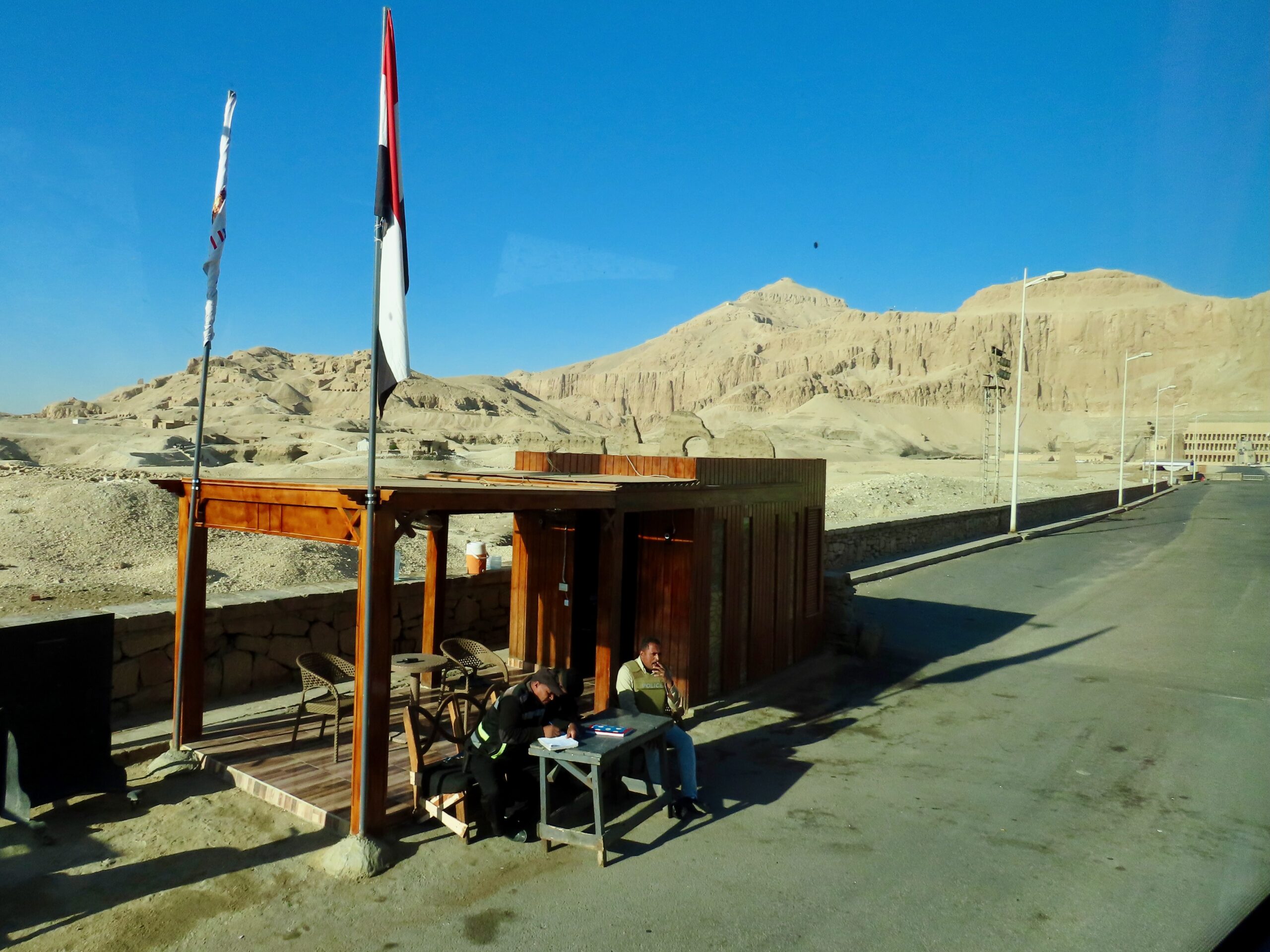


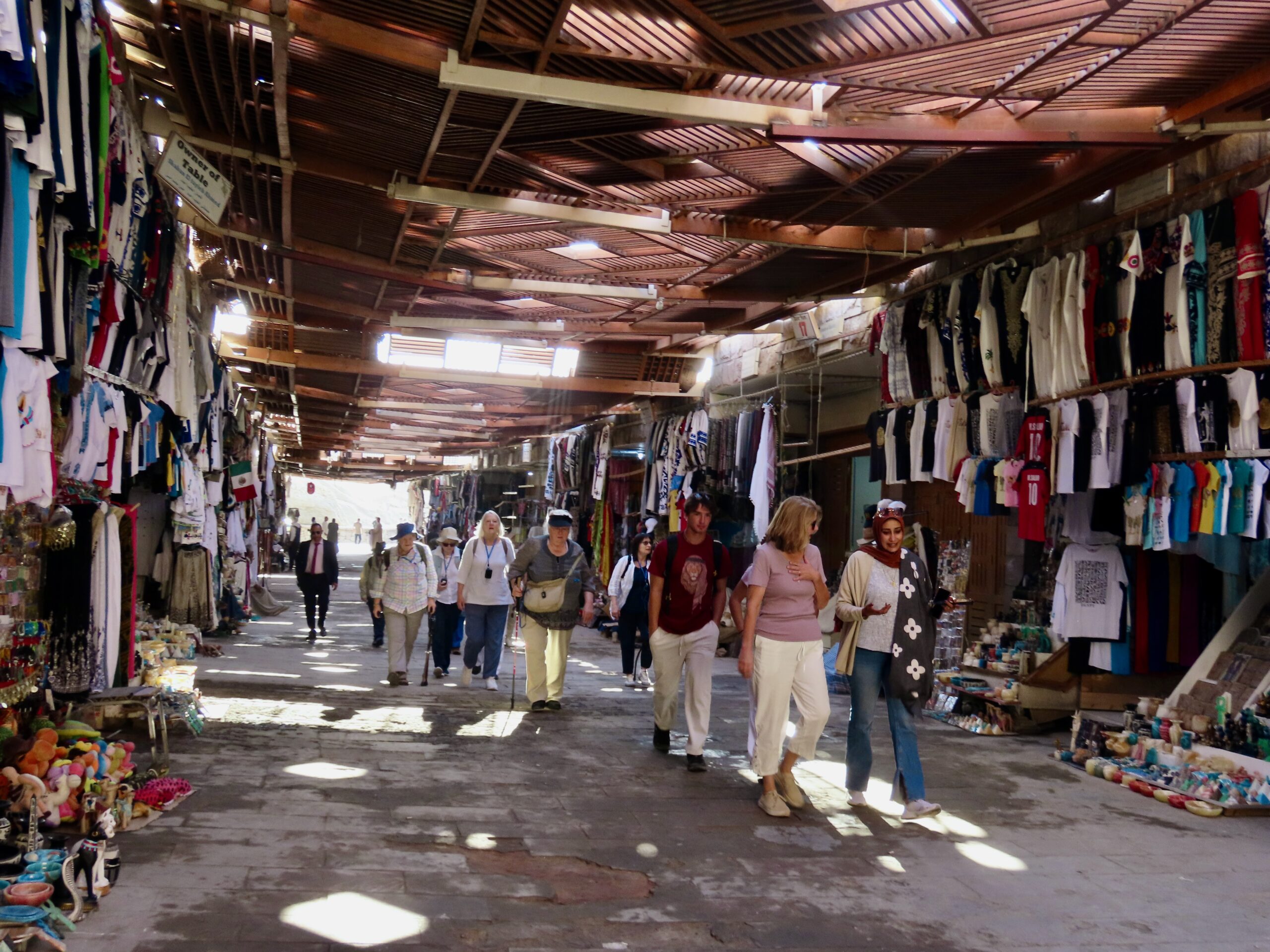


Hatshepsut’s temple is what those busloads of people come to see. Every time I’ve visited, I’ve walked up the long ramp to the first terrace while gazing longingly at those ruins to the left. This time, we got to duck under the fence!


These slides made by Gregory Mumford (who makes the lecture notes from his Egyptology classes available for download on Academia) show the plan of Mentuhotep 2’s terraced temple. There was a very large plaza in front of the temple containing a grove of sacred sycamore trees and loads of statues of Mentuhotep, a few of which have been left in place.

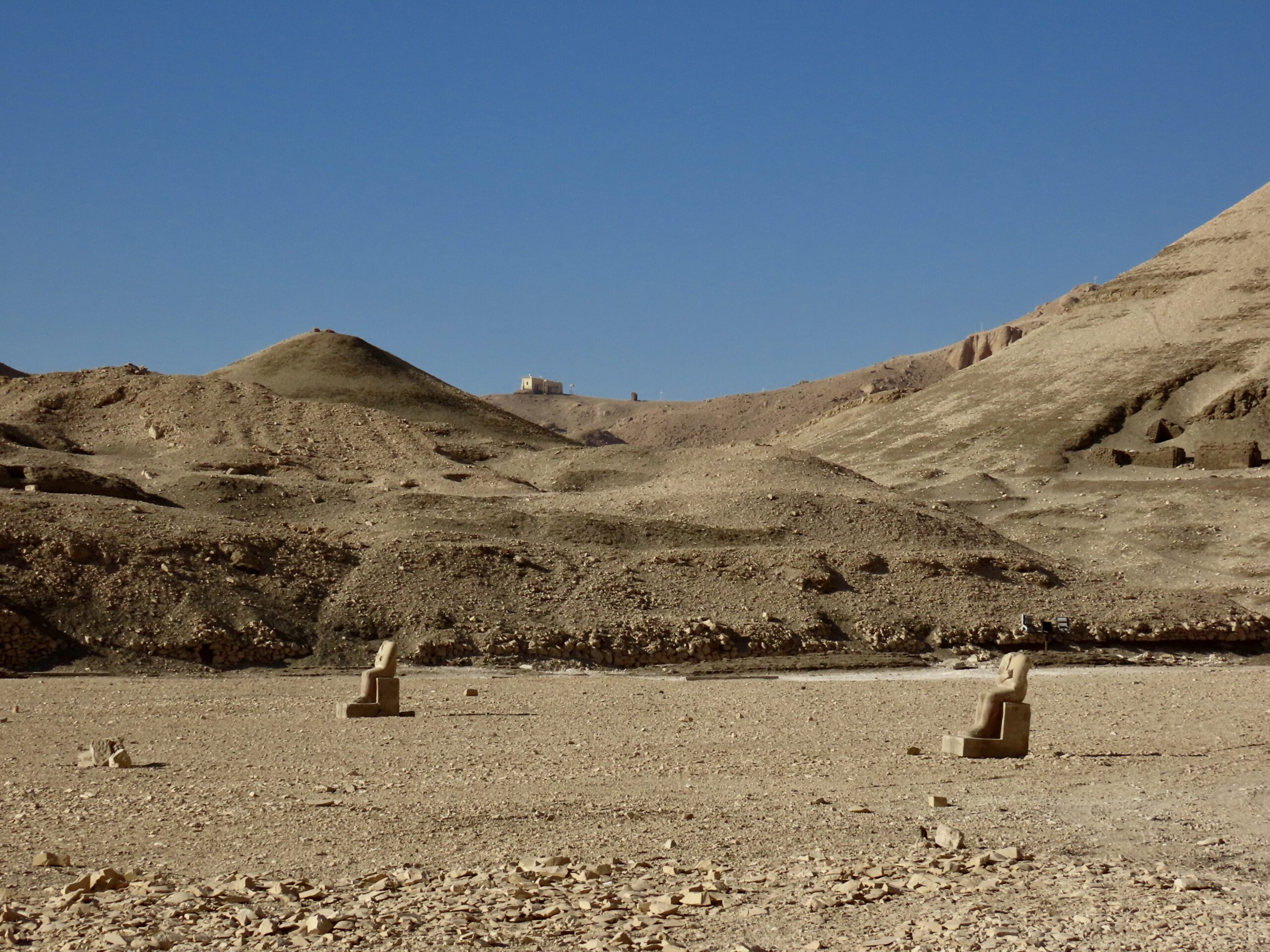


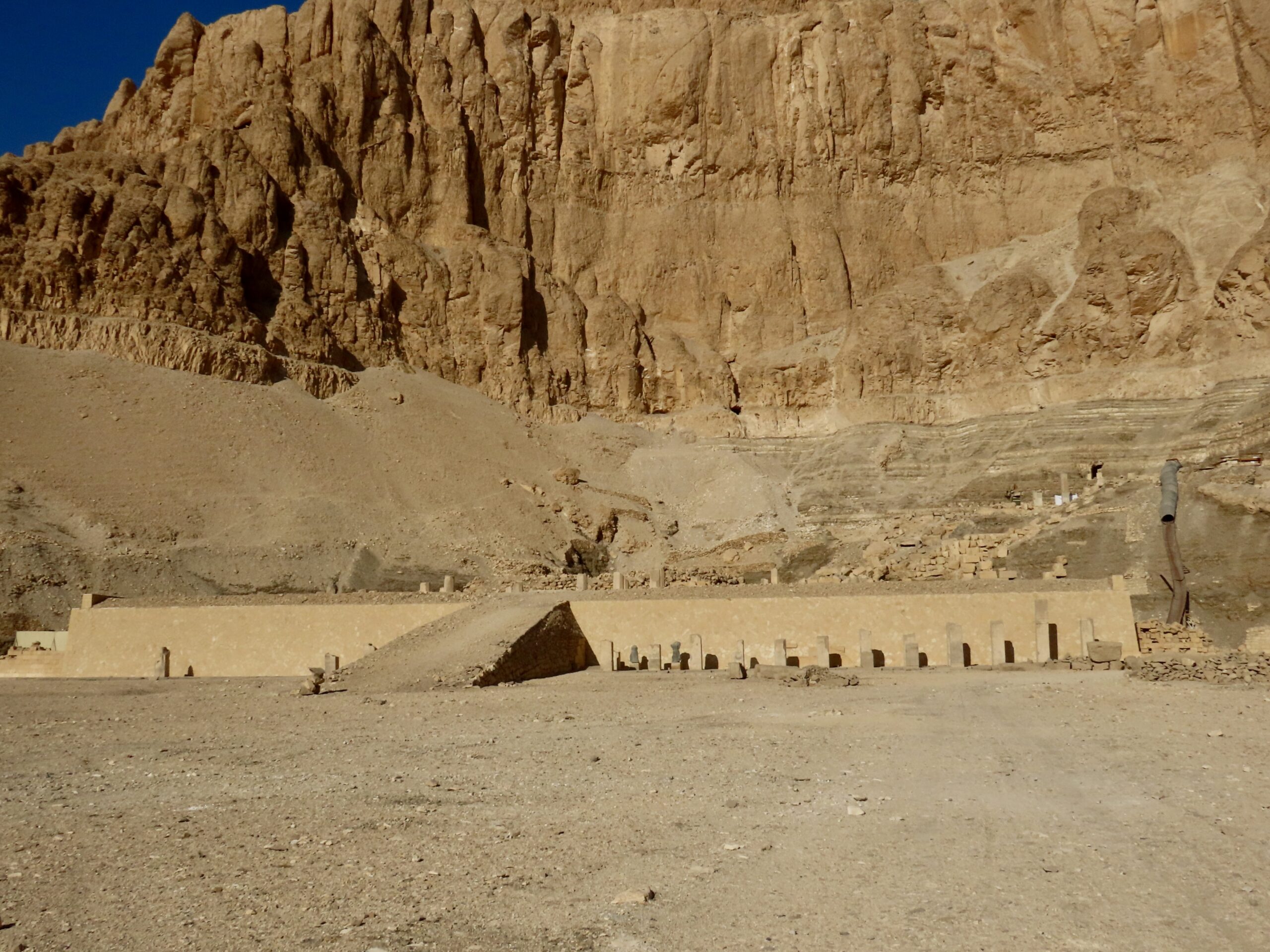
The ramp and was built by Herbert Winlock during his excavations for the Metropolitan Museum of Art from 1911-1931.
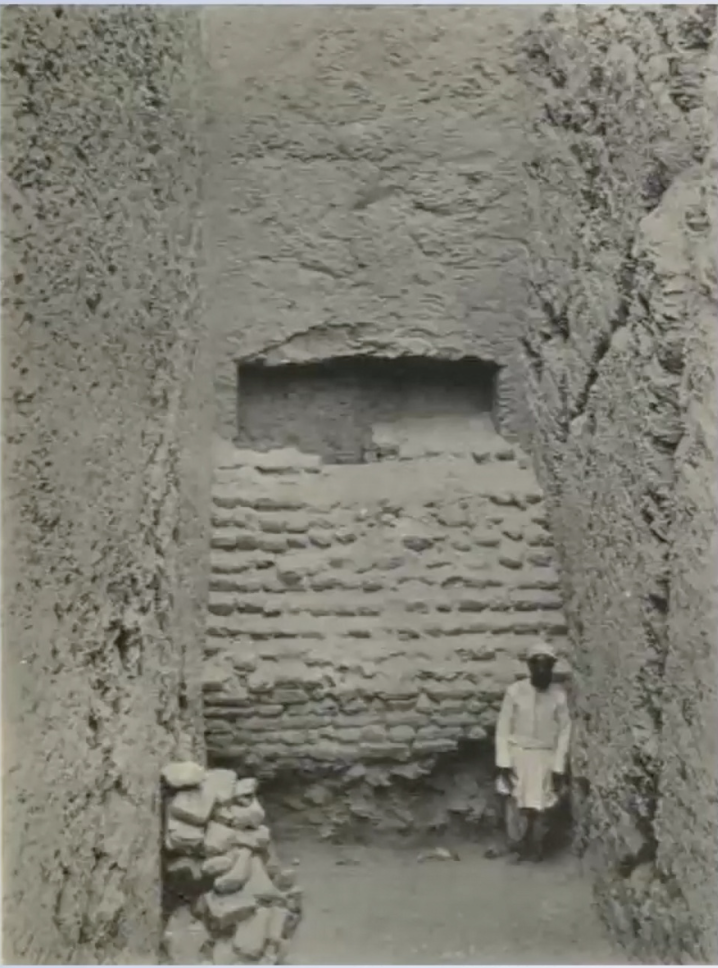
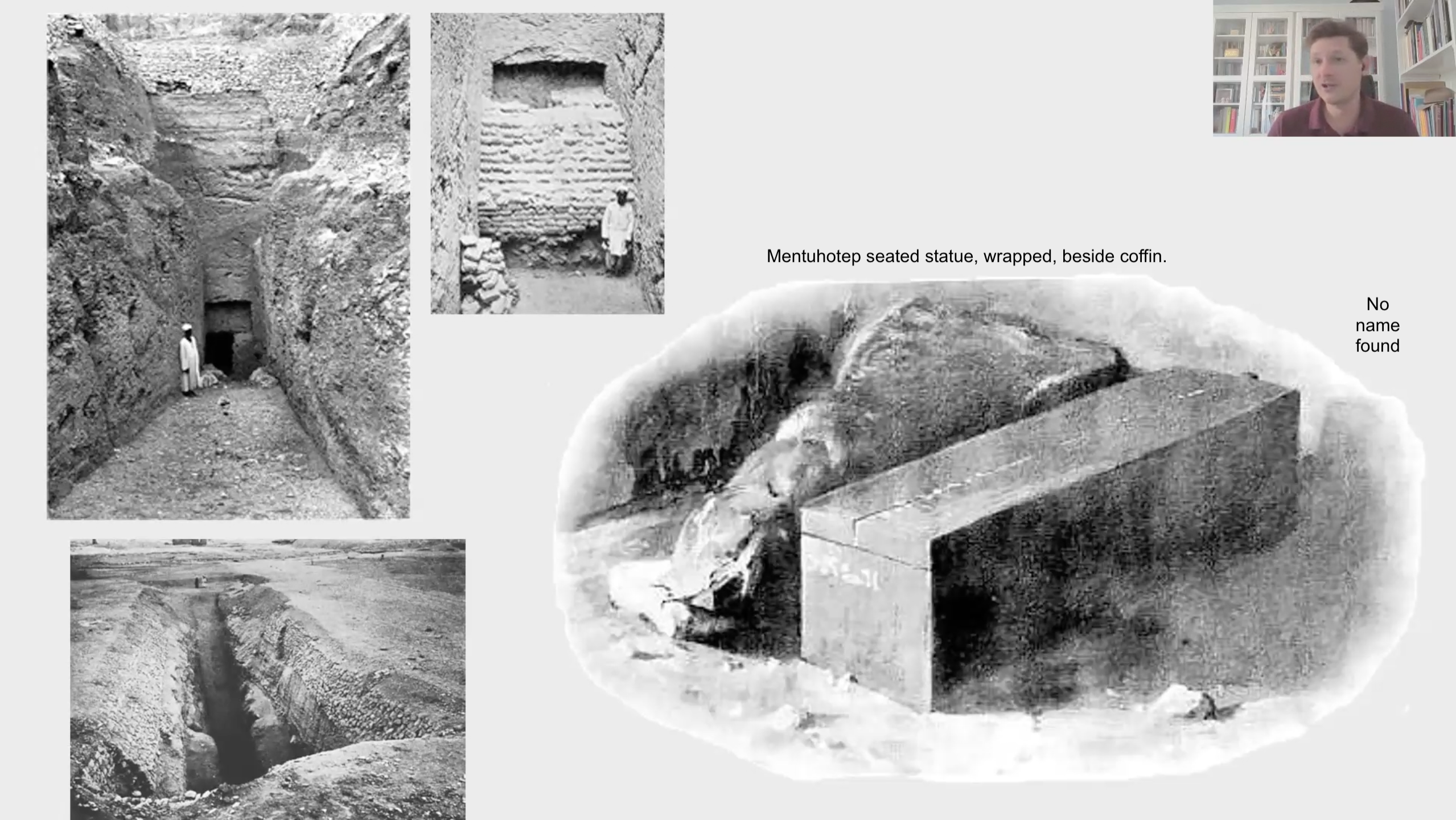
Around 1900, Howard Carter (best known outside Egyptological circles for his discovery of Tutankhamun’s tomb) was poking around here when his horse broke through the surface to uncover a very large pit in the plaza area. This curious feature (today called the Bab el Hasan, or “gate of the Horseman) is an underground cenotaph tomb (i.e., a monument to someone who is buried somewhere else). It contained a statue of Mentohotep, wrapped in a shroud, beside an empty wooden coffin. Its significance probably relates to beliefs about after-death access to the underworld. (Slides from Gregory Mumford and Patryk Chudzik, a member of the Polish Expedition.)



Here we are in front of the first terrace, where remnants of statues and columns remain.


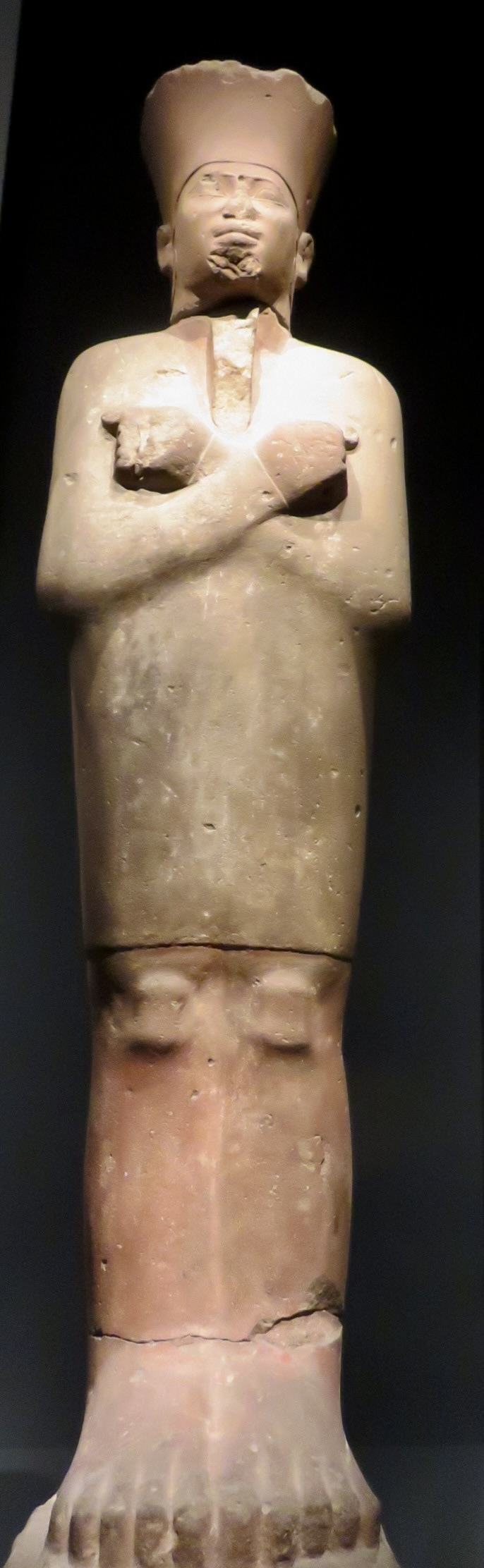
This statue of Mentuhotep in a Jubilee garment (celebrating 30 years on the throne) is in the Metropolitan Museum of Art (MMA). Statues were very blocky at this stage.


The re-unification of Egypt happened in stages over the course of the 39 years Mentuhotep 2 was on the throne, and he changed his throne (Horus) name each time there was a major reunification development. Those name changes are reflected in this temple, indicating that it was built over the course of 20+ years.
For the first 14 years of his reign, he used the name he took on ascendance to the throne “Making-the-Heart-of-the-Two-Lands-to-live.”
In year 14, the Northerners attempted to take back the Middle Egypt power center of Thinis and desecrated the cemetery of Egypt’s earliest rulers at Abydos. During the ensuing military campaign, Mentuhotep added the title “Divine of the White Crown,” emphasizing his claim over the White Crown of Upper Egypt (the crown of the south ).
In year 39, when the reunification battles were finally over, Mentuhotep 2 took his final throne name: “He, Who Unites the Two Lands.”


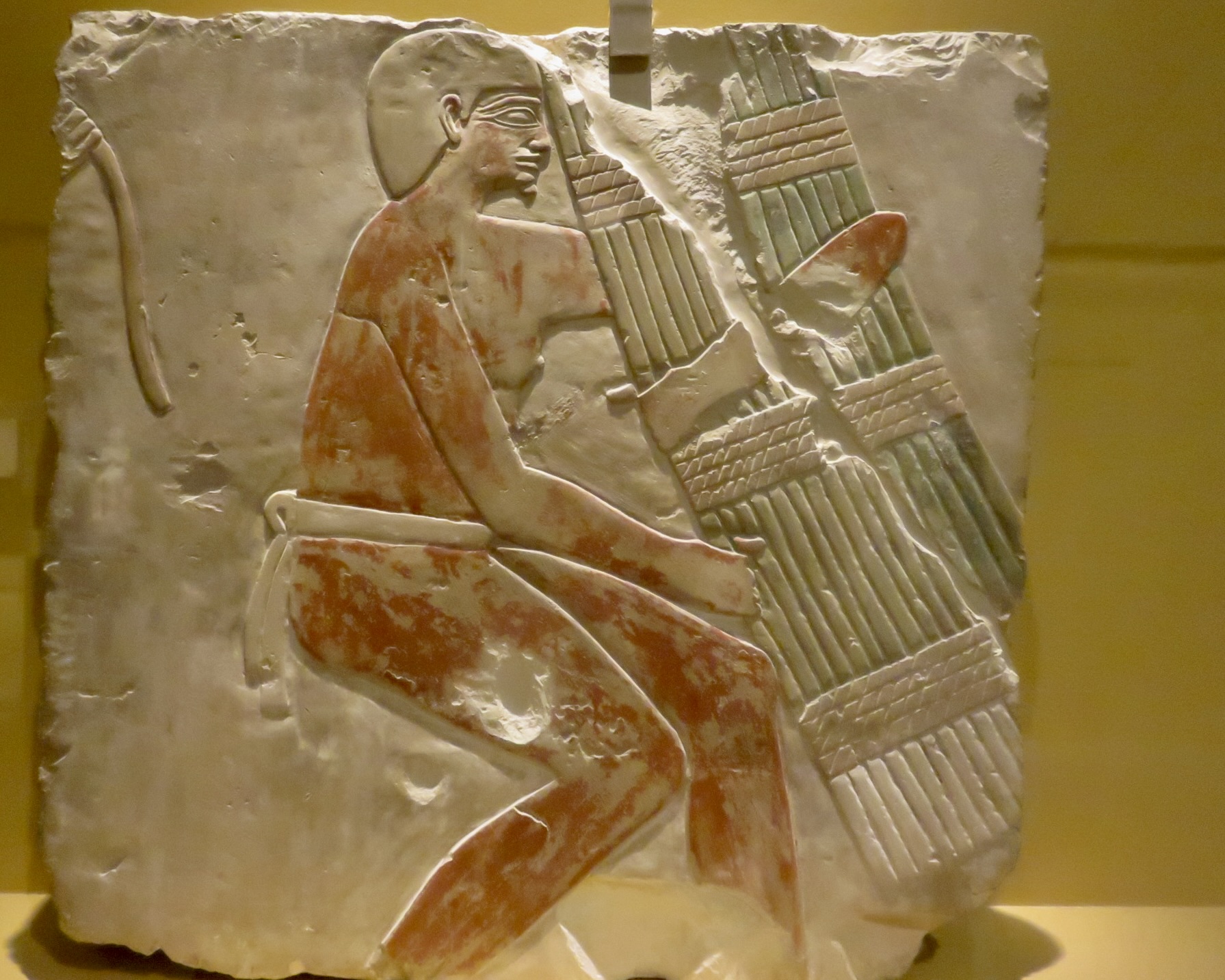
Mentuhotep’s temple was decorated with gorgeous painted raised reliefs of which little remains on site. Fragments can be found in museums around the world.




Royal Women
At the back of the main terrace stood a row of chapels dedicated to royal women, likely Mentuhotep’s lesser wives and at least one daughter (five year old Mayt, “Kitten”). This area of the temple was dedicated to the goddess Hathor, and all of these women were priestesses of that goddess. They were buried in shafts below their chapels.

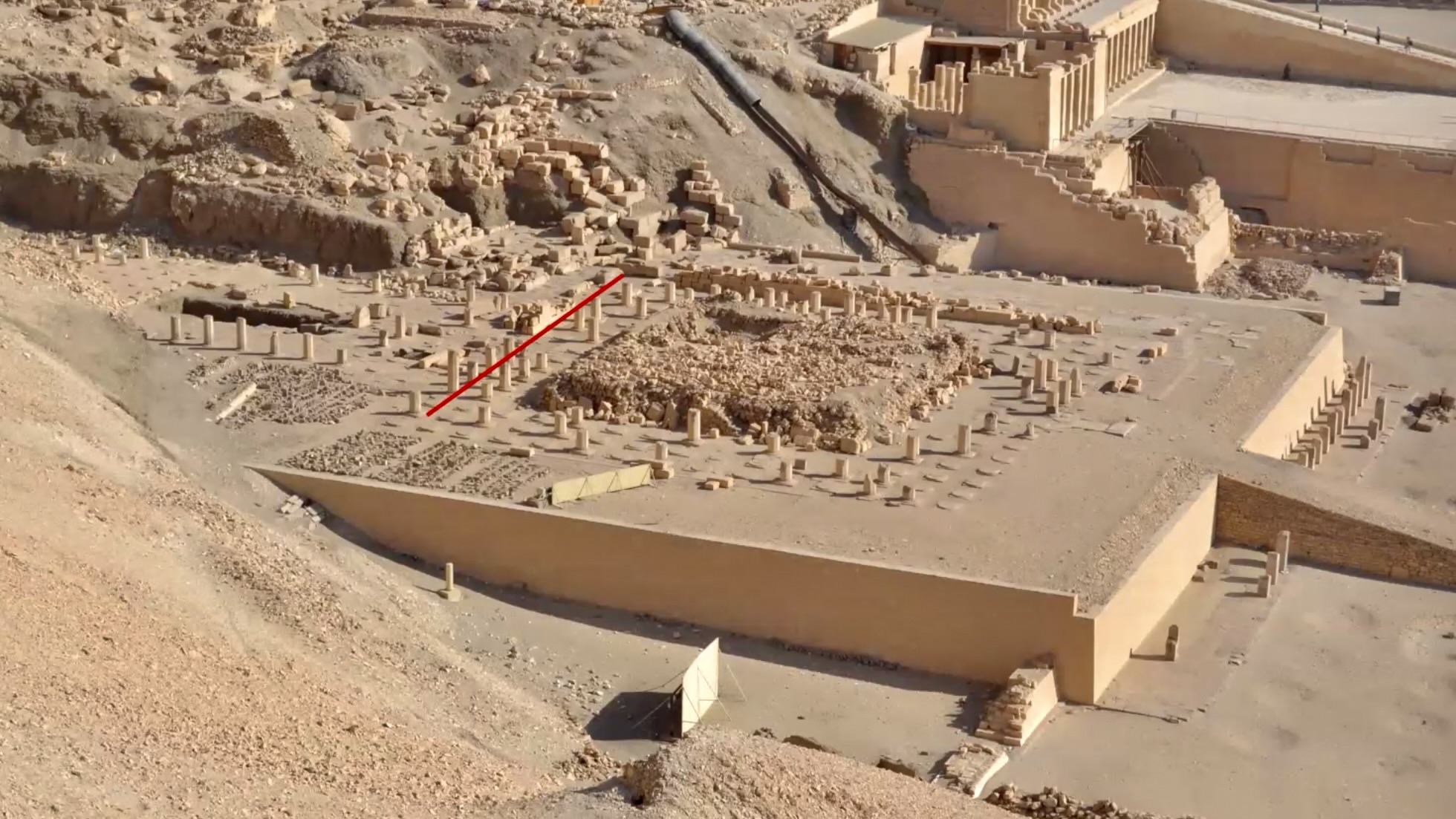


The grave shafts of two of the women – Kawit and Ashayet – contained gorgeous sarcophagi, now in the (old) Egyptian Museum in Tahrir Square. These intricately carved and painted stone coffins helped ensure a comfortable afterlife for the deceased, magically providing all the comforts of home through spells and visual depictions. This is Kawit’s sarcophagus.


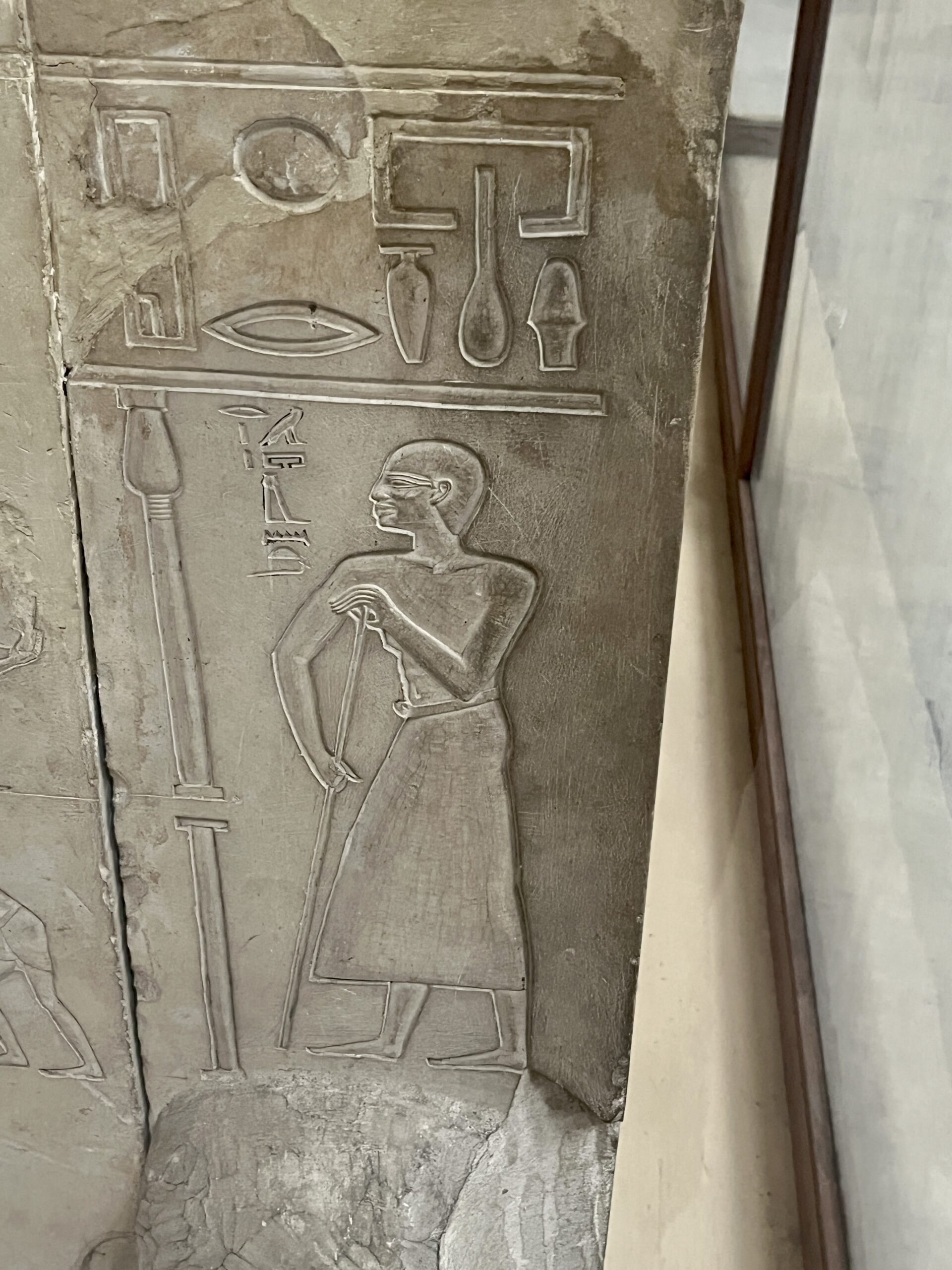


Carved or painted eyes are a special feature of Middle Kingdom coffins, providing a means for the deceased to see into the world of the living and partake of offerings provided by families and worshippers.
The interior of Ashayet’s sarcophagus is beautifully painted with spells along the top and offerings below. These spells helped the deceased navigate the many dangers and pitfalls that they would encounter on their journey to the blessed afterlife.


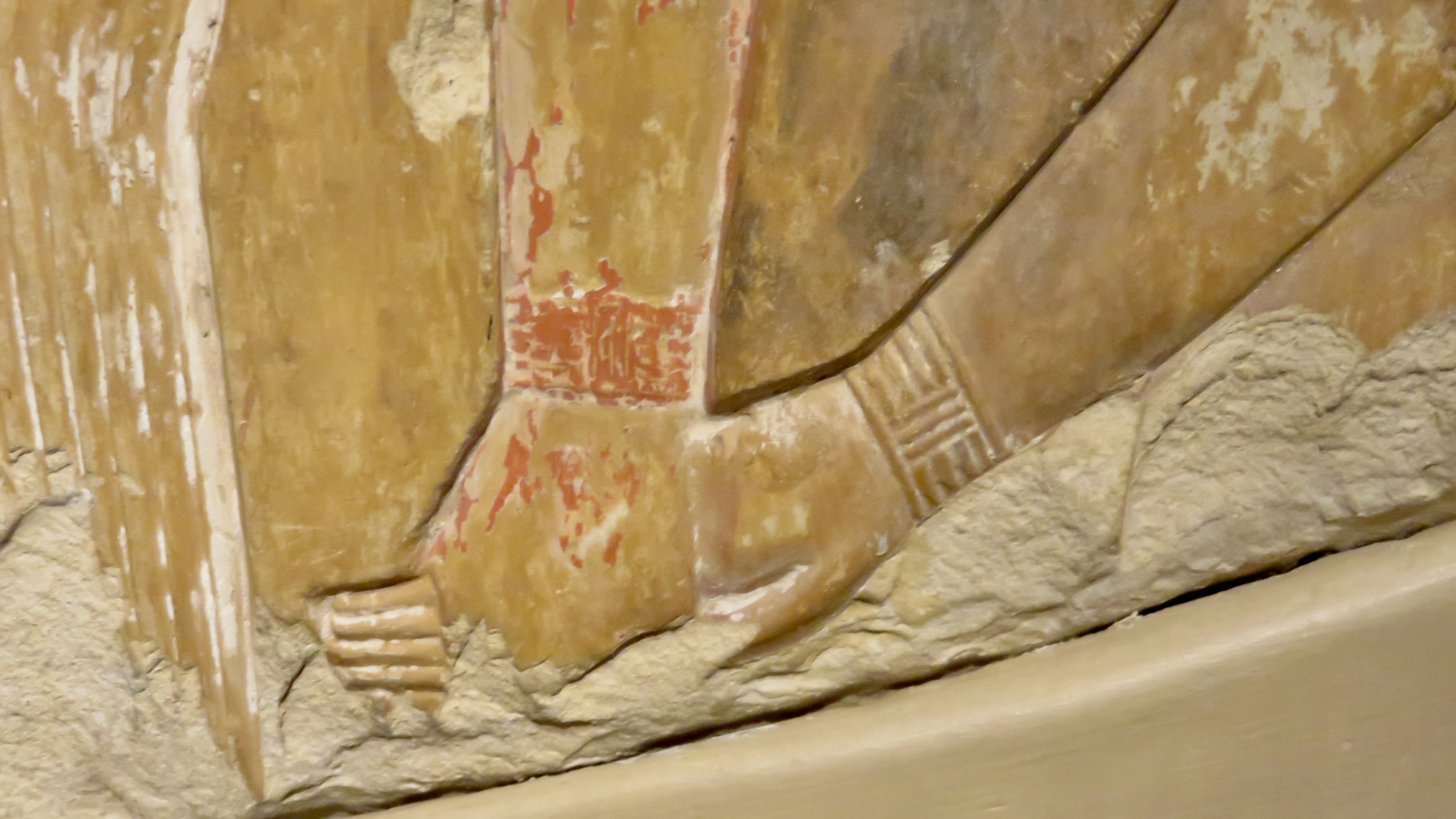
Below are fragments of beautifully rendered reliefs from the chapel of Kemsit now in the Metropolitan Museum of Art, the Louvre and the Boston Museum of Art, including images of Mentuhotep and Kemsit holding hands.



Mentuhotep was buried in a tomb dug into the ridge, accessed from the rear of the temple.


Nobles’ Tombs
We got a delightful surprise when Dr. Patryk Chudzik (of the Polish Expedition) dropped in on us as we were wrapping up our visit to the temple. Patryk and his team have been working for several years on a set of nobles’ tombs located south and east of the temples on a ridge known as the Asasif. Earlier in the year, he delivered an excellent Kemet Club course on the team’s work in the context of the evolution of Middle Kingdom Art. These tombs were originally constructed by people serving Mentohotep 2, but reused in later times (a common practice). All were looted and robbed in antiquity, creating a mass of artifacts from different eras all jumbled together. The current work focuses on sorting through the jumble and conserving the walls, with some tombs to possibly be opened to the public in future.


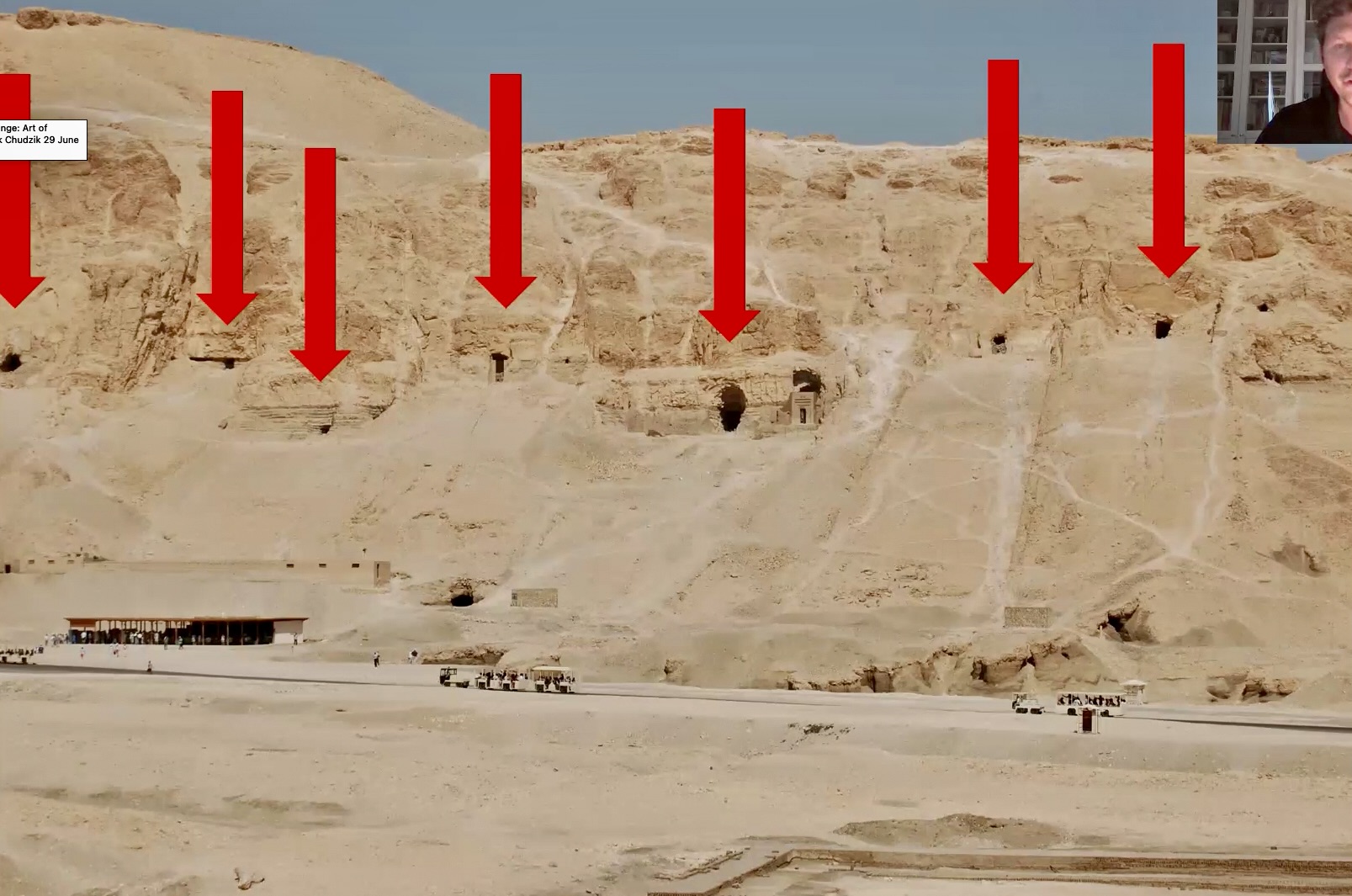

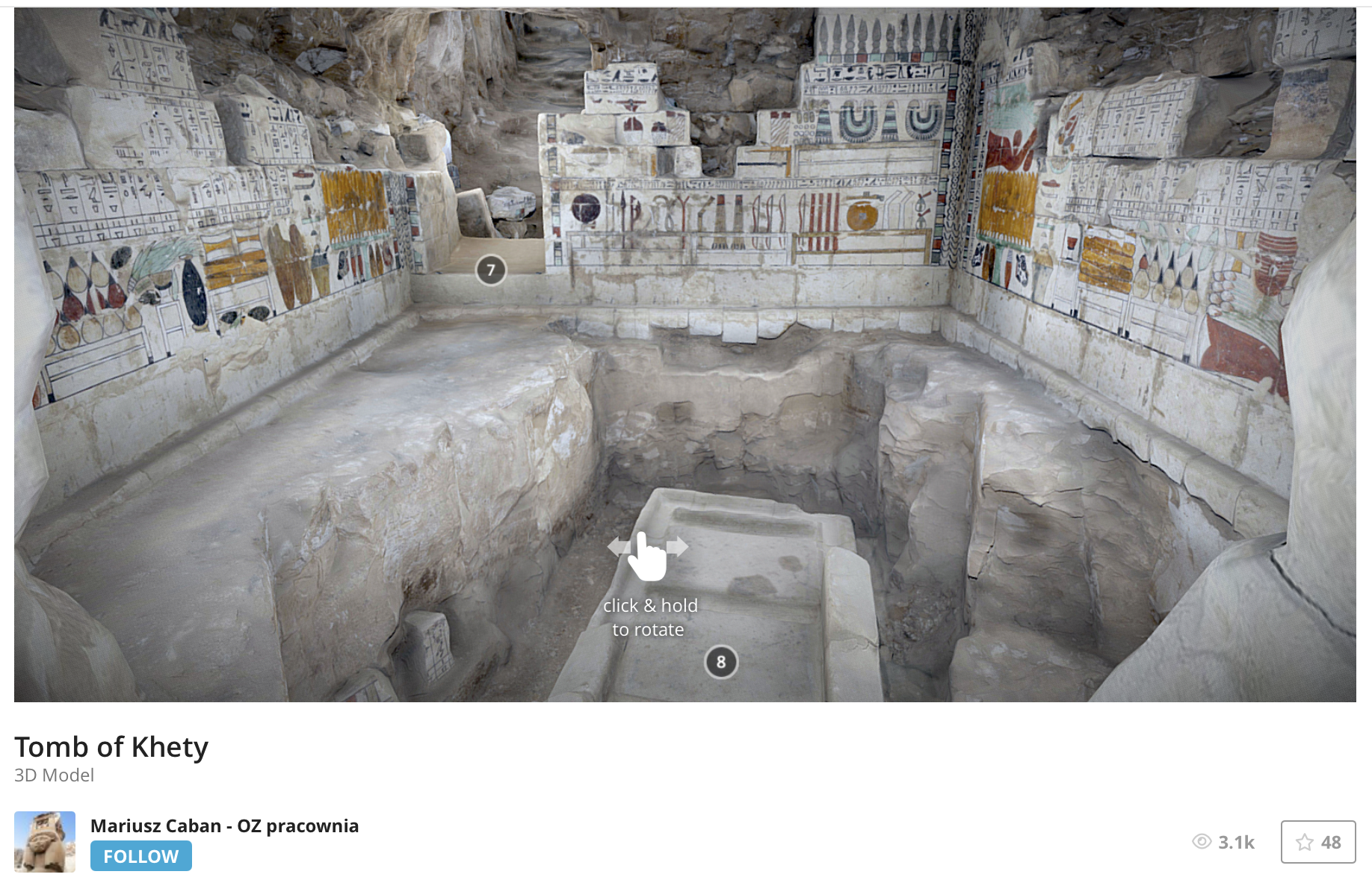
One particularly interesting tomb is that of Mentuhotep’s Treasurer, Khety. The walls of the burial chamber are painted with the same imagery seen inside the sarcophagus of Ashayet. You can visit this tomb virtually through this 3D model.
Another tomb, found in the 1920’s, is an ancient mass grave containing the bodies of at least fifty-nine soldiers. From the wounds visible on the bodies, they died in battle, and their weapons were buried with them. Herbert Winlock, the original excavator who found the tomb in the 1920’s, thought that these were soldiers who died in one of the civil war battles during the reign of Mentuhotep. However, evidence found in recent work (names inscribed on linen wrappings and the type of archer’s wrist guard found in the tomb) dates these soldiers to the 12th Dynasty, ~ 150 years later.
Tomb of Neferu
The Polish-Egyptian team’s conservation work was the subject of our next very special visit: a trip inside the tomb of Mentuhotep’s sister-wife, Neferu. Her tomb is located on the north side of Mentohotep’s temple, between the two temples, in a position that is now covered by Hatshepsut’s grand plaza. Like her brother, Neferu was revered by later generations and her tomb chapel was still in active use when Hatshepsut’s temple was built, 600 years later. To allow continued access to Neferu’s chapel, those 18th Dynasty builders constructed a tunnel beneath Hatshepsut’s temple to the chapel’s entry corridor.
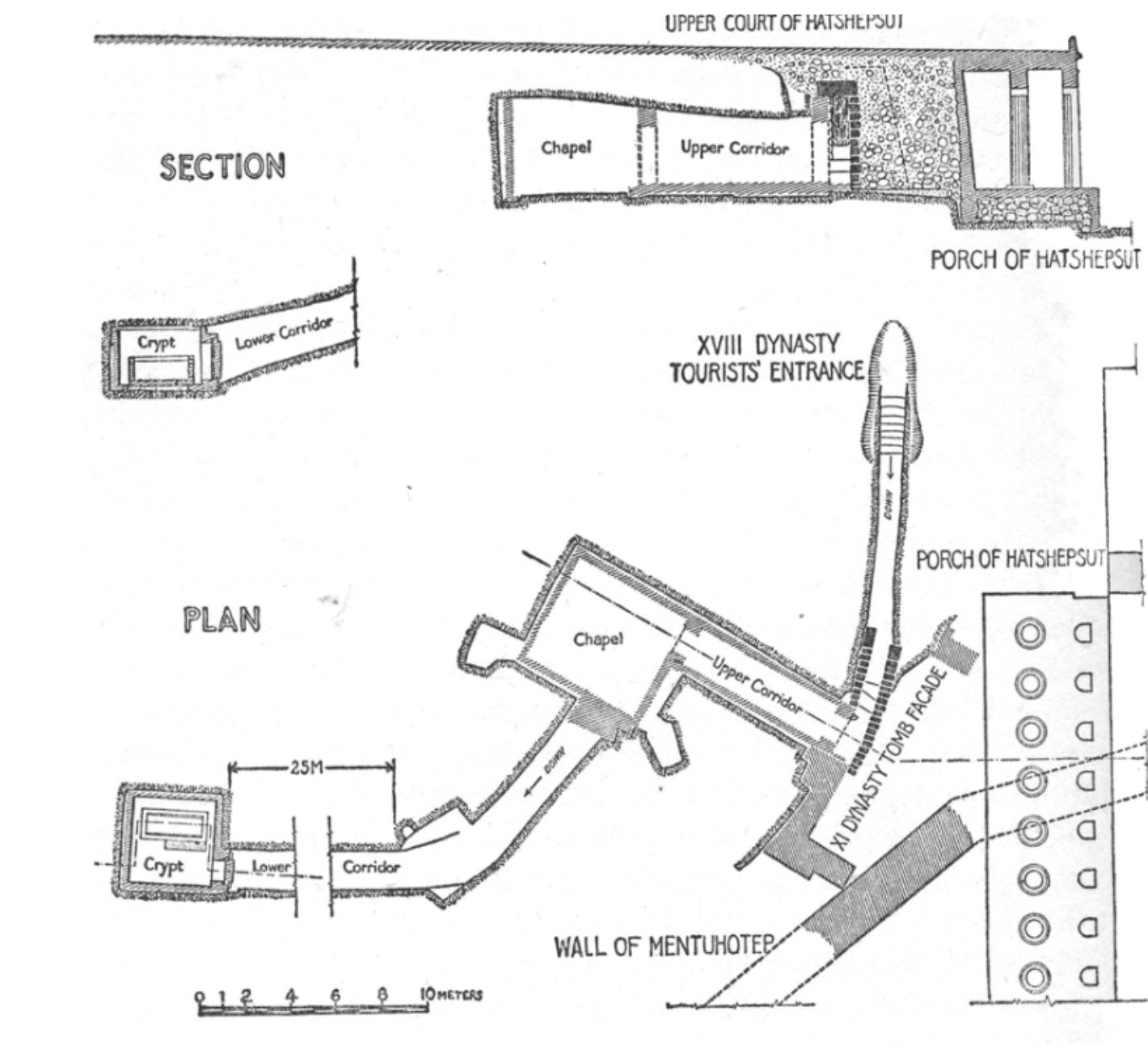

with the entrance to Neferu’s tomb complex in the lower left.
Here is the tomb entrance today (or on the day we visited).


Josie & Pippa modeling the face masks we all wore because of the dust.


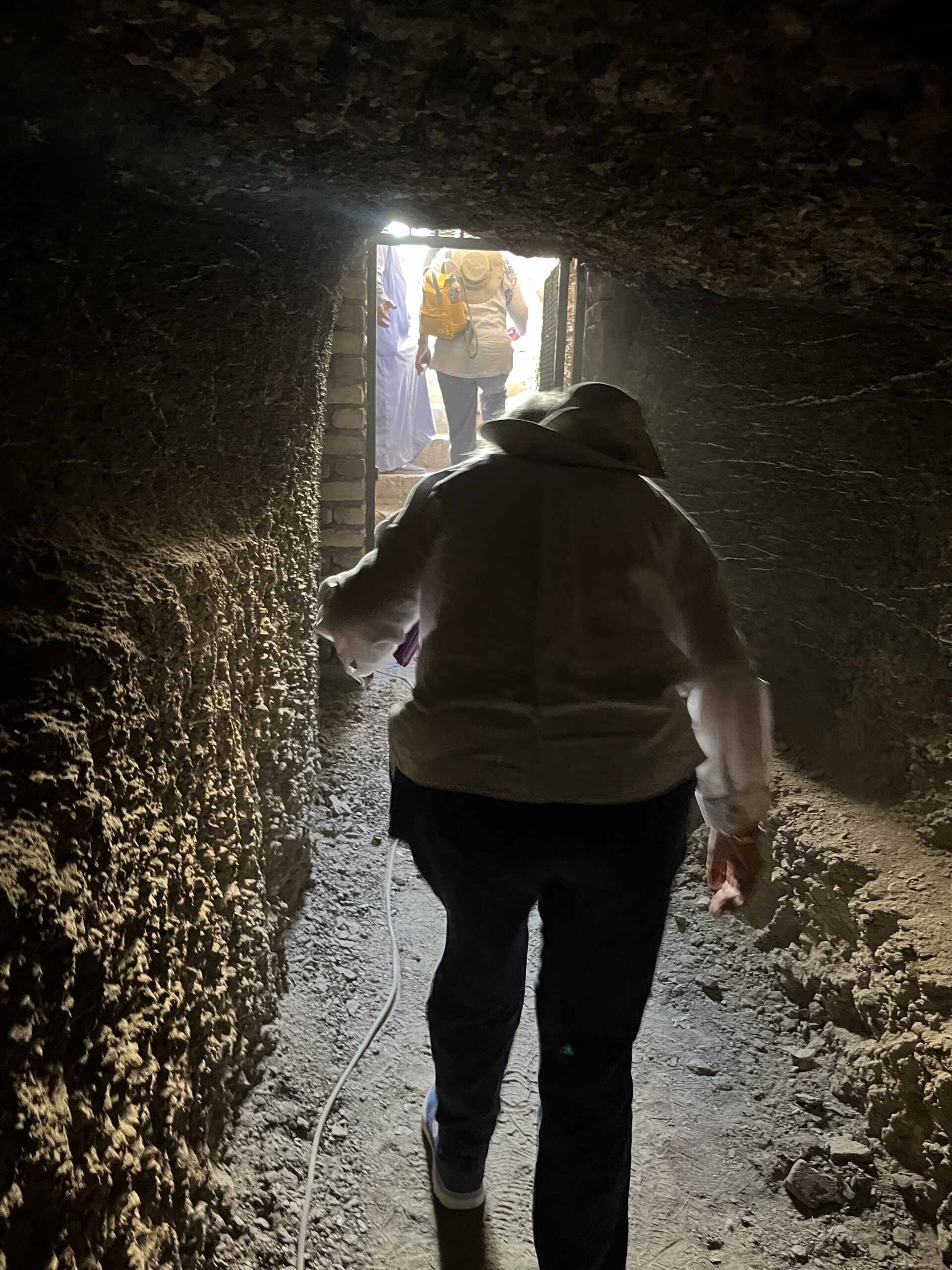
The descent, followed by a long walk through the tunnel to the tomb chapel. That’s Carol, our doughy octogenarian, assisted on the not-very-stable stairs by members of the Egyptian team.


A summary of Neferu’s tomb interior, by Wolfram: “While the tomb was extensively damaged and used as a quarry in ancient times, fragments of its limestone reliefs and well-preserved funerary decorations, provide valuable insights into the period. These fragments are today in different museums around the word (including the Cairo Museum). The tomb of Neferu contains a rock-cut burial chamber, originally holding the queen’s sarcophagus. Burial chambers are normally not decorated, but there are some exceptions. The tomb of queen Neferu belongs to these exceptions. The chamber is decorated in a similar way to the inside of coffins. There are friezes of objects that are well known as burial goods.”
Neferu’s tomb was discovered by Winlock and excavated in the early 1920s. Later archeological missions used it as a storehouse for fragments from a lot of different tombs. Patryk’s team are identifying, numbering and storing the bits and pieces warehoused in the tomb, as well as conserving the wall paintings that remain in the burial chamber.
In the pictures below, we are standing in the queen’s memorial chapel, where people would bring offerings to respect her memory and provide food for the afterlife.

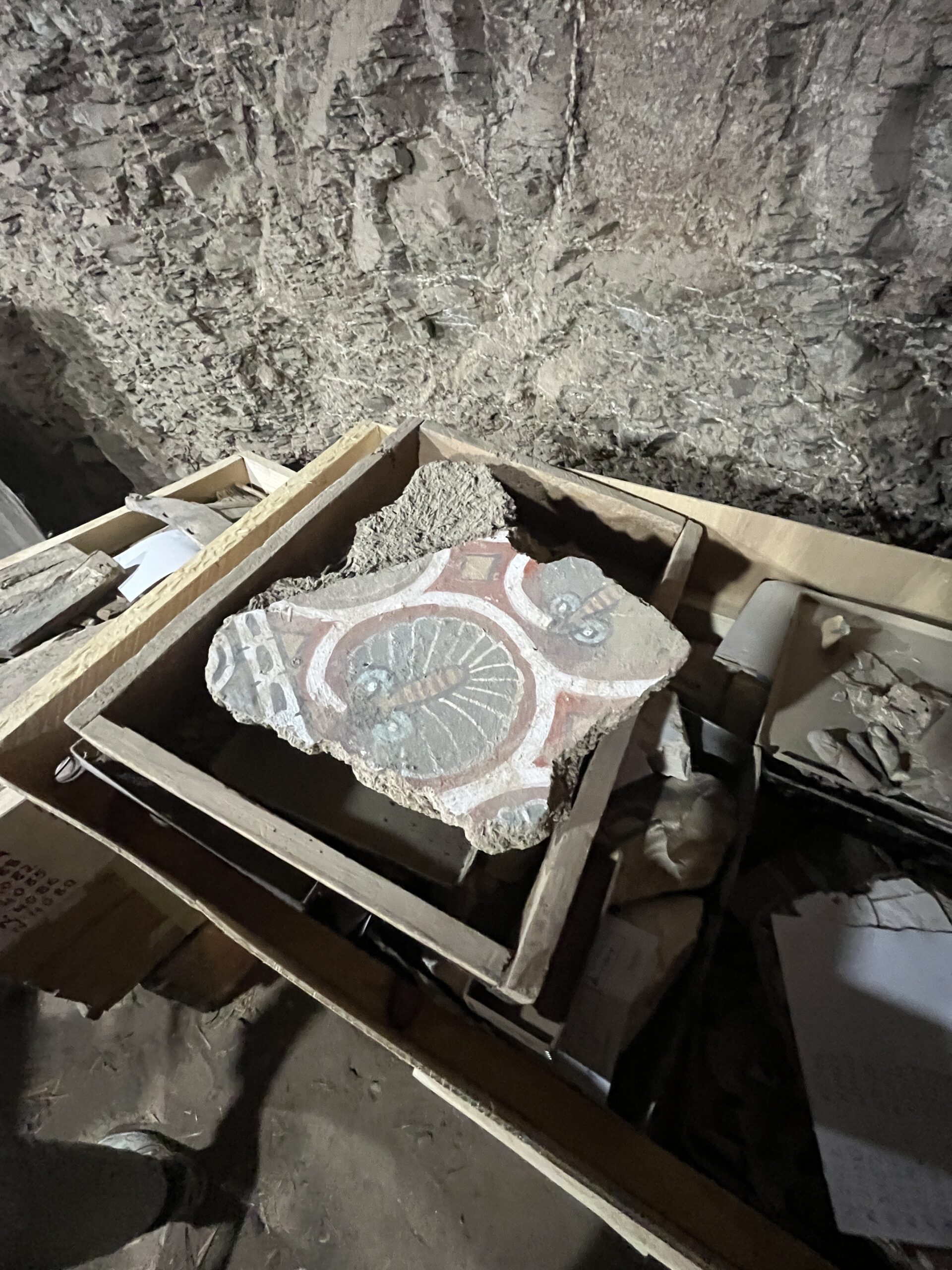


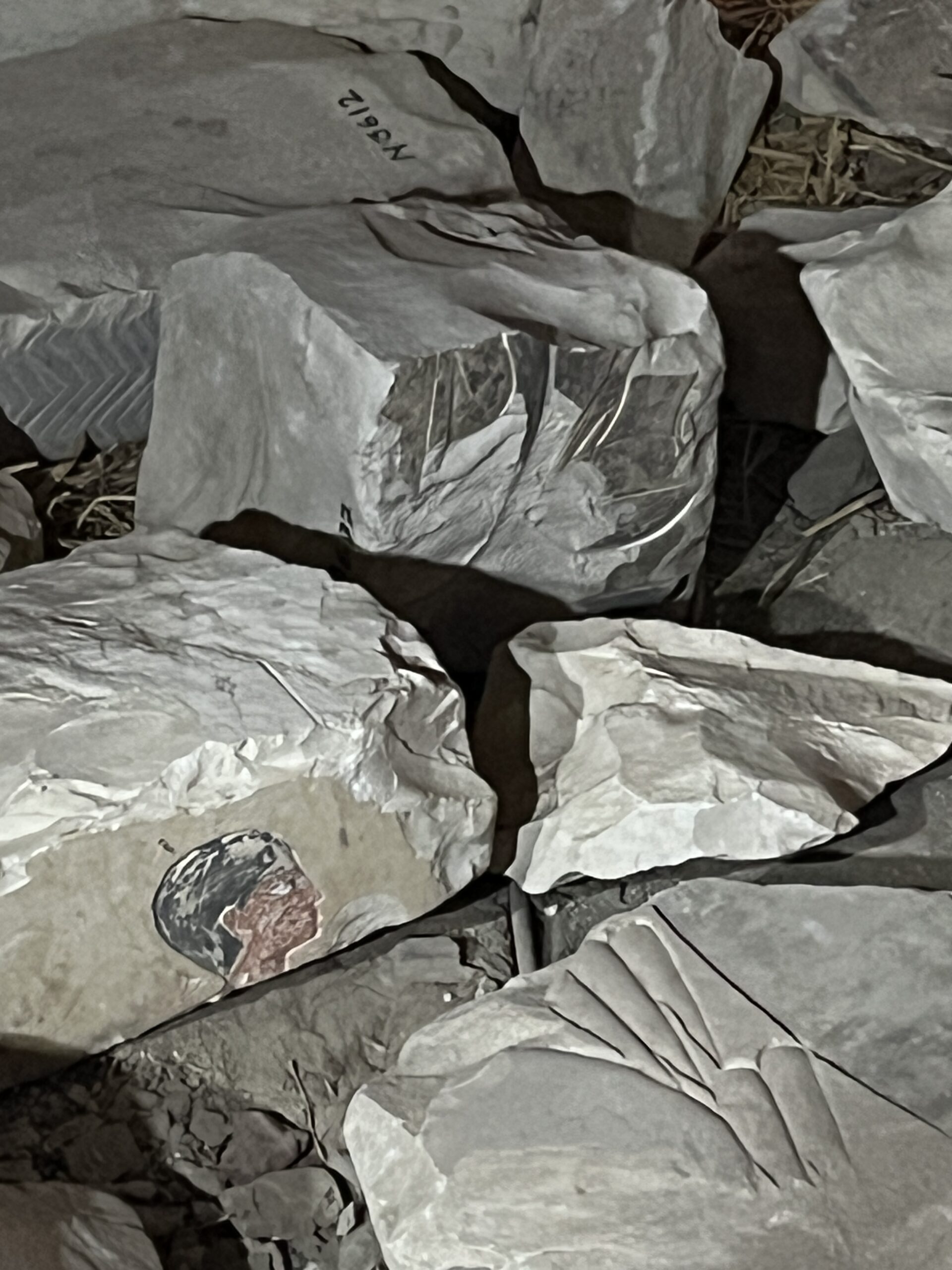


We trod carefully down the steep and narrow corridor to the burial chamber, six at a time because the chamber is a very small space, mostly taken up by the huge sandstone sarcophagus. On the burial chamber walls, you can see the similarity with images in the sarcophagus of Ashayet.


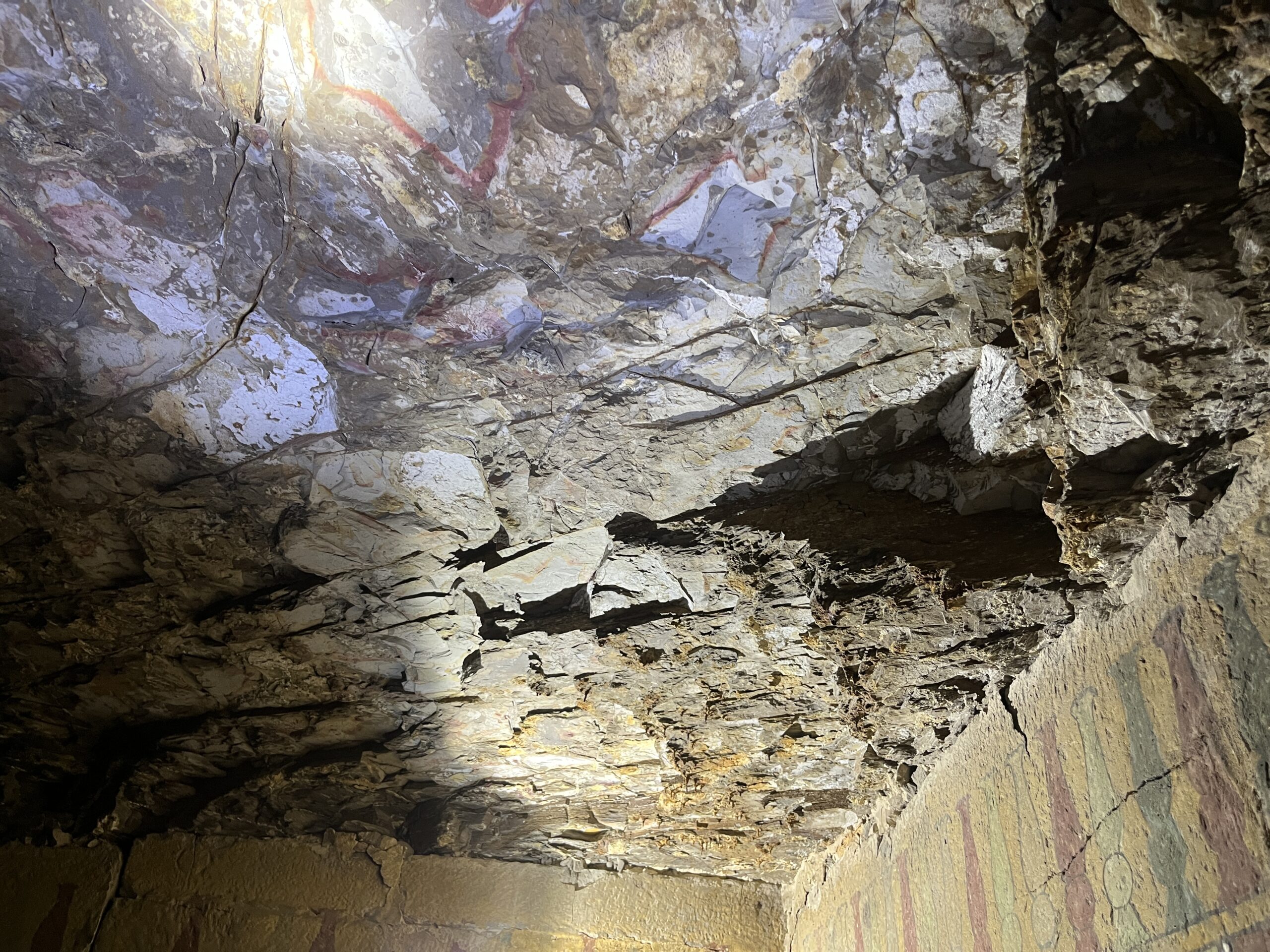

Here are a few of those relief fragments from Neferu’s chapel walls. As mentioned earlier, these relief fragments are scattered across museums all over the world.
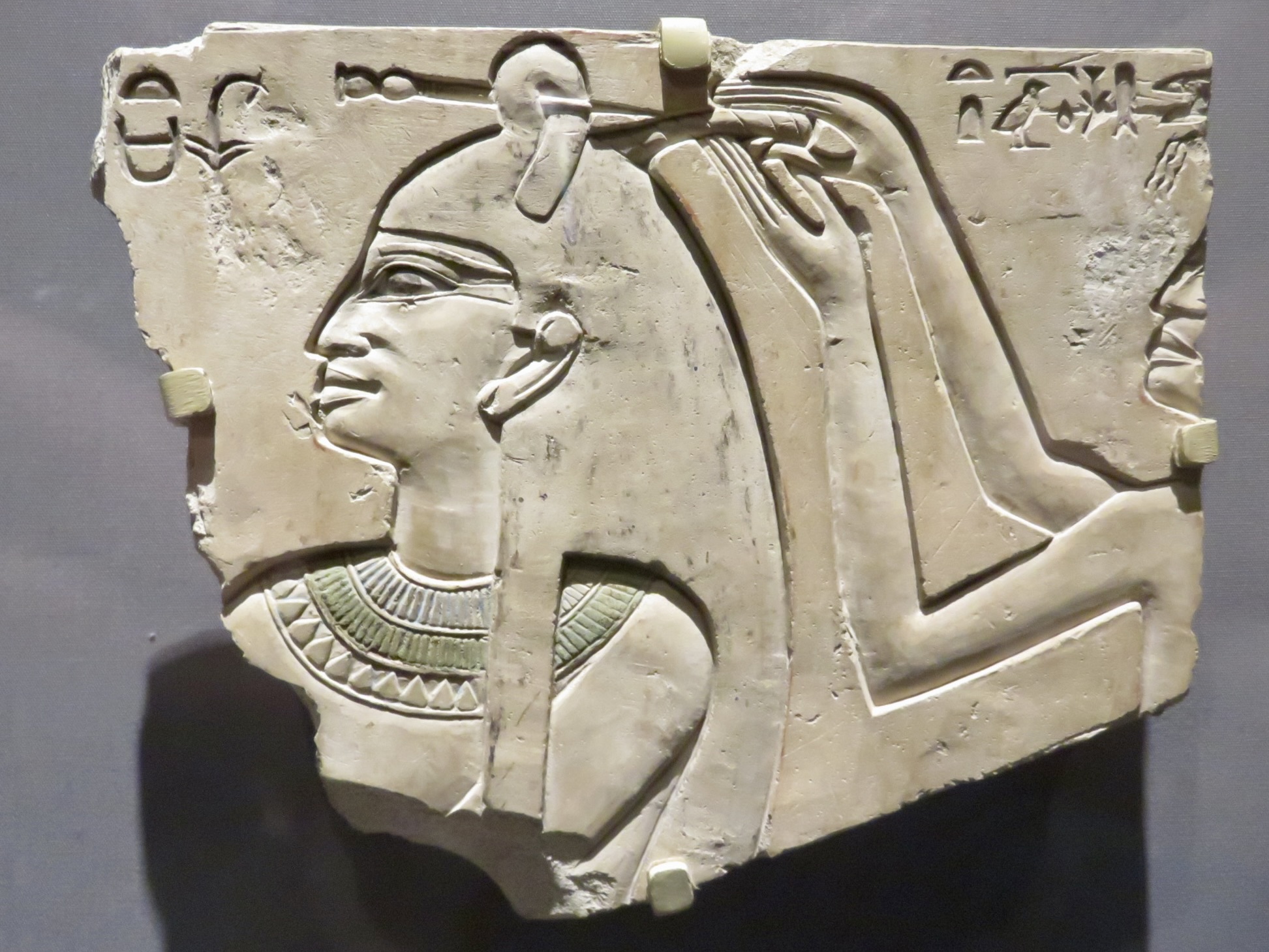


Edinburgh and the MMA.
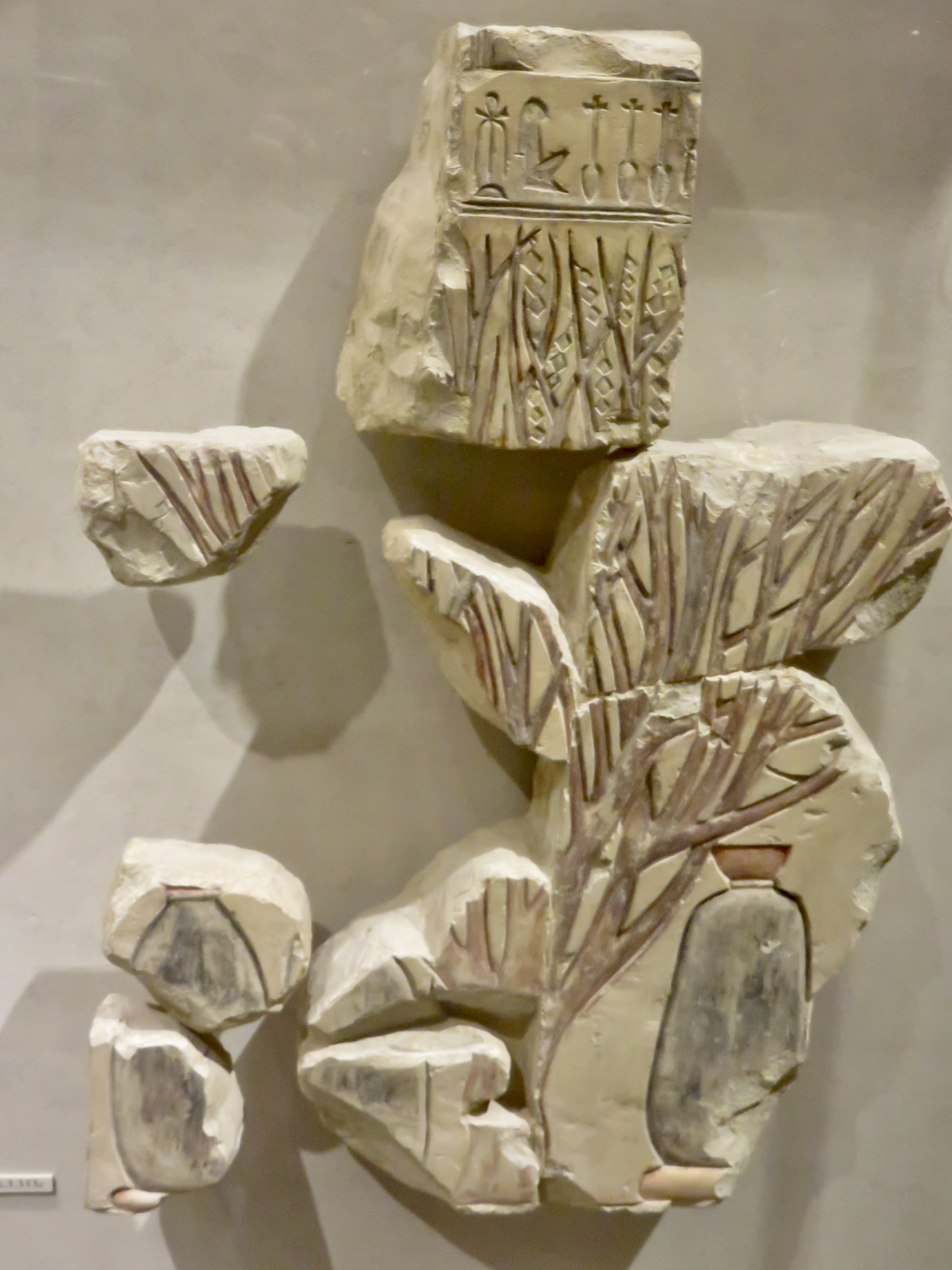
Luxor’s East Bank: Luxor Museum
Thus ended our morning’s adventures. We piled onto the bus and headed back across the Nile to the East Bank to visit the Luxor Museum and Karnak Temple, with lunch squeezed in between. (Did I mention these were long days…?)


Luxor is fortunate to have a beautiful, modern museum housing art and artifacts from multiple stages of ancient Egyptian history. There isn’t a lot of Middle Kingdom material, but there are wonderful artworks from the New Kingdom and some interesting bits from everyday life.
Even Salah couldn’t maneuver down this narrow street, so we abandoned the bus and walked a couple of blocks to the Luxor Museum entrance, on the Corniche.


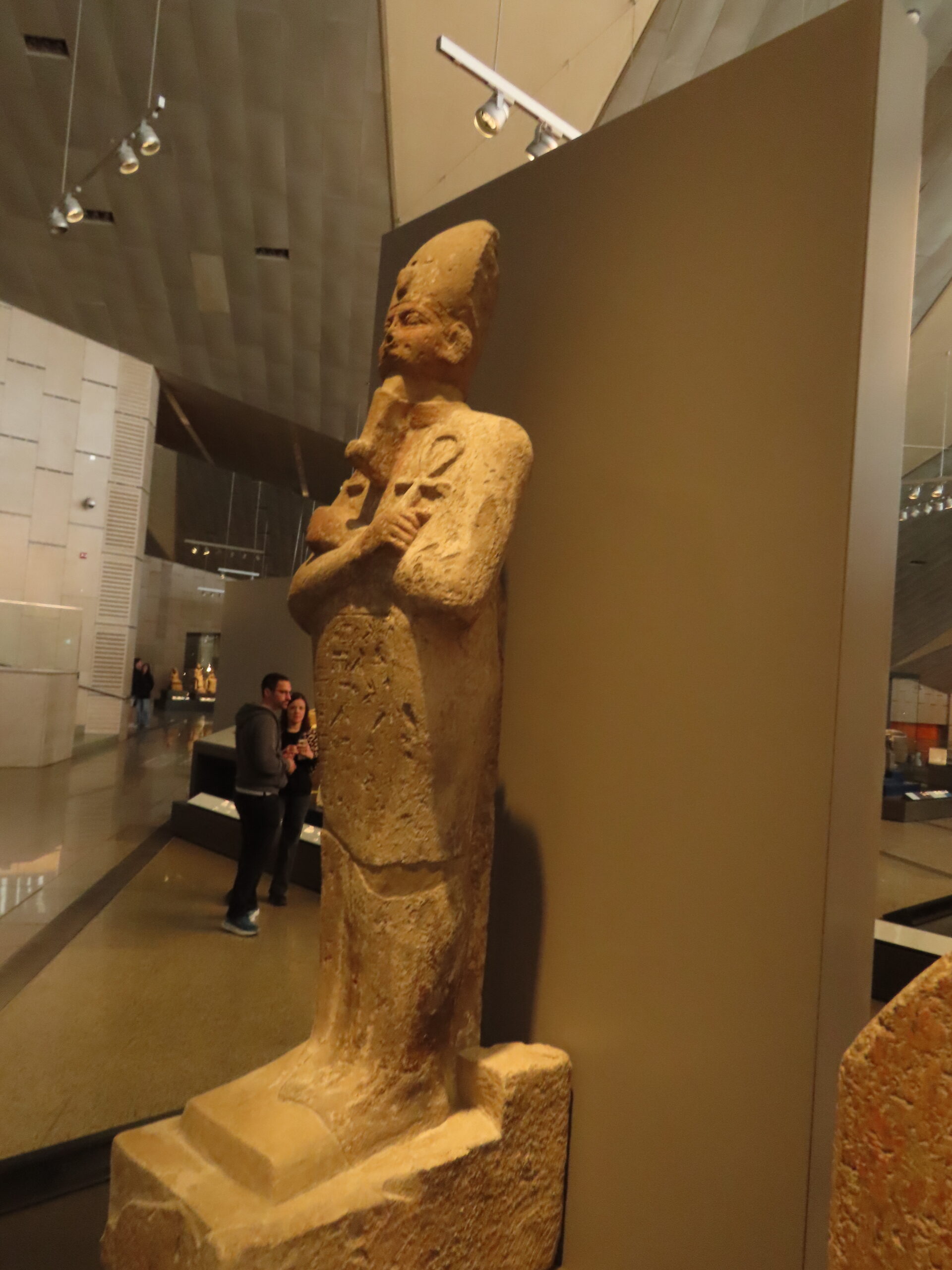


Most of the statues in this museum are from a cache found buried at Karnak Temple. I’ll highlight some favorites.


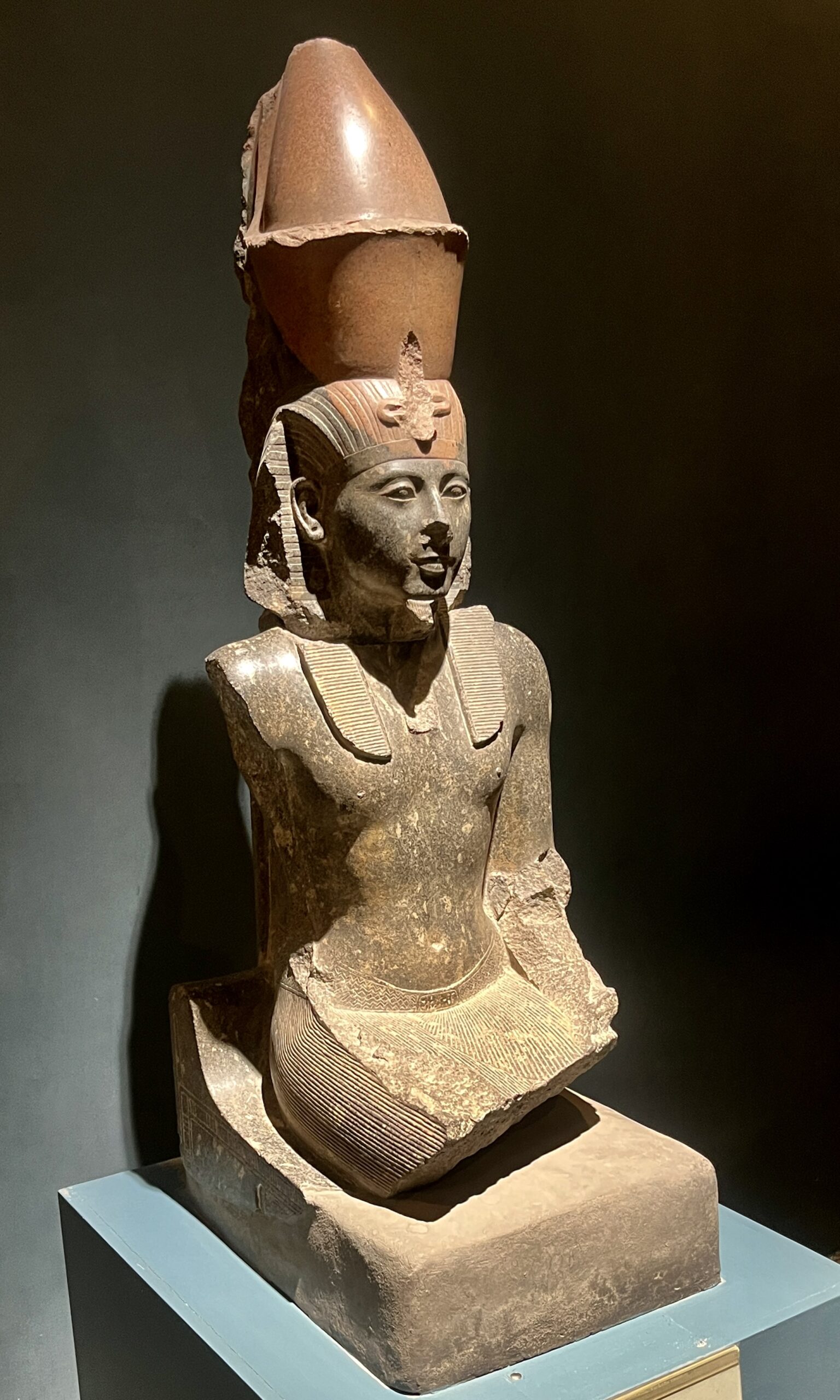


The second floor contains more everyday items, as well as a wall of talatat blocks from the Amarna period, visible in the upper left of the photo immediately below.


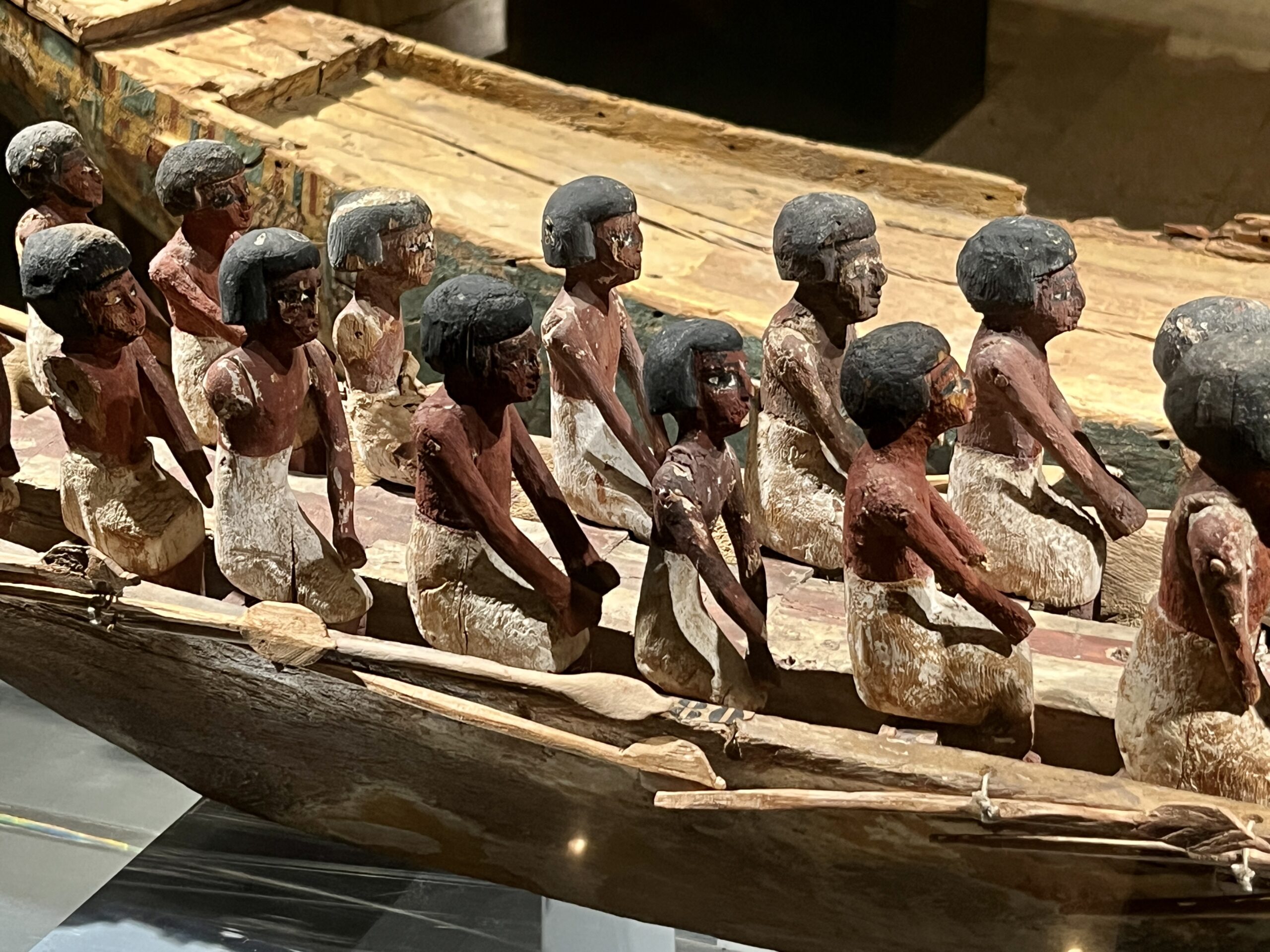
Wooden models were a big feature of the Middle Kingdom. The best are from the tomb of Meketre – more about that later.


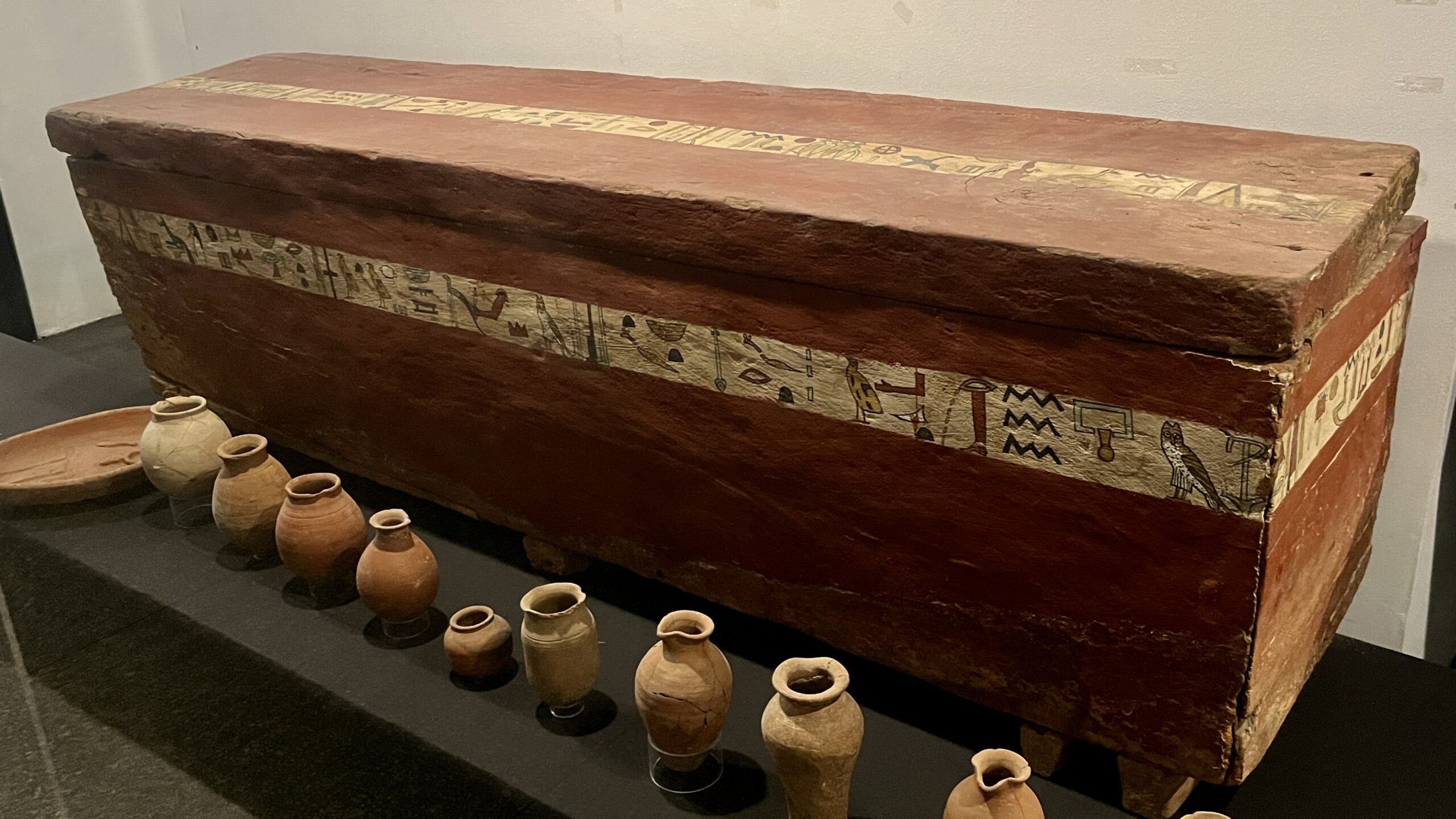
The wooden coffin is from Dynasty 12. I believe the cartonnage coffin and the coffin with the beaded covering are 26th Dynasty.


Amr called out these interesting bits – they are architectural drawings on pottery sherds. The large drawing is the tomb of Ramses 9, one of the most visited tombs in the Valley of the Kings.


I briefly ducked into the gift shop and was amused to see these venerable copies of Mika Waltari’s The Egyptian on the shelf. The book is based on a famous piece of Middle Kingdom literature called “The Story of Sinuhe,” set in the 12th Dynasty. The book has some racy bits and was banned as obscene when it was published in 1949. I read the book as a teenager and loved it (and recently re-read it – couldn’t see what all the fuss was about.) The 1954 Hollywood adaption is very entertaining (as only those 1950’s historical epics can be) with Peter Ustinov stealing the show IMO.


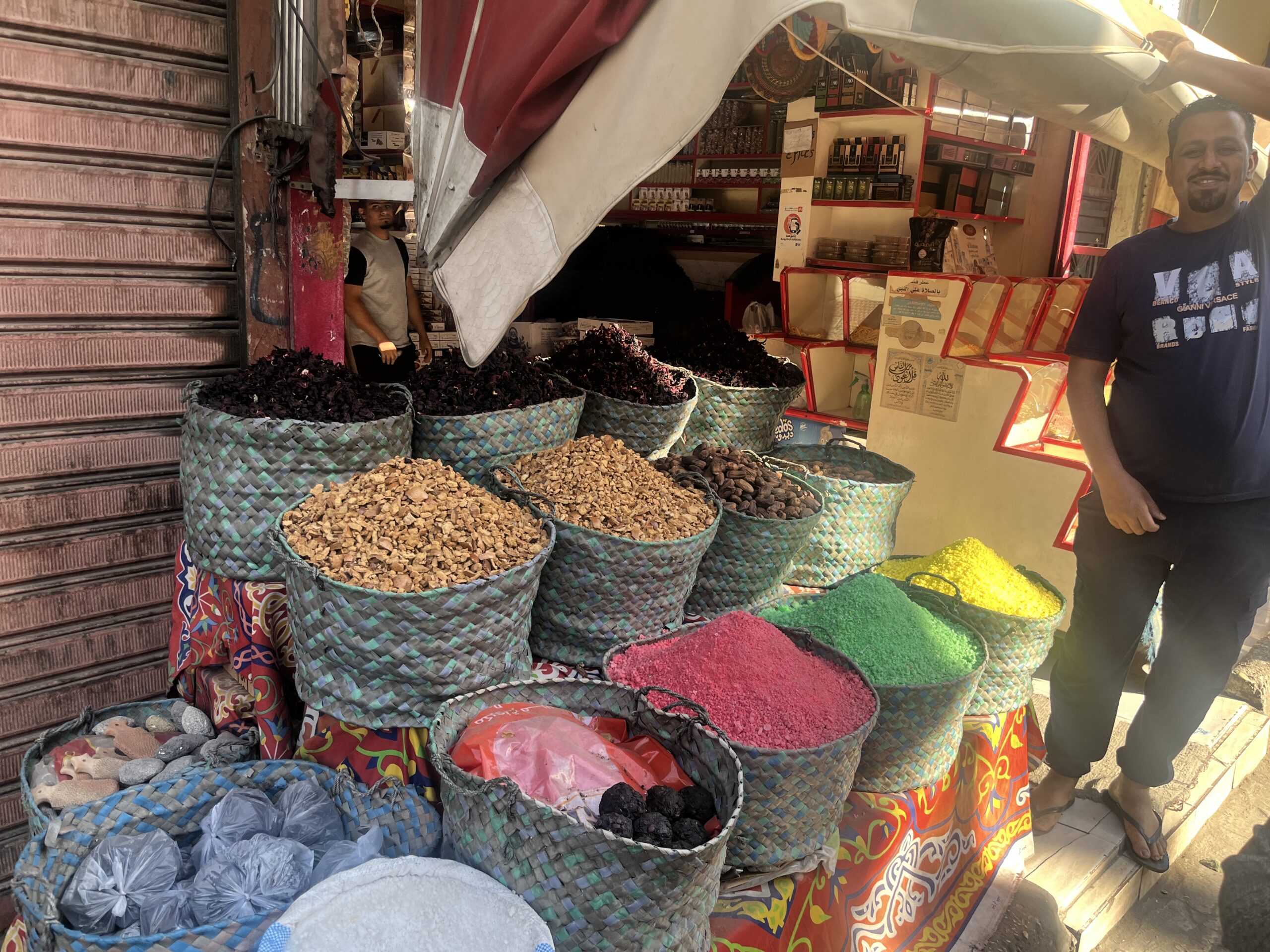
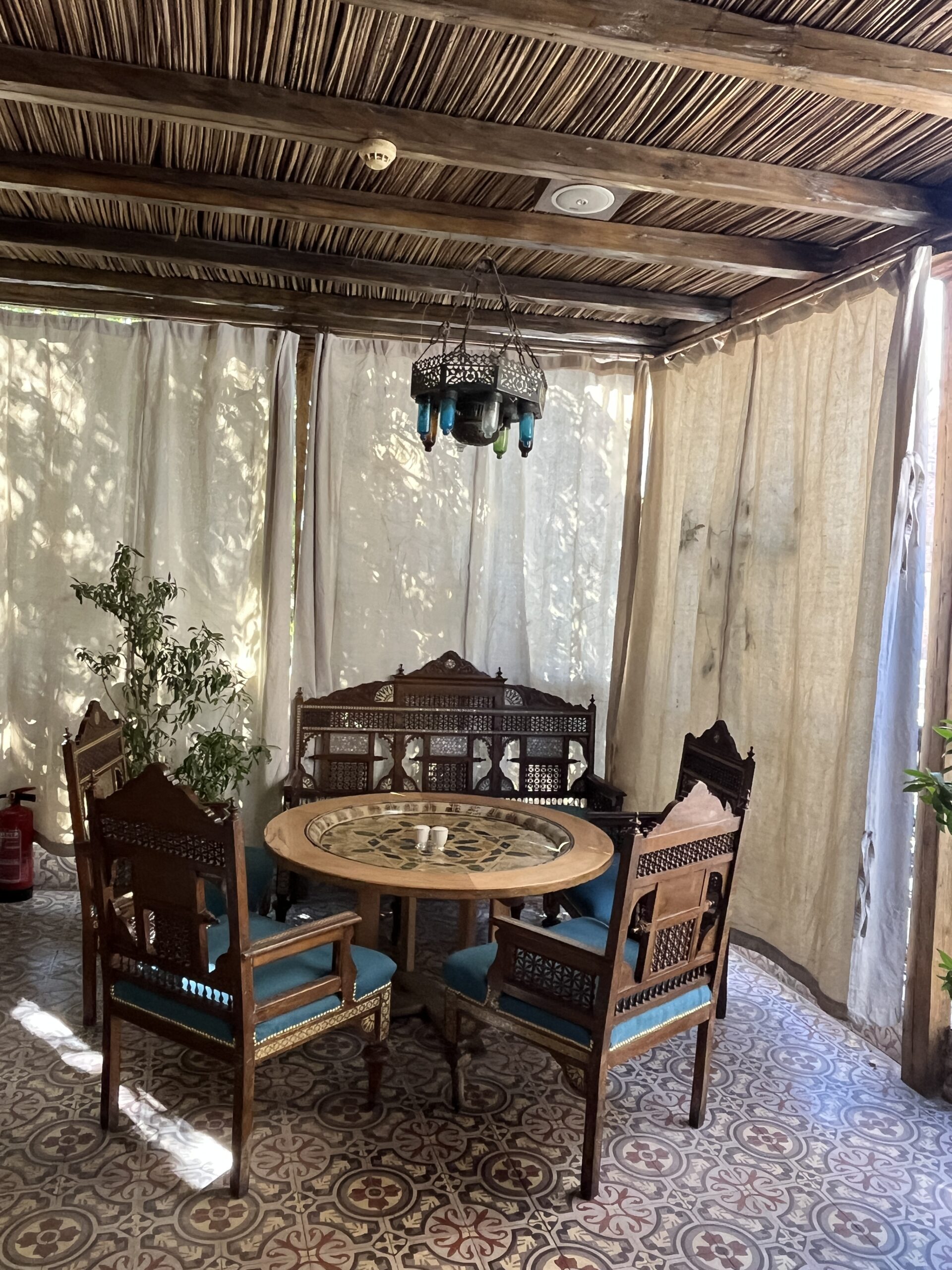
After an hour in the museum, we trooped back to the bus and headed to Sofra Restaurant for lunch. The food was great and it was a lovely place – the owner’s old family home, converted to a restaurant. “Sofra” means “dining table” and the place is furnished with family dining tables rescued from Luxor homes like this one.




Karnak Temple
After lunch we backtracked to Karnak Temple, the enormous complex located directly opposite to Deir el Bahri. In Hatshepsut’s day, her mortuary temple and the Karnak Temple were linked in an important multi-day religious ceremony, with priests carrying divine images of the gods across the Nile for a festival outing.


Thebes/Luxor was the state’s capital when Mentuhotep 2 re-unified Egypt, making it the center of political/religious life. (No separation between church and state in those days.) But Karnak’s beginnings pre-date Mentuhotep 2. The column below (from the Luxor Museum) was erected by Intef 2 (Mentuhotep 2’s grandfather) and is the earliest evidence of a temple dedicated to the god Amun-Re (around 2100 BCE).


Karnak is enormous, since it was expanded multiple times by multiple rulers over more than 1000 years. Entry is from the Nile side (there used to be a quay here) through New Kingdom and later additions.


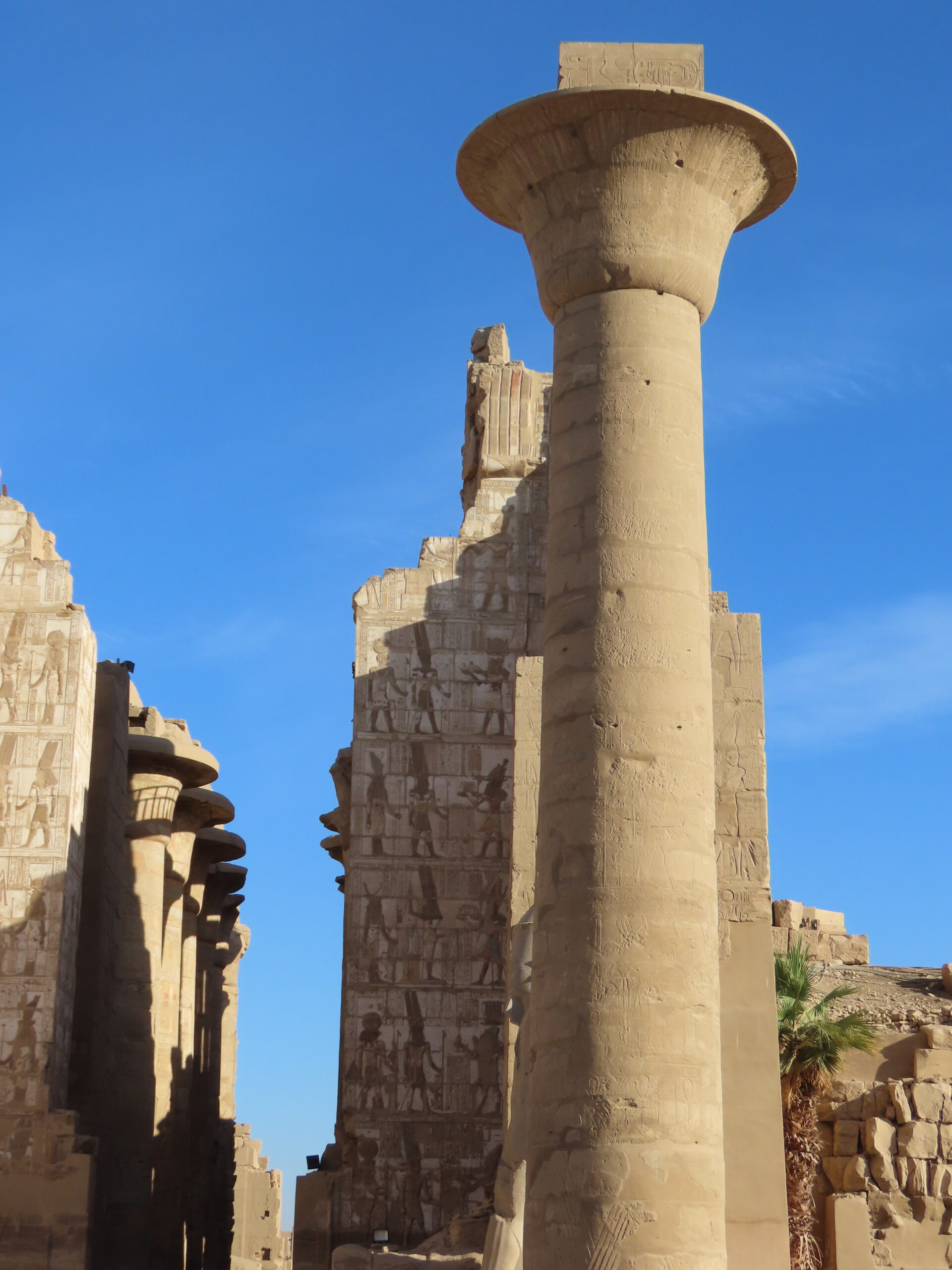
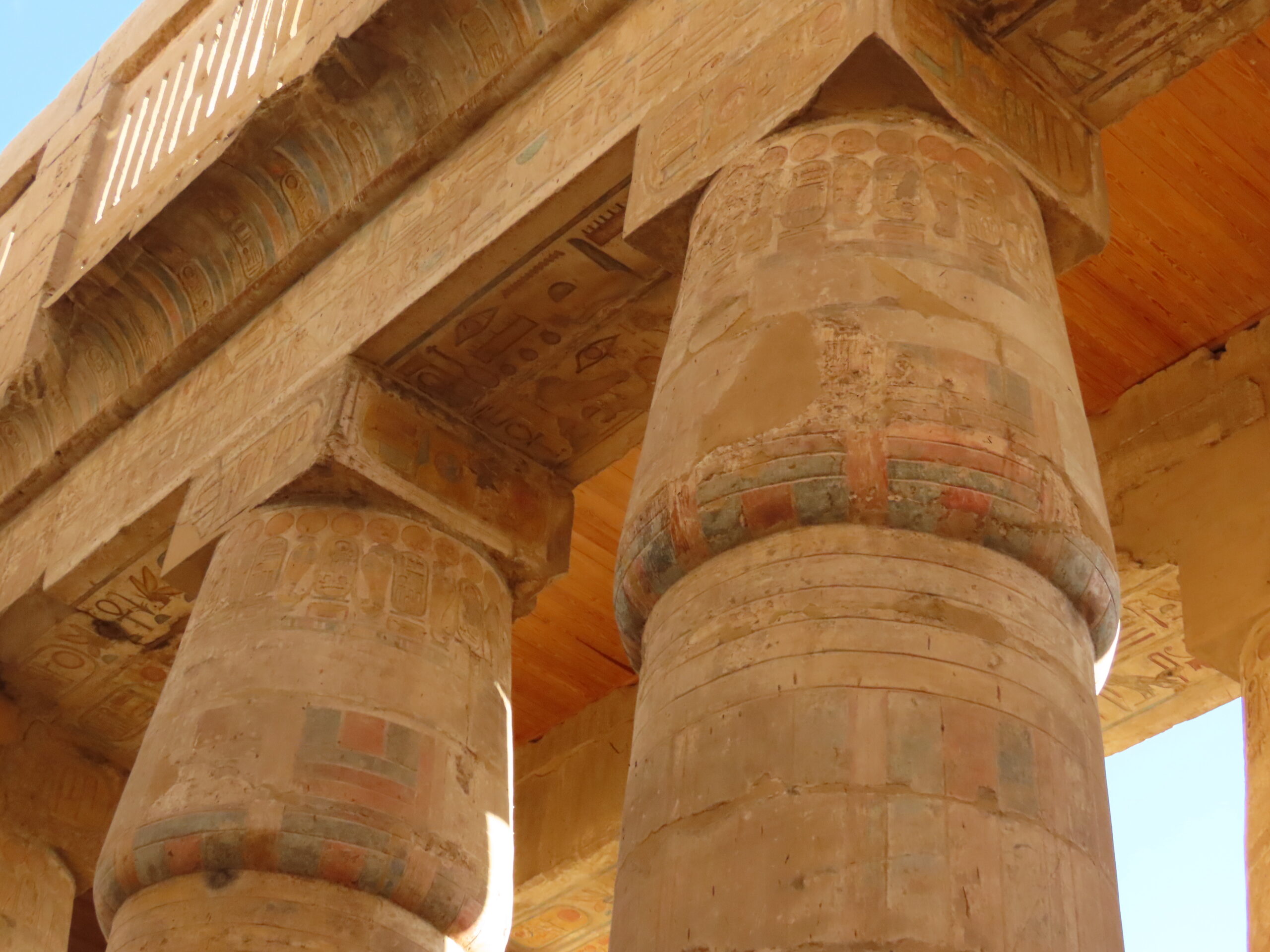


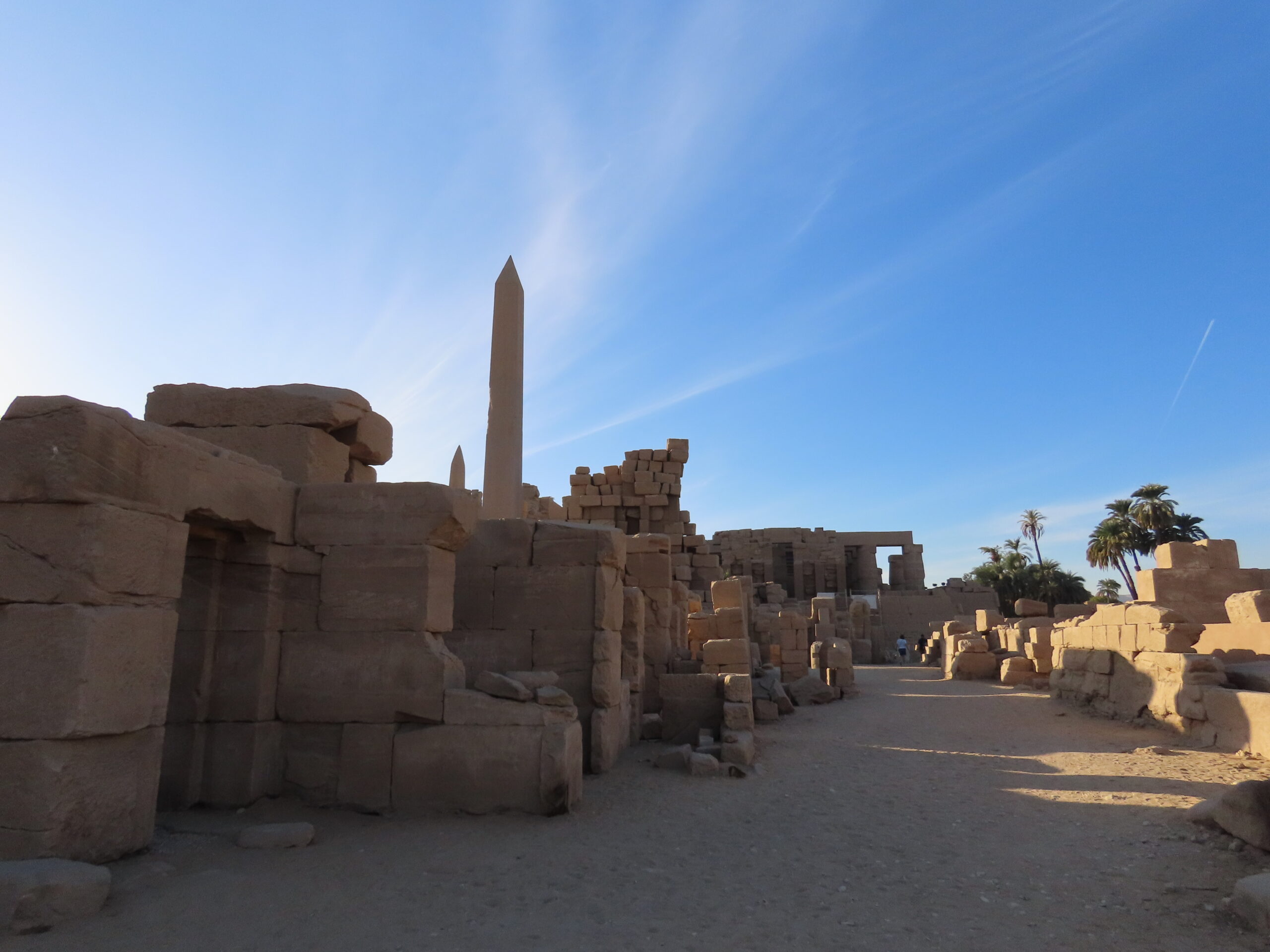
The original Middle Kingdom portion of Karnak is deep inside the temple complex, through the Hypostyle Hall and past Thutmose 3’s pavilion and Hatshepsut’s obelisk. (Slide from Mumford.) Below are pictures of what this original temple area looks like today.



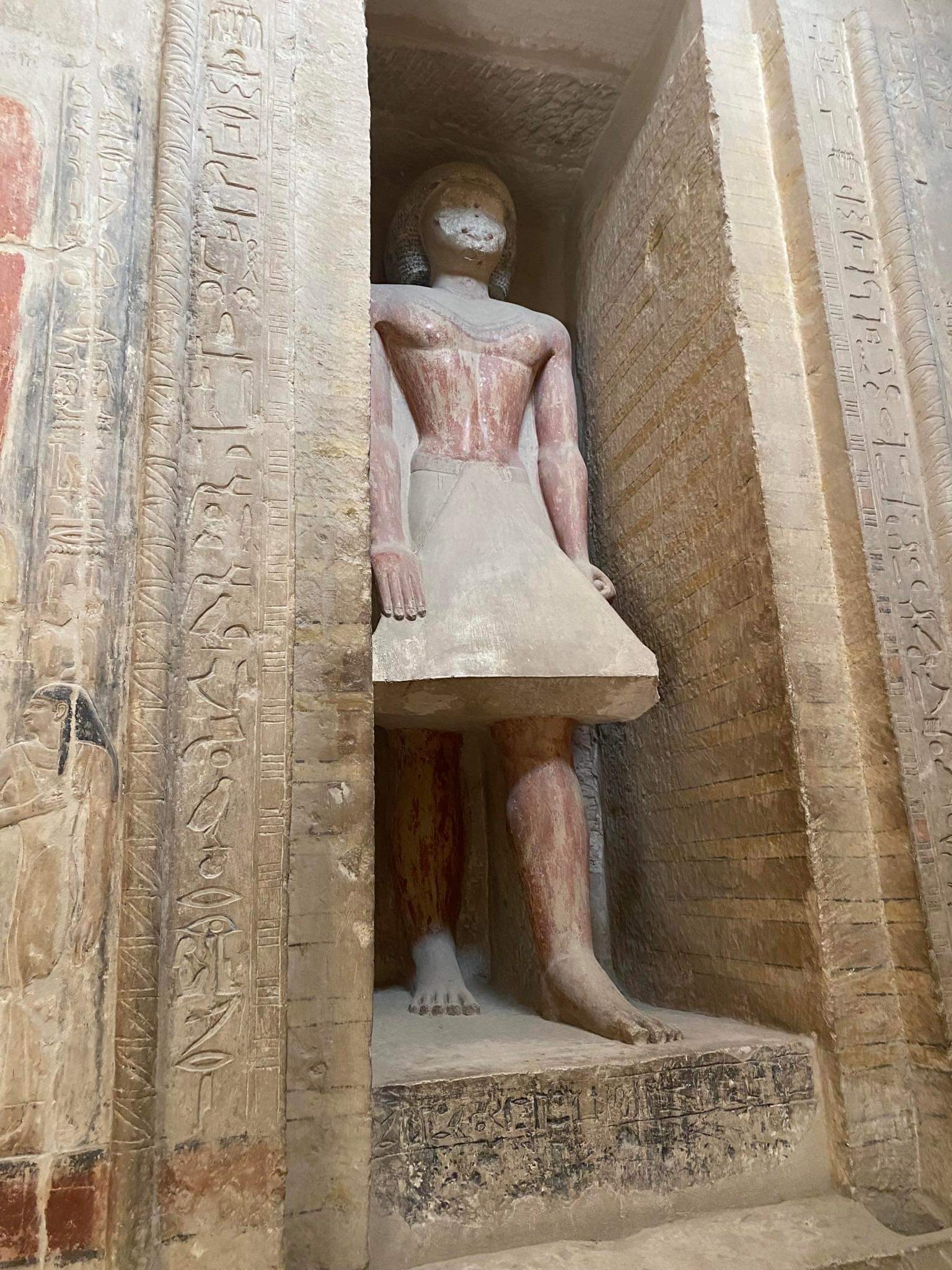
The Luxor Museum has some statues of Middle Kingdom rulers found at Karnak, which may have originally stood in this area. These statues represent 12th Dynasty rulers: Senusret 1 holding ankhs (symbols of eternal life); Senusret 3 as a sphinx; and Amenemhat 3 standing in a pose of devotion. We’ll visit these rulers’ pyramids later in the trip.


The Grand Egyptian Museum (GEM) displays some column fragments created under Senusret 1 that would have stood in this part of the temple. They depict the ruler being embraced by different deities. The ancient Egyptians were very afraid of chaos, and the ruler’s chief job was to collaborate with the gods in maintaining order in the heavens and on earth.


We left the Middle Kingdom area and walked around the north side of the Hypostyle Hall to reach the Open-air Museum – a place where various features found in the complex have been reconstructed (or are still lying around in pieces).
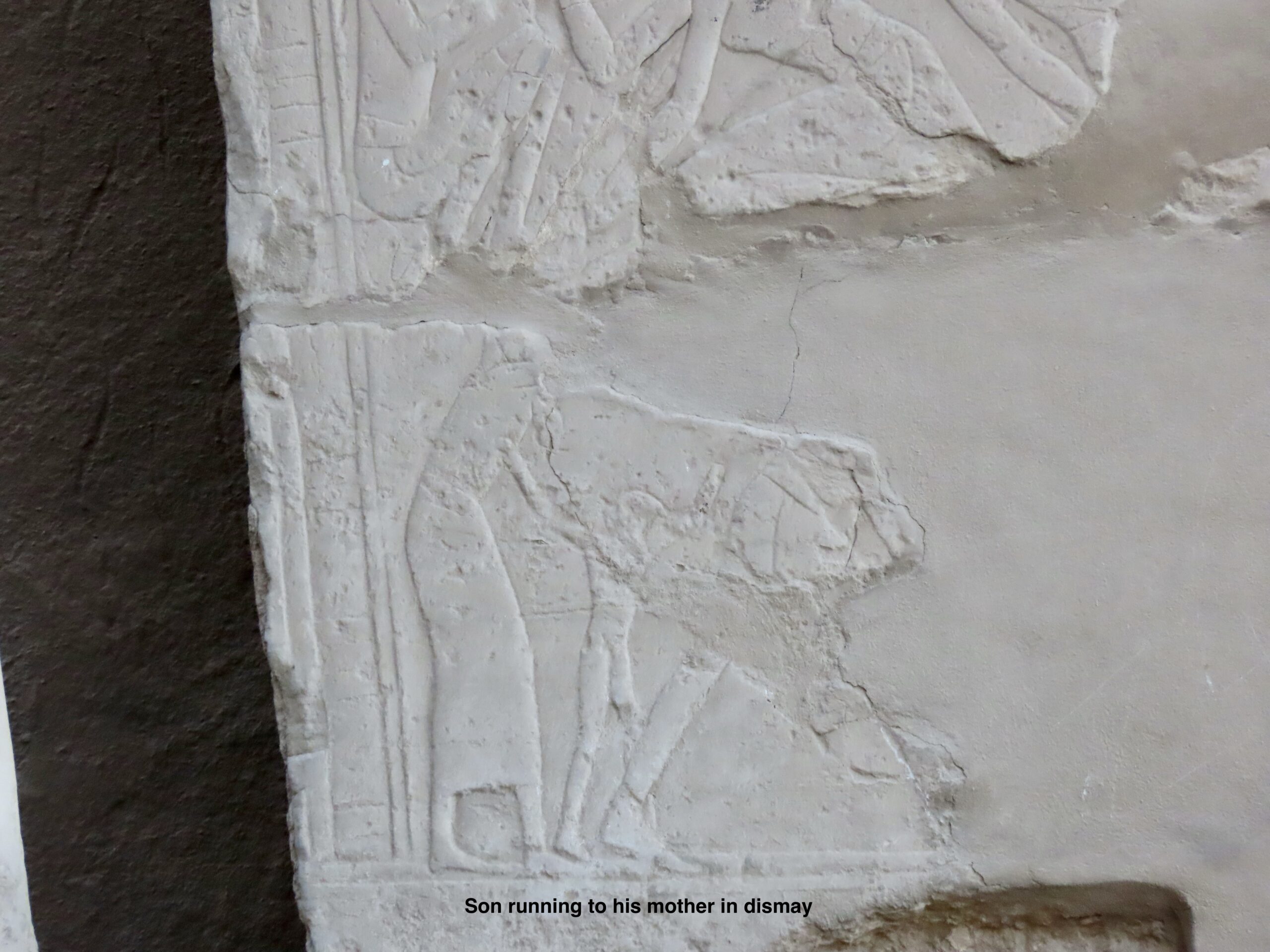
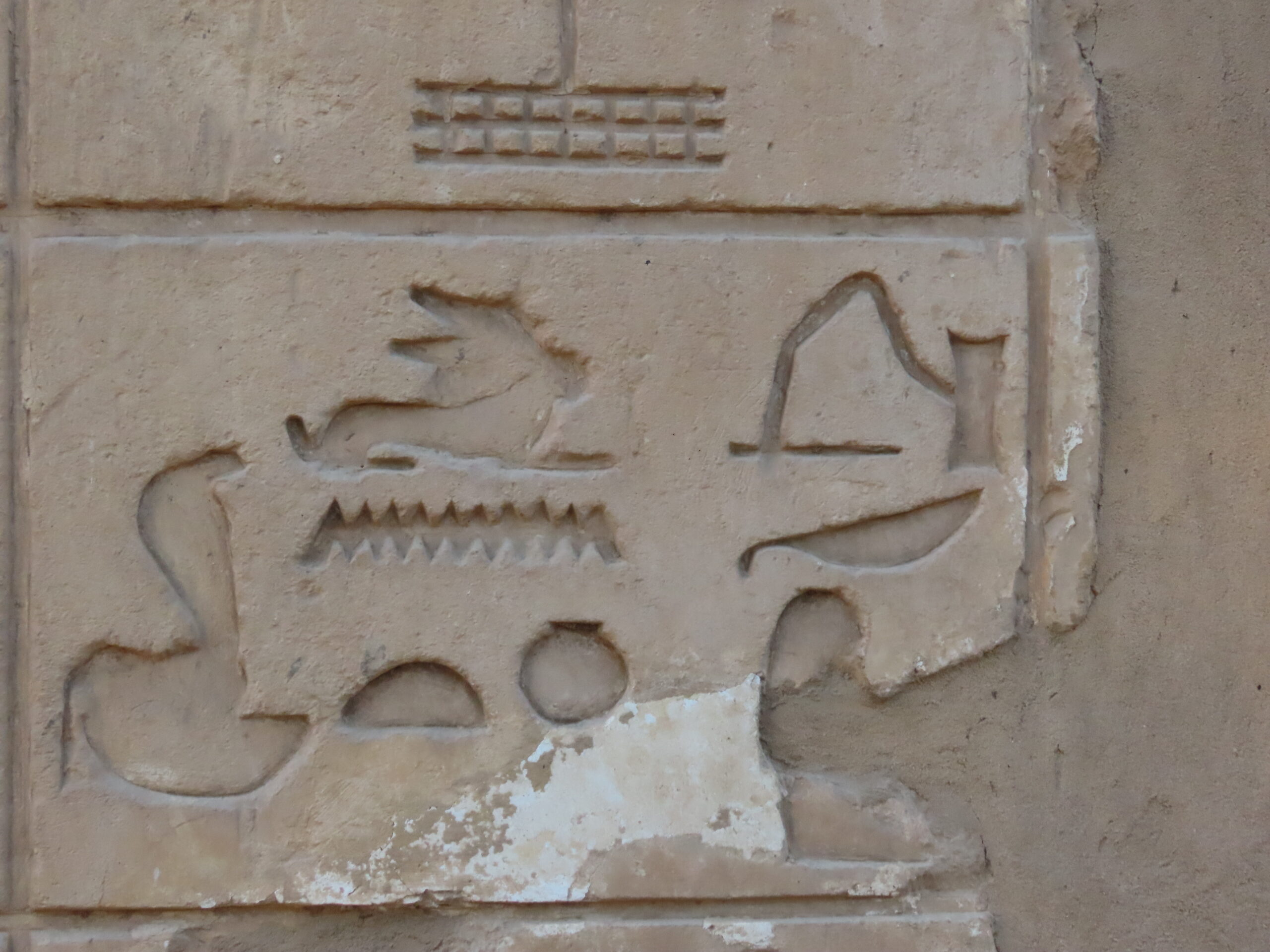
On the way, we stopped to look at a gate containing scenes from Seti 1reflecting victories over conquered peoples in Phoenicia and Canaan. (These date to the New Kingdom, Egypt’s imperial era.). Amr pointed out some poignant details in the Canaan reliefs: a messenger bringing bad news to his ruler and a boy running to his mother in dismay at the approaching army. He also noted that Seti 1’s cartouche on this gate includes the Seth animal – an image he later dropped because Seth got a bad rap as an agent of chaos and enemy of Osiris. (Seti means “of Set,” so go figure.)




Our destination in the open air portion was the exquisite White Chapel of Senusret 1. Built as a barque shrine (a place to rest one of the sacred boats used to ferry divine images around when they went walk-about), it was dismantled in antiquity and the fine limestone blocks were used as filler in one of the huge entry gates (pylons) by a later ruler. The blocks were found in the 1920s and carefully reassembled in 1940. The reliefs show Senusret I with different deities, and represent some of the finest workmanship in Egyptian history. The chapel also provides some important historical detail, with a list of nomes (provinces) and their lengths carved into one side.




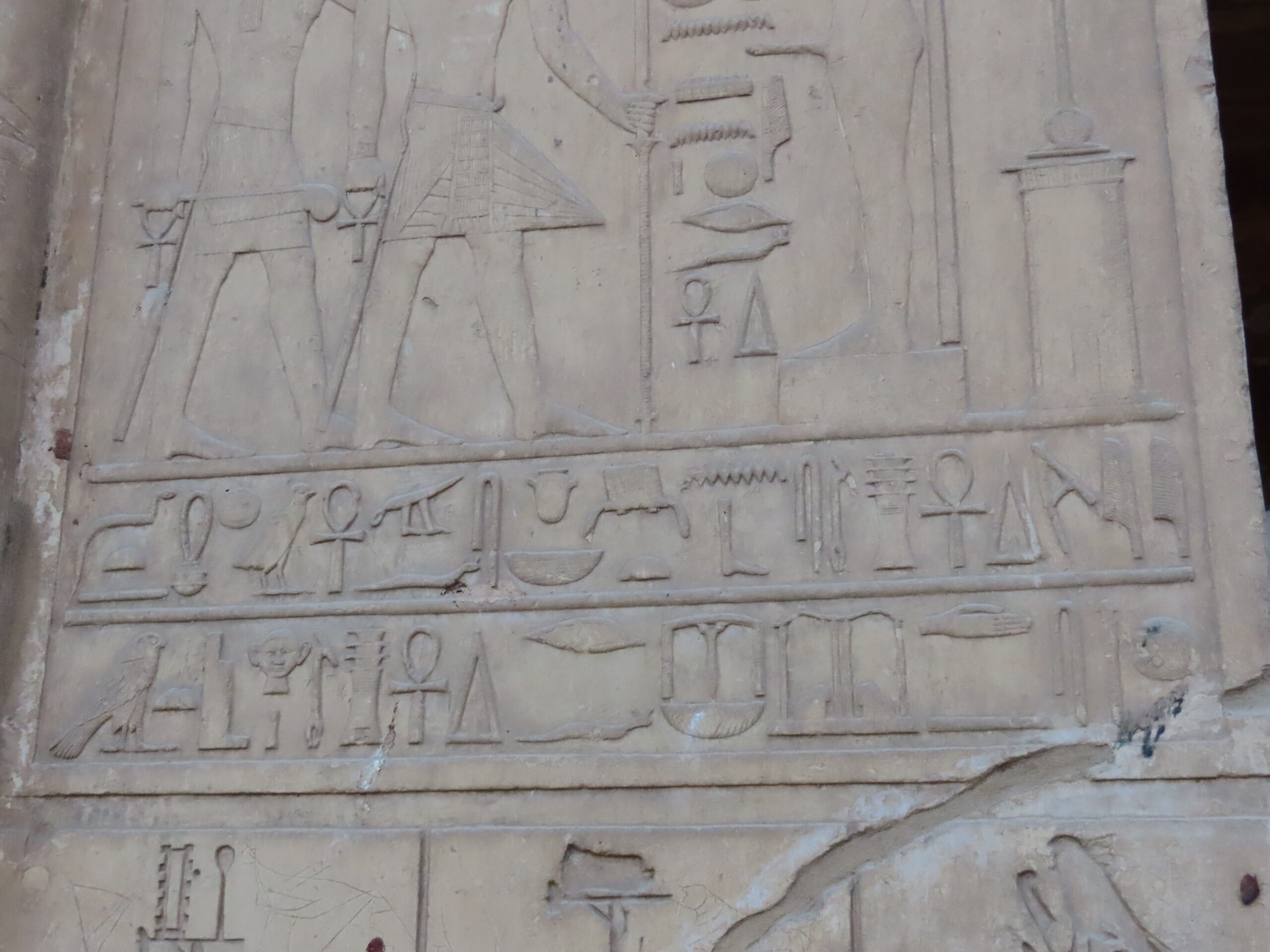


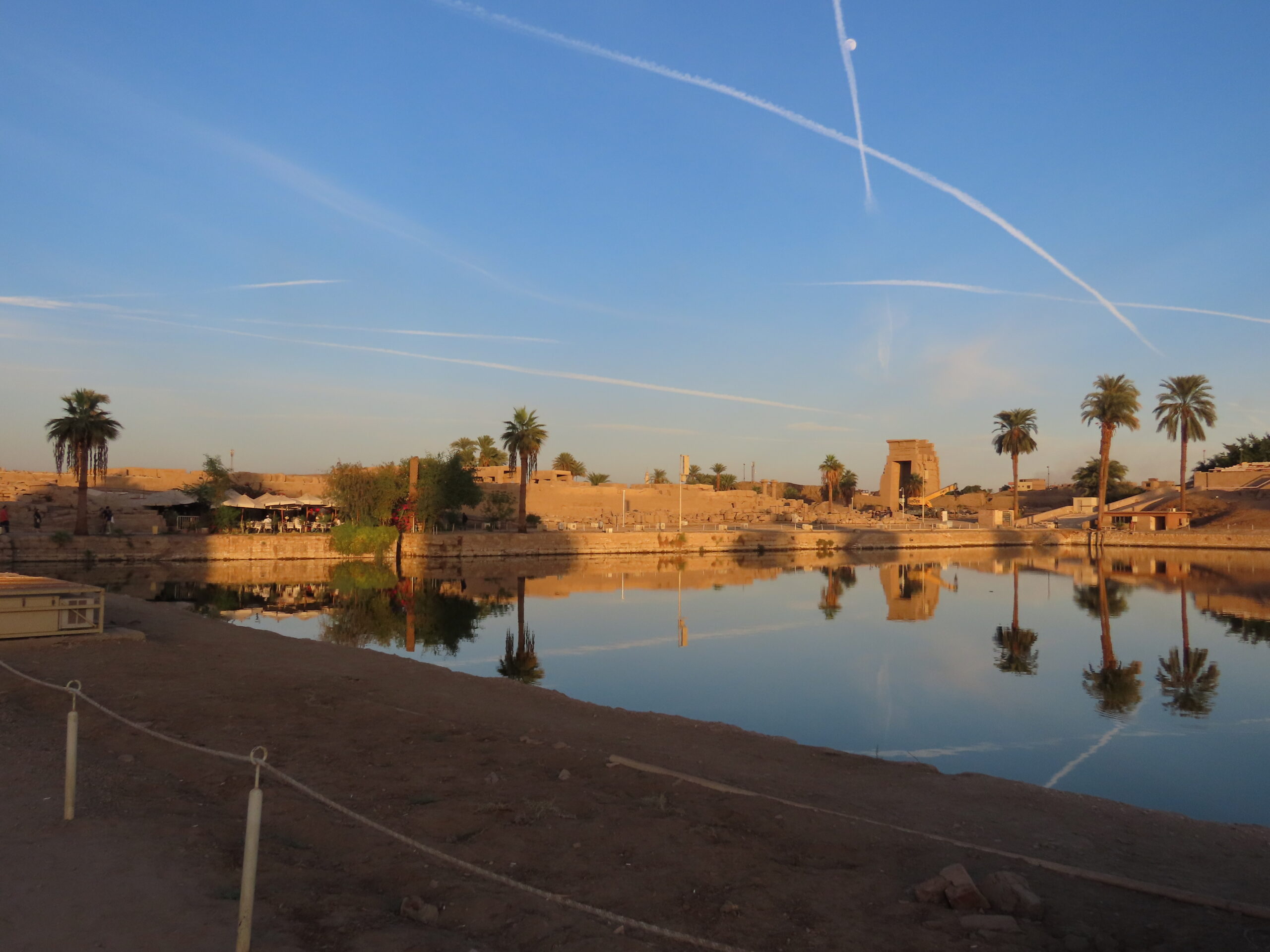
Before we left, I popped over to Hatshepsut’s beautiful Red Chapel, which is very similar to the White Chapel but carved from red granite, and detoured past the sacred lake to pay homage to one of Hatshepsut’s obelisks, now re-erected after lying on its side for centuries,




We trudged wearily back to the bus and headed back to the Winter Palace for dinner and a lecture by Wolfram. Fortunately his lectures are always engaging so I managed to stay awake 🙂


Wonderful!🤩