On Friday morning, we bussed our way north to visit Kenwood House, a grand “great house” built in the 17th century at the top of Hampstead Heath . Our journey took a little over an hour, starting with the #17 bus to Archway Station, where we transferred to the #210 bus for the Compton Street stop. It’s always fun to sit on top on a double decker bus making its way through diverse London neighborhoods. So much to see, even if the windows are grimy.

When Kenwood House was built, Hampstead was a rural village several miles outside London. Both Village and Heath are significant higher than central London (350-440 feet), lifting the area above the miasma of damp and smog clinging to the Thames valley. As a result, Hampstead was popular with wealthy aristocrats bent on escaping the City. (It still is.)
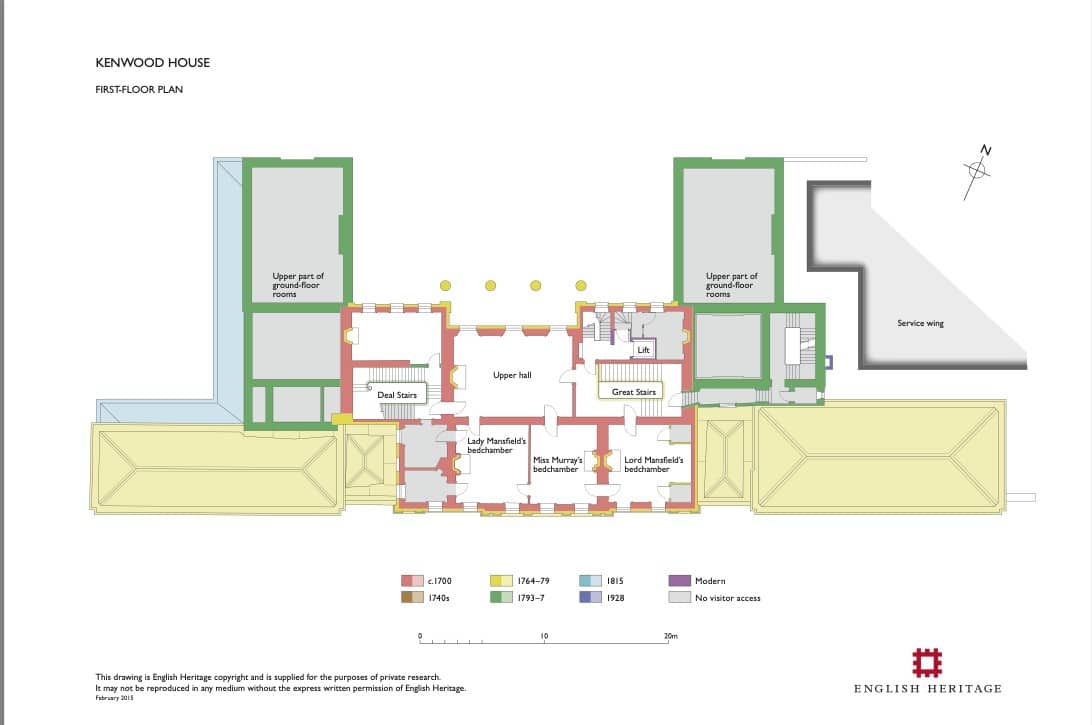
The 17th century version of Kenwood House was already a substantial building – 24 hearths were recorded in 1665 tax records. The house changed hands several times in the 18th century, finally being purchased by William Murray, 1st Earl of Mansfield, Lord Chief Justice and his wife Betty in 1756. They used the house as a weekend getaway for the first ten years, then turned it into a full-time residence for their two great nieces, for whom the Murrays had taken on responsibility to support. At that time, the house was expanded and extensively remodeled, a practice that continued over the next three generations of Mansfield heirs. (The color scheme in the house plan below outlines additions made to the house over the years.)
In 1922, the 6th Earl Mansfield auctioned the house’s contents and sold the house and 74 acres of grounds to Edward Cecil Guinness (yes, that Guinness), 1st Earl of Iveagh. The Kenwood Preservation Council purchased the rest of the estate, vesting ownership to this portion of the Heath in the London County Council. Lord Iveagh installed his collection of Old Master and British paintings in the house, and bequeathed house, grounds and art to the public in 1929, with the stipulation that “Kenwood should be open free of charge to the public with the mansion and its contents … preserved as a fine example of the artistic home of a gentleman of the eighteenth century.” English Heritage assumed management and upkeep of the house in 1986 (likely an especially big challenge without the ability charge the usual visitor fees) while installing several additional art collections in the house.


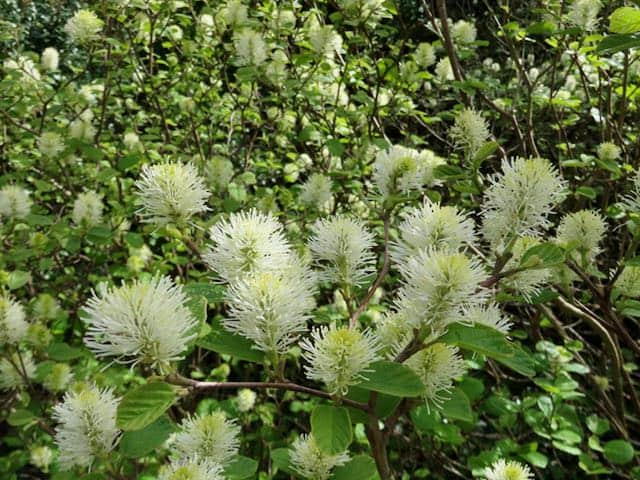
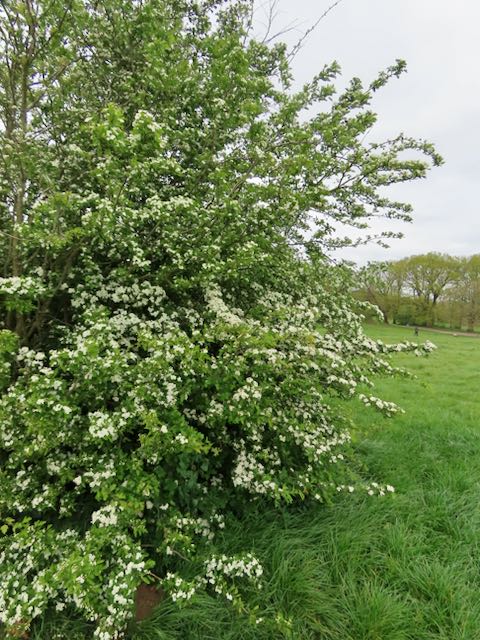
The bus dropped us off on Hampstead Lane, right beside a blossom-laden path leading to the house’s grand entry.




Just inside the grand portico, the entrance hall features portraits of the 1st Lord Mansfield’s two grandnieces, Elizabeth Murray and Dido Elizabeth Belle. Dido was mixed race, daughter of Mansfield’s Royal Navy nephew, John Lindsay, and an enslaved West Indian woman named Maria Belle. Although her father never formally acknowledgedDido (he fathered five illegitimate kids during his time in Jamaica), Lindsay brought Dido and her mother with him to England in 1765, eventually freeing them both The Mansfield’s took custody of Dido, raising her as a family member and gentlewoman – a very rare occurrence in late 18th century England, where slavery was still in practice. In his role as Chief Justice, Lord Mansfield was known as a reformer, and he issued a decision essentially holding slavery to be illegal under the English common law:
“The state of slavery is of such a nature, that it is incapable of being introduced on any reasons, moral or political… it’s so odious, that nothing can be suffered to support it, but positive law [a legislative act]. Whatever inconveniences, therefore, may follow from a decision, I cannot say this case is allowed or approved by the law of England…“

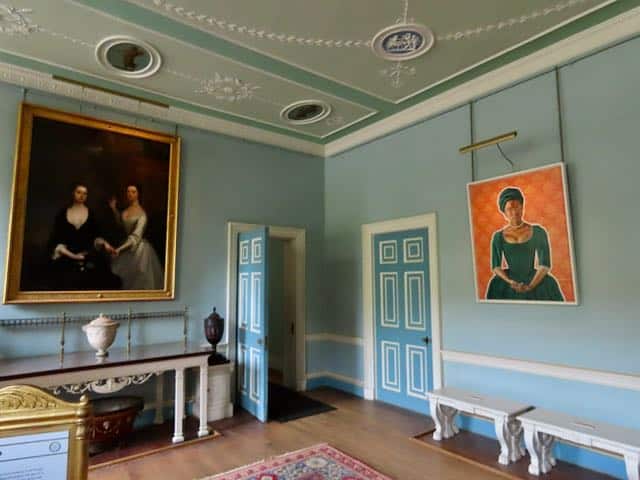
as part of a project on the African diaspora in England.
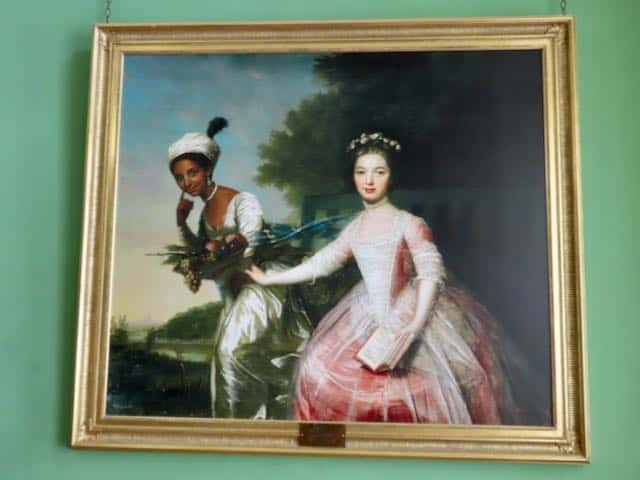

to contrast downstairs and upstairs lives. Dido was lucky to be upstairs.
We followed the house’s established route through the breakfast room and dressing room into the library, admiring a variety of interesting paintings along the way.


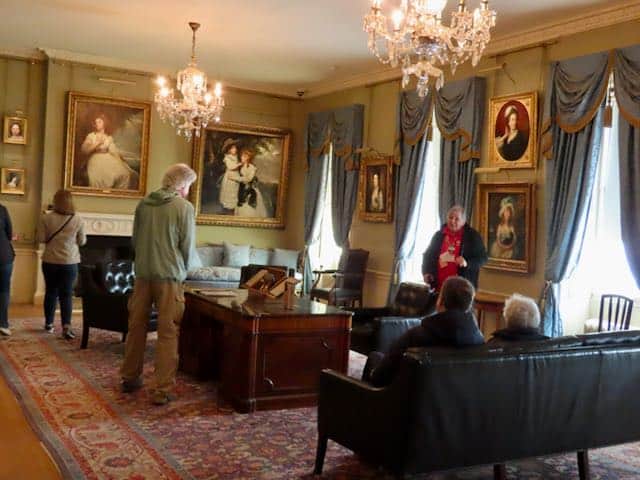
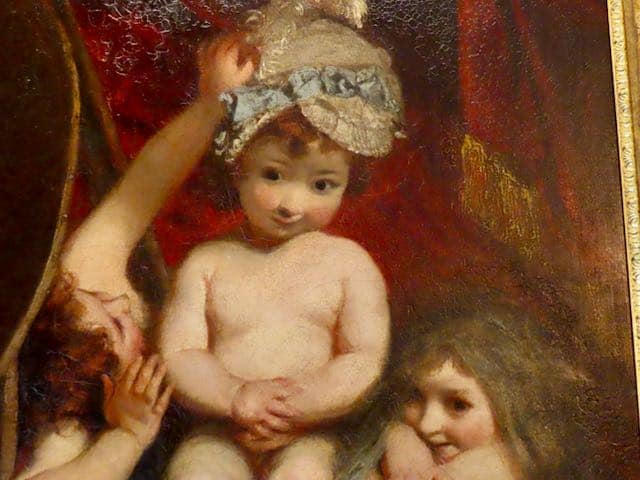
Each room was designed by architect Robert Adams to have its own character, with the library, doubling as a reception room, serving as the architectural grand finale. Inspiration for the barrel-shaped roof came from Pompeii and ancient Rome, where Adams spent considerable time on his four year Grand Tour of Italy (1754-1758). Not sure where the color scheme came from, but if it reminds you of Wedgwood china, there’s a reason: Josiah Wedgwood was trying to capitalize on the “Adams Style” decorative craze sweeping London when he created his famous blue-and-white pottery.


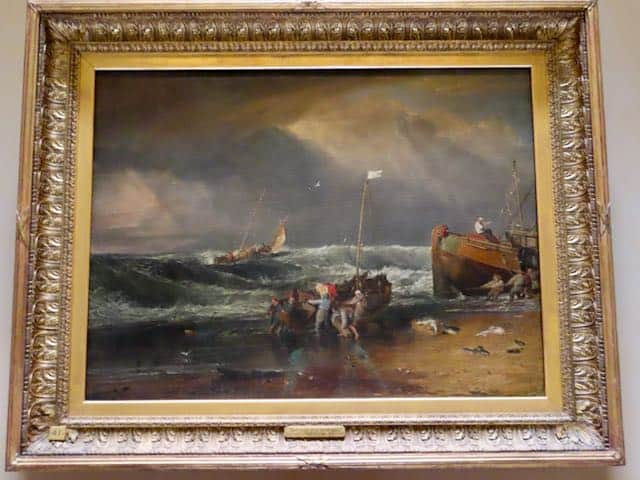
From the library, the route passes through an entry hall and into the dining hall where Guinness’ priceless collection of thirty three Old Masters is housed. The room is kept appropriately dim to preserve the paintings, so photos were tough. I managed a recognizable snap of the Vermeer, “Girl with a Guitar,” but that’s it.


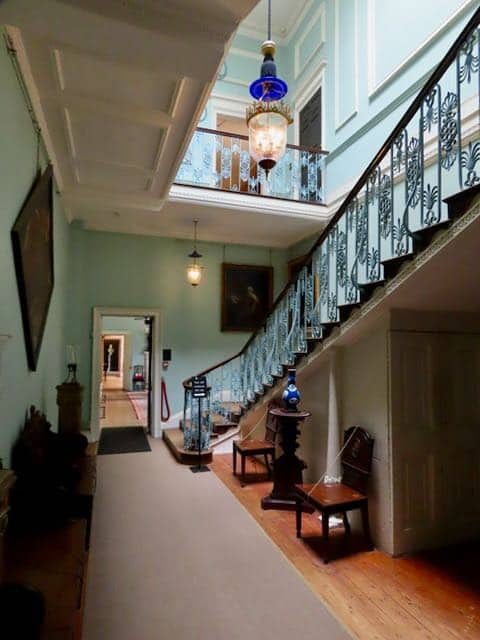
Upstairs, are several unrelated collections, including portraits from Suffolk and a mash-mash of jewelry, miniatures and shoe buckles. Not terribly exciting IMO, but the stairway up was gorgeous.

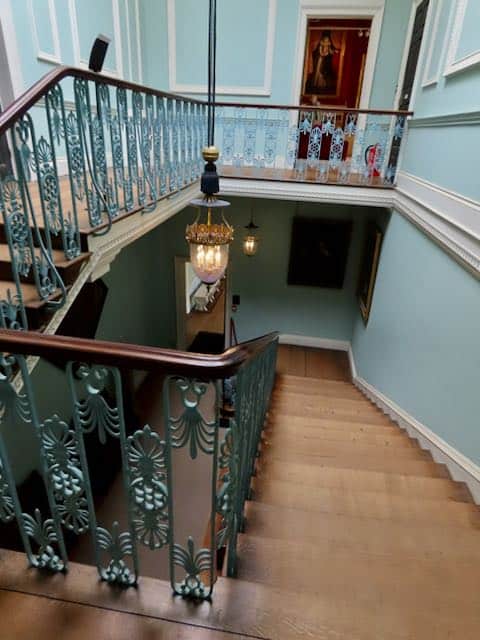


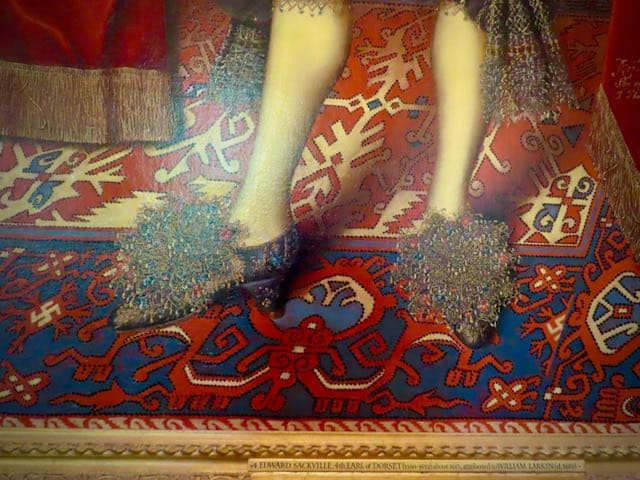
Those fine gentlemen on the left wall, modeling the height of Jacobean court fashion, are Richard Sackville (3rd Earl of Dorset) and his younger brother Edward Sackville (4th Earl of Dorset). Richard (on the left) was a gambler and spendthrift, including a fortune on his wardrobe. Those rosettes on top of his shoes would have fed a working family for a year. Fortunately, he died young and Edward was able to stabilize the estate. However, the “shoe roses” he’s wearing were probably just as expensive as his brothers.
According to Gemini, shoe roses “were crafted by hand using actual precious metals (silver and gold leaf spun into threads), intricately woven by master lace-makers, and heavily layered to form massive, dense pom-poms. Because the metal threads would tarnish, snag, or get ruined by mud and dust the moment they were worn outside, these eye-wateringly expensive accessories were often only worn a handful of times before being discarded or recycled for their raw bullion value.”



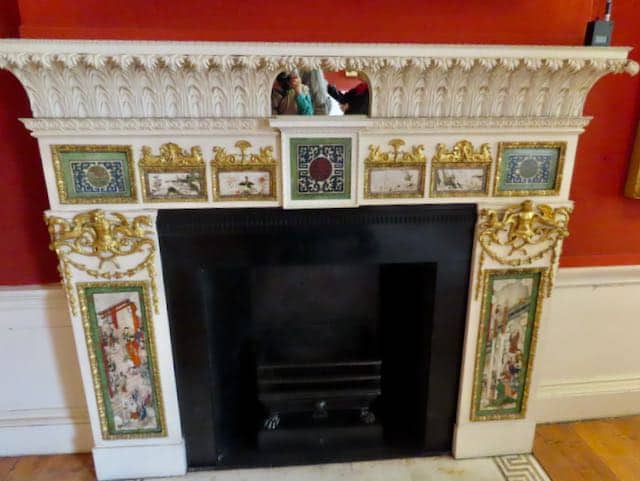
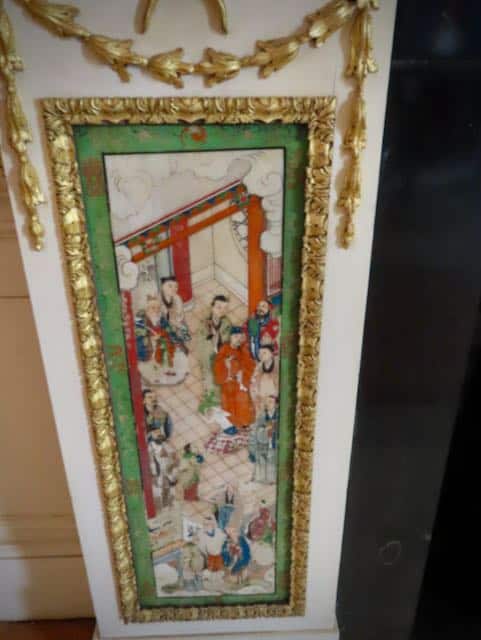
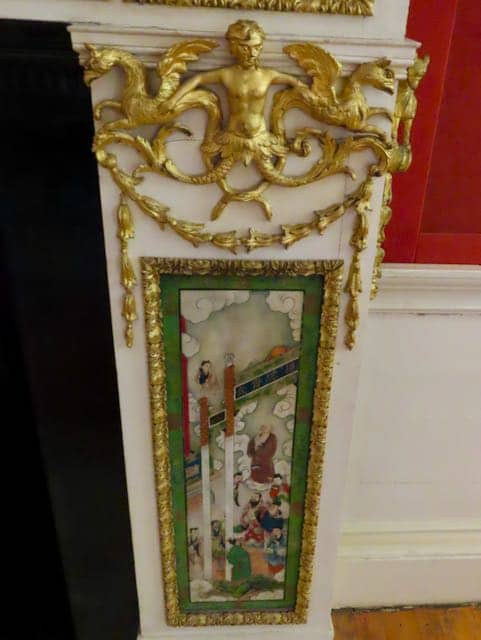

Exiting the house’s grandeur, we made our way around back towards the cafe and restaurant.


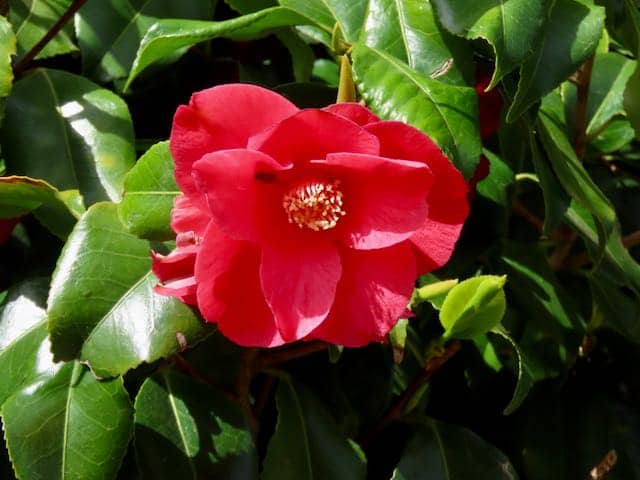


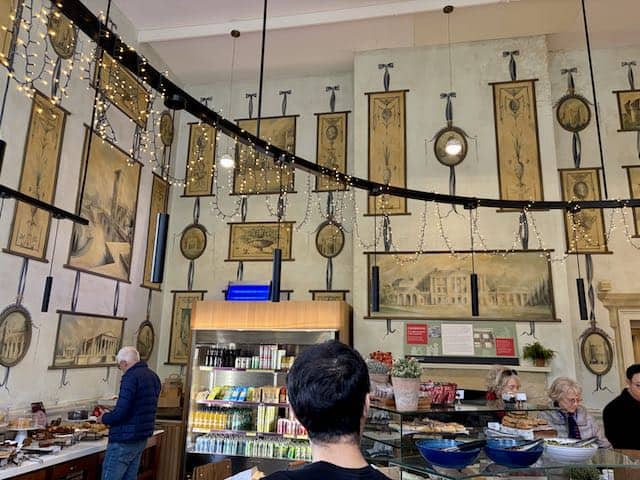
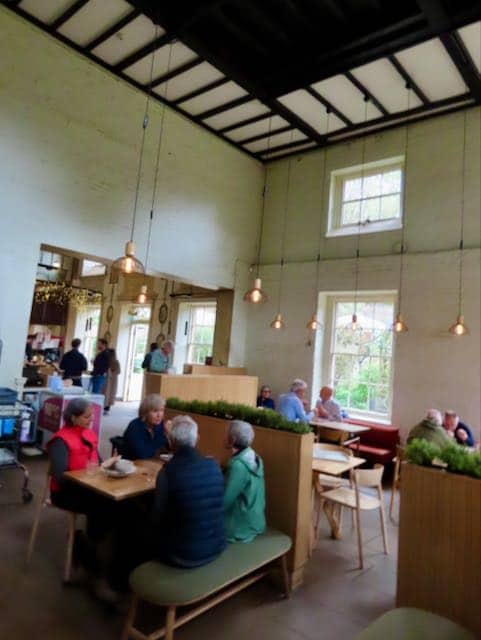

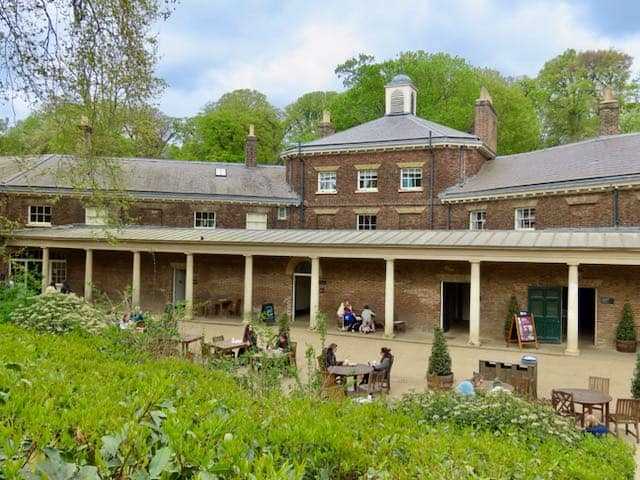


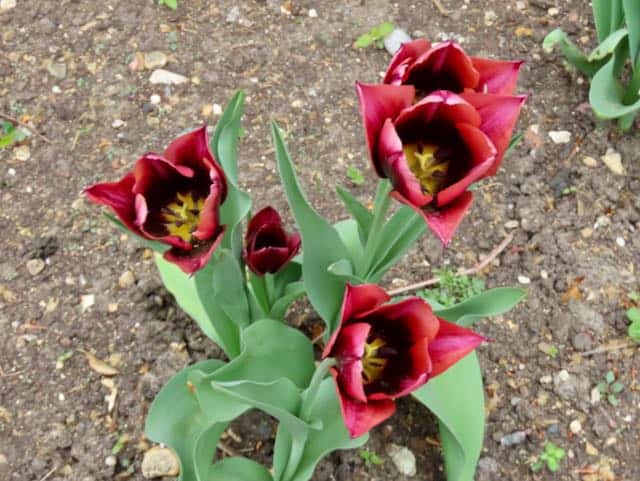


After a yummy lunch of macaroni cheese, salad and scones, we walked through the Kenwood House grounds and across Hampstead Heath towards Parliament Hill and its viewpoint over London.
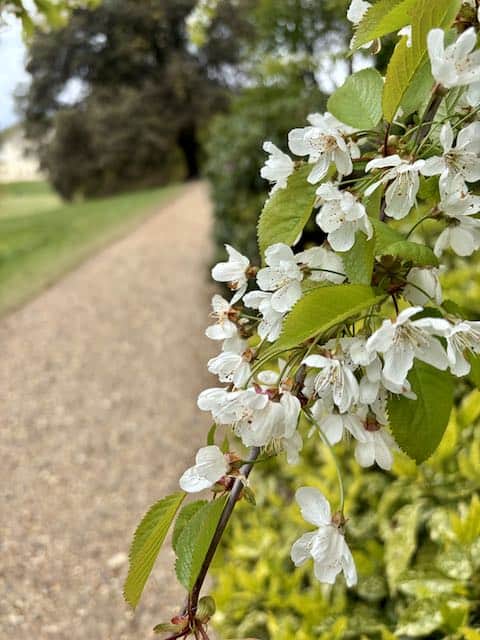


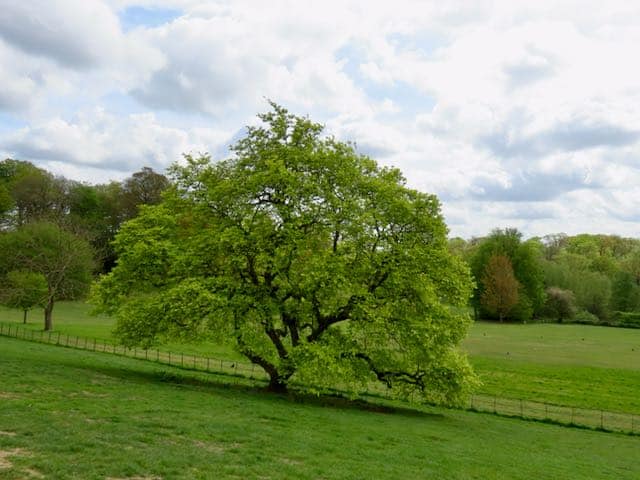

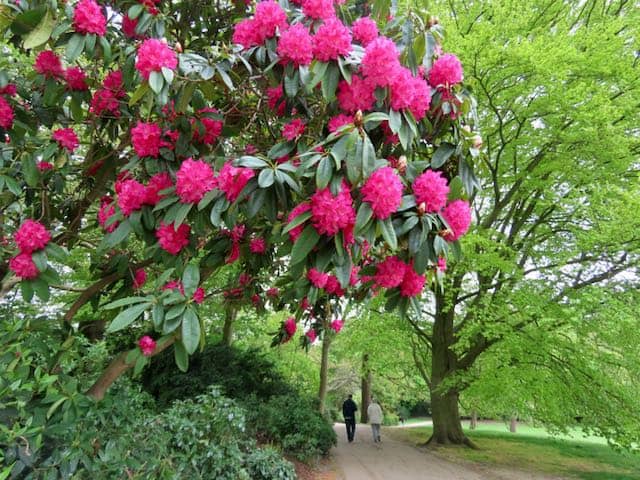
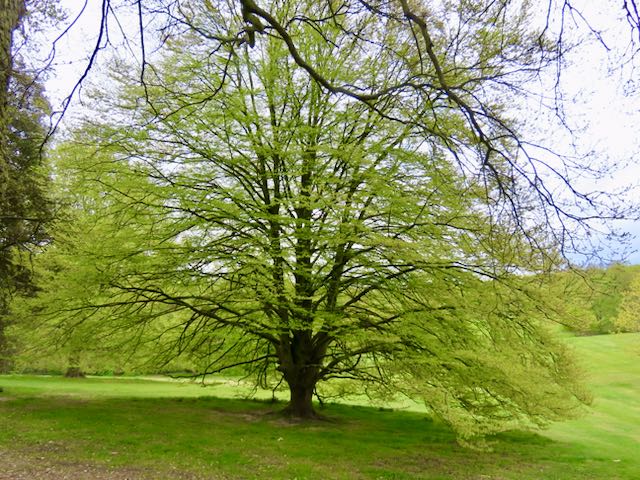
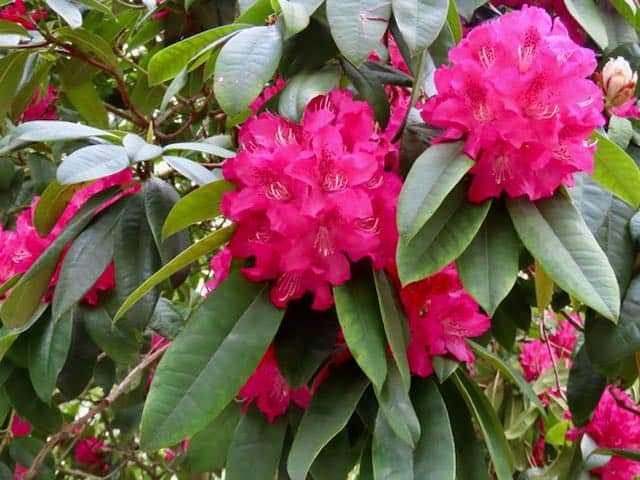


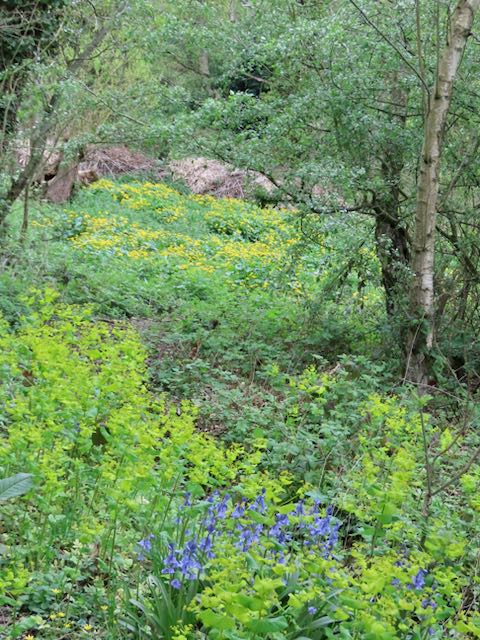
As we walked away from Kenwood House across the Heath, the landscape became less manicured and somewhat wilder. (Truly wild is hard to find in England.)


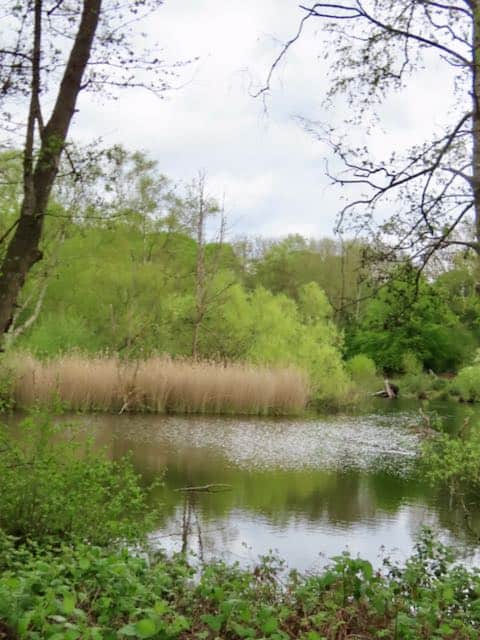
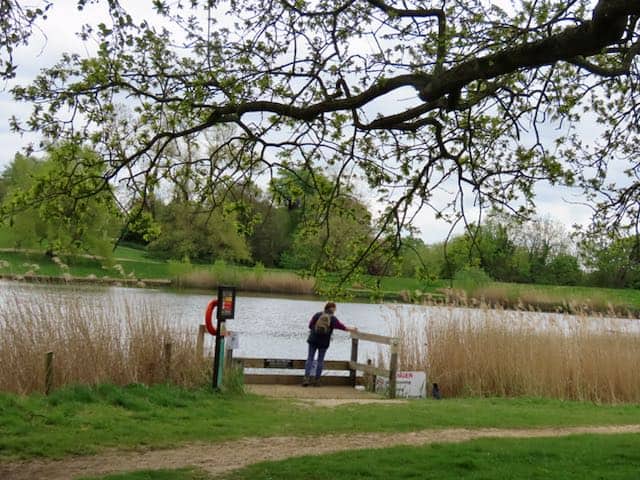


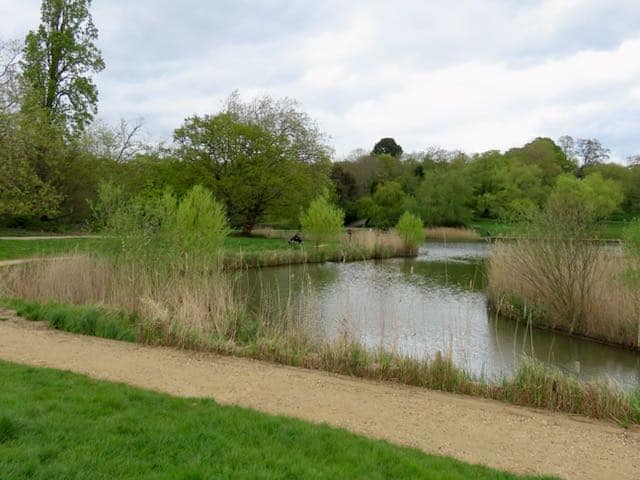

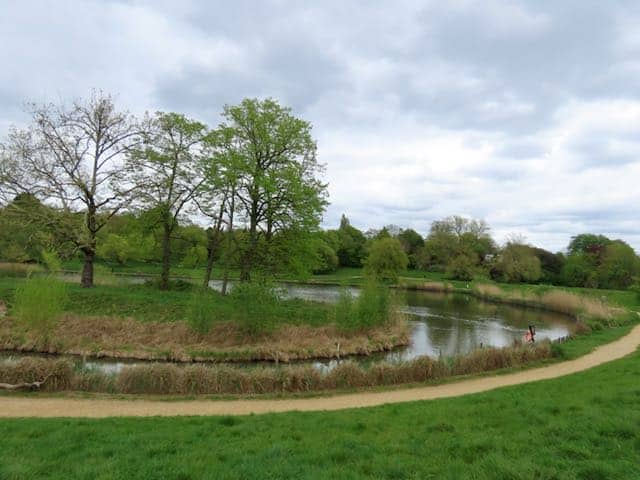


Parliament Hill offers grand views north, towards the village of Highgate (home of my favorite cemetery), and south towards the London skyline.




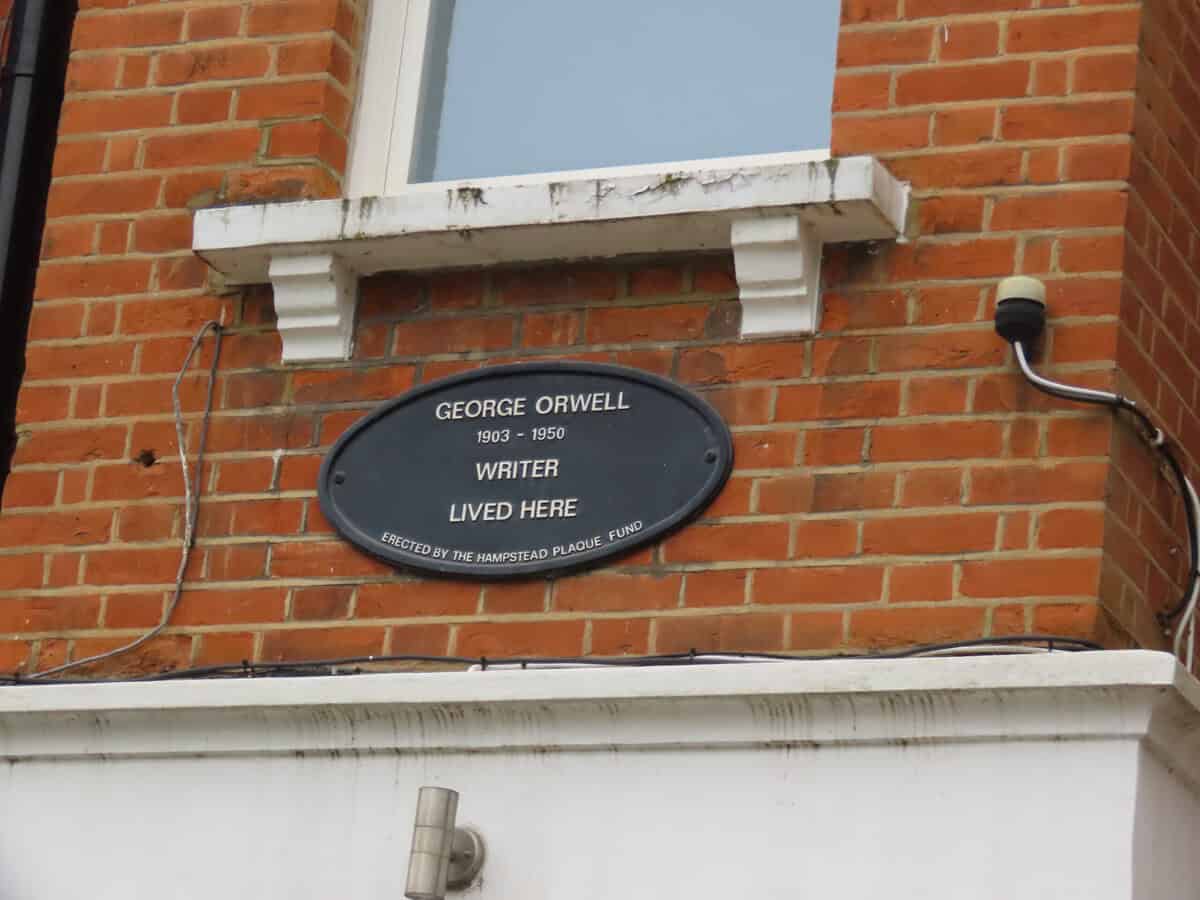
After taking in the views, we walked down a steep dirt path that ended on a street named, appropriately, Parliament Hill, landing in front of George Orwell’s house. After taking a moment to reflect sadly on the sad reality of Orwell’s dystopian genius, we continued through a very toney neighborhood to the Hampstead Heath train station.


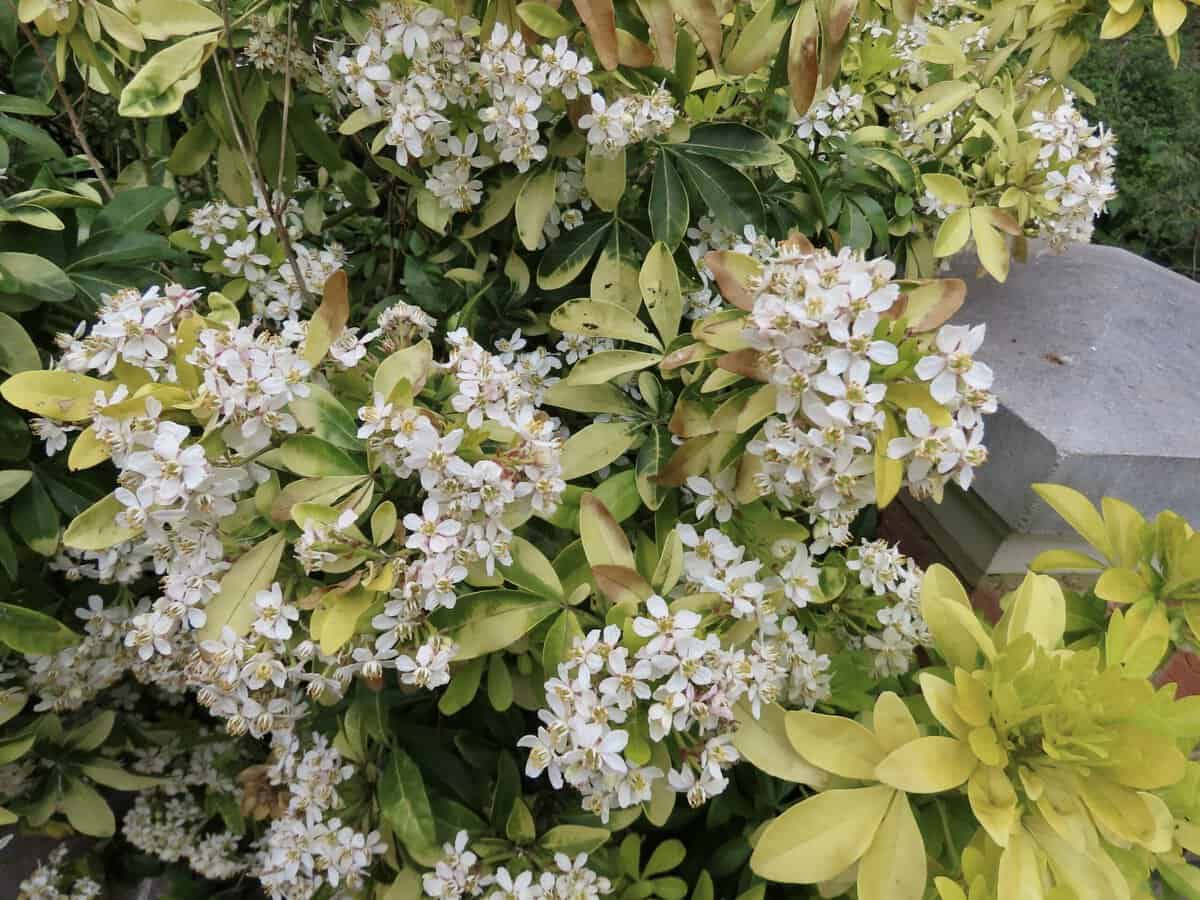


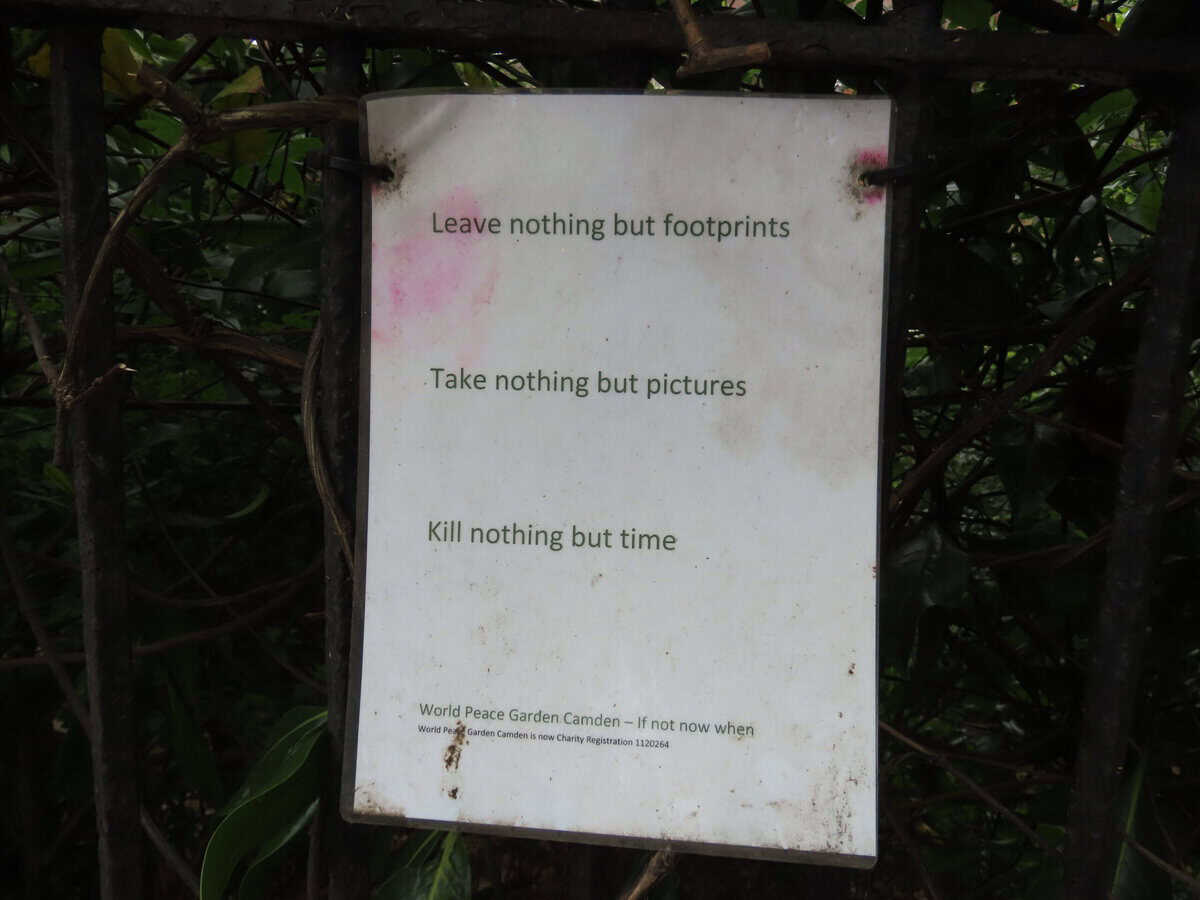
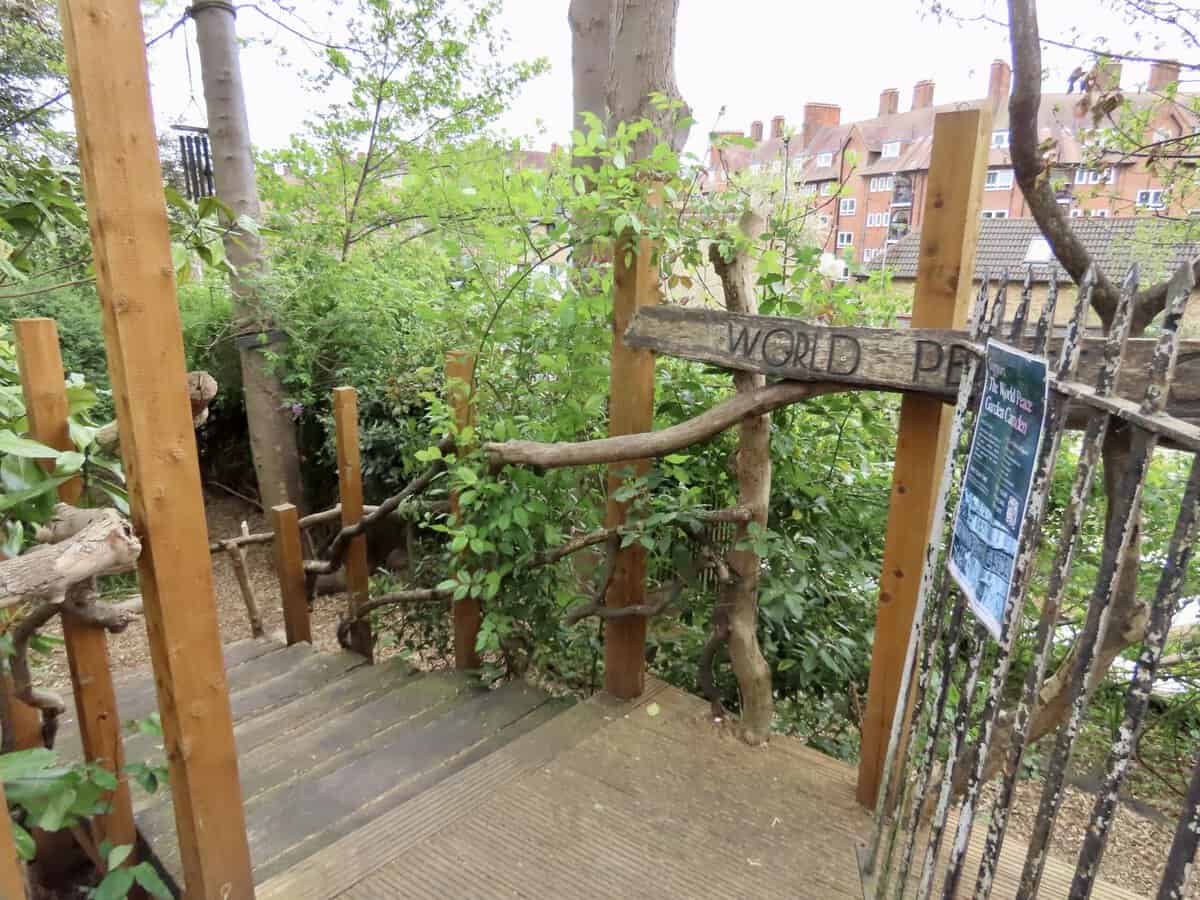
There, we caught the Mildmay Overland train to the West Hampstead station for the Jubilee Tube line and on to the London Bridge station.


I always enjoy the poetry that many transit agencies post in their advertising spaces (the ads can be fun, too) and I adored this haiku.

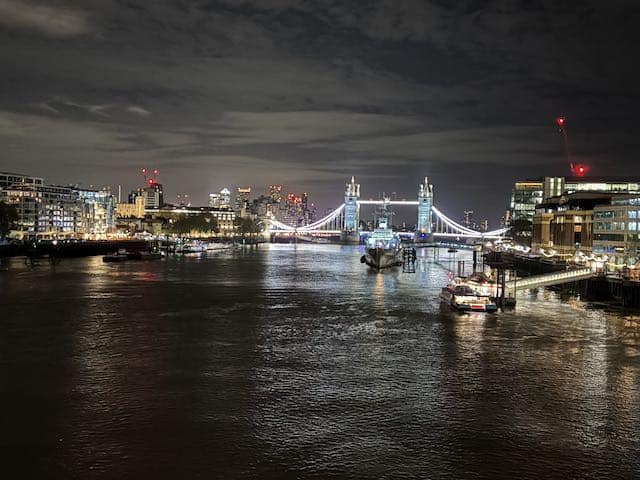
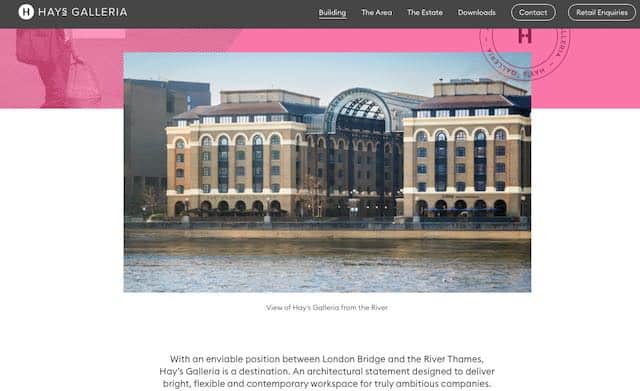
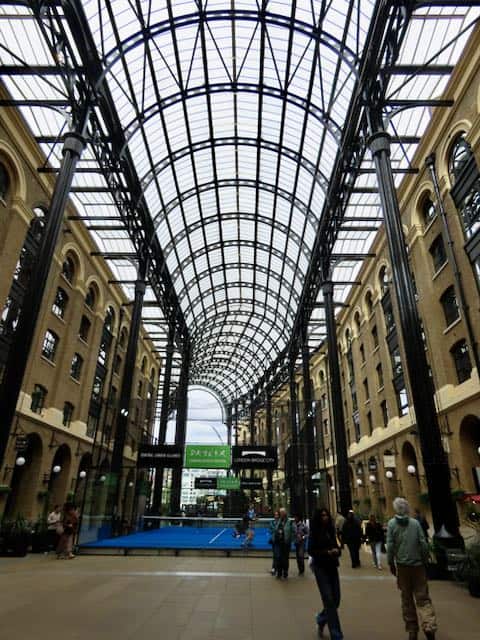
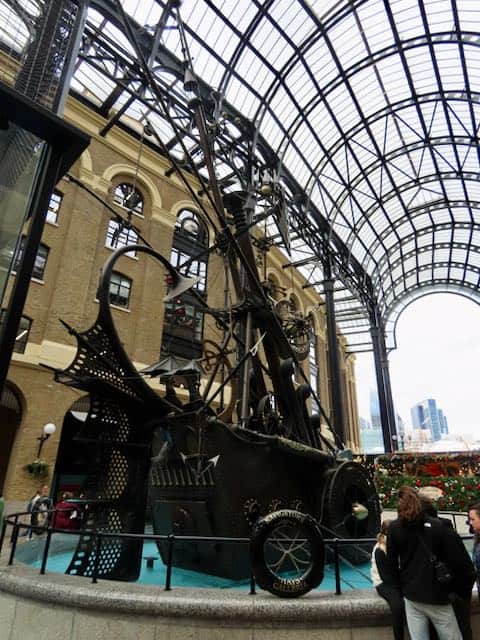
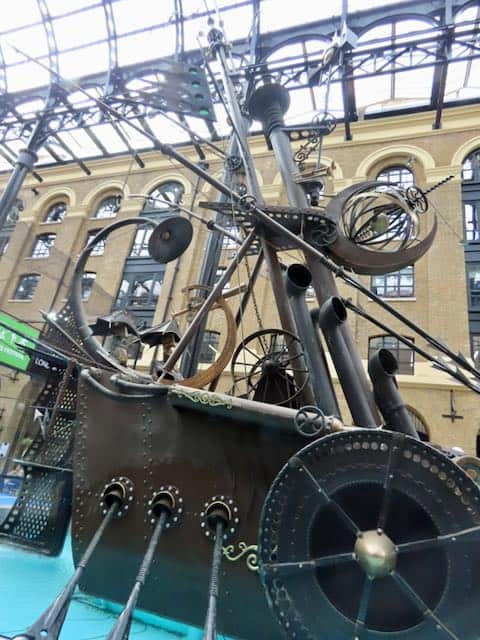
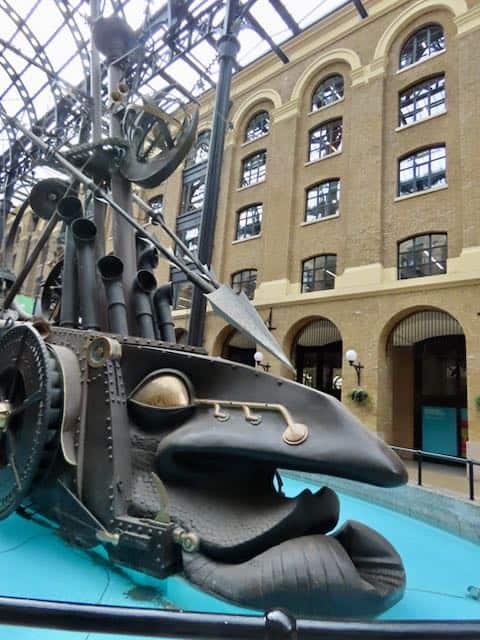
We had tickets for an evening performance at the Bridge Theater (located in the shadow of Tower Bridge), so took the opportunity to check out eating options and route to the venue on our walk back to the flat. We first passed through the Hays Galleria archway with its blend of sports (pickleball and racquetball courts), libations and art, then along the Thames south bank towards Tower Bridge. It was Friday night, so things were hoppin’ all along both sides of the Thames Embankment.

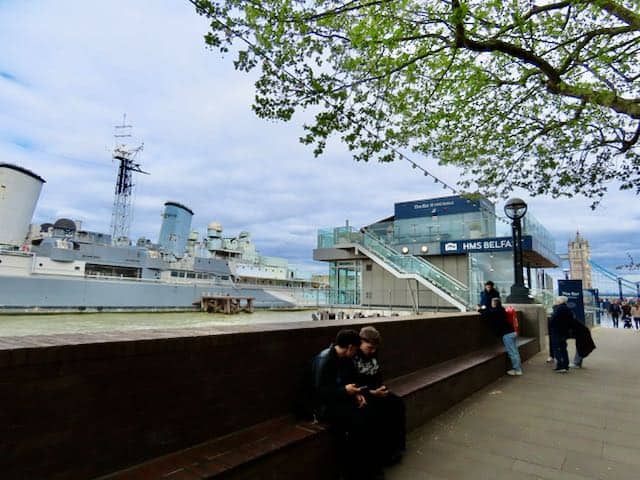
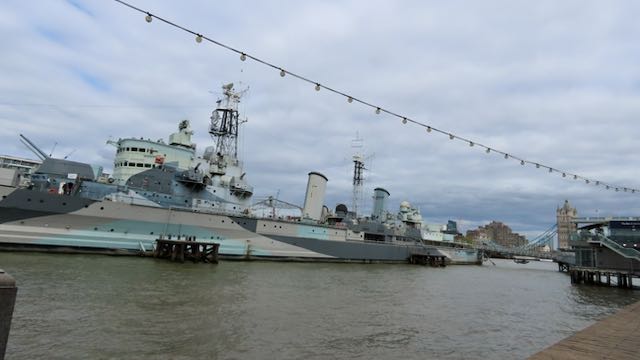
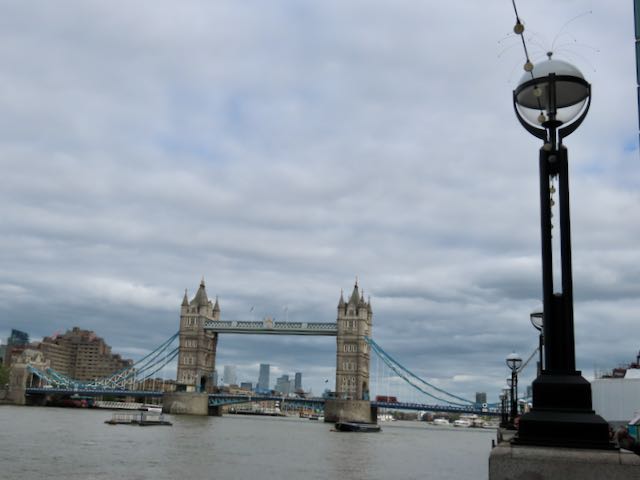
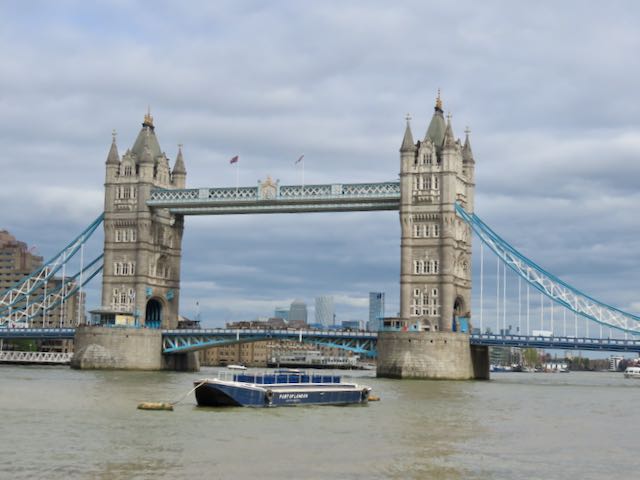

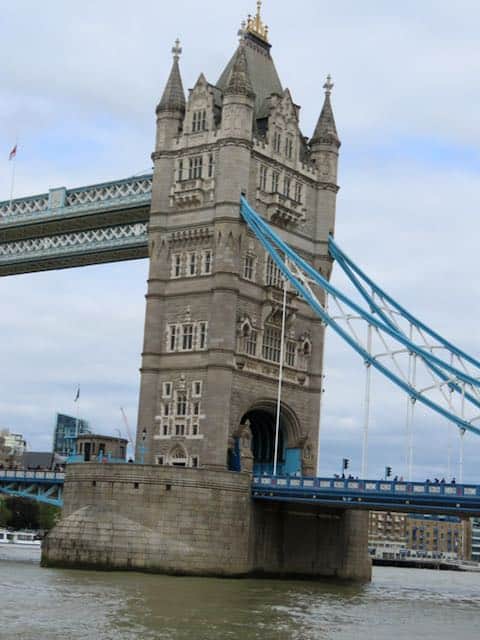


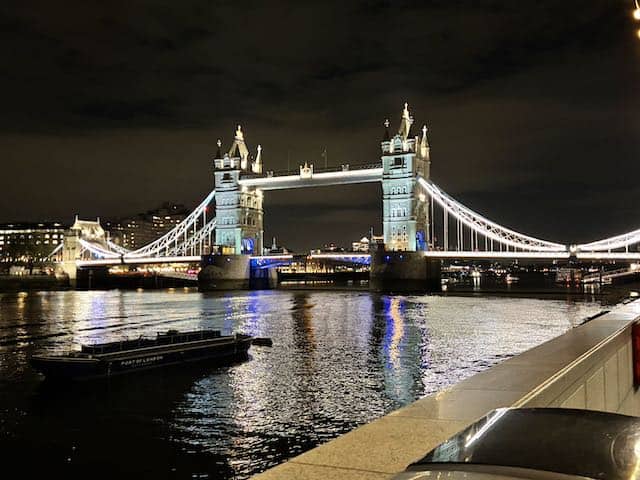
Tower Bridge was built in 1894 to connect London East Enders to the other side of the Thames. It’s a cantilever bridge (opens up so ships can pass beneath) although there isn’t a lot of need for that these days with the London docks gone. The bridge is delightfully faux-Medieval in classic Victorian style. Food and drink are, of course, on offer beneath the span.


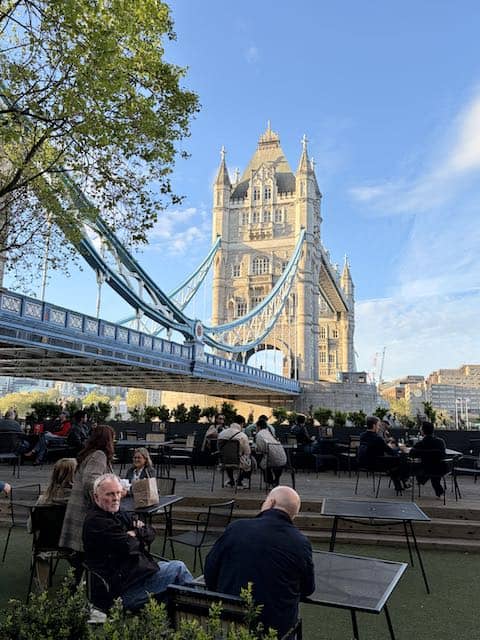
This area has of former warehouses has been extensively re-developed for housing and commercial space. We tagged the Tower Bridge Collective as the spot for dinner before the show.


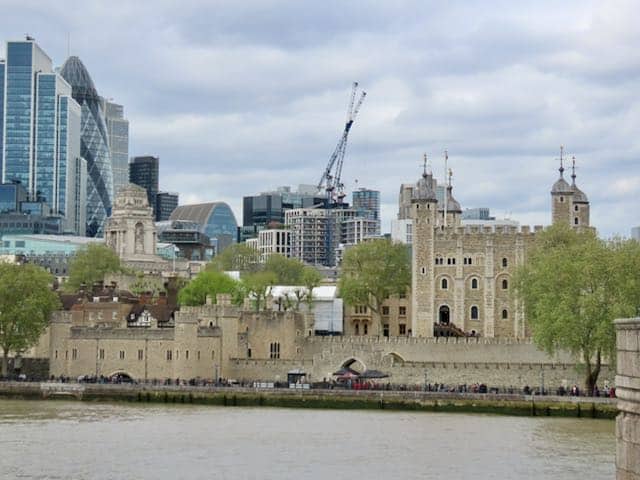
Having scoped out the evening’s route, we walked up and across Tower Bridge towards “The City” on the other side.



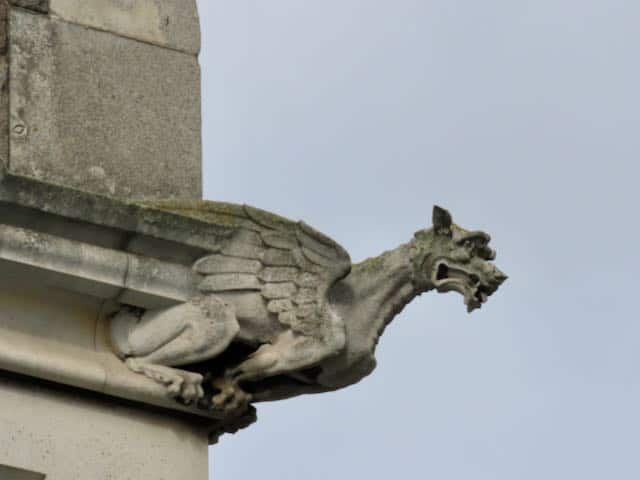
While not generally a fan of Victorian architectural “improvements,” I do share their appreciation for gargoyles and grotesques.



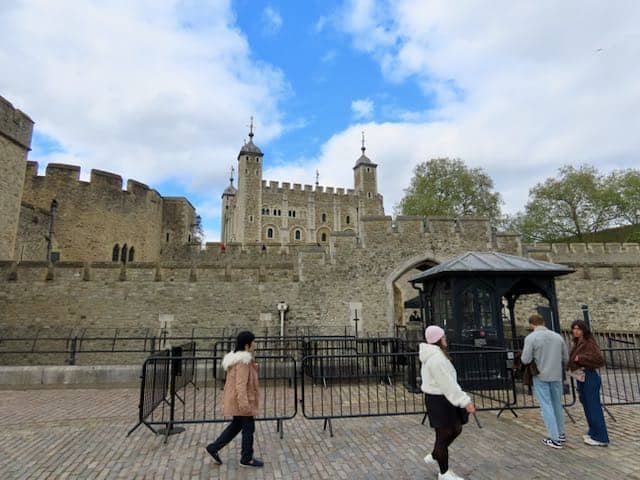
I thought about the Tower’s dark, dark history as we passed by.


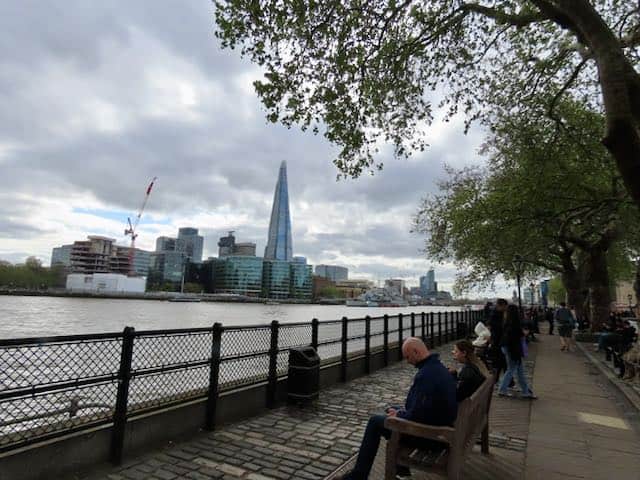
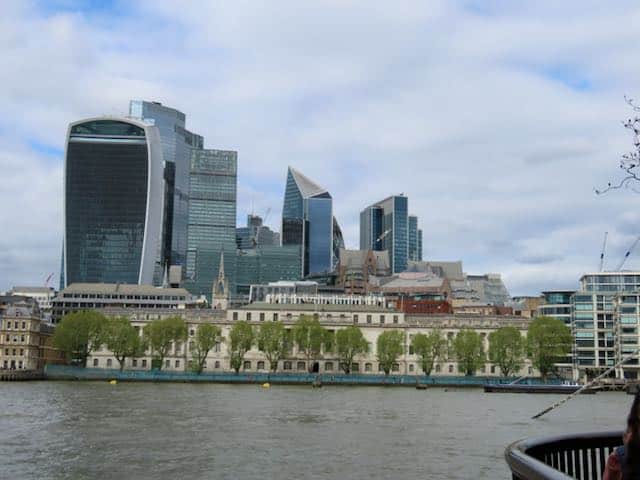
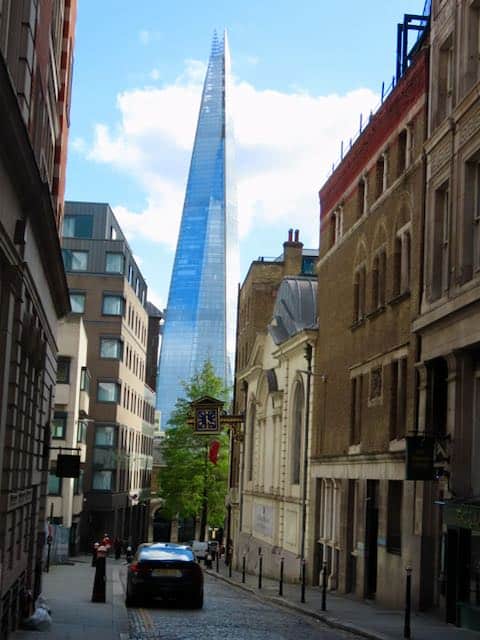
London’s architecture today is an eclectic mix of old and new, daring and stodgy, brilliant and really bad buildings. Londoners have given the most prominent skyscrapers nicknames.


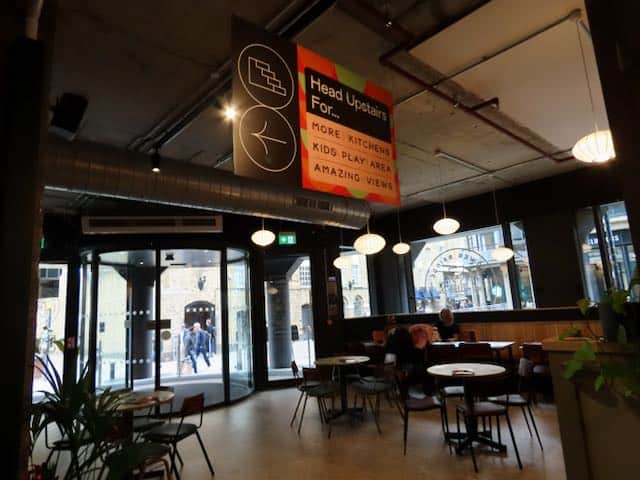
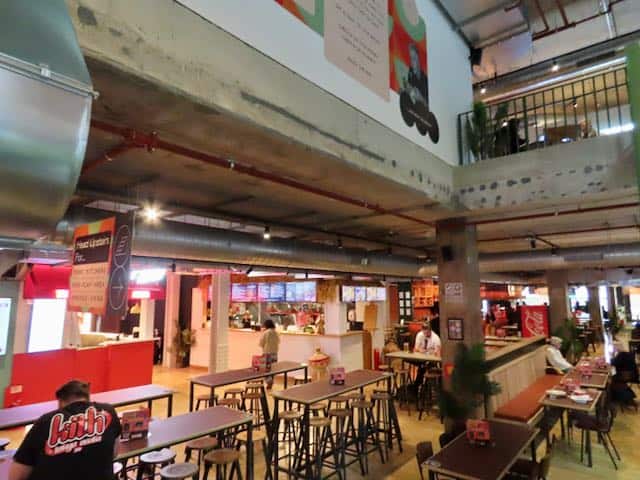
After about 45 minutes of R&R in the flat, we headed back out and across the Thames for dinner and the show. The Tower Bridge Collective is an upscale food hall with 13 multi-ethnic “food partners” and lots of social space. Our Vietnamese entrees were quite tasty.
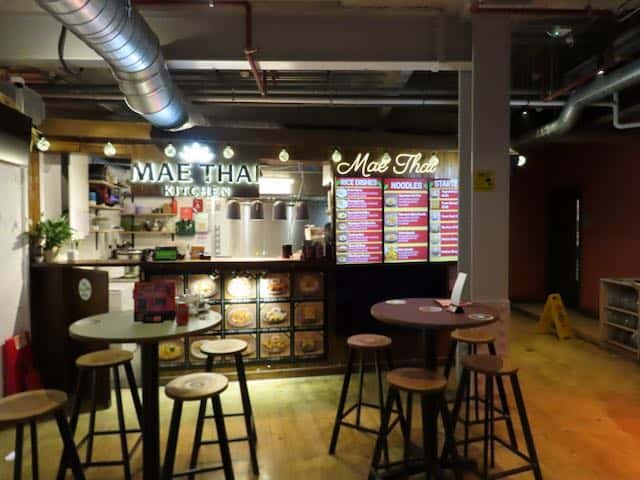

The Bridge Theater is a lovely, compact venue just a couple blocks away from the Collective. Tickets to tonight’s performance were long sold out.


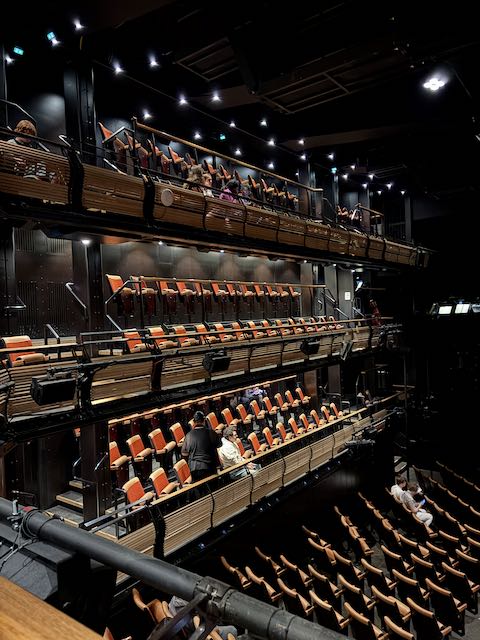
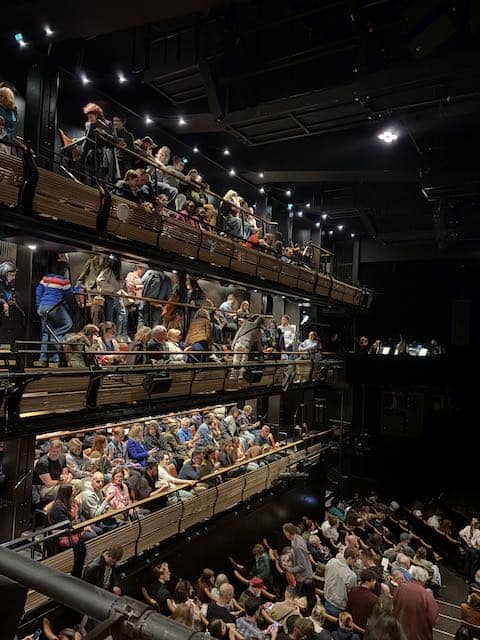
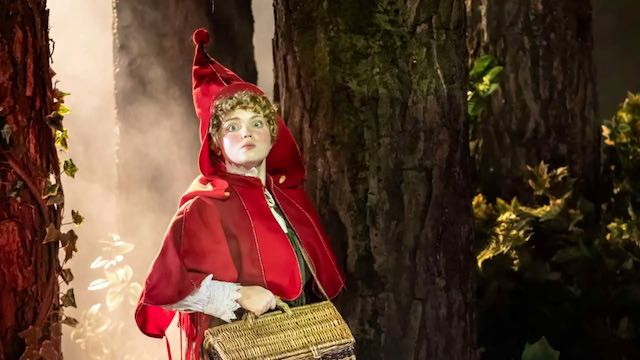
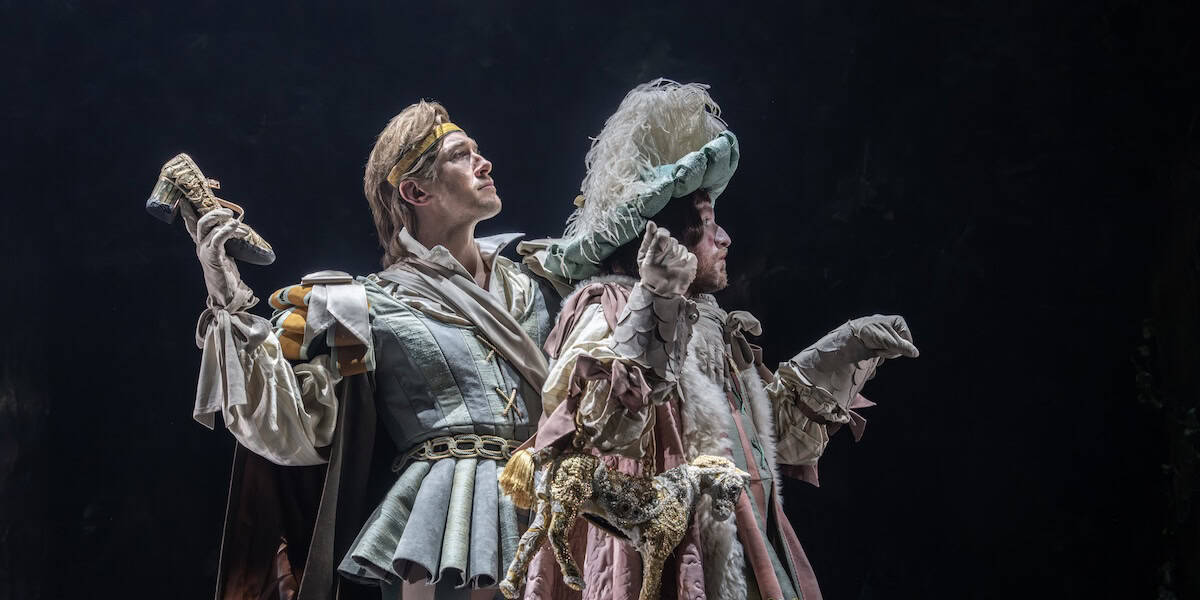
The show was Steven Sondheim’s “Into the Woods,” and it was a brilliant production: great cast, creative staging, clever costumes and a terrific sense of fun. The two princes’ campy performance had the audience in stitches. I clipped some publicity photos to give y’all a taste. The production won two Olivier awards and is opening in London’s West End this fall, just in case you’re in the neighborhood…




Our walk back along the brightly illuminated Thames completed the evening’s magic.