We are fortunate in the retirement choices of our British friends: the two couples settled in small Norfolk villages just 15 miles apart. Pure happenstance on their parts, but most convenient for us, especially since they used to live several hundred kilometers apart. So on Tuesday we drove the spiffy Chinese EV from Swanton Abbot to Ludham to hang out for the day with Alison and Kim.

Ali and Kim’s choice of retirement abode is easy to understand: they are passionate sailors, and Ludham sits at the edge of that mecca of British boating, the Norfolk Broads.
Eastern Norfolk is very flat, with elevations lying mostly at or below sea level. Prior to the 12th century, this part of the county was a wilderness of marshland and woods, quite a pestilential place to live. (Ariana Franklin brings this area vividly to life in her wonderful 12th century historical mystery series, Mistress of the Art of Death.) As Norfolk’s population and prosperity grew (think sheep and wealthy wool merchants) medieval communities cleared all the woodlands, then began digging peat from the marshlands for fuel (used in heating and cooking). Religious communities (of which there were many) were major peat consumers: between the 12th and 14th centuries, thousands of tons of peat were sent by river to Norwich Cathedral, while the monks of St Benet’s Abbey (located in the Broads) used 200,000 bales of peat a year just for themselves. There was also a regular trade in peat with the growing cities of Norwich and Great Yarmouth.

In the 13th-14th centuries, climatic change (the Little Ice Age) raised sea levels and brought violent storms to the coast, flooding peat pits and extinguishing the peat industry. The flooded pits gradually merged with the five rivers meandering through the marshes to create an interconnected system of water-logged wetlands and open water. Today the Broads are a protected area, providing important wetland habitat for rare (and not-so-rare) birds, plants, and insects as well as important human habitat for that quintessentially British leisure activity of “messing about in boats.”
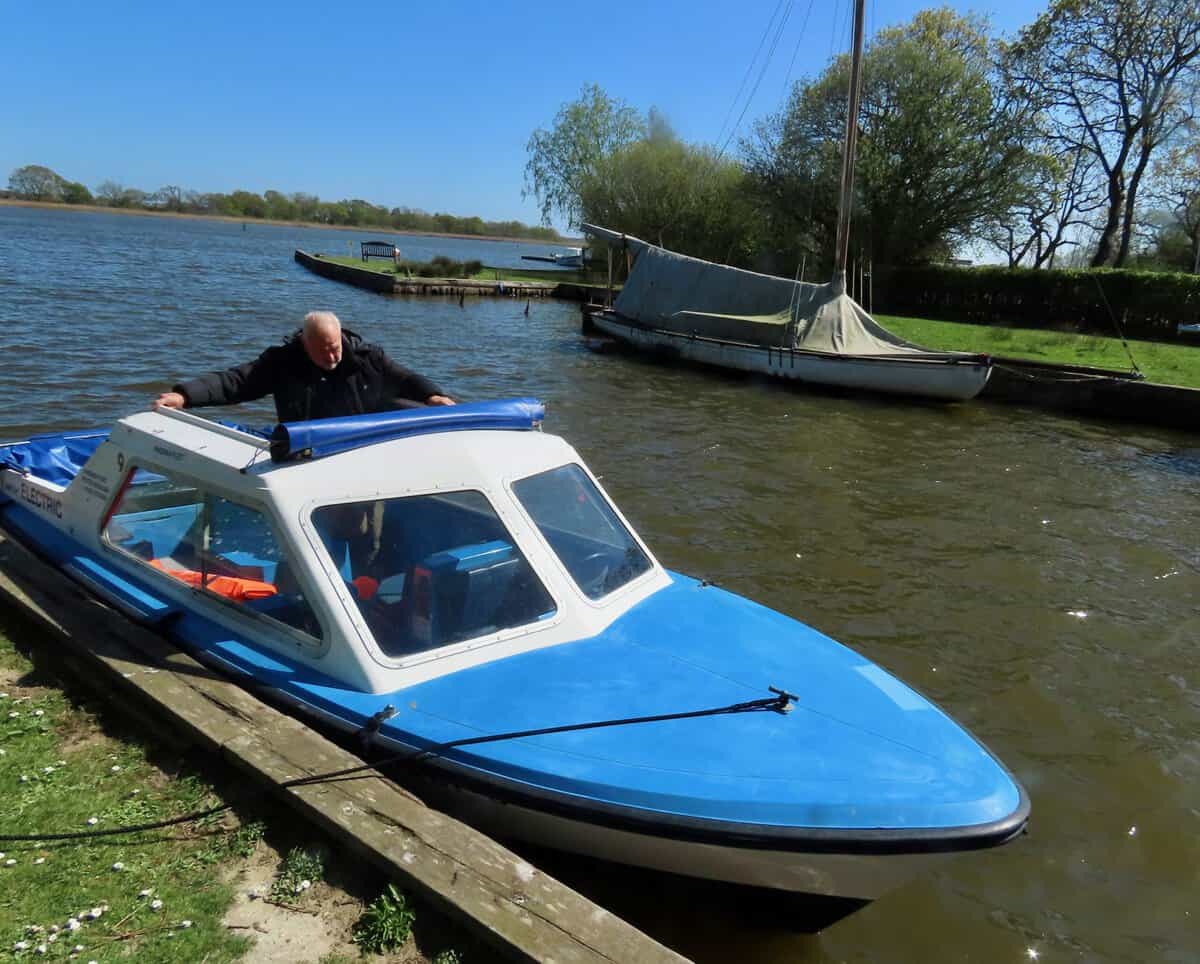
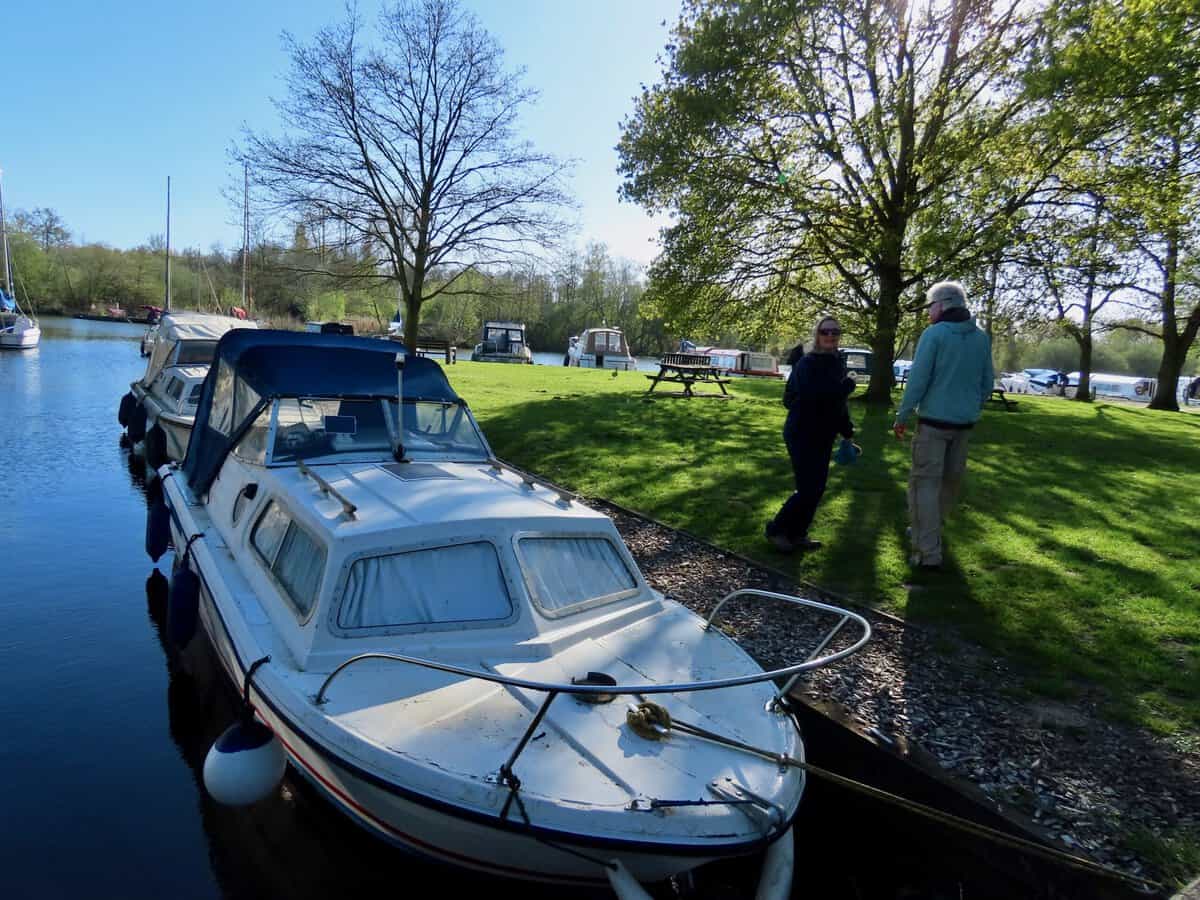
Kim and Ali treated us to a day of boating on the Broads, starting from the village of Potter Heigham, less than 2 miles from their cottage, where Kim had hired an electric boat. From Potter Heigham, we puttered quietly up the River Thurne to Hickling Broad, a wildlife conservation area managed by the Norfolk Wildlife Trust.

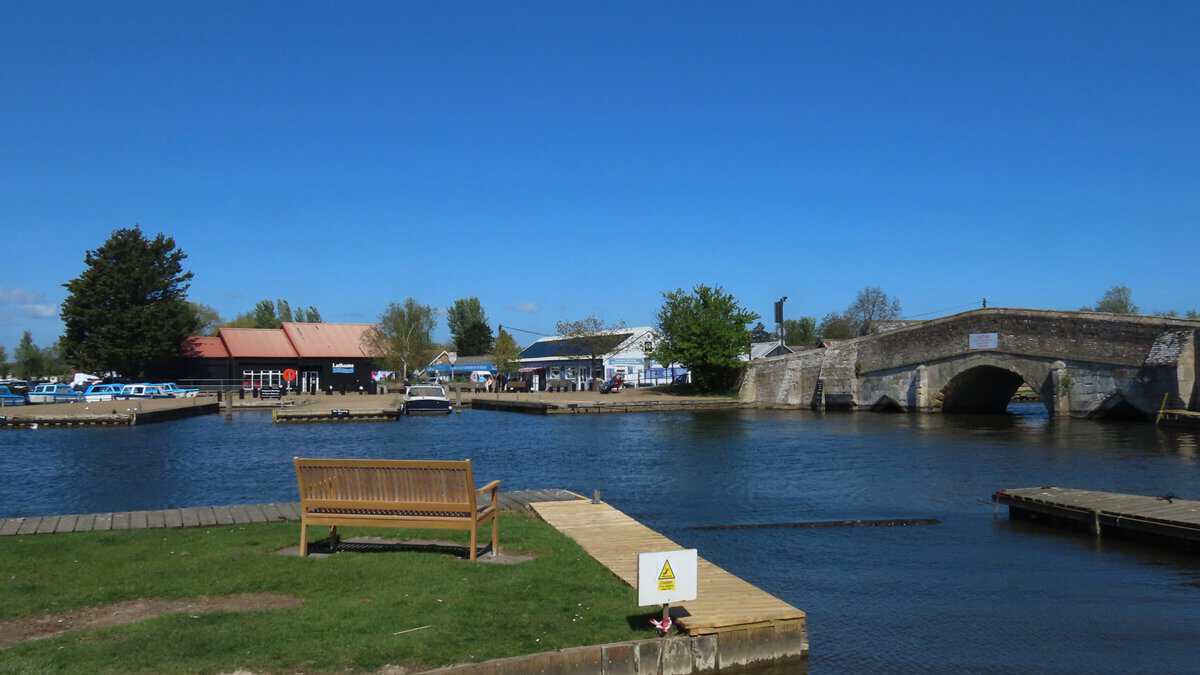

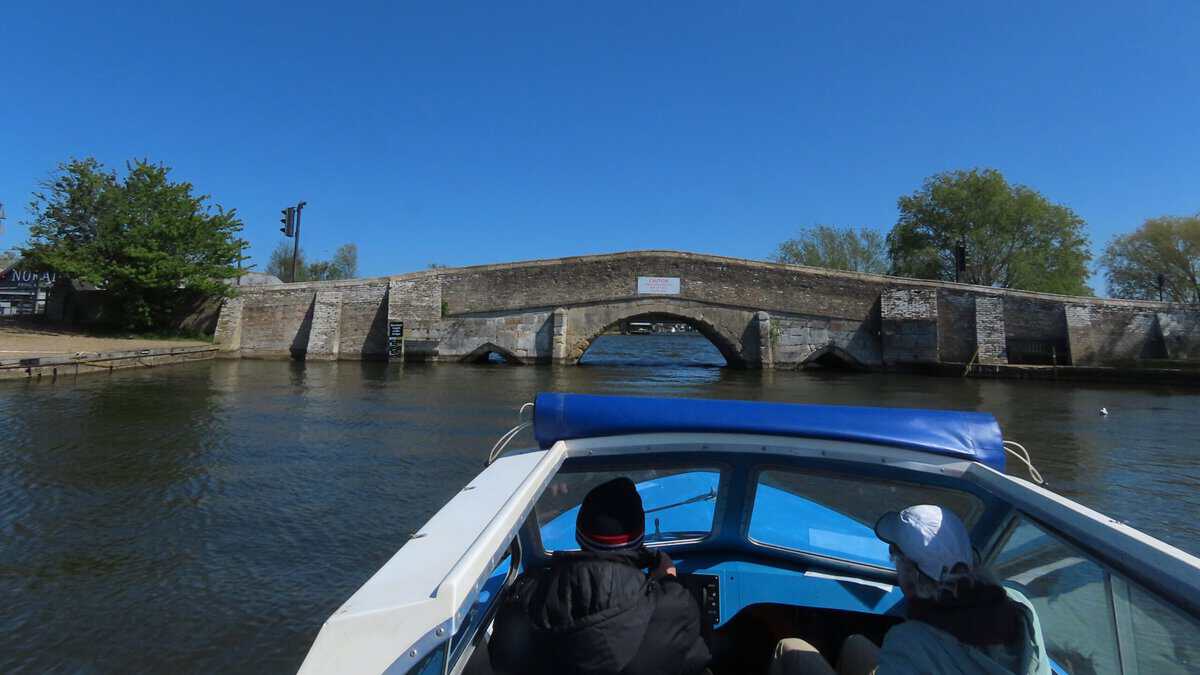
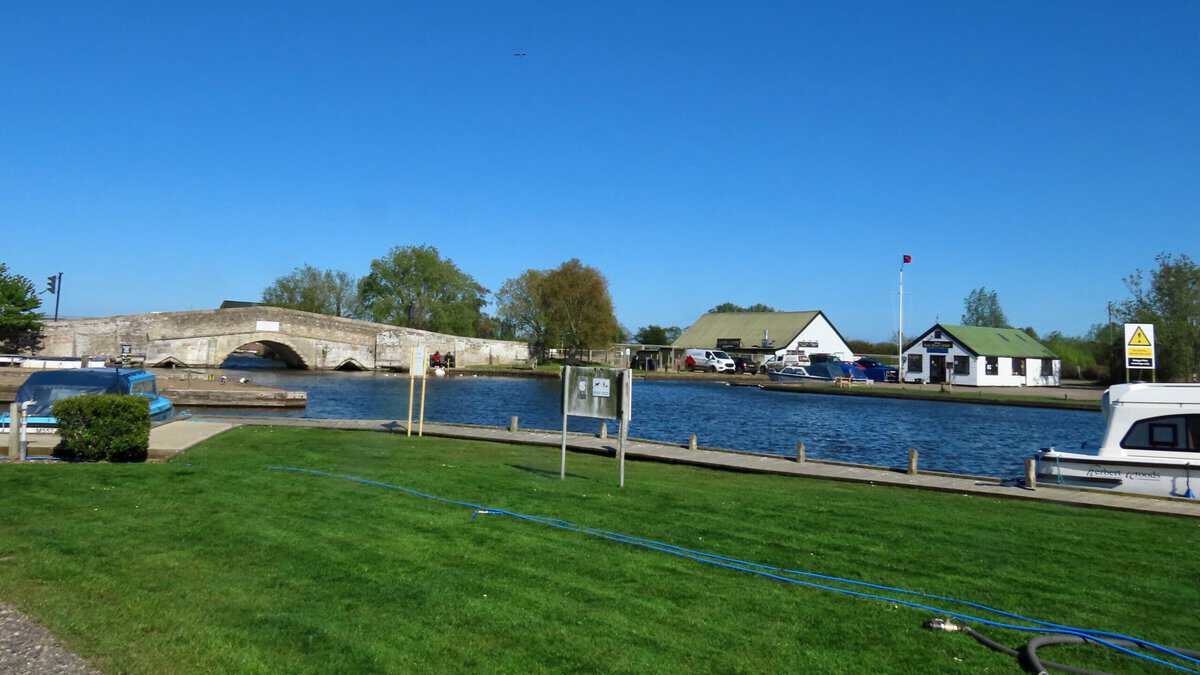
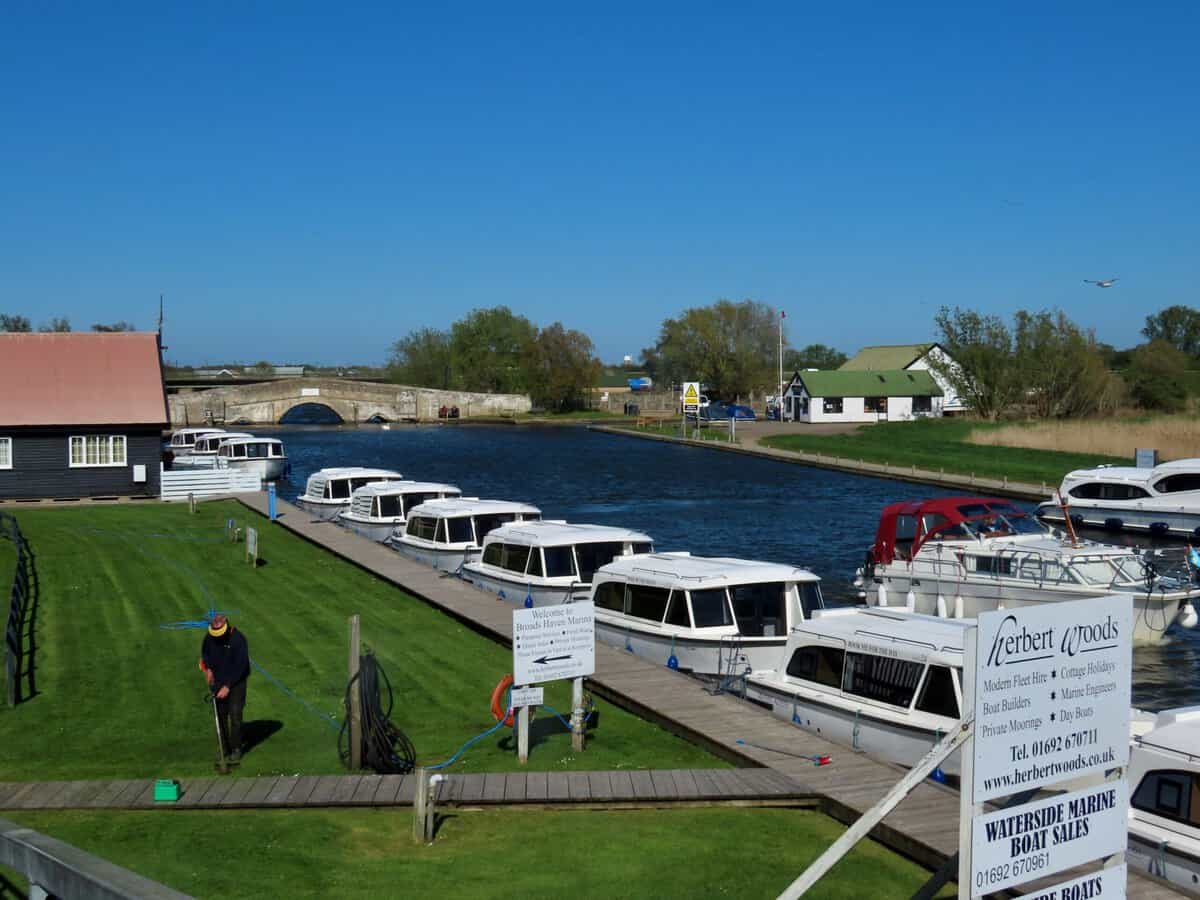
Boats must have a shallow draft to be suitable for the Broad’s shallow waterways. At Potter Heigham, boats also have to be very short in order to pass under the medieval bridge (circa 1385).

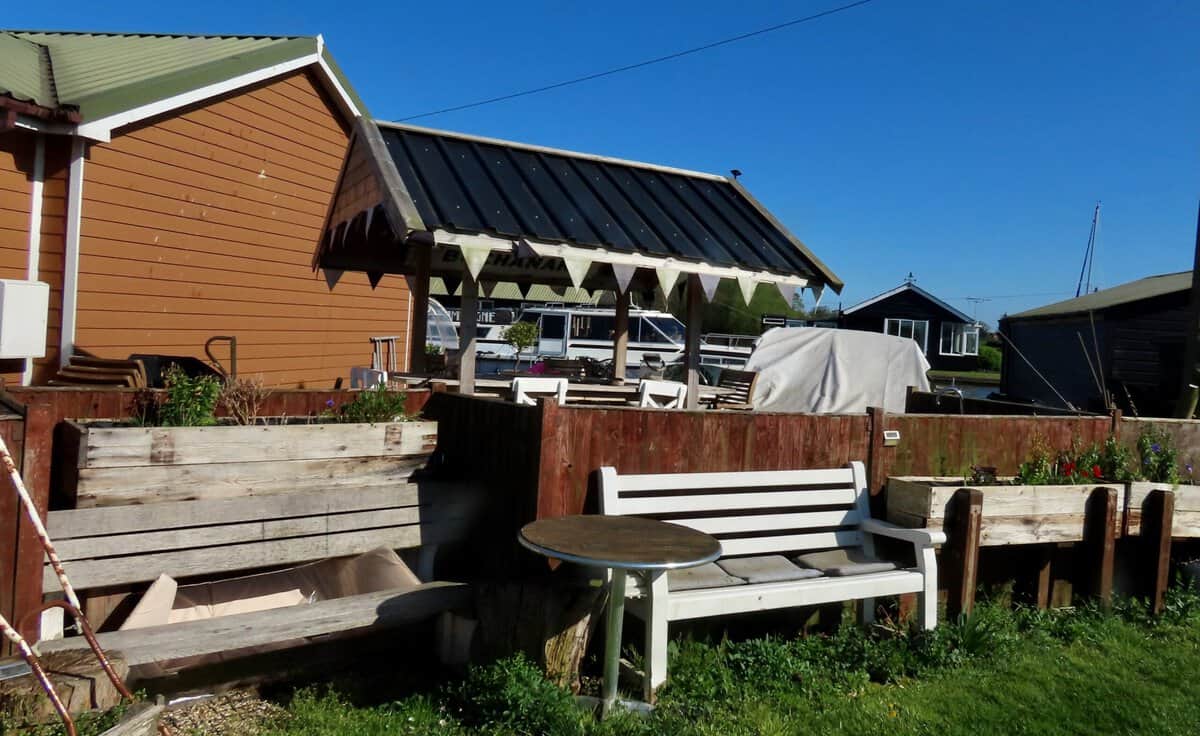
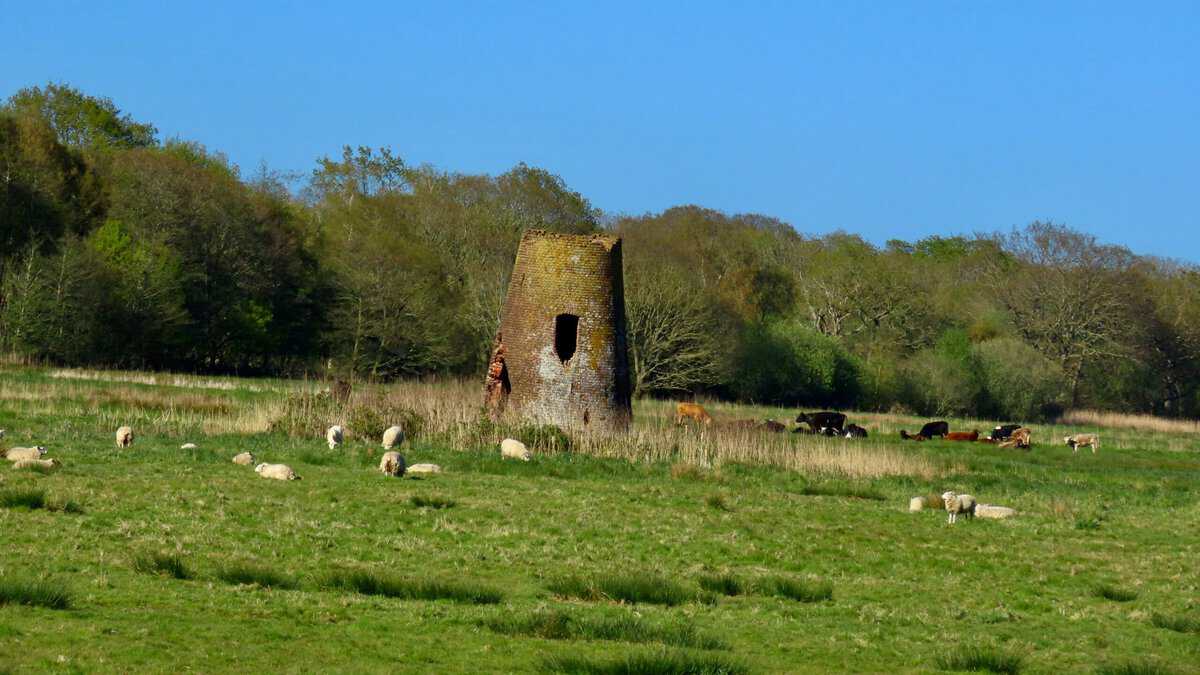
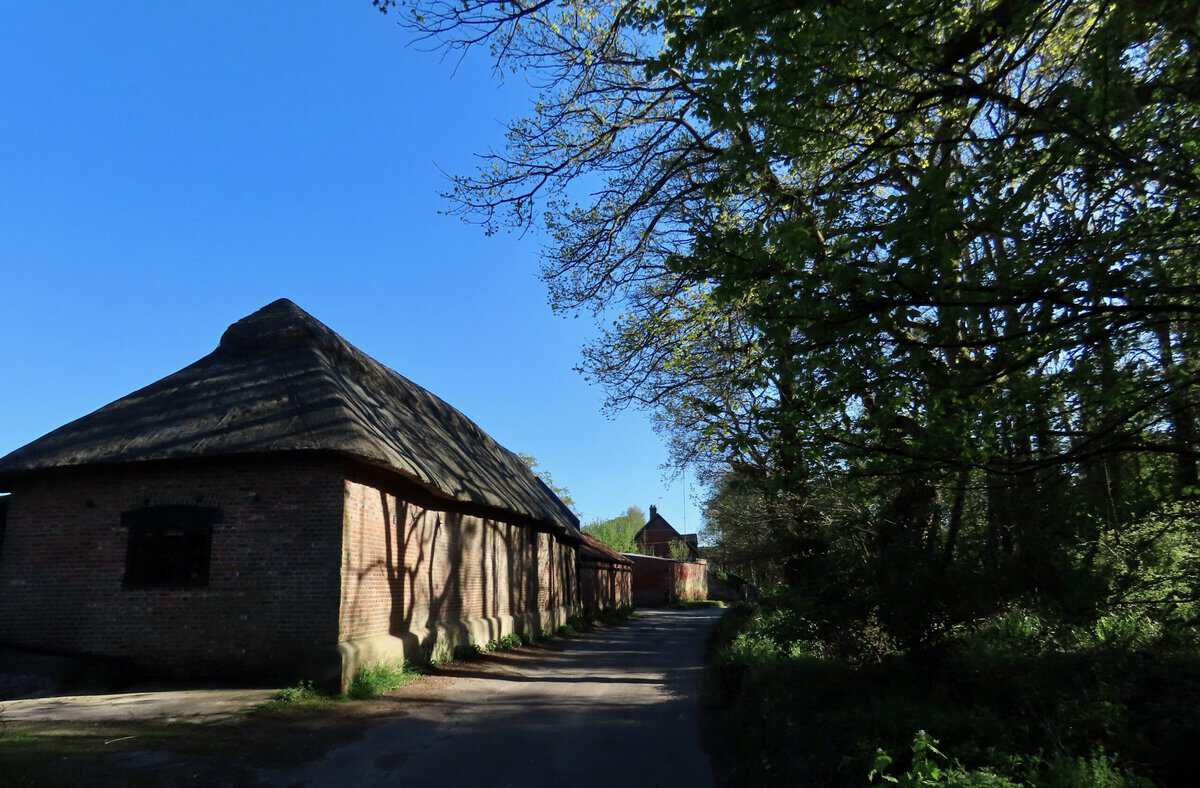
Waterways are lined with homes of all styles and ages. There are also lots of windmills, built in the 18th -19th centuries to pump water out of the marshes so the marshy fields could be used for grazing.


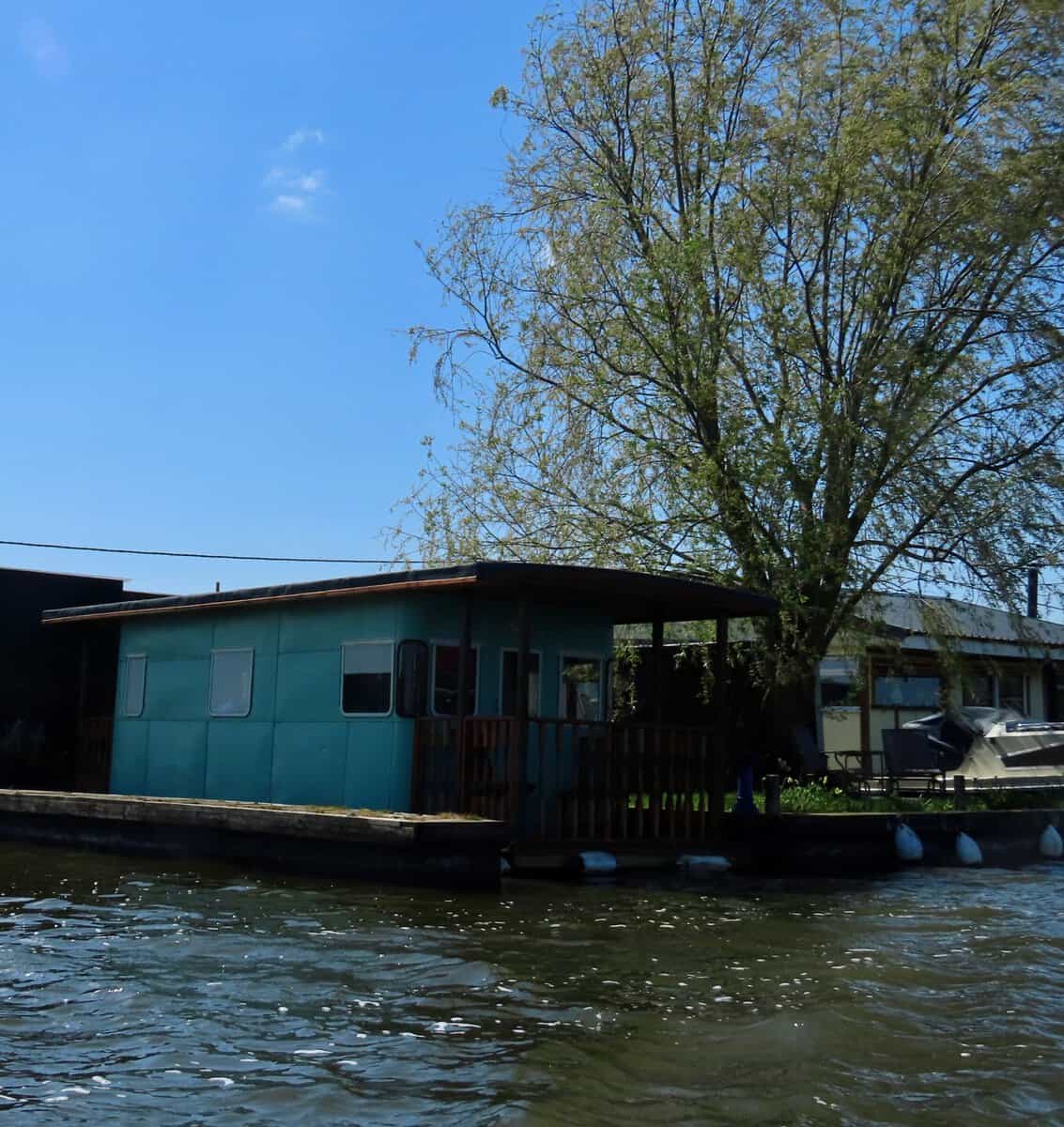

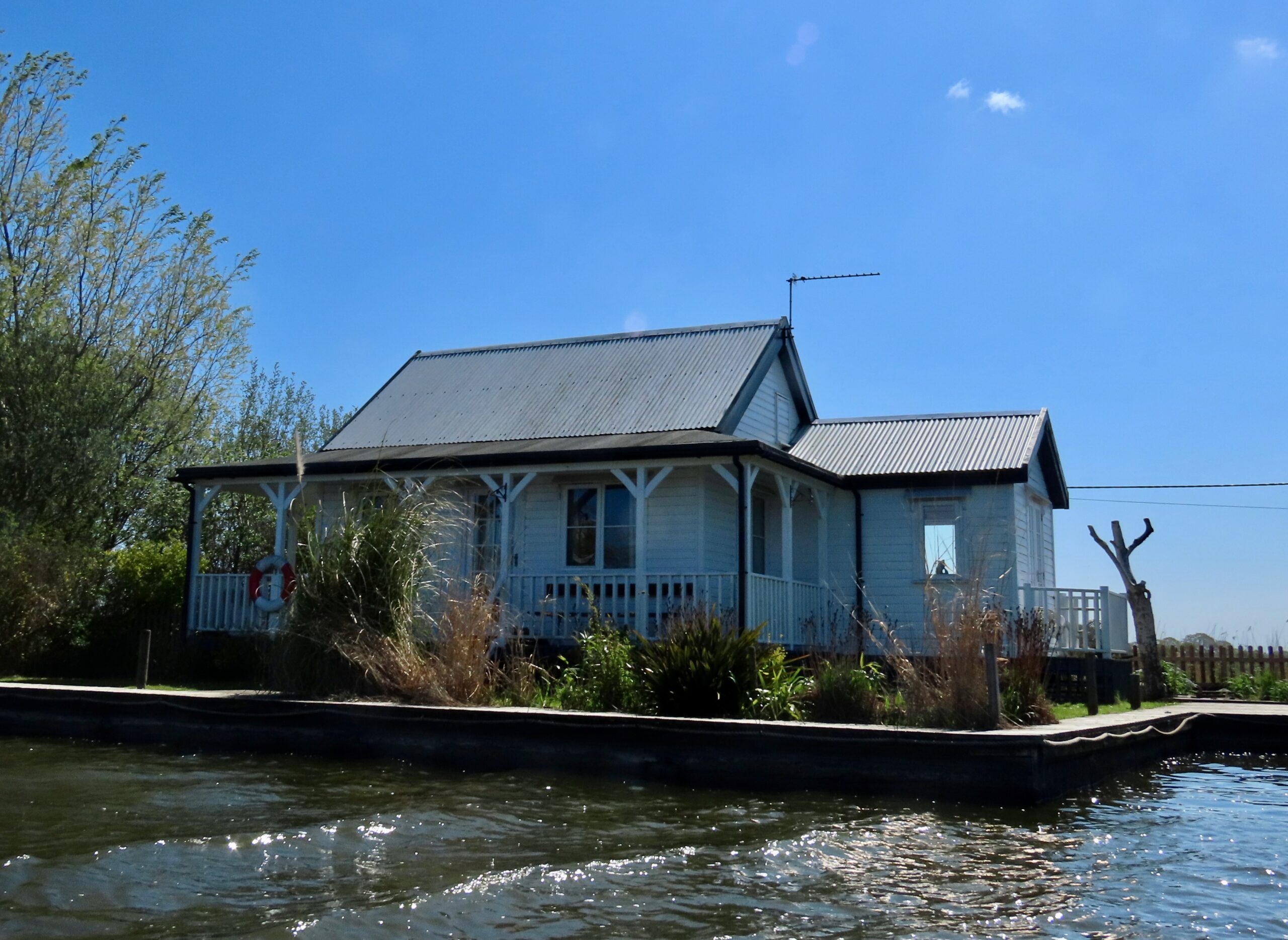

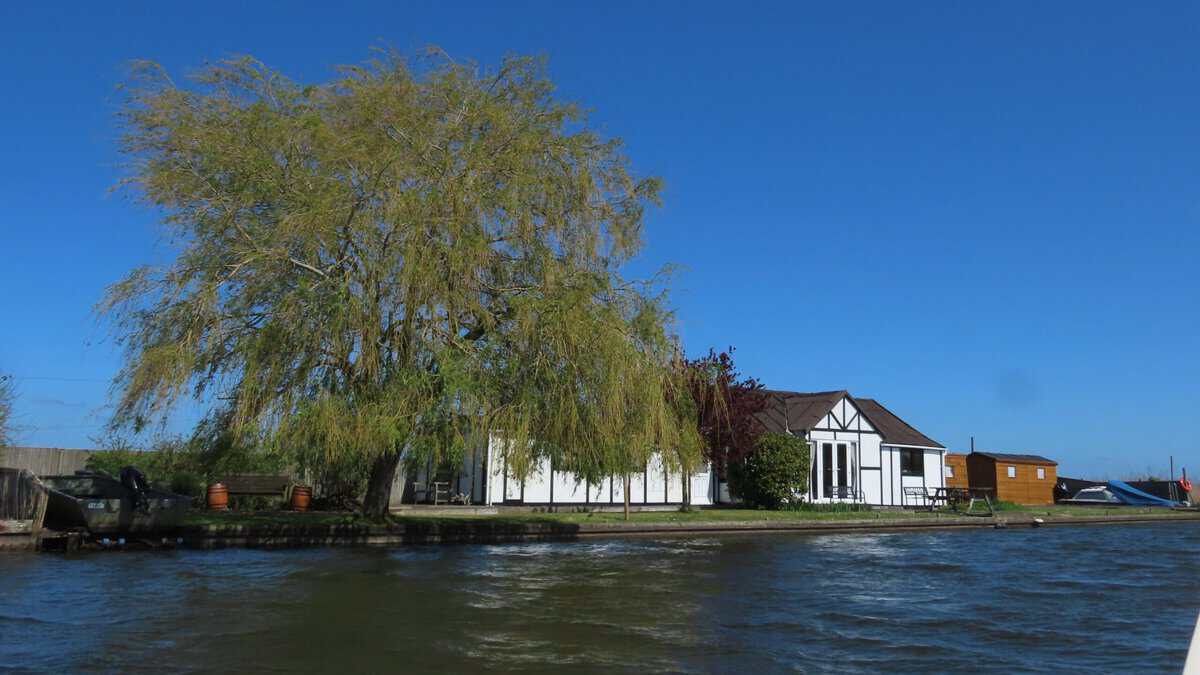

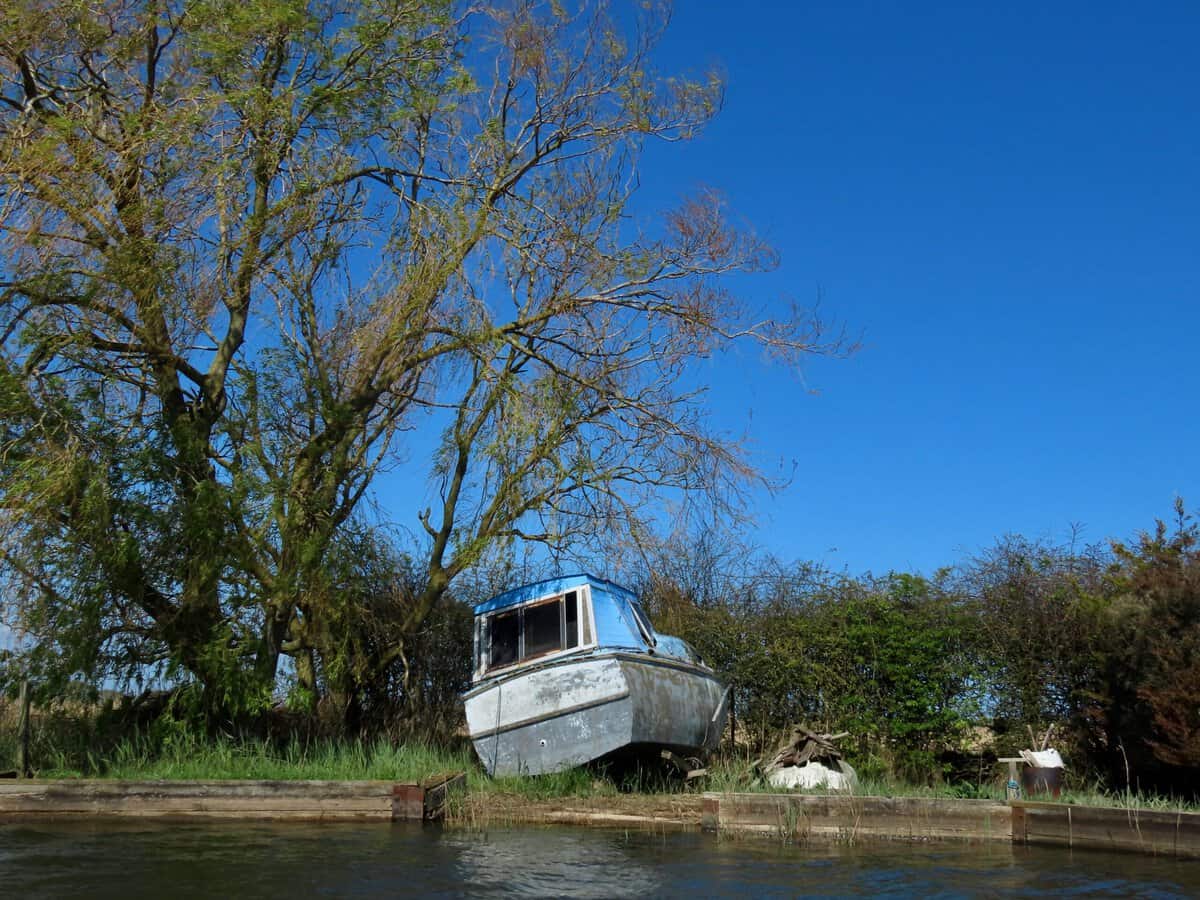
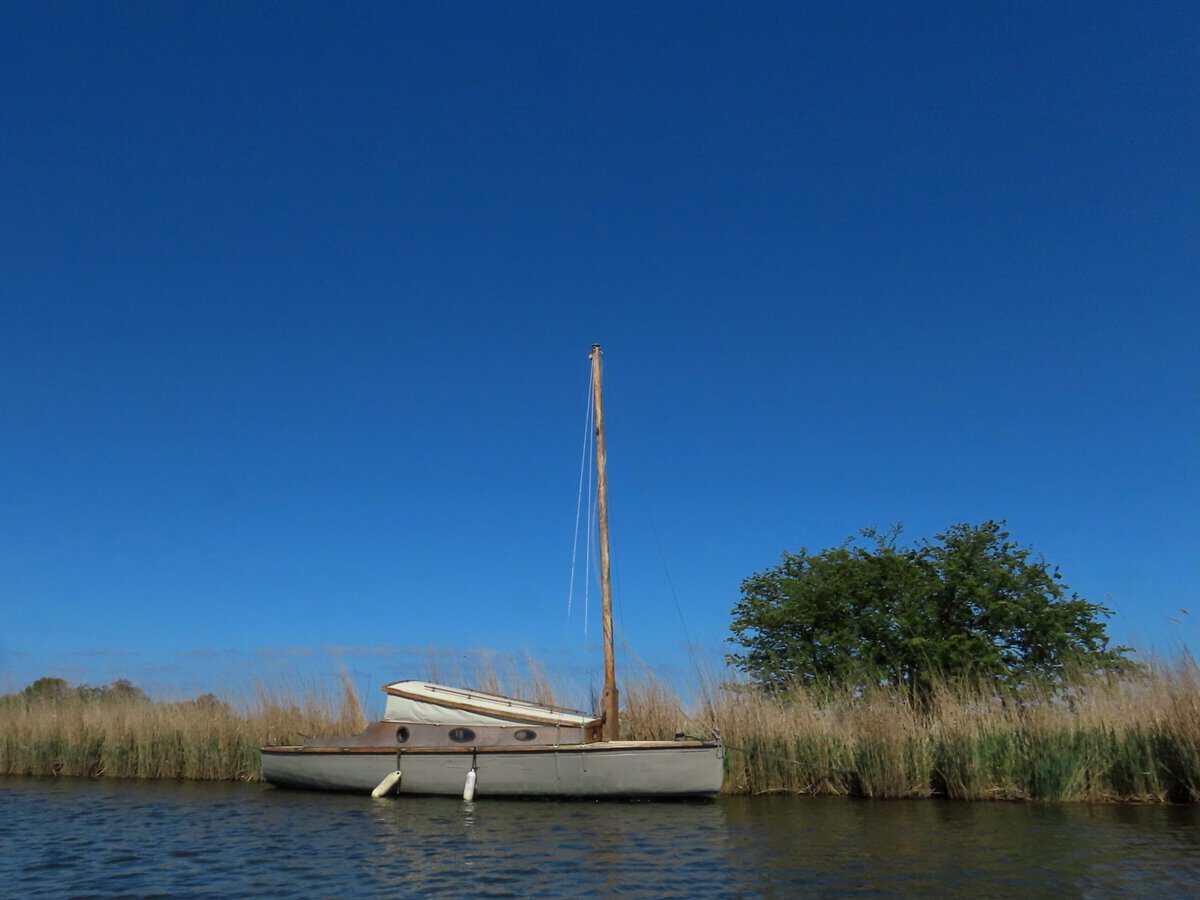
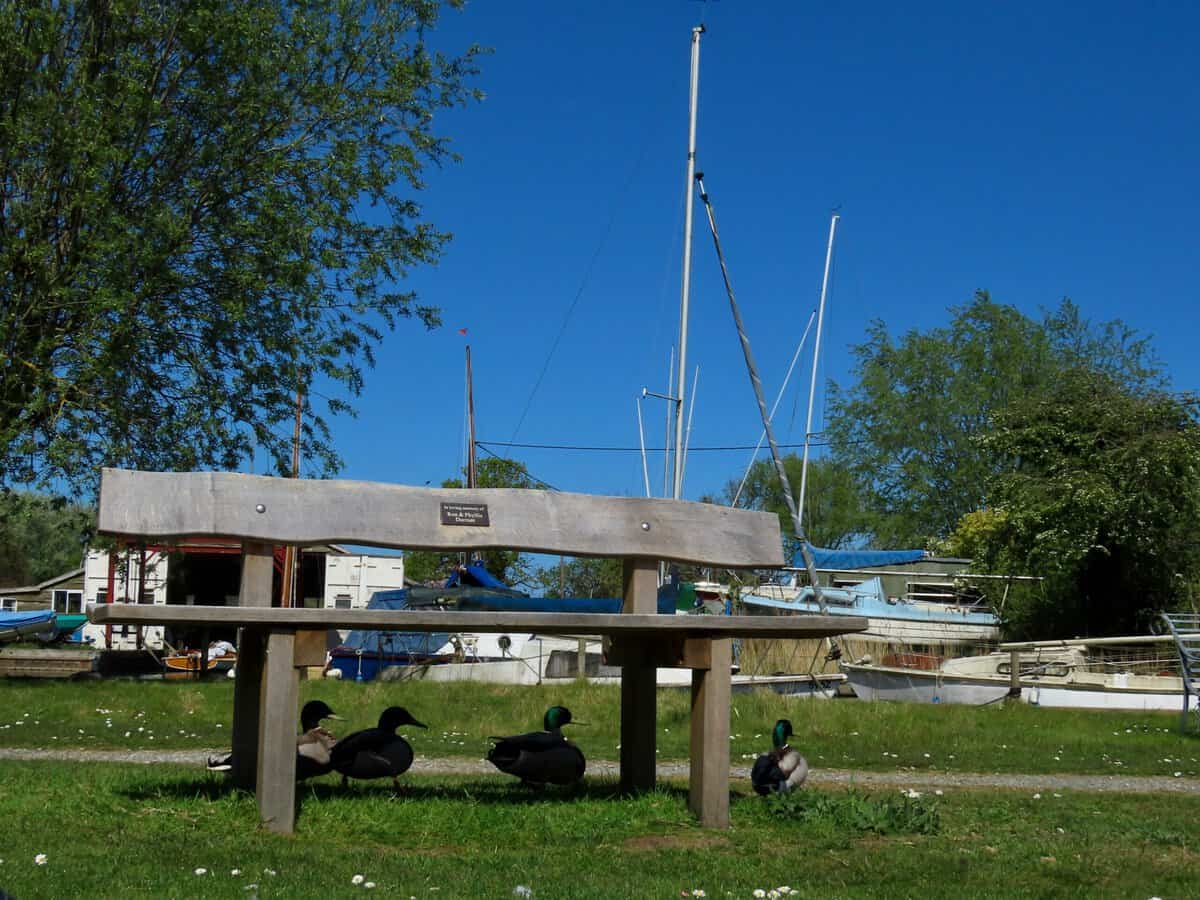
The riverbanks are also lined with boats of every imaginable type, and in every conceivable condition.

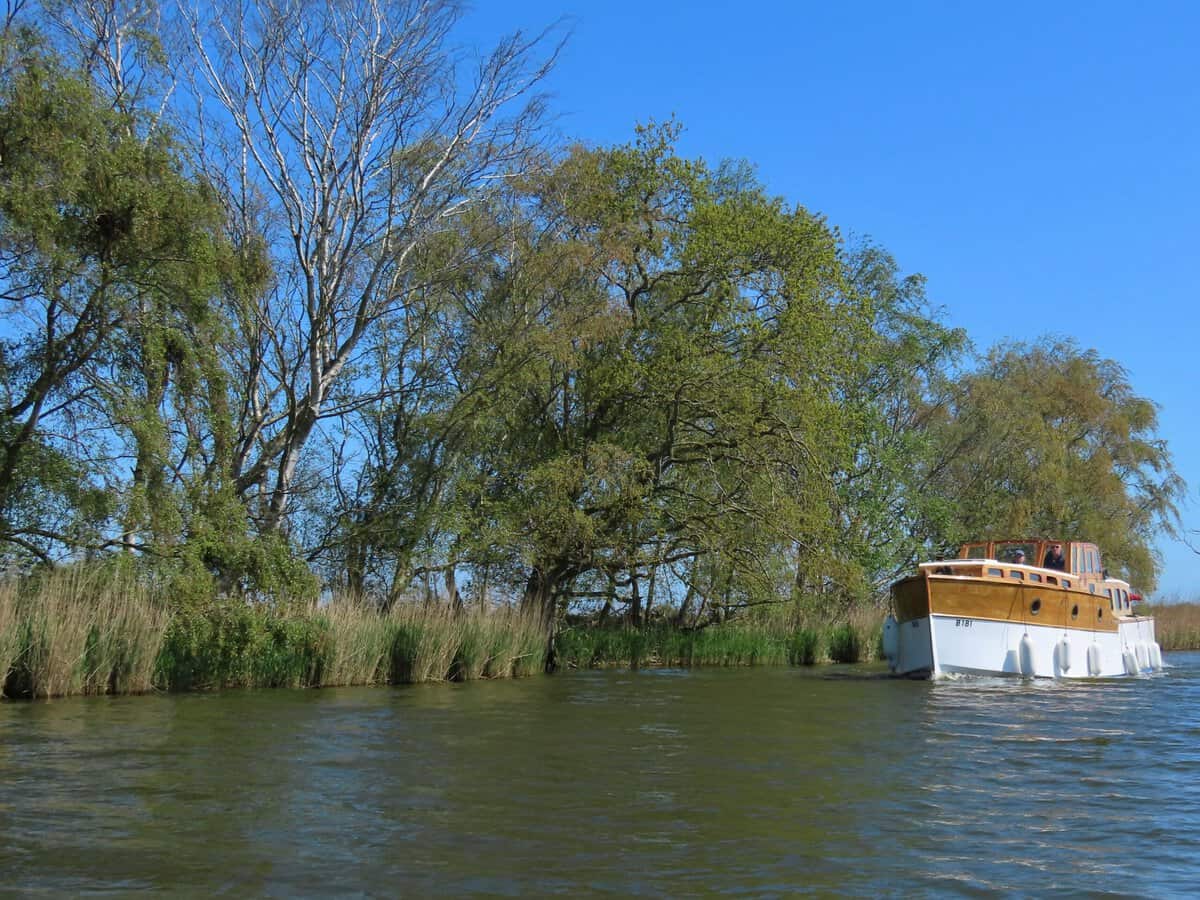




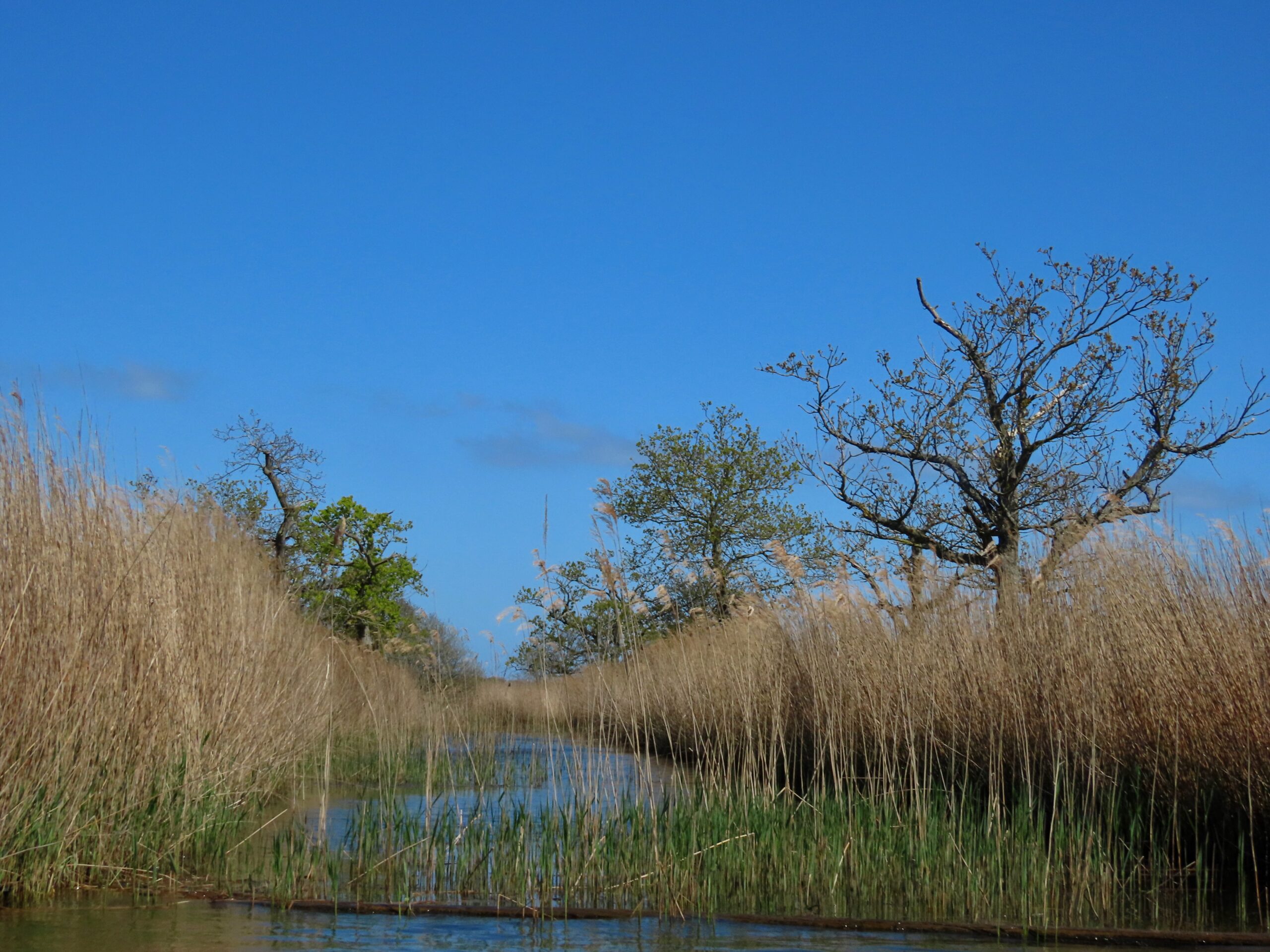
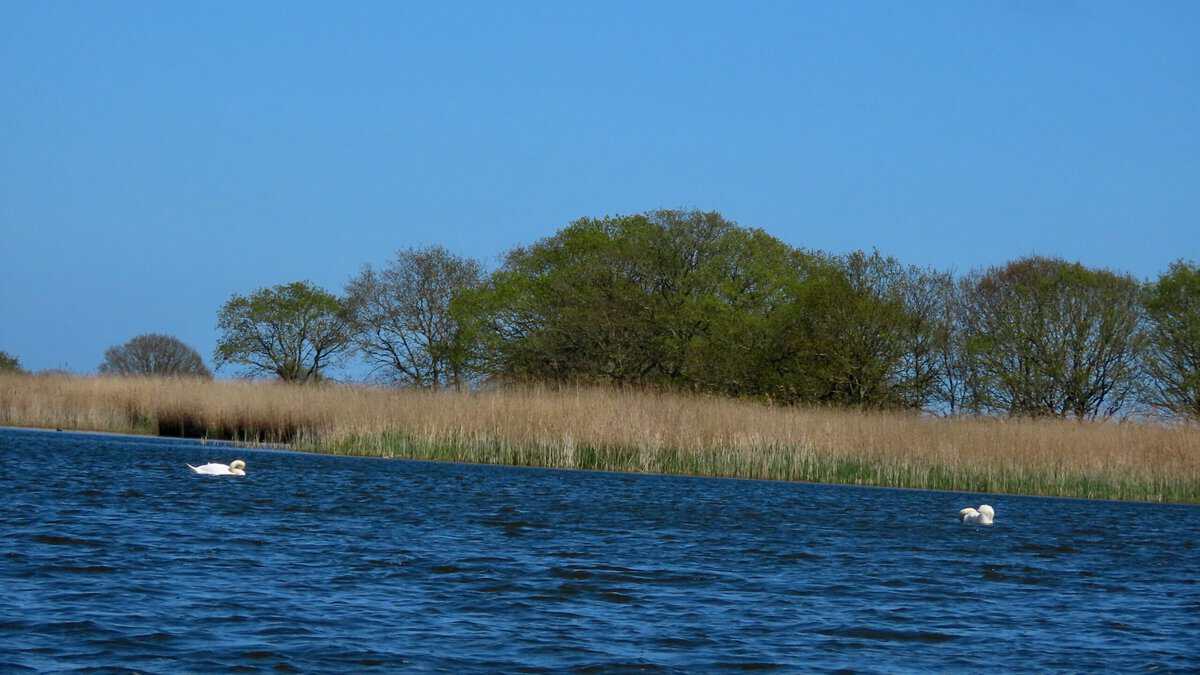
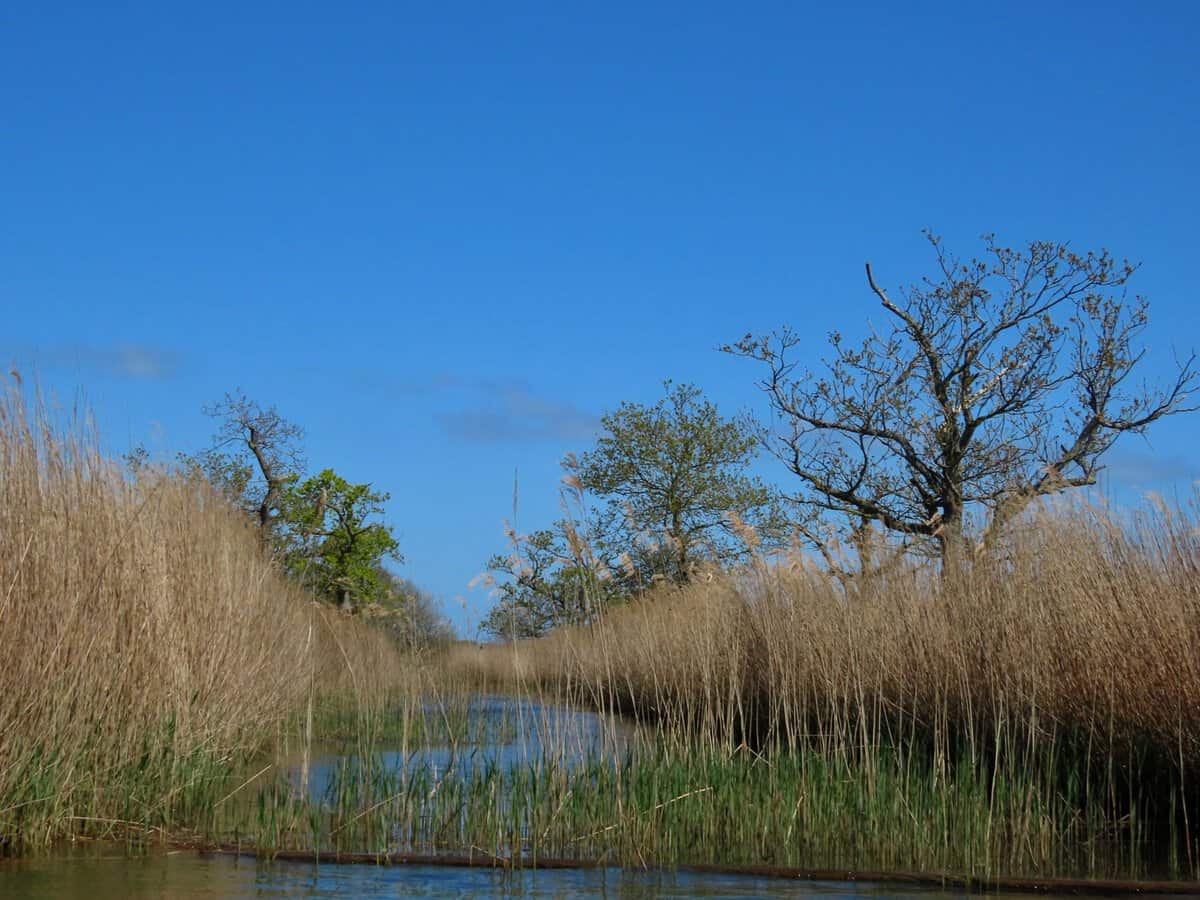
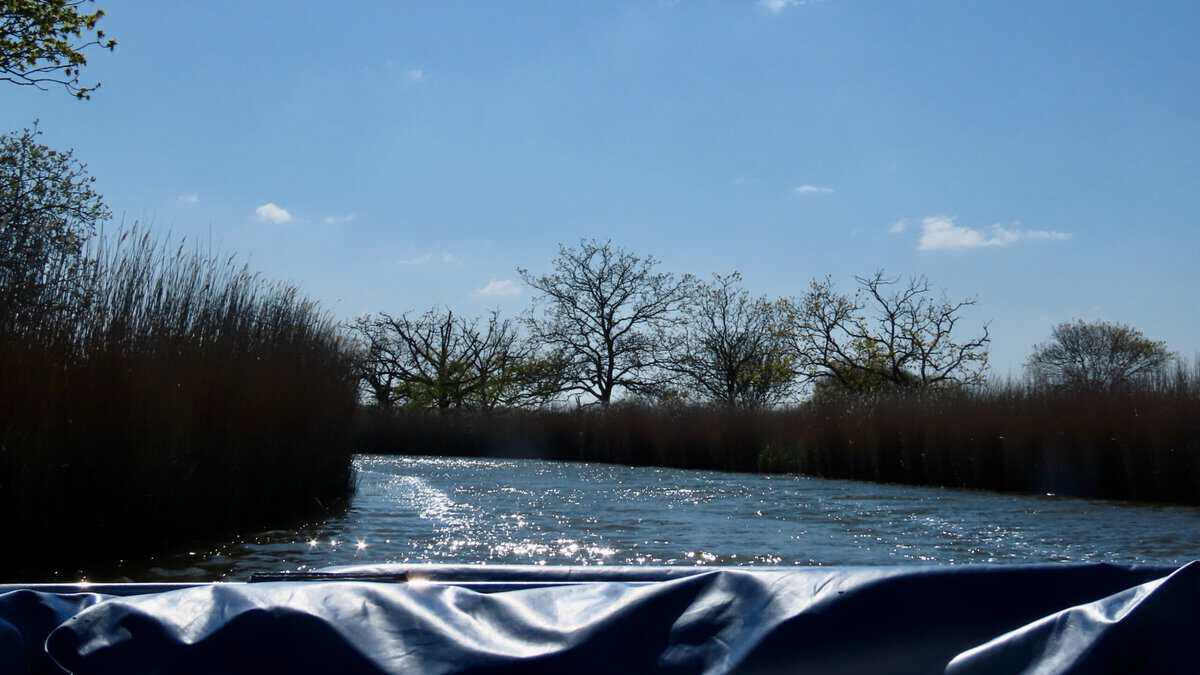
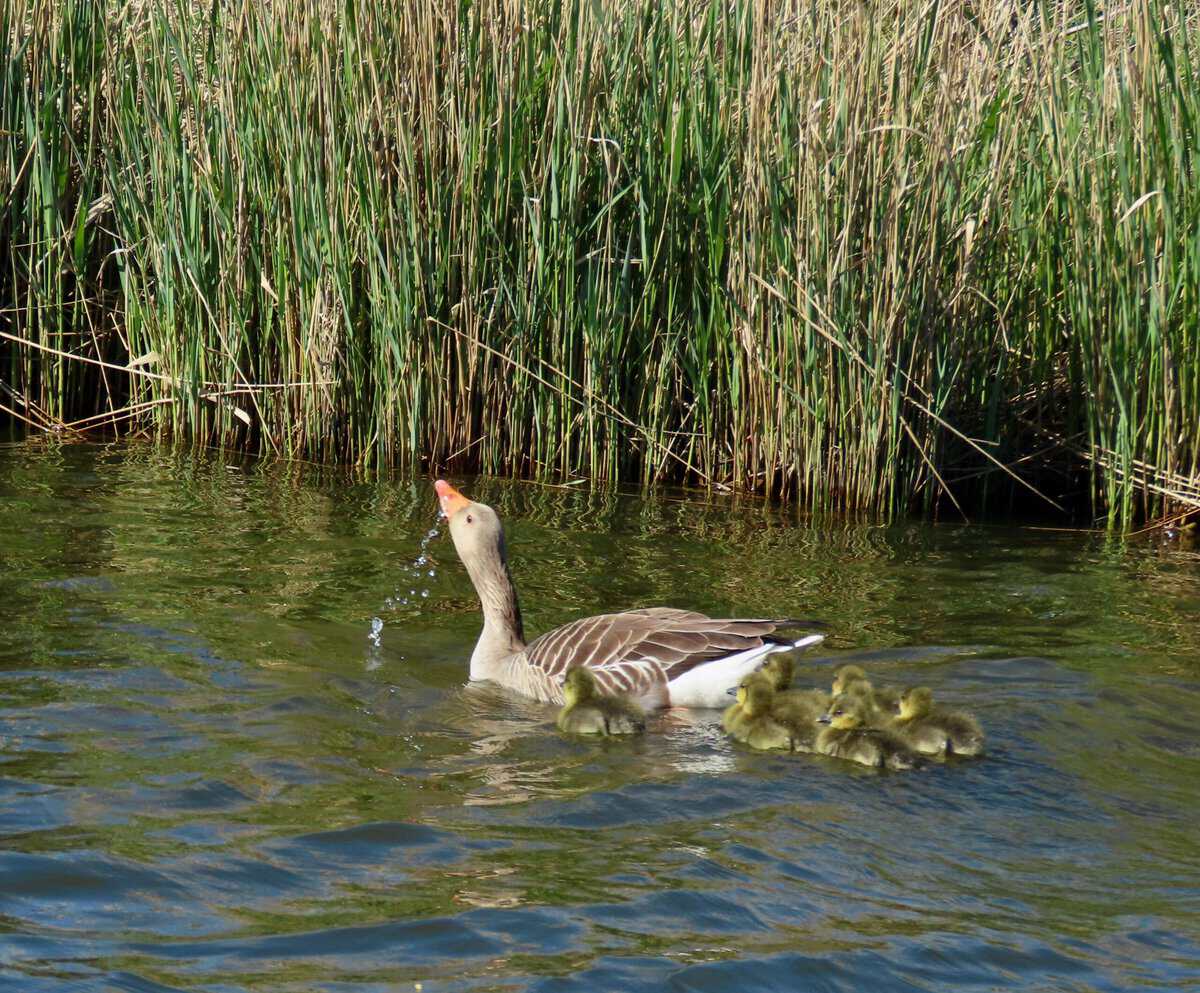
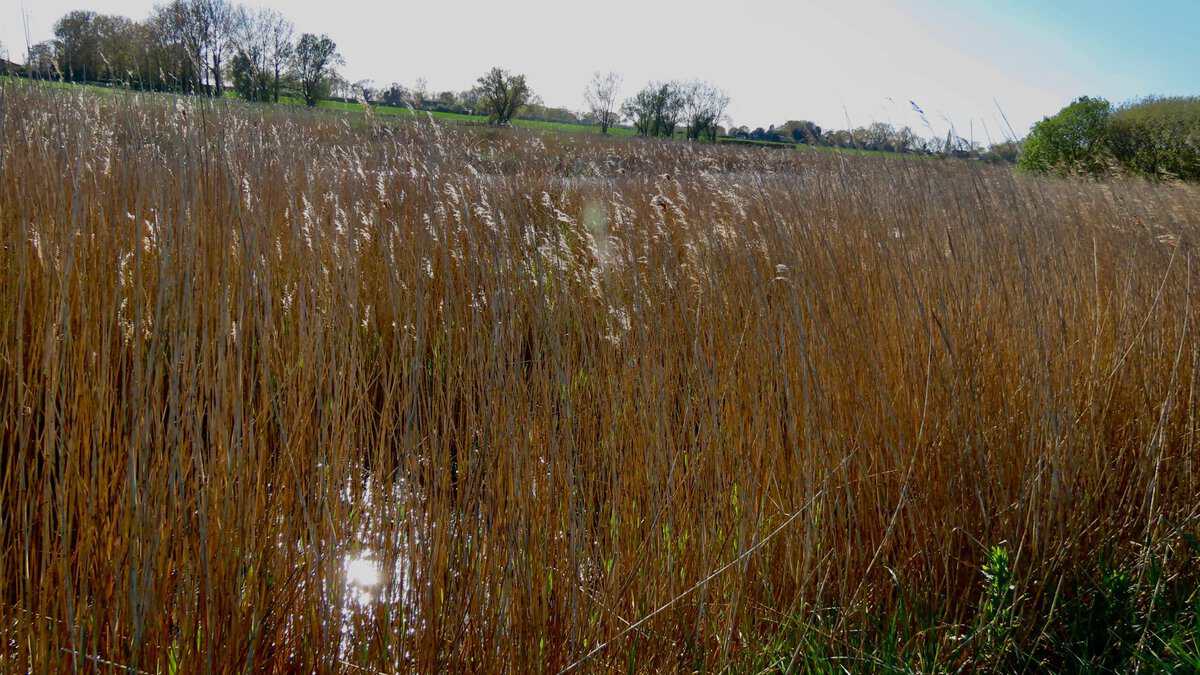
On Hickling Broad, we glided past vast walls of reeds and grasses, punctuated by little wildlife tunnels at the water’s edge.
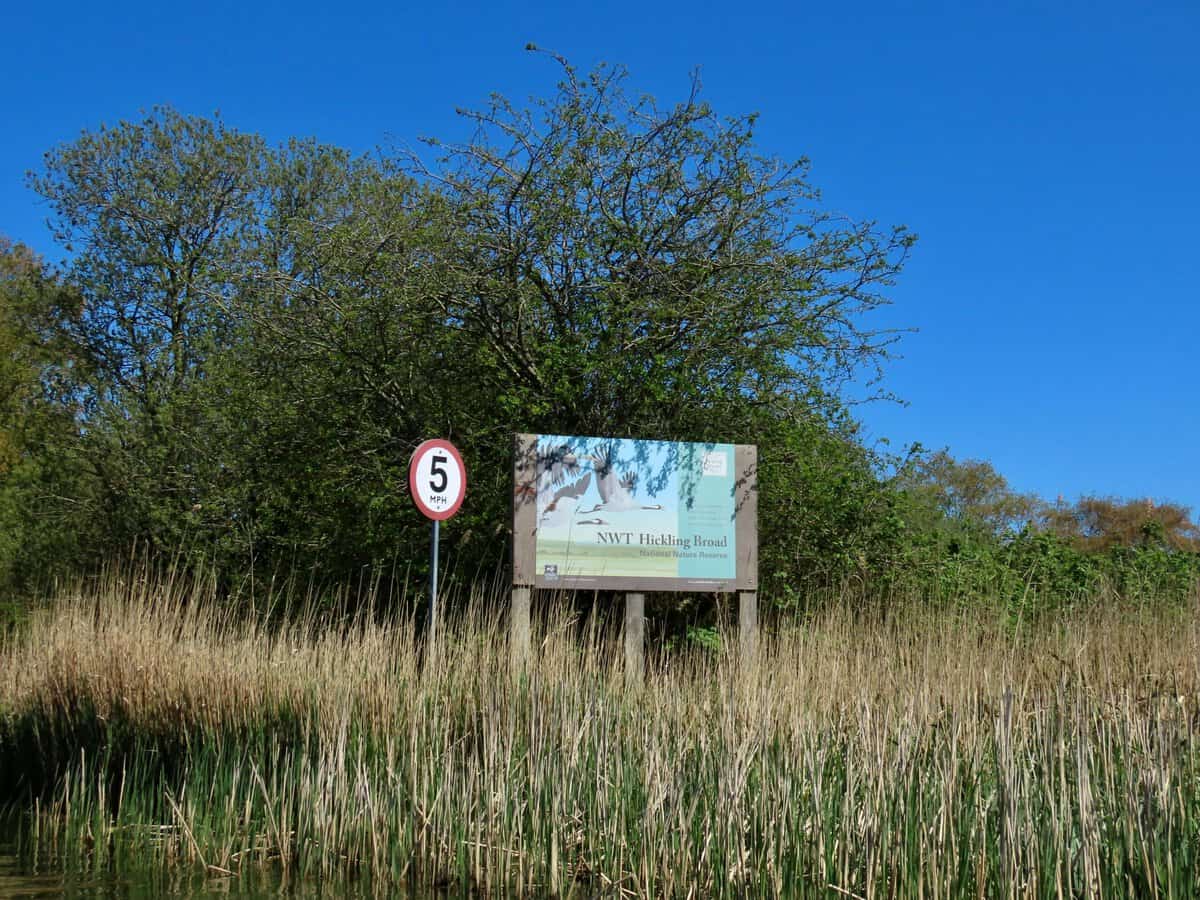


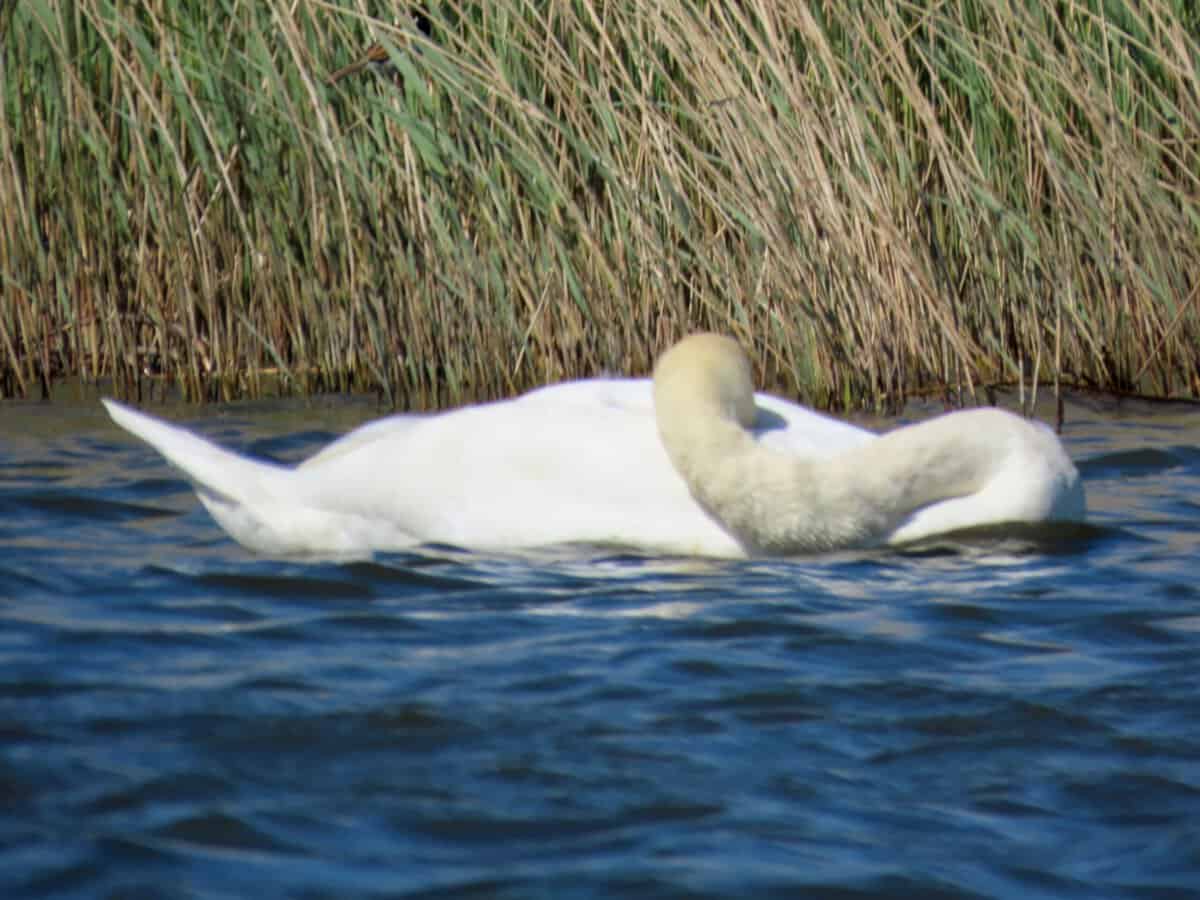



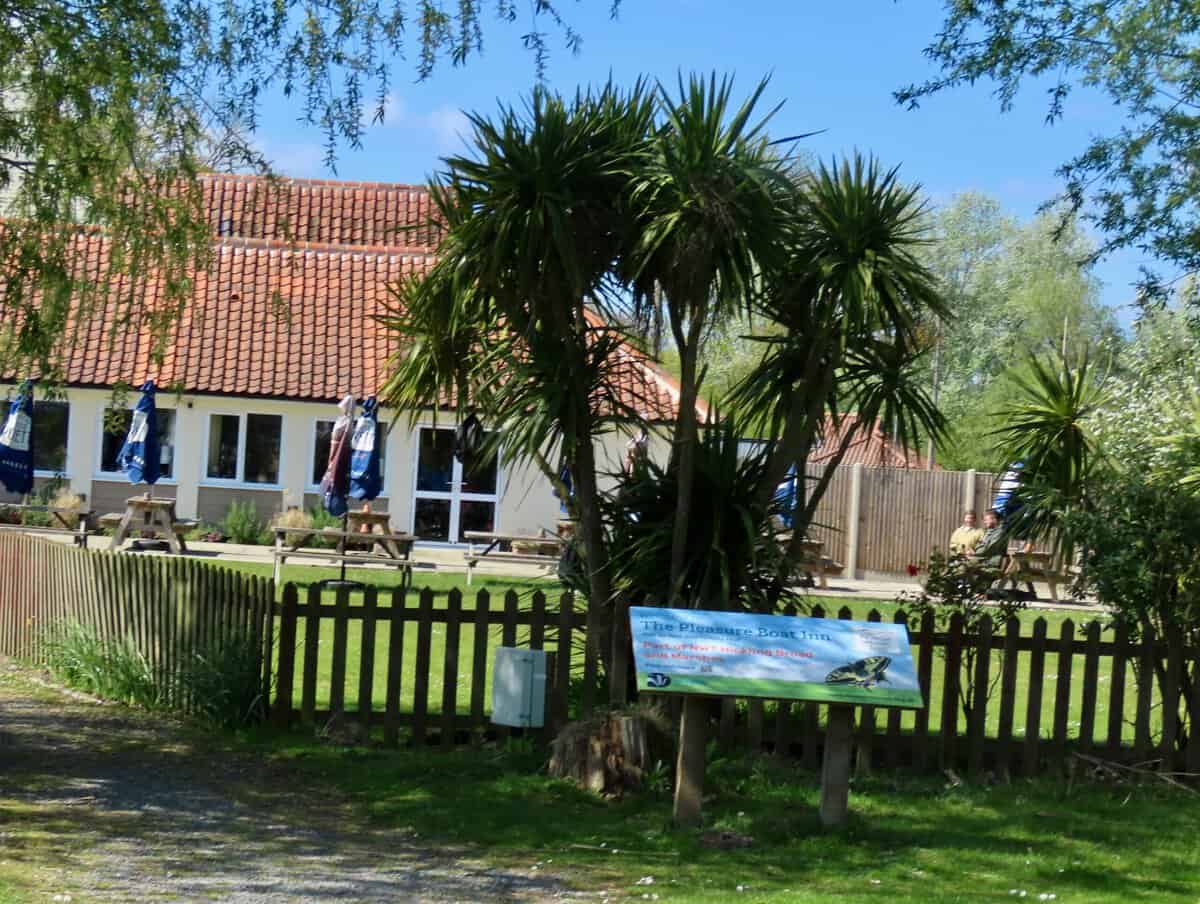
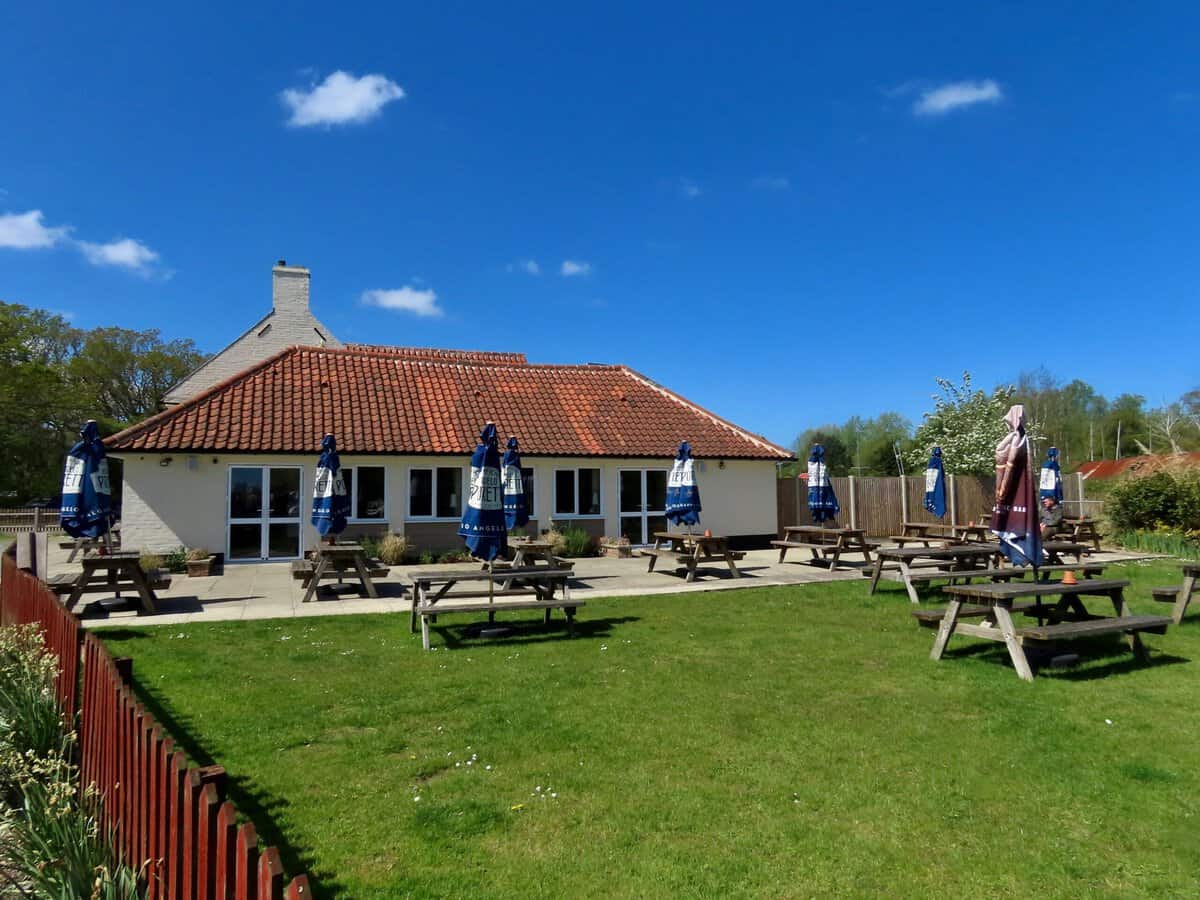
We stopped for lunch at the Pleasure Boat, a lovely old pub located on Norfolk Wildlife Trust property at the northwest tip of Hickling Broad – great food and lovely ambience.





I was fascinated by this navigational map of the Broads (and it’s a good thing I wasn’t asked to navigate!)

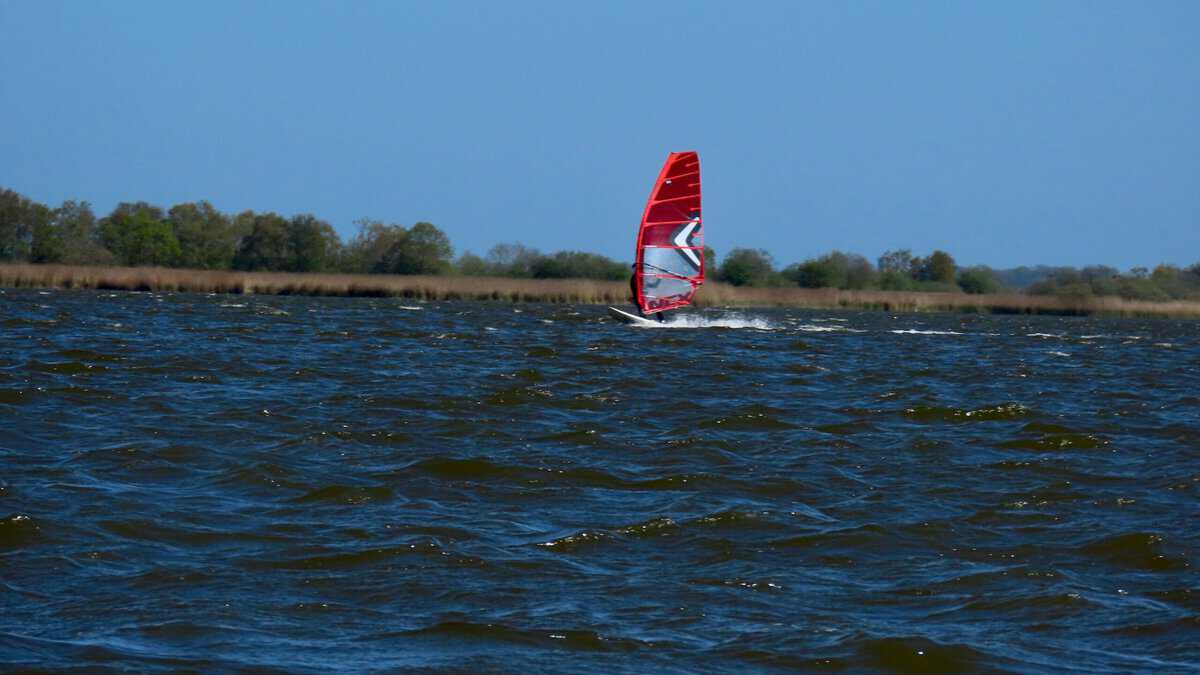
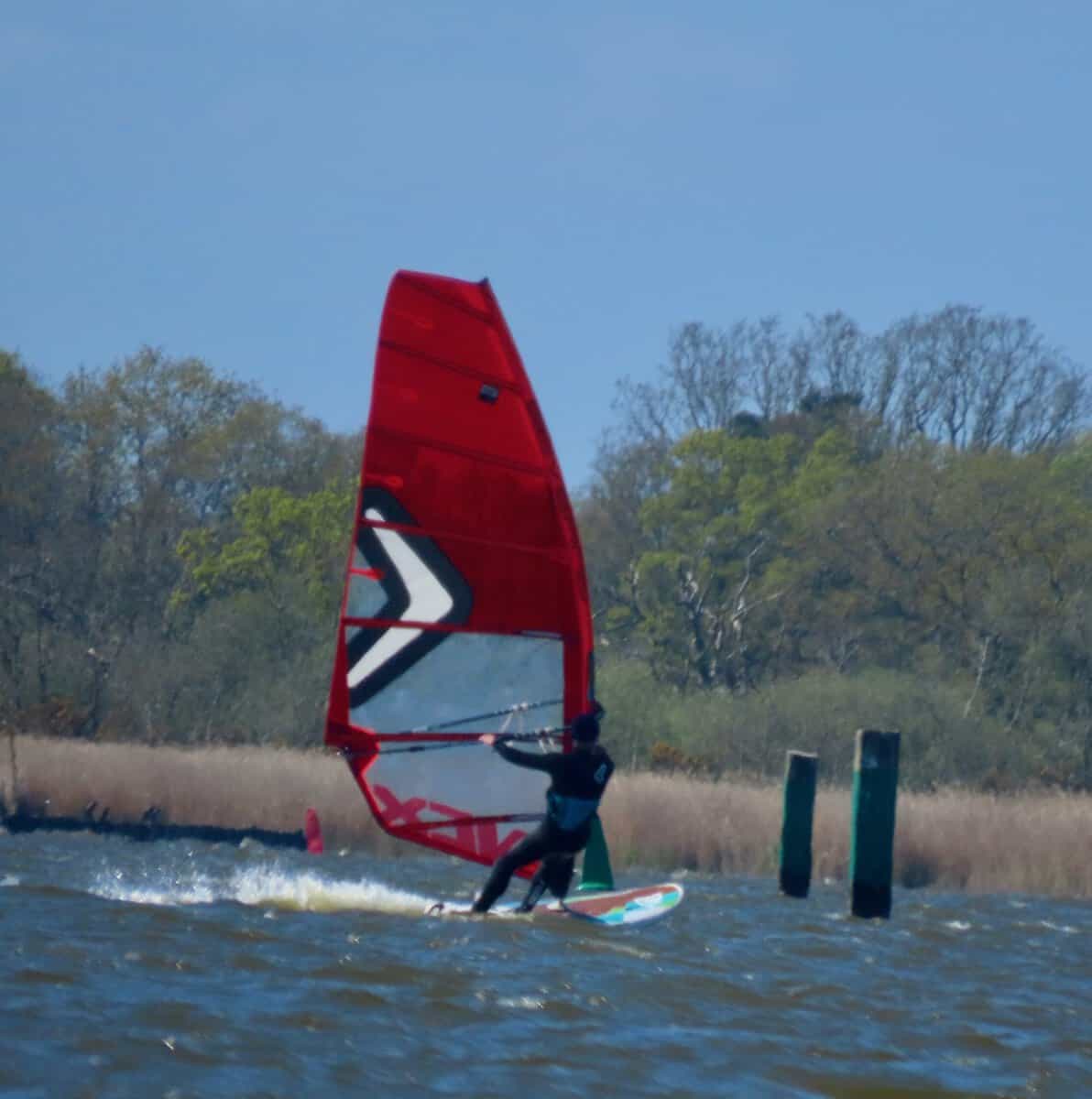
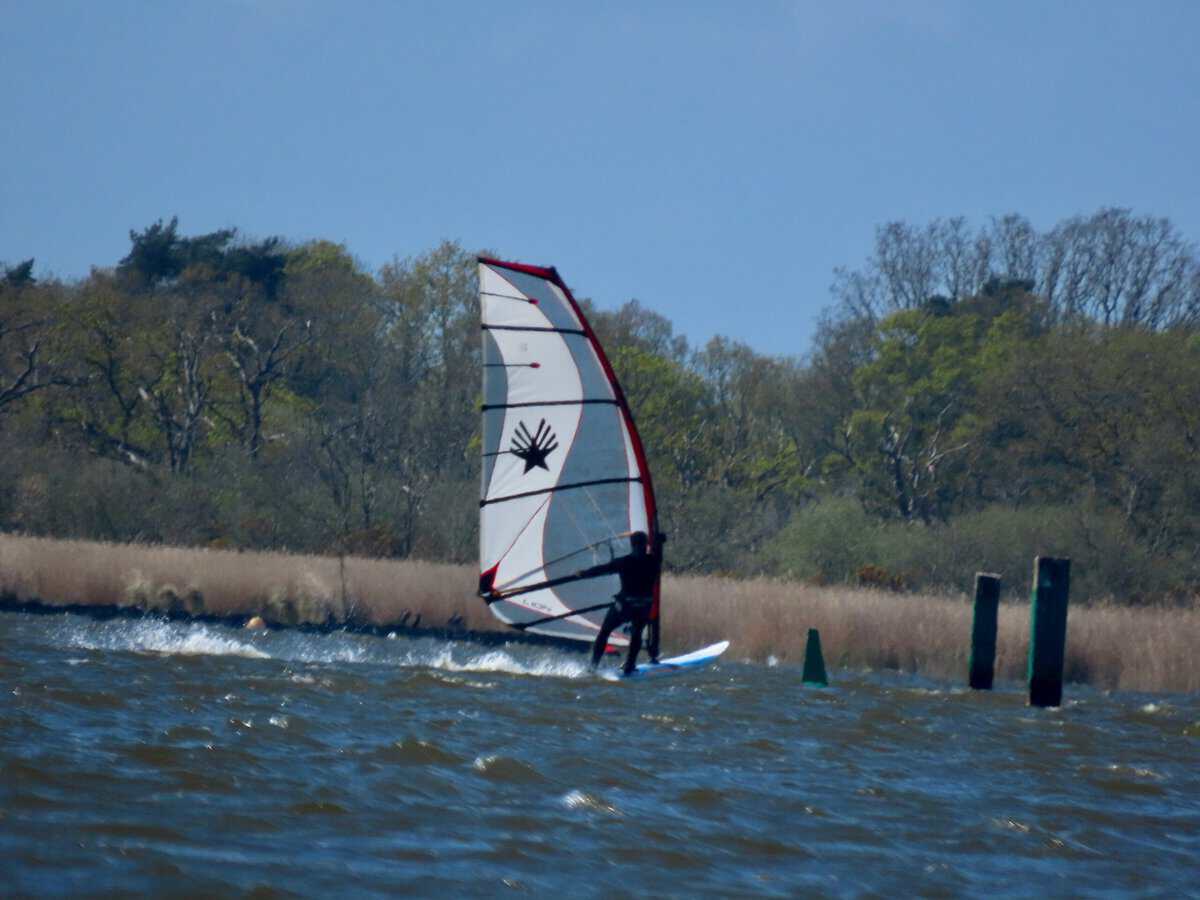
Back in the boat, we motored past a group of windsurfers taking advantage of the steady breeze to whip along the waterway.




Of course, no excursion is complete without a restorative cuppa, which Ali had well in hand.



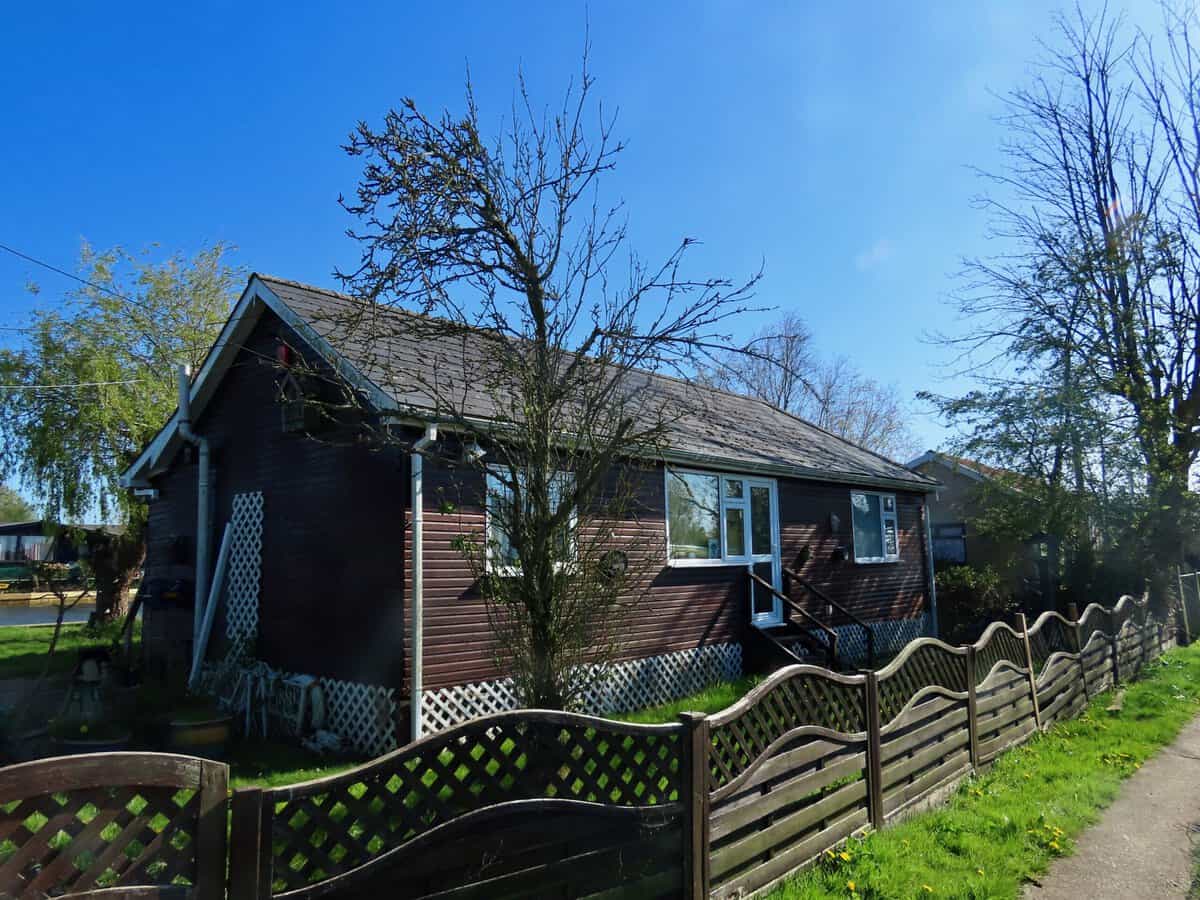
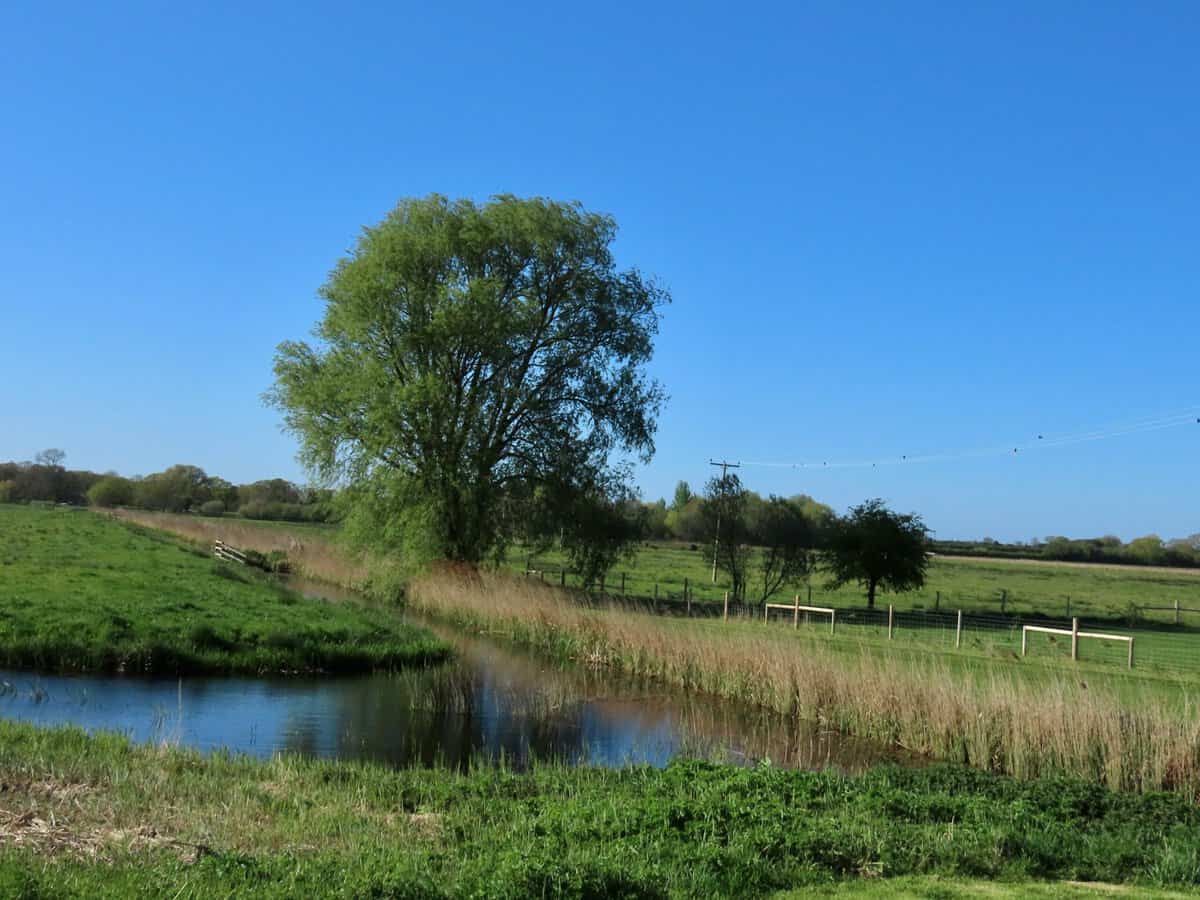
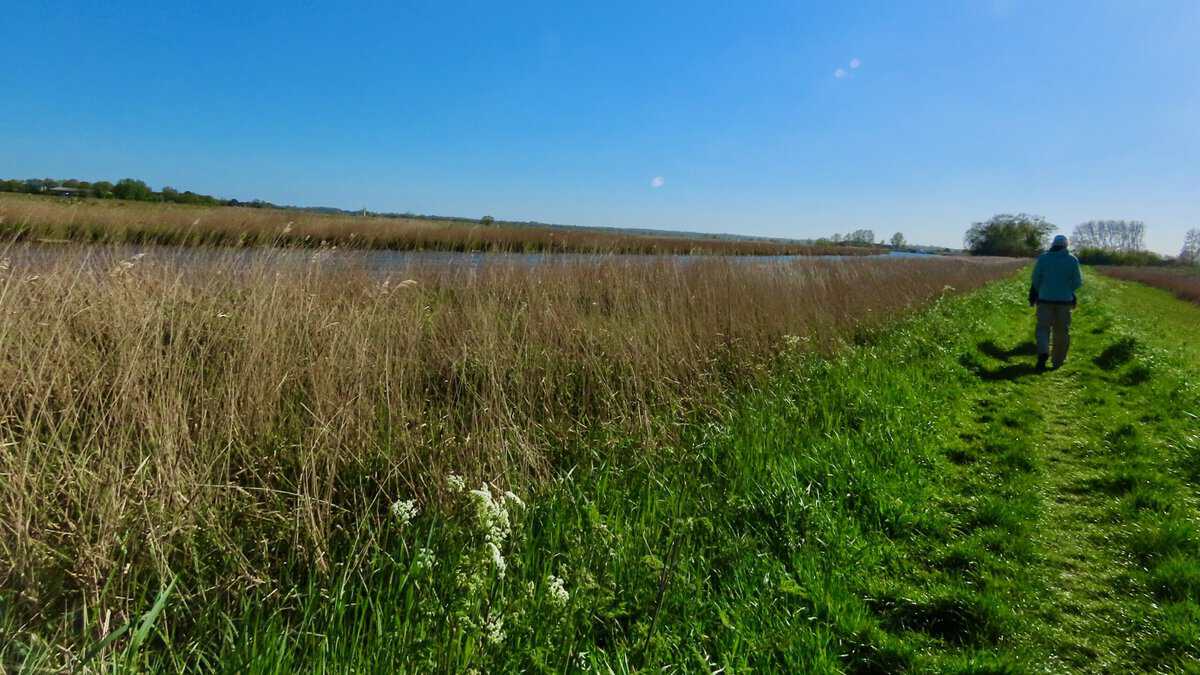
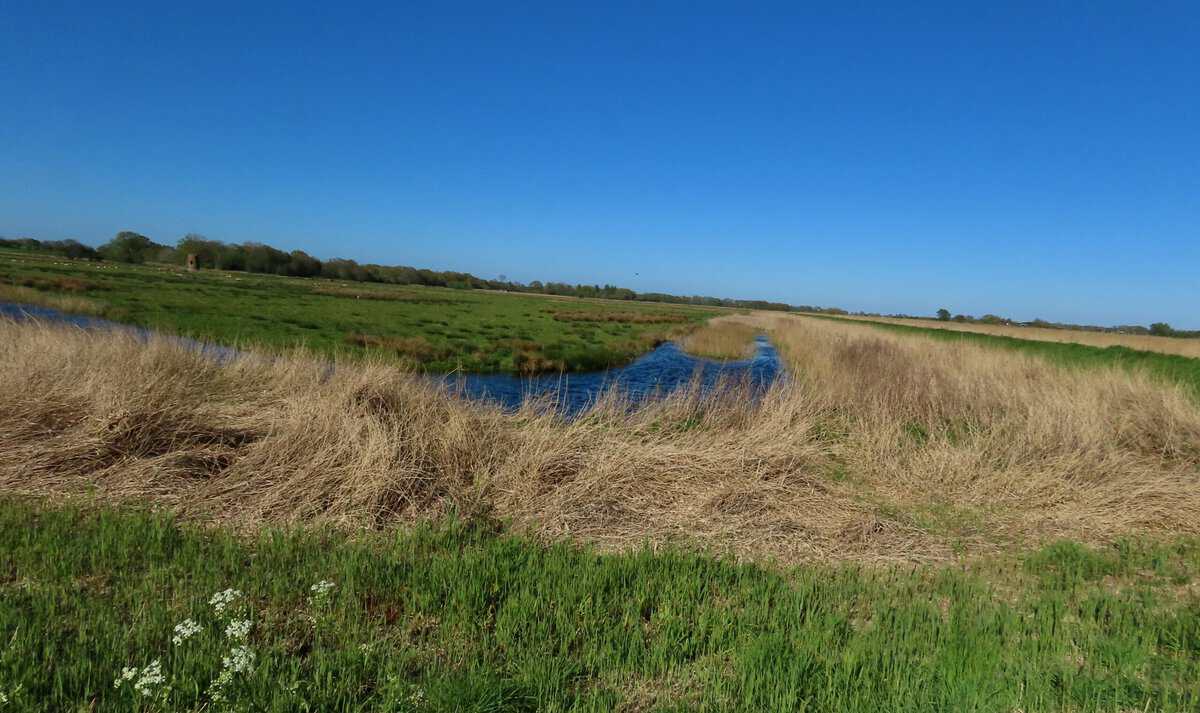
Back at Potter Heigham, we returned the boat, then split up. Kim drove the car home while Matt and I joined Ali on a water-side walk back to Ludham.

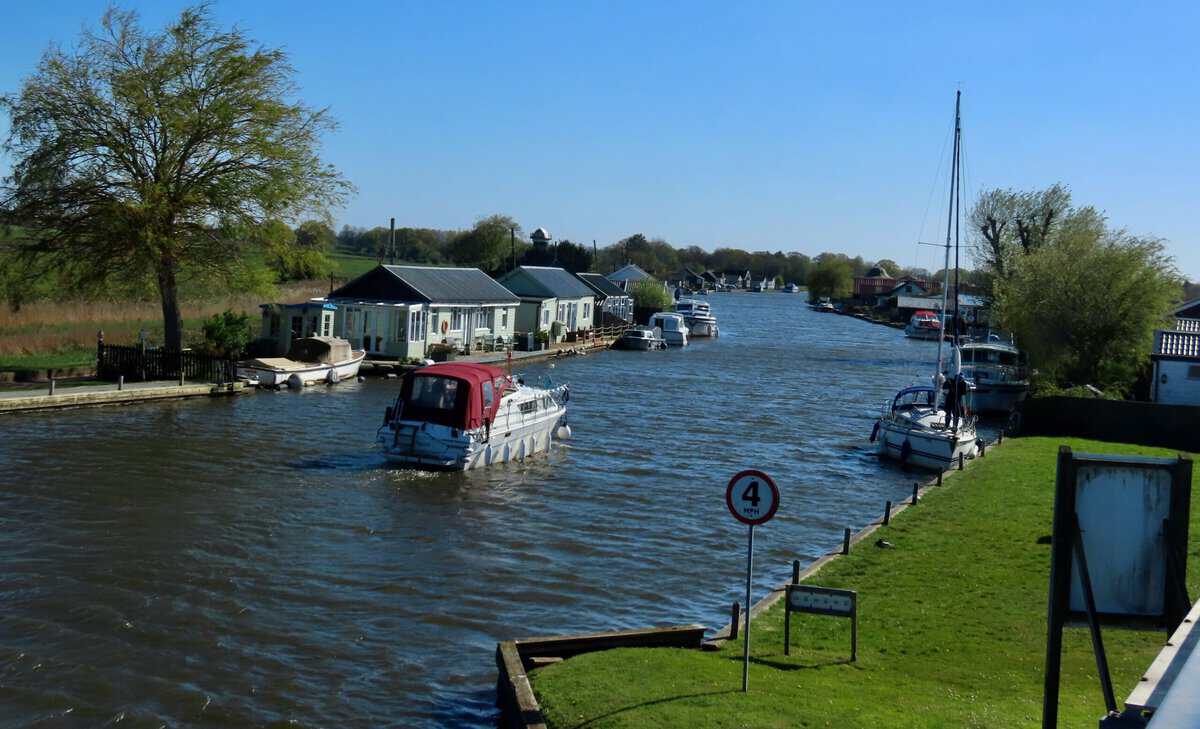
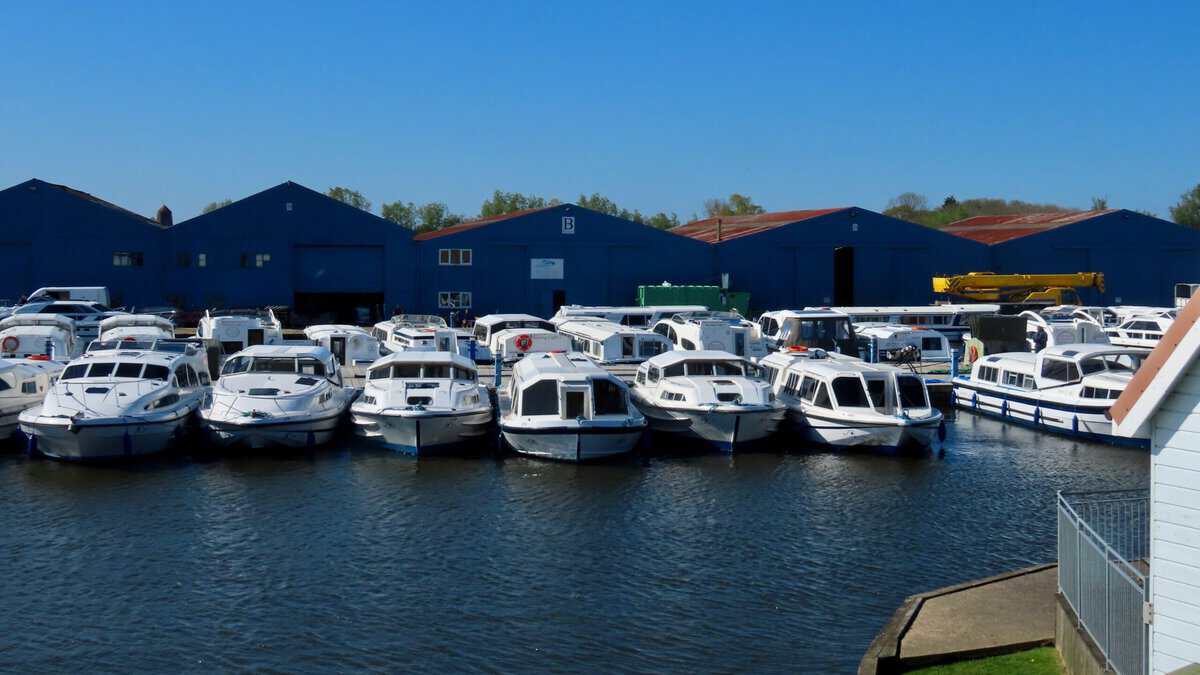
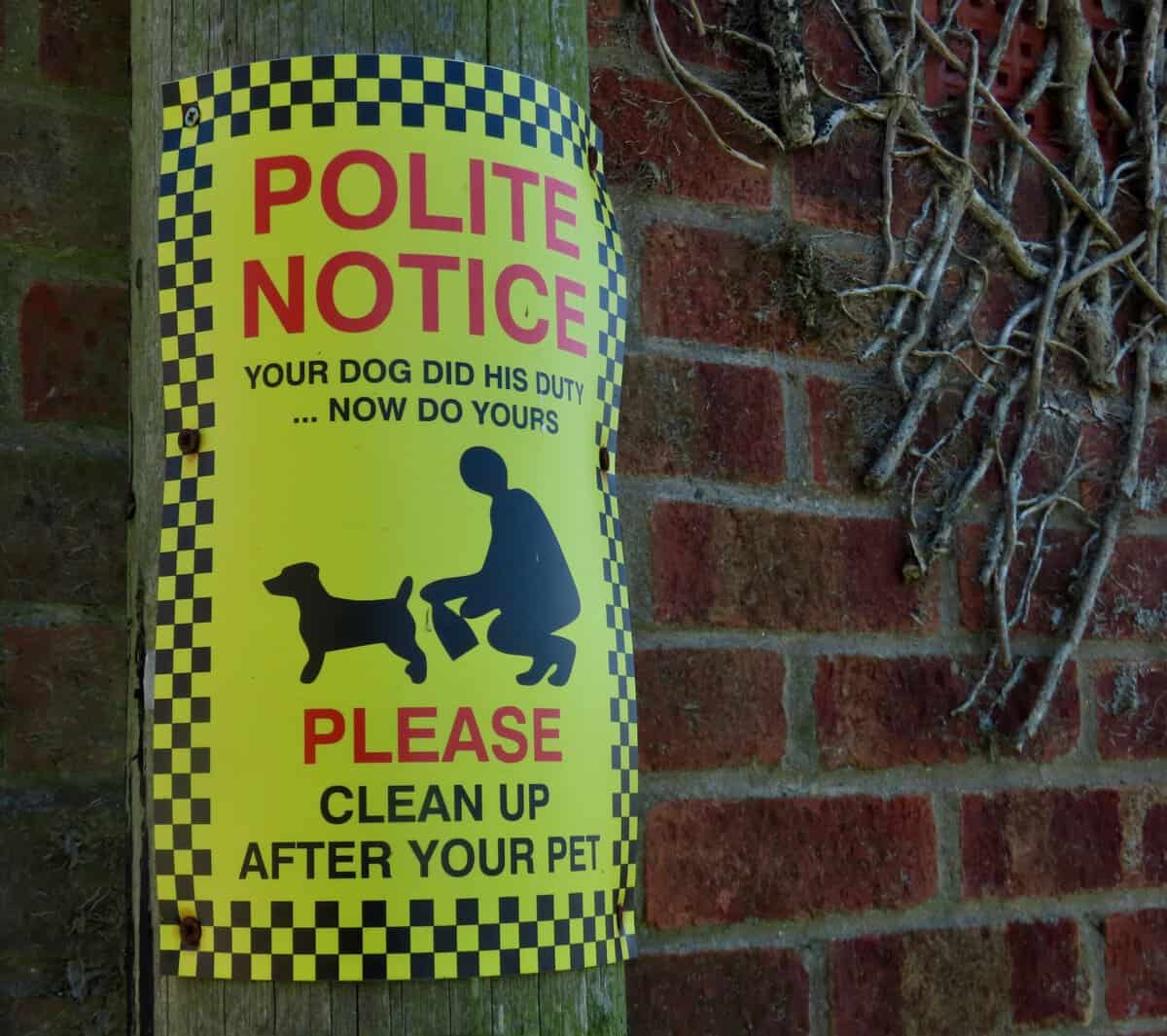
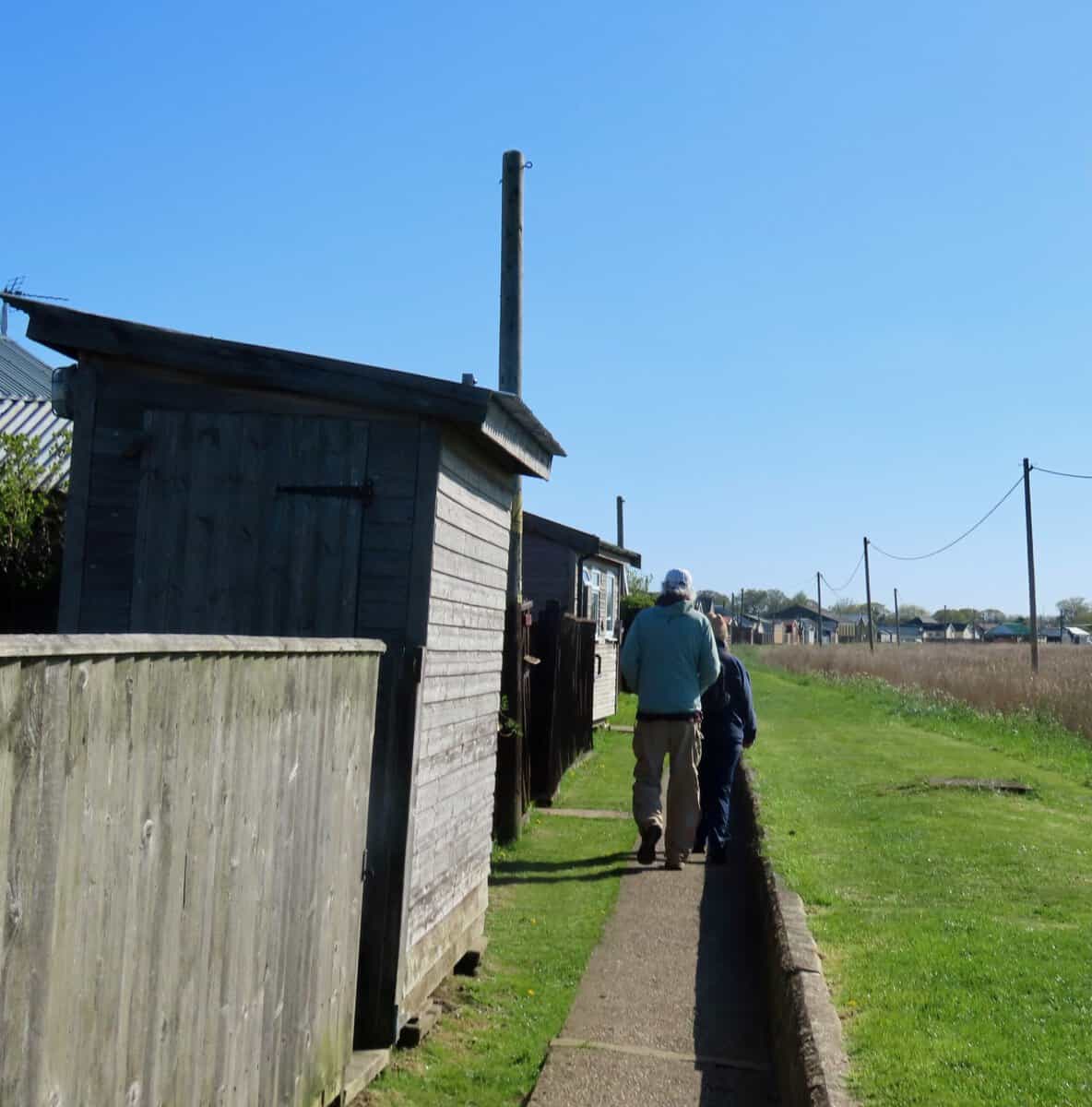
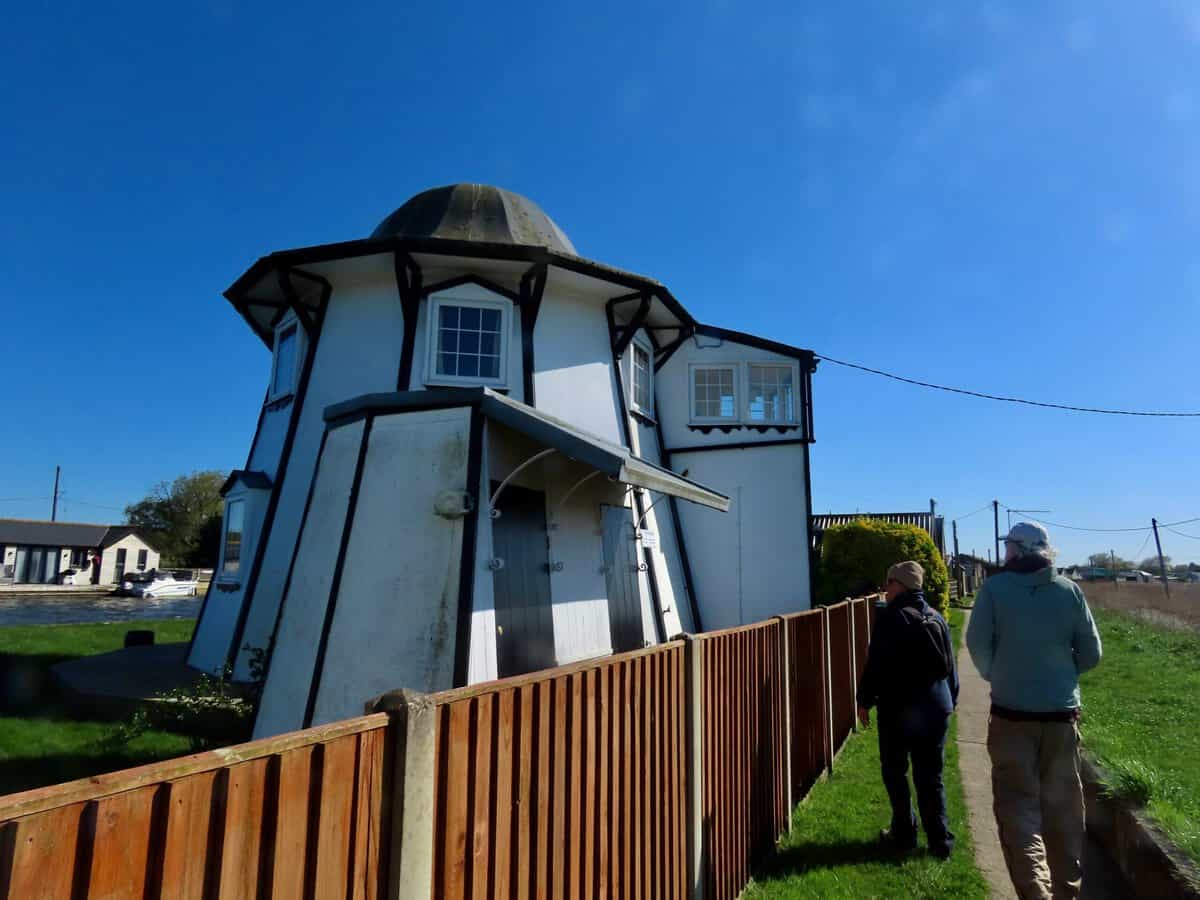
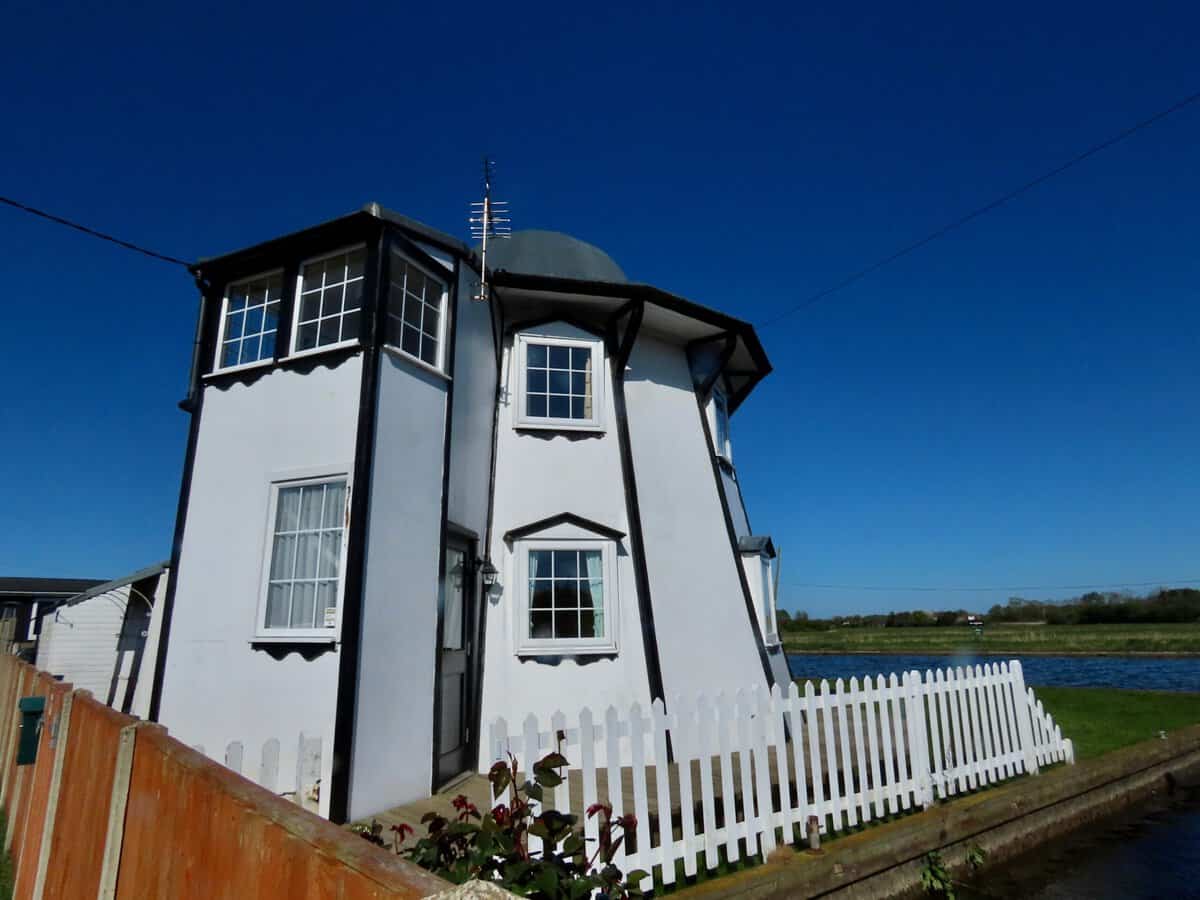
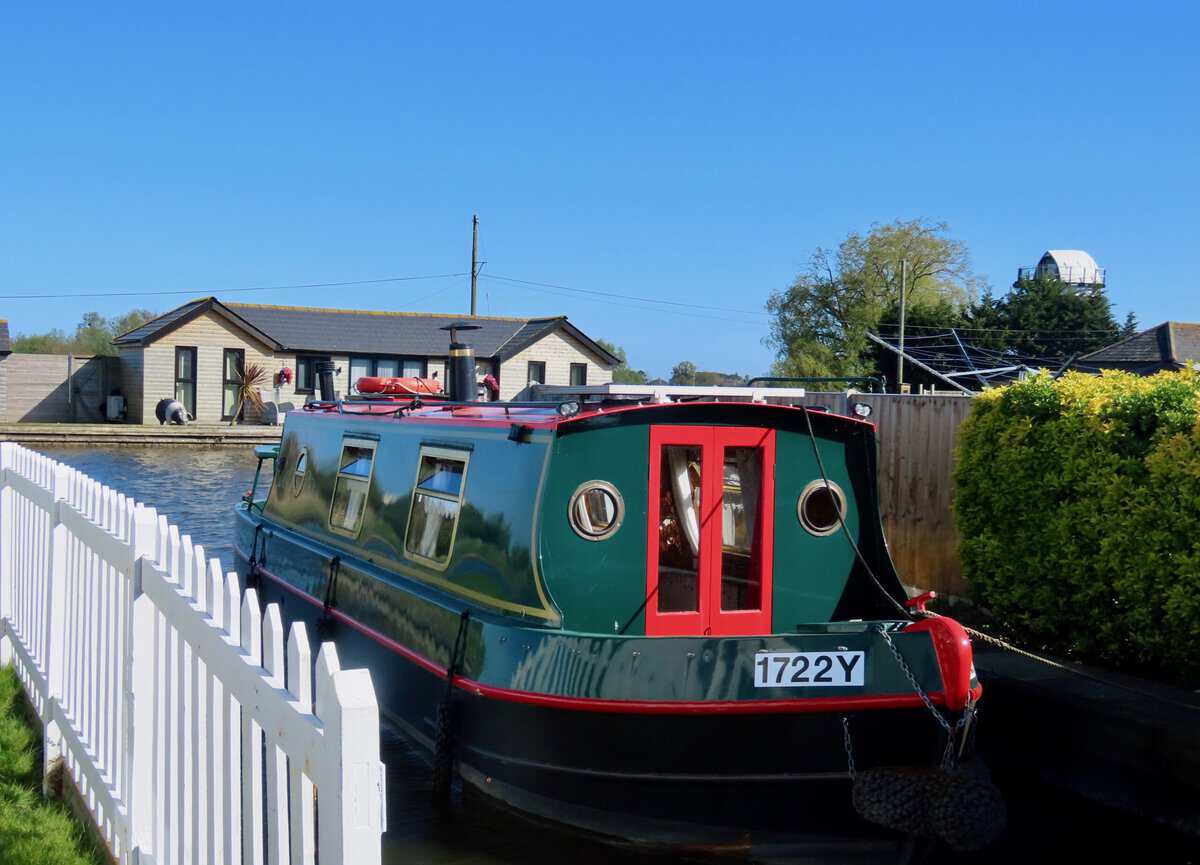
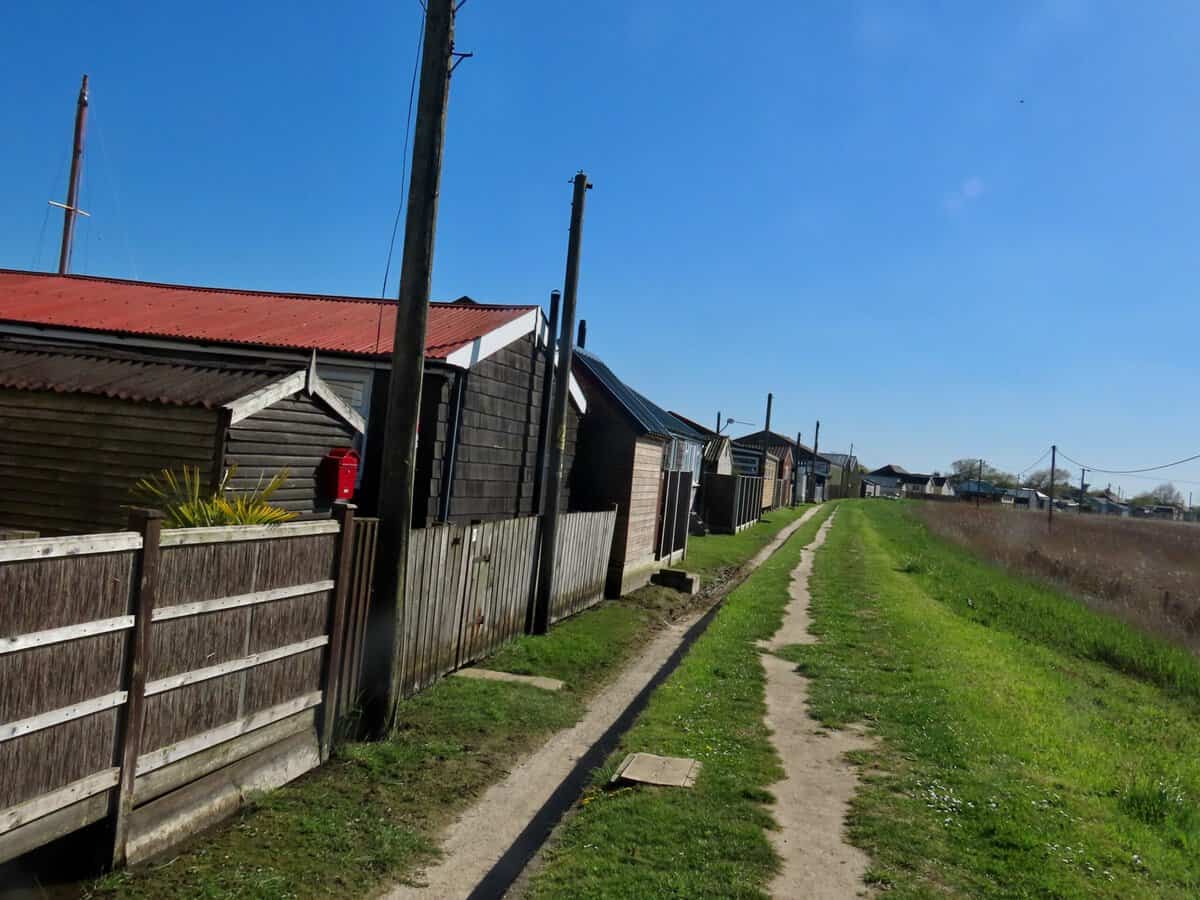

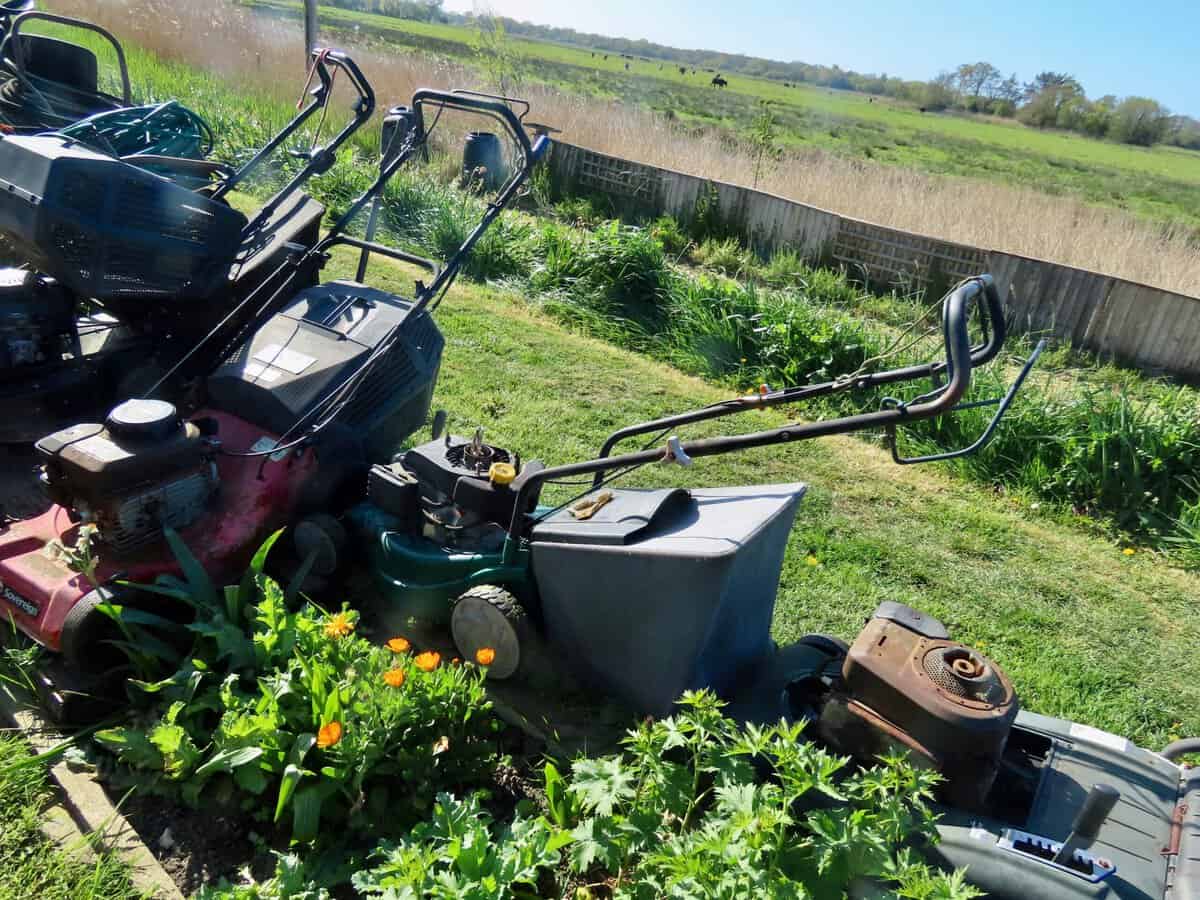
We had a nice chat with an elderly gentleman who collected vintage lawn mowers.
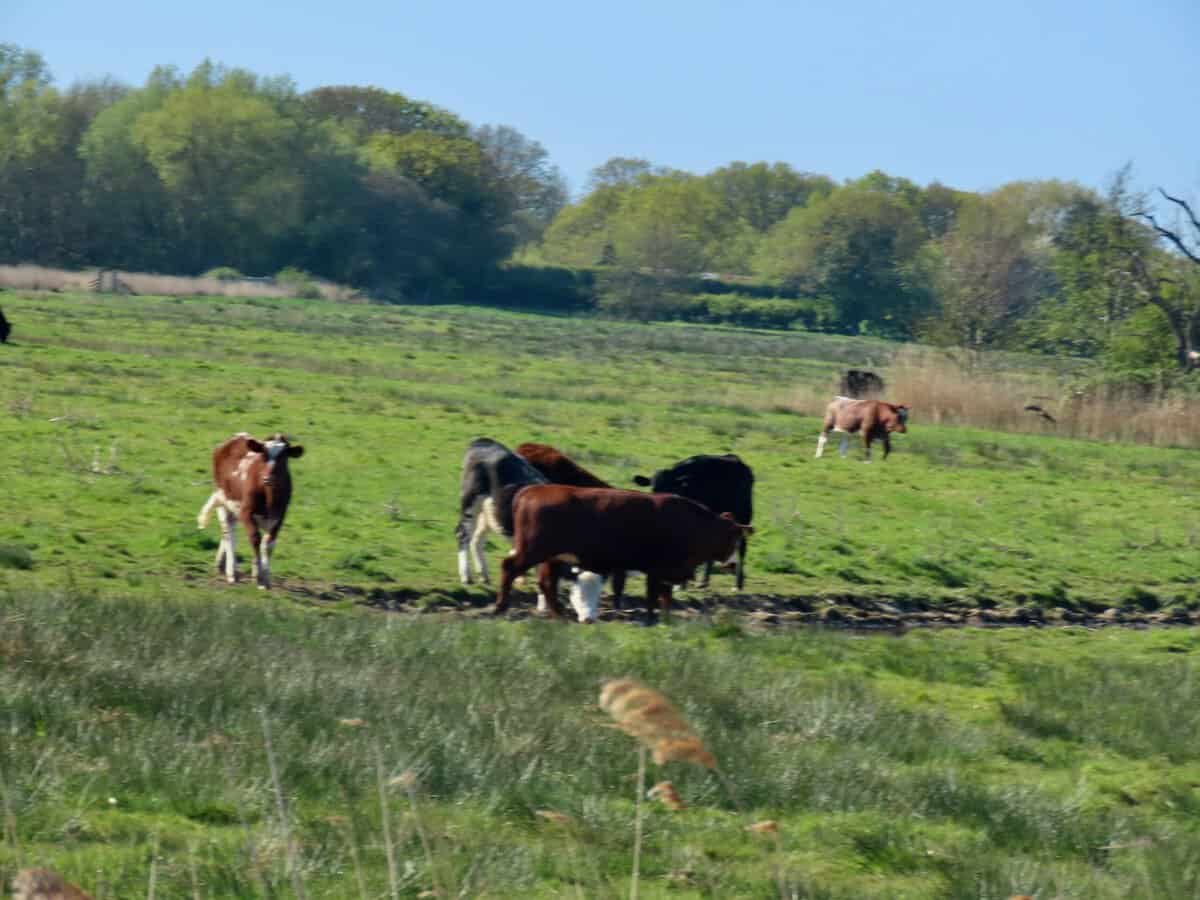
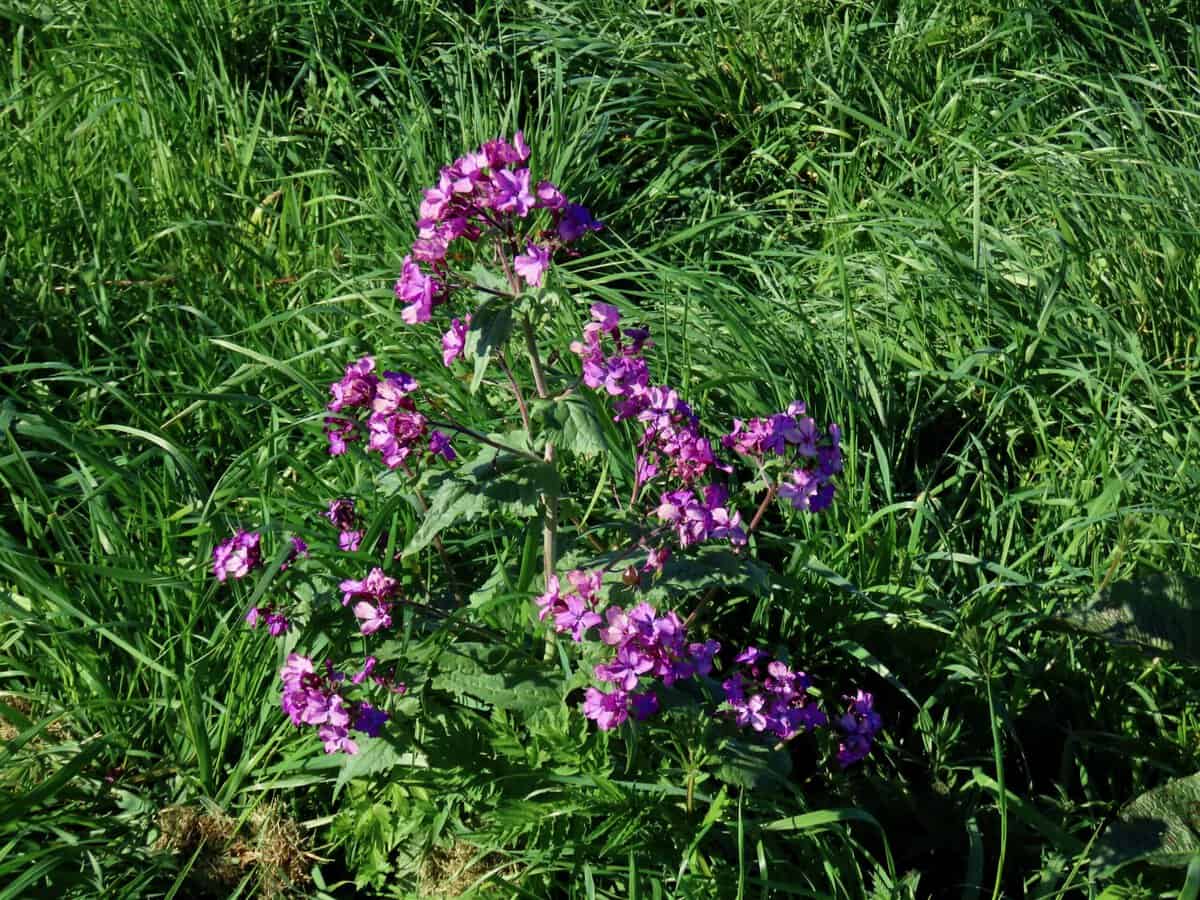
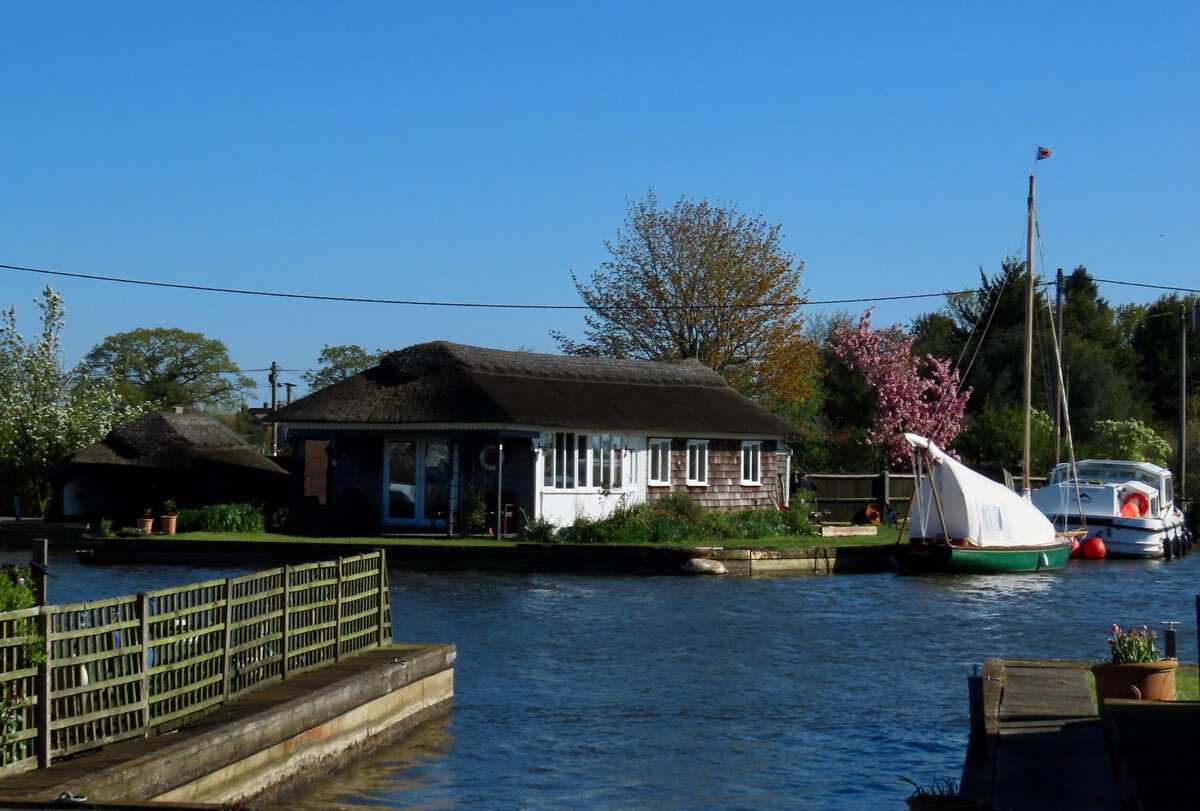
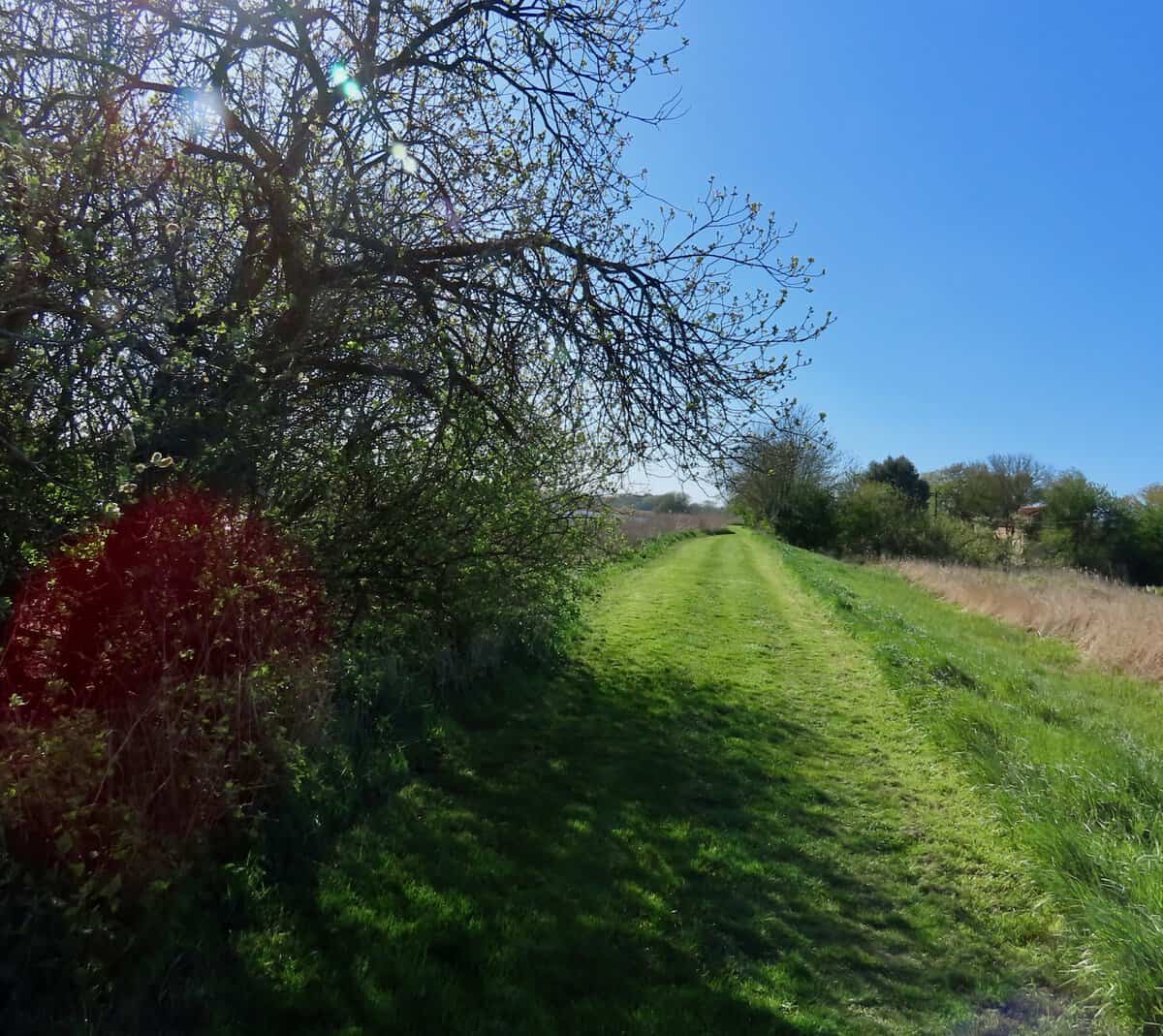
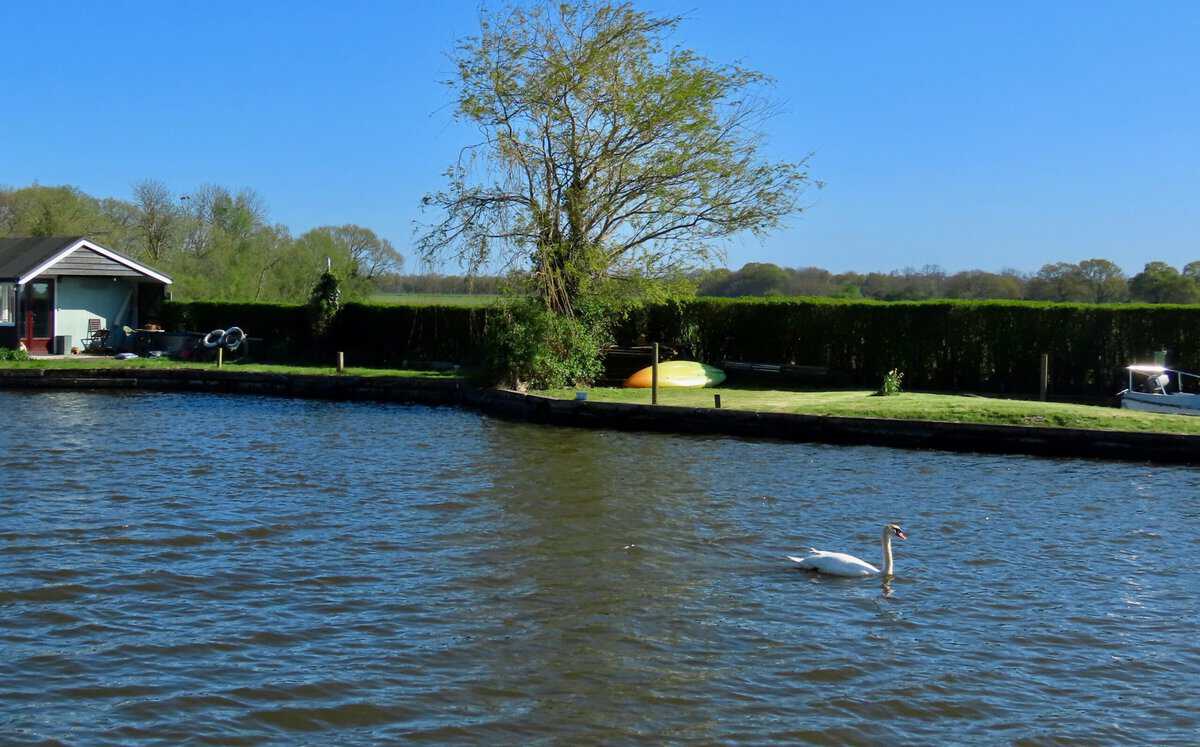

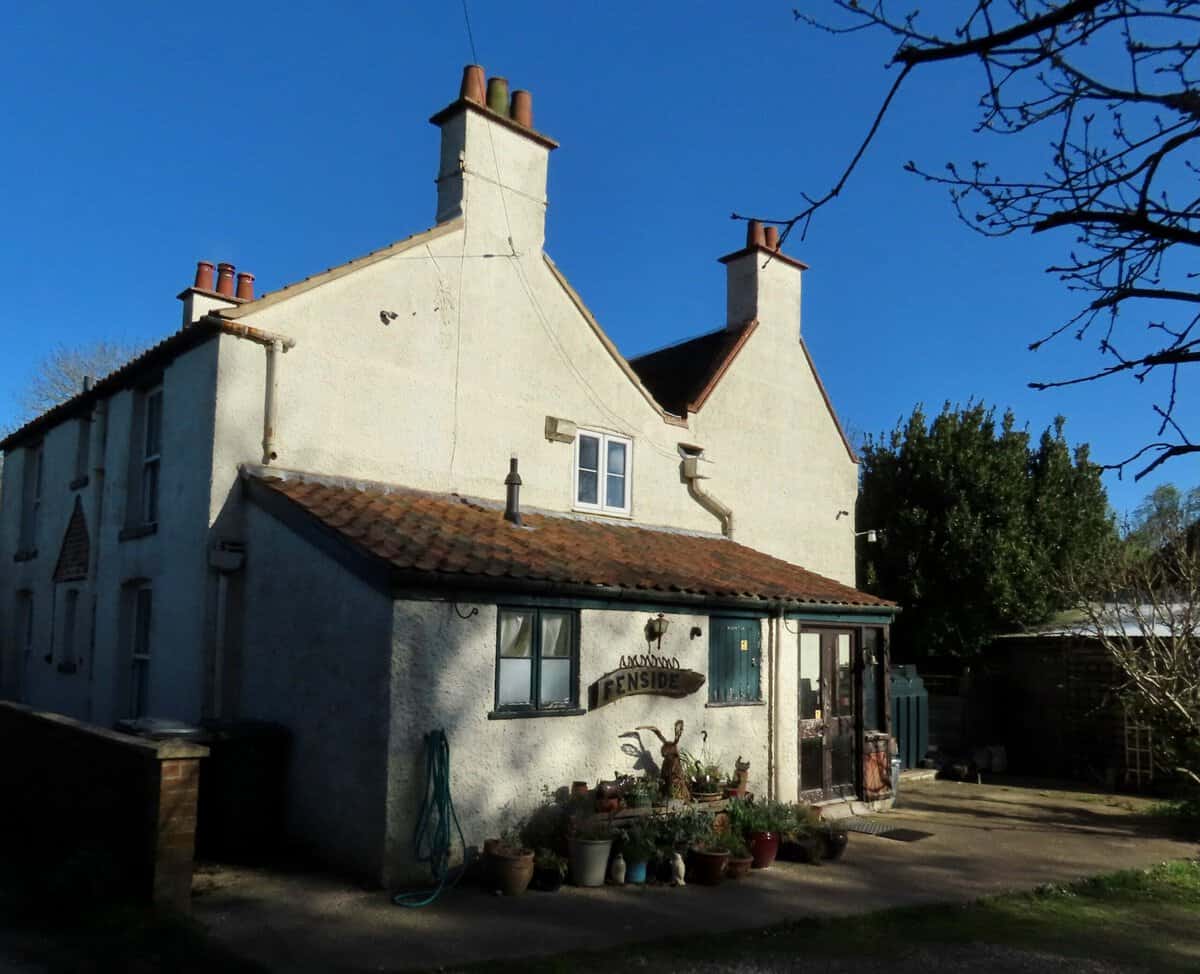
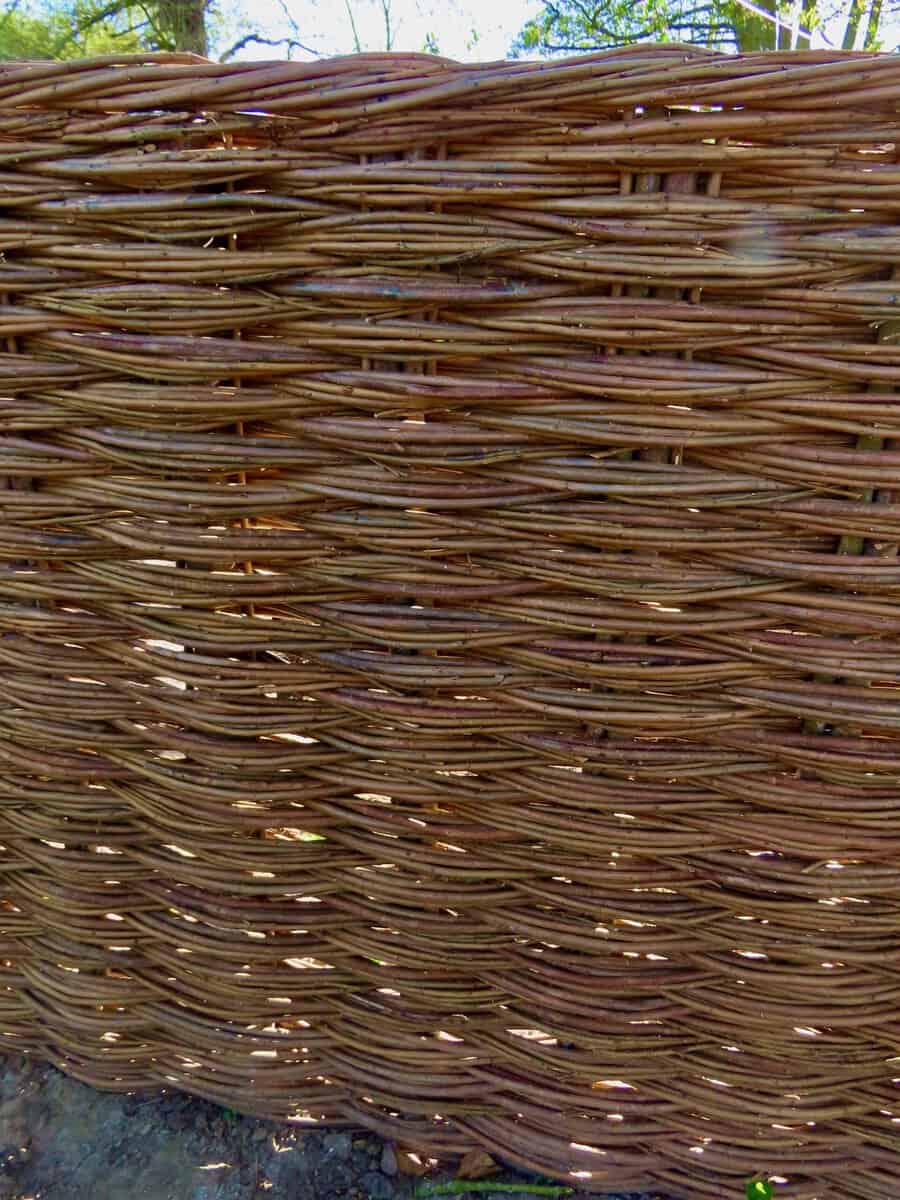
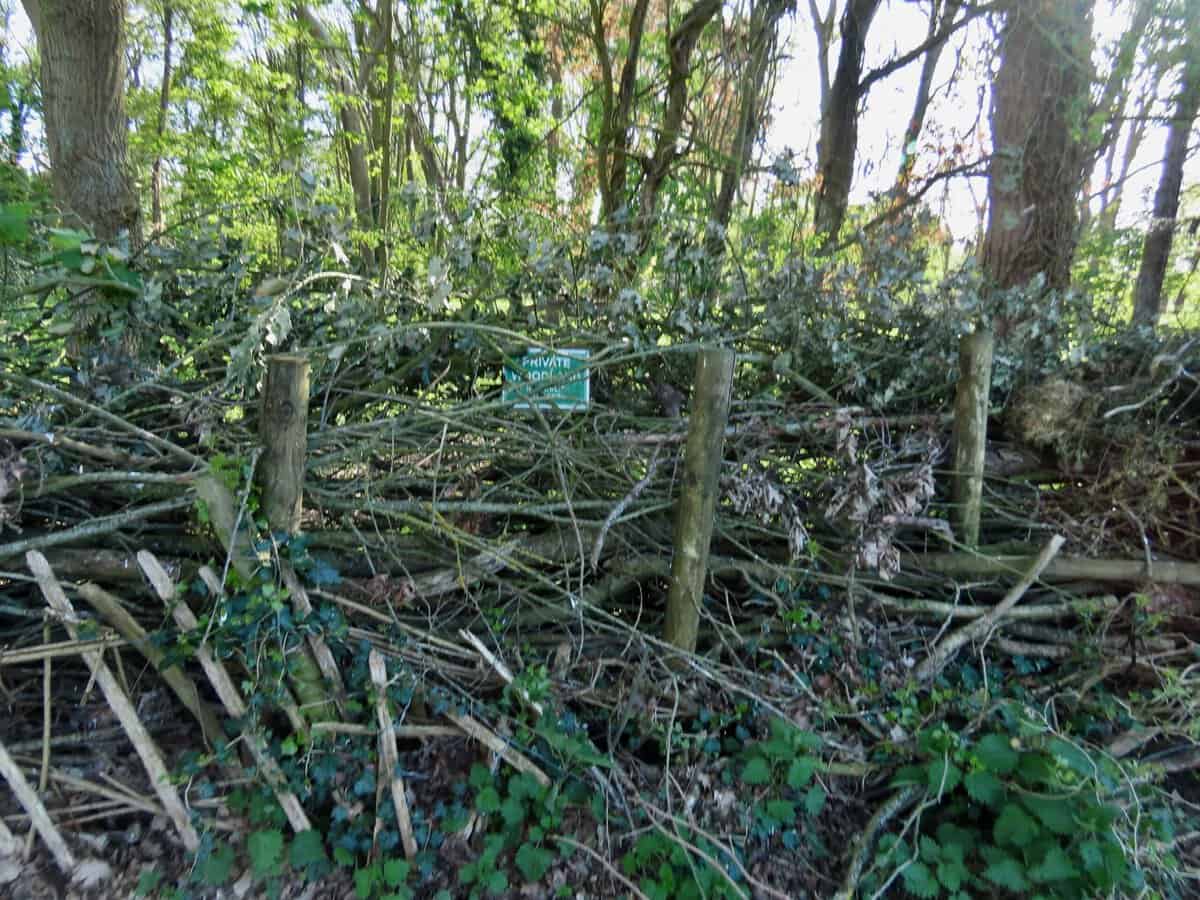
Here we are in the Ludham ‘burbs. I was intrigued by the “dead hedge” (picture below). It’s created by driving a double line of posts are into the ground, then stringing wire between them. The space between the posts is then packed with cut branches, brush, and deadwood — a clever way to use waste material from managing woodlands to create boundaries and wildlife habitat.

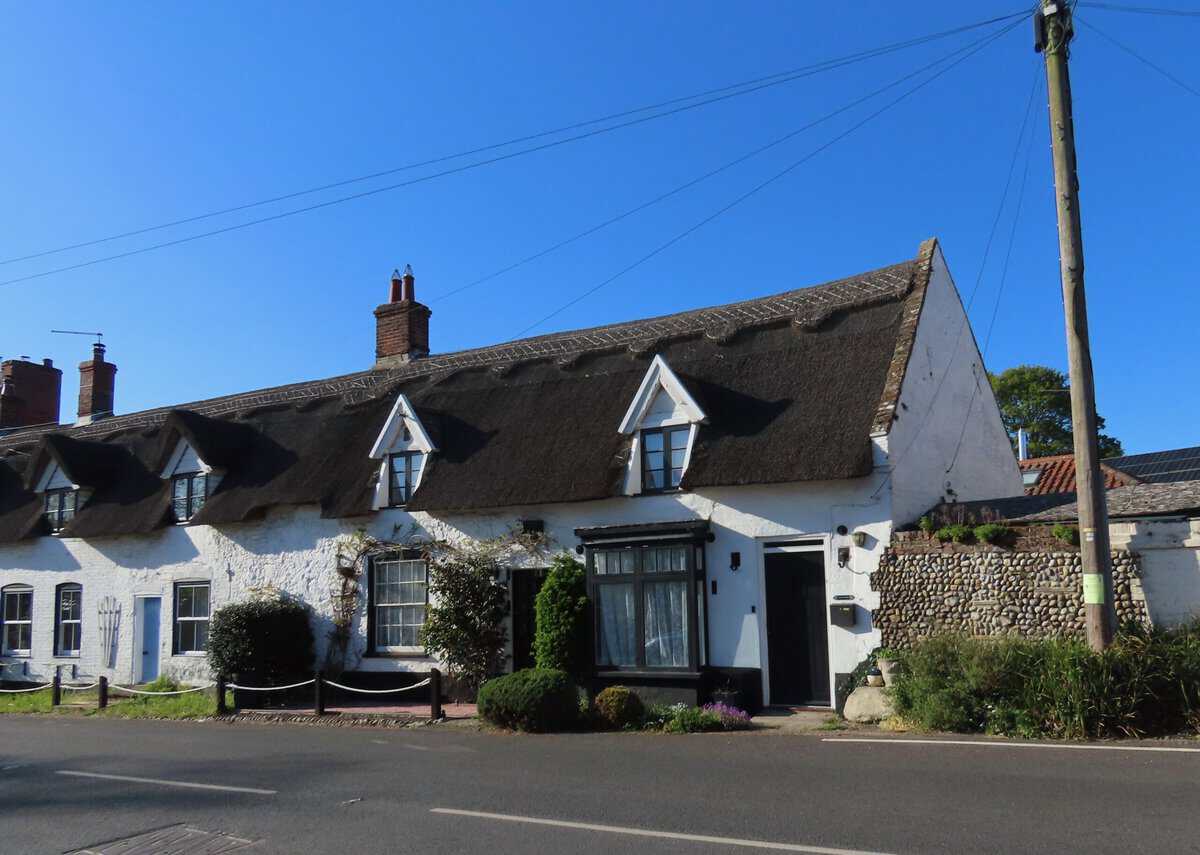
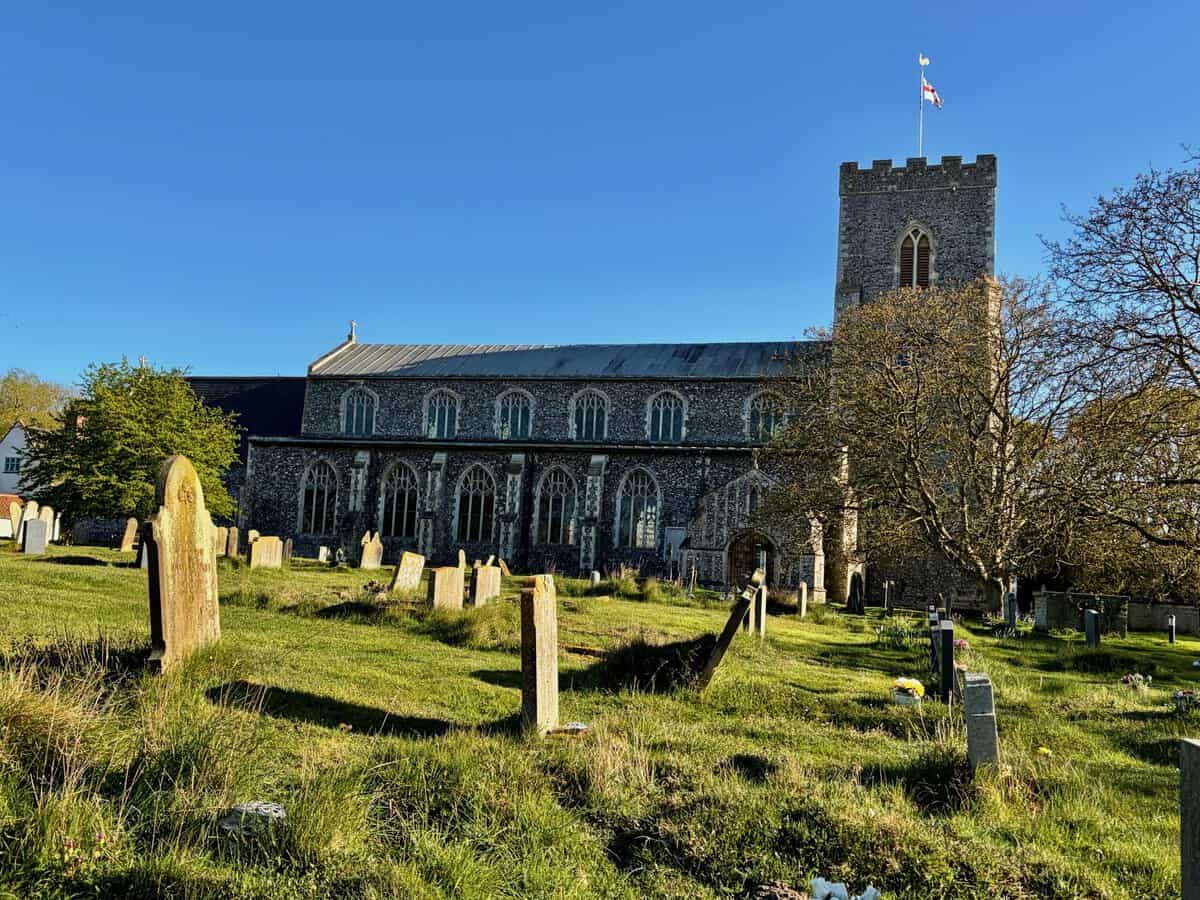
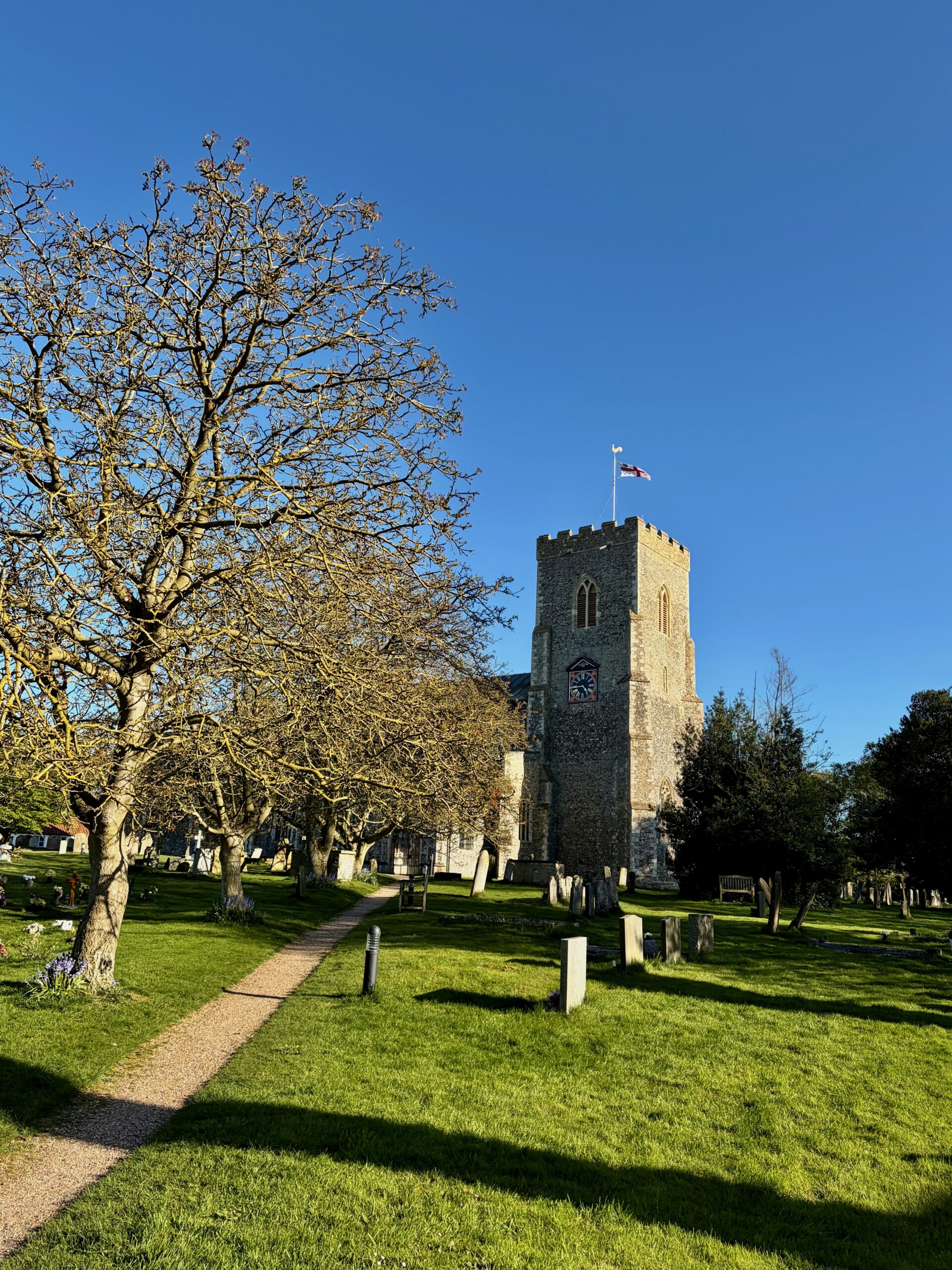
On our last visit to Ludham (2018), we spent some time visiting the beautiful 14th-15th century village church. This time we just waved in passing, hurrying home to enjoy Ali’s delicious dinner of sweet potato lasagna and apple crumble.